
Review · BUDAPEST
Budapest: Essentials of Hungarian Wine Tasting Class
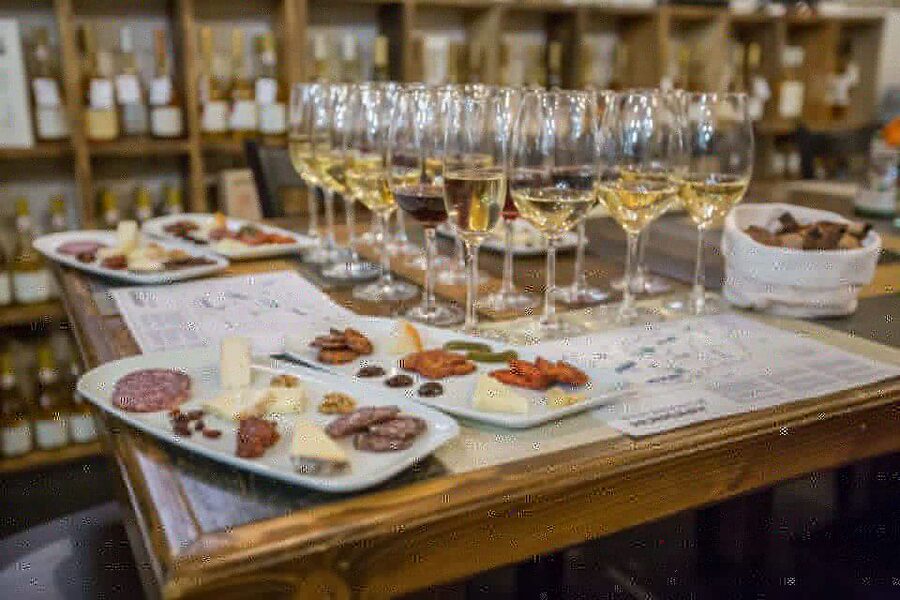
Hungary’s wine story is far bigger than Tokaj. In two hours, this Budapest tasting takes you from crisp whites and reds made by small producers to the famous sweet Tokaj aszú, with a sommelier explaining what makes each bottle different. I especially like the eight-wine progression, which gives you a clear path through Hungary rather than a random flight, and the local cheese, meat, and bread pairings, which make the evening feel like dinner as well as a class.
The main thing to watch is the pour size. Several sessions have been generous, sometimes close to a small glass rather than a sip, so eight wines can catch up with you. The format can also become a little talk-heavy if the group is chatty or the sommelier gets carried away, though the best hosts balance instruction with time to taste and talk.
Key points to know before booking
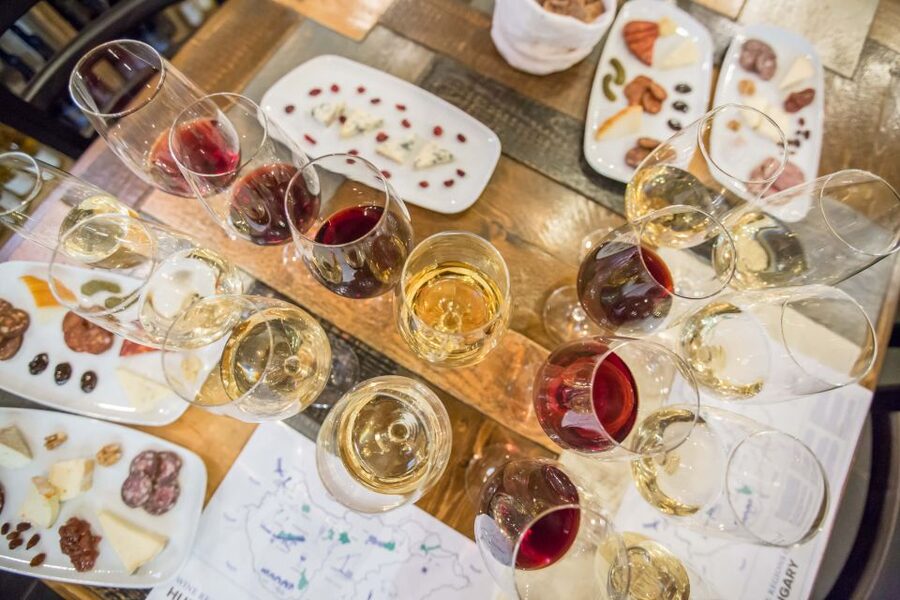
- Eight wines tell a full Hungarian story: Expect an aperitif, whites, reds, perhaps a rosé, and a sweet Tokaj aszú to finish.
- The teaching is practical: You cover regions, grapes, soil, climate, winemaking history, styles, and current trends without needing prior wine knowledge.
- Small producers take center stage: The wines are bought directly from producers familiar to the team, giving you bottles you may not encounter in ordinary tourist bars.
- Food is part of the value: Cheese, charcuterie, bread, and other Hungarian flavors help soften the alcohol and show how local wine works at the table.
- The setting is easy to reach: The Tasting Table Budapest sits at Bródy Sándor utca 9, about 150 meters from the National Museum.
- It is social by design: You share a table with other wine drinkers, making this a good evening choice for solo visitors and couples.
Why this is a smart introduction to Hungarian wine
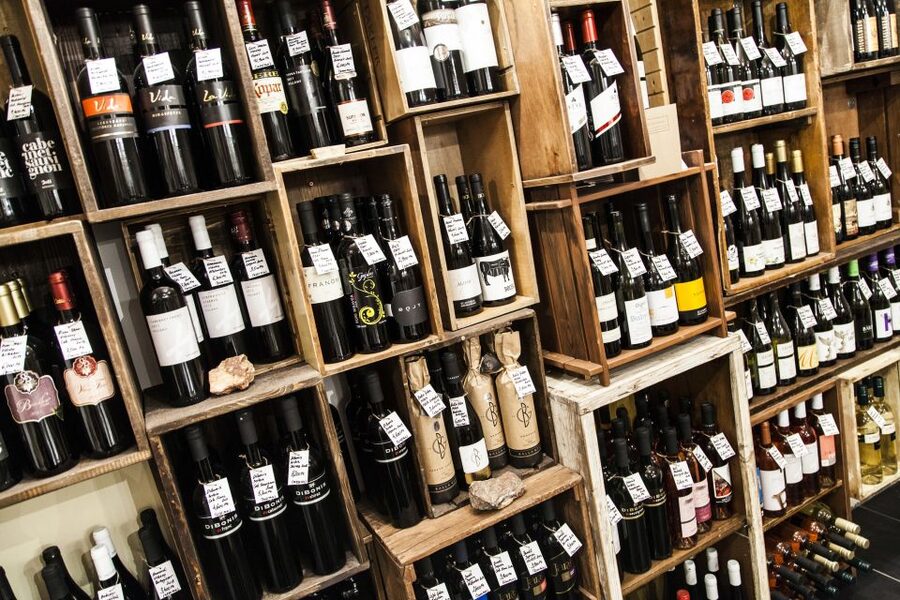
Hungarian wine can be difficult to approach in a shop. The labels may be unfamiliar, grape names may not be obvious, and the country’s wine regions are spread across several distinct areas. You can easily buy a bottle based on a guess and miss the point entirely.
This class solves that problem by giving you a map before you start shopping. The sommelier places each wine within Hungary’s wine regions and explains how climate, soil, grape variety, and local practice affect the taste. You will not leave knowing every producer in the country, but you should leave able to recognize the broad styles and ask better questions.
I like this approach because it treats Hungarian wine as its own subject rather than as a side note to Budapest sightseeing. The session is not simply a drink with a little commentary. The wines are chosen to show contrast, and each one has a reason for being in the lineup.
You also do not need to speak wine-speak. The class is intended for anyone curious about Hungarian bottles, from a complete beginner to someone who can identify a Cabernet Franc by smell. Hosts such as Tomas, Carlos, John, Sebastian, Christian, and Sam have led sessions over the years, and the common thread is an easygoing teaching style with plenty of room for questions.
More Wine Tastings in Budapest:
- Budapest: Hungarian Wine Tasting with 8 Wines and Tapas
★ 4.9 · 446 reviews - 8-Tier Hungarian Wine Tasting in a Cozy Downtown Wine Bar
★ 4.9 · 269 reviews - From Porto: Douro Valley w/ Boat Tour, Wine Tasting & Lunch
★ 4.7 · 19,061 reviews
Arriving at The Tasting Table Budapest
The meeting point is The Tasting Table Budapest at Bródy Sándor utca 9 in District VIII. It is only about 150 meters from the National Museum, so you can pair the class with an afternoon in the museum area without making a special trip across the city.
The room is about a five-minute walk from Astoria on metro line M2 or Kálvin tér on metro line M3. Trams 47 and 49 also stop at those locations. That simple access matters because the class usually runs from 6:00 PM to 8:00 PM, when you may not want to spend time figuring out a complicated route.
The tasting room itself has been described as a charming old cellar with brick arches. That gives the evening a warmer feel than a standard classroom, though you should expect a working tasting venue rather than a grand wine estate. The shop setting also has one useful advantage: if a bottle catches your attention, you may be able to buy it after tasting it instead of guessing from a shelf.
Arrive with a little time to spare. The activity is in a central area, but Budapest street addresses and entrances can still take a moment to sort out, especially after dark.
The first pour sets the map
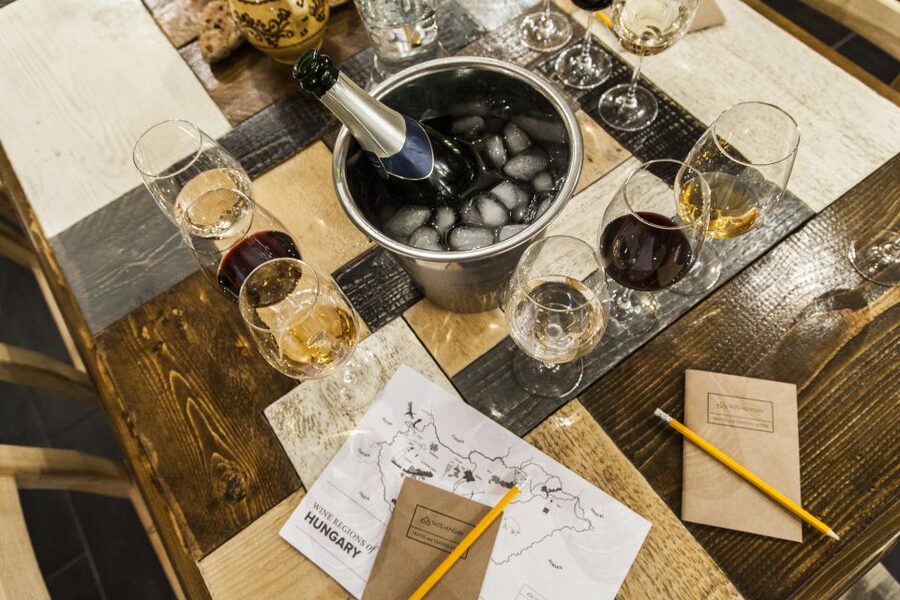
The tasting generally begins with an aperitif, often a sparkling wine. This is a sensible opening because it gives your palate a clean start and lets the sommelier introduce the evening before moving into more serious comparisons.
The first part of the class is less about memorizing names and more about building a framework. You learn where Hungary’s main wine areas are, how the country’s winemaking developed, and which grape varieties matter. A map of the Hungarian wine regions is provided with the tasting sheets, so you can follow along and make notes.
That map is worth keeping. Hungarian wine names can blur together after several glasses, and the geography helps you remember why two bottles taste different. You can mark down a region, grape, and one impression for each wine rather than trying to record every technical detail.
The tasting sheets also make the class more useful after you leave. If you find a favorite, you have a record of what it was and why it appealed to you. Bring your reading glasses if you need them, and take notes early, before the wine starts doing its own teaching.
Whites, reds, and unfamiliar grapes
After the aperitif, the class moves through whites and reds, with a rosé sometimes included. The exact bottles can change, which is a positive feature for repeat visitors but means you should not book expecting one fixed menu.
This part is where the class earns its price. You may taste several wines from different Hungarian areas and compare how local conditions shape them. The sommelier explains the grape varieties and styles, while you can decide which flavors actually work for your own palate.
I appreciate the range here. One bottle may be bright and easy to drink, another more structured, and another made from a grape you have never tried. The lesson does not depend on every wine becoming a personal favorite. A wine you dislike can still teach you something about style, food matching, or the kind of bottle you want to avoid buying later.
The hosts also make a point of explaining promising changes in Hungarian wine. You get a sense of how small producers are working today, not just a history lesson about famous regions. That direct connection to producers is one of the more appealing parts of the event. The wines are purchased from makers the team knows, rather than selected only because they are familiar international labels.
Food arrives alongside the wine. Cheese and charcuterie are the main pairing, with bread and other local flavors appearing in the spread. Past tastings have also included pumpkin seed oil and chutney. The amount can vary in feel depending on your appetite, but it is substantial enough to make the session more than a series of empty-stomach pours.
One practical note: food helps, but it does not cancel out eight wines. Eat a proper meal earlier if you know alcohol affects you quickly.
More wine tours around Budapest:
- Countryside Half-day Gastro-Wine Tour from Budapest Meal & pickup
★ 5.0 · 1,450 reviews - Budapest Centre Food Tour with 10+ Tastings, Wine & Street Food
★ 5.0 · 810 reviews - From Budapest: Half-Day Countryside Wine Tour with Meal
★ 4.8 · 657 reviews - Budapest: Wine, Cheese, and Charcuterie Tasting
★ 4.9 · 647 reviews
Ending with Tokaj aszú
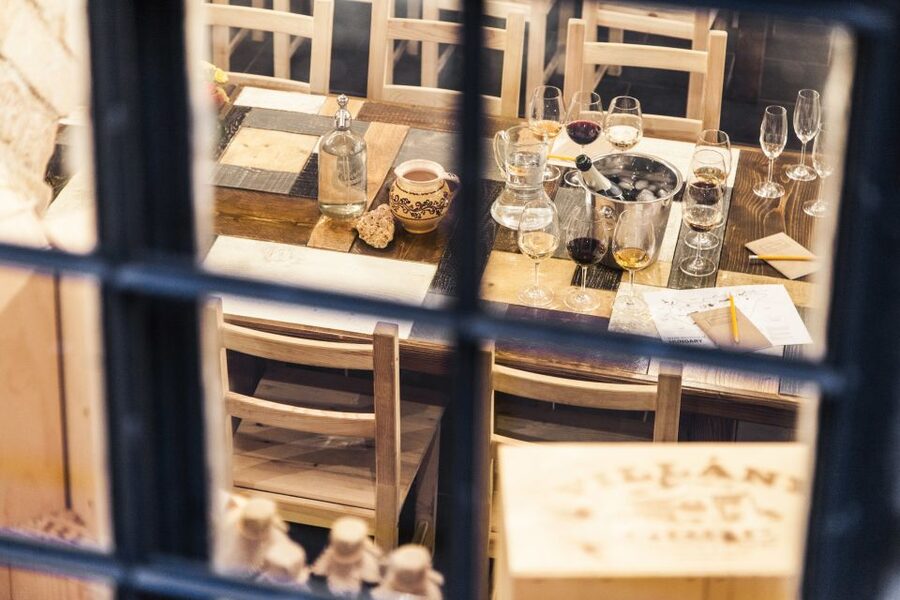
The final wine is a sweet botrytised Tokaj aszú. This is the natural finale, since the wine offers a clear change from the dry whites and reds that come before it.
Tokaj aszú is one of Hungary’s best-known wine styles, but tasting it at the end gives you a better sense of its place in the wider country. You have already worked through Hungary’s dry wines, so the sweetness feels like a conclusion rather than the whole definition of Hungarian wine.
The closing pour also gives the sommelier a chance to explain why Tokaj is so important and how sweet wine can work with food. If you are not usually a dessert-wine drinker, this is still worth trying. You may find that the contrast makes it one of the most memorable glasses of the night.
By this point, the room often becomes more social. The group format works well because everyone has tasted the same wines and has an easy subject to discuss. Solo participants can join in without awkward introductions, while couples or friends can simply compare notes with each other.
How the teaching style affects the evening
The class depends heavily on the person leading it. Hosts have included Tomas, Carlos, John, Sebastian, Christian, Sam, Somali, and others, so the exact personality will vary from one date to another.
The strongest hosts combine clear facts with stories about Hungarian wine and culture. Tomas, for example, has been praised for explaining how soil and climate affect flavor. Carlos has led relaxed sessions that ran longer than two hours because the conversation continued. John has brought personal stories to the presentation, while Sebastian has been especially welcoming to people with little wine experience.
That variety is part of the charm, but it also creates the main possible weakness. Some hosts give a lot of information, and not every guest wants a lecture with each glass. If you prefer a quiet tasting with minimal explanation, this may feel too talkative. On the other hand, some sessions use short introductions followed by time to drink and chat, which is a better balance.
The room can also become noisy if several people talk at once. Sitting closer to the host may help if hearing every detail matters to you. Do not be shy about asking for a point to be repeated. This is a class, not an exam.
Is $65 a fair price?
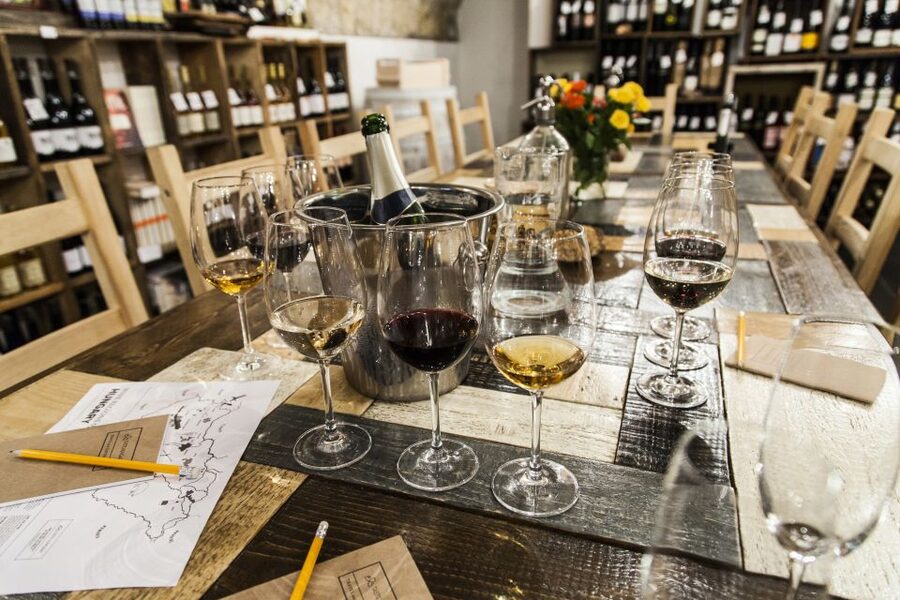
At $65 per person, the price is reasonable if you value instruction, variety, and a full evening activity. You receive eight wines, mineral water, food pairings, a tasting sheet, and a regional map. The generous pours reported in past sessions make the alcohol value look strong, though they also make responsible pacing important.
You are not paying only for eight drinks. You are paying to avoid buying unfamiliar bottles blindly, to hear the logic behind the selection, and to taste wines from producers you might not find elsewhere in Budapest. If you already know Hungarian wine well, the educational portion may be less useful, but the small-producer focus and changing lineup can still appeal.
The food makes the calculation better. Cheese and charcuterie can sometimes be a token garnish at a tasting, but here they are treated as a real part of the evening. Some sessions have lasted longer than the scheduled two hours, though you should regard that as a pleasant possibility rather than a promise.
The tasting can also save you money later. A past session included a discount on tasted wines at the shop, and some participants bought bottles to take home or arranged shipping. Ask on the day if this option is available for your session.
Who should book this tasting
I would choose this for a first visit to Budapest if you want an evening that teaches you something without feeling formal. It suits couples, solo visitors, groups of friends, and anyone who wants an easy way to meet people over a shared table.
It is especially useful for:
- Wine beginners who want a friendly starting point
- Experienced drinkers curious about lesser-known Hungarian grapes
- Solo visitors who prefer a social evening
- People staying near the National Museum, Astoria, or Kálvin tér
- Anyone who wants a wine activity without leaving central Budapest
- Visitors who may want to buy Hungarian wine after learning what they like
I would think twice if you do not drink alcohol, need a very quiet room, or prefer a light sampling with tiny pours. The event is also not a vineyard visit. You will learn about Hungarian wine in Budapest, but you will not see the growing areas or production sites themselves.
Book with the legal age in mind: participants must be at least 18. The experience is offered in English, and a minimum of two people applies. Most evenings begin at 6:00 PM, and cancellation is free up to 24 hours before the start time. You can also reserve now and pay later, which is useful when your Budapest schedule is still shifting.
Should you book the Hungarian wine tasting class?
Book it if you want a clear, social introduction to Hungary’s wine regions and do not mind a generous amount of wine. The strongest reasons are the eight-glass progression, the local food, the direct link to small producers, and the chance to finish with Tokaj aszú after tasting the country’s dry styles.
I especially recommend it early in your Budapest stay. You can use what you learn at restaurants and wine shops for the rest of the trip. Just eat beforehand, take notes before the fourth glass, and pace yourself. At $65, this is a good-value evening for curious drinkers, as long as you want both the lesson and the wine.
FAQ
Where does the Hungarian wine tasting take place?
The tasting takes place at The Tasting Table Budapest, Bródy Sándor utca 9, 1088 Budapest, in District VIII.
How long does the tasting last?
The scheduled duration is two hours, usually from 6:00 PM to 8:00 PM. Some sessions may continue longer when conversation and tasting carry on.
How many wines are included?
Eight Hungarian wines are included. The usual sequence begins with an aperitif, continues with whites and reds, may include a rosé, and ends with a sweet botrytised Tokaj aszú.
Is food included?
Yes. The tasting includes food pairings made up of local Hungarian flavors, including cheese and charcuterie. Mineral water is also provided.
Is the class taught in English?
Yes. The host or greeter and the tasting session are in English.
Do I need previous wine knowledge?
No. The class is designed for anyone interested in Hungarian wine, including people who are new to wine tasting.
What public transport stops are nearby?
Astoria on metro line M2 and Kálvin tér on metro line M3 are both about a five-minute walk away. Trams 47 and 49 also stop at Astoria and Kálvin tér.
What is the minimum age?
Hungary’s legal drinking age is 18, so participants must be at least 18.
Can I cancel the booking?
You can cancel up to 24 hours in advance for a full refund. A minimum of two participants applies, and if that number is not reached, an alternative or full refund will be offered.
Freshly poured around Budapest
- Budapest: Guided Street Food Tour with Sweet Wine★ 4.9 · 149 reviews
- Budapest: Hungarian Wine Tasting with 8 Wines and Tapas★ 4.9 · 446 reviews
- Budapest: Wine & Dine Cruise on the Danube★ 4.6 · 41 reviews
- Budapest: Food Tour Market to Tavern: 14+ Tasters & Wines★ 4.9 · 375 reviews
- Budapest: Guided Food Tour with Wine, Beer, and Shots★ 4.8 · 71 reviews
- Budapest Culinary & Wine Walk—Budapest’s Signature Food Tour★ 4.8 · 37 reviews
- Budapest: Unlimited Prosecco and Wine Sightseeing Cruise★ 4.3 · 271 reviews
- 8-Tier Hungarian Wine Tasting in a Cozy Downtown Wine Bar★ 4.9 · 269 reviews
Budapest Wine Tours, side by side.
Countryside Half-day Gastro-Wine Tour from Budapest Meal & pickup
Read our review →Budapest Centre Food Tour with 10+ Tastings, Wine & Street Food
Read our review →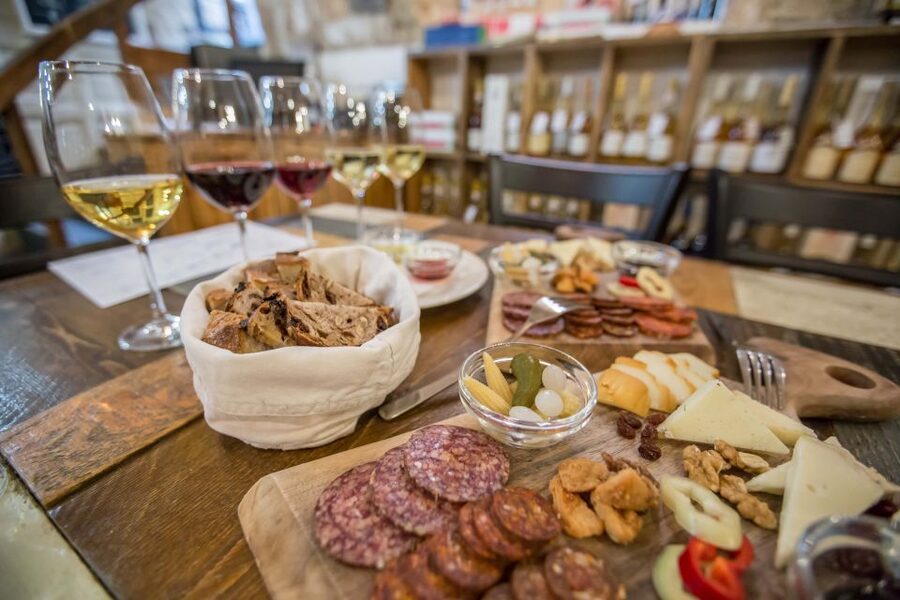
Budapest: Wine, Cheese, and Charcuterie Tasting
Read our review →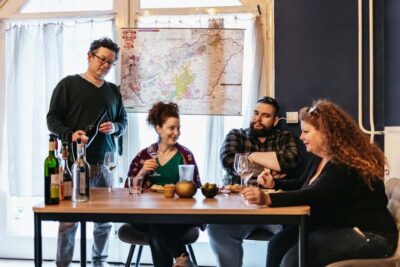
Budapest: Hungarian Wine Tasting with 8 Wines and Tapas
Read our review →
Budapest: Food Tour Market to Tavern: 14+ Tasters & Wines
Read our review →
Budapest: Unlimited Prosecco and Wine Sightseeing Cruise
Read our review →
8-Tier Hungarian Wine Tasting in a Cozy Downtown Wine Bar
Read our review →
Budapest: Guided Street Food Tour with Sweet Wine
Read our review →Lists this tasting sits in