
Review · BUDAPEST
8-Tier Hungarian Wine Tasting in a Cozy Downtown Wine Bar
Hungary’s wine story is far bigger than Tokaj, and this tasting makes that clear in one friendly sitting. At Bortodoor, you work through eight wines from small Hungarian producers, moving from sparkling wine to whites, a light red, and fuller reds while your sommelier explains the grapes, regions, and traditions behind each bottle. I especially like the wide range of styles and the generous local cheese, meat, and bread board. Guides such as Sally, Smike, Suze, and Mike are known for making the session feel like a conversation rather than a lecture.
The price is $55 per person, which is fair for eight pours, two hours of instruction, and substantial food in central Budapest. The one thing to keep in mind is that the evening may run well past the scheduled two hours. That is good news if you have time, but leave room before a dinner reservation.
Key points to know before you book
- Eight wines in a clear progression: One sparkling wine, three whites, one light red, and three reds introduce you to several Hungarian styles.
- Sommeliers who keep it informal: Sally, Smike, Suze, Mike, and other Bortodoor hosts combine wine facts with humor and open conversation.
- A proper food pairing: Local Hungarian cheeses, cured meats, breads, olives, and other small bites help you compare how food changes each wine.
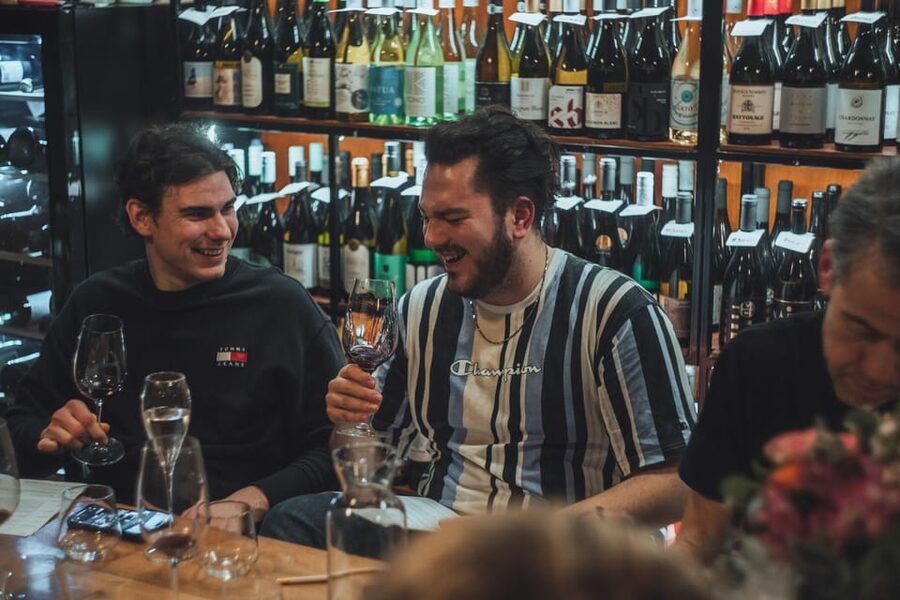
- A social evening in central Budapest: Solo visitors, couples, and small groups are seated together, and conversation often continues after the tasting.
- Useful material to take home: You receive information about Hungarian wine regions, a wine tasting guide, and space for your own notes.
- Plan on more than two hours if possible: The formal tasting lasts 120 minutes, but many people stay for another glass, live music, or simply more conversation.
Why this tasting is a smart introduction to Hungarian wine
Hungarian wine can be hard to understand from a restaurant list alone. The names of the regions and grapes may be unfamiliar, and the country’s best-known sweet wines can overshadow its dry whites and reds.
This experience gives you a useful map. Instead of trying one famous bottle and calling it a night, you taste eight examples chosen to show contrast. The sparkling opening gives you an easy start. The whites then introduce fresher and possibly fuller styles before the light red changes the pace. The final three reds give you a chance to compare weight, structure, and finish.
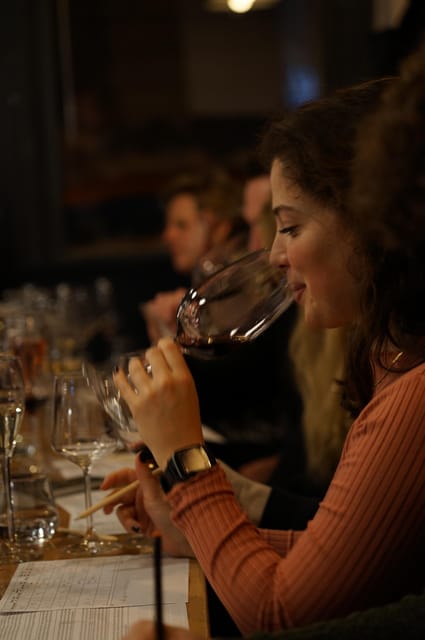
That order matters. You are not simply collecting small glasses. You are learning how to notice differences. The guide may ask what you smell, taste, or prefer, then use your answer to explain the wine in plain terms. You do not need a strong wine background. The session is built for curious beginners, yet experienced drinkers still have plenty to discuss.
The selection comes from small-scale Hungarian producers who work with Bortodoor. That gives the tasting a local focus rather than turning it into a parade of internationally familiar brands. You get a better sense of what Hungary produces today and why different regions can taste so different.
More Wine and Tapas Tours in Budapest:
- Barcelona Tapas and Wine Experience Small-Group Walking Tour
★ 5.0 · 5,804 reviews - Madrid Tapas & Wine Tasting Walking Tour – Small Group Local Bars
★ 5.0 · 3,644 reviews - Valencia Old Town Tour with Wine & Tapas in 11th Century Historic Monument
★ 5.0 · 3,234 reviews
Finding Bortodoor in central Budapest
The meeting point is Bortodoor, a downtown wine bar with a large white circular sign outside the door. Transportation is not included, so you make your own way there, but the central setting makes this a practical evening activity during a Budapest stay.
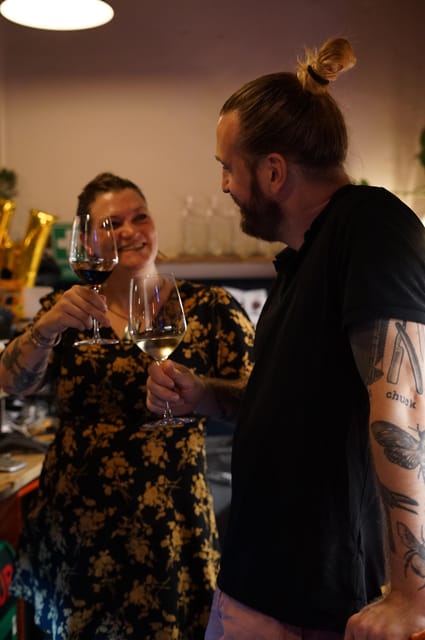
The room is warm, stylish, and relaxed rather than formal. That is important. Wine tastings can sometimes feel stiff, especially when everyone is afraid of asking a basic question. Here, the tone is much more social. The hosts encourage discussion, and the bar remains a comfortable place to stay after the official session ends.
The atmosphere can change during the evening. On some nights, live music adds to the setting, and the bar may become busier as regular customers arrive. If you prefer a quiet, private tasting, this is not the right format. If you like a little background energy and the chance to meet people from different countries, it works well.
The first glass sets the pace
The tasting begins with a glass of Hungarian sparkling wine. This is a useful opening because it lets everyone settle in before the more detailed discussion begins.
Your sommelier introduces the tasting method and explains how to look, smell, and taste without making the process feel precious. You receive a takeaway page with a wine tasting guide and room for personal notes, so you can record the bottles you like as you go.
The guide might ask you to taste the wine before eating, then try it again with a piece of cheese or meat. This small comparison shows why pairing matters. A wine that seems sharp on its own may taste softer with food, while a fuller red can feel more balanced alongside cured meat.
The first wine also reveals the tone of the evening. Hosts including Sally and Suze are praised for being warm and engaging, while Smike is known for mixing strong wine knowledge with humor. The exact guide depends on the date, but the format remains conversational and interactive.
Three whites show Hungary beyond sweet Tokaj
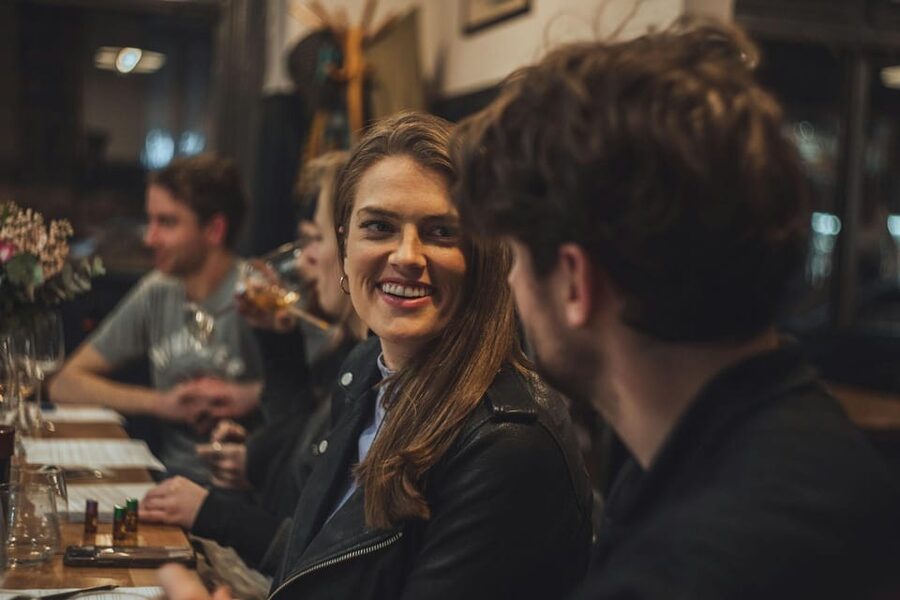
The next three wines are whites. This is where the tasting starts correcting a common misunderstanding: Hungarian wine is not only about sweet Tokaj.
You are introduced to different white styles and the regions and grapes connected with them. The point is not to memorize every Hungarian name. It is to notice how acidity, fruit, texture, and sweetness can vary from one bottle to the next.
Tokaj may appear during the tasting, and several visitors have singled it out as a highlight. Still, the value comes from tasting it alongside other whites rather than treating it as an isolated special case. You can compare the famous name with less familiar bottles and decide what you actually enjoy.
The guide also places wine in its historical setting. Discussions can touch on winemaking changes from Ottoman rule through the imperial period, the Communist era, and modern Hungary. This context helps explain why Hungarian wine has had such a complicated path and why smaller producers matter today.
For a beginner, this section is often the most useful part. You learn enough to read a wine list with more confidence without sitting through a long technical class.
More Wine Tastings in Budapest:
- Budapest: Hungarian Wine Tasting with 8 Wines and Tapas
★ 4.9 · 446 reviews - Budapest: Essentials of Hungarian Wine Tasting Class
★ 4.9 · 174 reviews - From Porto: Douro Valley w/ Boat Tour, Wine Tasting & Lunch
★ 4.7 · 19,061 reviews - Complete Douro Valley Wine Tour with Lunch, Wine Tastings and River Cruise
★ 5.0 · 12,920 reviews
The light red makes the tasting more approachable
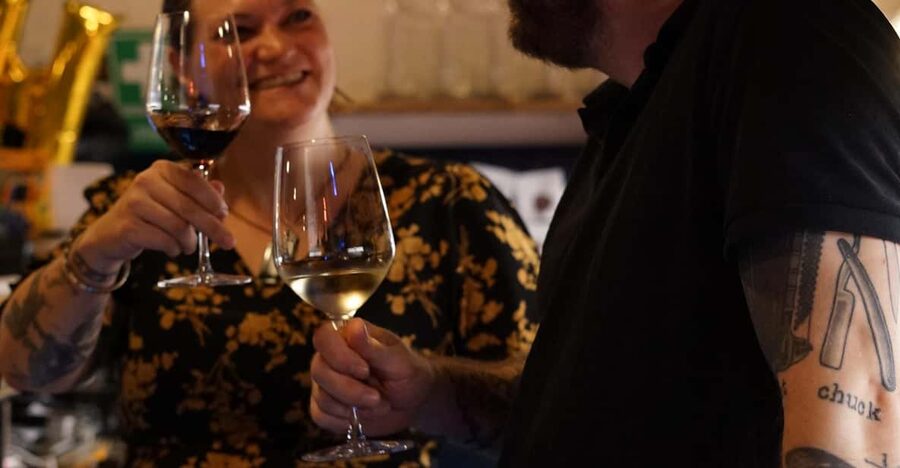
After the whites comes one light red. This is a smart bridge between the brighter opening wines and the three darker reds that follow.
A light red can be especially useful for people who think they only like white wine. It tends to feel less heavy than a powerful red, and the host can point out how serving temperature, food, and tannin affect the experience.
The tasting is not designed to force you to like every bottle. That is one of its strengths. You are encouraged to notice personal preference. One person may favor a crisp white, another may prefer the lighter red, and someone else may save their notes for the final glass.
The food board becomes increasingly useful here. Cheese, bread, meat, and other local bites give you a practical way to test the wine rather than simply swallowing each sample and waiting for the next one.
Three reds finish the journey
The final three wines are reds, giving you the broadest chance to compare body, fruit, acidity, and tannin. The guide explains what to look for, but you are not expected to identify every grape or region correctly.
This is also where a group conversation can become lively. One person may prefer the most powerful red, while another chooses the lighter or more food-friendly bottle. The tasting works best when you are willing to share those reactions and listen to other opinions.
Some people discover a bottle they want to order later in the evening. Bortodoor allows you to remain after the formal tasting and enjoy additional wine, and several people have stayed for another drink or returned on a later night. If you find a favorite, ask the staff about it before leaving and write it on your tasting sheet.
The red section may feel less useful if you already have a strict preference for one style. Still, three wines offer enough contrast to make the comparison worthwhile.
The charcuterie board is part of the lesson
The food is not a token bowl of snacks. You receive an artisanal board with local Hungarian cheeses, meats, breads, and other accompaniments. Depending on the evening, olives and similar small bites may also appear.
This helps justify the $55 price. Eight pours alone might make the experience worthwhile, but the food turns it into a complete evening rather than a short sampling stop. You do not need to arrange a full meal immediately afterward, although very hungry diners may still want dinner later.
I like the way the board supports the teaching. The host can suggest which bite to try with a particular wine, then invite you to compare the result. You learn through your own palate instead of relying only on descriptions.
If you have a dietary requirement, tell the staff in advance. The experience can accommodate special needs when they are communicated, but the supplied information does not promise a particular substitute, so it is best not to assume.
The social side is a major part of the value
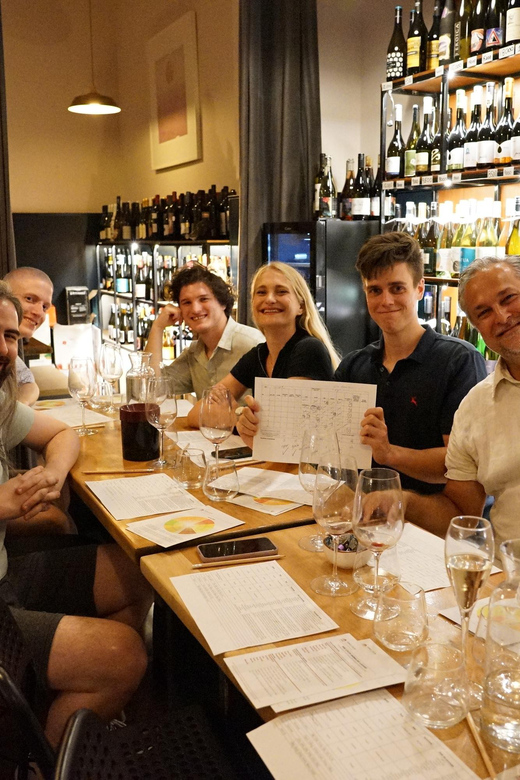
The scheduled tasting lasts two hours, but the social part often continues. Groups can include solo visitors, couples, and people from several countries. That makes Bortodoor a good choice if you are traveling alone and would like an easy evening activity with some built-in conversation.
The format is not a private tasting. You share the room and usually the social energy with other participants. That can be a drawback if you want a quiet romantic evening or a highly focused lesson for your own group.
For many people, though, the shared table is part of the fun. Wine gives strangers an easy subject, and the host keeps the discussion moving. The strongest guides balance explanation with space to talk, so you are not listening without a break for the entire two hours.
The atmosphere may also include live music. This can add charm, especially if you stay afterward, but it may make detailed conversation harder once the bar gets busier.
Is $55 a good value in Budapest?
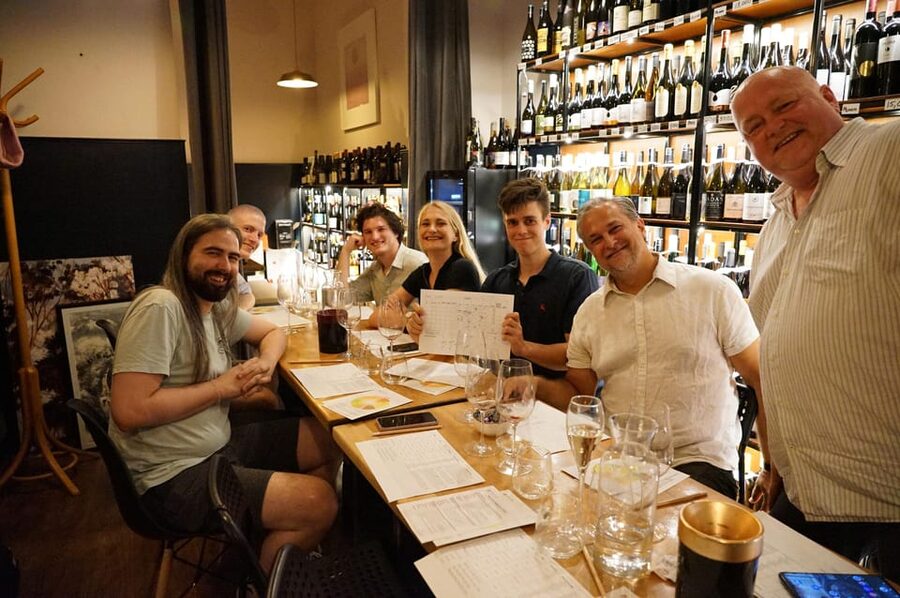
At $55 per person, the experience is not the cheapest way to drink Hungarian wine. You could order a bottle or two at a bar for less than the total cost of two tasting places, depending on your choices.
That comparison misses the point. You are paying for eight different wines, an English-language guide, regional context, tasting instruction, a substantial food board, and a central Budapest setting. You also avoid the guesswork of ordering unfamiliar bottles one at a time.
The value is strongest for visitors who want an introduction rather than a specialist winery visit. You can learn the basics, find styles you like, and leave with enough information to choose Hungarian wine during the rest of your trip.
The value is also helped by the generous portions of food and the chance to remain for another glass. If you treat it as a two-hour cultural evening with drinks and food, $55 is reasonable.
Who will enjoy this most
I would recommend this tasting to:
- First-time visitors who want a clear introduction to Hungarian wine.
- Couples looking for an evening activity before or after dinner.
- Solo visitors who enjoy meeting people in a relaxed setting.
- Wine drinkers who want to try smaller Hungarian producers.
- Beginners who feel intimidated by formal wine education.
- Experienced drinkers who want regional context and unfamiliar bottles.
I would be more cautious if you dislike group activities, cannot drink alcohol, or need a strictly timed evening. Children under 18 are not permitted, and the activity is conducted in English.
You should also be comfortable with a little flexibility. The official time is two hours, but the friendly atmosphere can make the evening last longer. If you have a fixed dinner booking, allow plenty of space between the tasting and your reservation.
Practical details that affect your evening
Bortodoor is in central Hungary, in Budapest, and you meet at the wine bar itself. Look for the large white circular sign outside. No transportation is provided.
The activity is led in English by a live guide. The exact sommelier can vary, with Sally, Smike, Suze, Mike, and Miki among the hosts associated with the tasting. Each has a different personality, but the shared approach is friendly, interactive, and focused on making Hungarian wine understandable.
You can cancel up to 24 hours ahead for a full refund, and the reserve now, pay later option gives you some flexibility when plans are still changing. Availability and starting times vary, so check the date you want before arranging dinner or another evening event.
The experience has a 4.9 rating from 269 ratings, and the most consistent strengths are the hosts, the variety of wines, the food pairing, and the welcoming room. The only recurring practical caution is timing: two hours is the official schedule, but the evening may continue naturally.
Should you book the Bortodoor tasting?
Book it if you want more than a glass of wine and less than a formal winery tour. You will get a useful introduction to Hungary’s wine regions, eight varied pours, local food, and a chance to meet people in a comfortable downtown bar.
I especially recommend it for anyone who assumes Hungarian wine means only sweet Tokaj, or for anyone who wants help choosing bottles for the rest of a Budapest visit. The strongest guides make the information lively, and the tasting notes give you something practical to carry forward.
Skip it if you need a private, silent, tightly timed experience. Otherwise, leave your evening open after the scheduled finish. The best part may be the bottle you discover, the food pairing you did not expect, or the extra conversation that keeps you at Bortodoor longer than planned.
FAQ
Where does the Hungarian wine tasting take place?
It takes place at Bortodoor, a wine bar in central Budapest. Look for the large white circular sign outside the door.
How long does the experience last?
The scheduled tasting lasts 120 minutes, or two hours. You may choose to stay longer for another drink, conversation, or live music when available.
How many wines are included?
Eight Hungarian wines are included. The tasting consists of one sparkling wine, three whites, one light red, and three reds.
Is food included?
Yes. You receive an artisanal charcuterie board with local Hungarian cheeses, meats, breads, and other small accompaniments.
Is the tasting conducted in English?
Yes. The activity includes a live guide and is conducted in English.
Who leads the tasting?
The tasting is led by a Bortodoor sommelier. Hosts associated with the experience include Sally, Smike, Suze, Mike, and Miki.
Is transportation included?
No. You are responsible for getting to and from Bortodoor.
Can children attend?
No. The activity is not suitable for children under 18.
Can I cancel my booking?
Yes. You can cancel up to 24 hours in advance for a full refund. A reserve now, pay later option is also available.
Freshly poured around Budapest
- Budapest: Guided Street Food Tour with Sweet Wine★ 4.9 · 149 reviews
- Budapest: Hungarian Wine Tasting with 8 Wines and Tapas★ 4.9 · 446 reviews
- Budapest: Wine & Dine Cruise on the Danube★ 4.6 · 41 reviews
- Budapest: Essentials of Hungarian Wine Tasting Class★ 4.9 · 174 reviews
- Budapest: Guided Food Tour with Wine, Beer, and Shots★ 4.8 · 71 reviews
- Budapest: Food Tour Market to Tavern: 14+ Tasters & Wines★ 4.9 · 375 reviews
- Budapest Culinary & Wine Walk—Budapest’s Signature Food Tour★ 4.8 · 37 reviews
- Budapest: Unlimited Prosecco and Wine Sightseeing Cruise★ 4.3 · 271 reviews
Budapest Wine Tours, side by side.
Countryside Half-day Gastro-Wine Tour from Budapest Meal & pickup
Read our review →Budapest Centre Food Tour with 10+ Tastings, Wine & Street Food
Read our review →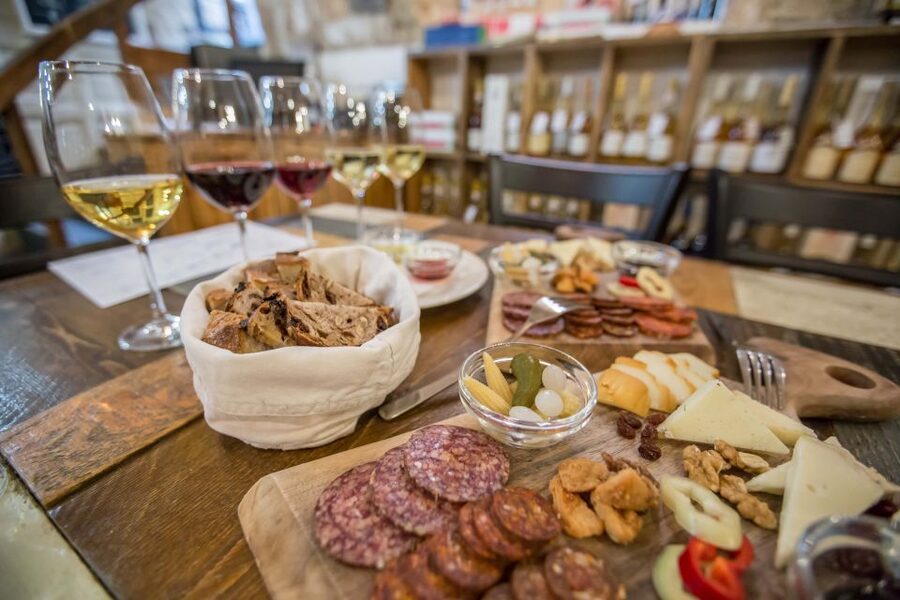
Budapest: Wine, Cheese, and Charcuterie Tasting
Read our review →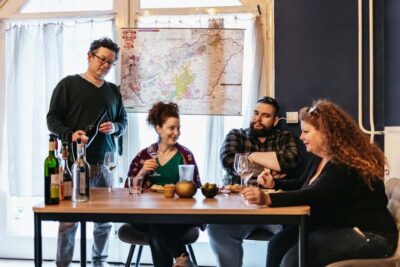
Budapest: Hungarian Wine Tasting with 8 Wines and Tapas
Read our review →
Budapest: Food Tour Market to Tavern: 14+ Tasters & Wines
Read our review →
Budapest: Unlimited Prosecco and Wine Sightseeing Cruise
Read our review →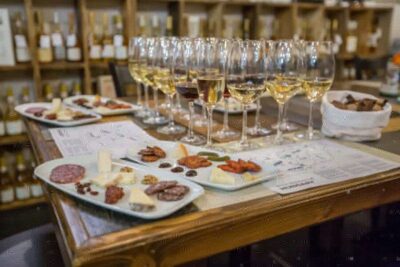
Budapest: Essentials of Hungarian Wine Tasting Class
Read our review →
Budapest: Guided Street Food Tour with Sweet Wine
Read our review →Lists this tasting sits in