
Review · BUDAPEST
Budapest Culinary & Wine Walk—Budapest’s Signature Food Tour
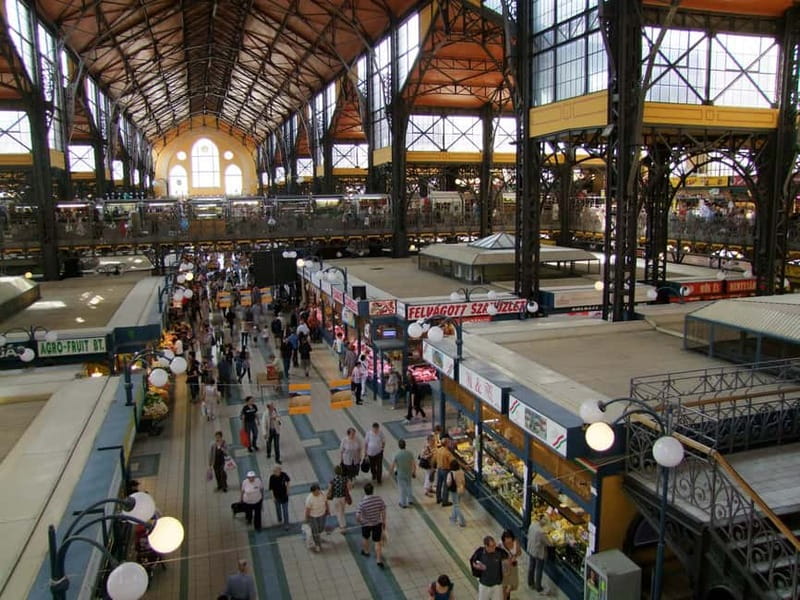
Budapest’s food story comes together best at a market counter, a standing lunch spot, and a small pastry shop. This four-hour walk begins inside the Central Market Hall, then moves through nearby streets for Hungarian specialties before ending with three wines from different parts of the country.
I like the mix of market culture and everyday food, rather than a tour built around one formal meal. I also like the way the guide connects familiar ingredients such as paprika, pork fat, and goose liver to real Hungarian cooking. The main drawback is practical: you cover a lot of ground on foot, and the tour is not suitable for wheelchair users.
Guides vary by date. Barbara has led well-paced tours with lots of questions and conversation, while George has handled the food stops with patience and humor. Anna and other guides may lead the walk, and the final wine tasting has sometimes been hosted by Carlos.
Key points at a glance
- Central Market Hall first: Learn how Budapest’s grand market works while looking over its produce, meats, spices, and other foodstuffs.
- Four or five tasting stops: The exact route can include a spice shop, kosher bakery, coffee house, candy maker, artisan chocolate shop, butcher, or patisserie.
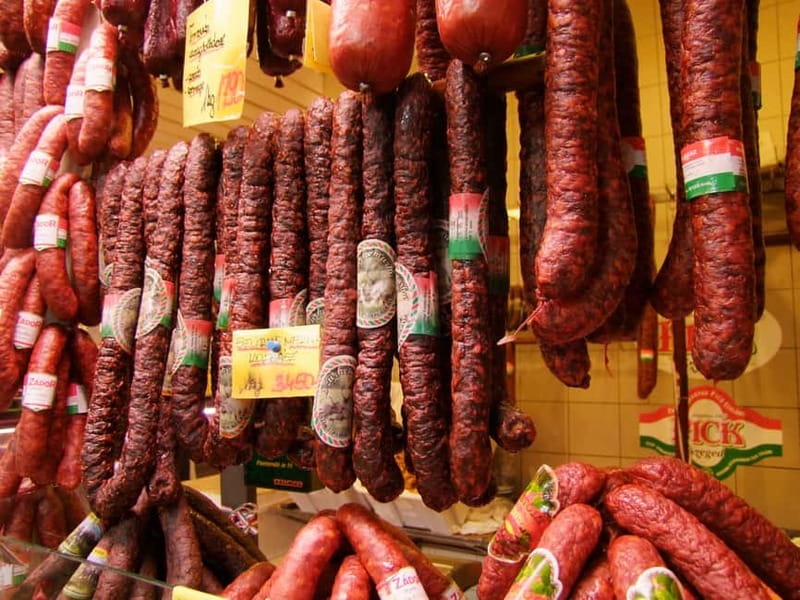
- A proper Hungarian food lesson: Your guide explains how paprika, pork fat, goose liver, and other staples fit into local cooking.
- Three wines to finish: Taste essential wines from different Hungarian wine regions rather than sampling one generic house pour.
- Small groups: The standard format has 2 to 8 people, with private tours available by request.
- Come hungry and wear good walking shoes: The tastings are generous, but this is still a walking tour through central Budapest.
Starting inside the Central Market Hall
Meet your guide inside the main entrance of the Central Market Hall at Vámház körút 1-3, near the up escalators. Look for the canvas tote bag marked with the tour operator’s logo. The location is easy to reach from Kálvin tér on metro line M3 or Fővám tér on line M4. Trams 47 and 49 also stop at Fővám tér.
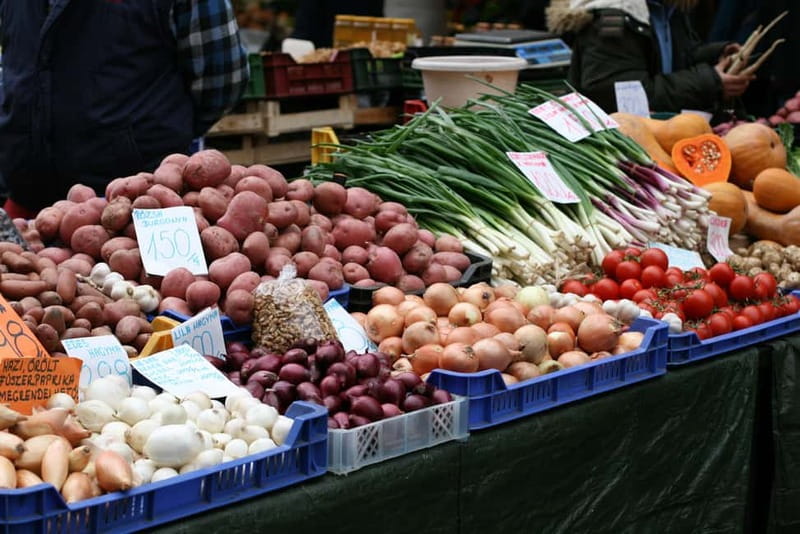
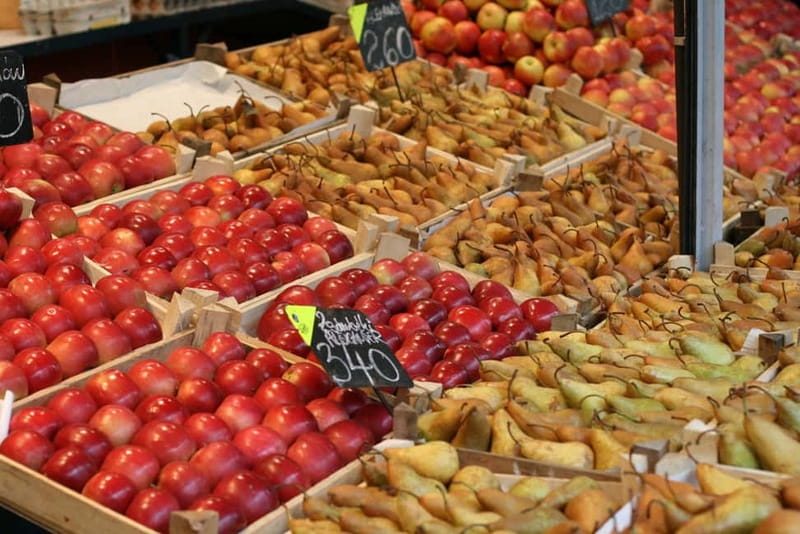
The market is a strong starting point because it gives you an immediate sense of scale. This is not just a place for a quick tourist snack. It is a large food hall where the produce, meats, spices, and other ingredients help explain what appears later on your plate.
Your guide discusses the building’s history and the way Hungarians use the food sold inside. That context matters. Paprika is not simply a red powder sprinkled over a dish for color. Pork fat has a place in traditional cooking, and goose liver carries both culinary and cultural weight. A good guide can make these ingredients less mysterious and show you how they fit into ordinary meals.
You will also have time to ask questions and take photographs. The market is one of the more useful stops for first-time visitors because it gives you a quick lesson in Hungarian food customs before the tasting begins.
The market can be busy, and you should expect to walk rather than linger over every stall. The point is not to shop your way through the whole building. It is to understand the ingredients, notice the visual variety, and sample selected foods with an explanation attached.
More wine tours around Budapest:
- Countryside Half-day Gastro-Wine Tour from Budapest Meal & pickup
★ 5.0 · 1,450 reviews - Budapest Centre Food Tour with 10+ Tastings, Wine & Street Food
★ 5.0 · 810 reviews - From Budapest: Half-Day Countryside Wine Tour with Meal
★ 4.8 · 657 reviews
From market ingredients to Hungarian cooking
After the market, the route moves into nearby neighborhoods. This is where the tour becomes more than a market visit. Depending on the day, you may stop at a spice shop, kosher bakery, coffee house, candy producer, or artisan chocolate shop.
The changing stops are worth understanding before you book. This is not a fixed checklist in which every group receives exactly the same pastry or candy. Some venues close on particular days, so the route adjusts. You still get four or five additional venues, but the mix can differ.
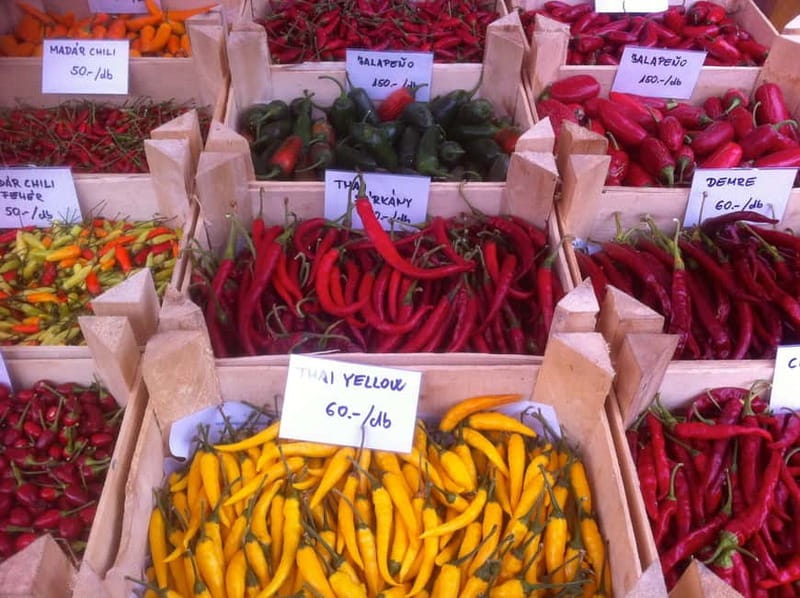
A spice shop can show you how paprika varies in flavor and use. A kosher bakery offers another angle on Budapest’s food culture and gives you a chance to see how local traditions overlap and differ. A candy or chocolate stop shifts the focus toward sweets, while a coffee house brings in the city’s long-standing café habit.
I like this part because it gives you a practical way to read Budapest after the tour. You begin to recognize which shops are selling daily food, which are aimed mostly at sightseeing crowds, and which ingredients you might want to take home. The shopping stops also give you room to ask about products instead of simply eating whatever appears in front of you.
Do not expect every stop to be a long sit-down visit. Some tastings may be quick, and the day includes a fair amount of walking between places. That keeps the tour moving, but it also means you should not book it if you want four hours at a table.
The butcher stop and a standing Hungarian lunch
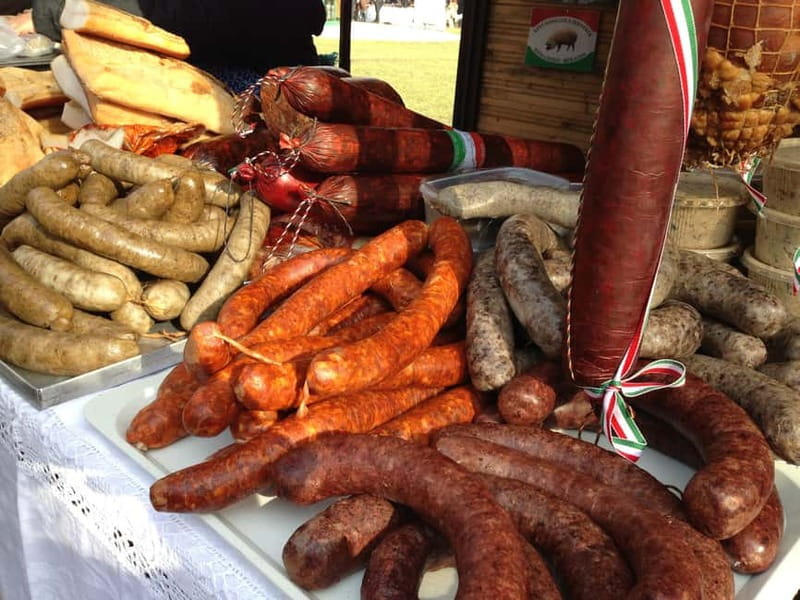
One of the most useful food stops is a butcher’s shop, where you sample typical dishes. The supplied details do not specify one permanent menu, so the exact items can change. That is normal for a food walk built around local businesses and their opening days.
The format is designed for tasting several things rather than ordering one large entrée. A guide may arrange multiple plates so you can compare flavors and get a broader sense of Hungarian food. One earlier route included a small, popular café where the group stood while eating, followed by several dishes brought out for sharing.
That style suits this tour. You are not being asked to commit to one unfamiliar main course. You can try a little of several foods, ask how they are made, and decide what you might order later during your own time in Budapest.
The tradeoff is comfort. A standing café or butcher counter is part of the local feel, but it is not a substitute for a slow restaurant lunch. You should treat this as a moving meal with several pauses, not as four hours of seated dining.
The tastings are described as generous, and the food is paired with drinks along the way. Even so, the pace makes it wise to arrive hungry rather than eat a large breakfast immediately beforehand.
Coffee, cakes, and the sweet side of Budapest
The route usually includes a traditional patisserie, where you taste elegant Hungarian cakes. A coffee house or another sweets stop may also appear, with locally made chocolates or candy included depending on the day.
This is an important change of pace. Hungarian food is often reduced to paprika-heavy stews in guidebooks, but the pastry tradition tells another story. Fine cakes, coffee, and careful presentation show the more polished side of Budapest’s eating culture.
The coffee and cake stop also provides a natural break after the market and savory dishes. You can sit, talk with the guide, and ask questions in a calmer setting. The experience works especially well for people who want food history explained through several small encounters instead of one lecture.
There is a limit, of course. If you do not have much interest in pastry, the sweets portion may feel less essential than the market or wine tasting. For most people, though, the contrast between butcher food and refined cake helps make the four-hour route feel varied.
Same vines, another glass to try:
- Budapest: Wine, Cheese, and Charcuterie Tasting
★ 4.9 · 647 reviews - Budapest: Hungarian Wine Tasting with 8 Wines and Tapas
★ 4.9 · 446 reviews - Budapest: Food Tour Market to Tavern: 14+ Tasters & Wines
★ 4.9 · 375 reviews - Budapest: Unlimited Prosecco and Wine Sightseeing Cruise
★ 4.3 · 271 reviews
Three Hungarian wines to close the walk
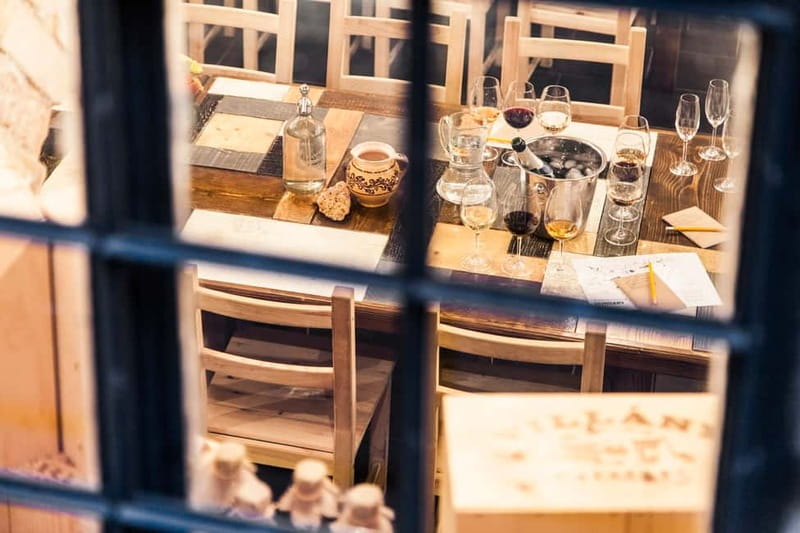
The final stop is a tasting of three essential Hungarian wines from different wine regions. This is more useful than simply receiving three unrelated glasses. The point is to compare styles and understand that Hungarian wine is not one single thing.
The tasting gives the tour a clear ending. You have already considered produce, spices, prepared food, meat, coffee, and sweets. Wine provides a final way to connect geography and local habits with the meal.
A host named Carlos has led at least some of the tastings, while the main guide may remain involved in the discussion. The specific wines are not listed in advance, so you should not book this expecting certain grape varieties or vintages. Instead, think of it as an introduction to three key regional examples.
This stop is particularly useful if Hungarian wine is new to you. You can ask what to look for on restaurant menus and which bottles might suit the dishes you have tasted. It is also a chance to slow down after several walking and eating stops.
If you need to leave early for a flight or another appointment, plan carefully. One participant had to miss the wine portion because of a departure schedule. Since the wine tasting is the final part of the experience, the full value of the tour depends on having the entire four hours available.
What $120 means for the value
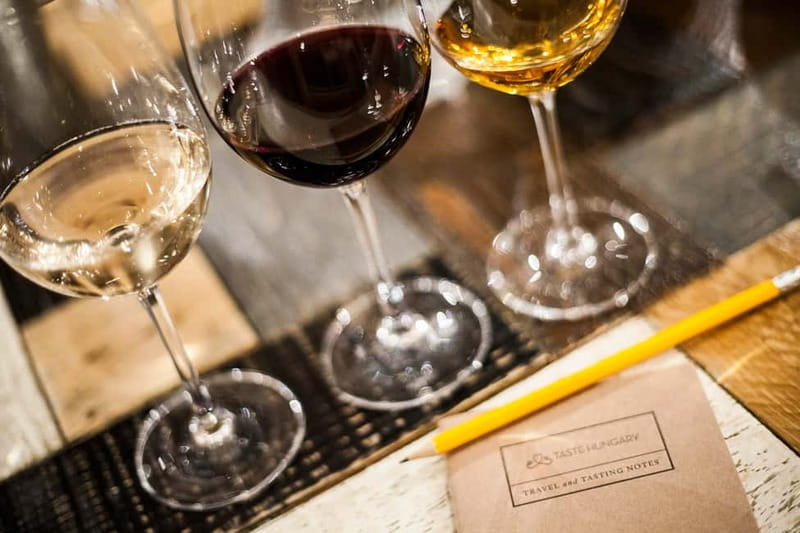
At $120 per person, this is not a cheap way to grab lunch. You are paying for four hours of guiding, a small group, several tasting venues, a market visit, food and drink, mineral water, and three wines. The value depends on how much you want explanation and variety along with the food.
I think the price makes the most sense during your first few days in Budapest. A well-run food walk can help you choose restaurants later, recognize ingredients, understand local eating habits, and find shops you might otherwise pass without noticing. It also removes much of the guesswork from ordering unfamiliar dishes.
The small-group size helps. Groups can range from 2 to 8 people, and private tours can be arranged by request. A group of eight is still small enough for questions, but it will not feel as personal as a two-person private outing.
You also receive more than a standard market tour. The market alone would not explain the nearby cafés, bakeries, butcher shop, patisserie, and wine regions. The added stops are what make the price easier to justify.
I would be less likely to recommend it to someone who wants a bargain meal or prefers to explore at an unhurried pace. You can spend far less by eating at Budapest’s markets and cafés on your own. You will not, however, get the same organized progression or direct explanation of Hungarian ingredients.
Walking, timing, and group details
The experience lasts four hours, with starting times shown according to availability. It runs on most days but not on Sundays or Hungarian national holidays, when some venues are closed. Check the date before building your Budapest schedule around it.
Wear comfortable shoes. The tour includes the Central Market Hall, nearby streets, several food businesses, photo stops, shopping opportunities, and the final wine tasting. There are plenty of eating breaks, but the route still covers a lot of ground.
The tour is conducted in English with a live guide. The canvas tote bag at the meeting point makes contact simple, especially inside a busy market hall. You receive a bottle of mineral water, but bring any additional water you normally need for a four-hour walk.
The tour is not wheelchair accessible. It also requires at least two participants for the small-group format, so a confirmed booking can be changed or canceled if that minimum is not met. In that case, an alternative or full refund is offered.
Free cancellation is available up to 24 hours before the start time, and you can reserve now and pay later. Those terms help if your Budapest plans are still shifting, but they do not change the need to check the operating days and walking demands.
Who will get the most from this food walk
I would choose this tour for a first visit to Budapest, especially if you want a quick grounding in Hungarian food before exploring restaurants on your own. It suits curious eaters who like tasting several things and asking why a dish or ingredient matters.
It is also a good choice for couples, friends, and small family groups who want an organized introduction without joining a large coach tour. The private option may be worth requesting if you have strong food interests or want a route adjusted to your group.
You should think twice if you have limited mobility, dislike standing, or want a single long restaurant meal. The changing venues also mean you should be comfortable with a little uncertainty about the exact pastry, chocolate, or shop on the route.
Vegetarian, allergy, and other dietary needs are not explained in the supplied information, so ask about them when booking rather than assuming the tasting menu can be changed. The same advice applies if you do not drink alcohol, since wine is a central part of the final stop.
Should you book the Budapest Culinary and Wine Walk?
I would book it if you want a four-hour introduction to Budapest through food, with a market, small shops, shared tastings, cakes, and Hungarian wine. The strongest features are the varied route, the chance to ask direct questions, and the guides’ ability to connect everyday ingredients with local culture.
Barbara and George have led particularly well-paced outings, while Anna and other English-speaking guides may also host the tour. The experience is at its best when you arrive hungry, leave plenty of time for the wine tasting, and wear shoes made for walking.
Skip it if you need wheelchair access, want a fixed menu, or prefer to spend $120 on one formal meal. For a first-time visitor who values context as much as food, it is a practical and tasty way to get your bearings in Budapest.
FAQ
Where does the Budapest Culinary and Wine Walk begin?
It begins inside the main entrance of Central Market Hall at Vámház körút 1-3, near the up escalators. The guide holds a canvas tote bag with the tour operator’s logo.
How long does the tour last?
The tour lasts four hours.
How many people are in the small group?
The small-group option has a minimum of 2 participants and a maximum of 8 participants. Private tours are also available by request.
What food and drinks are included?
You receive generous food and drink tastings at the Central Market Hall and four or five additional venues. The route includes typical dishes, pastries, coffee, sweets, and a tasting of three Hungarian wines. A bottle of mineral water is included for each participant.
Does the tour run every day?
It runs on most days but does not operate on Sundays or Hungarian national holidays because some venues are closed.
Is the tour wheelchair accessible?
No. The tour is not wheelchair accessible and involves substantial walking.
Can I cancel or pay later?
You can cancel up to 24 hours in advance for a full refund. You can also reserve your place and pay later.
Freshly poured around Budapest
- Budapest: Guided Street Food Tour with Sweet Wine★ 4.9 · 149 reviews
- Budapest: Hungarian Wine Tasting with 8 Wines and Tapas★ 4.9 · 446 reviews
- Budapest: Wine & Dine Cruise on the Danube★ 4.6 · 41 reviews
- Budapest: Essentials of Hungarian Wine Tasting Class★ 4.9 · 174 reviews
- Budapest: Guided Food Tour with Wine, Beer, and Shots★ 4.8 · 71 reviews
- Budapest: Food Tour Market to Tavern: 14+ Tasters & Wines★ 4.9 · 375 reviews
- Budapest: Unlimited Prosecco and Wine Sightseeing Cruise★ 4.3 · 271 reviews
- 8-Tier Hungarian Wine Tasting in a Cozy Downtown Wine Bar★ 4.9 · 269 reviews
Budapest Wine Tours, side by side.
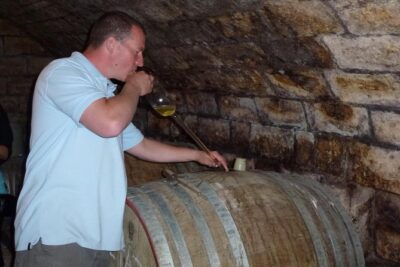
Countryside Half-day Gastro-Wine Tour from Budapest Meal & pickup
Read our review →Budapest Centre Food Tour with 10+ Tastings, Wine & Street Food
Read our review →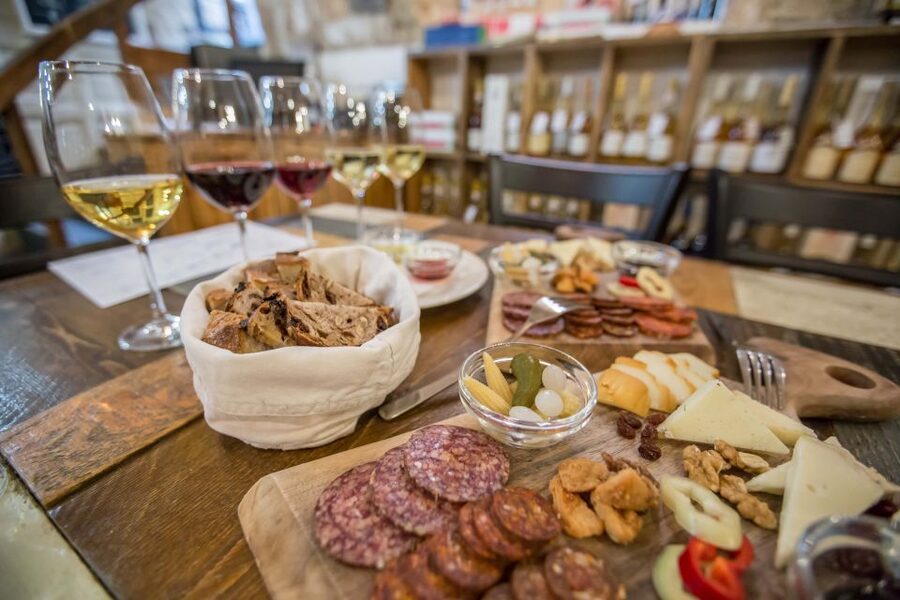
Budapest: Wine, Cheese, and Charcuterie Tasting
Read our review →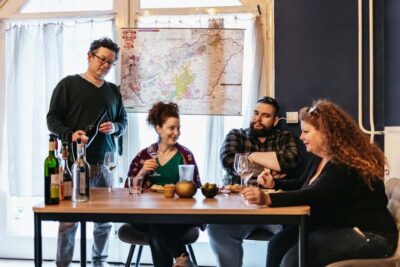
Budapest: Hungarian Wine Tasting with 8 Wines and Tapas
Read our review →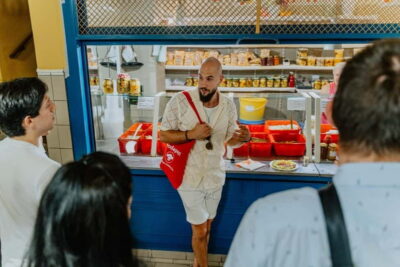
Budapest: Food Tour Market to Tavern: 14+ Tasters & Wines
Read our review →
Budapest: Unlimited Prosecco and Wine Sightseeing Cruise
Read our review →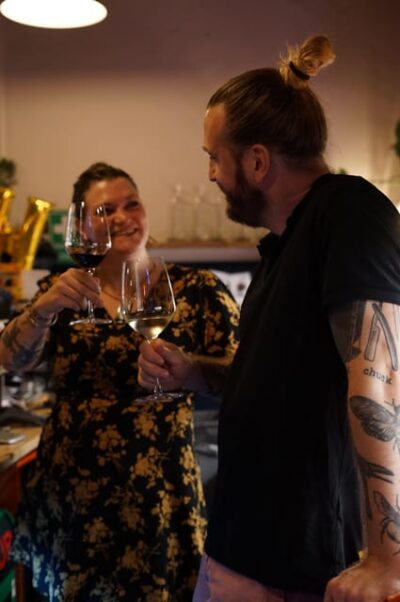
8-Tier Hungarian Wine Tasting in a Cozy Downtown Wine Bar
Read our review →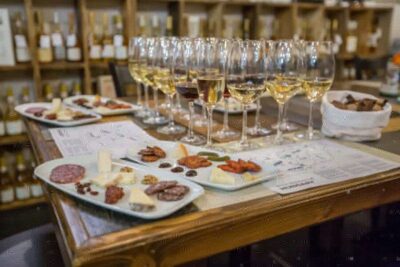
Budapest: Essentials of Hungarian Wine Tasting Class
Read our review →Lists this tasting sits in