
Review · DIJON
Dijon: La Cave du Palais Burgundy Wine Tasting Experience
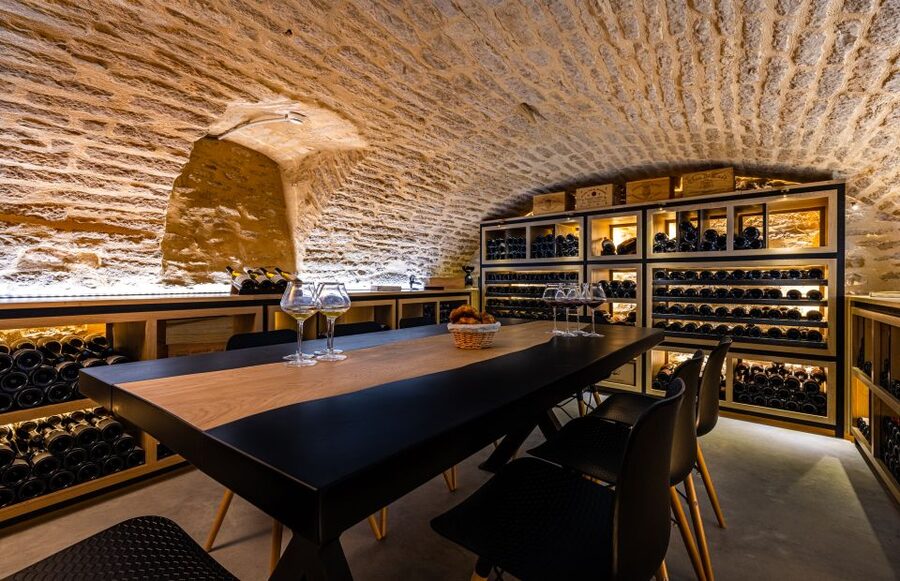
The best part of this Dijon wine tasting happens below street level, in the ancient vaulted cellar of La Cave du Palais. You sip six Burgundy wines while a local guide explains how soil, place, vintage, and aging shape what is in your glass. The setting feels special, and the small group keeps the talk personal.
I like the mix of wines, from everyday regional appellations up to Grand Cru, and I like that the guides make the subject friendly rather than stuffy. Antoine, Leo, Robin, Prune, Sebastian, and others have led sessions praised for clear explanations and good humor. The main consideration is simple: this is a cellar tasting, not a trip through the vineyards, so choose it for learning and sampling in Dijon rather than for countryside views.
Key points at a glance
- Six wines across Burgundy’s quality levels: Taste a spread that can include regional, village, Premier Cru, and Grand Cru examples.
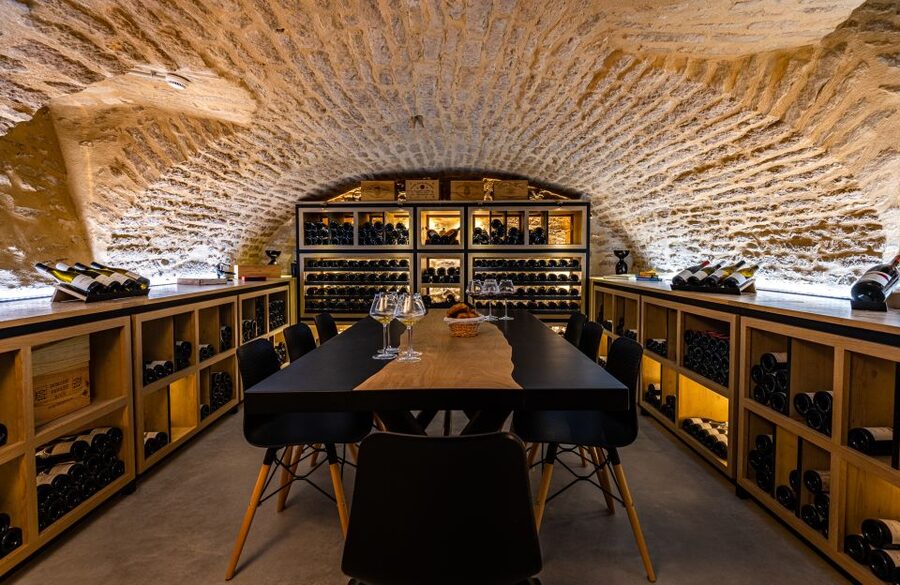
- A cellar with real character: The tasting takes place in original underground vaults within Hotel du Palais, described as dating to the 15th century.
- A lesson in Burgundy’s climates: Learn why small changes in soil, slope, exposure, and location can change the wine in your glass.
- A compact group of up to eight: The size makes it easier to ask questions and compare impressions.
- Central Dijon location: La Cave du Palais is about a five-minute walk from Place de la République.
- French and English hosting: Guides regularly handle mixed-language groups, and one recent session even included English, French, and Spanish.
Why this Dijon tasting works so well
Burgundy can be confusing at first. A bottle may carry the name of a tiny vineyard, a village, a wider district, or the whole Burgundy region. The label often gives you less fruit-forward guidance than a New World wine label, and the price can rise sharply as the appellation becomes more specific.
This experience gives you a practical way into that system. Instead of hearing a long lecture before the tasting begins, you can compare wines as the guide explains them. A regional wine and a more prestigious appellation may come from the same broad part of France, yet show different balance, aroma, texture, and finish. Tasting them close together makes the lesson easier to grasp.
The guides also explain Burgundy’s climates. In Burgundy, this word refers to precisely defined vineyard plots, not only to weather. The location of a plot, its soil, slope, sun, and drainage all help shape the grapes. That is why two wines made from the same grape can taste quite different.
You do not need a serious wine background. The strongest part of the presentation is its open, question-friendly tone. Antoine has been praised for his relaxed style and humor. Leo is especially good at handling detailed questions, including comparisons with wine from other parts of the world. Robin has a lively way of explaining Burgundy’s regions and winemaking. Prune has also been praised for combining strong regional knowledge with useful Dijon restaurant advice.
More Wine Tastings in France
- Bordeaux: Cité du Vin Entry Ticket and Wine Tasting
★ 4.6 · 3,885 reviews - Montmartre Hill French Gourmet Food and Wine Tasting Walking Tour
★ 5.0 · 2,588 reviews - From Paris: Loire Valley Castles Day Trip With Wine Tasting
★ 4.6 · 1,727 reviews
Entering La Cave du Palais beneath Hotel du Palais
The meeting point is easy to reach in central Dijon. La Cave du Palais sits inside Hotel du Palais, roughly five minutes on foot from Place de la République. You do not need a car, and the location makes this a smart choice for a city stay or for an afternoon between Dijon sights.
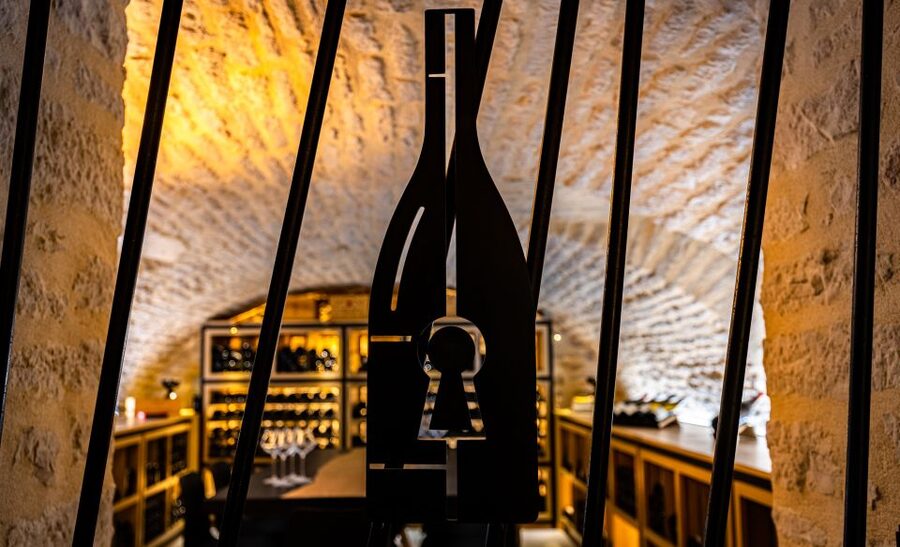
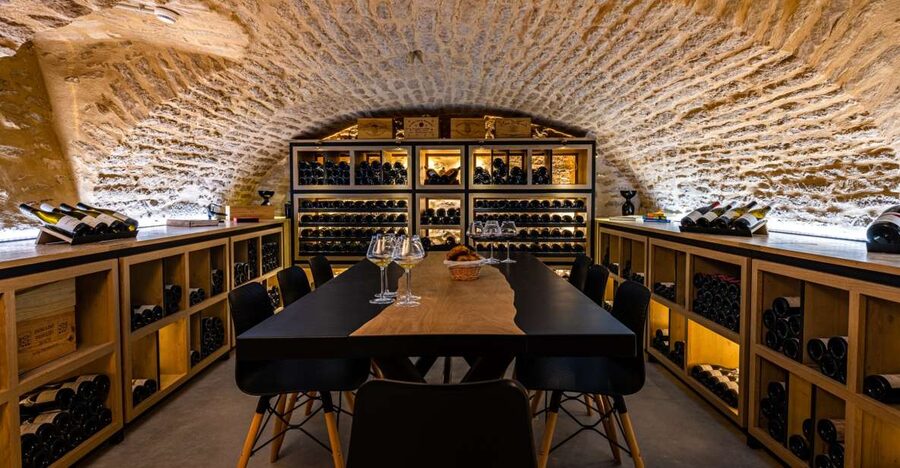
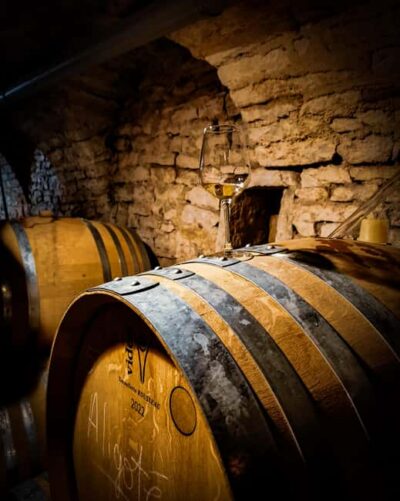
The cellar is the first real highlight. You enter a cozy, vaulted space below the hotel, with old stone and a sense of age that a modern tasting room cannot copy. One account describes the cellar as dating to the 15th century, while the activity information presents it as an ancient underground setting. Either way, expect atmosphere rather than polished vineyard architecture.
That setting matters because Burgundy wine is closely tied to place. Sitting below an old Dijon building while discussing named vineyard plots gives the subject a physical anchor. You are not simply looking at six glasses on a table. You are learning about a region with centuries of wine trade and a strong local identity.
The room also helps set the pace. This is not a rushed stop where you taste and leave. The full session lasts about 90 minutes, giving the guide time to introduce each wine, explain its background, and take questions.
Six glasses, from regional wine to Grand Cru
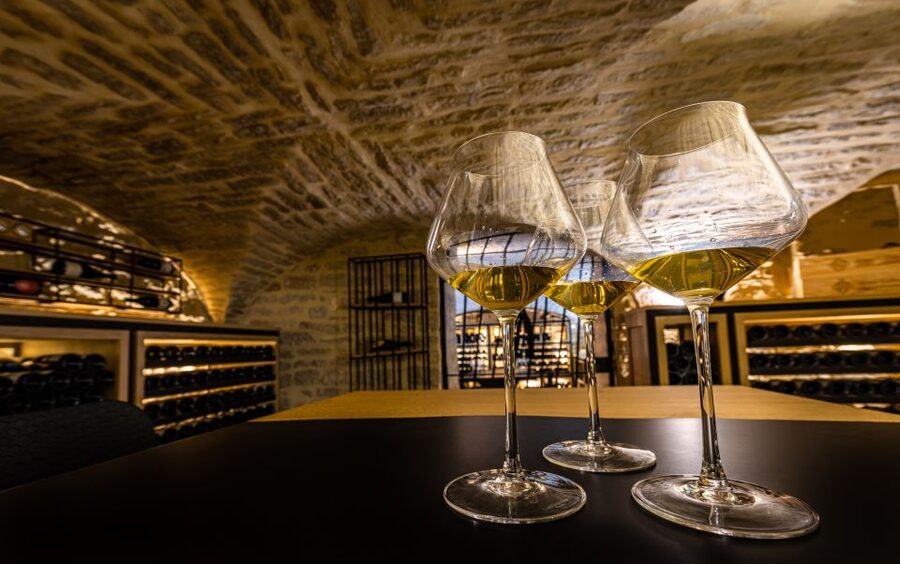
The tasting includes six wines. The exact bottles can change, but the stated range runs from regional appellations to Grand Cru, the highest classification level in Burgundy’s system. Several sessions have included three red and three white wines, giving you a useful look at both sides of Burgundy’s wine culture.
That spread is more useful than six bottles from one narrow category. You can begin with a wine that represents a broader area, then move toward bottles linked to more precise locations. As the guide explains the labels, the tasting shows how Burgundy organizes quality and place.
You may notice that the differences are not always dramatic in the first sip. Give each glass time. Smell it, taste it, and compare it with the wine before it. The guide’s commentary helps you notice changes in body, acidity, fruit, earth, oak, and finish. The point is not to guess the most expensive bottle. It is to understand what changes when the appellation becomes more exact and the wine spends more time aging.
The selection has earned particularly strong praise for variety and quality. People with experience in the American wine trade have found the explanations useful, while beginners have appreciated that the language stays approachable. That combination is important. A serious wine enthusiast gets room to ask technical questions, but you do not need to know the difference between every Burgundy classification before arriving.
One small point is worth noting. The advertised format is six tastings, and that is what you should plan on. One account mentions trying seven wines, but treat that as an occasional variation rather than part of the guaranteed program. Extra tastings are not included.
How the guide explains climates, aging, and appellations
The heart of the session is the commentary between pours. You learn why the year on a bottle matters, how aging affects the wine, and why a vineyard’s exact location can influence its character.
Vintage matters because weather changes from year to year. Temperature, rain, sunshine, and harvest timing affect the grapes before the wine ever reaches the cellar. The guide connects those conditions to the bottle in front of you, so the vintage becomes more than a date on a label.
Aging adds another layer. Young wine can show direct fruit and sharper edges, while time in bottle or barrel may soften those edges and add other notes. The session does not treat aging as an automatic guarantee of better wine. Instead, you learn why age changes a wine and why personal taste still matters.
The discussion of appellations is especially valuable in Burgundy. A regional label covers a broad area. A village appellation narrows the source. Premier Cru and Grand Cru identify more highly ranked vineyard sites, with Grand Cru at the top of the classification. The tasting lets you connect those terms to actual wine rather than memorize them from a chart.
Guides also talk about terroir, property, and region. That distinction helps explain why Burgundy prices can vary so much. You are paying not only for grape variety and production, but also for a very specific place, limited vineyard acreage, reputation, and vintage conditions.
The best sessions stay conversational. Questions are encouraged, and the small format means the guide can slow down when something needs more explanation. That was true for people who wanted to understand soil and geography, as well as for those simply looking for a good bottle to order at dinner.
Same vines, another glass to try:
- Authentic Parisian Gourmet Food Tour with 10 Local Dishes & Wines
★ 5.0 · 4,754 reviews - Loire Valley Castles Day Trip from Paris with Complementary Wine
★ 4.5 · 3,907 reviews - Bordeaux: River Garonne Cruise with Glass of Wine and Canelé
★ 4.5 · 3,630 reviews - Paris: Montmartre Cheese, Wine & Pastry Guided Walking Tour
★ 4.8 · 2,255 reviews
A small group makes the tasting more useful
The group is limited to eight people. That is a meaningful advantage here. Wine tasting is more enjoyable when you can hear the guide clearly, see the bottles, and ask a question without interrupting a large crowd.
A smaller group also creates room for comparison. You might notice fruit in a wine that someone else reads as earthy or spicy. Those differences become part of the lesson. The setting encourages conversation rather than a one-way presentation.
Group size can vary. Some sessions have had only two participants, while others have included five or more. A very small group may feel almost like a private lesson, while a fuller group brings more opinions to the table. Either way, eight people is a manageable ceiling.
The format works well for couples and solo visitors. It is also a good choice if people in your party have different levels of wine experience. One person can ask about Grand Cru classification while another asks how to read the label. The guide can usually address both without making the session feel divided.
The language setup is similarly practical. Hosting is available in French and English. Guides have handled mixed French and English groups well, and one session was conducted in English, French, and Spanish. If you are visiting from abroad, you should be able to follow the main explanations in English, though the exact language mix depends on the guide and group.
What the 90 minutes feel like
The experience has enough time to feel substantial without taking over your day. Ninety minutes is long enough for six pours, but short enough to fit before dinner, after a city walk, or between other Dijon plans.
The opening portion introduces Burgundy and the cellar. You get your bearings in the room and learn how the tasting will work. The guide then moves through the wines, linking each glass to a place, classification, vintage, or aging style.
The pace is not a formal exam in wine tasting. You are not expected to identify every aroma or use technical language. The guides encourage questions and explain terms in plain speech. Several sessions have been praised for being informal and entertaining, with humor keeping the technical material from becoming heavy.
A tasting can also leave you with practical shopping advice. Some people have bought a bottle after the session, but there is no stated obligation to purchase anything. That is useful because the guide’s explanation can help you make a more informed choice, rather than simply choosing the bottle with the grandest name.
Plan your meal sensibly around it. Six tastings over 90 minutes is not the same as six full glasses, but you should still avoid scheduling a demanding activity immediately afterward. The experience is for adults, and you must be over 18 to participate.
Is $64 a fair price?
At $64 per person, I see this as a fair price for a central Dijon activity, especially if you want an introduction to Burgundy without arranging transport into the countryside. The fee includes six wine tastings and live commentary in a historic cellar. It does not include extra pours or a meal.
The value comes from the comparison and instruction. Buying six Burgundy bottles on your own could cost far more, particularly if Grand Cru is included, and you would not necessarily know how to compare them. A vineyard excursion would offer a different experience, with more travel and a closer look at production, but this tasting is more efficient.
It is also good value for a short Dijon visit. If you have only one night in the city, you can learn about Burgundy wine without spending half a day on the road. The central location keeps transport costs and planning simple.
The price may feel less attractive if you already have a full wine itinerary through Burgundy or plan to visit several producers. In that case, the cellar setting and city convenience still have appeal, but the session may repeat some material. For most first-time visitors, though, the mix of six wines and guided explanation earns its keep.
Who should book this experience?
I would choose this tasting if you want to understand Burgundy rather than simply drink Burgundy. It suits curious beginners, couples, solo visitors, and wine fans who want a clear explanation of appellations and climates.
It is also useful for people short on time. You get a taste of the region without arranging a village-by-village route. The guides can help connect the wines to the wider area, and several sessions have prompted visitors to plan future trips to actual wineries.
The experience is less suitable if you want a large meal, a vineyard walk, or a production tour. You will be underground in Dijon, not among the vines. It is also not suitable for children under 18, pregnant women, wheelchair users, or anyone bringing a pet.
If you have mobility concerns, pay attention to the setting before booking. The cellar is underground, and the activity is not listed as suitable for wheelchair users. The information provided does not give specific stair or seating details, so ask the provider if you need precise access information.
Practical details before you go
Book for the part of your Dijon day when you can listen and taste without rushing. The central meeting point is convenient, but give yourself time to locate Hotel du Palais and arrive ready for the start.
Cancellation is flexible up to 24 hours before the activity for a full refund, and you can reserve while paying later. Starting times vary, so check the available slot when booking.
The cellar is a social setting, but the group remains small. If you are hoping for a private tasting, do not assume that the session will be private. The group can be as small as two, but the published limit is eight.
Finally, keep a note of wines you enjoy. The bottles may be difficult to remember later, and having a photo or written name can help if you want to look for one during your stay. Photography is not listed as forbidden, and one guide was praised for helping participants photograph the bottles, but ask before taking pictures during the presentation.
Should you book La Cave du Palais?
Book it if you want a well-paced, city-center introduction to Burgundy wine, with six varied tastings and a guide who can explain the system without making you feel lost. The old vaulted cellar gives the session character, while the eight-person limit keeps it personal.
Skip it if your priority is a vineyard visit, a full meal, or a tour focused on winemaking equipment. For everyone else, especially first-time Burgundy visitors, this is a strong use of 90 minutes in Dijon. It gives you enough background to read a Burgundy label with more confidence, and enough wine to know which questions to ask next.
FAQ
Where does the Dijon wine tasting take place?
It takes place at La Cave du Palais inside Hotel du Palais, in central Dijon. The cellar is about a five-minute walk from Place de la République.
How many wines are included?
The experience includes six wine tastings. The selection can range from regional appellations to Grand Cru wines. Extra tastings are not included.
How long does the activity last?
The tasting lasts 90 minutes. Starting times vary, so you need to check availability for your preferred date.
Is the tasting available in English?
Yes. The host or greeter languages are French and English. Guides have also handled mixed-language groups, including sessions with English, French, and Spanish.
How old must I be to participate?
You must be over 18 to take part. The activity is not suitable for children under 18 or pregnant women.
Can wheelchair users join the tasting?
The activity is listed as not suitable for wheelchair users. If you need detailed information about access to the underground cellar, contact La Cave du Palais before booking.
Freshly poured around France
- Private Tasting in Beaune : The Best of Burgundy Wines★ 4.9 · 66 reviews
- Semi Private Solar Boat Cruise in Champagne★ 4.9 · 32 reviews
- Private tour of Paris by Night with Champagne★ 4.7 · 323 reviews
- Montpellier: Pic Saint-Loup Wine Tour★ 4.9 · 290 reviews
- Passy-Grigny: Chocolate and Champagne Tasting Tour★ 4.8 · 284 reviews
- Paris: Wine Tasting Experience with 6 Wines and Cheese Board★ 4.9 · 80 reviews
- Paris: Wine and Cheese Tasting with a Chef Sommelier★ 4.7 · 277 reviews
- Paris: Wine and Cheese Tasting★ 4.6 · 91 reviews
Dijon Wine Tours, side by side.
Burgundy wine tasting tour Half-Day Beaune from Dijon
Read our review →
Burgundy Wines Full-Day Tasting Tour from Dijon
Read our review →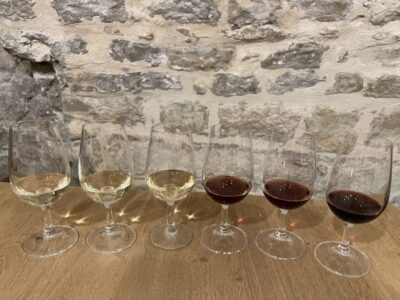
Dijon: Cheese and Burgundy Wine Tasting Workshop
Read our review →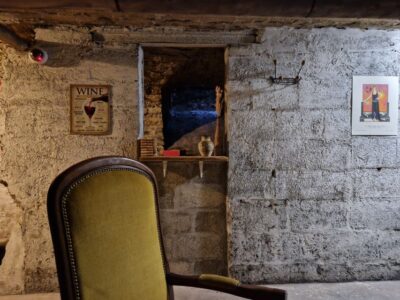
Historic Center of Dijon : Discovery Tasting Wine Burgundy
Read our review →
Lists this tasting sits in