
Review · DIJON
Côte de Beaune Half-Day Wine Tour from Dijon
The best part of this half-day outing is its mix of serious Burgundy wine and easy countryside touring. In four hours, you travel the Route des Grands Crus, stop for views and photographs, and taste at two wineries without having to arrange a car or decode French wine labels.
I like the small group, capped at eight, and the strong guides. Adam is praised for his relaxed, funny teaching style, while Valentin is noted for clear English. The main drawback is time: two winery visits plus the drive from Dijon leaves little room for long cellar tours or a full look at the winemaking process.
Key points to know before booking
- Two winery visits: Taste Burgundy reds and whites in two wineries or wine cellars, with tasting fees included.
- Premier Cru and Grand Cru focus: The tastings can include some of the region’s most respected wines.
- Four hours from Place Darcy: Pick-up and return are at 16 Place Darcy in central Dijon.
- Small adult-only group: Up to eight participants, with no children under 18 accepted.
- Beautiful Côte de Beaune route: Expect vineyard views, village scenery, and photo stops near places such as Aloxe-Corton, Meursault, and Clos de Vougeot.
- Come fed: Snacks are not normally served during French wine tastings, so eat before you go.
From Place Darcy to Burgundy’s famous wine road
Your morning or afternoon begins at the parking area at 16 Place Darcy, a central meeting point in Dijon. Pick-up and return are included, which makes this a practical choice if you are staying in the city without a rental car.
The first drive takes about an hour. That may sound like a lot for a four-hour tour, but it gives your guide time to explain Burgundy’s wine regions, grape growing, and the idea of terroir. Your guide is also the driver, so the trip works best when you want a clear introduction rather than a long, formal lecture.
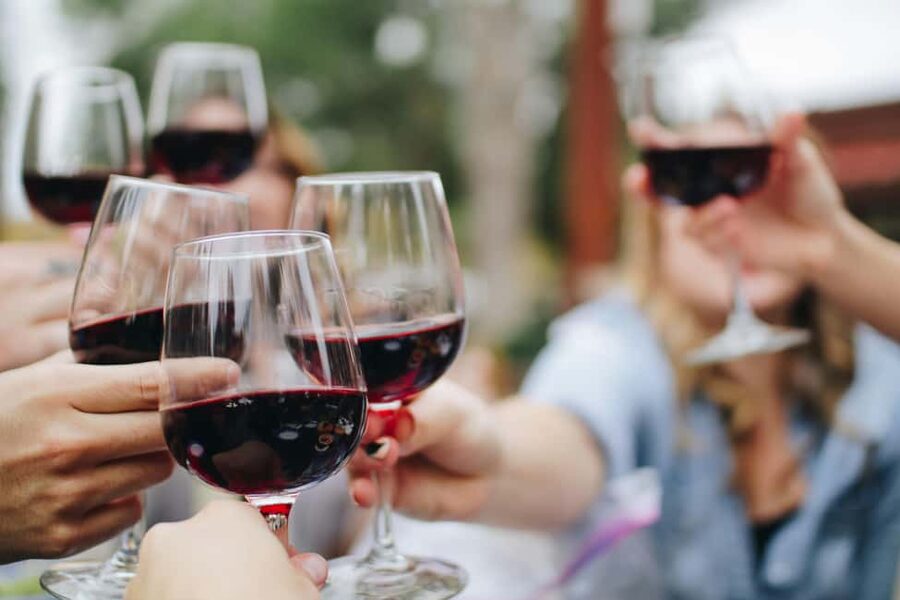
The vehicle is described as premium, and the group is limited to eight people. That small size matters here. You can ask why one village wine costs more than another, how Premier Cru differs from Grand Cru, or why Burgundy bottles are often labeled by place rather than grape variety.
Guides have received some of the strongest praise connected with this outing. Adam is described as relaxed, funny, and easy to talk with. Valentin is praised for excellent English. Guide availability can vary, but the format gives you a good chance to ask direct questions instead of simply listening from the back of a large bus.
More half-day tastings around France:
- Saint Emilion Half-Day Trip with Wine Tasting & Winery Visit from Bordeaux
★ 4.5 · 1,034 reviews - From Bordeaux: Half-Day Saint-Émilion Tour and Wine Tasting
★ 4.7 · 699 reviews - Bordeaux: Vineyards Wine Tasting Half-Day Trip
★ 4.2 · 470 reviews
The Côte de Beaune, read through its villages
The route takes you along the celebrated Route des Grands Crus. This is not just a scenic road with vineyards on both sides. It is a string of wine villages and named growing areas where small changes in soil, slope, and exposure can affect the character and price of a bottle.
You pass through or near places including Aloxe-Corton and Meursault. For a first visit to Burgundy, these names help turn a confusing wine map into something you can see. After the tour, a bottle from Meursault or Corton will mean more because you have actually passed through the area where it was made.
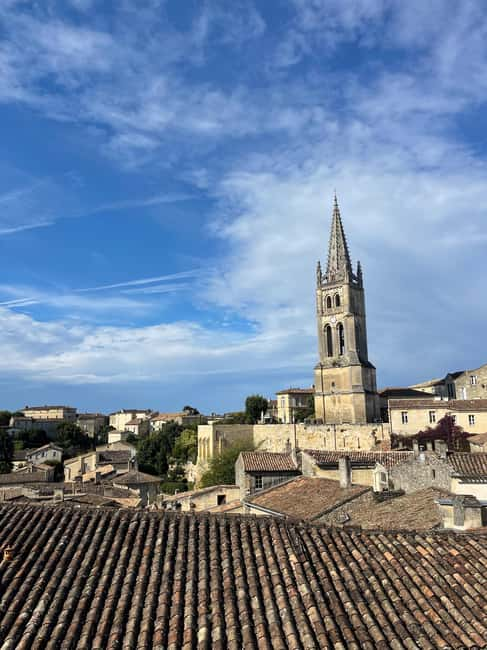
The countryside is especially pleasing when viewed from a small vehicle. You get rolling vines, village roofs, and broad views across the Burgundy countryside without worrying about navigation or tasting and driving. Photo stops depend on weather and the day’s timing, so you should not expect a long photography session at every location.
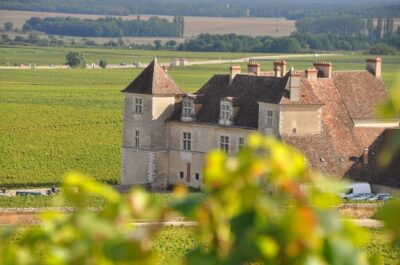
One listed photo stop is Château du Clos de Vougeot, an important Burgundy landmark. It adds a useful historical and architectural note to a tour that could otherwise become a succession of vineyards and tasting rooms. The exact amount of time at each viewpoint can vary, so think of these as short scenic pauses rather than full sightseeing visits.
First winery tasting: learning the local code
The first winery or cellar visit is where the tour shifts from scenery to wine. You taste under the direction of people connected with the producer, while your guide helps put the wines into context.
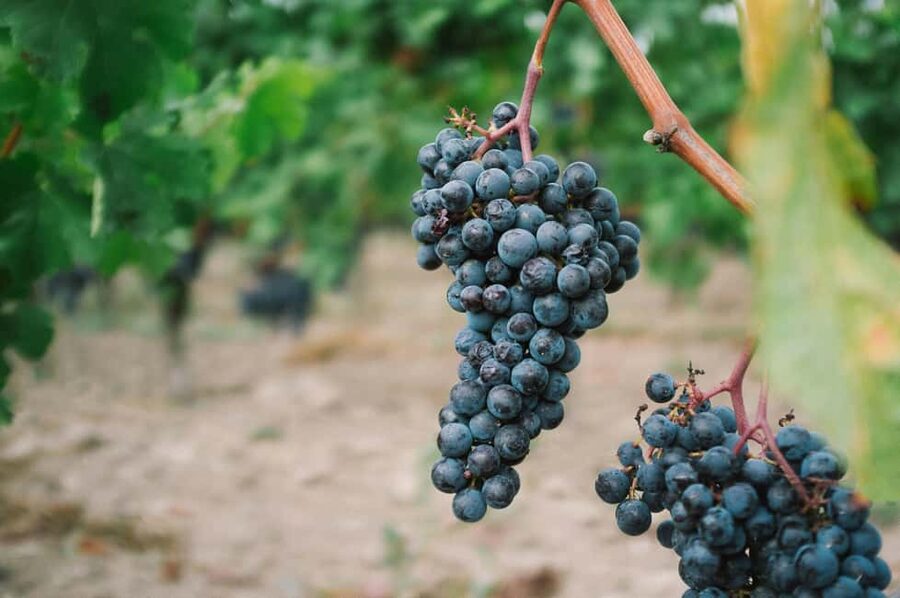
The tastings cover Burgundy whites and reds. Burgundy is strongly linked with Chardonnay and Pinot Noir, though the important lesson here is often the place name. A wine’s village, vineyard classification, vintage, and producer can matter as much as the grape itself.
You may taste wines from different levels, including Premier Cru and Grand Cru examples. These are not simply labels meaning good and better. They refer to vineyard classifications, and the tasting gives you a chance to compare how a highly regarded site differs from an ordinary village wine.
The format is professional, and the selection can be generous. One account describes the first two pours as especially good and interesting, while another praises the quality and range at both château tastings. That does not mean every bottle will suit your taste. Burgundy is personal, and the tour is more useful when you treat each glass as a comparison rather than waiting for one perfect wine.
One important practical point: French tastings usually do not include snacks. The reason given is to keep other flavors from affecting the wine. Eat a proper breakfast or lunch before setting out, and bring a reusable water bottle. Four hours of driving, walking, and tasting is much easier when you are not hungry.
A short drive, then a second point of comparison
After the first tasting, you have about 15 minutes in the van before the second winery. This short transfer breaks up the tasting and keeps the day moving.
The second visit is valuable because it gives you another producer, another setting, and another chance to test what you learned earlier. Two stops are not enough to explain every corner of Burgundy, but they are enough to show how much variation can appear between nearby places and producers.
The tasting may include both red and white wines, with Premier Cru or Grand Cru bottles depending on the wineries selected. The exact producers are not specified, so you should not book this tour expecting a guaranteed visit to one particular estate or a fixed bottle list.
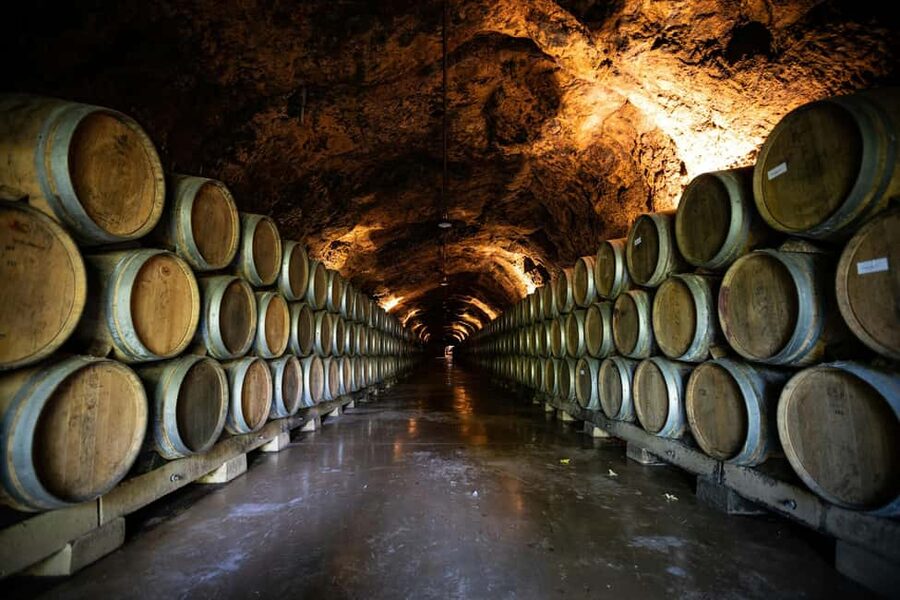
This is also where expectations matter. If your main goal is to see barrels, fermentation rooms, and every stage of production, the tour may feel light on cellar detail. One assessment specifically wished for more of the winemaking process, including barrels. The stronger focus is tasting, explanation, and seeing the wine country between stops.
More wine tours around France:
- Authentic Parisian Gourmet Food Tour with 10 Local Dishes & Wines
★ 5.0 · 4,754 reviews - Loire Valley Castles Day Trip from Paris with Complementary Wine
★ 4.5 · 3,907 reviews - Bordeaux: Cité du Vin Entry Ticket and Wine Tasting
★ 4.6 · 3,885 reviews - Bordeaux: River Garonne Cruise with Glass of Wine and Canelé
★ 4.5 · 3,630 reviews
Meursault, Aloxe-Corton, and the value of place
The tour’s strongest teaching tool is the countryside itself. You do not only hear about Burgundy’s named villages. You pass through them, then taste wines tied to this part of France.
Meursault is particularly useful for understanding Burgundy’s white wine reputation. Aloxe-Corton helps show the northern side of the Côte de Beaune and its connection with important vineyard names. You may not leave able to identify every plot, but you will have a better sense of how tightly wine and geography are linked.
That is the real value of the trip for someone new to Burgundy. A large tasting in Dijon can give you more bottles, but this outing connects the glass to the road, the village, and the vineyard. For an experienced wine drinker, the scenery and access to higher classification wines may be the greater appeal.
The pace is brisk. A one-hour drive each way, a one-hour tasting at each winery, and a short transfer use most of the four-hour schedule. Walking is involved, though the amount is not specified. Wear comfortable shoes, especially if you have any trouble on uneven ground.
What the $176 price includes
At $176 per person, this is not a low-cost sightseeing ride. I would judge the price by what it removes from your planning: driving, finding the wineries, paying tasting fees, arranging a route, and trying to understand a complex wine region on your own.
The price includes pick-up and return from Dijon, transport in a premium vehicle, an English-speaking driver and guide, two winery or cellar visits, and all wine tasting fees. It also buys access to wines that may be difficult to sample casually, especially Premier Cru and Grand Cru examples.
The value is strongest if you are staying in Dijon and do not want to rent a car. It is also good for couples or solo visitors who want a compact introduction rather than a full-day wine program. The value is weaker if you already have a car, a detailed list of estates to visit, or a strong interest in production facilities rather than tasting.
A small group helps justify the cost. With no more than eight people, the guide can answer individual questions and keep the outing from feeling like a large coach excursion. The transport rating is also high, with 86 percent of ratings giving it a perfect score, which matters on a day built around rural roads and timed winery visits.
The guide can make or break the day
The guide is central to this experience. This is not a self-guided transfer with a few bottles added on. Your guide drives, explains the region, leads conversation, and helps you understand the tastings.
Adam receives especially strong praise for being engaging, relaxed, friendly, and clear. His ability to answer personal questions is useful in a small group, where you can ask about a wine you actually have in front of you instead of waiting for a general explanation.
Valentin is also noted for excellent English. Names and staff can change, but the available feedback points to a tour that depends heavily on the individual guide’s style. If your guide is lively and precise, the drive becomes part of the lesson. If you prefer a quiet ride and a very technical winery visit, the conversational format may feel less tailored to you.
A small point worth clarifying on the day is tasting practice for the driver-guide. One person wondered if a guide who drives also participates in the tasting. The information does not give a fixed policy, so ask your guide if this matters to you. The priority should always be safe transport back to Dijon.
Who should book this Côte de Beaune outing?
I would choose this tour if you have one free half-day in Dijon and want a practical first look at Burgundy wine country. It suits adults who enjoy guided tastings, village scenery, and learning how wine names connect to specific places.
It is a particularly good match for:
- First-time Burgundy visitors who want a clear introduction.
- Couples and small groups without a rental car.
- Wine drinkers interested in comparing Premier Cru and Grand Cru wines.
- Solo visitors who prefer a small group with an English-speaking guide.
- People who want countryside views without giving up an afternoon or full day.
I would think twice if you need wheelchair access, are pregnant, or are traveling with children under 18. The tour is not suitable for those situations. You should also skip it if you need a substantial meal during the outing, since snacks are not provided.
The tour is less suitable for someone seeking a slow, estate-by-estate study of Burgundy. With only four hours, the experience gives you a strong sample, not an exhaustive education. You will see two wineries, but you may not get a long barrel-room visit or a detailed account of every production stage.
Practical details for a smoother half-day
The tour requires at least two adult passengers to operate. If that minimum is not reached, the departure may be rescheduled or refunded. The group limit is eight, and the tour is conducted in English.
Wear comfortable walking shoes and bring water. The tour includes some walking at wineries and scenic stops, though the exact amount depends on the sites visited and weather.
Cancellations are free up to 24 hours before departure, and you can reserve now and pay later. Starting times vary, so check availability before planning your Dijon meals or train connections around the excursion.
The advertised duration is four hours. One individual account refers to spending five hours on the trip, but you should plan around the stated four-hour schedule and allow extra time only if your day is flexible.
Should you book it?
Book it if you want two serious tastings, good Burgundy scenery, and a strong guide without renting a car. The small group, included tasting fees, central Dijon pick-up, and access to Premier Cru and Grand Cru wines make the $176 price easier to justify.
Skip it if your top priority is extensive cellar access, a long meal, or a fixed visit to a named producer. For everyone else, this is a well-shaped introduction to the Côte de Beaune: short, focused, scenic, and useful enough to change how you read a Burgundy wine list afterward.
FAQ
Where does the Côte de Beaune wine tour depart from?
The tour departs from the parking area at 16 Place Darcy in Dijon. Pick-up and return to this meeting point are included.
How long does the tour last?
The stated duration is four hours. The schedule includes about one hour of driving each way, two one-hour wine tastings, and a 15-minute transfer between the tasting stops.
How many wineries or cellars do you visit?
You visit two wineries or wine cellars, with guided tastings and tasting fees included.
Are Premier Cru and Grand Cru wines included?
The tour highlights tastings of Premier Cru and Grand Cru wines. The exact wines and producers are not fixed in the provided information.
Is the tour conducted in English?
Yes. The tour includes a live English-speaking driver and guide who specializes in Burgundy wines.
Is the tour suitable for children?
No. It is an adult-only tour, and children under 18 are not accepted.
What should I bring?
Bring comfortable walking shoes and a reusable water bottle. You should also eat before the tour because snacks are not usually provided during the tastings.
Freshly poured around France
- Private Tasting in Beaune : The Best of Burgundy Wines★ 4.9 · 66 reviews
- Semi Private Solar Boat Cruise in Champagne★ 4.9 · 32 reviews
- Private tour of Paris by Night with Champagne★ 4.7 · 323 reviews
- Montpellier: Pic Saint-Loup Wine Tour★ 4.9 · 290 reviews
- Passy-Grigny: Chocolate and Champagne Tasting Tour★ 4.8 · 284 reviews
- Paris: Wine Tasting Experience with 6 Wines and Cheese Board★ 4.9 · 80 reviews
- Paris: Wine and Cheese Tasting with a Chef Sommelier★ 4.7 · 277 reviews
- Paris: Wine and Cheese Tasting★ 4.6 · 91 reviews
Dijon Wine Tours, side by side.
Dijon: La Cave du Palais Burgundy Wine Tasting Experience
Read our review →Burgundy wine tasting tour Half-Day Beaune from Dijon
Read our review →
Burgundy Wines Full-Day Tasting Tour from Dijon
Read our review →
Dijon: Cheese and Burgundy Wine Tasting Workshop
Read our review →
Historic Center of Dijon : Discovery Tasting Wine Burgundy
Read our review →Lists this tasting sits in