
Review · DIJON
Burgundy Wines Full-Day Tasting Tour from Dijon
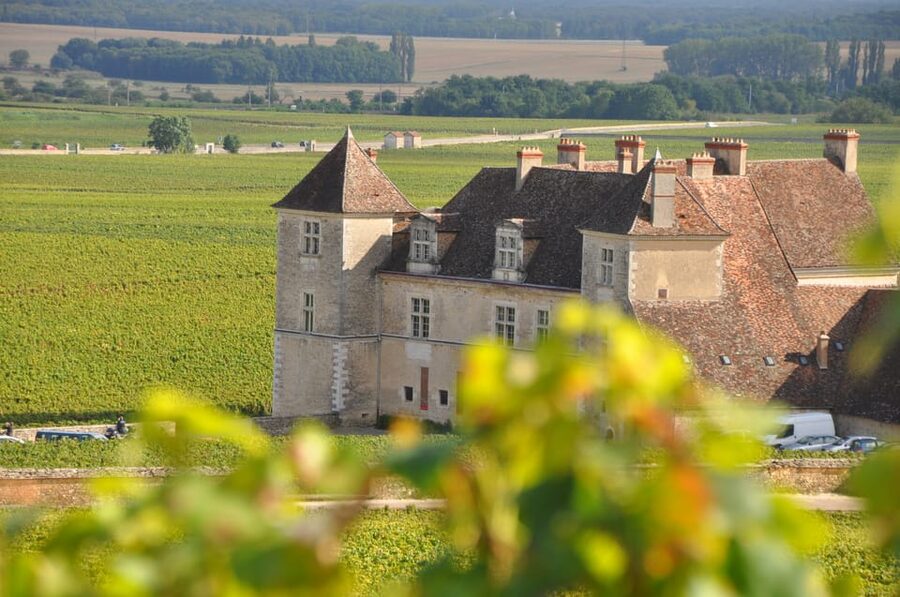
Burgundy makes more sense when you see the vineyards behind the labels. This full-day trip links the Côte de Beaune and Côte de Nuits, with views from Corton hill, walks among the vines, and tastings that explain why a few rows of grapes can command such different prices.
I like the small group, limited to eight, and the chance to visit a family-run estate rather than simply sit in a tasting room. I also like the two-hour pause in Beaune, where you can eat, visit La Moutarderie Fallot, or browse for mustard and other Burgundian specialties.
The main consideration is the price, $171 per person, plus lunch. It is fair value if you want transport, expert guidance, entrance fees, and about 10 wines in one day, but less appealing if you prefer to explore Beaune slowly or already have winery appointments arranged.
Key points at a glance
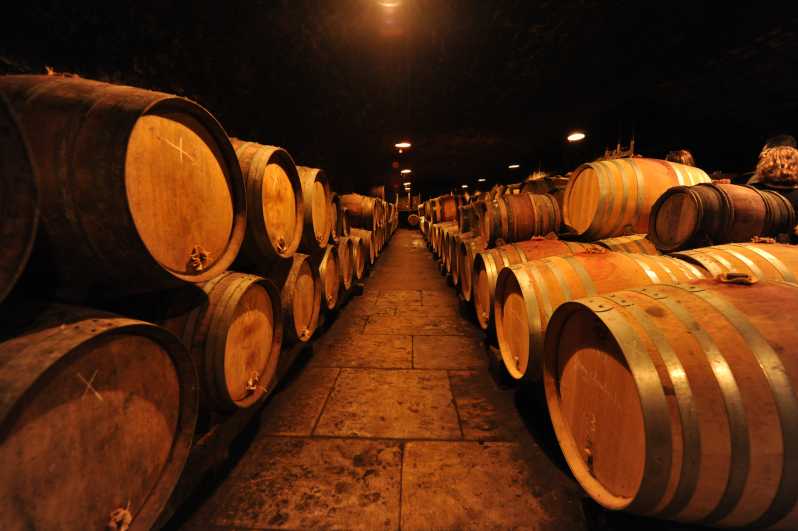
- Ten wines across Burgundy: Expect a mix of white wines and Pinot Noir, including Premier Cru examples and, depending on the tasting selection, prestige or Grand Cru bottles.
- Corton hill views: The opening views over the Côte de Beaune give you a useful visual introduction to the vineyards and their famous red and white wines.
- A real family-run cellar: You see oak barrels, older bottles, and the working side of Burgundy wine production.
- Beaune in the middle of the day: You get free time for lunch, mustard tasting, historic streets, and traditional food shops.
- Côte de Nuits vineyard country: The route includes famous villages and vineyard viewpoints, including the area around Vosne-Romanée and the Romanée-Conti plot.
- A practical Dijon base: Round-trip transport begins near Place Darcy, making this easier than arranging several rural taxis or appointments.
From Dijon to the Corton hills
The day begins at 9:45 AM at Maison Divia, 16 Place Darcy, near the red English phone booth in Dijon. That meeting point is central and simple to find, but arrive early enough to identify the vehicle and settle in before departure.
The return is scheduled for about 5:30 PM, giving you roughly seven hours on the road and at the vineyards. Transport matters here. Burgundy wine estates are spread through small villages, and many producers work by appointment rather than welcoming random drop-ins. A guided vehicle removes that guesswork.
The first major view is over the Corton hills in the Côte de Beaune. This is not just a photo stop. It helps you see how the vineyards sit on slopes, and why elevation, exposure, and soil are central to Burgundy wine. Corton is known for both red and white Grand Cru wines, an unusual distinction in a region where particular plots are often closely associated with one color.
Your guide fills in the regional picture as you drive. Past guides have included Tom, Max, Anna, Pierre, Laurent, Jeremy, and Thomas, and the strongest part of the experience is the local explanation that turns village names and vineyard labels into something you can follow.
If Burgundy wine seems confusing at first, this is where the tour earns its keep. The region is divided into small named plots, and the same grape can produce very different wines a short distance apart. Looking directly at the slopes gives you a better starting point than trying to memorize a map.
More Wine Country Day Trips in France
- Loire Valley Castles Day Trip from Paris with Complementary Wine
★ 4.5 · 3,907 reviews - From Paris: Loire Valley Castles Day Trip With Wine Tasting
★ 4.6 · 1,727 reviews - From Paris: Day Trip to Champagne with 8 Tastings & Lunch
★ 4.8 · 1,501 reviews
Tasting white Burgundy and Pinot Noir
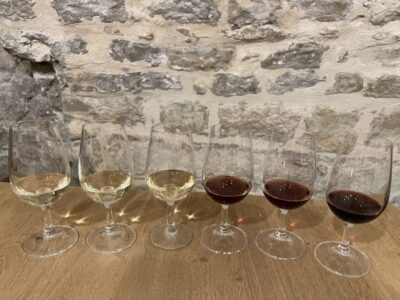
The tasting program includes up to 10 wines, with white wines and Pinot Noir, Burgundy’s best-known red grape. The exact selection can vary, but the day is designed to show range rather than offer one long flight of similar bottles.
You may taste Premier Cru wines and other prestige examples. Some past groups tasted four whites and six reds, while another tasting included 12 wines with only one Grand Cru. That variation is worth keeping in mind. The tour promises quality and breadth, but you should not book it expecting a large number of Grand Cru pours.
The tastings work best when you treat them as lessons in place. Ask about the village, the vineyard level, the vintage, and the difference between a family producer and a larger house. The guide can connect those details to the slopes you have just seen, which makes the wine easier to understand.
I especially like that the experience suits both beginners and serious wine drinkers. You do not need to arrive with a vocabulary of tasting notes. At the same time, the discussion can go beyond basic grape and flavor talk, covering soils, growing conditions, production methods, and why certain Burgundy bottles cost so much.
The group size helps here. With no more than eight people, questions are easier to ask, and the guide has more room to adjust the conversation. A small group also makes the vehicle rides and cellar visits more social without turning the day into a large coach outing.
Inside a family-run Côte de Beaune estate
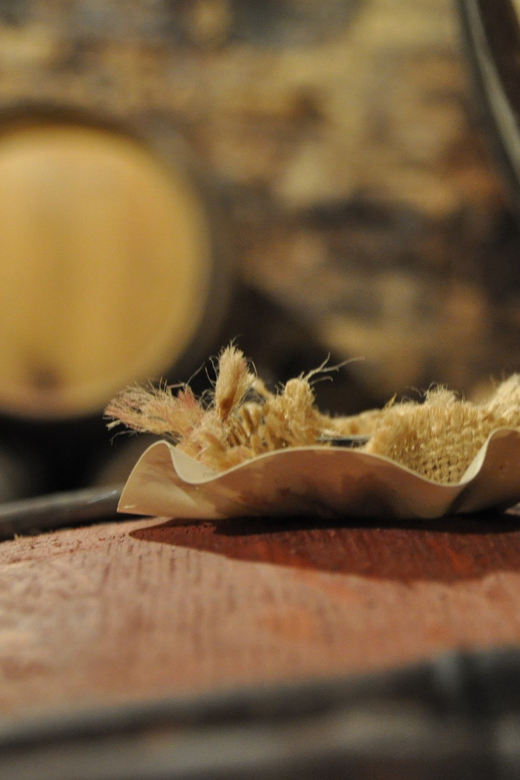
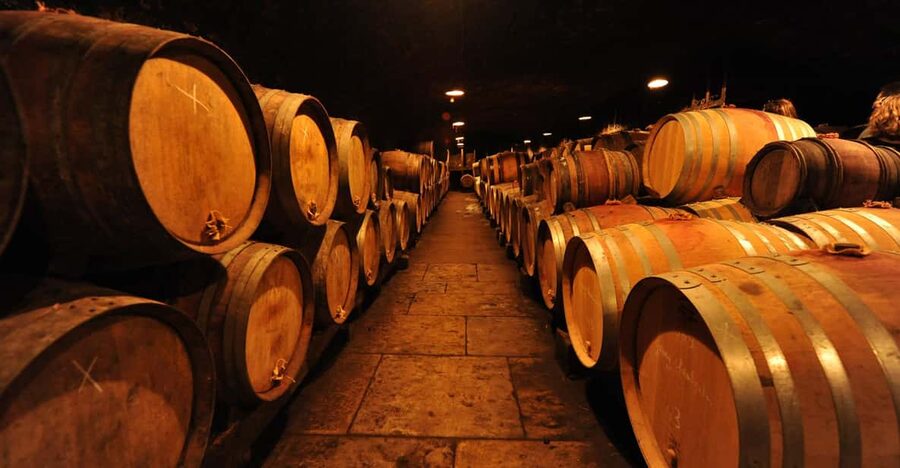
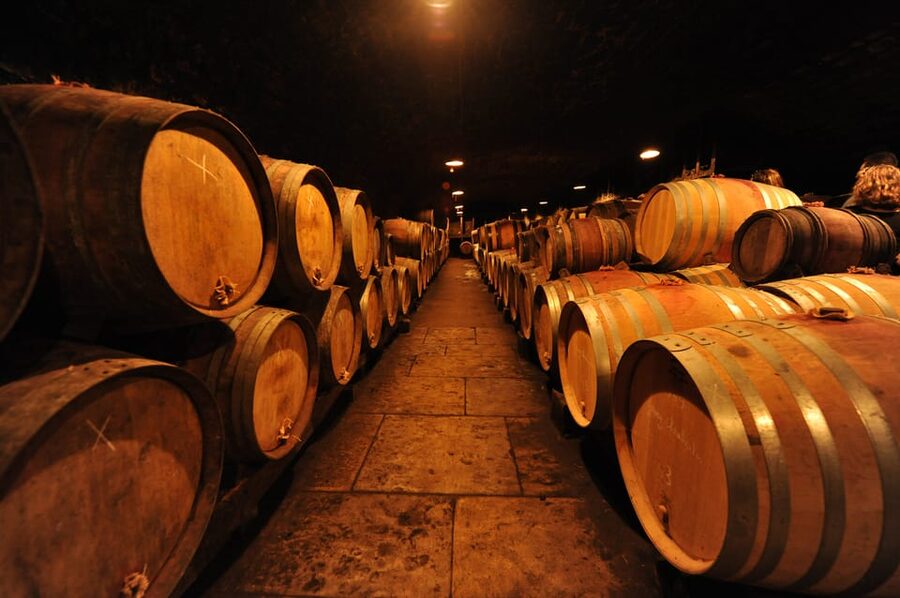
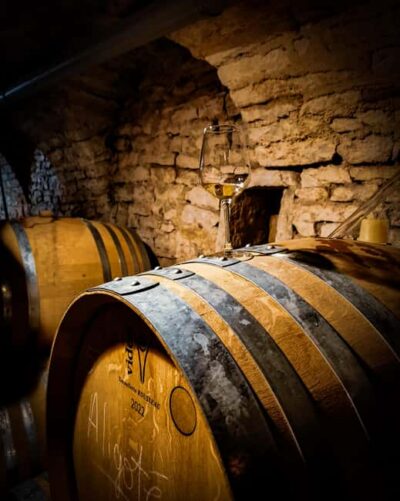
One of the most useful stops is a boutique, family-run estate in the Côte de Beaune. You visit the cellars, see the oak barrels, and look at older wines rather than treating the vineyard as a scenic backdrop only.
This stop gives the tour a human scale. Burgundy has famous names and expensive labels, but much of its wine comes from small producers working limited plots. A family cellar helps you understand the care, storage, and time behind the bottle.
The cellar itself may not resemble a grand museum. That is part of the point. You are seeing the practical setting where wine ages, not a polished attraction designed only for photographs. The value comes from access and explanation.
Guides also discuss the process from vine to bottle. You can ask how the wines differ, how the oak affects the result, and why older vintages are handled differently. The information is most useful if you taste with the cellar visit in mind rather than treating each sample as a separate drink.
This is also a good reason to use a local guide instead of trying to arrange a string of tastings alone. Producers may require appointments, and signs along the wine route do not always make it clear where you can stop. A guide with local contacts can bring you to places that are difficult to find through casual sightseeing.
Beaune: two hours for lunch, mustard, and old streets
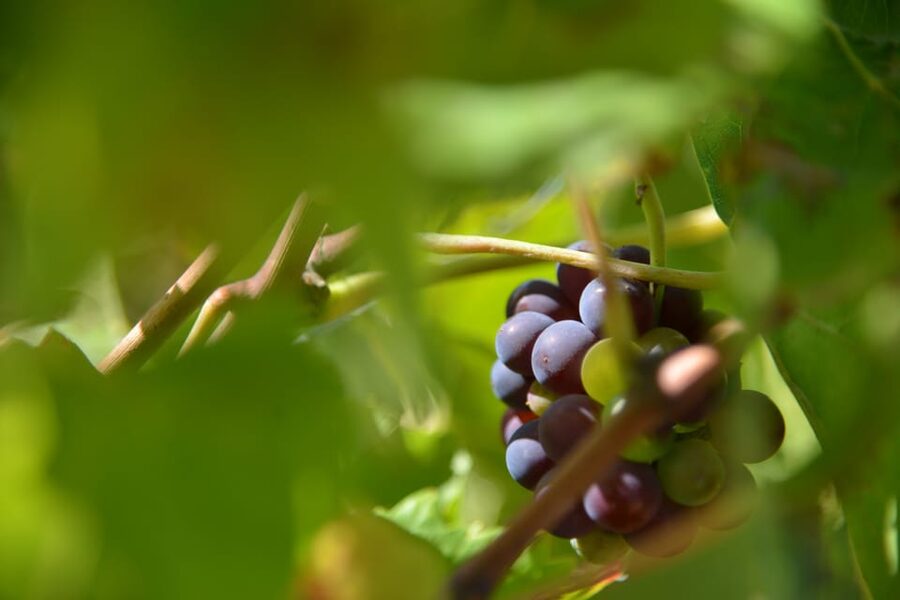
Beaune is the wine capital of Burgundy and the day’s main break. The tour allows free time, usually around two hours, so you can choose your own lunch and decide how much time to spend exploring.
Your guide recommends places to eat, but lunch is not included. Budget for a meal separately, and tell the guide what sort of stop you want. You might choose a traditional restaurant, a wine cellar dining room, or a quick meal that leaves more time for shopping.
One particularly memorable option mentioned by a past guest was Le Conty, described as a small wine cellar restaurant serving an authentic French lunch. That is useful guidance, but you are not locked into one restaurant. Beaune gives you room to make the afternoon your own.
La Moutarderie Fallot is another option. This mustard maker offers a taste of a product closely tied to Burgundy, and it gives the break a local flavor beyond wine. If mustard is not your priority, use the time to wander the old town instead.
The shops offer blackcurrant liquor, mustard, honey spice cake, and Flavigny aniseed. These are practical souvenirs because they are easy to carry and connect directly to the food traditions of the region.
Beaune is also the one part of the day where you control the pace. The vineyard stops and tastings follow the group schedule, while here you can sit down, browse, or walk. On a very hot day, the open time can feel like a welcome rest, though outdoor walking may be tiring in strong sun.
Same vines, another glass to try:
- Authentic Parisian Gourmet Food Tour with 10 Local Dishes & Wines
★ 5.0 · 4,754 reviews - Bordeaux: Cité du Vin Entry Ticket and Wine Tasting
★ 4.6 · 3,885 reviews - Bordeaux: River Garonne Cruise with Glass of Wine and Canelé
★ 4.5 · 3,630 reviews - Montmartre Hill French Gourmet Food and Wine Tasting Walking Tour
★ 5.0 · 2,588 reviews
Along the Côte de Nuits
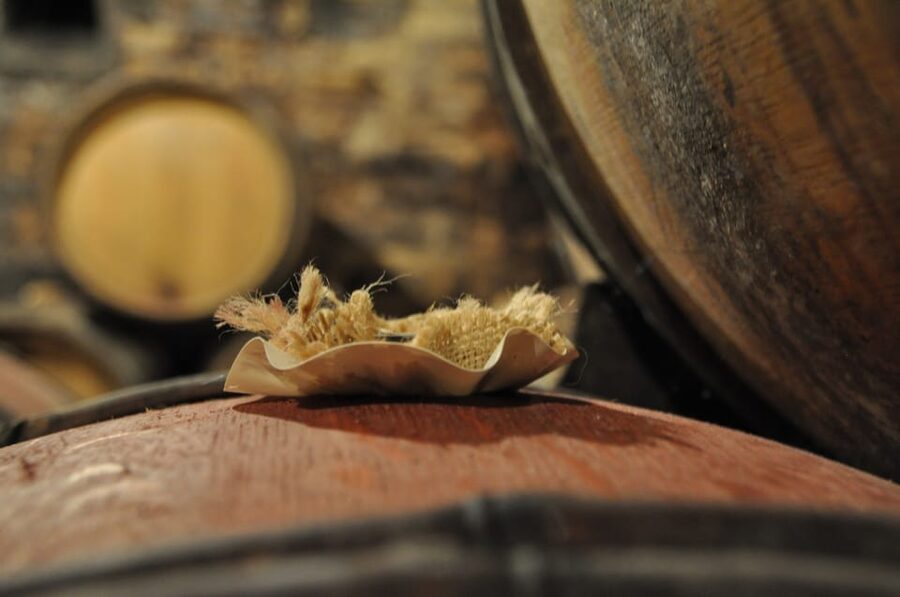
After Beaune, the route moves toward the Côte de Nuits, another major wine area. This section is especially rewarding if you want to see the villages and plots behind famous Pinot Noir names.
The tour passes through vineyard country around Vosne-Romanée, with views over some of the best-known sites. It may include a look toward the Romanée-Conti vineyard, one of Burgundy’s most famous names. You should think of this as a visual and educational stop, not a promise of tasting that particular wine.
The difference between seeing a celebrated plot and tasting its wine is important. Burgundy’s most famous bottles are rare and expensive, while the tour gives you a way to understand the setting without pretending that every famous label is on the table.
Walking among the vines helps make the geography concrete. You can see how close the plots are to one another and why a village name, Premier Cru designation, or Grand Cru designation matters. The guide explains the local system as you move through it, rather than leaving you with a list of unfamiliar labels.
The Côte de Nuits portion also breaks up the tastings. You spend time outside, take photographs, and see villages that would be difficult to cover by public transport in one day. If your main goal is to buy wine, listen carefully to the guide’s suggestions about producers and value.
How the guide shapes the day
The guide is the central part of this experience. The transport and scenery are useful, but the tour becomes worthwhile when someone can explain Burgundy in plain language.
Several guides have been singled out for local insight, humor, and clear communication. Tom was praised for making a technical subject entertaining, while Max was noted for showing representative wines that are not always easy to find. Anna was valued for her connections in the Dijon wine trade, and Thomas for his grasp of viticulture and local producers.
You cannot choose a specific guide from the information available, so treat these names as examples of the style to expect rather than a guarantee. The tour is offered in English or French, and the guide is a wine expert who also discusses regional history, food, and culture.
A good approach is to arrive with a few questions. Ask which wines offer the best value, how to read a Burgundy label, and what distinguishes Côte de Beaune from Côte de Nuits. The small group gives you a better chance of getting useful answers than a large coach tour.
The guide also helps with the practical side of the day. You receive restaurant suggestions in Beaune, learn which local products are worth buying, and get context for the stops. That broad knowledge is important because Burgundy is not only a wine region. It is also a place of village food traditions and small-scale producers.
Is $171 a fair price?
At $171, this is not a cheap outing, but it includes the parts that are most difficult to organize independently: transport from Dijon, an English or French-speaking expert, wine tastings, and entrance fees.
The value improves if you do not have a car or winery appointments. A private vehicle, fuel, parking, and separate tasting charges can quickly add up, while driving after several tastings is not sensible. The tour also gives you access to several parts of Burgundy in one day.
Lunch is extra, so include that in your budget. You may also want to buy bottles or regional food in Beaune, which can add to the day’s cost. The tour is best viewed as a full regional introduction, not simply a tasting session.
If you already know Burgundy well and have appointments with specific estates, a self-planned day may give you more control. For a first visit, though, the combination of vineyard views, cellar access, tastings, and Beaune free time is a strong package.
Who should book this Burgundy tour?
I would recommend this tour to first-time visitors to Burgundy, couples, small families, and anyone who wants an efficient introduction from Dijon. It works particularly well if you like wine but do not yet understand the region’s appellations, vineyard levels, or grape varieties.
It also suits experienced drinkers who want local context and access to smaller producers. The tasting selection is broad, but the exact number of Grand Cru wines is not guaranteed, so serious collectors should ask about the current program before booking.
The day is active without being built around long hikes. You move between vehicle stops, viewpoints, vineyards, cellars, and Beaune streets. Wheelchair accessibility is listed, but anyone with specific mobility needs should confirm how each vineyard and cellar stop is arranged.
The minimum group size is four. If that number is not reached, the outing may be canceled, with an alternative date or full refund offered. Free cancellation is available up to 24 hours before departure, and you can reserve now and pay later, which helps if your Dijon plans may shift.
Should you book it?
Book this tour if you want to understand Burgundy by seeing its vineyards, tasting across two major wine areas, and letting a local expert handle the driving and appointments. The small group, family-run cellar, and generous Beaune stop give it more substance than a simple hop between tasting rooms.
Skip it if your priority is a long, unhurried stay in Beaune or a private visit to one particular estate. For most people spending only a short time in Dijon, however, this is a practical and enjoyable way to cover the Côte de Beaune, Côte de Nuits, and Burgundy’s wine culture in one well-filled day.
FAQ
Where does the tour meet in Dijon?
Meet at Maison Divia, 16 Place Darcy, 21000 Dijon, near the red English phone booth.
What time does the tour leave and return?
Departure is at 9:45 AM, with return to Dijon at approximately 5:30 PM.
How many wines will I taste?
You can expect up to 10 wine samples, including white wines and Pinot Noir. The program includes Premier Cru wines, while the exact number of Grand Cru samples can vary.
Is lunch included?
No. Lunch is not included, but the guide provides recommendations during your free time in Beaune.
What can I do in Beaune?
You can have lunch, explore the old town, visit La Moutarderie Fallot, or shop for mustard, blackcurrant liquor, honey spice cake, and Flavigny aniseed.
What languages are available?
The tour is offered with a live guide in English or French.
What happens if the tour does not reach four participants?
A minimum of four participants is required. If that number is not reached, the tour may be canceled, and you will be offered an alternative date or a full refund.
More full days in wine country around France
- From Paris: Reims and Champagne Tasting Full-Day Tour
★ 4.8 · 610 reviews - Bordeaux: Saint-Emilion and Medoc Full-Day Wine Experience
★ 4.8 · 582 reviews - From Bordeaux: Full-Day St Emilion Wine Tasting Tour
★ 4.8 · 280 reviews - Nice: Full-Day Côtes de Provence Wine Tour
★ 4.9 · 204 reviews
Freshly poured around France
- Private Tasting in Beaune : The Best of Burgundy Wines★ 4.9 · 66 reviews
- Semi Private Solar Boat Cruise in Champagne★ 4.9 · 32 reviews
- Private tour of Paris by Night with Champagne★ 4.7 · 323 reviews
- Montpellier: Pic Saint-Loup Wine Tour★ 4.9 · 290 reviews
- Passy-Grigny: Chocolate and Champagne Tasting Tour★ 4.8 · 284 reviews
- Paris: Wine Tasting Experience with 6 Wines and Cheese Board★ 4.9 · 80 reviews
- Paris: Wine and Cheese Tasting with a Chef Sommelier★ 4.7 · 277 reviews
- Paris: Wine and Cheese Tasting★ 4.6 · 91 reviews
Dijon Wine Tours, side by side.
Dijon: La Cave du Palais Burgundy Wine Tasting Experience
Read our review →Burgundy wine tasting tour Half-Day Beaune from Dijon
Read our review →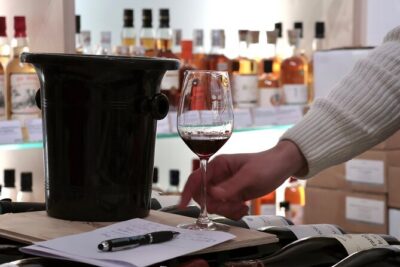
Dijon: Cheese and Burgundy Wine Tasting Workshop
Read our review →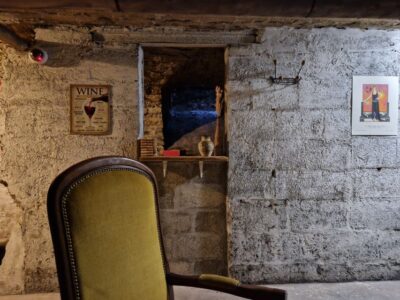
Historic Center of Dijon : Discovery Tasting Wine Burgundy
Read our review →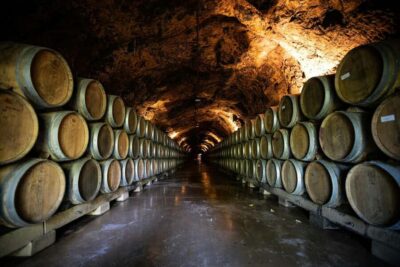
Lists this tasting sits in