
Review · DIJON
Dijon: Burgundy Wines Masterclass
Burgundy wine can seem like a puzzle of villages, labels, grapes, and strict production rules. This one-hour masterclass in Dijon gives you a practical way into that puzzle, starting with how to taste wine properly before moving into the region’s major areas and styles.
I like the clear WSET-based tasting method, and I like that the host, Matthieu, explains Burgundy without making beginners feel out of place. The small group, capped at 10, should also make it easier to ask questions. The main consideration is time: one hour is useful for an introduction, but too short for a full education in Burgundy.
Key points
- Six wines in one sitting: Taste three white and three red Burgundy wines, with water provided.
- A proper tasting method: Learn how to assess appearance, aroma, flavor, and structure using a systematic approach.
- Burgundy made easier: Explore local grapes, areas, production rules, and the way to read a Burgundy label.
- Food pairing included: Expect the wine to be matched with food, with cheeses, meats, and similar nibbles reported as part of the tasting.
- Small and relaxed: The group is limited to 10, and questions are welcome throughout.
- Convenient Dijon timing: The regular start is 2:30 p.m., with other times possible by request.
Getting Your Bearings at The Wine Compass
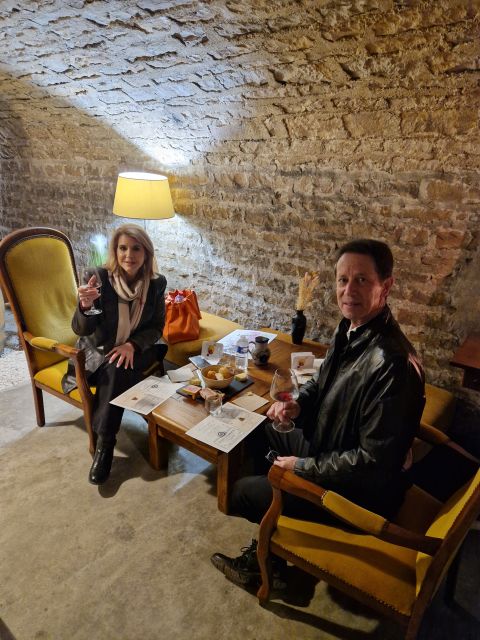
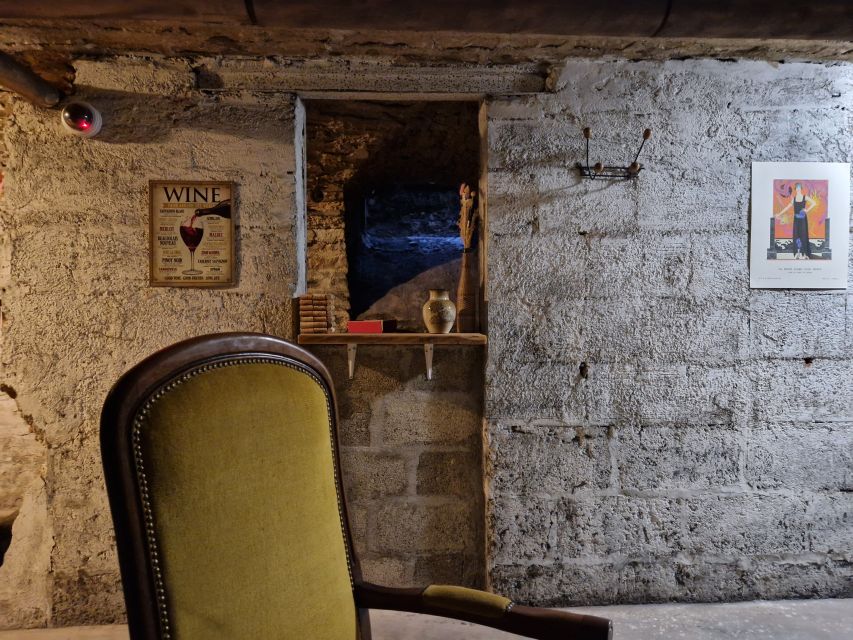
The tasting takes place at The Wine Compass in Dijon, in the Bourgogne-Franche-Comté region of France. To find it, enter the courtyard and look for stairs going down on the left. A sign reading The Wine Compass marks the spot.
That meeting point matters because it is not described as a large public wine museum or a vineyard visit. This is a focused indoor class. You come to taste, listen, compare, and ask questions rather than tour cellars or travel between estates.
The usual starting time is 2:30 p.m. That makes the class easy to fit into an afternoon in Dijon. You can spend the morning exploring the old center, have lunch, and then settle in for a structured introduction to local wine.
If 2:30 p.m. does not work, you can ask about another time slot. The provider says it will try to accommodate requests, but another time is not guaranteed, so it is wise to ask before booking.
More wine tours around France:
- Authentic Parisian Gourmet Food Tour with 10 Local Dishes & Wines
★ 5.0 · 4,754 reviews - Loire Valley Castles Day Trip from Paris with Complementary Wine
★ 4.5 · 3,907 reviews - Bordeaux: Cité du Vin Entry Ticket and Wine Tasting
★ 4.6 · 3,885 reviews
The First Pour Teaches You How to Taste
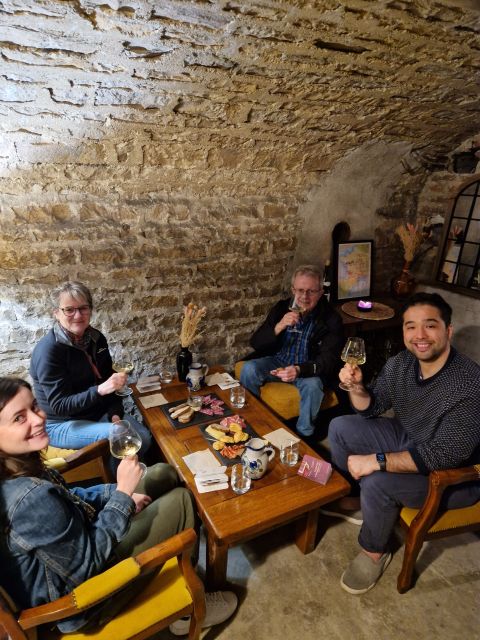
The class begins with instruction on tasting technique. This is more useful than simply being told that a wine smells fruity or tastes dry. You learn a repeatable method for looking at the wine, smelling it, tasting it, and thinking about its balance.
The approach is based on the systematic method used by the Wine & Spirit Education Trust. Matthieu has reached the highest level of that school in London and has 10 years of experience leading tastings for both amateurs and professionals.
For you, the important point is not the qualification itself. It is that the class should give you a tool you can use later in a restaurant, a wine shop, or another tasting room. You can begin to explain why two wines taste different rather than simply deciding that you like one more.
The tone is meant to stay relaxed. You are not expected to arrive knowing wine vocabulary, and the class is designed to welcome questions. Beginners can learn the basics, while people who already drink wine can use the session to sharpen their tasting habits.
One especially useful lesson described by a participant was learning how to smell when a wine is not right. That kind of practical guidance is easy to miss on a standard tasting, where the focus is often only on praise and pleasant flavors.
Six Wines Show Burgundy’s Range
The core tasting includes three white wines and three red wines. That gives the session a clear shape and lets you compare styles rather than judge one bottle in isolation.
The white wines offer a chance to consider how Burgundy’s white wine identity is built. You can pay attention to texture, acidity, aroma, and length, then compare those impressions across the glasses. The red wines provide a similar exercise with color, aroma, tannin, body, and finish.
The point is not to drink six unrelated samples. The host uses the wines to explain the region, its grapes, and the rules behind production. That context helps connect what is in your glass with the name on the label.
The exact producers and vintages are not specified, so you should not book this expecting a fixed list of famous bottles. Wine selections can change. The advantage is that the class can focus on Burgundy as a region rather than becoming a single-brand tasting.
Some sessions have included a sixth wine beyond the expected selection when the group was enjoying the discussion. You should treat that as a possible bonus, not a promised part of the format.
Water is included, which is a small but important detail. It helps you pace yourself and clear your palate between wines.
Burgundy Labels Become Less Intimidating
Burgundy is famous for labels that can confuse newcomers. The grape may receive less attention than the village or vineyard name, and production rules shape how wines are classified and sold.
The class explains how to read a Burgundy label and how the region is divided. You learn about different areas within Burgundy, the grapes used there, and the rules that guide production.
This is where the session earns its masterclass title. A simple tasting can tell you which wine you prefer. A regional lesson helps you understand why a bottle carries a particular name and why two wines from Burgundy may differ so much.
You should leave with a better framework for buying wine. You may not be ready to identify every appellation, but you can begin to recognize that Burgundy is not one single flavor or price category.
That distinction matters in Dijon, where wine shops and restaurant lists can present plenty of unfamiliar names. A little label knowledge can help you order with more confidence and avoid choosing a bottle based only on a familiar grape name.
Same vines, another glass to try:
- Bordeaux: River Garonne Cruise with Glass of Wine and Canelé
★ 4.5 · 3,630 reviews - Montmartre Hill French Gourmet Food and Wine Tasting Walking Tour
★ 5.0 · 2,588 reviews - Paris: Montmartre Cheese, Wine & Pastry Guided Walking Tour
★ 4.8 · 2,255 reviews - From Paris: Loire Valley Castles Day Trip With Wine Tasting
★ 4.6 · 1,727 reviews
Food Pairing Gives the Lesson a Local Feel
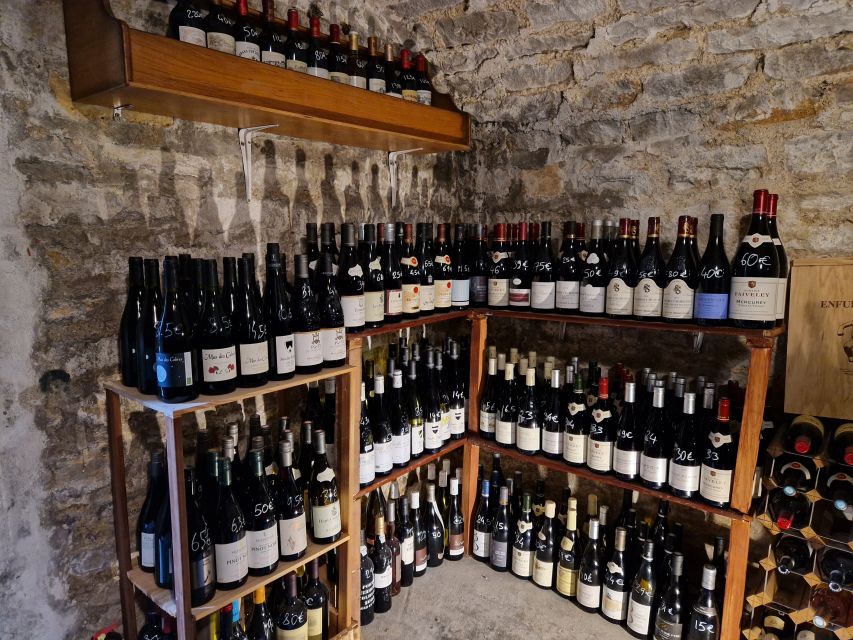
Food pairing is one of the advertised highlights, and it adds a useful practical layer. Wine can taste very different alongside food, so pairing helps you understand how acidity, tannin, sweetness, and body work at the table.
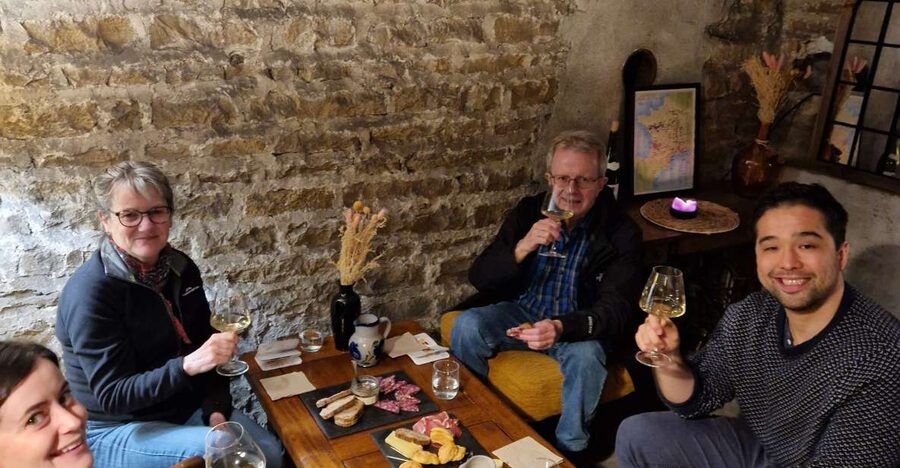
Food mentioned with these tastings has included cheeses, cold meats, and scones. The exact selection can vary, but you can expect the wine to be considered alongside something to eat rather than served on its own.
I like this part because it connects the lesson to daily French dining. You are not only learning how to describe a wine in a glass. You are thinking about what happens when the wine meets a salty cheese, cured meat, or another savory bite.
A pairing session is also helpful for beginners. If a wine seems sharp or heavy on its own, food can show you its purpose. You start to see that a wine does not need to be universally pleasant to be useful at the table.
The tradeoff is that the class has only one hour. Food pairing can introduce the idea well, but it cannot cover every style of Burgundy wine or every regional dish.
A Small Group Keeps the Atmosphere Easy
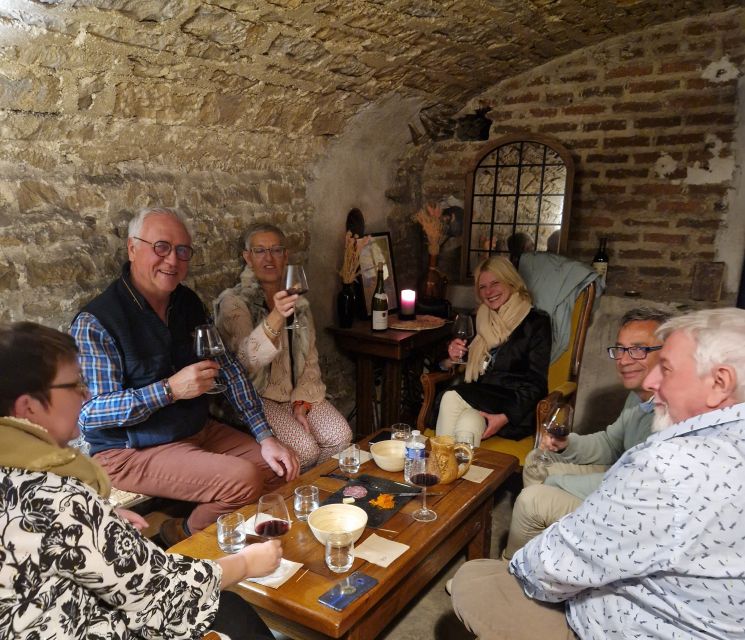
The group is limited to 10 participants. That is a good size for a tasting because it allows shared discussion without turning the room into a lecture hall.
You can ask about a grape, a label, a smell, or a pairing as the session moves along. The host aims to keep the atmosphere comfortable and unhurried, which is important if wine terminology is new to you.
The experience appears to work well for mixed levels. First-time tasters can start with the basic method, while more experienced drinkers can ask about classification, regional differences, and production rules.
The social side is part of the appeal. Small tastings often bring together people who arrived as strangers and leave with an easy shared topic. That said, the group format means you do not control every part of the discussion. If you want a private lesson built entirely around your own questions, ask about arrangements before booking.
Instruction is offered in English, French, and Spanish. German may be available on request. Confirm the language you need before reserving, especially if German instruction is important to you.
Is One Hour Enough for Burgundy?
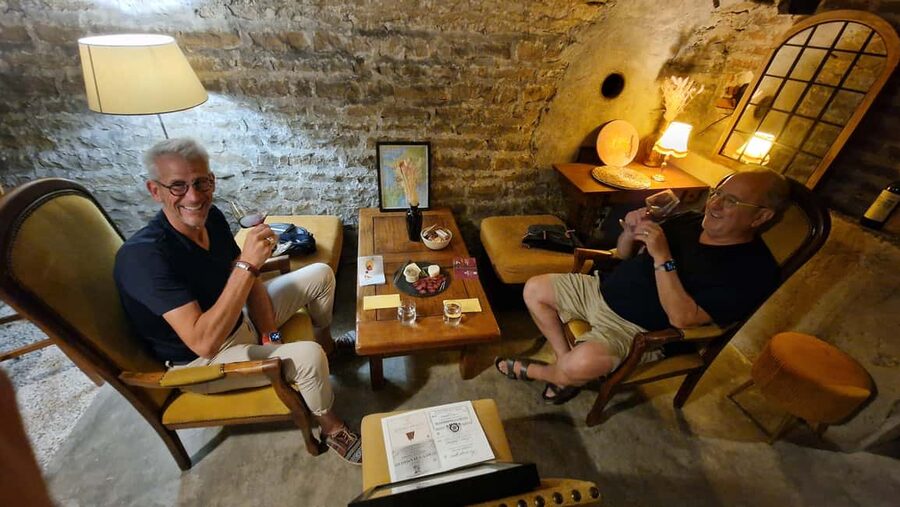
One hour is enough to learn a tasting method, sample six wines, and get an introduction to Burgundy’s grapes, areas, history, production rules, and labels. It is not enough to cover the region in detail or replace a full vineyard day.
That short length is a benefit if your Dijon schedule is tight. You can fit the class between sightseeing and dinner without giving up half a day. It also keeps the lesson focused and prevents the subject from becoming tiring.
The short format may feel limiting if you already have strong wine knowledge. You may want more time for detailed questions about individual appellations, vintages, producers, or buying advice.
I would treat this as a foundation. Afterward, a visit to Burgundy’s wine villages or a longer cellar tour will make more sense because you have learned the basic vocabulary first.
How the $54 Price Works for You
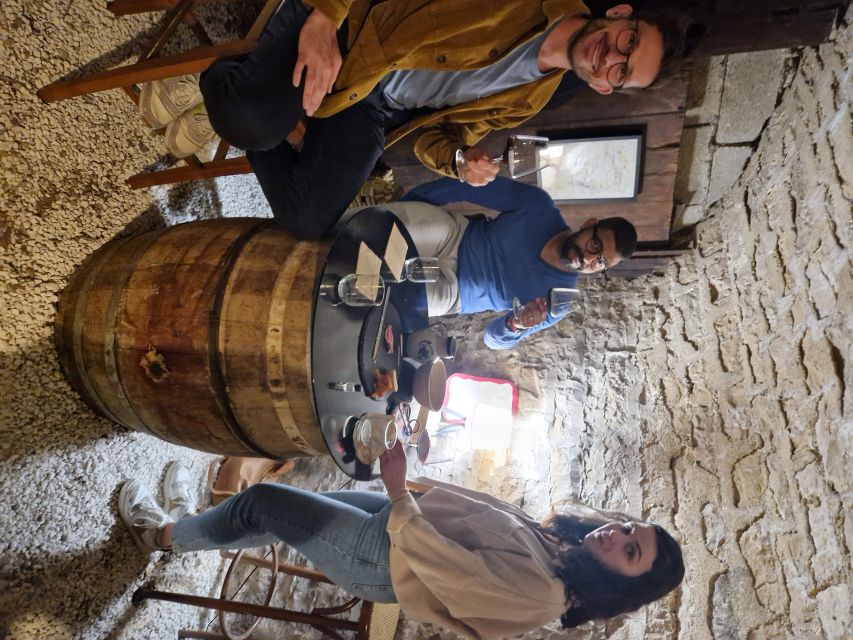
The cost is $54 per person. For that price, you receive the guided tasting, six stated wines, water, and the educational explanation of Burgundy and tasting technique.
The value depends on what you want from a wine activity. If your goal is simply to sample inexpensive local wine, you can likely find cheaper options. If you want an organized lesson that teaches you how to taste and interpret Burgundy labels, the price is more reasonable.
The six-wine structure also gives you a useful comparison. You are not paying for a single glass and a short talk. You receive enough samples to see differences between white and red wines and to test the tasting method several times.
Food pairing adds further value, especially if cheeses, cold meats, and other small bites are included in the session you attend. Still, you should not assume that the price includes a meal, vineyard transport, hotel pickup, or bottles to take home. Those inclusions are not stated.
Free cancellation is available up to 24 hours before the activity for a full refund. You can also reserve and pay later, which helps if your Dijon plans are still changing.
Who Will Get the Most From This Class
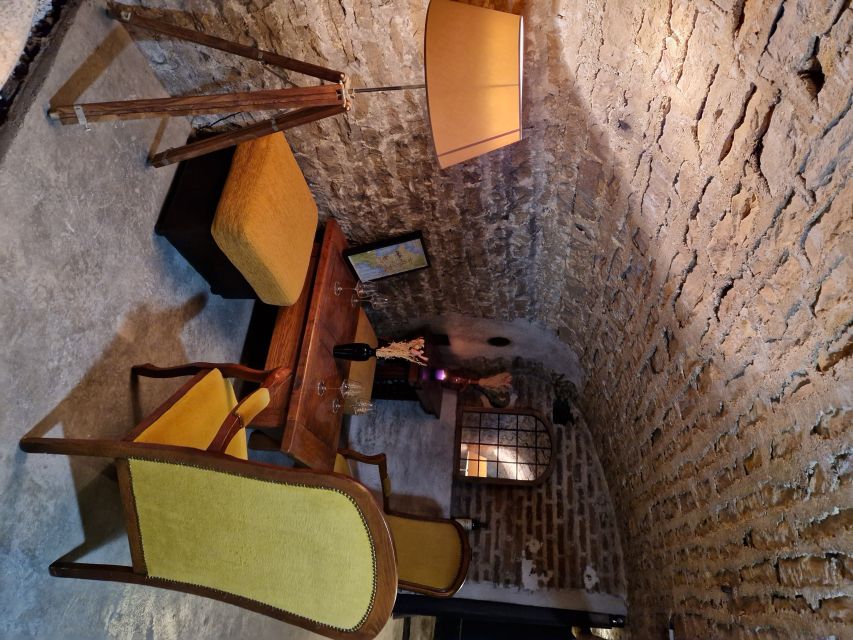
This is a strong choice for a first introduction to Burgundy wine. You do not need a technical background, and the tasting method gives you something concrete to follow from the first glass.
It also suits wine drinkers who have visited other French regions and want to understand why Burgundy works differently. A participant who had already attended wine tours and masterclasses in Champagne, Burgundy, the Loire Valley, and Bordeaux rated this class as the best of those experiences. That suggests the teaching can satisfy people beyond the beginner level, though your experience will depend on the questions you bring.
The class is useful for couples, friends, and solo visitors who enjoy a social setting. With no more than 10 people, it has enough structure for learning and enough room for conversation.
It is not available to children under 18, people under 17, or pregnant women. Pets are not allowed. Those limits are straightforward, but they matter when planning a mixed-age family day.
Should You Book the Dijon Burgundy Wine Masterclass?
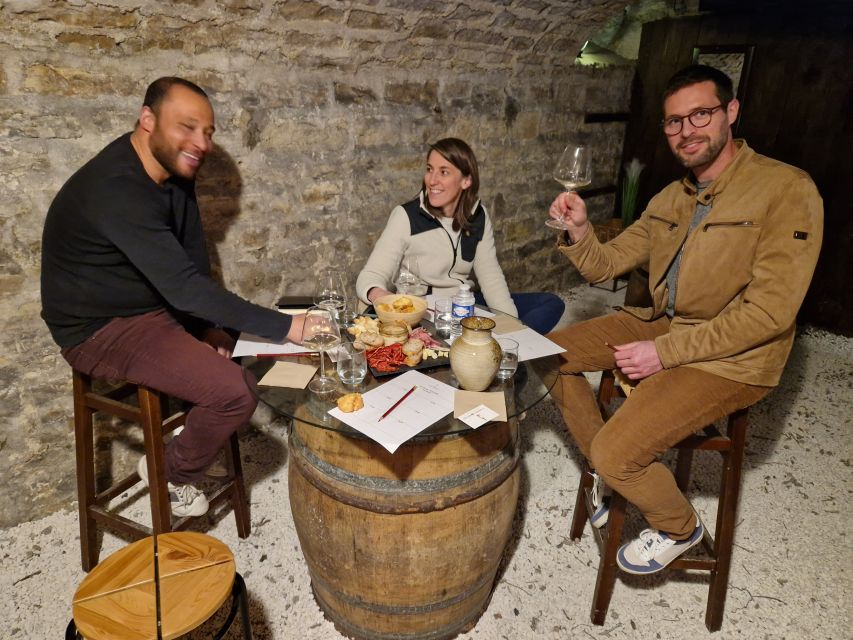
Book it if you want a compact, friendly introduction to Burgundy that teaches you how to taste rather than simply handing you six glasses. The strongest reasons are Matthieu’s clear teaching style, the WSET-based method, the mix of white and red wines, and the attention to labels and regional rules.
I would especially recommend it before a longer Burgundy wine trip. You will have a better sense of what to look for and better questions to ask at a vineyard or wine shop.
Skip it if you want a full-day countryside outing, a fixed list of prestigious bottles, or a meal-sized food experience. This is a one-hour class in Dijon, not a vineyard tour.
For most visitors, the combination of education, six tastings, food pairing, and a small group makes the $54 price fair. The best way to think of it is as a useful first glass of Burgundy knowledge, not the final word on the region.
FAQ
Where does the Burgundy wine masterclass meet?
Enter the courtyard at The Wine Compass. On the left, you will see stairs going down with a sign that says The Wine Compass.
What time does the class begin?
The regular starting time is 2:30 p.m. You can ask about another time slot, and the provider will try to accommodate the request.
How long does the tasting last?
The stated duration is one hour.
How many wines are included?
Three white wines and three red wines are served, for a stated total of six wines.
What will I learn during the class?
You will learn how to taste wine properly, explore Burgundy’s areas and grapes, hear about its history and production rules, and learn how to read a Burgundy label.
Is food included with the wine tasting?
Food pairing is part of the experience. Past tastings have included cheeses, cold meats, and scones, though the exact food selection is not specified.
Which languages are available?
The class is offered in English, French, and Spanish. German may be available by request.
How large is the group?
The class is limited to 10 participants.
Can I cancel or pay later?
You can cancel up to 24 hours in advance for a full refund. Reserve now and pay later is also available.
Freshly poured around France
- Private Tasting in Beaune : The Best of Burgundy Wines★ 4.9 · 66 reviews
- Semi Private Solar Boat Cruise in Champagne★ 4.9 · 32 reviews
- Private tour of Paris by Night with Champagne★ 4.7 · 323 reviews
- Montpellier: Pic Saint-Loup Wine Tour★ 4.9 · 290 reviews
- Passy-Grigny: Chocolate and Champagne Tasting Tour★ 4.8 · 284 reviews
- Paris: Wine Tasting Experience with 6 Wines and Cheese Board★ 4.9 · 80 reviews
- Paris: Wine and Cheese Tasting with a Chef Sommelier★ 4.7 · 277 reviews
- Paris: Wine and Cheese Tasting★ 4.6 · 91 reviews
Dijon Wine Tours, side by side.
Dijon: La Cave du Palais Burgundy Wine Tasting Experience
Read our review →Burgundy wine tasting tour Half-Day Beaune from Dijon
Read our review →
Burgundy Wines Full-Day Tasting Tour from Dijon
Read our review →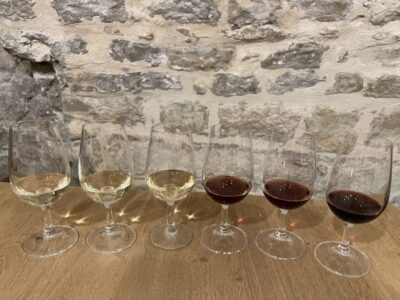
Dijon: Cheese and Burgundy Wine Tasting Workshop
Read our review →
Historic Center of Dijon : Discovery Tasting Wine Burgundy
Read our review →
Lists this tasting sits in