
Review · DIJON
🍷 Masterclass Pinot Noir – Wine tasting in Dijon 🇫🇷
Burgundy wine makes the most sense when you taste it in steps. This Dijon session pours four wines from Village to Grand Cru, giving you a quick lesson in how appellation, place, and prestige change what is in your glass. It is a useful starting point before heading onto the Côte Viticole.
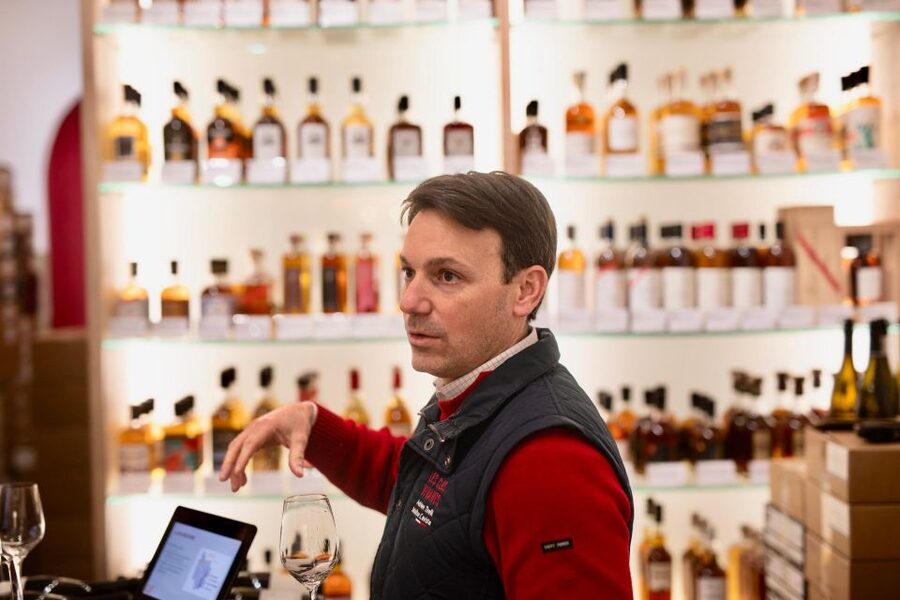
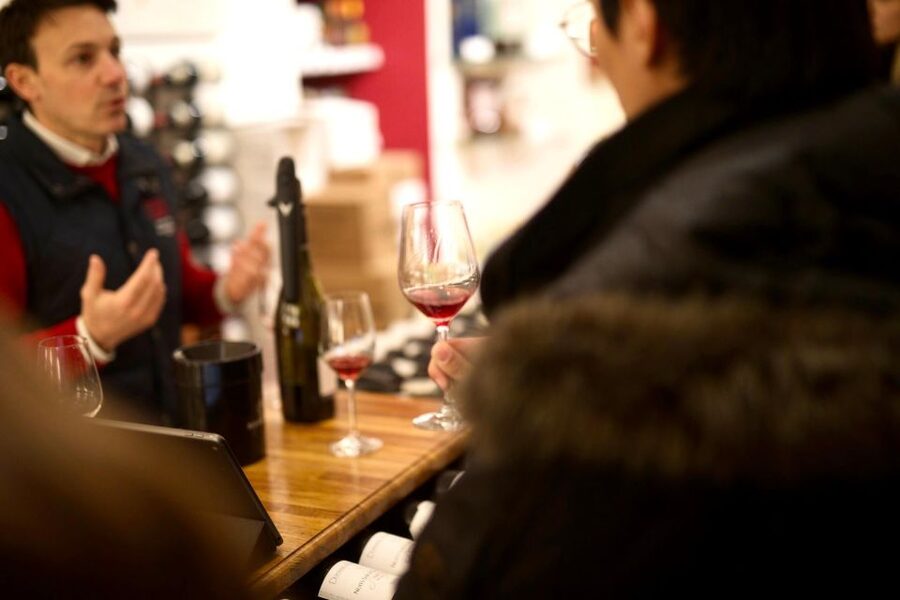
I like the small groups of up to eight, which leave more room for questions than a crowded shop tasting. I also like the guides’ personal approach. Emily has been praised for making the subject informative and entertaining, while Pierre has a gift for explaining the care behind each bottle. The main drawback is comfort: some sessions take place in the wine shop with people moving around, and one account described standing for more than an hour.
Key points at a glance
- Four levels of Burgundy wine: Taste a progression from regional or Village wine to Grand Cru.
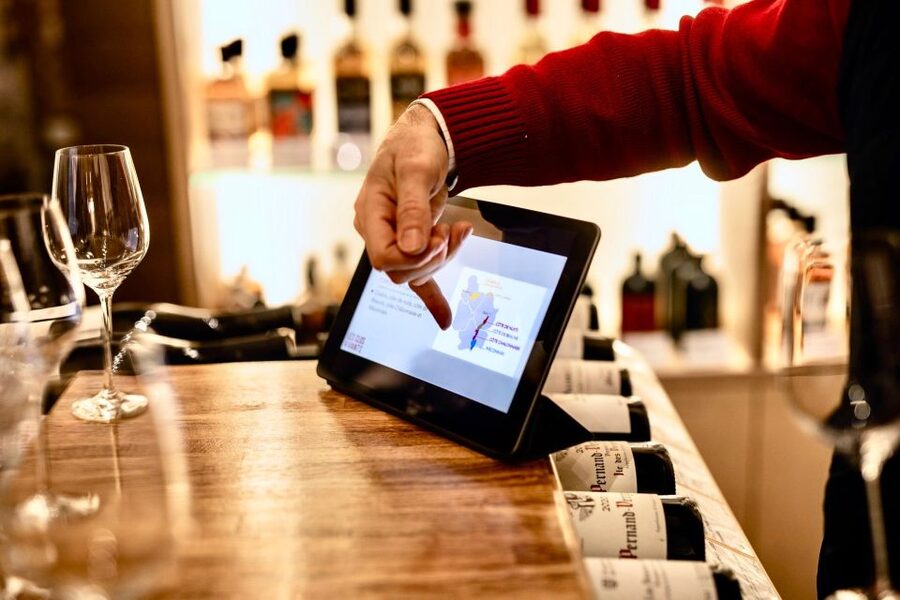
- A short lesson with real purpose: The 45-minute format helps you understand Burgundy before exploring the wine route.
- Small-group setting: The group is limited to eight people, allowing questions for the guide.
- Several named guides: Sessions may be led by Mattéo, Guyonne, Adrien, Emily, or Pierre.
- UNESCO Climats context: The tasting explains why Burgundy’s individual vineyard plots matter.
- Wine-shop setting: You can buy bottles from the selection after tasting, but seating may be limited.
Four glasses that explain Burgundy
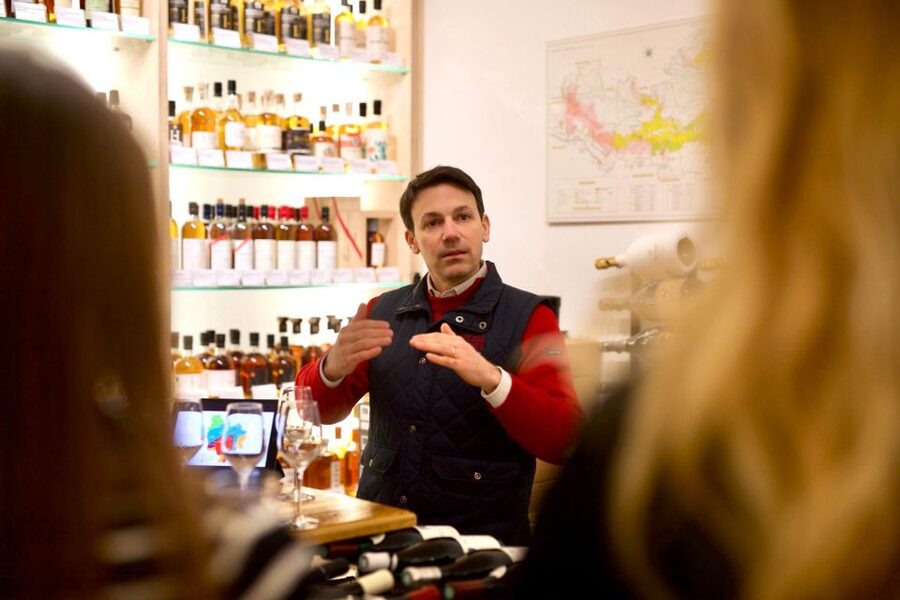
The clever part of this tasting is its progression. Rather than pouring four unrelated wines, the session is designed to move from a lower appellation to higher Burgundy classifications, ending with a Grand Cru.
That sequence gives you a useful comparison. You are not simply asking if one wine tastes better than another. You are listening for how the wine changes as the appellation rises, and how the idea of place shapes Burgundy’s reputation.
The exact bottles come from Les Clos Vivants’ selection, so the tasting is also a snapshot of what the shop considers worth showing. The wines are available for purchase after the session, which gives the tasting a practical edge. You can taste before buying instead of guessing from a label.
The experience focuses on Pinot Noir, Burgundy’s best-known red grape. It is a noble grape with a long connection to the region, but you do not need to arrive as a wine expert. The point is to learn how to taste and to understand why Burgundy labels can feel complicated at first.
More Wine Tastings in France
- Bordeaux: Cité du Vin Entry Ticket and Wine Tasting
★ 4.6 · 3,885 reviews - Montmartre Hill French Gourmet Food and Wine Tasting Walking Tour
★ 5.0 · 2,588 reviews - From Paris: Loire Valley Castles Day Trip With Wine Tasting
★ 4.6 · 1,727 reviews
What the four-wine order teaches you
You begin at the more accessible end of the Burgundy scale. A regional wine offers a broad introduction, while a Village wine points more specifically to a named place. From there, the tasting moves through higher classifications before reaching Grand Cru.
This order matters. If you tasted only the prestigious bottle, you might admire it without understanding what makes it different. By placing it beside the other wines, the guide can show you the scale of Burgundy’s system in your own glass.
The experience refers to the Climats de Bourgogne, the small, precisely defined vineyard plots that give the region much of its character and fame. The term does not simply mean weather. In Burgundy, it refers to named parcels with their own soil, slope, exposure, and long-established identity.
You will not become an authority on Burgundy in 45 minutes, but you should leave with a clearer framework. You can look at a bottle and understand that the name on the label tells you something about where it comes from and where it sits in the local hierarchy.
One Italian participant described the progression as moving from the lowest denomination through to Grand Cru. That is exactly the useful lesson here: the tasting turns a confusing classification system into a glass-by-glass comparison.
Meeting the guide at Les Clos Vivants
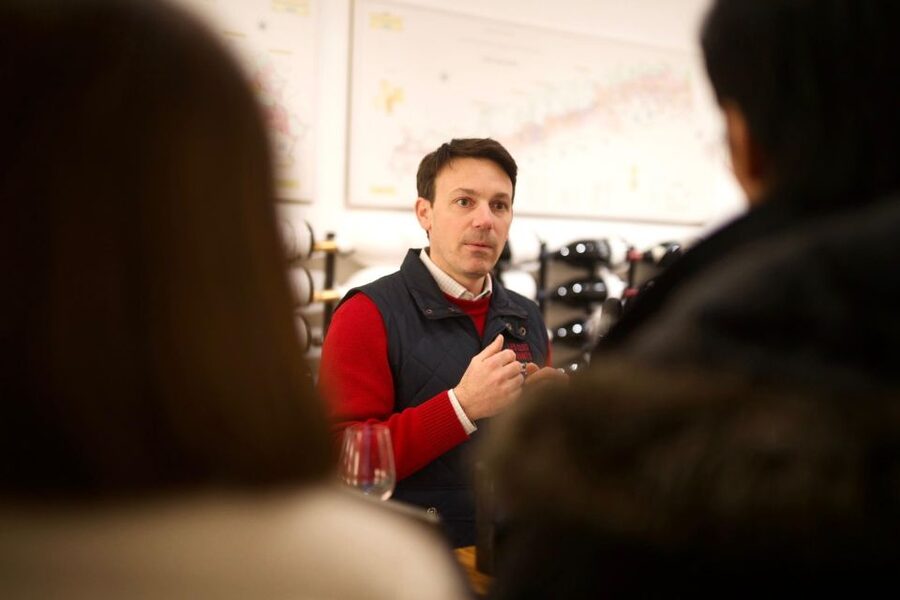
The meeting point is Les Clos Vivants wine shop in Dijon. This is not presented as a formal classroom with a separate lecture room. It is a working wine-shop setting, which has advantages and limits.
The advantage is direct access to the bottles. You are tasting in the same place where the wines can be purchased, and the conversation can stay tied to real producers and real labels. If a wine catches your attention, you can ask about buying it right away.
The setting can also feel less polished than a dedicated tasting room. One account expected chairs and a private room but instead found a shop with shoppers moving through. Another described standing for more than 60 minutes, even though the advertised duration is 45 minutes. If a comfortable seat is important to you, ask about the setup when booking or arrive ready for a standing tasting.
The guides are named as Mattéo, Guyonne, and Adrien, with Emily and Pierre also leading sessions. The tone can depend on who is pouring. Emily has been described as both informative and entertaining, while Pierre has been praised for explaining Burgundy’s terroir and the care attached to every bottle.
The listed languages are French and English. That makes this a practical choice if you want instruction in English while visiting Dijon, or if you prefer to take part in French.
Learning to taste, not just drink
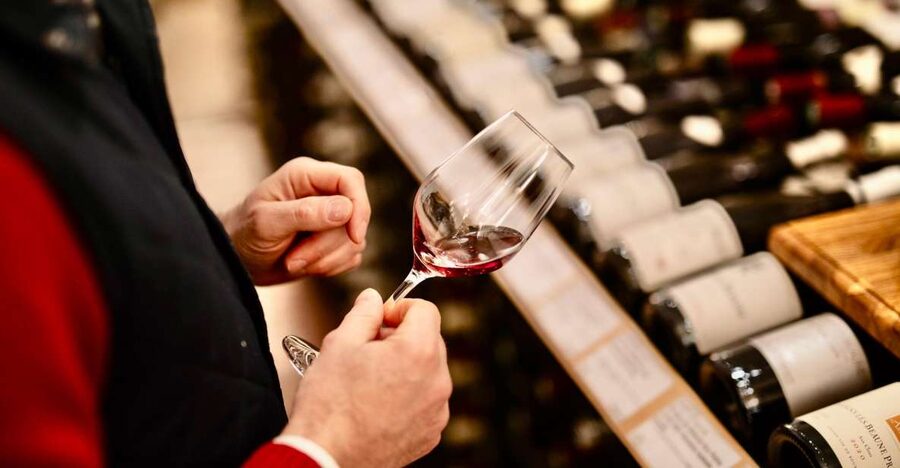
A good tasting should give you a method you can use later. This one is built around learning to taste with an expert, rather than simply receiving four small glasses and a list of names.
You can expect the guide to connect the wines with Burgundy’s places and classifications. The purpose is not only to identify flavors. It is to help you notice differences between appellations and understand why some bottles command much higher prices.
The short format keeps the lesson focused. You will not spend half a day on technical vocabulary, which suits a first introduction or a busy day in Dijon. At the same time, 45 minutes leaves little room for a long question-and-answer session if the discussion becomes lively.
Some sessions may run beyond the advertised length. That can be helpful if you want more explanation, but it also matters if you have a lunch reservation or another timed activity. Allow extra time rather than treating the 45 minutes as an exact end point.
The small group limit is a real benefit here. With no more than eight participants, you have a better chance to ask why one wine differs from another or which bottle might suit your taste. It is still a group activity, not a private consultation, but it should feel more personal than a large wine lecture.
Same vines, another glass to try:
- Authentic Parisian Gourmet Food Tour with 10 Local Dishes & Wines
★ 5.0 · 4,754 reviews - Loire Valley Castles Day Trip from Paris with Complementary Wine
★ 4.5 · 3,907 reviews - Bordeaux: River Garonne Cruise with Glass of Wine and Canelé
★ 4.5 · 3,630 reviews - Paris: Montmartre Cheese, Wine & Pastry Guided Walking Tour
★ 4.8 · 2,255 reviews
The UNESCO Climats connection
The tasting has a wider purpose than selling bottles. Burgundy’s Climats are part of a UNESCO World Heritage site, and the session is meant to help you understand why those vineyard plots matter.
That context adds value if you plan to visit the wine route outside Dijon. You will have a better sense of why Burgundy pays such close attention to village names, vineyard names, and classification levels. A drive through the Côte Viticole becomes more meaningful when you know that the region is divided into many distinct parcels rather than one broad stretch of vines.
The guide’s role is described as that of an ambassador for this heritage. In practice, that means connecting the wine in your glass with the land and the local system behind it. You are not only tasting Pinot Noir. You are learning why Burgundy’s identity depends so strongly on precise origin.
This is also where the Vignobles & Découverte label matters. It is a national French quality label for wine-tourism services. It does not guarantee that every guest will enjoy the style or setting, but it signals that the tasting is part of an organized wine-tourism network rather than a casual pour with little explanation.
How the shop setting affects the visit
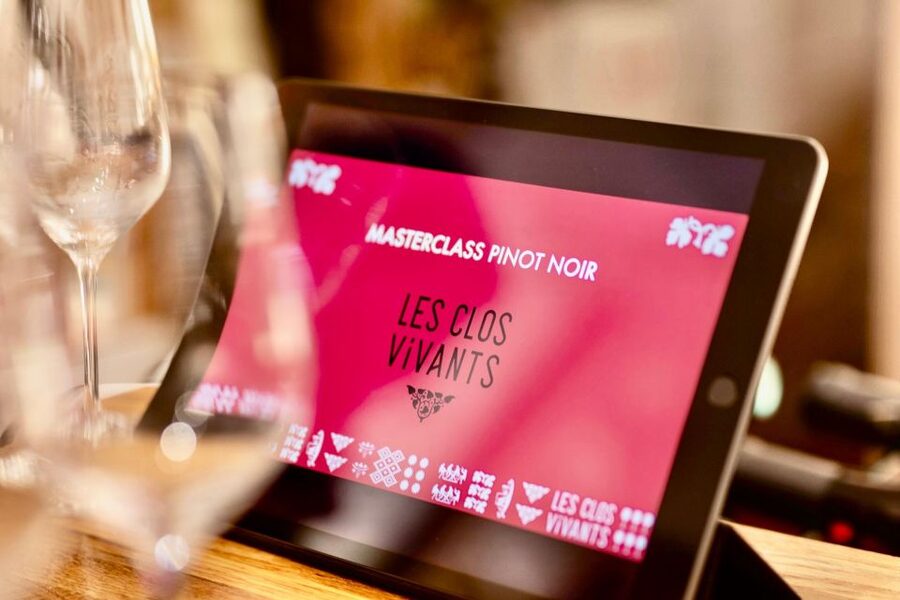
Les Clos Vivants gives the experience an informal feel. You can see that the wines are part of an active selection, not just bottles brought out for a scripted presentation.
The tradeoff is that the room may not be quiet or especially comfortable. People can move through the shop while you are listening, and standing may be required. This matters most if you have mobility concerns, prefer a formal setting, or want to take detailed notes.
The activity is listed as wheelchair accessible, but accessibility does not necessarily mean seating is guaranteed. If you need a chair or have specific mobility needs, confirm the arrangement before you arrive.
The setting may suit you if you like a practical wine shop where you can ask about bottles and make a purchase immediately. It may disappoint you if you picture a private cellar, rows of chairs, and a long, slow seminar.
Is $41 good value?
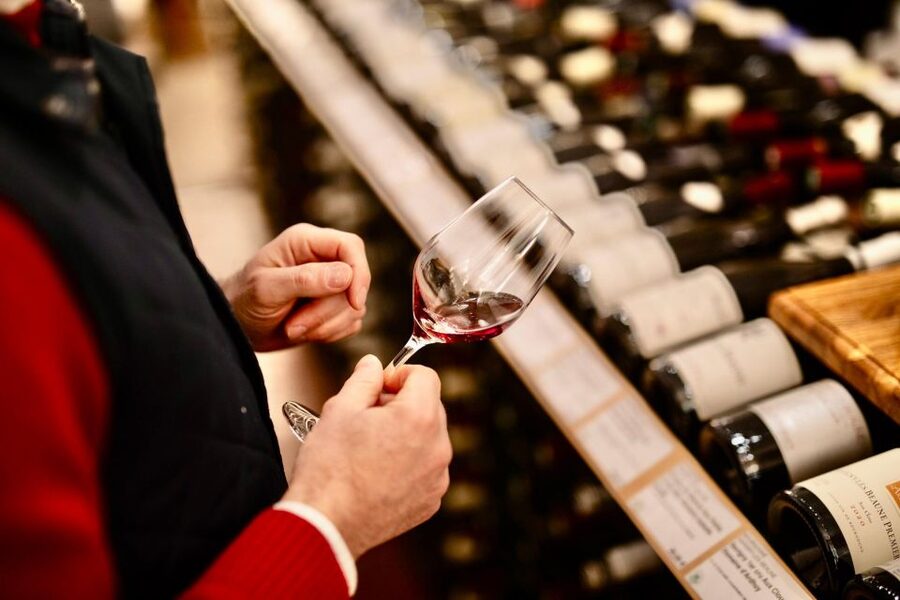
At $41 per person, the price is reasonable for a guided tasting of four Burgundy wines, especially when one of them may be a Grand Cru. The value depends on how much you want from the explanation.
If you only want to sample four wines, the price may feel high. Burgundy bottles can be costly, and part of what you are paying for is access to a structured comparison with an expert. You are also paying for the chance to taste before buying.
The price makes more sense for someone who is curious about Burgundy but does not yet know how the classifications work. The guide helps you avoid buying a prestigious label without understanding what you are getting. If you plan to purchase a bottle afterward, the tasting can serve as a useful filter.
The experience has an average rating of 4.5 from 35 ratings, with especially strong praise for the guides’ enthusiasm, clarity, and ability to make the subject enjoyable. The lower scores focus on the physical setup rather than the wine lesson itself. That distinction is important: the content may suit you well, while the shop format may not.
Who should book this Dijon tasting
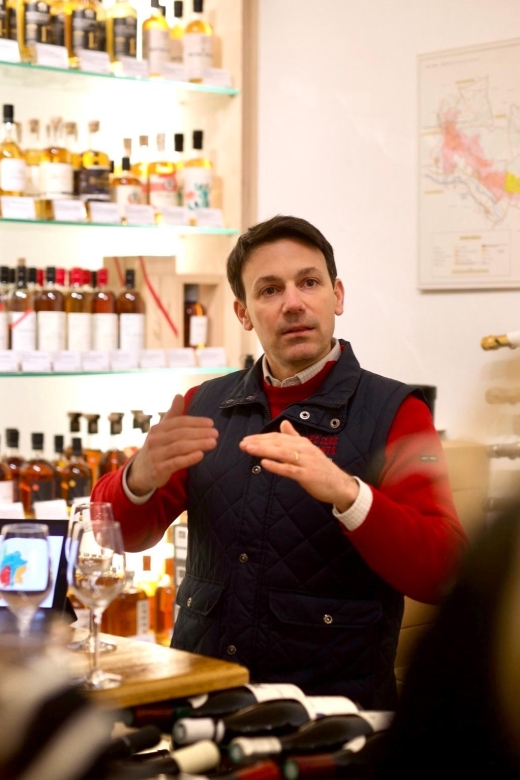
I would choose this for a wine-curious visitor who wants a compact introduction to Burgundy. It also suits someone planning to visit the vineyards and wanting a little background before seeing the region in person.
It is particularly useful for:
- First-time Burgundy visitors who find French wine classifications confusing
- Couples or small groups who prefer a focused session
- People who want to taste before buying bottles
- Visitors interested in the UNESCO Climats and Burgundy’s wine culture
- Wine drinkers who enjoy comparing appellations side by side
It is less suitable for children, since participants must be at least 18. It may also be a poor fit if you need a seated tasting, a private room, or a long formal class.
The session is also not the place to expect a complete survey of Burgundy. Four wines can show a clear progression, but they cannot cover every village, producer, vintage, or style in the region. Think of it as a sharp introduction, not a full wine course.
A few practical tips before you go
Plan around the official 45-minute duration, but leave a little spare time. Some sessions have lasted longer than an hour, especially when the guide and group get into a lively discussion.
Wear comfortable shoes in case you are standing. The shop can have other customers moving through, so do not expect the quiet, private feel of a dedicated tasting room.
Come with one or two questions. You might ask how the four wines differ, what the classification means, or which bottle is best for your budget. A small group gives you a good chance to get a direct answer.
If you hope to buy wine, remember that the bottles are from the shop’s own selection and can be purchased after tasting. That is one of the strongest practical features of the experience. You can make a decision with your palate, not just the label.
Booking is flexible: cancellation is free up to 24 hours before the activity for a full refund, and you can reserve now and pay later. The experience is available in French or English, and group size is limited to eight.
Should you book it?
Book this tasting if you want a concise, expert-led introduction to Burgundy’s Pinot Noir and the logic behind Village through Grand Cru. The four-wine progression, small group, named guides, and chance to buy bottles afterward give it real value for a first visit to Dijon.
Skip it if your priority is a seated, private-room class or if standing in a working wine shop would spoil the occasion. For most wine-curious adults, though, this is a smart way to get your bearings before exploring the Burgundy wine route.
FAQ
How long does the Burgundy wine tasting last?
The advertised duration is 45 minutes. Some sessions have lasted longer than an hour, so allow extra time if you have another booking afterward.
How many wines are included?
Four Burgundy wines are included. The tasting progresses from Village level to Grand Cru, with the selection coming from Les Clos Vivants.
Which grape is featured?
The experience focuses on Pinot Noir, Burgundy’s most closely associated red grape.
Where does the tasting take place?
The meeting point is Les Clos Vivants wine shop in Dijon, in the Bourgogne-Franche-Comté region of France.
Who leads the tasting?
The listed guides are Mattéo, Guyonne, and Adrien. Sessions may also be led by Emily or Pierre.
Is the tasting available in English?
Yes. The listed languages are English and French.
How many people can join?
The activity is limited to eight participants, making it a small-group tasting.
Can I buy the wines after tasting them?
Yes. The wines come from the shop’s selection and are available to buy after the tasting.
Is the activity suitable for children?
No. Participants must be at least 18 years old.
Freshly poured around France
- Private Tasting in Beaune : The Best of Burgundy Wines★ 4.9 · 66 reviews
- Semi Private Solar Boat Cruise in Champagne★ 4.9 · 32 reviews
- Private tour of Paris by Night with Champagne★ 4.7 · 323 reviews
- Montpellier: Pic Saint-Loup Wine Tour★ 4.9 · 290 reviews
- Passy-Grigny: Chocolate and Champagne Tasting Tour★ 4.8 · 284 reviews
- Paris: Wine Tasting Experience with 6 Wines and Cheese Board★ 4.9 · 80 reviews
- Paris: Wine and Cheese Tasting with a Chef Sommelier★ 4.7 · 277 reviews
- Paris: Wine and Cheese Tasting★ 4.6 · 91 reviews
Dijon Wine Tours, side by side.
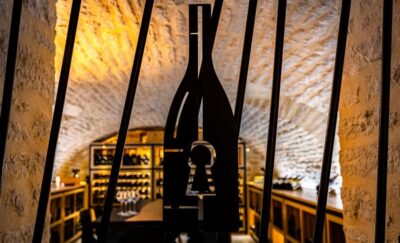
Dijon: La Cave du Palais Burgundy Wine Tasting Experience
Read our review →Burgundy wine tasting tour Half-Day Beaune from Dijon
Read our review →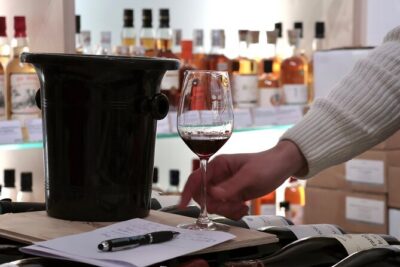
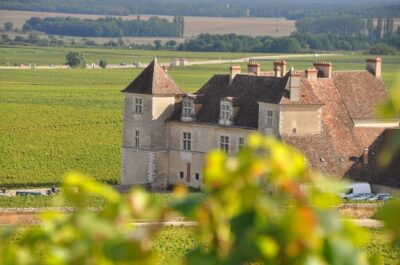
Burgundy Wines Full-Day Tasting Tour from Dijon
Read our review →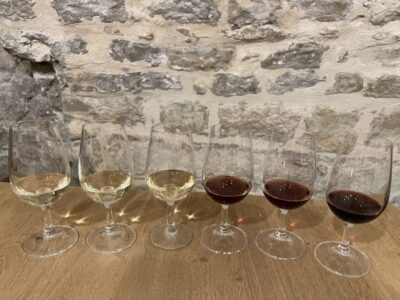
Dijon: Cheese and Burgundy Wine Tasting Workshop
Read our review →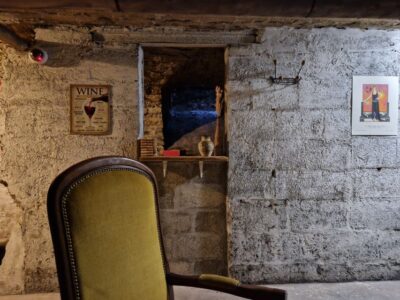
Historic Center of Dijon : Discovery Tasting Wine Burgundy
Read our review →
Lists this tasting sits in