
Review · ROME
Rome: Combo Pizza and Pasta Cooking Class with Wine
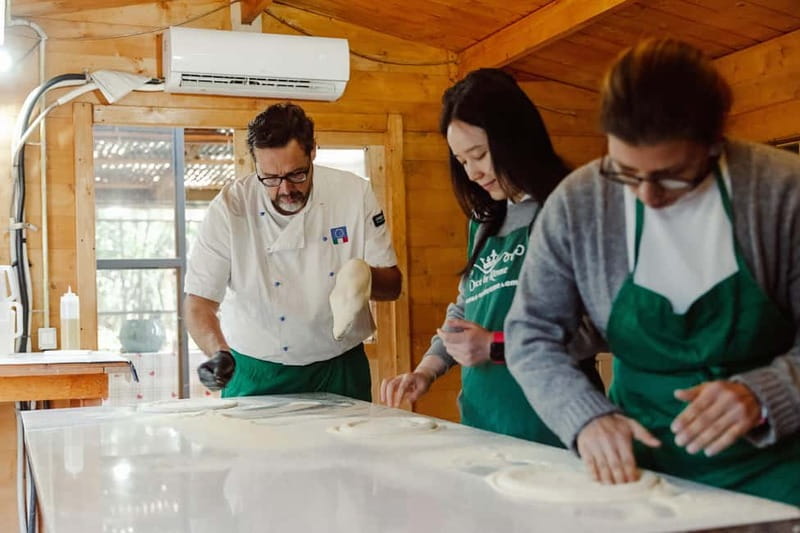
The best part of this experience is that you do not just watch someone make Italian food. You knead pizza dough, shape pasta, and cook your own meal in an open-air Roman garden. I like the mix of practical instruction and relaxed fun, plus the fact that your meal includes pizza, two pasta dishes, tiramisù, Limoncello, and unlimited red and white wine. The short ride out of central Rome also gives you a break from the city’s traffic and crowds.
I especially like the wood-fired oven and the patient, hands-on teaching. Instructors such as Eduardo, Giuseppe, Emilio, and Valerio have earned praise for explaining flour, dough, pasta shapes, and regional pizza styles in clear English. The main drawback is the transport and meeting arrangement: pickup details can vary, and some people found the meeting point or return connection less clear than expected.
Key points to know before booking
- You make the full meal: Prepare pizza dough, fresh pasta, two sauces, and several pasta shapes before sitting down to eat.
- The setting is outside central Rome: Transport takes you to the Wood Houses, an open-air countryside kitchen with patio dining.
- Wine is included: Red and white Italian wine flows during the class, while drinks from the refrigerators cost extra.
- The teaching is practical and friendly: Instructors explain techniques step by step, with English and Italian instruction available.
- The class suits families and couples: Children from age 3 can take part, and the class also works well for a date night or group celebration.
- Plan around the timing: The experience lasts 2.5 hours, but pickup times can shift by up to an hour and the meeting point depends on the option booked.
Why this Rome cooking class works so well
Rome has no shortage of cooking classes, but this one earns its place on a short list because it combines two of Italy’s biggest food traditions in one sitting. You learn both fresh pasta and Neapolitan pizza, rather than choosing one and missing the other.
That matters if you have limited time in Rome. A pasta-only class may teach you one dough and one shape. Here, you work with traditional egg pasta, water-based pasta, and pizza dough. You also shape tagliatelle, fusilli, and farfalle, then pair your pasta with two seasonal sauces.
The tone is part lesson, part social meal. You work beside other people, share a countryside patio, and eat what you have made. That format suits you if you want a social evening rather than a formal culinary lecture.
The class has a strong family feel. Children can join from age 3, and parents have found the instructors willing to help young cooks with each step. Adults still get plenty from it, especially when the chef explains flour types, kneading, shaping, and the differences between Roman and Neapolitan pizza.
More wine tours around Rome:
- Rome: Tuscany & Montepulciano Day Trip with Lunch & Wine Tasting
★ 4.5 · 5,232 reviews - Rome: Pasta & Tiramisu Class with Fine Wine by the Vatican
★ 4.9 · 4,852 reviews - Rome Food Tour: Unlimited Tastings with Fine Wine & Barolo
★ 5.0 · 3,365 reviews
Reaching the Wood Houses outside Rome
Round-trip transport from central Rome is included, but this does not mean hotel pickup and drop-off. Your exact meeting point depends on the option you book, so read the confirmation carefully and allow extra time to find the guide.
The meeting process appears to be generally manageable, but it is the part of the experience most likely to cause a little stress. Some people had trouble locating the meeting point, while others found the guide at the train station easily. Pickup hours can change with up to one hour of flexibility, so avoid scheduling a major attraction immediately after the class.
The trip to the Wood Houses is useful for another reason: it takes you away from central Rome’s tight streets and crowded sights. You arrive at an open-air kitchen surrounded by nature, with a patio suited to eating and working with dough.
Do not expect a grand country estate or a formal restaurant. This is a working cooking venue. Its appeal comes from the outdoor setting, the wood-fired oven, and the chance to sit around a table with food in progress.
Starting with pizza dough and the wood-fired oven
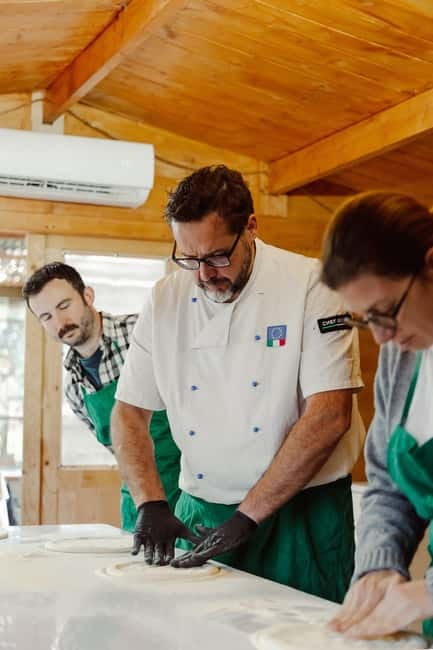
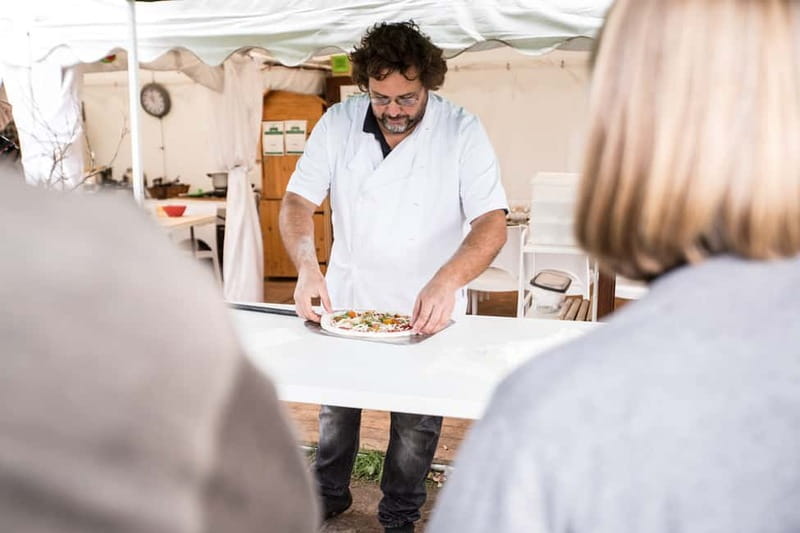
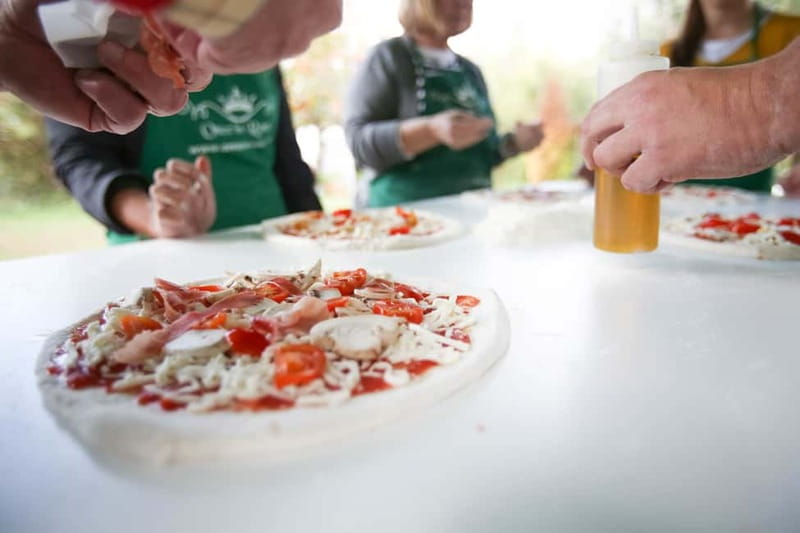
The class begins with an introduction to your local chef, who leads you through the basic dough work. You knead the dough by hand, learn how to handle it, and choose your toppings.
This is the most instantly satisfying part of the class. Pizza dough gives you something familiar, but the texture depends on small details: how you knead, how you stretch, and how you avoid overworking the dough. A good instructor can correct your technique before your pizza reaches the oven.
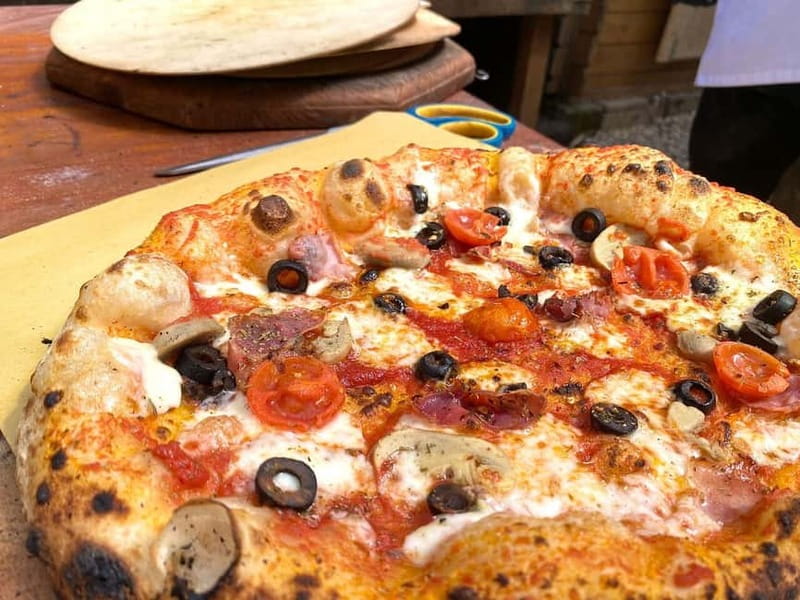
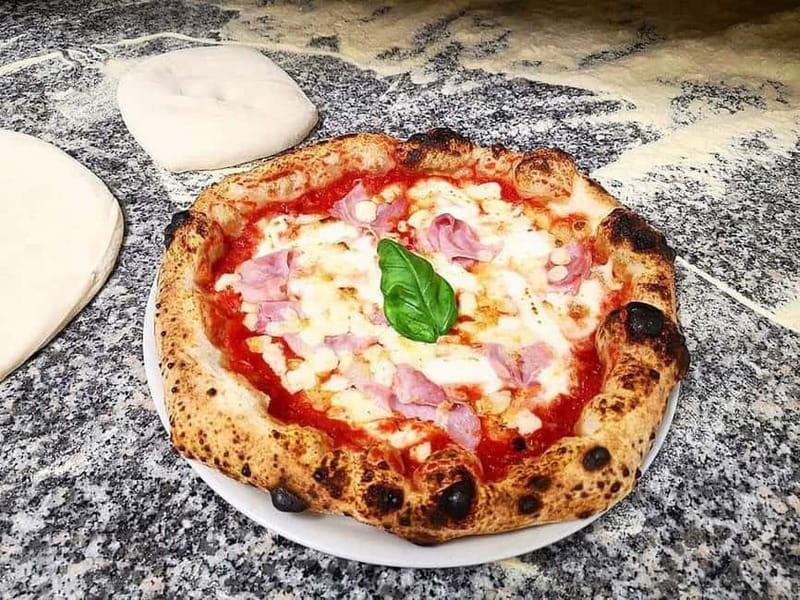
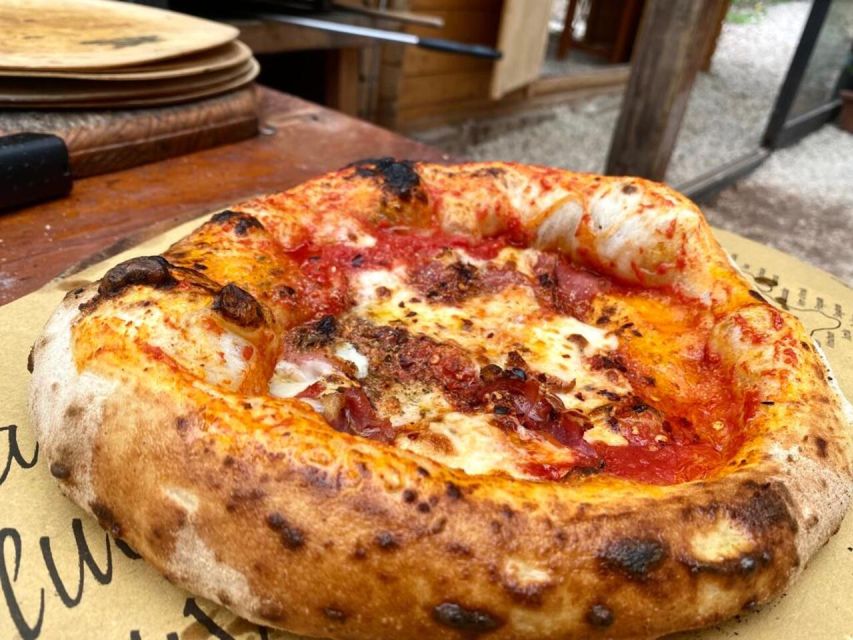
The pizzas are baked in a real wood-fired oven. You get to watch the transformation from soft dough to a hot, bubbling pizza, then eat your own creation fresh from the oven.
The emphasis is on Neapolitan-style pizza, while some instruction also covers the difference between Roman and Neapolitan methods. That comparison is useful because visitors often treat all Italian pizza as one thing. The dough, shape, thickness, and baking style can differ by region.
The cooking is not entirely uniform. One person had a less careful pizza-handling experience with an assistant, so you may need to pay attention when your pizza is being prepared for the oven. Still, the teaching team usually keeps the class moving and gives you plenty of direct help.
Making three kinds of dough and classic pasta shapes
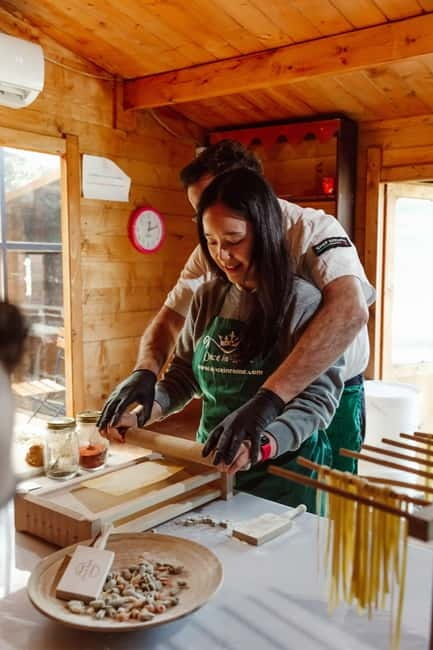
After pizza, the class turns to pasta. You learn to work with egg dough and water-based dough, then use the dough for different shapes.
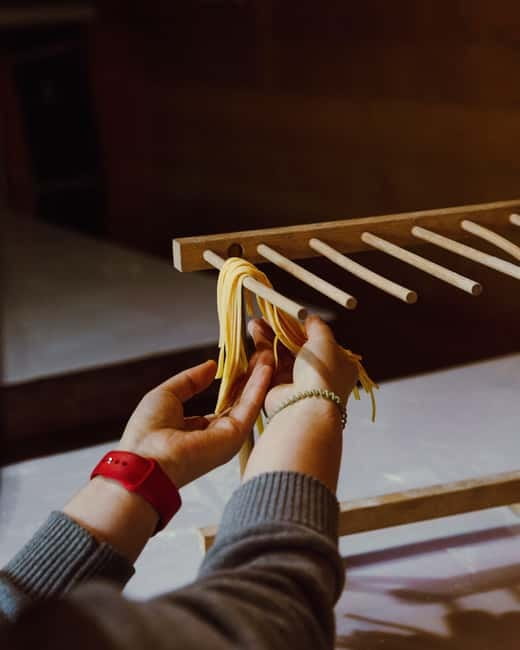
Tagliatelle is the most familiar of the three. Fusilli and farfalle give you more of a hands-on challenge, since each shape depends on a particular movement and thickness. You do not need professional knife skills or previous cooking experience. The point is to learn the basic feel of the dough and understand how shape affects the finished dish.
Two seasonal sauces are prepared to go with the pasta. The exact sauces can change, which is a positive feature if you want a lesson tied to the season rather than a fixed menu. You get to see how the pasta is cooked and matched with sauce before sitting down to eat.
The practical value is high. The class provides a recap document with the techniques you learned, and you receive the recipes. That makes it easier to recreate the meal at home instead of leaving Rome with only photographs.
Expect flour on your hands and a bit of repetition. This is not a demonstration where you sit back with a glass of wine. You will work, shape, cook, and wait your turn at certain stages.
Same vines, another glass to try:
- Rome: Pasta Making Class with Wine, Limoncello, and Dessert
★ 4.9 · 3,177 reviews - Rome: Guided Food Walking Tour with Wine in Trastevere
★ 4.9 · 3,105 reviews - Rome: Tuscany & Montepulciano Day Trip with Lunch & Wines
★ 4.7 · 3,004 reviews - Rome: Trastevere Food tour with Free-Flowing Fine Wine
★ 5.0 · 2,853 reviews
Unlimited wine, tiramisù, and Limoncello
Wine is available throughout the class, with both red and white Italian options. It is included in the price, which helps explain the overall value of the experience. You can eat a full meal and drink wine without paying separately for each glass.
Other drinks are available for purchase from the refrigerators. This is worth noting if you want soft drinks or extra beverages, since not everything on site is included.
The wine also helps create the relaxed social mood, but the alcohol policy is clear: the minimum drinking age is 18. If you are traveling with children, they can still join the cooking class from age 3, but the included wine is for adults.
The meal ends with homemade tiramisù and a chilled Limoncello tasting. The tiramisù gives the class a sweet finish, while the Limoncello works as a traditional Italian digestivo. You should arrive hungry. The combination of pizza, two pasta dishes, dessert, and wine is more substantial than the short duration might suggest.
The pace usually feels comfortable, though one person found the final departure a little rushed. If you like lingering over the last drink, ask about the return timing early in the class.
The chefs make the difference
The strongest part of this experience is the teaching. Instructors named in feedback include Eduardo, Giuseppe, Emilio, Valerio, and other members of the team. The exact chef may vary, but the pattern is clear: the class depends heavily on a lively instructor who can explain technique while keeping several tables moving.
Eduardo has been praised for explaining each step in detail while keeping the mood entertaining. Giuseppe is known for working well with children and making them feel capable. Emilio has explained flour, pasta methods, and the differences between Roman and Neapolitan pizza in particular detail.
English and Italian are offered. English speakers should find the demonstrations easy to follow, though the class is still hands-on, so watching the movement matters as much as listening to the explanation.
The staff has also shown care with different needs. A blind participant was guided through every step and given the chance to do the same work as everyone else. A vegan participant received attention to dietary requests. If you have an allergy or strict restriction, tell the provider in advance rather than waiting until the class begins.
The group atmosphere can be a major bonus. You meet people from different countries while kneading dough and sharing food. A private group is available if you prefer to keep the class to your own party, but the standard format is better suited to people who enjoy conversation with new people.
Who should book this class
This is a strong pick for couples who want a relaxed date night away from central Rome. The countryside setting, wine, and shared cooking give the evening a more personal feel than simply booking another restaurant.
Families also fit the experience well. Children can participate from age 3, and the instructors are used to helping younger cooks. Parents should remember that the class includes wine and an open cooking area, so they will still need to supervise children closely.
It works for solo visitors too. You will have a built-in group around the table, and the cooking gives you an easy reason to talk with people. The class is also a good option for birthdays, hen parties, and small celebrations.
You may want to skip it if your schedule is packed with central Rome sightseeing. Transport takes time, pickup hours can shift, and the meeting point is not always the same. It is best treated as a half-day commitment, even though the cooking itself lasts 2.5 hours.
Is $58 a fair price?
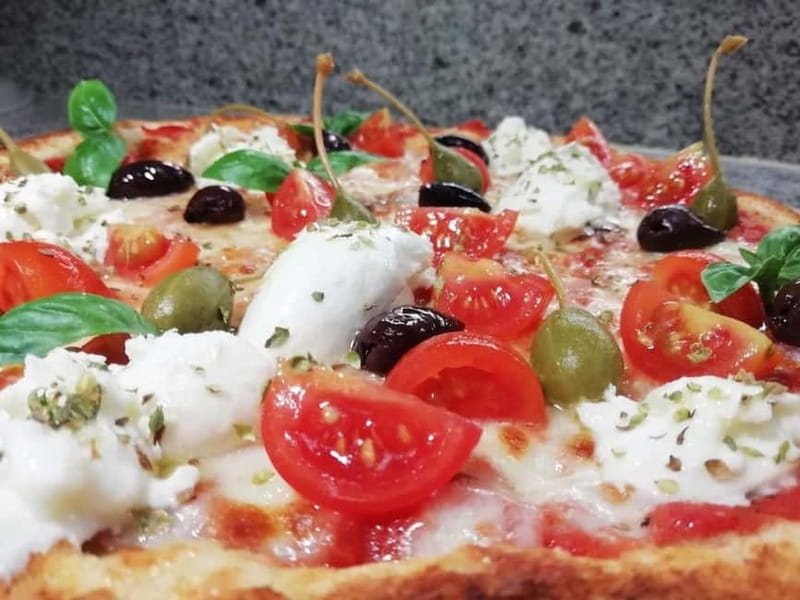
At $58 per person, the value is good if you plan to eat and drink during the class. The price covers instruction, pizza, two pasta dishes, wine, tiramisù, Limoncello, the countryside venue, and round-trip transport from central Rome.
A normal restaurant meal in Rome may cost less if you choose simply, but it will not give you a lesson, recipes, a wood-fired pizza experience, or the chance to make several dishes yourself. The transport adds practical value, especially if you do not want to work out the route to a venue outside the center.
The price is less attractive if you do not drink wine or dislike group activities. You should also budget for drinks from the refrigerators if you want something beyond the included red and white wine.
For most people, the main value is not the amount of food. It is the chance to take home techniques you can use again. If you already make pizza and pasta regularly, you may learn fewer new basics, though the regional pizza tips and pasta-shaping practice can still be worthwhile.
Practical details that affect your day
Book with the minimum ages in mind. Children must be at least 3 years old to take part in the class. Infants up to age 2 can go free, but they must be included in the transportation booking and sit on a parent’s lap.
The minimum drinking age is 18. Wine is included, but drinks kept in the refrigerators carry an extra charge.
The activity offers free cancellation up to 24 hours before the start time, and you can reserve now and pay later. Confirmation is provided at booking. Since the meeting point may vary, keep the confirmation available and check it again on the day.
The class is available in English and Italian. Private groups can be arranged. If you are traveling with a larger party, a private option may help you keep the pace and conversation focused on your group.
Should you book the Rome pizza and pasta class?
Book it if you want a hands-on food experience that gives you a full meal, practical recipes, wine, and a change of scene from Rome’s historic center. The strongest reasons are the combination of pizza and pasta, the wood-fired oven, the patient chefs, and the generous food and drink included for $58.
Think twice if your Rome schedule leaves no room for changing pickup times or if you want a polished restaurant meal rather than flour-covered participation. The transport details require attention, and the end of the evening may feel a little hurried.
For couples, families, first-time pasta makers, and anyone who wants to meet people over food, I would book it. Arrive ready to work with your hands, confirm the meeting point, and leave room for a very full meal.
FAQ
How long does the cooking class last?
The class lasts 2.5 hours. Pickup hours may change with up to one hour of flexibility, so allow extra time around the activity.
What food will I make?
You will make Neapolitan-style pizza from scratch and fresh pasta using different doughs. You will shape pasta such as tagliatelle, fusilli, and farfalle, then prepare two seasonal sauces.
Is wine included in the price?
Yes. Unlimited Italian red and white wine is included during the class. Drinks from the refrigerators are extra.
Are tiramisù and Limoncello included?
Yes. The experience finishes with a tasting of homemade tiramisù and Limoncello.
Is transportation included?
Round-trip transportation from central Rome is included, with some exceptions. Hotel pickup and drop-off are not included, and the meeting point depends on the option booked.
What languages are spoken?
The class is offered in English and Italian.
Can children take part?
Children from age 3 can take part in the class. Infants up to age 2 can go free, but they must be included in the transportation count and sit on a parent’s lap.
Can I book a private group?
Yes. A private group option is available.
Can I cancel or pay later?
You can cancel up to 24 hours in advance for a full refund. A reserve-now, pay-later option is also available.
Freshly poured around Rome
- Rome: Pompeii Tour with Wine and Lunch by High Speed Train★ 4.8 · 485 reviews
- Rome: Hands-On Pasta & Tiramisu Class with Unlimited Wine★ 5.0 · 124 reviews
- Pasta and tiramisù Cooking class with Wine at Piazza Navona★ 4.8 · 235 reviews
- Rome: Small-Group Art Class with Wine★ 4.8 · 106 reviews
- From Rome: Tuscany, Montepulciano Tour with Wine & Lunch★ 4.9 · 36 reviews
- From Rome: Frascati Wine Region Tour with Wine Tasting★ 4.8 · 53 reviews
- From Rome: Pasta & Tiramisù Cooking Class near Spanish Steps★ 4.7 · 27 reviews
- Rome: Pizza and Tiramisù Cooking Class with Glass of Wine★ 4.8 · 144 reviews
Rome Wine Tours, side by side.
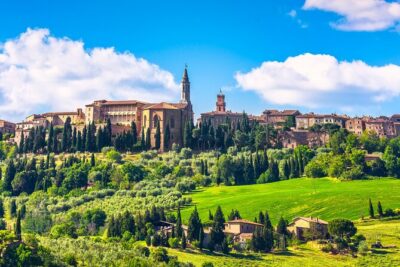
Rome: Tuscany & Montepulciano Day Trip with Lunch & Wine Tasting
Read our review →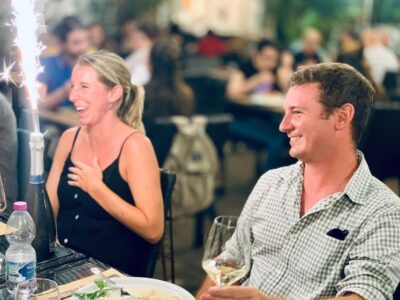
Rome: Pasta & Tiramisu Class with Fine Wine by the Vatican
Read our review →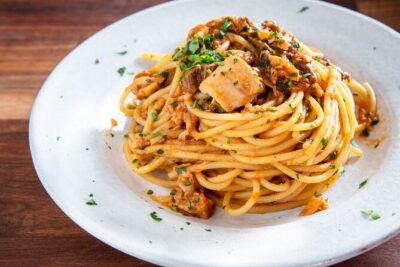
Rome Food Tour: Unlimited Tastings with Fine Wine & Barolo
Read our review →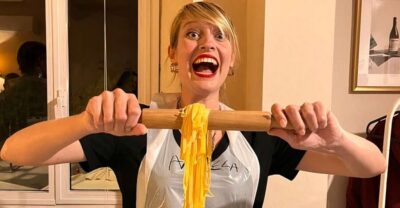
Rome: Pasta Making Class with Wine, Limoncello, and Dessert
Read our review →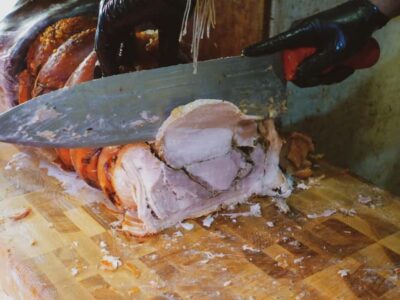
Rome: Guided Food Walking Tour with Wine in Trastevere
Read our review →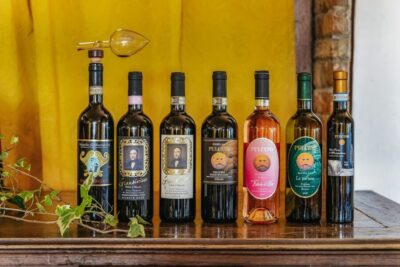
Rome: Tuscany & Montepulciano Day Trip with Lunch & Wines
Read our review →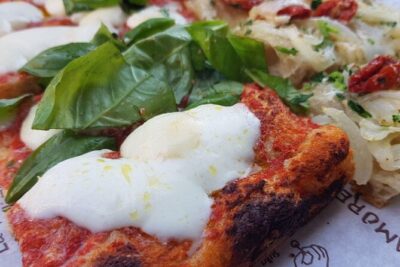
Rome: Trastevere Food tour with Free-Flowing Fine Wine
Read our review →
Rome: Gourmet Food Tour with Dinner & Barolo Wine
Read our review →Lists this tasting sits in