
Review · ROME
Rome: Pasta Making Class with Wine, Limoncello, and Dessert
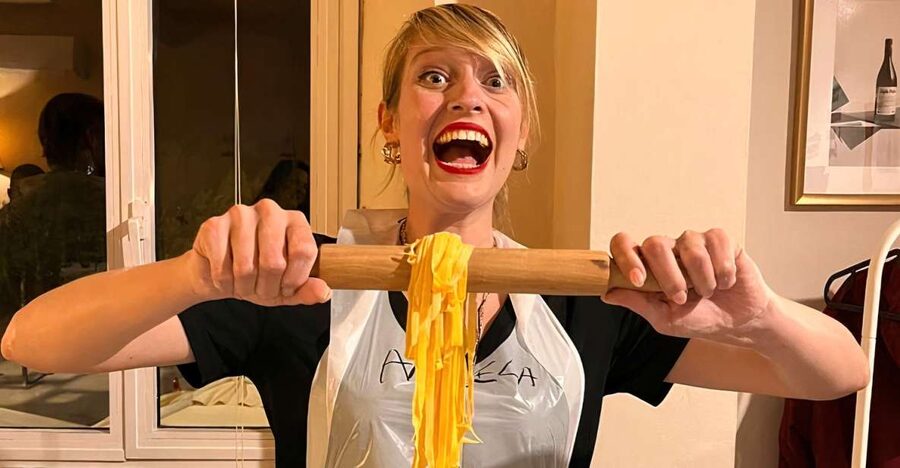
Three pasta shapes, a historic Roman setting, and a meal you helped make: that is the appeal here. You work with eggs and flour, shape ravioli and tortelli, roll fettuccine, then sit down to eat the results while the chef finishes the sauces.
I like the small group limit of 10, which gives instructors such as Fabrizio, Olga, Giorgio, Christian, and Marco time to check each person’s dough and shaping. I also like the communal meal, with organic Tuscan wine, dessert, and limoncello included in the $48 price. The main drawback is dietary: this is not suitable for vegans or people with gluten, lactose, or nut allergies.
Key points
- Three fresh pasta shapes: Make ravioli, tortelli, and fettuccine from egg and flour.
- Historic central location: The class takes place at Palazzo Grazioli on Via della Gatta, a short walk from the Pantheon and Piazza Venezia.
- Hands-on from start to finish: You knead, roll, fill, shape, and watch the pasta cook.
- A social meal included: Sit at a shared table with your freshly made pasta, sauce, wine, dessert, and limoncello.
- English instruction: Chefs including Olga, Fabrizio, Christian, and Giorgio lead the class in English.
- Useful take-home material: An English recipe booklet helps you repeat the pasta at home.
Pasta Making in Palazzo Grazioli
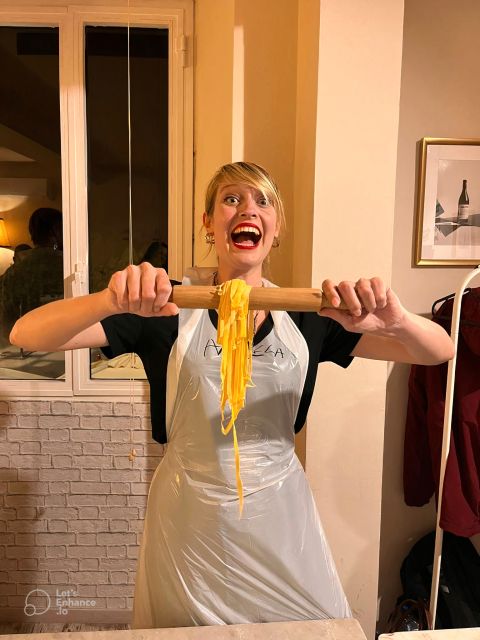
The class takes place inside Palazzo Grazioli, on Via della Gatta 14, in the center of Rome. You enter through the Pastamania cooking school, at the back corner of the building. Ring the bell marked Pastamania.
The location is useful for a Rome sightseeing day. It is only a few minutes on foot from the Pantheon and Piazza Venezia, so you can pair the class with central Rome without arranging transport. The street also has a small curiosity: the marble cat statue that gives Via della Gatta its name. It is worth looking for before or after class.
The setting adds a little atmosphere, but this is still a working cooking school rather than a grand palace tour. You come for the food and instruction, not for access to a large collection of rooms or formal historical commentary.
More wine tours around Rome:
- Rome: Tuscany & Montepulciano Day Trip with Lunch & Wine Tasting
★ 4.5 · 5,232 reviews - Rome: Pasta & Tiramisu Class with Fine Wine by the Vatican
★ 4.9 · 4,852 reviews - Rome Food Tour: Unlimited Tastings with Fine Wine & Barolo
★ 5.0 · 3,365 reviews
The First Step: Egg, Flour, and Patience
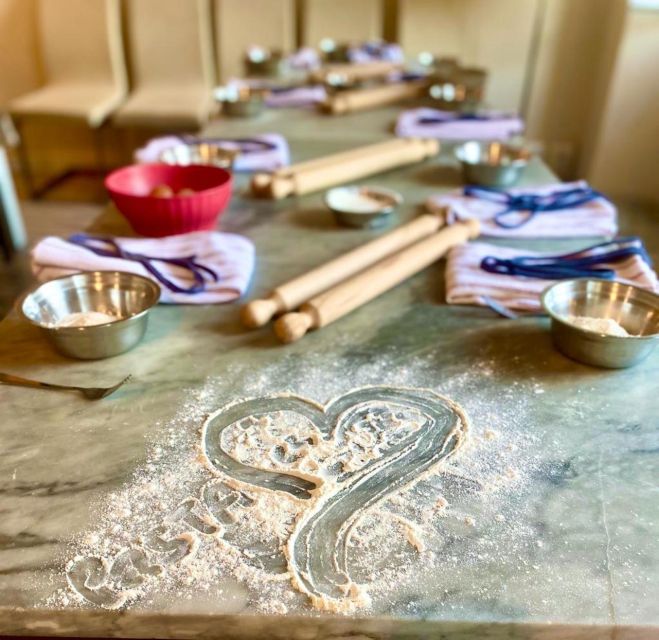
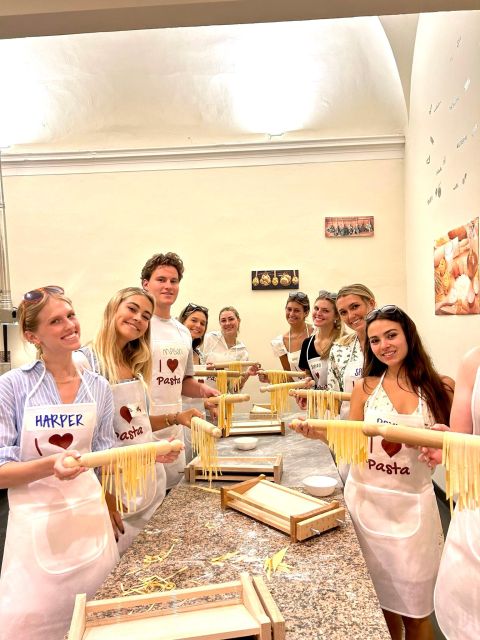
The chef begins with an introduction to fresh pasta, then gives you an apron and rolling pin. The basic work is simple in theory: combine egg and flour, knead the dough, and roll it thin. In practice, the dough takes some attention, and the instructor’s help matters.
This is why the group size is important. With no more than 10 people, the chef can move around the table and correct a thick edge, a weak seal, or a filling that needs less moisture. Fabrizio, Olga, Giorgio, and Christian are repeatedly praised for being patient, funny, and willing to answer questions. Those qualities matter more here than a long lecture.
You do not need previous cooking experience. One participant described learning to make pasta despite never having cooked before, while another family enjoyed the class across three generations, from age 20 to 75. The work is active, but it is not presented as a professional exam. You can expect mistakes, and the instruction is built around fixing them.
Wear comfortable clothing that you do not mind cooking in. Smoking is not allowed.
Ravioli, Tortelli, and Fettuccine
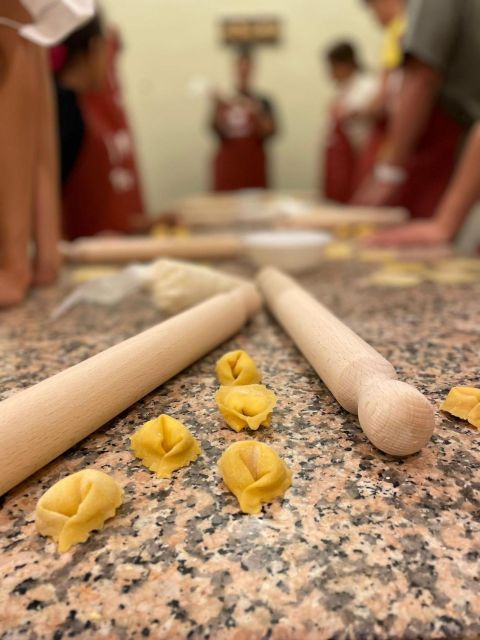
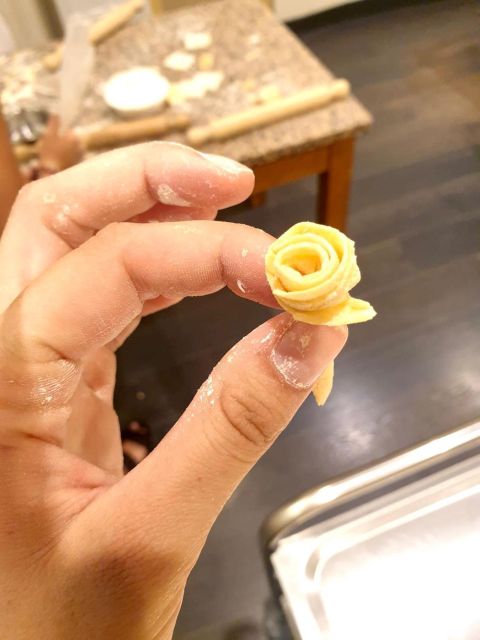
The central part of the class covers three pasta types: ravioli, tortelli, and fettuccine. The two filled shapes teach you how to place filling, cover it with pasta, press out air, and cut clean edges. Fettuccine gives you a different task, turning the rolled dough into long ribbons.
Making three shapes gives the lesson a good rhythm. You are not repeating one technique for three hours, and each form shows a different side of fresh pasta. Filled pasta requires care with sealing, while fettuccine rewards an even sheet and steady cutting.
The menu is also practical for home cooking. You do not leave knowing only how to make one decorative shape. You learn a basic dough and several ways to turn it into a meal. The English recipe booklet is useful here, especially if you want to buy a pasta cutter or rolling pin later and continue practicing.
Do not expect to take your individual portion home. Each person prepares pasta, then everything is cooked together for the meal. That communal approach is part of the experience, though it means the class is less suited to someone seeking a private, highly customized cooking session.
Watching the Sauces Come Together
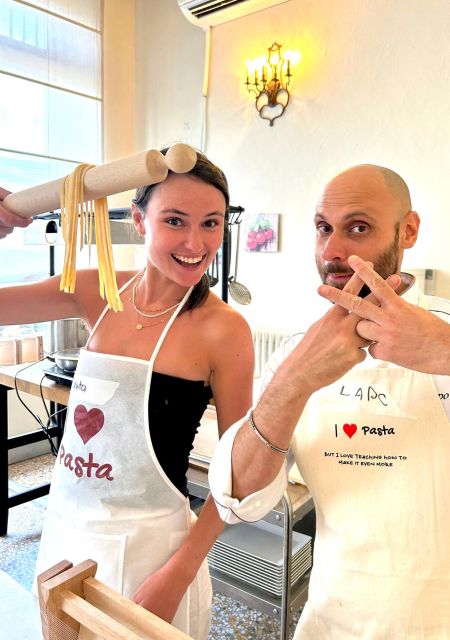
The pasta is served with two sauces. A signature tomato sauce simmers for hours before the class, giving you a prepared sauce with time-developed flavor. The chef makes the butter and sage sauce for the ravioli and tortelli during the session, so you can watch that part happen in front of you.
This combination gives the meal some variety. The tomato sauce is familiar and generous, while butter and sage suit delicate filled pasta without covering up the pasta itself. It also lets the chef explain how sauce choice changes with pasta shape.
The cooking stage is not an afterthought. The chef cooks the pasta after you have made it, and several participants particularly valued seeing the process and getting the pasta cooked properly. Fresh pasta can go from ready to overcooked quickly, so this is a useful lesson even if you already cook at home.
You should arrive hungry. The menu includes three types of pasta, followed by dessert, and the meal is a substantial part of the three-hour schedule.
Same vines, another glass to try:
- Rome: Guided Food Walking Tour with Wine in Trastevere
★ 4.9 · 3,105 reviews - Rome: Tuscany & Montepulciano Day Trip with Lunch & Wines
★ 4.7 · 3,004 reviews - Rome: Trastevere Food tour with Free-Flowing Fine Wine
★ 5.0 · 2,853 reviews - Rome: Gourmet Food Tour with Dinner & Barolo Wine
★ 4.9 · 2,347 reviews
A Roman Meal at a Shared Table
Once the pasta is ready, everyone sits together at a large communal table. You eat the food made during the class and chat with people from different countries. This is where the activity shifts from a lesson to a social evening.
I like this format because it gives the class a natural finish. You are not simply handed a plate and sent away after the final shaping. You see the pasta cooked, sit down with the group, and share a meal in the relaxed style the class is trying to recreate.
The wine is Dalle Nostre Mani Tuscan wine, produced organically on the provider’s own farm. It is included in the price, and the class information specifies wine service for participants of legal drinking age. One class also offered alternatives for a person who did not drink alcohol, but you should mention your needs when booking rather than assume every substitute will be available.
The wine is an extra pleasure, not the main reason to choose the class. If you want a serious wine tasting, this is not that. The focus is pasta, conversation, and the meal you have prepared.
Dessert, Limoncello, and the Recipe Booklet
The final course is dessert, followed by a traditional limoncello shot. The exact dessert can vary, but chocolate salami appears in the experience feedback, and it received specific praise. The sweet finish helps the three-hour schedule feel complete rather than ending abruptly after the main course.
Limoncello is served as part of the closing toast, but alcohol is not served to anyone below the legal drinking age. If you do not drink, ask about alternatives at the start. The class is still centered on food, so drinking is not required to take part in the main activity.
You also receive an English recipe booklet. This is one of the more useful inclusions because the class gives you a method you can repeat, not just a pleasant dinner. The booklet will not replace practice, but it can remind you of the dough, shapes, and sauces once you are back home.
Some people also stop at the cooking school’s shop afterward for pasta tools or ingredients. A ravioli cutter and truffle oil were specific purchases made after one class, though these are additional items and are not included in the $48 price.
The Chefs Make the Difference
The instructors vary by session. Fabrizio, Olga, Giorgio, Christian, Marco, Martina, Roberto, and Noemi are among the named chefs connected with recent classes. The strongest pattern is not one particular menu or special trick. It is the instructors’ hands-on approach.
Fabrizio is described as helpful, welcoming, and good at giving each person time. Olga is praised for clear explanations and patient guidance. Giorgio is often singled out for humor and a warm manner, while Christian brings plenty of energy and jokes into the room. These details matter because pasta making is tactile. A chef who keeps the class moving while still checking individual work can make beginners feel comfortable.
The class is taught in English. That makes the technical steps easier to follow, especially when the group is working with thin dough and filled pasta. You should still expect a lively group setting rather than a private tutorial with uninterrupted one-to-one attention.
The class works for couples, friends, families, students, and company groups. Children must be at least 8 years old. The format is especially good for people who want a break from monuments and museums, or for a family activity where different ages can work at the same table.
Is $48 Good Value in Rome?
At $48 per person, the price covers the three-hour class, instructors, the pasta meal, Tuscan wine, dessert, limoncello, and the recipe booklet. I consider that strong value for central Rome because the price combines instruction and dinner rather than charging separately for the lesson and food.
The value also depends on what you want. If you are looking for a quiet dinner in a restaurant, this is not the efficient choice. You spend time kneading and shaping before you eat. If you enjoy learning by doing, the class gives you an activity, a meal, drinks, and a skill to take home.
The small group limit helps justify the price. The chef can see what you are doing and step in when the dough or filling needs help. A larger class might be cheaper, but it would likely feel less personal during the most technical parts.
Hotel pickup and drop-off are not included. You go directly to Via della Gatta 14, so build in time to find the entrance and ring the Pastamania bell. Since the school is in central Rome, the class is easiest to pair with sights near the Pantheon and Piazza Venezia.
Free cancellation is available up to 24 hours before the activity, and you can reserve while paying later. A minimum number of participants is required, so the provider may offer a different date or a refund if that number is not reached.
Dietary Limits You Need to Take Seriously
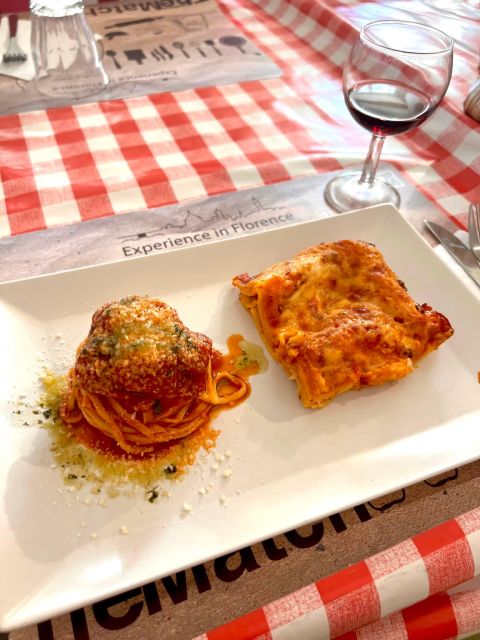
Vegetarian options and some other dietary needs are supported, but the limits are firm. The activity is not suitable for vegans, people with gluten intolerance, lactose intolerance, or nut allergies. You should give the provider your dietary information when booking.
This is not a class where you can simply remove cheese or swap ordinary pasta for a gluten-free version. The core lesson uses egg and flour, and the meal includes sauces and dessert. If you have a serious allergy, the restrictions mean you should choose another activity rather than hope for a last-minute adjustment.
The experience is also not suitable for people with mobility impairments or wheelchair users. The provided information does not give further detail about the room layout, so contact the provider directly if you have any mobility concern that is not covered by those categories.
Who Will Enjoy This Class Most?
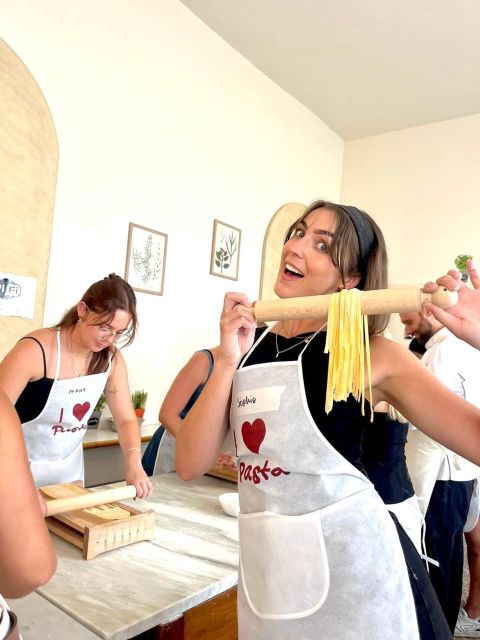
You are a good match if you want to learn a classic Italian kitchen skill while meeting other people. Beginners fit easily, and the instructors’ patient style makes the class suitable for families and first-time cooks.
I would also recommend it to anyone spending several days in Rome who wants one activity away from the standard sightseeing circuit. The setting near the Pantheon makes it easy to fit into a central Rome itinerary, while the shared meal gives the evening a social feel.
It is less suitable if you dislike communal dining, cannot eat the main ingredients, or want a short demonstration with no hands-on work. You will be handling dough for much of the class, and the meal follows the cooking rather than replacing it.
Should You Book It?
Book this class if you want three hours of practical cooking, a filling meal, and a friendly group atmosphere for $48. The strongest reasons are the small class size, the chance to make three different pastas, and the fact that the chef cooks your work properly before serving it.
Check the dietary rules first, and do not book it if you need vegan, gluten-free, lactose-free, or nut-free food. For everyone else, this is a smart Rome break: you leave with a full stomach, a recipe booklet, and a better idea of why fresh pasta rewards a little time and care.
FAQ
Where does the pasta-making class take place?
The class takes place at the Pastamania cooking school at Via della Gatta 14, 00186 Roma, inside Palazzo Grazioli. The entrance is at the back corner of the building. Ring the bell marked Pastamania.
How long does the activity last?
The class lasts three hours. Starting times vary, so check availability when booking.
What pasta will I make?
You will prepare three fresh pasta types: ravioli, tortelli, and fettuccine. You will knead and roll the dough, shape the pasta, and help prepare it for cooking.
What is included in the price?
The $48 price includes the pasta-making class, an English-speaking instructor, the meal made during the class, Tuscan wine, dessert, and a shot of limoncello. Hotel pickup, drop-off, and additional food or drinks are not included.
Can children take part?
Participants must be at least 8 years old. Wine is served only to people of legal drinking age.
Can the class accommodate special diets?
Vegetarian and some other dietary options are available if you notify the provider when booking. The class cannot accommodate vegan diets, gluten intolerance, lactose intolerance, or nut allergies.
Freshly poured around Rome
- Rome: Pompeii Tour with Wine and Lunch by High Speed Train★ 4.8 · 485 reviews
- Rome: Hands-On Pasta & Tiramisu Class with Unlimited Wine★ 5.0 · 124 reviews
- Pasta and tiramisù Cooking class with Wine at Piazza Navona★ 4.8 · 235 reviews
- Rome: Small-Group Art Class with Wine★ 4.8 · 106 reviews
- From Rome: Tuscany, Montepulciano Tour with Wine & Lunch★ 4.9 · 36 reviews
- From Rome: Frascati Wine Region Tour with Wine Tasting★ 4.8 · 53 reviews
- From Rome: Pasta & Tiramisù Cooking Class near Spanish Steps★ 4.7 · 27 reviews
- Rome: Pizza and Tiramisù Cooking Class with Glass of Wine★ 4.8 · 144 reviews
Rome Wine Tours, side by side.
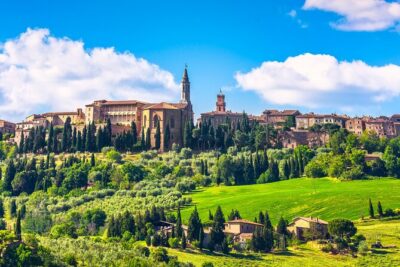
Rome: Tuscany & Montepulciano Day Trip with Lunch & Wine Tasting
Read our review →
Rome: Pasta & Tiramisu Class with Fine Wine by the Vatican
Read our review →
Rome Food Tour: Unlimited Tastings with Fine Wine & Barolo
Read our review →
Rome: Guided Food Walking Tour with Wine in Trastevere
Read our review →
Rome: Tuscany & Montepulciano Day Trip with Lunch & Wines
Read our review →
Rome: Trastevere Food tour with Free-Flowing Fine Wine
Read our review →
Rome: Gourmet Food Tour with Dinner & Barolo Wine
Read our review →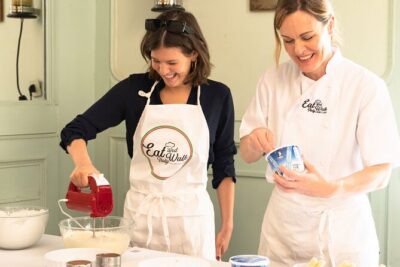
Learn to Make Pasta & Tiramisu with Wine and Limoncello Included
Read our review →Lists this tasting sits in