
Review · ROME
Fettuccine & Tiramisù: Cooking Class with Wine & Limoncello
Rome is full of famous dishes, but few experiences let you make dinner from the first stir of the mascarpone to the last twist of fresh pasta. This class puts you at a table in Gusto Restaurant, where an English-speaking chef leads you through homemade fettuccine and tiramisù, then serves your work with wine.
I like two things here: you learn dishes you can repeat at home, and the meal is social without feeling like a formal restaurant demonstration. Guides such as Lori, Mimi, Tommy, Carlotta, Mattia, and Kiki have been praised for clear instructions and good humor. The one consideration is pace. Some classes feel quick, and the sauces may be prepared more by the chef than by you.
Key points at a glance
- Two Italian classics in one sitting: Make fresh fettuccine and tiramisù, then eat both.
- A choice of pasta sauce: Pick tomato and basil, amatriciana, or cacio e pepe.
- English-speaking instruction: The chef explains each step and helps at the table.
- A social Rome setting: You cook and dine with people from several countries.
- Wine and limoncello included: Finish the meal with a glass of wine or a non-alcoholic drink, plus limoncello or coffee.
- Good value at $66: Three hours of instruction, food, drinks, and a central Rome location are included.
What the three-hour class is really like
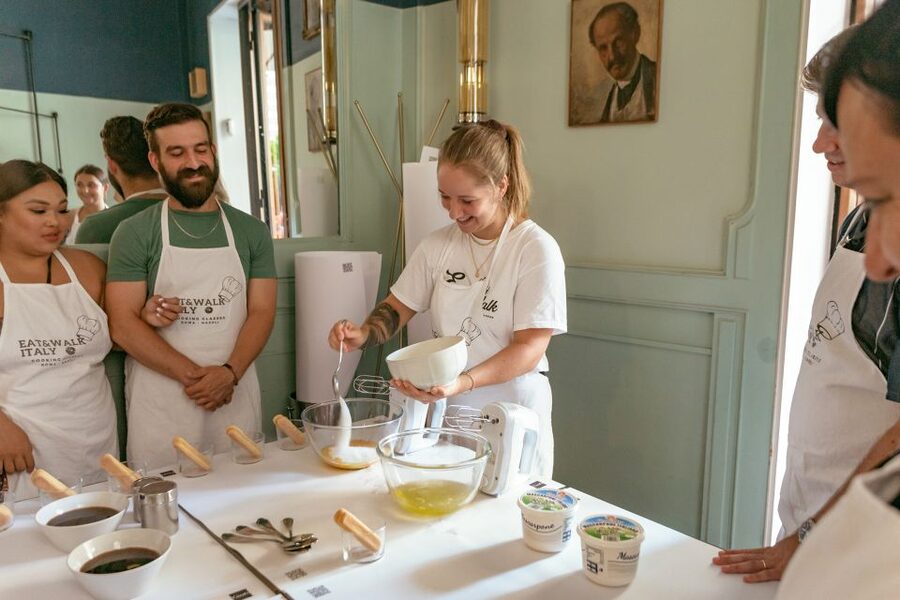
This is an active cooking lesson, not a show where you sit and watch someone else work. You will handle ingredients, follow the chef’s instructions, and shape the food yourself. The class is held in Gusto Restaurant at Via Giuseppe Zanardelli 14, in the heart of Rome.
Arrive about 10 minutes early. That small buffer matters in central Rome, where finding the right doorway can take longer than expected. The activity lasts three hours, and the instruction is in English.
The structure is sensible. You begin with tiramisù, since it needs time to rest in the refrigerator. Then you move on to pasta dough, rolling, and shaping. At the end, the kitchen cooks the pasta and you sit down to eat.
I like this order because it gives the lesson a natural rhythm. You are not trying to make dessert and pasta at once, and the final meal arrives while the work is still fresh in your mind.
More wine tours around Rome:
- Rome: Tuscany & Montepulciano Day Trip with Lunch & Wine Tasting
★ 4.5 · 5,232 reviews - Rome: Pasta & Tiramisu Class with Fine Wine by the Vatican
★ 4.9 · 4,852 reviews - Rome Food Tour: Unlimited Tastings with Fine Wine & Barolo
★ 5.0 · 3,365 reviews
Starting with tiramisù and simple ingredients
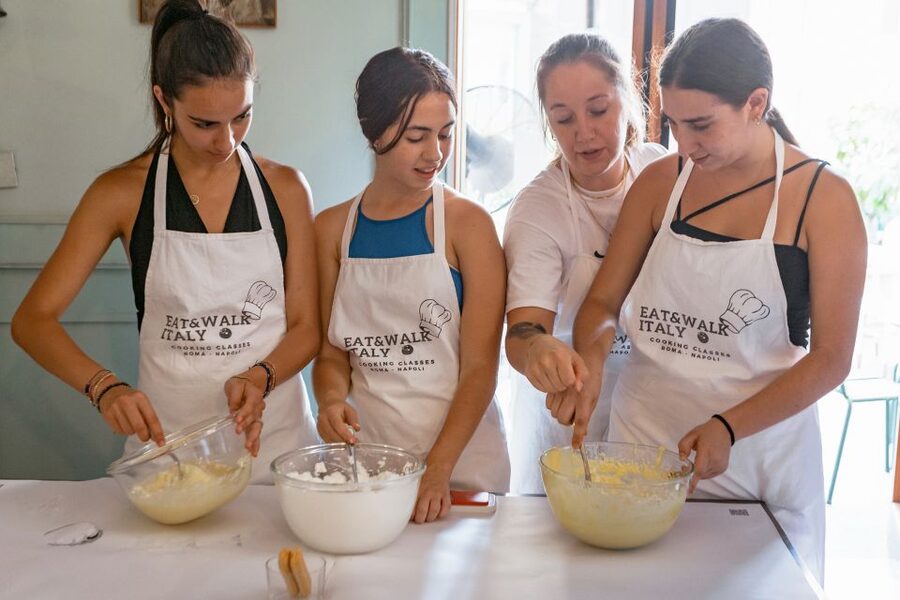
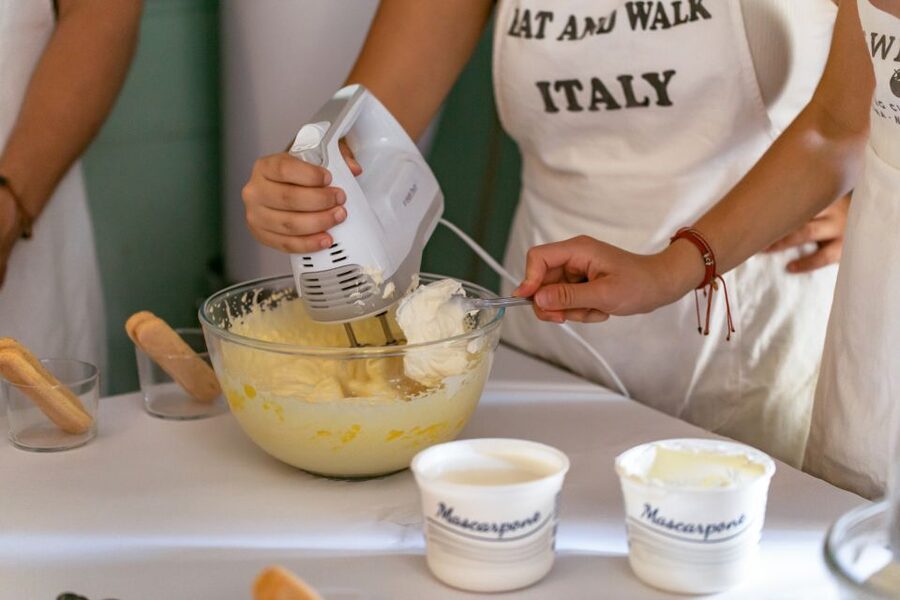
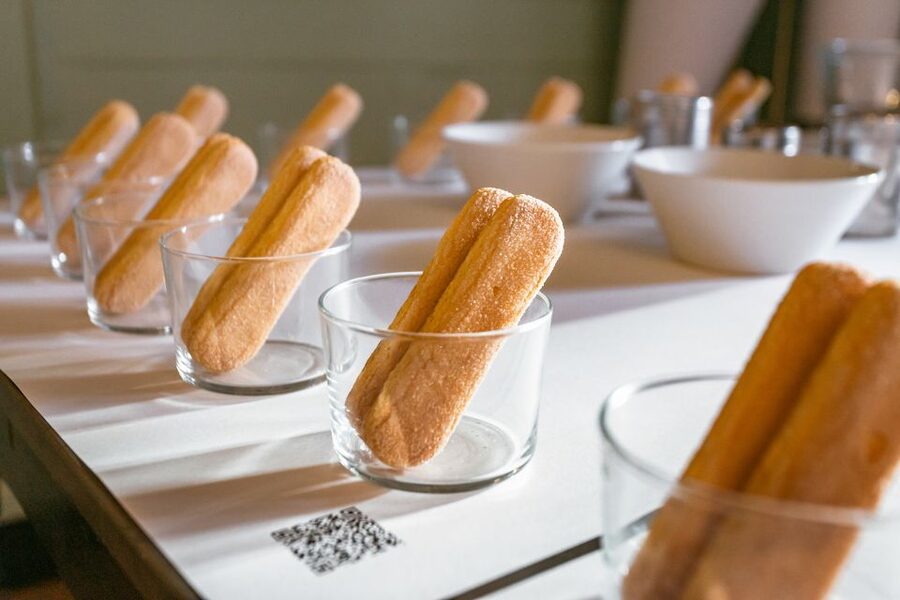
The first project is tiramisù. You use fresh, straightforward ingredients and follow the chef step by step. The appeal is not just the dessert itself. You see how a small number of familiar ingredients can become one of Italy’s best-known sweets.
The class puts real emphasis on making the dish yourself. Guides such as Lori, Mimi, Maria, and Carlotta have been praised for keeping the instructions clear and helping people who do not cook often. That makes this a comfortable choice if your kitchen skills begin and end with boiling water.
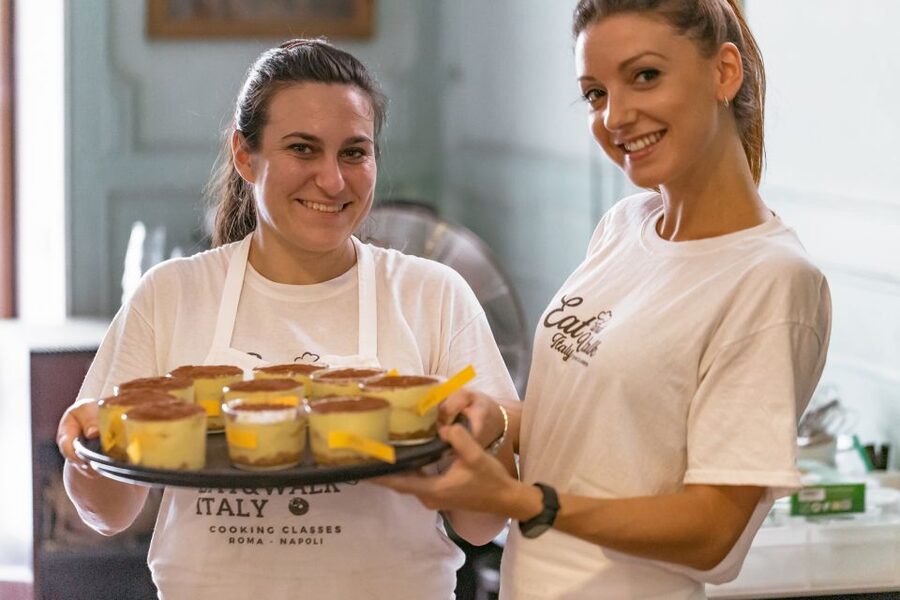
Once the tiramisù is assembled, it goes into the refrigerator to rest. That pause gives you time to turn to the pasta. It also means your dessert has had time to set before you eat it.
Families with teenagers have found the class especially easy to enjoy. The activity is hands-on, and younger participants can take part without needing advanced cooking skills. Children under four are not permitted, so this is better suited to older children, teenagers, couples, and adult groups.
Making fettuccine from scratch
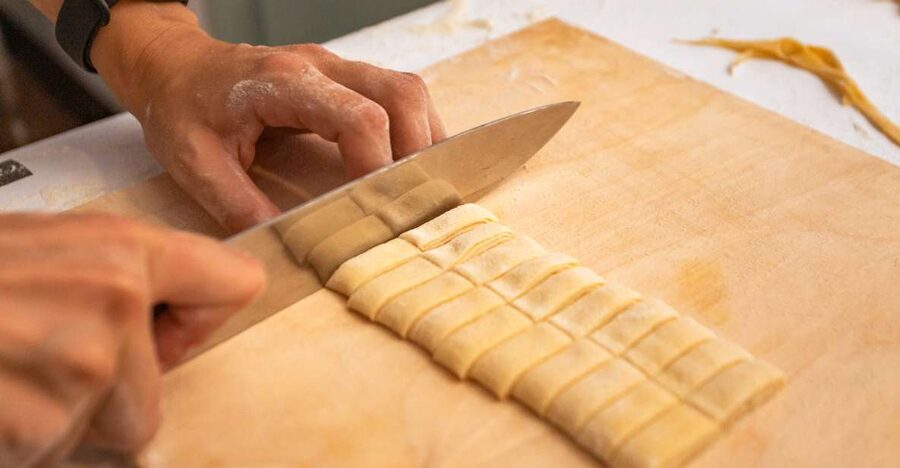
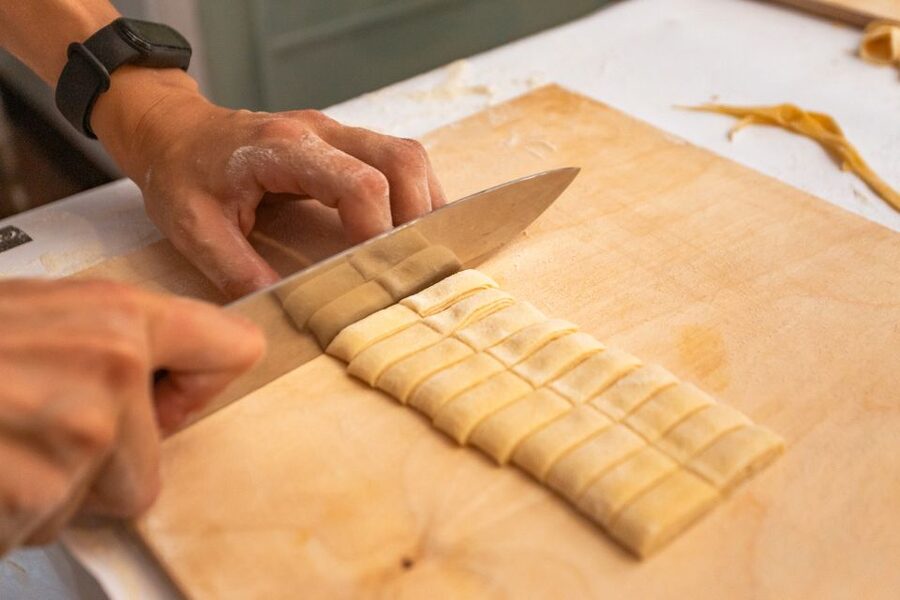
The pasta section is the main event. Under the chef’s direction, you work with the dough and learn how to shape the famous fettuccine. You may also see other pasta shapes during the class, and some sessions have included ravioli as part of the practice.
The practical value is clear. You are not just tasting pasta in Rome. You are learning the basic method behind it: prepare the dough, work it into the right shape, and understand how fresh pasta differs from the dried pasta you buy at home.
The chef stays involved throughout. Tommy, Mattia, Furio, Kiki, and Mimi have all been praised for using humor, patience, and clear instructions. That matters when several people are working at once and each person’s dough behaves a little differently.
Do not expect a quiet private lesson. This is a shared class, and you will cook alongside other people. That can be part of the fun. You trade tips, compare shapes, and have an easy reason to talk with people from different countries.
It can also bring the usual group-class drawbacks. One participant found other people too eager to take over demonstrations, while another felt the instructor moved quickly and some steps seemed partly prepared in advance. If you want every ingredient and every sauce made from scratch by your own hands, ask about the exact class format before booking.
Choosing your sauce: tomato, amatriciana, or cacio e pepe
Once the fettuccine is shaped, you choose a sauce. The listed options are tomato and basil, amatriciana, or cacio e pepe.
That choice gives the meal a little personality. Tomato and basil is the simplest option, amatriciana brings a stronger Roman character, and cacio e pepe shows how cheese and pepper can create a sauce from very little. The class focuses on the pasta itself, but the sauce choice helps you compare three familiar Italian styles.
One useful limitation is worth knowing. The chef may demonstrate or handle more of the sauce preparation than you do. A participant specifically wanted to see more of the sauces being made. So, if your goal is a full lesson in Roman sauces, this class may leave you wanting a little more.
For most people, that tradeoff makes sense. The main teaching focus is fresh pasta and tiramisù, not a full restaurant kitchen course. You still leave with useful ideas about what to pair with your pasta.
Same vines, another glass to try:
- Rome: Pasta Making Class with Wine, Limoncello, and Dessert
★ 4.9 · 3,177 reviews - Rome: Guided Food Walking Tour with Wine in Trastevere
★ 4.9 · 3,105 reviews - Rome: Tuscany & Montepulciano Day Trip with Lunch & Wines
★ 4.7 · 3,004 reviews - Rome: Trastevere Food tour with Free-Flowing Fine Wine
★ 5.0 · 2,853 reviews
Sitting down to eat what you made
After the pasta is cooked, you sit down in the restaurant and eat your own meal. This is one of the strongest parts of the experience. The food is not a sample portion handed to you at the end. It is the result of the work you just completed.
Your fettuccine comes with the sauce you chose. Your tiramisù is the dessert you assembled earlier. A glass of Italian wine or a non-alcoholic drink is included, along with a glass of limoncello or coffee and water.
The meal also changes the mood of the class. During the cooking, you concentrate on instructions and technique. At the table, you can relax, compare results, and talk with the people beside you. Several participants especially enjoyed this shared meal and the chance to meet people from around the world.
The setting is a restaurant rather than a school kitchen. That gives the final meal a more natural Roman feel, even though the activity remains organized for a class. You get the pleasure of dining out without losing the connection between the plate and your own work.
What makes the guides important
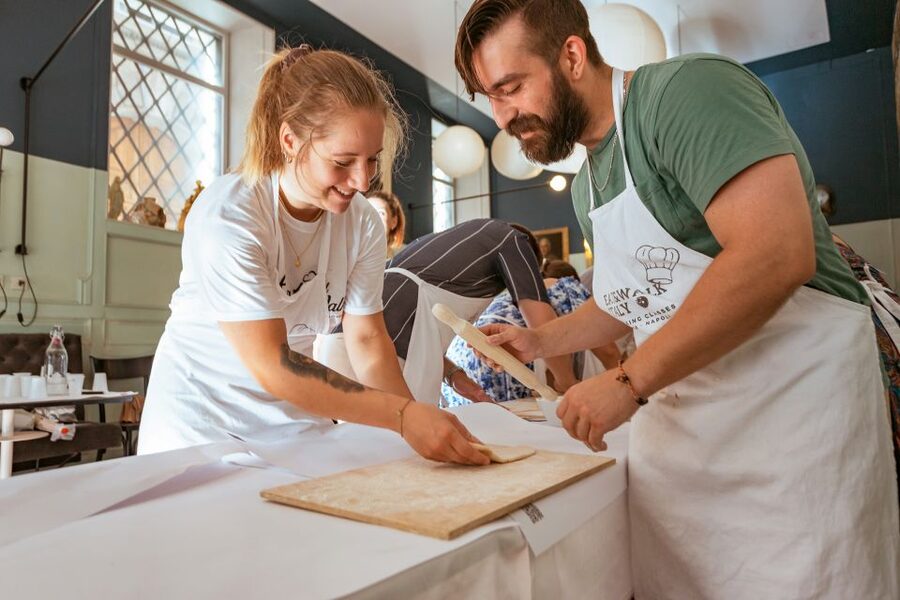
The chef can make or break a practical class, and this experience has a large team of instructors. Names that appear in the guide lineup and past sessions include Lori, Mimi, Tommy, Carlotta, Kiki, Mattia, Maria, Furio, Tomas, Laura, and Paradise.
The strongest pattern is teaching style. You can expect the chef to explain the method, demonstrate the movement, and then help people at the table. Lori has been praised for easy-to-understand English and for getting everyone involved. Mimi has been noted for giving equal attention to adults and children. Kiki has been described as encouraging, especially for people who felt shy at the start.
Tommy and Mattia are good examples of the class’s lighter side. They have been praised for humor and energy while still keeping the instructions straightforward. That balance helps the class feel less like a technical lesson and more like a shared meal with a purpose.
Because instructors vary, the tone may not be identical every time. Some chefs may be more playful, while others may move through the method briskly. The common thread is English-language support and hands-on guidance.
Group size, pace, and how much you actually do
The group size is not stated as fixed, and it can vary. One person had a class of five and found the small setting especially comfortable. Another described the group as intimate. If a smaller class matters to you, check the current details before you pay.
A shared class is usually a better fit for people who enjoy a little conversation. You may meet couples, families, solo participants, and food lovers from several countries. The social side is not an extra add-on. It is built into the meal at the end.
The pace deserves a realistic note. Most of the feedback describes clear guidance and active participation, but one person felt the class was rushed and that some work had been prepared in advance. That is common in a three-hour group lesson that must get both courses onto the table.
I would approach it as a chance to learn the basic method, not as professional culinary training. You will get plenty of useful technique, especially for pasta shape and tiramisù assembly. You may not personally make every part of the sauce or control every stage at your own speed.
Is $66 a fair price in Rome?
At $66 per person, the value is good if you want both an activity and a meal. The price covers three hours, an instructor, the cooking lesson, your fettuccine with one of three sauces, the tiramisù you make, water, a drink, wine or a non-alcoholic option, and limoncello or coffee.
The comparison is not simply with the cost of a plate of pasta. You are also paying for instruction, ingredients, a central location, and the chance to sit down with a finished meal. If you had to buy those elements separately, the class would be harder to match at this price.
The value is strongest for first-time pasta makers, families with older children, and anyone who wants a practical souvenir from Rome. You may even receive the recipes to use later, which makes the experience more useful after the holiday.
The value is less clear if you already make fresh pasta often or if you want a long, detailed lesson on sauce technique. In that case, the class may feel introductory. For most visitors, though, the combination of food, instruction, and drinks makes $66 reasonable.
Who should book this Rome cooking class?
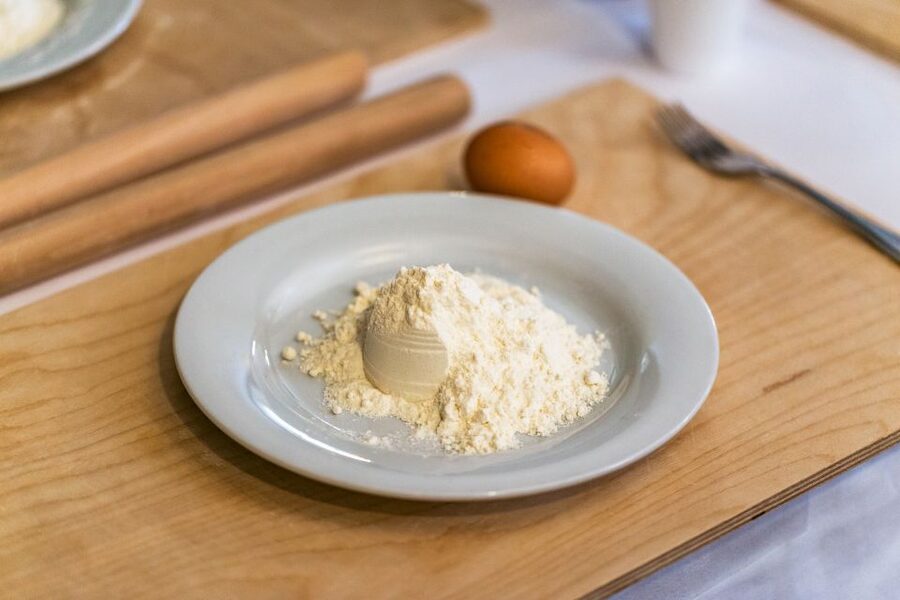
I would recommend it to couples who want a relaxed evening activity, families with teenagers, and solo visitors who like meeting people over food. It also works well for a group that wants something different from another monument or museum.
You do not need to be a confident cook. The format is built around guidance, and several chefs have been praised for patience with beginners. You should be comfortable taking part in a shared activity, though. This is not a private lesson where every decision is yours.
It suits people who want a taste of Roman food culture without committing to a full-day food tour. You make two well-known dishes, eat them in a restaurant, and leave with techniques you can try at home.
I would think twice if you dislike group activities, need a very slow pace, or want to prepare every sauce independently. The class can move quickly, and the social nature is part of the package.
A few practical tips before you go
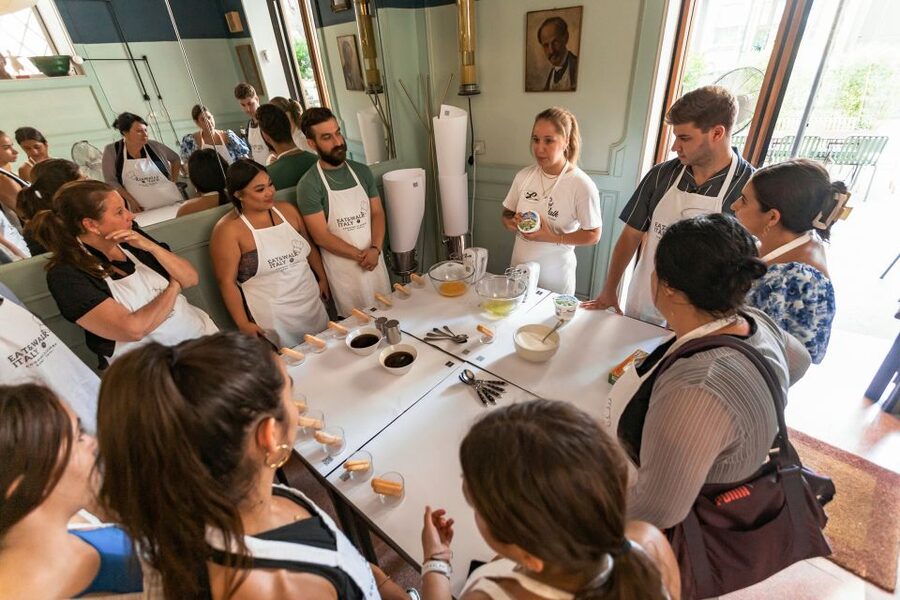
Arrive 10 minutes early at Gusto Restaurant, Via Giuseppe Zanardelli 14. Give yourself enough time to locate the restaurant and settle in before the class begins.
Choose your sauce with the final meal in mind. Tomato and basil is the straightforward choice, amatriciana gives you a more Roman direction, and cacio e pepe keeps the focus on a short list of classic ingredients.
Tell yourself to enjoy the process rather than chase perfect pasta shapes. The chef is there to guide you, and the point is to learn a method you can repeat. You will have more fun if you accept that your first fettuccine may not look like a chef’s.
The activity is offered in English, and pets are not allowed. Children under four cannot take part. You can cancel up to 24 hours before the start for a full refund, and the reserve-now, pay-later option can help if your Rome plans are still shifting.
Should you book it?
Book this class if you want to make fresh pasta, prepare tiramisù, and eat a complete meal in central Rome for $66. The best parts are the practical format, the friendly teaching style, the sauce choice, and the simple pleasure of eating food you helped create.
Skip it if your priority is a private cooking lesson or a detailed study of Roman sauces. The class may feel brisk, and some preparation can be handled by the chef.
For most visitors, I think the balance is right. You get a useful cooking lesson, a social evening, wine and limoncello, and two Italian dishes you can try again at home. That is a solid way to spend three hours in Rome.
FAQ
Where does the cooking class take place?
The class takes place at Gusto Restaurant, Via Giuseppe Zanardelli 14, in the heart of Rome.
How long does the experience last?
The cooking class lasts three hours. Check the available start times when booking.
What dishes will I make?
You will make fresh fettuccine and tiramisù with guidance from an English-speaking chef.
Which pasta sauces can I choose?
You can choose tomato and basil, amatriciana, or cacio e pepe with your fettuccine.
Are drinks included?
Yes. The experience includes water, a glass of wine or a non-alcoholic drink, and a glass of limoncello or coffee.
Is the class suitable for young children?
Children under four are not permitted. The activity has been enjoyed by families with teenage children.
Can I cancel the booking?
You can cancel up to 24 hours in advance for a full refund. A reserve-now, pay-later option is also available.
Freshly poured around Rome
- Rome: Pompeii Tour with Wine and Lunch by High Speed Train★ 4.8 · 485 reviews
- Rome: Hands-On Pasta & Tiramisu Class with Unlimited Wine★ 5.0 · 124 reviews
- Pasta and tiramisù Cooking class with Wine at Piazza Navona★ 4.8 · 235 reviews
- Rome: Small-Group Art Class with Wine★ 4.8 · 106 reviews
- From Rome: Tuscany, Montepulciano Tour with Wine & Lunch★ 4.9 · 36 reviews
- From Rome: Frascati Wine Region Tour with Wine Tasting★ 4.8 · 53 reviews
- From Rome: Pasta & Tiramisù Cooking Class near Spanish Steps★ 4.7 · 27 reviews
- Rome: Pizza and Tiramisù Cooking Class with Glass of Wine★ 4.8 · 144 reviews
Rome Wine Tours, side by side.

Rome: Tuscany & Montepulciano Day Trip with Lunch & Wine Tasting
Read our review →
Rome: Pasta & Tiramisu Class with Fine Wine by the Vatican
Read our review →
Rome Food Tour: Unlimited Tastings with Fine Wine & Barolo
Read our review →
Rome: Pasta Making Class with Wine, Limoncello, and Dessert
Read our review →
Rome: Guided Food Walking Tour with Wine in Trastevere
Read our review →
Rome: Tuscany & Montepulciano Day Trip with Lunch & Wines
Read our review →
Rome: Trastevere Food tour with Free-Flowing Fine Wine
Read our review →
Rome: Gourmet Food Tour with Dinner & Barolo Wine
Read our review →Lists this tasting sits in