Review · RIOJA & RIBERA
Ribera del Duero Wineries Guided Tour & Wine Tasting from Madrid
Ribera del Duero is Spain’s red-wine country, and this day trip gives you three sharply different ways to understand it. You’ll taste powerful Tempranillo, walk through working wineries, and enter old underground cellars carved deep below medieval towns. The most memorable stop may be the last one, where tunnels built for storing wine stretch for miles beneath the town.
I like the three-winery contrast: a small producer, a polished modern bodega, and an ancient cellar can all appear in one day. I also like the generous tastings, with at least three wines at each stop and snacks such as cheese, crackers, and salami. The catch is the long ride from Madrid, with roughly two hours each way and a full schedule that can run 10 to 11 hours.
Key points to know before booking
- Three very different wineries: Expect a mix of boutique production, modern architecture, and medieval underground caves.
- At least nine wines: Each winery serves a minimum of three tastings, usually with small bites so you are not drinking on an empty stomach.
- Tempranillo country: The tour explains why Ribera del Duero’s signature red grape produces full-bodied wines with plenty of fruit and aging potential.
- Lunch is your choice: A one-hour stop allows for tapas, a light meal, or a three-course Castilian lunch, but food is not included.
- Guides make the difference: Ismael receives especially strong praise, while Antonio, Muna, Cosmin, and Alfonso have also led highly rated departures.
- Plan for a long day: The van leaves Madrid at 9:15 a.m. and usually returns around 8 p.m., traffic permitting.
Why Ribera del Duero makes a fine day trip from Madrid
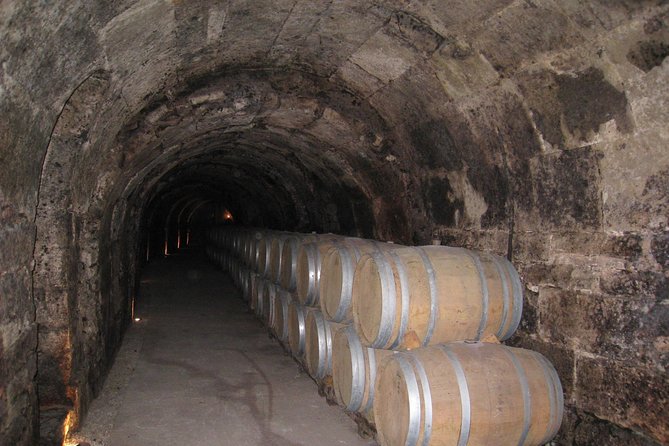
Madrid has excellent wine bars, but the city cannot show you how Ribera del Duero wine is made. For that, you need the vineyards, the villages, the cellars, and the people who work with the grape from harvest to bottle.
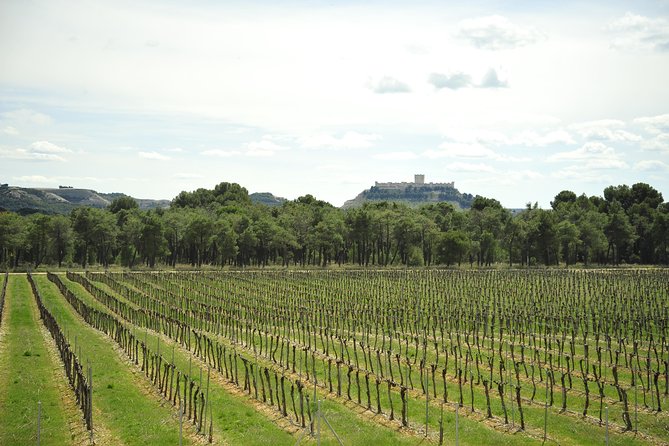
The region lies about two hours from Madrid along the Duero River. Its red wines are based mainly on Tempranillo, known locally for producing wines with deep color, firm structure, ripe fruit, and the ability to improve with time in oak and bottle.
The drive is part of the experience. The city gives way to open Castilian country, then to vineyard country and small historic towns. You are not simply moving between tasting rooms. You are seeing why wineries here rely on both old cellar traditions and newer production methods.
That said, this is not a quick outing. You spend close to four hours in transit, though the drive may be shorter or longer with Madrid traffic. I would book it only if you can spare most of a day and are happy to trade a relaxed city morning for a serious wine excursion.
More Wine Tastings in Spain
- Madrid Tapas & Wine Tasting Walking Tour – Small Group Local Bars
★ 5.0 · 3,644 reviews - Toledo Tour & Vineyard Walk with Wine Tasting from Madrid
★ 5.0 · 2,546 reviews - Madrid: Tapas & Wine Tasting Tour with Local Guide
★ 4.8 · 2,171 reviews
Meeting at Conde de Casal at 9:15 a.m.
The pickup point is in front of the cafeteria at Hotel Claridge, beside the hotel’s main entrance, at Plaza del Conde de Casal 6. Conde de Casal Metro Station on Line 6 is nearby.
Arrive early. The tour leaves on time, and the operator advises allowing an extra 10 to 20 minutes beyond the journey time shown on a map. That is sensible advice in Madrid. Check the route the night before, and do not count on a last-minute arrival.
Hotel pickup is not included. You meet the group at the designated point and return there at the end. The operator specifically recommends a regular taxi instead of Uber for reaching the meeting point.
Transport is by air-conditioned van or coach. The maximum group size is 20, though some departures are much smaller. One group of eight found a Mercedes Sprinter a little cramped, so vehicle comfort may depend on the day and the number of people booked.
The guide speaks English and Spanish. On different departures, guides have included Ismael, Antonio, Muna, Cosmin, and Alfonso. Ismael receives especially warm praise for his clear English, wine knowledge, calm driving, and ability to explain the day without filling every minute with talk. That last point matters on a long drive.
First winery: learn Tempranillo from grape to bottle
The first bodega usually provides the basic framework for the day. You learn what Ribera means, how the region developed as a wine-producing area, and how Tempranillo changes from grape to finished wine.
A typical visit lasts about 90 minutes. You can expect a look at production and harvesting, followed by an explanation of aging and bottling. The tasting then gives you a chance to connect the technical talk with what is in your glass.
The exact bodega changes. One example has been Territorio Luthier, a young boutique producer. Another departure visited a representative regional winery with aged wines described as fresh, elegant, and complex. This variation is important: the tour is not tied to one fixed set of wineries, so the experience can differ from one date to another.
Some people may find the first winery less impressive than the later stops, especially if they prefer old cellars or dramatic architecture. I would treat it as the foundation of the day. It helps you understand the wine before you encounter the more unusual places.
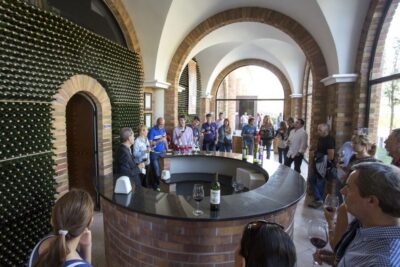
At each winery, expect a minimum of three pours. That means at least nine wines across the day, and the samples can be generous. Cheese, crackers, salami, or similar snacks are served at the wineries, so you are not tasting on an empty stomach.
Second winery: modern design with vineyards at the door
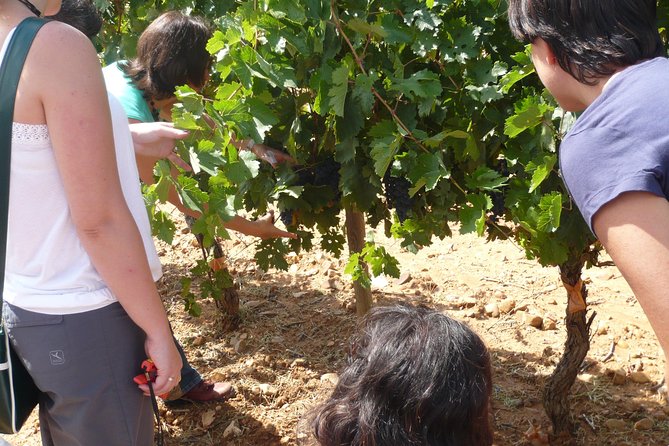
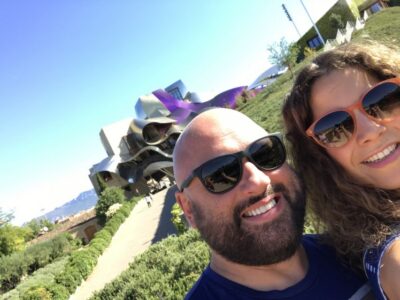
The second stop shifts from tradition to contemporary winemaking. The building is designed to work with its surroundings, opening toward the vineyards and making the connection between production, nature, and architecture easy to see.
This may be a larger operation, such as Bela, or another modern bodega selected for its contrast with the first and third stops. That contrast is one of the strongest reasons to choose this tour. You are not visiting three nearly identical tasting rooms. You are seeing how different owners and winemakers approach the same region.
The visit generally lasts about 90 minutes. You will taste more wines, hear how the producer handles production and aging, and see how a newer facility can support both practical work and visitor presentation.
The modern stop may appeal most to people curious about current Spanish wine production. It also offers a useful counterpoint to the small family winery and underground cellar later in the day. If you prefer intimate visits with an owner or winemaker, this stop may feel less personal, depending on the specific bodega.
One unusual element is that the schedule may change during the day. A group once stayed longer at the second winery and skipped lunch in favor of ordering more wine. That is not something you should assume will happen, but it shows that the pace can sometimes adapt to the group and the winery schedule.
More Winery Tours in Spain
- Madrid Countryside Wineries Guided Tour with Wine Tasting
★ 5.0 · 740 reviews - From Madrid: Toledo Guided Tour & Winery Visit with Tasting
★ 4.8 · 313 reviews - Madrid Region Wineries Guided Tour with Wine Tastings
★ 4.9 · 222 reviews - Ribera del Duero:4 Wineries, tasting & Lunch included from Madrid
★ 5.0 · 199 reviews
Lunch in Roa, with no fixed menu
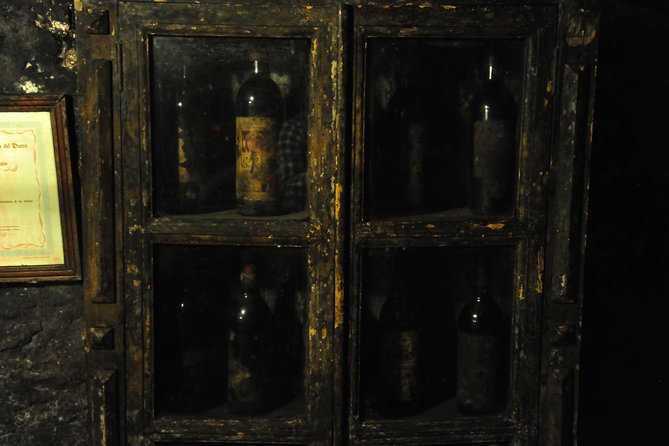
Around midday, the group usually stops in Roa or another local town for about an hour. Lunch is not included, and you choose what to eat.
You might opt for tapas costing roughly 12 to 15 euros, a light meal, or a full three-course Castilian lunch at around 30 euros. The guide may suggest a local restaurant or tavern, but the tour does not impose a set menu.
This arrangement is a plus for many people. You can control your budget and choose between a quick meal and a longer sit-down lunch. Several departures have included small local taverns with shared plates and traditional food, rather than a standard tourist restaurant.
The drawback is time. An hour is enough for a practical lunch, but not for a leisurely regional feast. If you want a full three-course meal, sit down promptly and let the guide know if you have dietary needs. You should also budget separately for lunch.
Some wine enthusiasts may prefer to skip lunch and spend more time at a winery, but most people will appreciate a proper break. After several tastings, a meal and a little fresh air are useful.
Third winery: medieval tunnels beneath the town
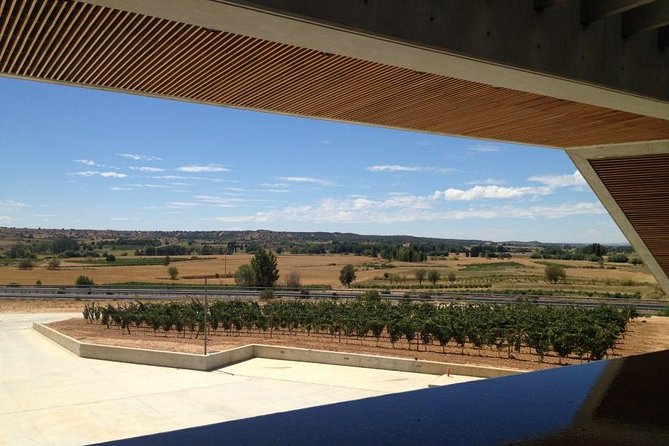
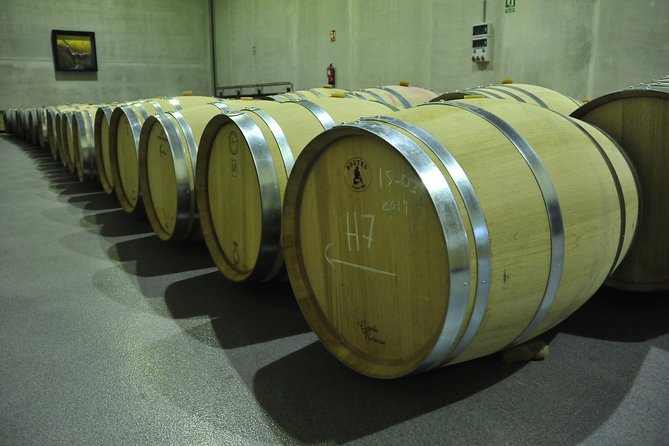
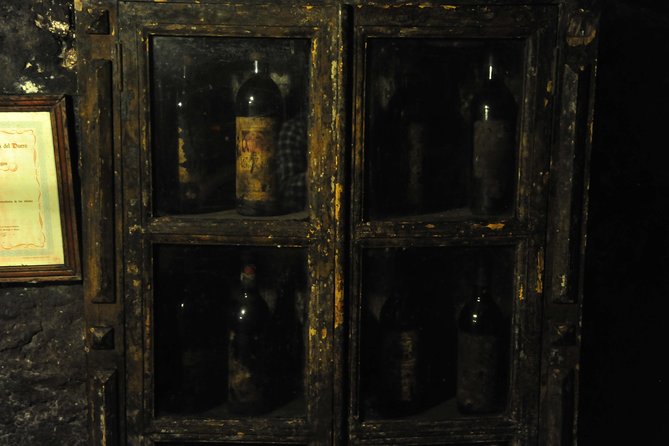
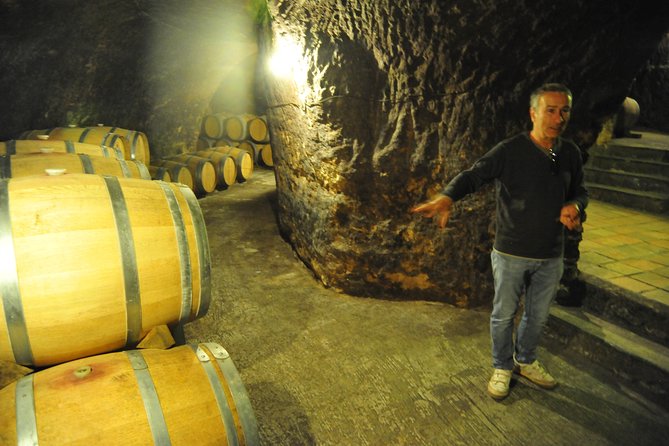
The final bodega is often the day’s most unusual stop. In Curiel de Duero or another scheduled town, you may enter an underground cellar network used for wine storage since the Middle Ages.
These tunnels can extend for roughly four miles beneath the town and reach about 40 feet below ground. The cellars were excavated into the earth to provide stable conditions for storing wine. The exact age and layout vary by site, but some areas date back centuries, with one frequently noted cellar linked to the 16th century.
This is not just another tasting room. The underground visit connects the wine in your glass to the practical problems earlier producers had to solve: keeping wine cool, protecting it from weather, and storing it safely before modern temperature controls.
Bring a warm layer. The cellars are cold, even when the day outside is mild. Shoes with decent grip are also sensible, since old underground spaces may have uneven surfaces, although no special equipment is required.
The final tasting completes the comparison among producers. By this point, you have sampled wines from different styles of operation and can better notice how fruit, oak, age, texture, and finish change from one bodega to another.
What the tastings are really worth
At $223.82 per person, this is not a budget excursion. But the price includes round-trip transport from Madrid, a bilingual guide, three winery visits, and at least three tastings at every winery. For a visitor without a rental car, that access has real value.
Driving yourself would require navigating rural roads, arranging winery appointments, and avoiding alcohol. The tour removes those problems. You also get local context from a guide who can connect the wineries, towns, grape variety, and regional traditions.
The value is strongest if you care about wine beyond simply drinking it. You will hear how the wine is made, see different facilities, and taste a minimum of nine wines. Several wineries add food snacks, which helps make the tastings feel like a working part of the day rather than a series of tiny pours.
The value is weaker if you want only scenic countryside or one excellent meal. The day is built around wine education and winery access, not sightseeing in the usual city-tour sense. Medieval villages and castles may appear along the route, but the wineries remain the main event.
Who will enjoy this day most
I would recommend it to:
- Wine drinkers who want a clear introduction to Ribera del Duero.
- Visitors without a car who want to reach several rural wineries.
- Couples and small groups who enjoy tastings, local food, and old buildings.
- People who want to compare small, modern, and historic producers.
- Anyone interested in Spanish Tempranillo and cellar traditions.
I would think twice if you dislike long drives, have limited stamina for a full-day schedule, or want a slow lunch with plenty of free time. Children under 12 cannot join the shared tour, and the minimum age for wine tasting is 18. Children must be accompanied by an adult.
The tour needs at least four participants to operate. If that minimum is not met, the operator may cancel with notice and offer another date or a full refund.
Practical tips for a better day
Wear layers. The road may be warm, while the underground cellar is cold.
Eat a light breakfast before pickup. Winery snacks are provided, but breakfast is not part of the tour, and the first tasting may come before lunch.
Bring water and a small amount of cash or a card for lunch. The meal is separate from the tour price.
Keep your morning organized. The meeting point is easy to reach by Metro Line 6, but a late arrival can mean missing the departure. If you miss the group, any cost involved in catching up is yours.
Do not expect the exact same wineries every time. The order and locations can change according to the day. That flexibility allows the operator to use different bodegas, but it also means you should book for the overall experience rather than one promised cellar.
The tour ends at the original meeting point, usually around 8 p.m. Traffic in Madrid can affect the return, so avoid scheduling a tight evening reservation.
Free cancellation is available if you cancel at least 24 hours before the start time. Changes made inside that window are not accepted, and the minimum-participant rule still applies.
Should you book the Ribera del Duero wine tour?
Book it if you want a serious wine day outside Madrid and like the idea of tasting at least nine wines while comparing three very different bodegas. The old underground cellar, generous snacks, and strong guides such as Ismael make this more than a bus ride to a tasting room.
Skip it if a long transport day sounds tiring or if you prefer to choose one winery and linger there. This is a packed outing, but it gives you a useful, enjoyable picture of Ribera del Duero in one shot. For wine lovers with a free day in Madrid, the price is fair for the transport, access, tastings, and regional guidance included.
FAQ
Where does the Ribera del Duero tour begin?
The tour begins at 9:15 a.m. at the front door of the cafeteria at Hotel Claridge, next to the hotel’s main entrance, at Plaza del Conde de Casal 6 in Madrid.
Which Metro station is closest to the meeting point?
Conde de Casal Station on Metro Line 6 is the closest stated station.
How long does the tour last?
The tour takes about 10 to 11 hours. It usually returns to the original meeting point around 8 p.m., though Madrid traffic can affect the timing.
How many wineries do you visit?
You visit three wineries. The order and locations can change depending on the day.
How many wines are included in the tastings?
Each winery includes a minimum of three wine tastings, for at least nine wines during the day.
Is lunch included?
No. You have free time to choose and pay for lunch. Suggested options include tapas, a light meal, or a full Castilian three-course lunch.
Is food provided with the wine?
Yes. Snacks such as cheese, crackers, and salami are provided at the wineries, with enough food to avoid drinking on an empty stomach.
Can children join the tour?
Children under 12 cannot take part in the shared tour. The minimum age for wine tasting is 18, and children must be accompanied by an adult.
What should I wear for the cellar visits?
Bring warm clothing because the underground cellars can be cold. The tour is operated in English and Spanish, and transport is by air-conditioned van or coach.
More Winery Tours in Madrid
- From Madrid: Alcalá de Henares, Winery Tour & Wine Tasting
★ 4.4 · 63 reviews - From Madrid: Traditional Villages, Winery Tour & Tapas Lunch
★ 4.6 · 30 reviews - Tuscany Day Trip from Florence: Siena, San Gimignano, Pisa and Lunch at a Winery
★ 5.0 · 21,634 reviews - Florence: Chianti Wineries Tour with Wine Tasting
★ 4.5 · 10,071 reviews
More Rioja and Ribera wine tours around Madrid
- From Madrid: Ribera del Duero Tour of 3 Wineries w/ Tastings
★ 4.9 · 150 reviews - Rioja Like A Native Wine Tour
★ 5.0 · 385 reviews - From Bilbao: La Rioja Wineries Day Trip with Wine Tastings
★ 4.6 · 118 reviews - From Bilbao: Rioja Wine Region with Winery & Vitoria-Gasteiz
★ 4.5 · 60 reviews
Freshly poured around Madrid
- Madrid: Tapas & Wine Tour with Visit to a Rooftop★ 4.7 · 256 reviews
- Madrid: Flamenco Show with Tapas and Wine Tour★ 4.9 · 66 reviews
- Madrid: Iberico Ham and Spanish Wine Small-Group Food Tour★ 4.9 · 49 reviews
- Madrid Region Wineries Guided Tour with Wine Tastings★ 4.9 · 222 reviews
- Madrid: Old Madrid Walking Food and Wine Tour★ 4.9 · 111 reviews
- Madrid: Los Porches Flamenco Show with Tapas and Wine Ticket★ 4.7 · 84 reviews
- Madrid: Guided Tapas and Wine Tour with Rooftop Views★ 4.8 · 608 reviews
- From Madrid: Toledo Guided Tour & Winery Visit with Tasting★ 4.8 · 313 reviews
Rioja & Ribera Wine Tours, side by side.
Ribera del Duero:4 Wineries, tasting & Lunch included from Madrid
Read our review →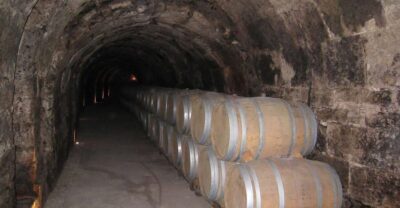
From Madrid: Ribera del Duero Tour of 3 Wineries w/ Tastings
Read our review →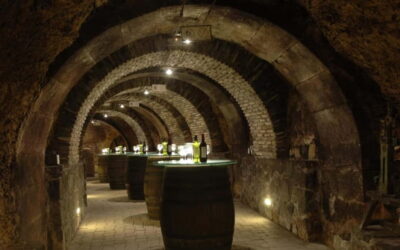
From Bilbao: La Rioja Wineries Day Trip with Wine Tastings
Read our review →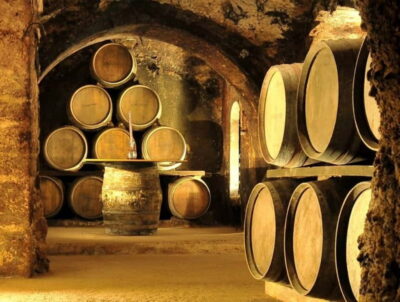
From Bilbao: Rioja Wine Region with Winery & Vitoria-Gasteiz
Read our review →