
Review · MADRID
Madrid: Iberico Ham and Spanish Wine Small-Group Food Tour
Madrid’s best food lessons often happen at the counter, not in a museum. This 2.5-hour Iberian ham tour takes you into traditional tabernas and jamonerías for thin slices of ham, cured meats, Manchego, tapas and Spanish wine. You learn what you are eating, how it is made, and how to buy it without guessing.
I like the useful shopping advice and the chance to see a professional ham cutter at work. I also like the local feel: guides such as Pedro and Brian bring in stories about Madrid, Spanish wine regions and everyday food customs. The main consideration is that this is a meat-focused tasting with walking between stops, no vegetarian option, and only two venues may be included.
Key points to know before booking
- Learn the ham grades: Compare jamón serrano, jamón Ibérico, jamón and paletilla, plus the effect of breed, curing and origin.
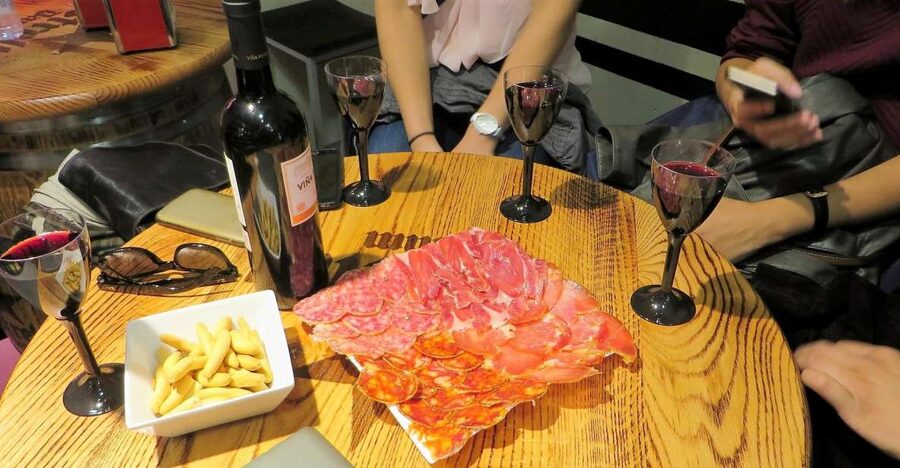
- Taste more than ham: The spread includes chorizo, lomo, salchichón, Manchego, tapas and a Spanish wine at each stop.
- Meet near Ópera: The starting point is Plaza Isabel II, beside the statue of Queen Isabel II.
- Expect a small-group feel: Past departures have sometimes had just two or three people, though group size can vary.
- Plan for a late lunch or early evening: A 4 p.m. start has worked well for some bookings, leading naturally into Madrid’s evening.
- Bring comfortable shoes: The tour is not recommended for wheelchair users or people with walking disabilities.
Why Iberian ham deserves a lesson
At first glance, Spanish ham can look simple. A leg hangs in a shop window, a cutter shaves off paper-thin slices, and the price may seem wildly higher than the ham beside it. The point of this tour is to explain what you are paying for.
You learn the difference between jamón serrano and jamón Ibérico. Serrano ham comes from white pig breeds and is widely available. Ibérico ham comes from the Iberian pig, with quality affected by breed, feeding, curing time and official labeling. That distinction matters when you are standing in a Madrid market deciding if a costly packet is worth buying.
You also compare jamón with paletilla. Jamón comes from the hind leg, while paletilla comes from the front leg. The shape, amount of meat and cutting process differ, and a local guide can show you why the two products are priced differently.
This is the kind of information that stays useful after the tour. You can take it to a market, a delicatessen or a restaurant menu and make a better choice. You are not just eating an expensive food. You are learning the system behind it.
More wine tours around Madrid:
- Madrid Tapas & Wine Tasting Walking Tour – Small Group Local Bars
★ 5.0 · 3,644 reviews - Toledo Tour & Vineyard Walk with Wine Tasting from Madrid
★ 5.0 · 2,546 reviews - Madrid: Tapas & Wine Tasting Tour with Local Guide
★ 4.8 · 2,171 reviews
Meeting beside Madrid’s Ópera station
The tour begins at Plaza Isabel II, beside the statue of Queen Isabel II. The closest Metro stop is Ópera, making the meeting point simple to reach from central Madrid.
Arrive with comfortable shoes and a little time to spare. You will be walking between food stops, though the route is not described as a long city hike. One earlier experience was especially appreciated for not requiring much walking, but the tour is still unsuitable for people with walking disabilities or wheelchair users.
The guide speaks English. Pedro is the name most often associated with the experience, and he has led food-focused walks with a warm, personal style. Brian has also guided departures and brought strong knowledge of ham and wine. Since the guide can vary, check the booking details if having a particular guide matters to you.
The group may be very small. Some departures have had only two or three people, which makes it easy to ask questions and spend more time discussing the food. You should not assume every departure will be private, but the small-group format is one of the experience’s practical strengths.
First stop: Spanish wine and a local taberna
The tasting can begin at a traditional taberna, where you receive a glass of wine, beer or a soft drink. The exact order of the stops may vary, but the idea is to introduce Spanish food in a working local setting rather than a formal classroom.
This is where the tour connects ham with the rest of Spanish eating culture. You may taste classic tapas and a local dish such as a stew, as one past itinerary did. The food gives you a sense of how cured meats fit into a Spanish meal, rather than treating ham as an isolated product.
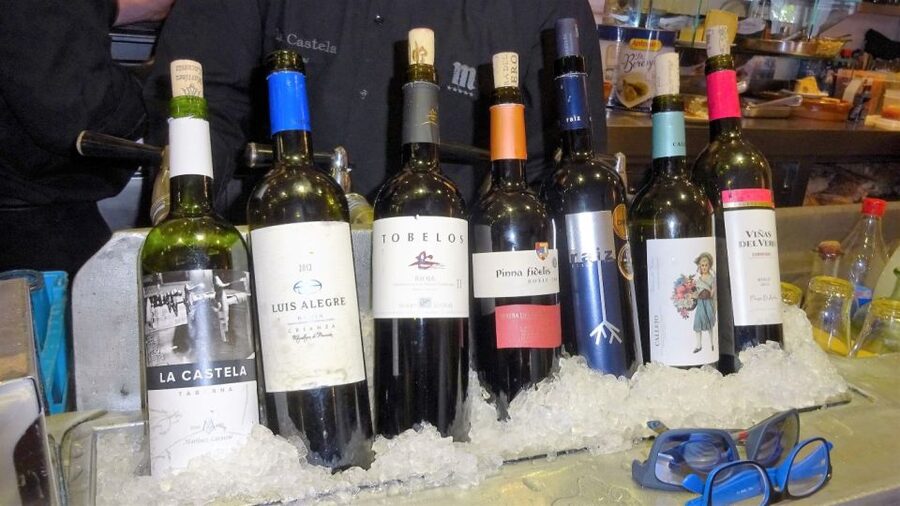
Wine is an important part of the lesson. You taste selected Spanish wines and hear about the country’s different wine regions. One past tasting included a wine from Madrid and another Spanish red. The wine does not merely provide something to sip between bites. It helps explain how local drinks are paired with salty, fatty and strongly flavored foods.
You receive one glass of wine, beer or soft drink at each bar or jamonería included in the tour. Additional food and drinks are not included, so keep that in mind if you tend to turn a tasting into a full meal.
Inside a Madrid jamonería
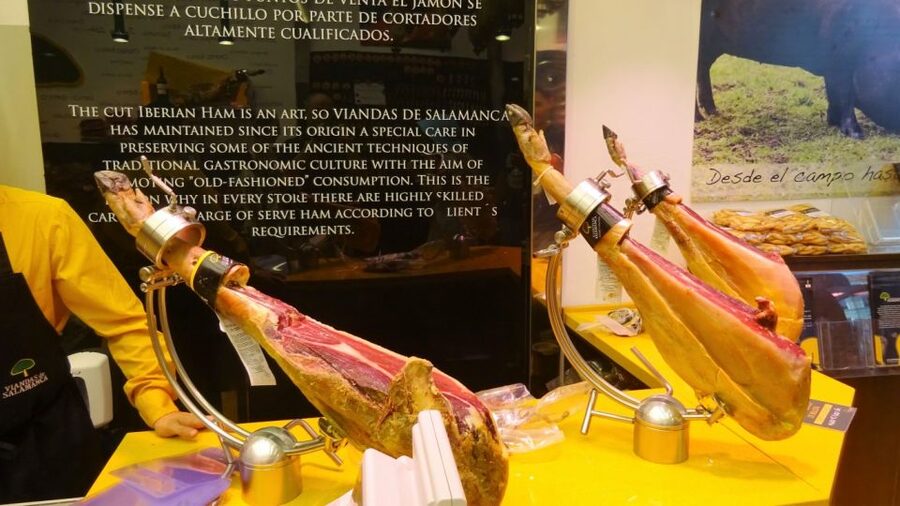
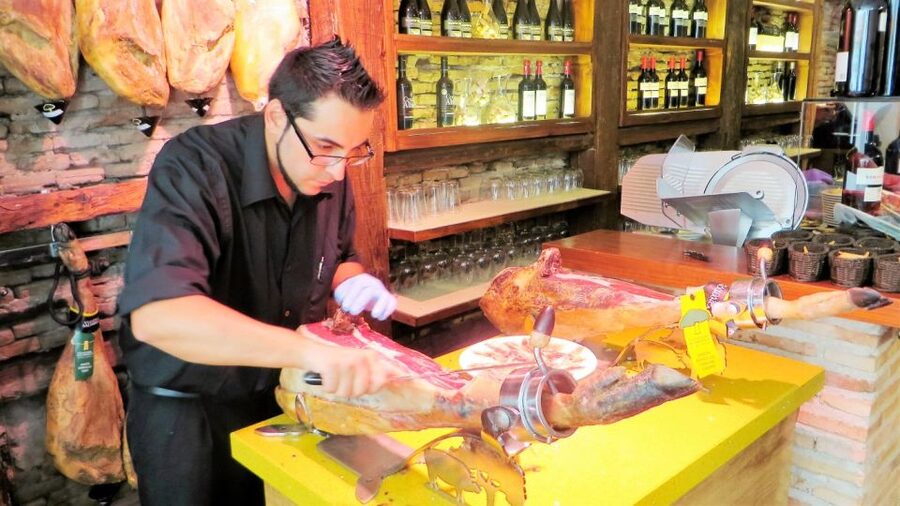
The jamonería is the heart of the experience. These shops specialize in Spanish ham and cured meats, with whole legs displayed for cutting. Here, the guide explains how the product is graded and priced, then helps you taste the differences.
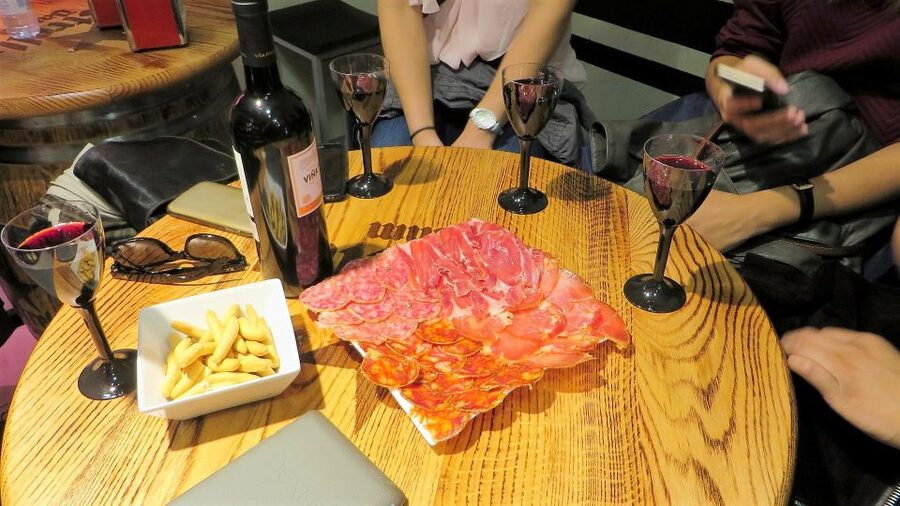
You can expect samples of Iberian ham alongside chorizo, lomo and salchichón. Manchego cheese and other tapas round out the tasting. The exact selection can change, but the aim is to compare several cured products rather than serve one large portion of a single ham.
Pay attention to texture as much as flavor. A thin slice of properly cut ham should feel delicate on the tongue, while the fat contributes much of its aroma and softness. Chorizo brings spice and paprika. Lomo is leaner and more restrained. Salchichón has its own seasoning and texture. The contrast makes the tasting more useful than simply eating several slices of similar ham.
You may also watch a professional cutter carve the ham. This is not a minor show for tourists. The angle of the knife, the thinness of the slices and the way the leg is positioned all affect what ends up on your plate. The cutter’s work makes clear why a whole ham is not treated like an ordinary roast.
Some departures include a chance to pose for a picture with the ham or with the people cutting it. That is a small touch, but it captures the slightly playful side of Spanish food culture.
Same vines, another glass to try:
- Madrid Tapas & Wine Tour with Rooftop Views and Local Guide
★ 5.0 · 2,047 reviews - Madrid Ultimate Spanish Cuisine Food Tour
★ 5.0 · 1,010 reviews - Paella Cooking Class in Madrid with Bottomless Wine Pairing
★ 5.0 · 985 reviews - Madrid: Food & Wine Tour with 10 Tapas & 4 Drinks Included
★ 4.9 · 984 reviews
How the ham labels affect taste and price
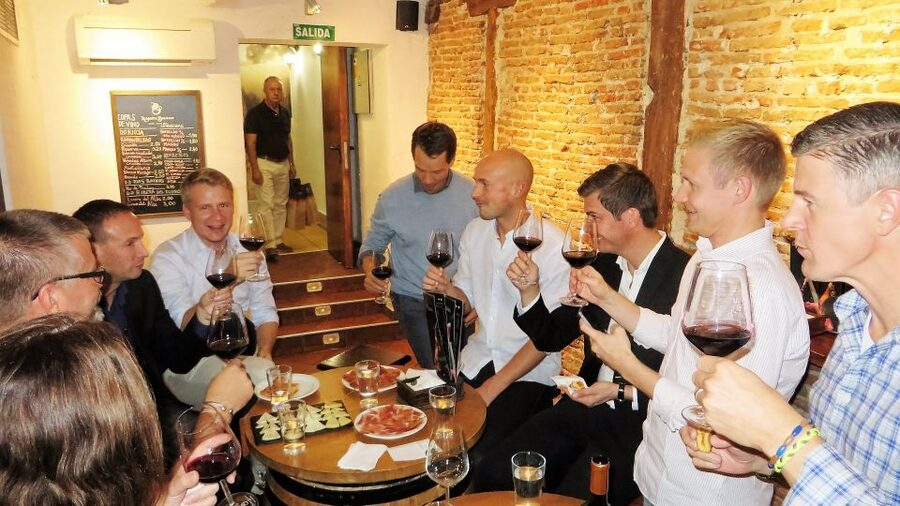
The guide explains the categories you see in shops and markets. Listen closely here, because this is where the tour earns its keep.
The pig’s breed is a major factor. Iberian pigs have traits that affect the meat and fat, while jamón serrano comes from different breeds. Within Iberian ham, the label can also reflect how pure the Iberian bloodline is and how the animal was raised.
Curing time matters, too. Longer curing changes the texture and concentrates flavor. The guide also explains why one ham costs much more than another, helping you understand that price is not based only on a shop’s location or presentation.
The four protected Qualified Appellations of Origin in Spain are another part of the lesson. These regional protections help identify where certain hams come from and how they are produced. You do not need to memorize every name to benefit. The larger point is that origin can be a quality and authenticity marker, much like it is with Spanish wine or Manchego cheese.
You also learn how to shop like a local. Look at the wording on the label, ask questions, and do not confuse a high price with a particular grade unless you know what the label means. This advice is especially helpful if you plan to take home vacuum-packed ham, buy a gift or order a plate in another city.
Wine adds a second layer to the tasting
Ham is the star, but the wine keeps the tour from becoming a single-product lesson. Spanish wine is made across many regions, and the guide discusses how climate, local grapes and tradition shape the bottles you see in Madrid.
You may taste a local Madrid wine along with another Spanish red. A chilled white has also appeared in past tastings. This gives you a basic comparison without turning the tour into a technical wine course.
I like this pairing because it encourages you to notice balance. Salt and fat in ham can work well with a fresh white, while a red may bring more body and spice to cured meats. You do not need advanced wine knowledge. The useful skill is learning to identify what you enjoy and asking for something similar later.
The wine portion also makes the experience feel like lunch rather than a shop visit. Still, do not expect a long formal meal or a full winery tasting. The emphasis remains Madrid’s food culture, with wine used to support the tasting.
Is $69 a fair price?
At $69 per person, the tour is not the cheapest way to eat ham in Madrid. You can buy a plate of jamón and a drink for less. That comparison misses the main value, though.
The price covers a specialized local guide, several cured meats, Manchego, tapas, Spanish wine and a drink at each included stop. It also pays for interpretation. You learn how to compare products, understand the curing process, read labels and shop with more confidence.
The value is strongest if you are curious about Spanish food or plan to buy ham during your trip. It is also good for a first visit to Madrid, when a short food experience can help you understand what to order for the rest of your stay.
The value is weaker if you already know Spanish ham well, want a long restaurant meal or prefer to explore many different neighborhoods. One recent departure visited only two venues, and the participant would have liked more tapas bars. You should book this for explanation and guided tasting, not for a large pub crawl.
Past groups have found the tour particularly enjoyable for the relaxed conversation. Pedro has been praised for explaining food origins, Madrid culture and wine without making the lesson stiff. Brian has also been described as generous with practical details. Those personal touches matter in a small group.
Timing, age limits and food restrictions
The tour lasts 2.5 hours. A late afternoon start can work well, especially if you want the tasting to carry you into dinner. A 4 p.m. departure has been used before, though you should check the available start times for your date.
The experience is not suitable for children under 16, pregnant women or vegans. There is no vegetarian option. Tell the operator about allergies or other dietary needs when you book, but do not assume the menu can be adjusted around a meat-focused tasting.
The tour includes walking and standing in food shops and bars. Comfortable shoes are essential. It is not recommended for people with walking disabilities or those using a wheelchair.
You do not receive hotel pickup or drop-off, and transportation to the meeting point is not included. That is easy to manage if you are staying in central Madrid, since Ópera is well connected by Metro.
Cancellation is flexible up to 24 hours before the experience for a full refund. You can also reserve now and pay later, which helps if your Madrid plans are still shifting.
Who will enjoy this Madrid food tour?
I would choose this for you if you like learning the story behind what you eat. It suits curious first-time visitors, couples, small groups of friends and anyone planning to shop for Spanish ham or wine.
It is also a good fit if you prefer conversation over a large organized group. A small departure can feel almost like a private lesson, with room to ask about labels, regions, curing and food customs.
You may want another experience if your priority is a broad tapas crawl. This tour focuses heavily on Iberian ham, cured meats, cheese and wine. You might taste tapas, but the program is not designed to visit a long list of bars.
It is also not the right pick for vegetarians, vegans, children under 16 or anyone who cannot walk comfortably between stops. The food is excellent for meat eaters, but the menu has clear limits.
Should you book it?
Book this tour if you want to understand why Spanish ham costs what it does, taste several grades and leave Madrid able to shop with confidence. The combination of a local guide, jamonería visit, ham-cutting demonstration, wine and tapas gives you more than a plate of food for the $69 fee.
I would place it early in your Madrid stay. That way, you can use the guide’s advice when ordering ham, cheese and wine during the rest of your trip. Just keep your expectations clear: this is a focused two-stop tasting and food lesson, not an all-night tapas crawl or a full dinner.
FAQ
Where does the Madrid Iberian ham tour meet?
The meeting point is Plaza Isabel II, beside the statue of Queen Isabel II. The nearest Metro station is Ópera.
How long does the tour last?
The experience lasts 2.5 hours. Starting times vary, so check availability for your chosen date.
What food and drinks are included?
The tasting includes Iberian ham, chorizo, lomo, salchichón, Manchego cheese, tapas and Spanish wine. You receive a glass of wine, beer or a soft drink at each included bar or jamonería.
Is the tour available in English?
Yes. The live tour guide speaks English.
Is there a vegetarian or vegan option?
No. A vegetarian option is not available, and the experience is not suitable for vegans. You should provide details of allergies or other dietary needs when booking.
Who cannot take this tour?
The activity is not suitable for children under 16, pregnant women, or people using a wheelchair. It is also not recommended for those with walking disabilities, and comfortable shoes are advised.
Freshly poured around Madrid
- Madrid: Tapas & Wine Tour with Visit to a Rooftop★ 4.7 · 256 reviews
- Madrid: Flamenco Show with Tapas and Wine Tour★ 4.9 · 66 reviews
- Madrid Region Wineries Guided Tour with Wine Tastings★ 4.9 · 222 reviews
- Madrid: Old Madrid Walking Food and Wine Tour★ 4.9 · 111 reviews
- Madrid: Los Porches Flamenco Show with Tapas and Wine Ticket★ 4.7 · 84 reviews
- Madrid: Guided Tapas and Wine Tour with Rooftop Views★ 4.8 · 608 reviews
- From Madrid: Toledo Guided Tour & Winery Visit with Tasting★ 4.8 · 313 reviews
- From Madrid: Traditional Villages, Winery Tour & Tapas Lunch★ 4.6 · 30 reviews
Madrid Wine Tours, side by side.
Madrid Tapas & Wine Tasting Walking Tour – Small Group Local Bars
Read our review →
Toledo Tour & Vineyard Walk with Wine Tasting from Madrid
Read our review →
Madrid: Tapas & Wine Tasting Tour with Local Guide
Read our review →
Madrid Tapas & Wine Tour with Rooftop Views and Local Guide
Read our review →
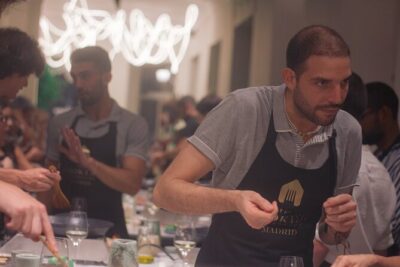
Paella Cooking Class in Madrid with Bottomless Wine Pairing
Read our review →
Madrid: Food & Wine Tour with 10 Tapas & 4 Drinks Included
Read our review →
Madrid Historic Centre Food Tour with Authentic Tapas & Wines
Read our review →Lists this tasting sits in