
Review · RIOJA & RIBERA
From Madrid: Ribera del Duero Tour of 3 Wineries w/ Tastings
Ribera del Duero is where Spain’s powerful red wines meet old village cellars, modern architecture, and the Duero River. This full-day trip from Madrid gives you three different winery experiences, not three near-identical tasting rooms: one polished and avant-garde, one built around nature and modern production, and one with centuries-old tunnels beneath the town.
I like the chance to taste at least eight Ribera del Duero wines with local appetizers, and I like the guide-led format, especially when guides such as Ismael, Muna, and Antonio take time to explain wine in both Spanish and English. The drawback is the length: you spend about four hours on the road, and a full day of winery visits can feel tiring by the final tasting.
Key points to know before booking
- Three wineries, three personalities: Compare a modern boutique producer, a nature-focused winery, and a historic family operation.
- At least eight wines: Each tasting comes with local snacks, so this is more than a quick sample at one cellar.
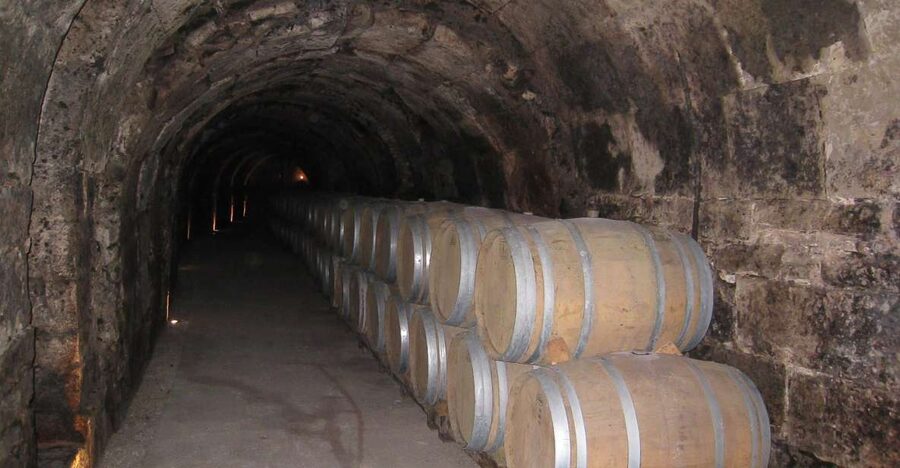
- The final cellar is the historic highlight: Walk through a medieval underground network from the 16th century, excavated into rock.
- Small-group setting: Groups range from four to 20 people, with an average of about eight.
- Lunch is not included: Allow about €12 to €15 for tapas or around €30 for a full three-course meal.
- This is an adult-focused day: Children under 12 cannot join, and the minimum age for tastings is 18.
Why Ribera del Duero makes a good day trip from Madrid
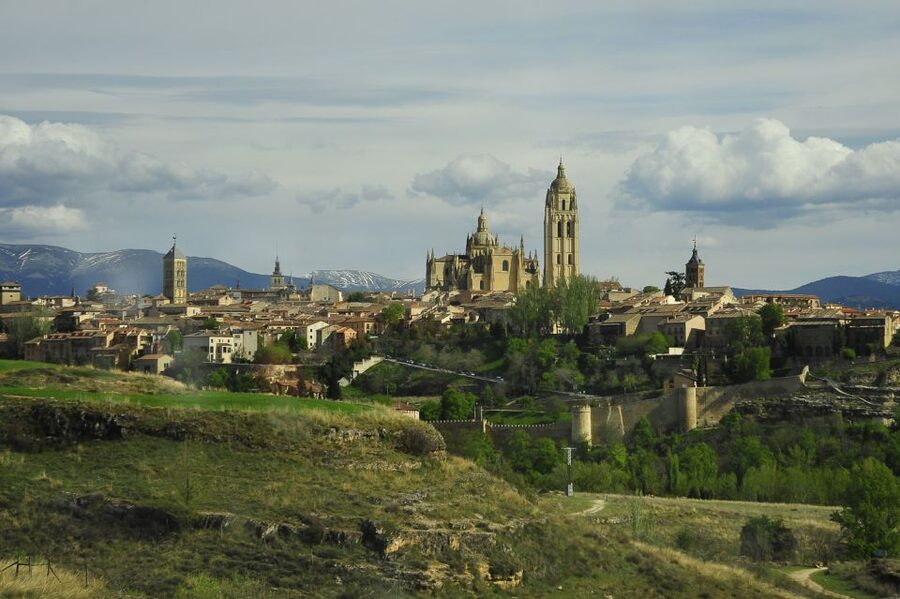
Madrid is a fine base for Spanish wine, but the capital itself does not give you the full picture. Ribera del Duero lies about two hours away, in the basin of the Duero River, which continues west into Portugal and plays a major role in Portuguese wine production as well.
The drive is part of the experience. Your guide shares facts and local stories as the city gives way to open country, vineyards, and Castilian towns. You are not simply being transported to a tasting room. You are getting a sense of the distance, climate, and rural setting that shape these wines.
The region is especially interesting because old and new winemaking methods sit close together. Some producers work in striking modern buildings with carefully controlled production areas. Others retain underground cellars and equipment tied to family traditions. This tour uses that contrast as its main idea, which gives the day more purpose than visiting three similar wineries.
Still, be realistic about the timing. Departure is scheduled for 9:15 a.m., the drive takes roughly two hours each way, and the full outing lasts 10 to 11 hours depending on traffic. You will return to Plaza del Conde de Casal at around 8 p.m. This is a proper day out, not a relaxed half-day escape.
More Winery Tours in Spain
- Madrid Countryside Wineries Guided Tour with Wine Tasting
★ 5.0 · 740 reviews - Ribera del Duero Wineries Guided Tour & Wine Tasting from Madrid
★ 5.0 · 328 reviews - From Madrid: Toledo Guided Tour & Winery Visit with Tasting
★ 4.8 · 313 reviews
Meeting the group at Plaza del Conde de Casal
The meeting point is outside the front door of the cafeteria at Hotel Claridge, at Plaza del Conde de Casal, 6. The Conde de Casal Metro station, on Line 6, is the closest stop.
Look for the hotel entrance rather than assuming you can wait inside the cafeteria. Its facilities are reserved for customers. I would arrive a little early, especially if you are carrying a bag or trying to find the hotel in the morning rush.
Transportation from Madrid is included. The vehicle has been described as comfortable, though one past outing had trouble with the public-address system and uneven air conditioning. That may not reflect every departure, but it is worth knowing that a long road trip can feel less comfortable if the bus temperature or sound system is not ideal.
Groups can contain as many as 20 people, but the usual size is about eight. That is a useful middle ground. You get the efficiency of shared transportation without necessarily feeling lost in a crowd. The tour can run in Spanish and English at the same time, and guides have helped individual participants follow along when their language needs differed from the rest of the group.
First winery: modern design and carefully made wine
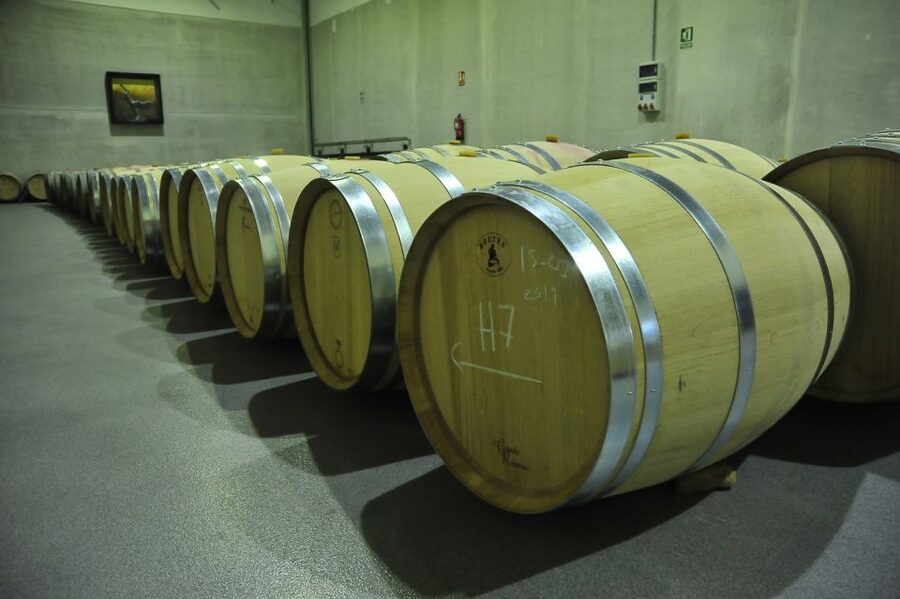
The first stop is a boutique winery with avant-garde architecture. Its design is not just decoration. The building is planned around the conditions needed for making high-quality wine, with careful attention to production spaces and the handling of the wine.
This winery has earned strong national and international attention. In 2025, six of its wines received more than 95 points on the Tim Atkin scale, and one of its founders was named Winemaker of the Year. Those details matter because they give you a useful reference point before the tasting. You are not just sampling anonymous regional bottles. You are seeing how a newer producer has gained attention within Ribera del Duero.
Expect a guided tour of the facilities followed by several wines and local appetizers. The guide helps connect what you see in the building with what you taste in the glass. If you are new to wine, this is a good place to ask about aroma, structure, oak, and the differences between bottles. If you already know Spanish wine, the modern approach gives you something to compare with later.
The pace is about 75 minutes. That is long enough for a proper visit, but short enough to keep the day moving. You should not expect a private tasting or unlimited time to browse. This is a shared excursion with a fixed schedule.
Second winery: architecture, vineyards, and a different production style
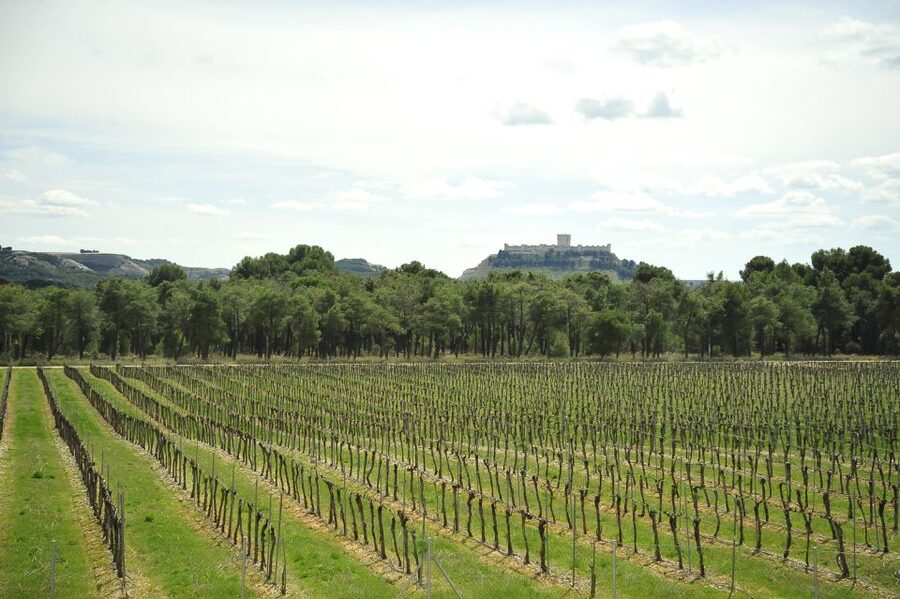
The second winery shifts the mood. Here, modern structures connect with the vineyards and surrounding countryside. The idea is less about a single showpiece building and more about the relationship between production, nature, and the setting.
That contrast is one of the tour’s best features. You can taste wines from the first producer and then visit a winery that takes a different approach. The comparison helps you understand that Ribera del Duero is not one uniform wine style. Producers work with different facilities, traditions, equipment, and ideas about how the region should be expressed.
Again, plan on a complete tour, tasting, and local snacks lasting about 75 minutes. Your guide remains with the group and adds context between the official explanations from the winery staff. Guides such as Muna have been praised for explaining both the region and the production process clearly, while Ismael has handled bilingual groups with particular care.
The snacks are a small but important part of the format. Wine without food can become tiring, especially across three tastings. Local appetizers give you something to eat and help make the tasting feel connected to Castilian food rather than a series of isolated pours.
More Rioja and Ribera wine tours around Madrid:
- Ribera del Duero:4 Wineries, tasting & Lunch included from Madrid
★ 5.0 · 199 reviews - Rioja Like A Native Wine Tour
★ 5.0 · 385 reviews - From Bilbao: La Rioja Wineries Day Trip with Wine Tastings
★ 4.6 · 118 reviews - From Bilbao: Rioja Wine Region with Winery & Vitoria-Gasteiz
★ 4.5 · 60 reviews
Lunch in Ribera del Duero is your own choice
After the first two winery visits, you get at least an hour of free time for lunch. The meal is not included, so bring this extra cost into your budget.
Your guide recommends places in the area, and the choices can range from a tapas lunch to a light meal or a full three-course menu. A reasonable guide is €12 to €15 for tapas and about €30 for a full meal. This flexibility is useful if your group has different appetites, though the short break means you should not plan on a slow, elaborate restaurant experience.
The food stop has received mixed impressions. Some outings have had a pleasant small-town lunch, while another found the restaurant and meal disappointing. The practical lesson is simple: treat lunch as a convenient break rather than one of the tour’s main attractions. Ask your guide what is best that day, and choose a meal that will not leave you too full for the final tasting.
Third winery: a 400-year-old family tradition underground
The last winery provides the strongest historical contrast. Its winemaking tradition reaches back about 400 years, and it was founded before the Ribera del Duero denomination existed. The winery is considered one of the early forces behind the region’s official wine identity.
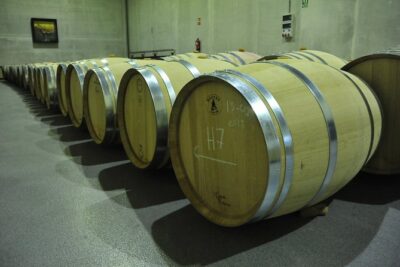
The main attraction is a medieval underground cellar from the 16th century. The tunnel network was excavated through rock to a depth of about 13 meters and extends for roughly seven kilometers. It remains in use, which makes the visit more than a museum stop. You are seeing an old method that still has a working role.
The cellar can be cool, dim, and uneven underfoot, so sensible shoes are a good idea. The information provided does not specify the exact conditions for every section, but anyone uncomfortable in enclosed historic spaces should keep the setting in mind.
This final stop also includes a tasting and local appetizers, lasting around 75 minutes. By this point, you have already sampled wines from two modern producers, so the underground rooms give the last tasting a strong sense of place. The contrast between old tunnels and modern production is the clearest reason to choose this tour instead of a single winery visit near Madrid.
The wine tasting: what you actually get
You will taste at least eight wines carrying the Ribera del Duero Denomination of Origin. The exact bottles can vary, since the tour uses local wineries and schedules may change, but the goal is to show the range of the region across three producers.
This is not a sommelier course. You will not spend an entire hour on one glass. Instead, you get short explanations at each winery, a look at production, and several samples supported by food. That format works well for curious drinkers who want a broad introduction.
A strong guide makes a real difference. Ismael has been praised for explaining difficult points in a clear, lively way and for giving extra attention to people who do not speak Spanish. Muna has combined guiding and wine expertise, and Antonio has also received praise for making the winery visits informative. Guide assignments can change, so you should not book solely for one particular person, but the tour clearly depends on having a good bilingual leader.
Drink responsibly. The day includes several tastings, but it is not designed for intoxication, which is not allowed. Eat at lunch, use the provided snacks, and tell the guide if you need to slow down.
Is the $218 price good value?
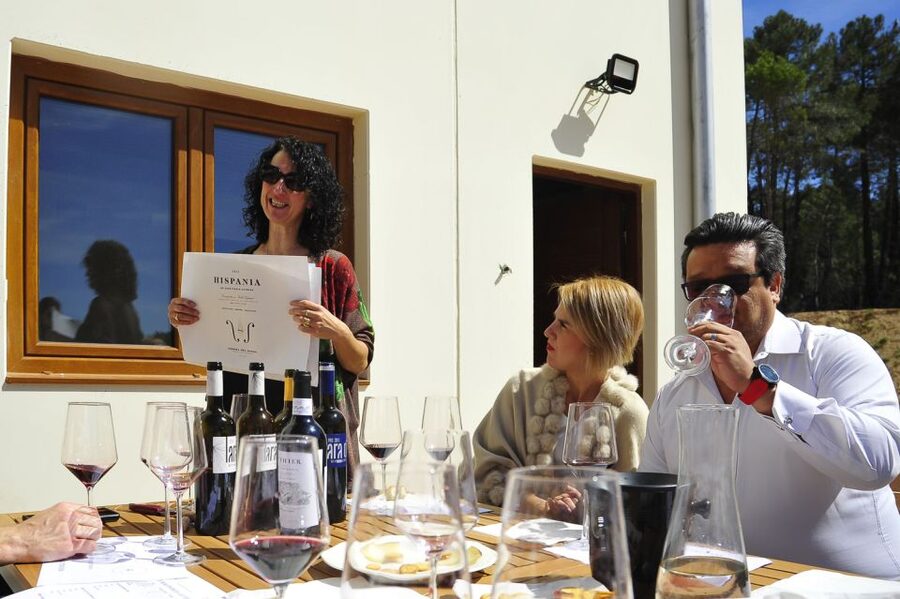
At $218 per person, this is one of the more expensive shared wine trips from Madrid. You are paying for round-trip transportation, a bilingual expert guide, three winery visits, at least eight wines, and food at each tasting. Lunch remains separate.
The price makes more sense if you value variety and transportation. Booking three independent winery visits from Madrid would take planning, a car or private driver, and careful timing. Here, the route, tastings, and interpretation are arranged for you.
The value is less convincing if your main goal is simply to drink wine as cheaply as possible. You could spend less on a shorter tasting or visit fewer wineries. You also need to decide if the 11-hour day suits your schedule. This tour earns its price through access and range, not through speed.
I would also factor in the group size. The average of eight people is a useful advantage, but the maximum is 20. If your departure fills up, the experience may feel more like an organized coach excursion than a personal winery visit.
Who should book this Ribera del Duero tour?
I would choose this day trip if you want to understand how a major Spanish wine region works, not just taste a few reds. It suits adults who enjoy comparing producers, asking questions, and seeing both new architecture and old cellars.
It is also a good pick for solo visitors. The small-group setup gives you company without requiring you to arrange a private tour, and the format is described as safe for solo female travelers.
This is less suitable if you dislike long road journeys, need wheelchair access, or want a relaxed afternoon. Wheelchair users cannot take part, and children under 12 are not allowed. The minimum age for tastings is 18.
Free cancellation is available up to 24 hours before departure, and you can reserve now and pay later. Those options are useful if your Madrid plans are still moving, but the key decision is the schedule. You will spend most of the day away from the city.
My verdict: book for variety, skip it for a short outing
I would book this tour for the three-way contrast: polished modern winery, nature-focused production site, and a 16th-century cellar still used today. The at-least-eight-wine tasting and local snacks add substance, while a strong guide such as Ismael or Muna can turn the long drive into useful regional context.
I would skip it if you only have a few hours in Madrid, dislike group tours, or want lunch and every expense included. The day is long, the price is high, and lunch quality may depend on the local recommendation.
For wine lovers who want Ribera del Duero without renting a car, this is a well-planned way to make the trip. Just arrive ready for a full day, budget separately for lunch, and wear comfortable shoes for the old cellar.
FAQ
How long does the Ribera del Duero tour last?
The tour lasts about 10 to 11 hours, depending on traffic. Departure is scheduled for 9:15 a.m., with return to Madrid at around 8 p.m.
Where does the tour meet in Madrid?
The meeting point is at the front door of the cafeteria at Hotel Claridge, Plaza del Conde de Casal, 6, 28007 Madrid. The closest Metro station is Conde de Casal on Line 6.
How far is Ribera del Duero from Madrid?
The drive from Madrid city center takes approximately two hours each way.
How many wineries will I visit?
You will visit three family-owned wineries in the Ribera del Duero region.
How many wines are included?
You will taste at least eight wines with the Ribera del Duero Denomination of Origin. Tastings take place at all three wineries.
Is lunch included?
No. Lunch is at your own expense during a free-time break of at least one hour. Tapas generally cost about €12 to €15, while a full three-course meal is estimated at around €30.
Can children join the tour?
Children under 12 cannot take part. The minimum age for the wine tastings is 18.
Is the tour available in English?
Yes. The tour is offered in English and Spanish, and both languages may be used at the same time if needed.
Is the tour accessible for wheelchair users?
No. The tour is not suitable for wheelchair users.
More Winery Tours in Madrid
- Madrid Region Wineries Guided Tour with Wine Tastings
★ 4.9 · 222 reviews - From Madrid: Alcalá de Henares, Winery Tour & Wine Tasting
★ 4.4 · 63 reviews - From Madrid: Traditional Villages, Winery Tour & Tapas Lunch
★ 4.6 · 30 reviews - Tuscany Day Trip from Florence: Siena, San Gimignano, Pisa and Lunch at a Winery
★ 5.0 · 21,634 reviews
Freshly poured around Madrid
- Madrid: Tapas & Wine Tour with Visit to a Rooftop★ 4.7 · 256 reviews
- Madrid: Flamenco Show with Tapas and Wine Tour★ 4.9 · 66 reviews
- Madrid: Iberico Ham and Spanish Wine Small-Group Food Tour★ 4.9 · 49 reviews
- Madrid Region Wineries Guided Tour with Wine Tastings★ 4.9 · 222 reviews
- Madrid: Old Madrid Walking Food and Wine Tour★ 4.9 · 111 reviews
- Madrid: Los Porches Flamenco Show with Tapas and Wine Ticket★ 4.7 · 84 reviews
- Madrid: Guided Tapas and Wine Tour with Rooftop Views★ 4.8 · 608 reviews
- From Madrid: Toledo Guided Tour & Winery Visit with Tasting★ 4.8 · 313 reviews
Rioja & Ribera Wine Tours, side by side.
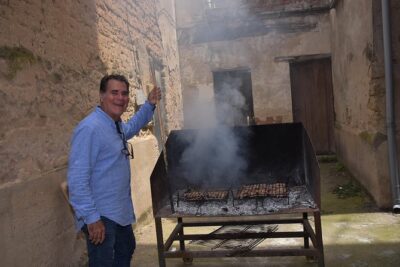
Ribera del Duero Wineries Guided Tour & Wine Tasting from Madrid
Read our review →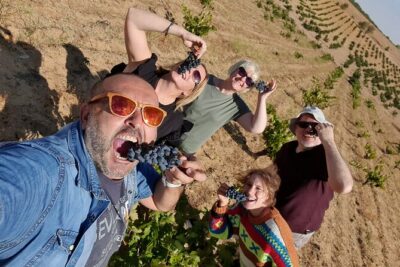
Ribera del Duero:4 Wineries, tasting & Lunch included from Madrid
Read our review →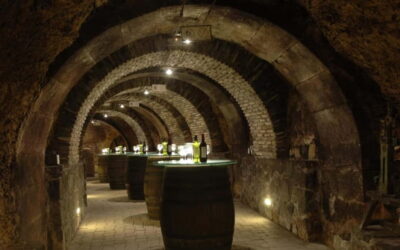
From Bilbao: La Rioja Wineries Day Trip with Wine Tastings
Read our review →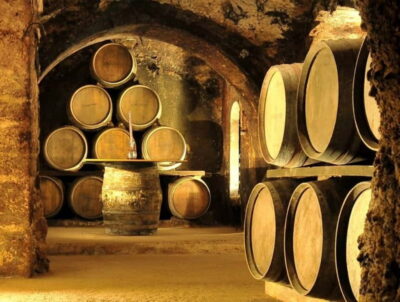
From Bilbao: Rioja Wine Region with Winery & Vitoria-Gasteiz
Read our review →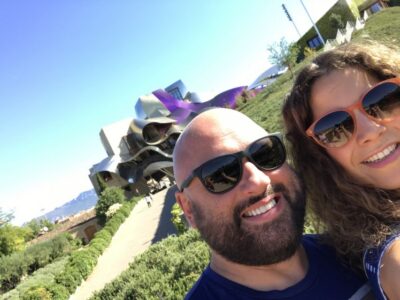
From San Sebastian/Bilbao/Vitoria: La Rioja Wineries Tour
Read our review →Lists this tasting sits in