
Review · MONTEPULCIANO
Montepulciano: Winery Tour and Tasting
The most memorable part of this Montepulciano experience comes before the first sip. You walk down into a 16th-century underground cellar, through vaulted rooms and an old tunnel where the walls, barrels, and cool air do much of the storytelling.
I like the mix of place and wine: you are not simply seated at a tasting counter, and the sommelier puts the four pours into context. I also like the local food served with them, especially when you want something more substantial than a few crackers. The main catch is the steep stairway and low passage, which can be hard for anyone with limited mobility.
Key points to know
- A cellar beneath Montepulciano: Expect old vaults, tunnels, large wooden barrels, and a setting tied to the town’s past.
- Four regional wines: The tasting includes Rosso di Montepulciano DOCG and Vino Nobile di Montepulciano DOCG, along with two other local selections.
- Guides who explain rather than simply pour: Luigi, Flavio, Hector, and other sommelier guides have been praised for clear explanations and patient answers.
- Tuscan food with the wine: Bread, water, and traditional appetizers accompany the tasting, with cheese and charcuterie included in the spread.
- A short but useful stop: The complete visit takes about 90 minutes, making it easy to fit into a day in Montepulciano.
- Not suitable for everyone: The cellar is not wheelchair accessible, and the experience is limited to adults age 18 and over.
Entering Montepulciano’s 16th-century cellar
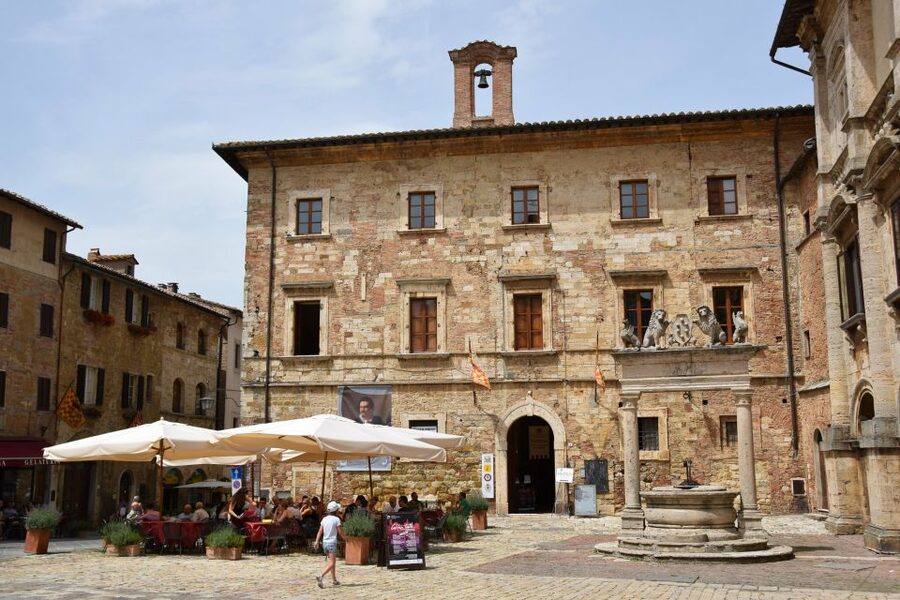
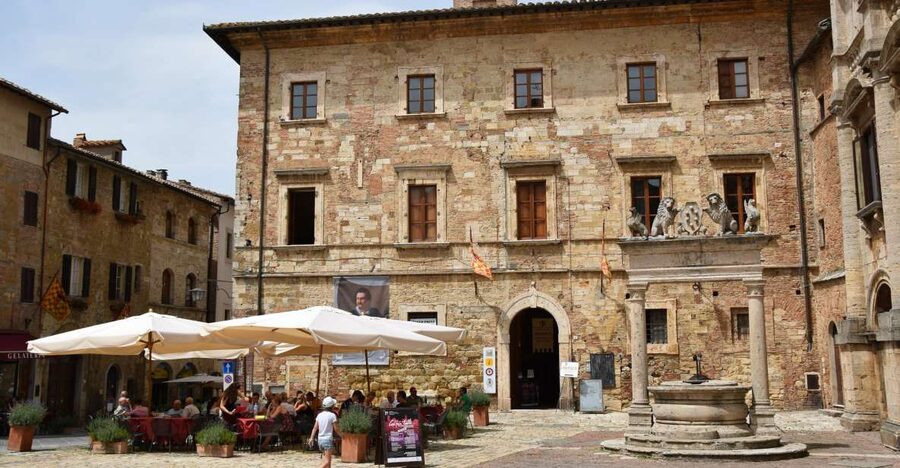
Talosa Cantina Storica sits in the center of Montepulciano, so this is a town experience rather than a vineyard outing in the countryside. You meet at the cellar, enter from street level, and then leave the modern town behind as the route heads underground.
The descent is part of the appeal, but it is also the main physical challenge. A steep brick stairway leads downward, and one passage is low enough that you may need to bend slightly. If stairs are difficult for you, this is a serious point to consider before booking.
Once below, the setting feels far removed from the shops and stone streets above. Vaulted ceilings, tunnels, and large wooden barrels give the cellar a strong sense of place. A guide has also explained how parts of the site served as a prison and as shelter during World War II, with people living there and a church connected to the underground complex.
That history makes the visit more than a standard wine stop. You are seeing a working cellar in a space that has had several lives. The old rooms are not decorated like a museum exhibit, so expect a genuine, slightly rough-edged setting rather than a polished modern tasting room.
More Winery Tours in Italy
- Tuscany Day Trip from Florence: Siena, San Gimignano, Pisa and Lunch at a Winery
★ 5.0 · 21,634 reviews - Florence: Chianti Wineries Tour with Wine Tasting
★ 4.5 · 10,071 reviews - From Florence: Siena, San Gimignano, Pisa & Lunch at Winery
★ 4.8 · 4,538 reviews
What the 90-minute visit actually includes
The experience is compact. You spend roughly an hour and a half moving through the cellar, hearing about its past and wine production, then sitting down for the tasting and food.
The exact order can vary. The usual shape is a cellar visit followed by the wine presentation, but a lighting issue once caused a group to go straight to the underground rooms before the problem was fixed. That is not a concern for planning your day, but it is a reminder that this is a small, working venue rather than a large attraction with a rigid visitor system.
During the cellar portion, your guide explains the rooms, barrels, and local production. You may hear about grape varieties, soil types, aging, and the way wine from the Montepulciano area differs from other Tuscan bottles.
This is where the guide matters most. Luigi is repeatedly praised for explaining the subject clearly and answering questions with patience. Flavio has also been singled out for his warmth and command of the material, while Hector has led an informative English-language tasting.
You do not need to arrive with a working knowledge of Italian wine. The explanations are aimed at ordinary drinkers, not only serious collectors. If you already know your way around Tuscany’s labels, you can use the question time to ask about production methods, aging, or the differences between the wines in your glass.
Four wines, not just a quick sample
The tasting features four of the area’s best-known wines. The named examples are Rosso di Montepulciano DOCG and Vino Nobile di Montepulciano DOCG, with two additional regional wines completing the flight.
The useful part is the comparison. Instead of judging one wine in isolation, you can notice how color, aroma, body, acidity, and finish change from glass to glass. The sommelier explains those differences as you taste, which helps if wine language normally feels vague or overly formal.
The pours are described as generous, closer to a proper glass than a tiny ceremonial sip. That can be good value, but it also means you should pace yourself. You are tasting four wines in a short period, and the experience is designed for adults who are comfortable drinking wine.
This is a red-wine-focused stop. If you mainly drink white or sparkling wine, you may find the selection less suited to your tastes. Still, the format works well for curious drinkers. One couple who did not usually choose red wine found the tasting a useful way to try styles they might not otherwise have ordered.
The sommelier also helps take the pressure out of the tasting. You are not expected to identify every scent or use technical terms. Ask which wine is best with food, which bottle is easiest for a new drinker, or what makes Vino Nobile different from Rosso di Montepulciano.
The food is simple, local, and useful
Wine tastes better when you have something to eat, and this experience includes water, bread, and Tuscan appetizers. The food is there to support the tasting, not replace lunch, but it gives you a chance to compare the wines with salty and savory flavors.
Expect a selection that may include cheese, charcuterie, and other traditional snacks. One account described the cheese and meat plate as fairly plain, so I would not book this as a food tour. Its value is practical: the appetizers steady the tasting and show how these wines work alongside everyday Tuscan ingredients.
The arrangement also creates a more relaxed finish. After the walking portion, you can sit with your glass and pay attention to the guide instead of trying to keep up in a moving group.
If you are planning a full meal afterward, allow for the fact that the appetizers are light. The tasting fills a gap, but it is not a substitute for a restaurant lunch or dinner.
Same vines, another glass to try:
- Florence: Pasta Cooking Class with Unlimited Wine
★ 4.9 · 10,285 reviews - Small-Group Wine Tasting Experience in the Tuscan Countryside
★ 5.0 · 7,392 reviews - Florence: Pasta & Tiramisu Cooking Class with Unlimited Wine
★ 4.9 · 6,708 reviews - Florence: Pasta Cooking Class with Unlimited Wine
★ 5.0 · 6,413 reviews
Why the sommelier makes a difference
A wine cellar can be interesting on its own, but the guide determines how much you take away. Here, the strongest part of the experience is the explanation of what you are seeing and drinking.
Luigi has been especially effective at linking the local wine to Italian wine production as a whole. His approach is described as professional but friendly, with enough detail for questions without turning the session into a lecture.
Another strength is the willingness to answer questions beyond wine. If you want to know about the cellar’s former uses, local traditions, or the differences between bottles, you can ask. That flexibility is valuable in a short tour because it lets you shape the experience around your own interests.
The language options are Italian and English. If a group includes both languages, the guide may need to divide attention between them. An English-speaking couple once found that questions asked in Italian were not always translated, even though the guide answered their own questions well. If you want every explanation, ask directly when the group switches languages.
Group size can vary. At quiet times, you might find yourself in a very small group, even with a private-tour feel. At busier times, you should expect to share the cellar and tasting with other adults.
How the $41 price measures up
At $41 per person, this is a reasonable price for Montepulciano if you value both the setting and the tasting. The fee covers the cellar tour, a professional sommelier, four wines, water, bread, and appetizers.
The value is strongest when you think of it as two experiences joined together. A simple wine tasting might offer the same number of pours but none of the underground architecture or local stories. A cellar visit without the wine would miss the point of the building’s continuing use.
The price does not include transport. You need to make your own way to Talosa Cantina Storica, and there is no hotel pickup or drop-off. Since the meeting point is in central Montepulciano, this works best when you are already spending time in town.
I would compare it with the cost of ordering four glasses of regional wine plus food at a bar. The tour adds guidance and access to the cellar, making the package good value for anyone who wants context rather than just a drink.
It is less compelling if you only want a quick glass or if you are looking for a large vineyard estate with views of the countryside. This is an underground town cellar, not a full-day winery visit.
Timing your visit in a day in Montepulciano
Ninety minutes is long enough to feel worthwhile without taking over your schedule. You can place it between a walk through town and a meal, or use it as a focused break during a day of sightseeing.
The tour starts at set times, so check availability when choosing your date. Arrive with enough time to find the meeting point and settle in, since the experience begins at the cellar itself rather than with hotel collection.
The cellar’s temperature may differ from the streets above. A light extra layer can be useful, though no specific clothing requirement is given. Sensible shoes are also a good idea because of the old stairs and uneven underground route.
Plan your alcohol intake for the rest of the day. Four substantial pours can affect you more than four tiny samples, especially if you have not eaten. The included appetizers help, but pacing yourself is still wise.
Who should book this experience
I would recommend this to adults who want a short, focused introduction to Montepulciano wine and do not mind walking down into an old cellar. It suits first-time tasters because the guides explain the wines in accessible terms, and it also gives experienced drinkers enough material to compare local styles.
It is particularly good for:
- Couples looking for a relaxed activity in the center of town
- Families traveling with adult children
- Wine drinkers who want to understand Vino Nobile and Rosso di Montepulciano
- People who enjoy old buildings and local stories as much as the tasting itself
- Visitors with only 90 minutes to spare
I would think twice if you dislike red wine, cannot manage steep stairs, or want a countryside vineyard visit. The tasting is built around regional wine, and the underground route is not suitable for wheelchair users or people with significant mobility limitations.
Children under 18 are not allowed, so this is strictly an adult activity. That helps keep the tasting focused, but it means families with younger children will need another plan.
Small details that improve the experience
The guide names are useful to know because the quality of the explanation is central to the visit. Luigi has been a frequent host, and Flavio and Hector have also led well-received English-language sessions. The specific guide may depend on the date and language of your booking.
Bring questions. Ask about the difference between the two Montepulciano styles, how long the wines age, or which bottle best matches the appetizers. The guides are prepared to discuss production, grape types, soil, and regional wine traditions.
Do not rush the cellar photographs. The old vaults, tunnels, and barrels are the visual heart of the stop, and you will appreciate the tasting more after seeing where the wine is held.
If stairs are a concern, ask staff about the street-level door before the descent. One visitor noted that an alternate door at the end would have been helpful at the beginning. That does not remove the accessibility issue, but it may provide a more manageable route for some people.
The cellar is also a good place to buy a bottle if one of the four wines suits you. Several tasters have left wishing they had purchased more, especially after finding a favorite such as a Vino Nobile reserve. Buying is optional, of course, but tasting first gives you a sounder basis for choosing.
Should you book the Montepulciano cellar tour?
Book it if you want local wine with a strong sense of place. The underground rooms, old tunnel, historic uses, generous pours, and patient sommelier make this more useful than a basic bar tasting.
At $41, the package offers good value for a 90-minute stop, particularly because food and a guided cellar visit are included. Just remember that this is a compact urban cellar experience, not a full vineyard excursion.
Skip it if you need step-free access, are under 18, or want a meal-sized food program. For everyone else, it is a smart way to connect Montepulciano’s old stone setting with the wines produced around it.
FAQ
Where does the Montepulciano wine tour meet?
The meeting point is Talosa Cantina Storica in Montepulciano, Italy.
How long does the experience last?
The tour and tasting last about 1.5 hours.
How much does the experience cost?
The listed price is $41 per person.
Which wines are included?
The tasting includes four well-known regional wines, including Rosso di Montepulciano DOCG and Vino Nobile di Montepulciano DOCG.
Is food included?
Yes. Water, bread, and Tuscan appetizers are included with the wine tasting.
What languages are available?
The live guide is available in Italian and English.
Is the cellar wheelchair accessible?
No. The experience is not suitable for wheelchair users or people with mobility impairments because of the steep stairs and underground route.
Can children join the tasting?
No. The experience is not suitable for children under 18.
Is transportation included?
No. Hotel pickup and drop-off are not included. You must meet at Talosa Cantina Storica.
Can I cancel my booking?
Yes. You can cancel up to 24 hours in advance for a full refund. You can also reserve now and pay later to keep your plans flexible.
Freshly poured around Italy
- Private Flavors of Florence Walking Tour(Food&Wine Included)★ 4.8 · 46 reviews
- Pizza-Making Workshop by night with glass of wine★ 4.9 · 45 reviews
- Pramaggiore: Ornella Bellia Winery Guided Tour & Tasting★ 5.0 · 90 reviews
- Rome: Pompeii Tour with Wine and Lunch by High Speed Train★ 4.8 · 485 reviews
- Polignano a Mare: Street Food Tour with Tastings and Wine★ 4.7 · 154 reviews
- Polignano a Mare: Private Cruise with Champagne★ 4.8 · 66 reviews
- Pizza and Tiramisu Cooking Class with Wine in Milan★ 4.9 · 80 reviews
- Pisa: Cathedral Guided Tour and Tower tickets & wine tasting★ 4.8 · 78 reviews
Montepulciano Wine Tours, side by side.
Montepulciano: Wine Tasting & Lunch in a Typical Winery
Read our review →
Montepulciano: Artisan Heroic Wine Tasting at the Terrace
Read our review →
Montepulciano: Tuscan Winery Tour with Wine Tasting & Meal
Read our review →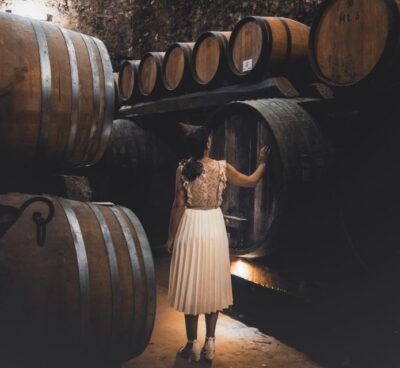
Montepulciano: Historical Cellars Guided Tour & Wine Tasting
Read our review →
Montepulciano: Winery Tour, Tasting, and Vineyard Picnic
Read our review →
Montepulciano: Pasta-Making Class with Tasting and Wine
Read our review →Lists this tasting sits in