
Review · MONTEPULCIANO
Montepulciano: Pasta-Making Class with Tasting and Wine
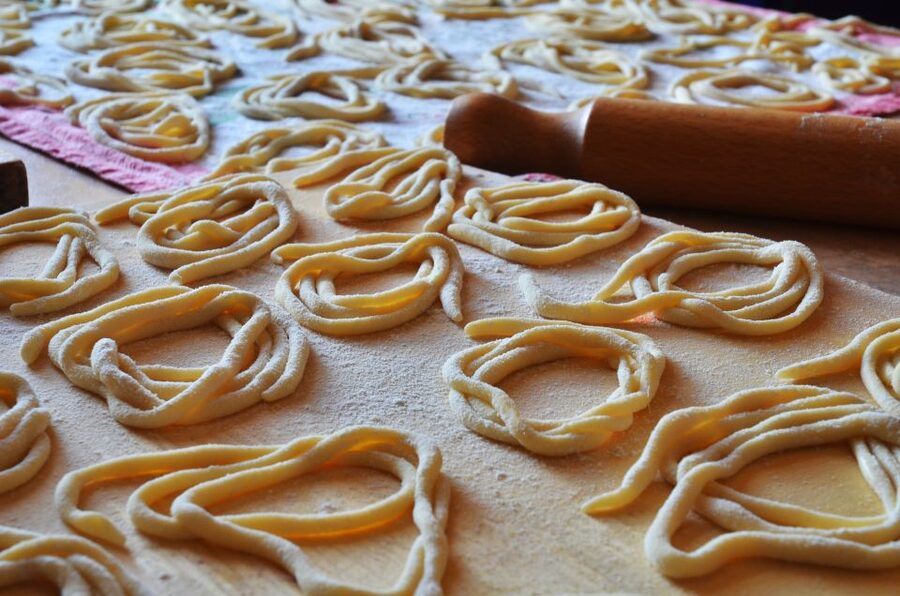
Pici is the star here: thick, hand-rolled pasta made by rubbing dough between your palms. That simple motion, called appiciare in local dialect, connects you with a real Sienese farmhouse tradition rather than a restaurant demonstration. I like the small groups, limited to 10, and the chance to eat the pasta you make with a glass of wine.
I also like the personal setting. Past classes have taken place in beautiful farmhouses, sometimes with hosts such as Maria, Alister, Irene, Daniela, or cook-teachers including Simonetta and Susanna. The main thing to consider is transport: you arrange your own way to the farmhouse, whose address is sent only after booking.
Key points at a glance
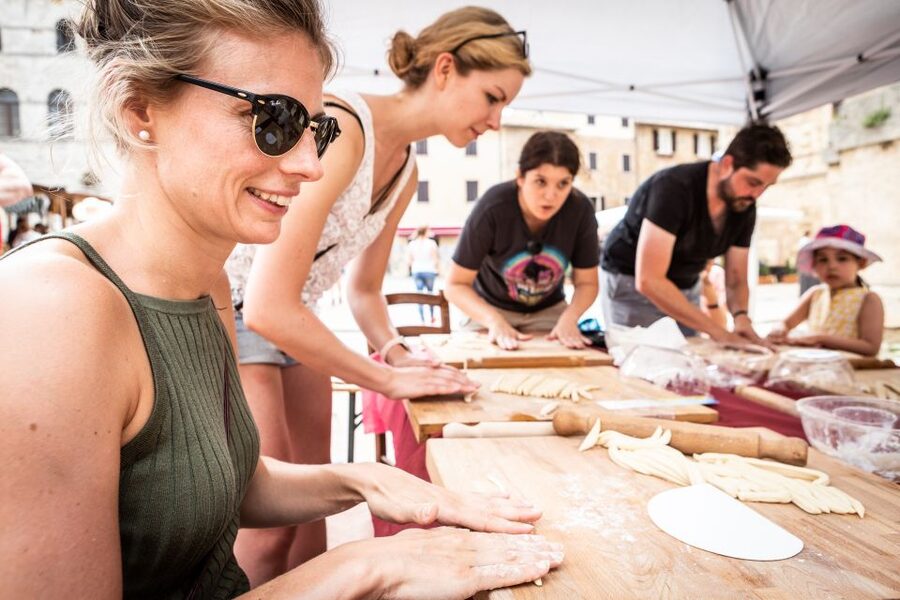
- Hand-roll pici from scratch: Learn the local technique for making Montepulciano and Siena’s signature pasta.
- More than one pasta: Depending on the class, you may also prepare tagliatelle and ravioli.
- Sauces with Tuscan character: Make aglione, meat ragù, or cacio e pepe, using simple ingredients and clear methods.
- A farmhouse meal follows: Sit down to eat the fresh pasta you prepared, paired with wine.
- Small groups keep it personal: The class accepts no more than 10 people, and some sessions are much smaller.
- You receive a useful keepsake: The included apron lets you repeat the experience at home without needing a Tuscan kitchen.
Making pici the Tuscan way
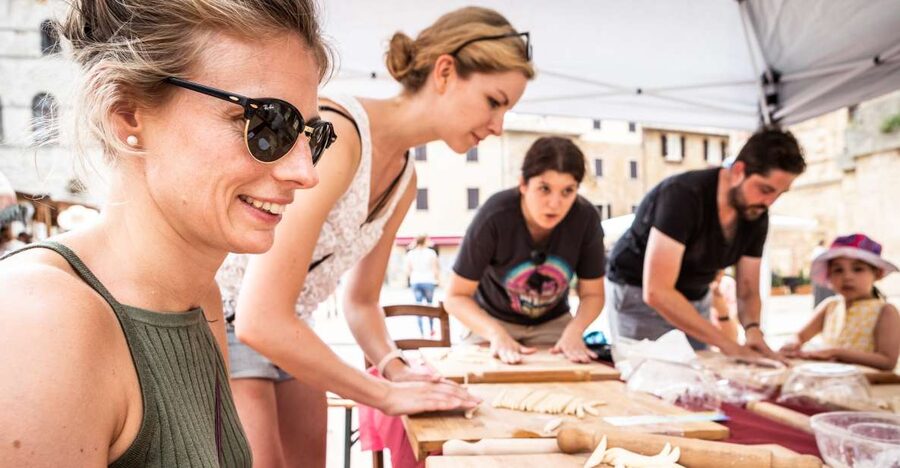
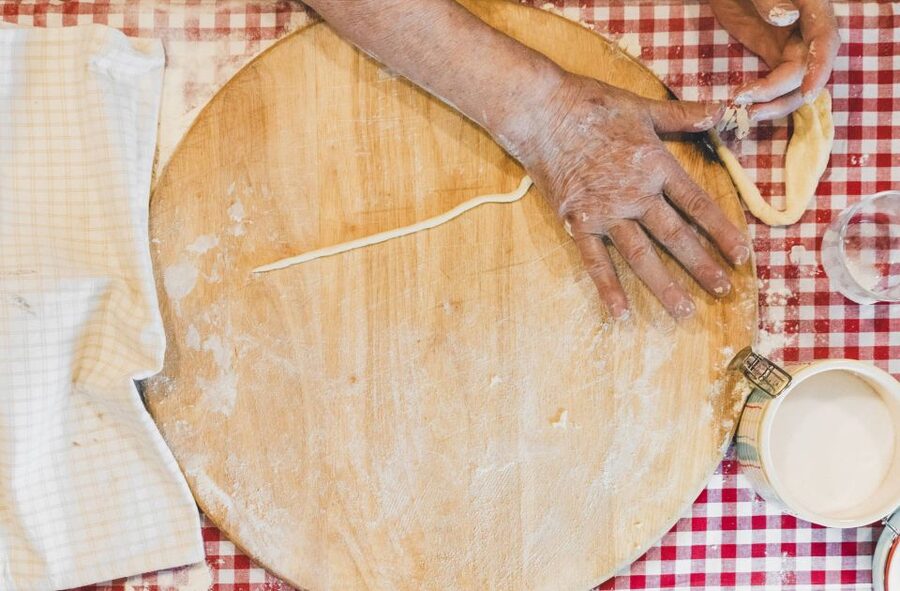
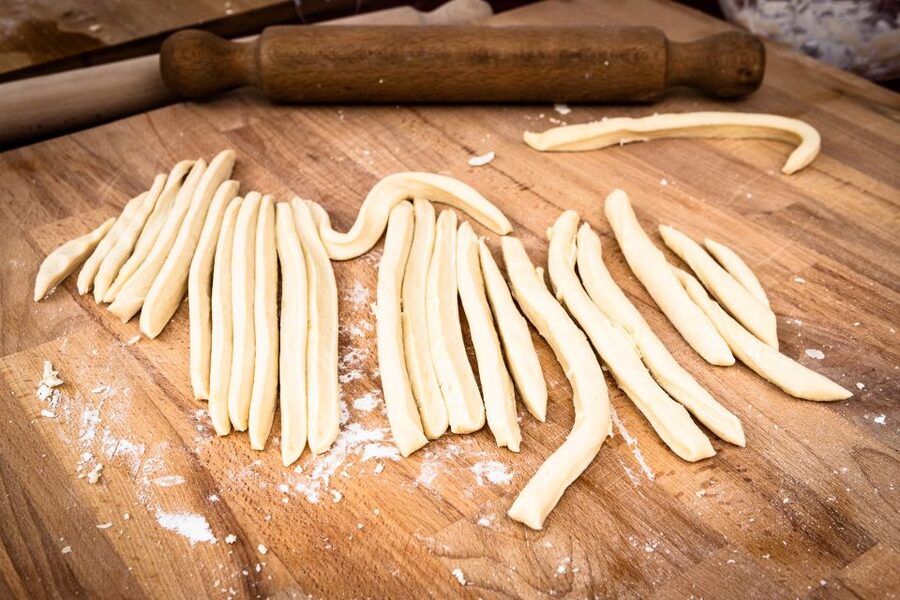
The heart of the class is pici, a thick pasta from the Province of Siena. It looks a little like oversized spaghetti, but its texture and shape come from handwork rather than a machine. You roll out dough, take a piece, and rub it between both hands until it forms a long, uneven strand.
That motion is appiciare. It is easy to understand and forgiving for beginners. Your pici will not need to be perfectly uniform, and that is part of the charm. The finished pasta has more bite than standard dried spaghetti and carries a hearty sauce well.
I like this part because it gives you something you can actually repeat at home. You do not need specialized equipment, unusual ingredients, or years of kitchen practice. The class is built around a peasant recipe that was meant to be practical, filling, and simple.
The instructor also explains the small choices that matter: how to handle the dough, how thick to make the strands, and how to match the pasta with the sauce. Since the host or greeter speaks Italian and English, you can ask questions as you work.
More wine tours around Italy:
- Tuscany Day Trip from Florence: Siena, San Gimignano, Pisa and Lunch at a Winery
★ 5.0 · 21,634 reviews - Florence: Pasta Cooking Class with Unlimited Wine
★ 4.9 · 10,285 reviews - Florence: Chianti Wineries Tour with Wine Tasting
★ 4.5 · 10,071 reviews
From pici to tagliatelle and ravioli
The advertised focus is pici and typical Tuscan fresh pasta, but the exact menu can vary. Several sessions have included tagliatelle, and some have also made ravioli. That gives you a useful comparison between hand-rolled strands, cut pasta, and filled pasta.
Tagliatelle offers a different lesson. The dough must be rolled and cut into broad ribbons, so you get a feel for how shape changes cooking time and sauce pairing. Ravioli, when included, adds another step because you must fill and seal the pasta carefully.
You may also prepare bruschetta before the pasta. One class included three kinds, with strawberries picked from the farm for one of them. Another featured fresh ingredients grown on the family property. These additions make the session feel like a meal built around local produce rather than a narrow pasta lesson.
You should not book this expecting a fixed, restaurant-style menu with every dish guaranteed. The supplied details promise fresh pasta and a meal, while the individual recipes can change. That flexibility is normal for a home-style class and means your experience may depend on the host, the season, and the day’s cooking plan.
Sauces that make the lesson useful
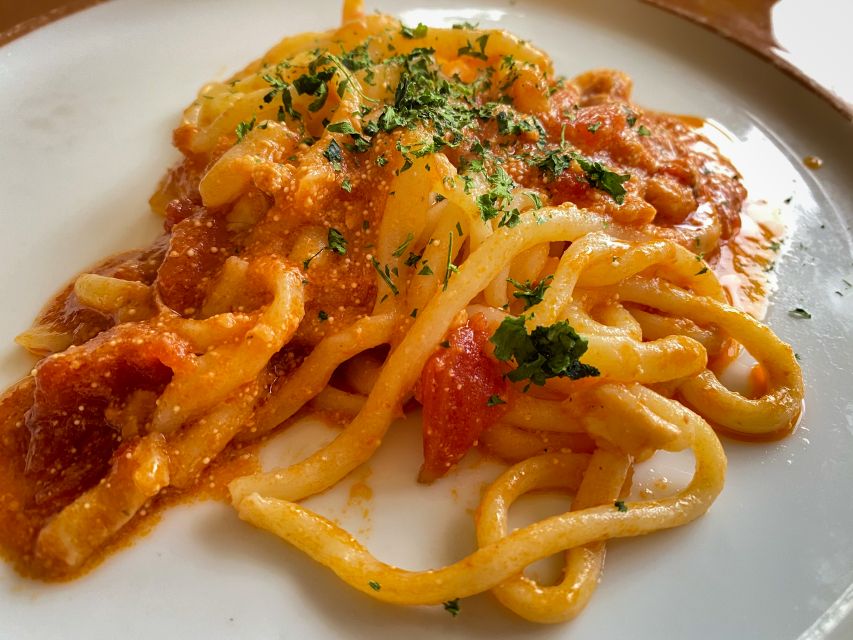
Pasta is only half the lesson. You can learn to prepare sauces such as meat ragù, aglione, and cacio e pepe.
Aglione is especially tied to the area. It is a garlic-based sauce, and its strength comes from careful cooking rather than a long list of ingredients. Cacio e pepe is even simpler: cheese and pepper, combined into a creamy coating for the pasta. Ragù gives you a more substantial option and shows how fresh pasta works with a slow, savory sauce.
This is where the class earns its place in a Tuscany itinerary. You are not just shaping dough for a photograph. You are learning a few reliable combinations that you can make again after returning home. The recipes are described as easy to reproduce, and that matters if you want a lasting souvenir rather than a one-time meal.
The instructors also appear to focus on teaching rather than rushing you through the kitchen. Simonetta and Susanna have led sessions together, while cooks and hosts such as Daniela and Daniel have been praised for explaining ingredients and methods clearly. The exact team is not guaranteed, so treat those names as examples of the people who may host the class rather than a fixed cast.
A farmhouse setting near Montepulciano
The class takes place at a farmhouse, but the exact property is communicated after your booking. That arrangement helps explain why the experience can feel personal and off the main tourist route, but it also means you need to plan carefully.
Past sessions have used private farmhouses with views across the rolling Tuscan hills, patios for dining, and generous preparation space. One setting was described as a beautiful resort property where you could even stay overnight, though lodging is not part of the activity details and should not be assumed.
Another class took place at a family farmhouse with home-grown ingredients and friendly dogs on the grounds. These details show the range of settings you might find, but they are not guaranteed features of every booking. Your confirmed meeting information is the reliable source for the address and host.
The farmhouse setting is a major part of the appeal. You are not sitting in a formal cooking school with a line of identical workstations. You may instead find yourself around a shared table, working with a host who treats the kitchen as part of the family home. That can make the experience warmer and more memorable, though it may also feel less polished than a professional culinary studio.
Same vines, another glass to try:
- Small-Group Wine Tasting Experience in the Tuscan Countryside
★ 5.0 · 7,392 reviews - Florence: Pasta & Tiramisu Cooking Class with Unlimited Wine
★ 4.9 · 6,708 reviews - Florence: Pasta Cooking Class with Unlimited Wine
★ 5.0 · 6,413 reviews - Pisa, Siena and San Gimignano Day Trip with Lunch & Wine Pairing
★ 4.5 · 6,006 reviews
Sitting down to eat what you made
After the cooking, you sit down for lunch or dinner with the fresh pasta. This is not a tasting of a few bites. The included meal is the main reward for the work, and it gives you a chance to see how the pasta behaves once cooked.
You can expect the food to be paired with a glass of wine. The wine turns the class into a relaxed Tuscan meal rather than a lesson that ends as soon as the stove is switched off. In some sessions, the group has eaten on a patio, which can make the final part feel especially generous if the setting is open and scenic.
The meal also gives you a practical check on your cooking. You see whether the pici is thick enough, whether the tagliatelle has the right bite, and how much sauce clings to each shape. That final tasting helps connect the handwork to the finished dish.
The wine included is a pleasant touch, but it should not be the main reason you book. The value is in the instruction, the food, and the setting. If you are looking for a formal wine tasting with several pours and detailed vineyard commentary, this is not described as that kind of experience.
Why the small group matters
The maximum group size is 10, but some classes have been much smaller. One group had four people, while another included two families of four. A smaller class gives you more room to work and makes it easier to ask for help when the dough is sticky, dry, or uneven.
The setup can also change from one farmhouse to another. Some sessions have had a private cooking space just for four people, with plenty of preparation room. Others have joined two small parties together. If personal attention is important to you, check the available date and group details before booking.
The language support is Italian and English. That is useful for hands-on instruction, where a quick explanation about dough texture or sauce timing can make a real difference. You do not need to be an experienced cook. The pici technique is presented as approachable even if you rarely make pasta.
Families, couples, and small groups of friends should all find the format workable. Children may enjoy the tactile part of rolling dough, but the supplied details do not set a child age range, so confirm that point directly if it matters to your party.
Price, timing, and what you receive
The price is $141.61 per person for three hours. That is not cheap for a meal, but it is fairer when you count the instruction, the farmhouse setting, the fresh pasta, the wine, and the included apron.
A restaurant meal in Montepulciano may cost less, especially if you order a single pasta course. It will not give you the same hands-on lesson or the chance to make the dish yourself. On the other hand, a dedicated professional cooking school could offer a more structured kitchen and a fixed menu, often at a similar or higher price.
I see this experience as good value for people who want a cultural activity with lunch or dinner built in. It is less useful for someone who only wants to eat and has no interest in cooking. Three hours is long enough to learn, cook, and sit down without taking up an entire day.
Starting times vary, so check availability before planning other activities around it. The class may be scheduled as lunch or dinner, depending on the selected time. Because the farmhouse address arrives after confirmation, leave room in your plans for the drive and do not assume the meeting point is in central Montepulciano.
Transportation is not included. You need to reach the farmhouse yourself, and the precise location is one of the most important details to confirm before the day of the class. If you are driving, allow extra time to find a rural property. If you are relying on public transportation or taxis, sort that out before committing.
You can cancel up to 24 hours in advance for a full refund, and the reserve-now, pay-later option lets you hold a place without paying immediately. Those policies are useful when your Tuscany route is still taking shape.
The hosts make the difference
The strongest part of this experience is likely to be the host. The names and settings can change, but the class works best when the cook treats you like a friend at the family table.
Maria and Alister have hosted in a welcoming home setting, with Maria explaining the food and Carmela helping with the cooking. Simonetta and Susanna have taught pici aglione, while Irene has hosted classes in a farmhouse with outdoor space. Daniela and Daniel have also led sessions centered on bruschetta, fresh pasta, and ingredients from the farm.
Do not read that as a promise that you will meet every person listed. The provider assigns the farmhouse and host after booking. Instead, use these details to understand the character of the activity: it is built around local people, personal instruction, and recipes that are part of everyday Tuscan cooking.
The highest praise has focused on hospitality, the quality of the meal, the beauty of the property, and the instructors’ ability to explain each step. Those are exactly the qualities I would value here. The setting may vary, but the format gives the host room to make the experience feel personal.
Who should book this class
I would choose this for you if you want to:
- Learn a pasta shape strongly linked to the Siena area
- Eat a home-cooked meal in a farmhouse setting
- Meet local hosts in a small group
- Pick up recipes you can repeat at home
- Add a relaxed food activity to a Montepulciano visit
- Share a hands-on experience with family or friends
I would think twice if you need a confirmed central meeting point, included transport, a strict published menu, or a formal wine-focused program. The farmhouse location is supplied only after booking, and the dishes beyond fresh pasta may vary.
You should also keep the three-hour length in mind. This is not a quick demonstration between sightseeing stops. You will spend time preparing food, listening to the instructor, cooking, and eating. That slower pace is the point, but it requires a little room in your schedule.
Should you book it?
Yes, if you want a personal Tuscan food experience rather than another restaurant meal. The pici lesson is simple enough for beginners, the sauces are practical, and the final meal gives the class a satisfying purpose. The small group size and farmhouse setting add warmth that a standard cooking demonstration may lack.
Book with two conditions in mind: confirm how you will reach the farmhouse, and accept that the host, setting, and extra recipes can vary. If those details work for you, the $141.61 price buys much more than pasta. You get a local technique, a shared meal, a glass of wine, and an apron to carry the lesson home.
FAQ
How long does the Montepulciano pasta-making class last?
The activity lasts three hours. Check availability for the starting times.
What pasta will I learn to make?
The main lesson focuses on pici, a thick, hand-rolled pasta from the Province of Siena. You may also learn to make tagliatelle and, depending on the class, ravioli.
Which sauces might I prepare?
Possible sauces include meat ragù, aglione sauce, and cacio e pepe. The exact recipes can vary by class.
Is a meal included?
Yes. The activity includes lunch or dinner with the fresh pasta you prepare.
Is wine included?
A glass of wine is served with the meal.
Where does the class meet?
The class takes place at a farmhouse. The exact farmhouse and meeting details are communicated after booking confirmation.
Is transportation included?
No. Transportation to and from the farmhouse is not included, so you must arrange your own way to the meeting point.
Can I cancel the booking?
Yes. You can cancel up to 24 hours in advance for a full refund. You can also reserve now and pay later.
Freshly poured around Italy
- Private Flavors of Florence Walking Tour(Food&Wine Included)★ 4.8 · 46 reviews
- Pizza-Making Workshop by night with glass of wine★ 4.9 · 45 reviews
- Pramaggiore: Ornella Bellia Winery Guided Tour & Tasting★ 5.0 · 90 reviews
- Rome: Pompeii Tour with Wine and Lunch by High Speed Train★ 4.8 · 485 reviews
- Polignano a Mare: Street Food Tour with Tastings and Wine★ 4.7 · 154 reviews
- Polignano a Mare: Private Cruise with Champagne★ 4.8 · 66 reviews
- Pizza and Tiramisu Cooking Class with Wine in Milan★ 4.9 · 80 reviews
- Pisa: Cathedral Guided Tour and Tower tickets & wine tasting★ 4.8 · 78 reviews
Montepulciano Wine Tours, side by side.
Montepulciano: Wine Tasting & Lunch in a Typical Winery
Read our review →
Montepulciano: Artisan Heroic Wine Tasting at the Terrace
Read our review →
Montepulciano: Tuscan Winery Tour with Wine Tasting & Meal
Read our review →
Montepulciano: Historical Cellars Guided Tour & Wine Tasting
Read our review →
Montepulciano: Winery Tour, Tasting, and Vineyard Picnic
Read our review →Lists this tasting sits in