
Review · BORDEAUX
Bordeaux: Introduction to Bordeaux Wines Tasting Workshop
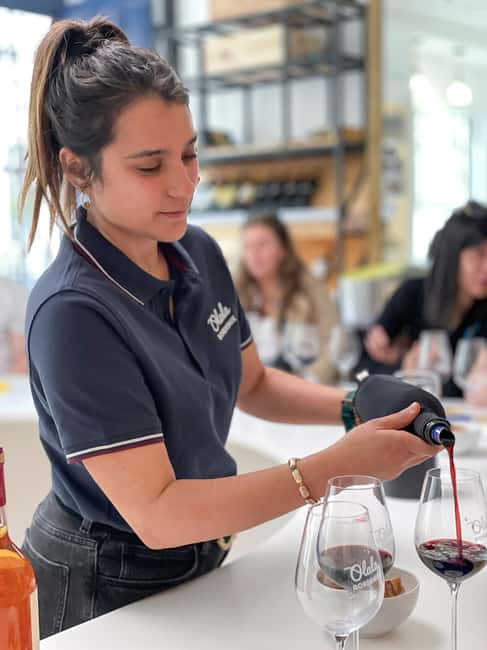
Bordeaux wine can feel like a code at first: unfamiliar appellations, blends instead of single grapes, and bottles whose labels seem to assume you already know the rules. This one-hour workshop near the Grand Théâtre gives you a useful key, with one white and two red wines, including a Grand Cru, plus local cheese and charcuterie.
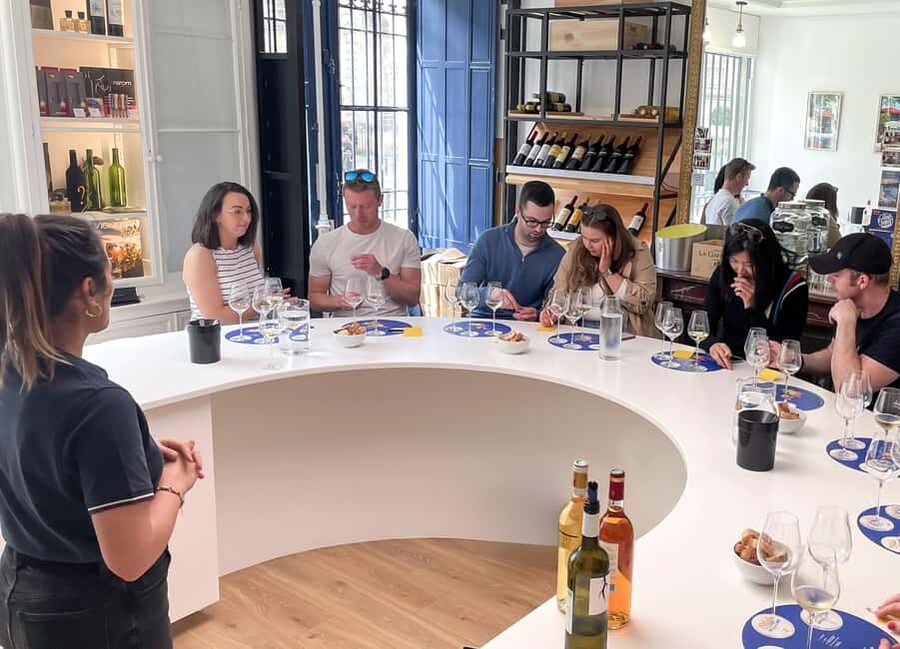
I like the way the class links wine to soil and climate, rather than treating tasting as a hunt for fancy adjectives. I also like the dedicated tasting room, white tables, aroma exercises, and friendly guides such as Antoine, Anna, Noé, Eva, and Enzo, who have led sessions in an easy, conversational style.
The main limitation is time. One hour is enough for a clear introduction, but not enough to apply every tasting skill with great confidence. Some of the explanation comes before the first pour, so anyone hoping for a quick succession of glasses may find the pace a little slow at the start.
At a glance
- Three Bordeaux wines: Taste one white and two reds, including a Grand Cru.
- Aroma practice: Use scent exercises to train your nose before judging the wine.
- Local pairings: Share cheese, charcuterie and baguette from local producers.
- Bordeaux made clearer: Learn how terroir, grape varieties, appellations and blending shape the bottle.
- Central setting: Meet just a few steps from the Grand Théâtre, with a dedicated space rather than a table tucked behind a restaurant.
- Good prelude to a vineyard day: The basic vocabulary helps you get more from a later visit to Saint-Émilion or another wine area.
Why this short Bordeaux class is worth your time
I see this as a practical orientation, not a full wine course. Bordeaux has dozens of appellations and a long tradition of blending grapes, so a little structure helps. The guide explains how soil, weather, grape choice and winemaking decisions affect what you smell and taste.
That matters because Bordeaux wine is not usually presented as a simple grape showcase. A bottle may be a blend, and its character can change with where the grapes grow and how they are combined. Once you understand that, a label such as Saint-Émilion, Médoc or another Bordeaux appellation begins to tell you something useful.
The session is held in central Bordeaux, close to the Grand Théâtre. That location is handy if you are sightseeing in the historic center and want to fit in a lesson before dinner, after a museum, or between walks along the river and shopping streets.
The price is $34 per person. For that, you receive three wines, a local food board, an instructor, water and printed information. I consider that good value, especially because the food is not just a token snack. Cheese, cured meats and baguette give you a chance to see how food changes the wine in your glass.
More wine tours around Bordeaux:
- Bordeaux: Cité du Vin Entry Ticket and Wine Tasting
★ 4.6 · 3,885 reviews - Bordeaux: River Garonne Cruise with Glass of Wine and Canelé
★ 4.5 · 3,630 reviews - From Bordeaux: Afternoon Saint-Emilion Wine Tasting & snack
★ 4.8 · 1,581 reviews
The first pour: learning to taste instead of simply drink
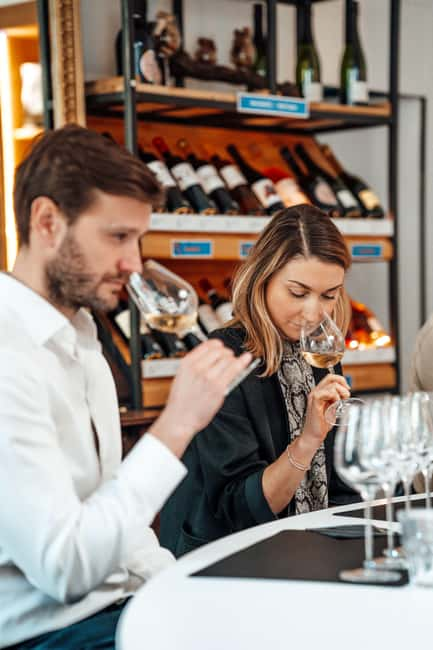
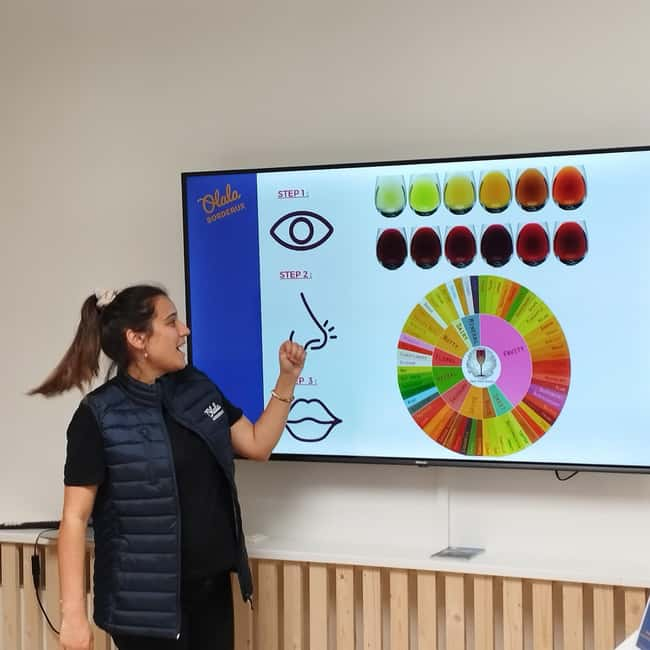
The class begins with the basic steps of tasting. You look at the wine, smell it, take a sip, and think about what changes as it moves across your palate. This may sound simple, but many people have never been shown how to slow down and separate appearance, aroma, texture and finish.
The aroma work is one of the more useful parts. A scent kit or smell test may be used to help you identify familiar notes. You do not need a trained nose. The point is to build a set of comparisons, so you can say what you notice without feeling that there is a secret answer you are expected to guess.
Some sessions also use a blind tasting. That can be fun because it removes the label and price from the decision. You judge the wine in the glass first, then connect it to the explanation afterward. I like this approach for beginners because it keeps the exercise curious rather than intimidating.
The guide encourages questions about personal taste. If you prefer crisp whites, softer reds or fuller wines, say so. The discussion is not only about finding the correct description. It is also about learning what you enjoy and how to choose a bottle later.
Three wines, three useful comparisons
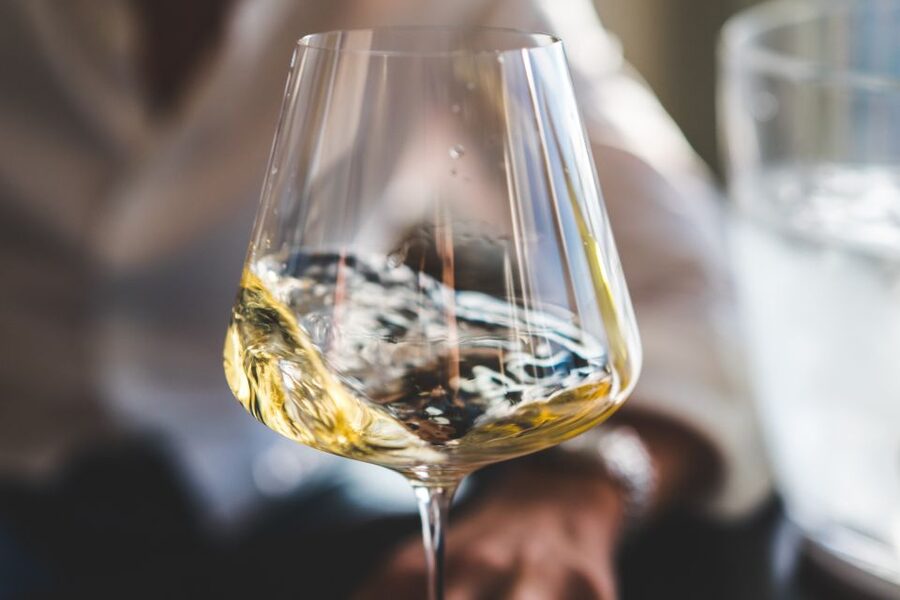
The tasting includes a glass of white Bordeaux and two red Bordeaux wines. The exact bottles can vary, so you should think of the selection as a lesson in contrast rather than a fixed flight to memorize.
The white gives you a break from the heavier red styles and helps show how grape variety, freshness and food pairing affect the experience. The two reds let you compare regional character and blending, with one of them being a Grand Cru.
That Grand Cru label is a useful teaching point, but do not assume it will automatically be your favorite wine. Classification and reputation can tell you about status and production standards, yet taste is personal. The best part of the class is learning how to judge the glass in front of you.
The guide explains the winemaking process as you go. You learn why producers blend grapes, how the place where vines grow affects flavor, and how Bordeaux’s appellations organize the region. The talk gives you enough background to make sense of the wines without turning the hour into a technical lecture.
A small caution: one hour moves quickly once the discussion, tasting, aroma work and food pairing begin. You may understand the method but still need more practice before you can confidently identify every aroma. That is normal. The value here is a set of tools you can keep using.
Cheese, charcuterie and the practical side of pairing
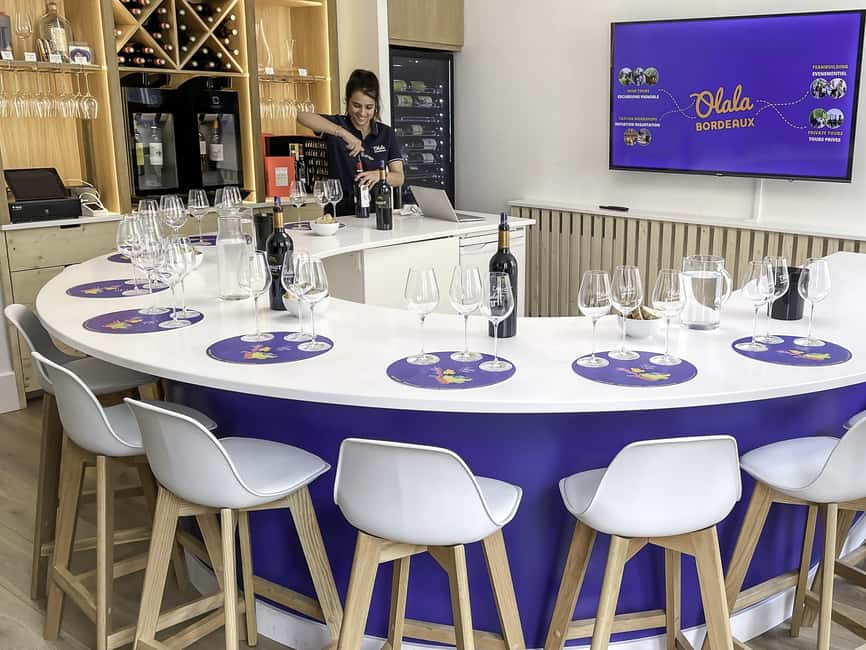
The board includes local cheeses, charcuterie and baguette, with water available throughout. This makes the class feel closer to a relaxed wine bar than a formal lecture.
I find the pairing especially helpful for beginners. A wine can taste sharper, softer, fruitier or more structured depending on what you eat with it. Trying the same wine with cheese or cured meat gives you a direct lesson that is easier to remember than a list of rules.
The food also makes the experience more social. You can discuss what you taste without the pressure of treating the class like an exam. Solo visitors have found the setting comfortable, and the format works for couples, friends and small groups.
Do not book this expecting a full meal. The board is generous enough to support the tasting, but the activity is still a workshop with snacks. Plan another meal if you need lunch or dinner.
Same vines, another glass to try:
- Medoc or Saint Emilion Wine Tasting and Chateau from Bordeaux
★ 5.0 · 1,415 reviews - Saint Emilion Day Trip with Sightseeing Tour & Wine Tastings from Bordeaux
★ 5.0 · 1,120 reviews - Saint Emilion Half-Day Trip with Wine Tasting & Winery Visit from Bordeaux
★ 4.5 · 1,034 reviews - From Bordeaux: Half-Day Saint-Émilion Tour and Wine Tasting
★ 4.7 · 699 reviews
A dedicated room near the Grand Théâtre
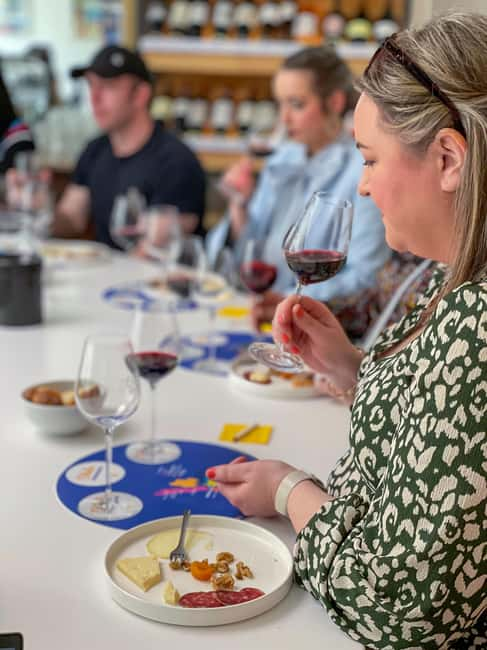
The central location is one of the strongest practical features. You do not need to arrange transport to a vineyard outside Bordeaux, and you can pair the class with a day spent exploring the city.
The dedicated space also matters. A proper tasting room gives you a better setting for looking at the wine, taking notes and listening to the guide than a noisy corner of a bar might provide. One useful detail is the use of white tables, which make it easier to observe the color of the wine.
The atmosphere is described as warm and informal. Guides such as Antoine and Anna have been praised for making the session interactive, while Noé has led a detailed explanation of Bordeaux’s wine background. Eva has been appreciated for keeping the amount of information manageable, and Enzo has used a lively approach to involve the group.
Those names do not guarantee who will teach your session. The instructor may speak English or French, and the style can vary from one guide to another. Still, the format is built around conversation, questions and participation rather than a one-way speech.
How this prepares you for Saint-Émilion or a vineyard visit
I would strongly consider booking this workshop before a full-day wine outing. Bordeaux’s wine region can be confusing when you first arrive, especially if your next stop includes a château, cellar or tasting with several unfamiliar labels.
After this class, you should have a better grasp of the words used to describe wine and the reasons behind regional differences. You can pay attention to the guide at a vineyard instead of spending the first half of the day trying to understand the basics.
One past participant used the class as preparation for a wine tour the following day and found that it made the later experience more rewarding. That is exactly how I would use it: as a city-based introduction before visiting the countryside.
It also works in the other order. If you have already visited La Cité du Vin, this workshop can still add something different. The guide can focus on tasting technique, aroma recognition and the particular structure of Bordeaux rather than repeating a broad museum-style presentation.
Who should book this workshop?
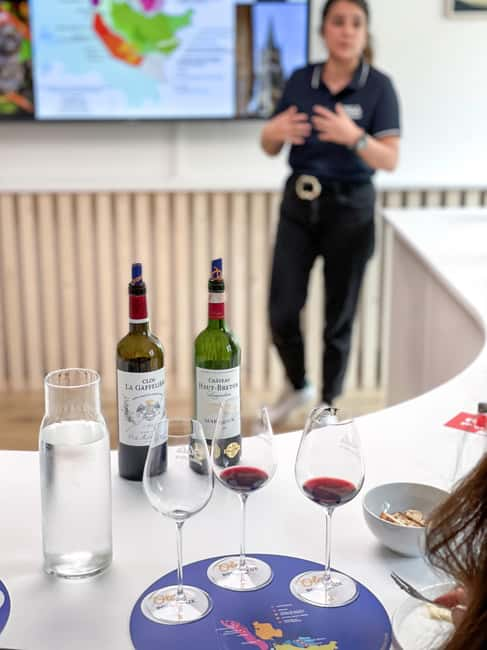
I recommend it most for first-time Bordeaux visitors, casual wine drinkers, and anyone who wants to buy wine with a little more confidence. You do not need prior knowledge, and you do not need to be able to name every scent in the glass.
It is also useful for people who already enjoy wine but want a better understanding of Bordeaux blends and appellations. The session gives you enough context to ask sharper questions at a wine shop or vineyard.
Solo visitors should feel comfortable booking. The format includes a mix of pairs and individuals, and the conversation gives you an easy way to join in. Small groups are available, which can make the class more personal, though the exact group size depends on the option you choose.
This is not suitable for children under 16, and unaccompanied minors are not allowed. Pets are also not permitted. The instructor speaks English or French, so check the language available for your chosen time.
Timing, flexibility and small practical points
The activity lasts one hour. Starting times depend on availability, so I would check the schedule before planning a tight connection with another activity.
You can cancel up to 24 hours in advance for a full refund. The reserve-now-and-pay-later option also helps if your Bordeaux plans are still shifting.
The meeting point may vary by the option booked. Read the confirmation carefully rather than assuming every session begins at exactly the same door.
Because the workshop includes alcohol, food and instruction, I would avoid arriving with a packed sightseeing schedule immediately afterward. You will not be rushed during the tasting, but the hour is active, and you will get more from it if you allow yourself time to listen and ask questions.
The value of the $34 price
At $34, this is a fairly easy experience to fit into a Bordeaux budget. Three wines alone can cost a respectable amount in a city known for wine, and here they come with an instructor, a Grand Cru sample, local food and printed material.
The real value is the skill you take away. If the workshop helps you avoid buying a bottle based only on a famous name or attractive label, it may save money later. More important, it gives you a way to take part in wine conversations without pretending to know more than you do.
The price is less appealing if you only want to drink three glasses quickly. A bar may offer that with less teaching. You are paying for the explanation, aroma exercises, questions, pairing practice and central setting.
Should you book the Bordeaux wine workshop?
I would book it if you want a friendly introduction to Bordeaux wine and have one spare hour in the city. The combination of three wines, local food and hands-on tasting practice is well judged for beginners, and the central location makes it easy to fit into a sightseeing day.
You may want a longer class if you already have strong wine knowledge or hope to study a particular appellation in detail. You should also expect some talking before the tasting gets fully underway.
For most visitors, though, this is a useful first step. Book it before a vineyard excursion if you want the countryside experience to make more sense, or choose it on its own if your schedule does not allow a full day outside Bordeaux.
FAQ
How long does the Bordeaux wine workshop last?
The workshop lasts one hour. Starting times vary, so check availability when choosing your booking.
How many wines are included?
You receive one white Bordeaux wine and two red Bordeaux wines. One of the red wines is a Grand Cru.
Is food included?
Yes. The tasting includes local cheese, charcuterie and baguette, along with water.
What will I learn during the class?
You will learn basic tasting steps, wine production, aroma identification, food pairing, terroir, grape varieties, appellations and blending. The guide also explains Bordeaux wine styles and history.
Is the workshop available in English?
Yes. The instructors speak English or French. The available language may depend on the session you select.
Can children attend?
The activity is not suitable for children under 16. Unaccompanied minors and pets are not allowed.
Freshly poured around Bordeaux
- From Bordeaux: Essential Morning Tour with Wine Tasting★ 4.8 · 55 reviews
- From Bordeaux: Half-Day Saint-Émilion Tour and Wine Tasting★ 4.7 · 699 reviews
- Guided Bordeaux Wine Tasting Class with 6 Wines and pairings★ 4.9 · 181 reviews
- From Bordeaux: Half-Day Saint-Emilion Wine Tour★ 4.8 · 257 reviews
- From Bordeaux: Saint-Émilion Half-Day Tour with Wine Tasting★ 4.9 · 389 reviews
- Bordeaux: Saint-Emilion Village Day Trip, 2 Chateaux & Lunch★ 4.8 · 57 reviews
- From Bordeaux: Full-Day Medoc Wine Tour★ 4.8 · 119 reviews
- From Bordeaux: Medoc Wineries Tour with Tastings★ 4.6 · 182 reviews
Bordeaux Wine Tours, side by side.
Bordeaux: Cité du Vin Entry Ticket and Wine Tasting
Read our review →
Bordeaux: River Garonne Cruise with Glass of Wine and Canelé
Read our review →
From Bordeaux: Afternoon Saint-Emilion Wine Tasting & snack
Read our review →
Medoc or Saint Emilion Wine Tasting and Chateau from Bordeaux
Read our review →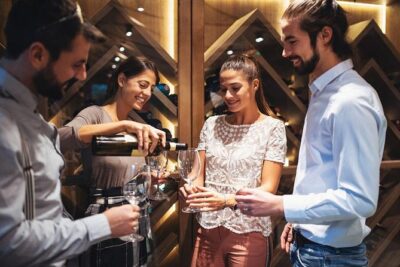
Saint Emilion Day Trip with Sightseeing Tour & Wine Tastings from Bordeaux
Read our review →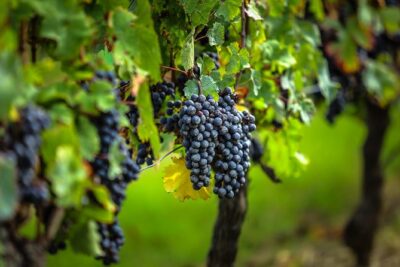
Saint Emilion Half-Day Trip with Wine Tasting & Winery Visit from Bordeaux
Read our review →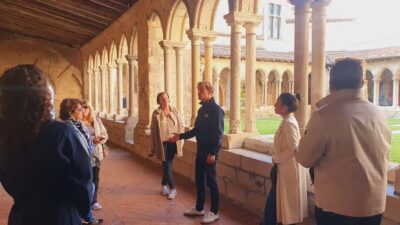
From Bordeaux: Half-Day Saint-Émilion Tour and Wine Tasting
Read our review →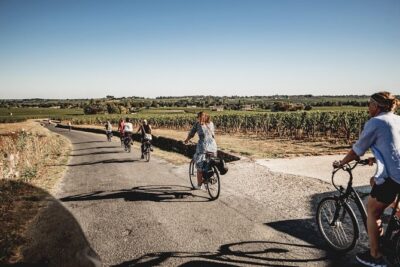
Saint-Emilion Electric Bike Day Tour with Wine Tastings & Lunch
Read our review →Lists this tasting sits in