
Review · TENERIFE
El Sauzal: Winery Tour and Mojo Sauce Workshop
The best part of this El Sauzal experience is its mix of wine and hands-on cooking. You do not simply walk through a winery, listen to a talk, and leave with a tasting glass. You see how a traditional Canarian bodega works, then make the island’s famous mojo sauce yourself.
I like the small group limit of six, which should make it easier to ask questions and follow the cooking. I also like the setting at Bodegas Monje, an old winery that blends tradition with modern touches and offers views from its outdoor seating. The main thing to consider is that the tasting may feel brief, with only a small amount of wine and limited explanation depending on how the session is run.
Key points to know
- Mojo is the hands-on centerpiece: Make a sauce with ingredients such as coriander, parsley, or pumpkin, then learn how to repeat it at home.
- The winery has both age and character: Bodegas Monje presents traditional Canarian wine production alongside modern elements.
- Expect young wines: The tasting features white, rosé, and red wines, rather than a long list of mature bottles.
- Food is simple and local: Bread, spreads, cheese on toast, and Canarian potatoes with mojo accompany the wine.
- The group is very small: With no more than six participants, the format feels personal and practical.
- Plan your time carefully: The core activity lasts two hours, though you may want extra time if lunch is available and you choose to stay longer.
Arriving at Bodegas Monje in El Sauzal
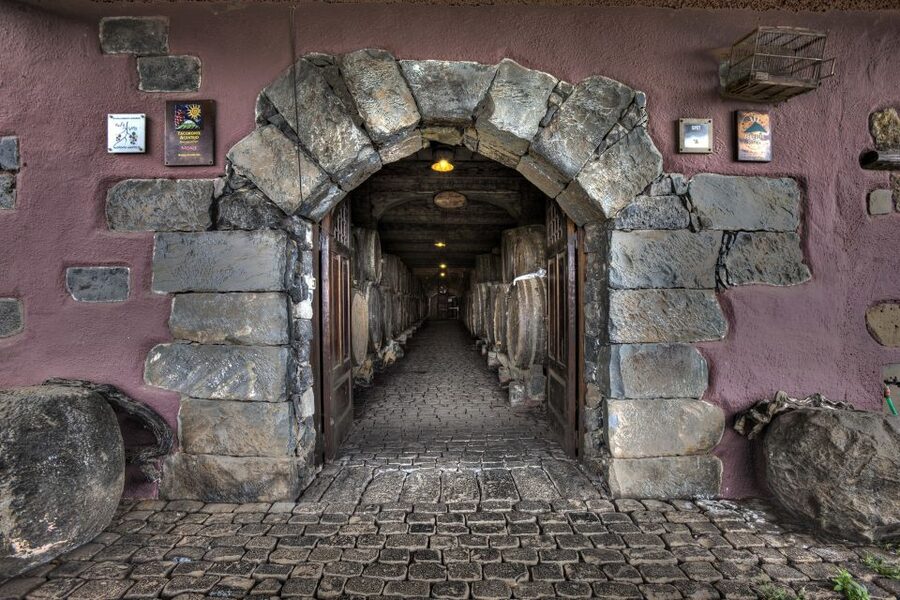
The meeting point is Calle Cruz de Leandro, 36, in El Sauzal, on Tenerife. This is a winery experience rather than a city walking tour, so the appeal begins as soon as you reach the bodega and its old vineyard setting.
You will meet your guide and start with a walk around the winery. The visit explains the history of this traditional Canarian operation and the basic stages of wine production. That context matters here. The point is not just to taste three glasses of wine, but to understand why wine made in the Canary Islands has its own character.
The tour is offered in Spanish and English. A small group of six or fewer gives the guide room to adjust the pace and answer questions. If you are curious about growing conditions, grape varieties, or the way wine is made on the islands, ask early in the visit. The winery walk is the part of the experience where those questions fit most naturally.
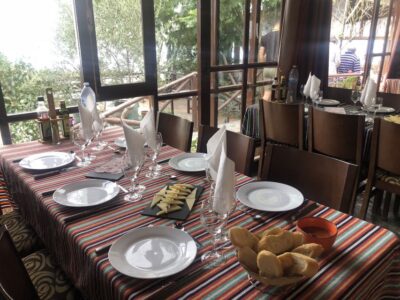
The setting also adds something that a standard tasting room cannot. One participant enjoyed sitting outside and looking at the views in good weather. Outdoor seating will depend on conditions, but the option makes this feel less rushed than a quick stop at a counter.
More Winery Tours in Spain
- Barcelona: Montserrat, Cogwheel, Black Madonna & Winery Tour
★ 4.8 · 5,633 reviews - Montserrat with Black Madonna & Medieval Winery with Tapas/Lunch
★ 5.0 · 5,209 reviews - Montserrat Full Day Tour with Farmhouse Lunch and Winery Visit
★ 5.0 · 1,068 reviews
What makes Canarian wine different
The tour promises an introduction to the peculiarities of Canarian wine, and that is a useful reason to choose it over a generic winery visit. Tenerife is not simply producing the same wines you might find on mainland Spain. The islands have their own conditions and traditions, and the guide uses the winery walk to put the bottles in context.
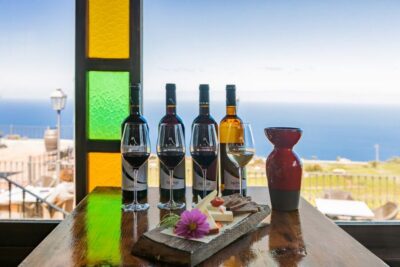
You will sample young wine at the end of the activity. The usual selection described for the tasting includes a white, a rosé, and a red. These styles give you a quick range, but you should set your expectations correctly. This is not a long professional tasting with detailed notes on many vintages.
That limited tasting can be either a strength or a weakness. If you want a relaxed introduction, three styles are enough to give you a sense of the bodega’s range without turning the visit into a technical lesson. If you already know a lot about wine, the session may feel too light, especially if there is little explanation with each pour.
The amount served may also be modest. That is normal for a tasting, and it lets you sample several wines without making the food workshop an afterthought. Still, one part of the experience to check on the day is how much detail the guide provides about each wine. The quality of the visit depends partly on that explanation.
Making mojo sauce with a chef
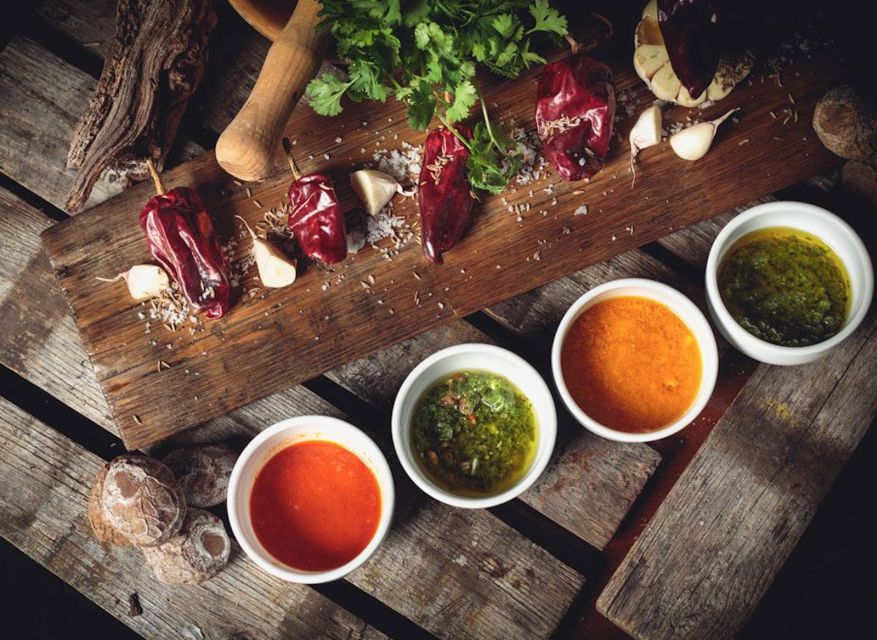
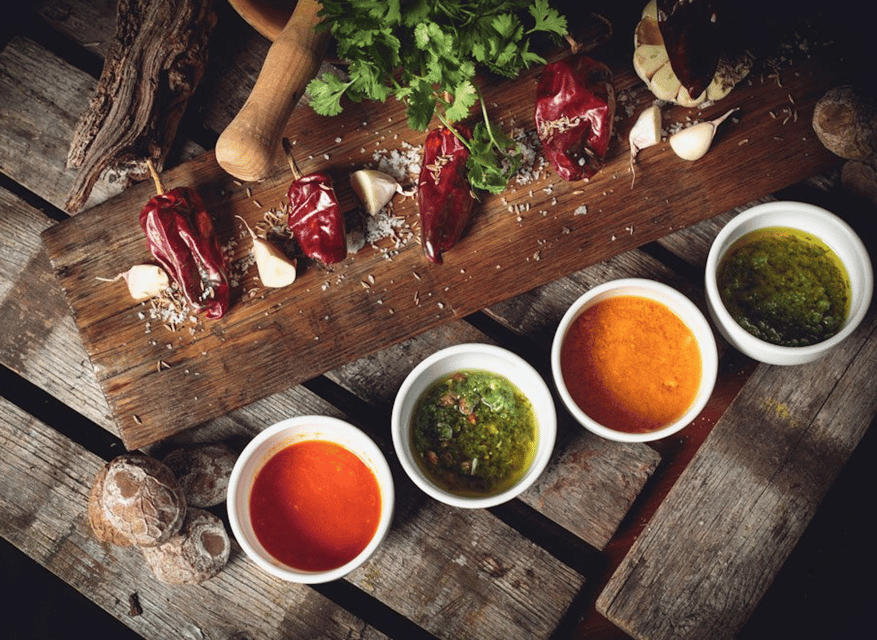
The workshop is the most distinctive part of the booking. Mojo is a familiar sight on Canarian tables, often served with potatoes, bread, vegetables, or other local food. Here, you get to make it rather than just taste a prepared version.
An expert chef introduces the basic method and guides you through the flavors. The ingredients may include coriander, parsley, or pumpkin, giving you a chance to compare different styles and decide which direction you prefer. This tasting of ingredients is practical because mojo is flexible. You can adjust the balance at home instead of treating the recipe as fixed.
The class is designed for beginners. You do not need to arrive with cooking experience. Watch the demonstration, try the steps yourself, and pay attention to how the ingredients change the final sauce. The useful souvenir is not just a jar or a sample. It is a recipe you can recreate after your trip.
There is one small caution. The chef may explain the preparation and then leave you to complete the sauce without checking each person’s work. If you want feedback on texture, seasoning, or consistency, ask questions while the chef is still nearby. This is a short workshop, not a long cooking school session with one instructor stationed at every table.
That independent element may suit you if you like experimenting. It may disappoint you if you expect close, continuous supervision. Families and couples can make the process more playful, while food-focused visitors will appreciate the chance to taste as they go.
Bread, cheese, potatoes, and a simple wine table
The food served with the tasting keeps the focus on everyday Canarian flavors. You may have freshly baked bread with spreads, thinly sliced cheese on toasted bread, or Canarian potatoes with mojo sauce.
The potatoes are especially fitting because they show why the sauce matters. Mojo is not an isolated dip. It is part of the way food is served and shared in the islands. Tasting your own sauce with potatoes gives you a clear sense of how its flavor works with a plain local staple.
Do not expect a large meal from the included food. This is a tasting and workshop, not a full restaurant lunch. The portions are intended to accompany the wines and cooking activity. If you need a substantial meal, ask whether lunch is available at the winery and allow extra time. One person extended the visit to about five hours by adding lunch, so the two-hour booking does not have to be the end of your stop if the bodega can accommodate you.
The straightforward food is part of the value. You are trying several local items without paying for a formal multi-course meal. I would especially recommend paying attention to the differences between the spreads and the mojo styles rather than rushing through the tasting.
Same vines, another glass to try:
- Montserrat Half-Day Tour with Tapas and Gourmet Wines
★ 5.0 · 7,359 reviews - Montserrat & Cogwheel Train, Gourmet Wine Tasting & Tapas/Lunch
★ 5.0 · 6,290 reviews - Barcelona Tapas and Wine Experience Small-Group Walking Tour
★ 5.0 · 5,804 reviews - Barcelona: Tapas Walking Tour with Food, Wine, and History
★ 4.8 · 4,261 reviews
Is two hours enough?
Yes, if you treat this as a focused introduction. The two-hour schedule covers the winery tour, the sauce workshop, and the tasting. It gives you a clear start and finish, which works well if you are fitting El Sauzal into a larger day on Tenerife.
The pace may feel full rather than leisurely. There is a lot to cover in two hours, especially if the guide spends time on the winery’s background and the chef demonstrates several sauce options. If you want long conversations about every wine or plenty of time outdoors, you may find the session short.
The small group helps. Six people create a more comfortable format than a large bus group, and the guide can keep the workshop moving without making it feel like an assembly line. Still, I would arrive ready to take part. This is not the right choice if you want to sit back while someone else does all the cooking.
The experience works well as a half-day anchor, especially if you arrange another activity nearby or stay for lunch. Keep the official booking time in mind when planning transport and do not schedule a tight appointment immediately afterward.
Is $54 a fair price?
At $54 per person, the value depends on what you want from a winery visit. If you only want a glass of wine and a quick look around, this is more than you need. The price makes more sense because it combines a guided winery tour, a cooking workshop, food samples, and wine tasting in a group capped at six.
You are also paying for access to an activity that is difficult to recreate independently. You could order Canarian wine and mojo at a restaurant, but you would not normally see the winery, learn the method from a chef, and make the sauce yourself in one short visit.
The tasting is the part that may affect your sense of value. If the session includes only three small pours and little information about them, serious wine fans may want more. For most people, though, the wine supports the wider experience rather than carrying it alone.
I would choose this for a first introduction to Tenerife’s food and wine culture. I would look elsewhere if your main goal is an advanced wine education, a large tasting flight, or a full cooking class.
Who will enjoy this experience most?
This is a good match for food lovers who want to do something rather than simply watch. The mojo workshop gives you a skill to take home, and the recipes are approachable enough for families and casual cooks.
It also suits couples and small groups who enjoy relaxed cultural activities. The pace is social without requiring a full day, and the food gives everyone something to discuss. Families can take part together, though younger children may enjoy the sauce making more than the winery history.
Wine beginners are likely to get the most from the tasting. You can compare white, rosé, and red without needing technical knowledge. If you already spend weekends visiting wineries, ask about the explanation offered with each pour and keep your expectations modest.
The tour is wheelchair accessible, which makes it an option for many people who need step-free access. Languages are Spanish and English. Since the meeting point and details are specific, confirm the starting time when you book and give yourself enough time to reach Calle Cruz de Leandro.
A few practical tips for a better visit
Arrive ready to participate. The sauce workshop is more rewarding when you taste the ingredients and make choices instead of waiting for a finished sample.
Ask about the wines as they are poured. The tasting can be brief, so direct questions may bring out more detail about the white, rosé, and red.
If the weather is pleasant, take advantage of the outdoor seating and views. The winery setting is part of the pleasure, and the experience need not feel like a quick indoor appointment.
Bring a little extra time if you hope to eat lunch at the bodega. The core activity is two hours, but an extended stay may turn it into a more relaxed stop.
The booking allows free cancellation up to 24 hours before the activity, and you can reserve without paying immediately. That is useful if your Tenerife plans depend on weather or changing day trips.
Should you book the El Sauzal winery and mojo workshop?
Book it if you want a compact, local food experience with a hands-on element. The combination of an old Canarian winery, young island wines, mojo making, and simple regional food gives you more than a standard tasting.
Go in knowing what it is. The wine pours may be small, and the explanation may not be as detailed as a dedicated wine seminar. The chef may also leave you to finish the sauce after the basic instruction.
For $54, I think the package is worthwhile for first-time visitors to Tenerife, families, couples, and anyone who likes taking a recipe home from a trip. Choose it for the story behind the food and the chance to make mojo yourself, not for a long list of premium wines.
FAQ
Where does the winery and mojo workshop take place?
The meeting point is Calle Cruz de Leandro, 36, 38360 El Sauzal, Santa Cruz de Tenerife, Spain.
How long does the experience last?
The scheduled experience lasts two hours. You may need extra time if you arrange lunch or stay longer at the winery.
What languages are available?
The live guide is available in Spanish and English.
How many people are in the group?
The group is limited to six participants.
Is the experience wheelchair accessible?
Yes, the activity is listed as wheelchair accessible.
Can I cancel for a full refund?
Yes. You can cancel up to 24 hours in advance for a full refund.
Freshly poured around Spain
- Private Bandama Caldera Volcano, Botanic Garden & Old Town★ 4.5 · 53 reviews
- Malaga: PREMIUM TAPAS TOUR Paella, Tapas, Winery & Flamenco★ 4.6 · 82 reviews
- Premium Tour: Winery 7 Tastings + Guadalest Castle | Small group★ 5.0 · 40 reviews
- PREMIUM TAPAS TOUR: Paella, Market Tastings, and Winery★ 4.7 · 27 reviews
- Pottery Workshop and Wine – Barcelona★ 4.7 · 138 reviews
- Picasso Museum and Walking Tour Plus Wine Tasting Upgrade★ 4.3 · 111 reviews
- Mallorca: Premium Wine Experience, Tasting and Fine Foods★ 4.8 · 79 reviews
- Palma Tour with Wine and Tapas Tasting★ 3.9 · 52 reviews
Tenerife Wine Tours, side by side.
Tacoronte: Guided Winery Tour with Wine and Cheese Tastings
Read our review →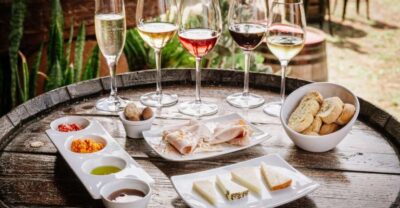
Tenerife: Wine Museum Ticket with Local Wines & Food Tasting
Read our review →
Tenerife: Volcano Teide Buggy Tour with Wine Tasting & Tapas
Read our review →
Tenerife: Flavours and Wines of Tenerife Gastronomy Tour
Read our review →Lists this tasting sits in