
Review · TENERIFE
Tenerife: Flavours and Wines of Tenerife Gastronomy Tour
The most interesting part of this four-hour outing is that it puts Tenerife’s food on the table where it begins: among banana plants and volcanic soil. You visit Finca Las Margaritas, then continue into the hills to Bodega Lagar de Chasna for wines, mojo, and local snacks.
I like the hands-on banana plantation visit, where you can touch the sturdy leaves and learn how the island’s star fruit is grown. I also like the easy half-day format, with hotel pickup, tastings, and a return in time for the rest of your day. The main consideration is lunch: it is a generous tasting-style meal, but you should not expect a full restaurant lunch.
Key points at a glance
- Banana cultivation up close: See a working plantation at Finca Las Margaritas and learn how bananas are grown.
- Gofio and local products: The farm visit includes an introduction to gofio production and tastings of typical island foods.
- Wine in the hills: Bodega Lagar de Chasna pairs Tenerife wines with local snacks and homemade mojo.
- A real taste of volcanic Tenerife: The tour explains how Tenerife’s soil shapes both farming and wine production.
- Simple half-day planning: Pickup and drop-off are offered at selected hotels and meeting points in Costa Adeje, Playa de las Américas, Los Cristianos, and nearby areas.
- Strong guide service: English, German, and Spanish are available, and guide Peter has been praised for taking time to explain things clearly in French when needed.
Why this food tour is worth four hours
Tenerife is easy to experience as a beach destination. You can spend a week between the pool, promenade, and resort restaurants without learning much about the island’s food. This tour gives you a useful change of pace without taking a whole day.
For $81 per person, you get transport, a live guide, two food-focused stops, wine tastings, and a typical Canarian meal. I see the value mainly in the combination. A simple winery visit might give you wine, while a plantation tour might give you an agricultural lesson. Here, you get both, with the transport handled for you.
The short duration also matters. You leave in the morning or at the stated start time, visit the farm and bodega, then return to your accommodation with time left for the beach or dinner. That makes this a practical choice if you want local food but do not want to sacrifice an entire day.
The trade-off is depth. Four hours is enough for an introduction, not a full study of Tenerife’s agriculture or wine industry. You will get a guided look, a selection of tastings, and a local meal. If you want a long winery lunch or several vineyard visits, choose a longer wine tour instead.
More wine tours around Spain:
- Montserrat Half-Day Tour with Tapas and Gourmet Wines
★ 5.0 · 7,359 reviews - Montserrat & Cogwheel Train, Gourmet Wine Tasting & Tapas/Lunch
★ 5.0 · 6,290 reviews - Barcelona Tapas and Wine Experience Small-Group Walking Tour
★ 5.0 · 5,804 reviews
Starting among the banana plants at Finca Las Margaritas
The first stop is Finca Las Margaritas, a typical Canarian banana plantation. This is more than a quick photo stop. You walk through the farm while learning about banana cultivation and the role of this fruit in Tenerife’s food culture.
The farm visit is especially useful because bananas look simple in a supermarket, but growing them is a very different matter. The guide explains the plants and the cultivation process, and you get to see the leaves and plants at close range. A particularly nice touch is that you can touch the leaves and feel how firm they are.
You also taste fresh Canarian fruit and other local products during the visit. The exact selection may vary, but bananas are central, and the tasting gives you a direct link between the crop in front of you and the food on your plate.
This is a good stop for families because it is visual and hands-on. You do not need to be an agriculture enthusiast to follow it. The plants provide plenty to look at, while the tasting keeps the visit active rather than turning it into a long lecture.
The tour also introduces you to gofio production. Gofio is a traditional Canarian food made from toasted grains, and it appears often in the islands’ cooking. Learning about it at the farm gives you more context when you encounter it later in local dishes.
I would wear comfortable shoes here. You are walking around a farm rather than sitting in a tasting room, and the tour information specifically recommends practical footwear.
What the plantation visit does well
The best feature of Finca Las Margaritas is its directness. You are not only told that bananas are important in Tenerife. You see the plants, learn about their cultivation, and taste local products in the same place.
That connection makes the food feel less anonymous. A banana from a breakfast buffet becomes part of an island economy and farming tradition. I find that kind of context more useful than a long list of facts about regional cuisine.
The farm visit also has a relaxed, personal quality. The guide can point out details as you move through the plantation, and the hands-on element makes the information easier to remember. The strong response to this stop is understandable, especially for anyone who has never seen a banana plantation before.
There is one limit. The information provided does not give a precise length for the farm walk or list every product included in the tasting. If you have a serious food allergy or need a specific diet, ask before booking so you know what can be served.
Riding into the hills toward Bodega Lagar de Chasna
After the plantation, the route continues along a mountain road toward Bodega Lagar de Chasna. The change in setting is part of the appeal. You move from a lowland food crop to wine country, with views along the road and a different side of Tenerife opening up.
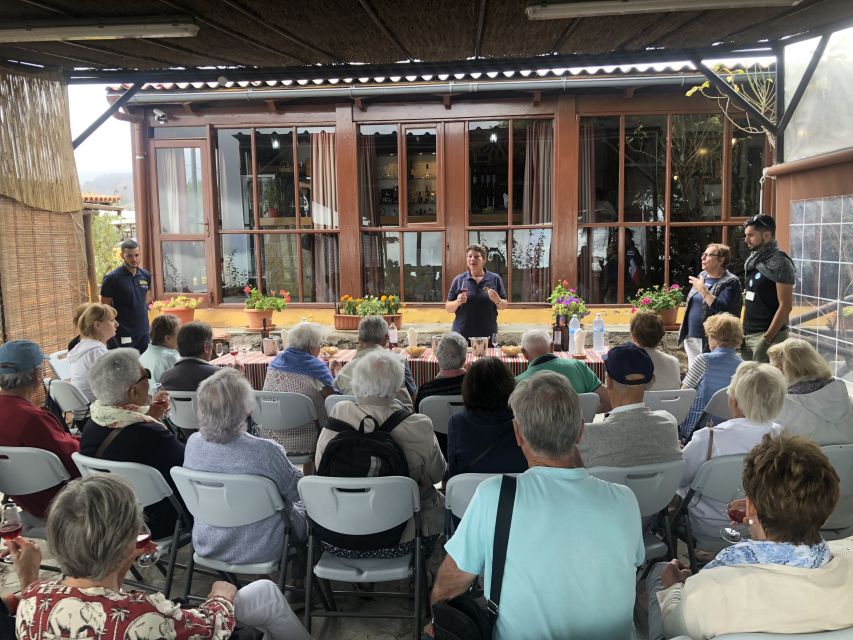
The bodega is presented as one of the island’s best wine cellars, and the visit focuses on tasting rather than a long technical winery tour. You sample Tenerife wines and pair them with local snacks, including homemade mojo.
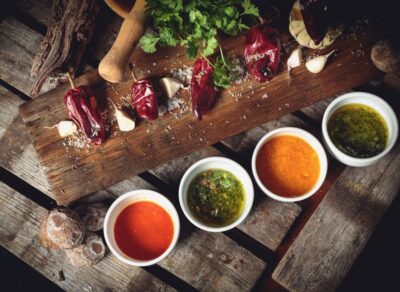
Mojo is one of the essential flavors of the Canary Islands. It can be red or green, and it is commonly served with local food. Here, it gives the tasting a clear Canarian character instead of making the stop feel like a standard European wine session.
The wine tasting also covers the effect of volcanic ground on Tenerife’s wine production. The explanation is useful because Tenerife does not fit neatly into the usual wine regions many visitors know from mainland Spain. The island’s conditions shape the grapes and the style of winemaking.
The supplied details do not name each wine, so you should not book this expecting a fixed list of bottles. You can expect several Tenerife wines, local pairings, and guidance from the cellar and tour leader.
Same vines, another glass to try:
- Barcelona: Montserrat, Cogwheel, Black Madonna & Winery Tour
★ 4.8 · 5,633 reviews - Montserrat with Black Madonna & Medieval Winery with Tapas/Lunch
★ 5.0 · 5,209 reviews - Barcelona: Tapas Walking Tour with Food, Wine, and History
★ 4.8 · 4,261 reviews - Madrid Tapas & Wine Tasting Walking Tour – Small Group Local Bars
★ 5.0 · 3,644 reviews
Wine, mojo, and a meal that is more snack than lunch
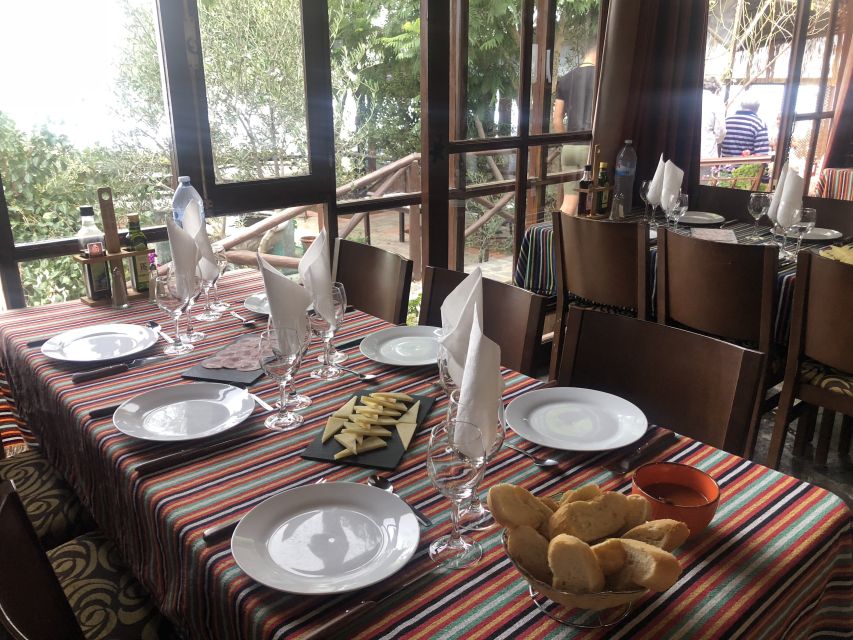
The final food service is described as a typical Canarian lunch, but it is best understood as a substantial local snack or tasting meal. You get wine, homemade mojo, and a selection of local foods. One useful point is that this may not replace a large midday meal for everyone.
That distinction matters if you have a big appetite or are planning to skip breakfast. I would eat something light before pickup, then treat the bodega stop as a chance to sample several flavors rather than as a formal three-course lunch.
The format suits the tour well. Wine tasting works better with small portions, and local snacks let you try different foods without committing to one unfamiliar dish. The homemade mojo adds character and gives you something specific to remember from the meal.
The atmosphere at the bodega also seems to be part of the pleasure. The owner is described as a humorous host who makes the tasting lively. You should still expect the tone to vary with the guide, the group, and the day, but this is not presented as a stiff or overly formal cellar visit.
The two white wines have received especially strong praise, though the other wines are included as part of the tasting as well. If you usually prefer white wine, pay close attention during that part of the visit and ask the guide about the bottles you enjoy.
Guide language and the human side of the tour
The tour operates in English, German, and Spanish. This makes it easier to follow the agricultural and wine explanations, which are more useful when you understand the details rather than simply moving from one tasting to another.
Peter is one guide associated with the experience. He has been praised for repeating explanations in French for a very small group, even though French was not listed as one of the regular tour languages. That shows a willingness to adapt, but you should rely on English, German, or Spanish as the official language options.
The guide makes a real difference here. A plantation and a wine cellar can be visually interesting on their own, but the explanations connect them. You learn about bananas, gofio, volcanic soil, and wine production as parts of Tenerife’s food culture.
I would choose this tour partly for that human element. You are not simply handed a glass and pointed toward a row of plants. The guide is there to explain what you are seeing and tasting.
Pickup, timing, and what to wear
Pickup and drop-off are included at a long list of selected locations in the south of Tenerife. Options cover parts of Costa Adeje, Fañabé, Playa de las Américas, Los Cristianos, and nearby resort areas. The exact pickup point and time are sent by email after you provide your accommodation details.
This is convenient, but do not assume the vehicle will stop directly outside every hotel. Some pickup points are bus stops or nearby meeting locations, including stops around Siam Park and resort apartment complexes. Check the confirmed instructions carefully and allow enough time to reach the stated point.
The tour lasts four hours, including transport between stops. That makes it easy to fit into a beach holiday, especially if you want a cultural outing without giving up an entire day.
Comfortable shoes are recommended. Warm clothing is also advised, and that is sensible because the route heads along a mountain road toward the winery. Tenerife can feel warm at the coast while conditions are cooler inland, so a light layer is a practical choice.
The return service takes you back to the available drop-off points. Once you are back, you can continue with your day rather than spending the evening recovering from a long excursion.
Who should book this Tenerife tour?
I would recommend it to anyone who wants a food experience with a clear sense of place. You get farming, local products, gofio, wine, mojo, and a view of how volcanic soil affects island agriculture.
It is also a good fit for couples and families who prefer a manageable outing. The plantation is interactive, and the wine stop adds an adult food-and-drink focus without requiring a full day away from the resort.
Wine lovers should find enough here to make the visit worthwhile, especially if you are curious about Tenerife’s white wines and volcanic growing conditions. Still, this is an introduction rather than an advanced tasting. The tour does not promise a detailed study of grape varieties, vintages, or production methods.
I would be more cautious if your main goal is a full lunch. The food is local and well matched to the wine, but the portion and format are closer to a Canarian snack spread than a long sit-down meal.
The tour may also suit people who do not want to rent a car. You get transport to both stops and a guide to explain the setting, so you can enjoy the wine without worrying about driving back.
Is $81 a fair price?
At $81, the price is reasonable if you value convenience and variety. Paying separately for transport, a plantation visit, food samples, wine tastings, and a local meal could quickly approach the same cost, particularly if you are staying outside the immediate resort center.
The value is strongest for visitors without a car. You do not need to plan a route into the hills or work out how to combine a farm and bodega in one morning. Hotel pickup and return remove much of the practical hassle.
The value is less clear if you want a large meal or a long winery visit. You are paying for a guided half-day with several short elements, not an all-afternoon vineyard lunch.
The free cancellation option up to 24 hours before the activity and the reserve-now, pay-later choice also make it easier to fit into a changing holiday schedule. Those policies are useful, but the real reason to book should be the mix of farm, food, and wine.
Should you book it?
Book this tour if you want a friendly, efficient introduction to Tenerife’s food traditions and wine. The banana plantation is the most distinctive part, while Bodega Lagar de Chasna adds local wine, mojo, and mountain views.
Go in expecting tastings rather than a large lunch, and wear comfortable shoes with a warm layer. If that sounds right, the $81 price buys a well-rounded half-day with transport and plenty of local flavor. If you want an extended winery meal or a serious wine course, choose a more specialized outing instead.
FAQ
How long does the Tenerife gastronomy tour last?
The tour lasts four hours, including the visits, tastings, transport, pickup, and return.
What places does the tour visit?
You visit Finca Las Margaritas, a Canarian banana plantation, and Bodega Lagar de Chasna, a Tenerife wine cellar.
Is hotel pickup included?
Yes. Pickup and drop-off are included at selected hotels, apartment complexes, and meeting points in the south of Tenerife.
Which areas have pickup locations?
Pickup options include locations in Costa Adeje, Fañabé, Playa de las Américas, Los Cristianos, and nearby resort areas. Your exact pickup time and place are sent by email after you provide your accommodation details.
What food is included?
The tour includes local food tastings at the plantation, fresh Canarian fruit such as bananas, products connected with gofio, wine pairings, homemade mojo, and a typical Canarian snack-style lunch.
Is a full lunch included?
A typical Canarian lunch is included, but the food is best viewed as a tasting meal or substantial local snack rather than a formal full restaurant lunch.
What languages are available?
Live guides are available in English, German, and Spanish.
What should I bring?
Bring comfortable shoes and warm clothing. The route includes a plantation visit and a mountain road to the winery.
Does the tour include wine tasting?
Yes. Wine tastings are included at Bodega Lagar de Chasna, paired with local Canarian snacks.
Can I cancel the booking?
You can cancel up to 24 hours in advance for a full refund. You can also reserve now and pay later, keeping your plans flexible.
Freshly poured around Spain
- Private Bandama Caldera Volcano, Botanic Garden & Old Town★ 4.5 · 53 reviews
- Malaga: PREMIUM TAPAS TOUR Paella, Tapas, Winery & Flamenco★ 4.6 · 82 reviews
- Premium Tour: Winery 7 Tastings + Guadalest Castle | Small group★ 5.0 · 40 reviews
- PREMIUM TAPAS TOUR: Paella, Market Tastings, and Winery★ 4.7 · 27 reviews
- Pottery Workshop and Wine – Barcelona★ 4.7 · 138 reviews
- Picasso Museum and Walking Tour Plus Wine Tasting Upgrade★ 4.3 · 111 reviews
- Mallorca: Premium Wine Experience, Tasting and Fine Foods★ 4.8 · 79 reviews
- Palma Tour with Wine and Tapas Tasting★ 3.9 · 52 reviews
Tenerife Wine Tours, side by side.
Tacoronte: Guided Winery Tour with Wine and Cheese Tastings
Read our review →
Tenerife: Wine Museum Ticket with Local Wines & Food Tasting
Read our review →
Tenerife: Volcano Teide Buggy Tour with Wine Tasting & Tapas
Read our review →
Lists this tasting sits in