
Review · PARIS
Paris Le Marais District Original Food and Wine Tasting Tour
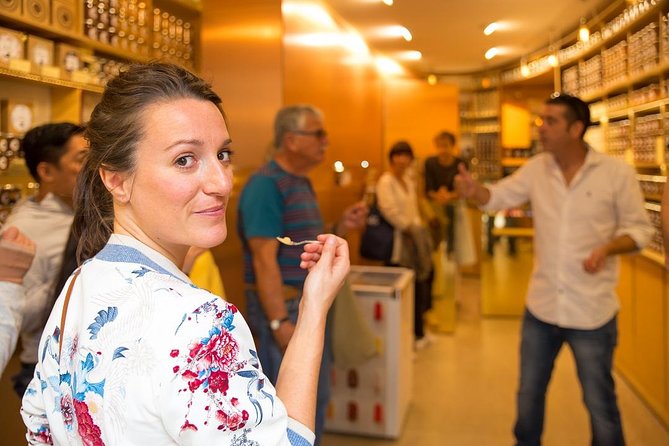
Le Marais is one of Paris’ best neighborhoods for eating on foot, and this tour turns its streets into a moving table. Over about three and a half hours, you stop at bakeries, food shops, cafés, and market stalls for cheese, bread, cured meat, jams, chocolate, macarons, wine, falafel, and other French treats. The group is capped at 10 people, which keeps the pace personal.
I like two things here. First, the food comes with a sense of place: you pass the Marché des Enfants Rouges, Rue des Rosiers, Saint-Paul, and Hôtel de Ville instead of eating in an anonymous tasting room. Second, guides such as Kevan, Lola, Pierre, Bart, Oscar, and Dorine have earned strong praise for mixing neighborhood stories with practical food advice. The main caution is value. At $157.21 per person, you should expect a good walking introduction to Le Marais with tastings, not a sit-down feast or a dedicated wine seminar.
Key points before you book
- Up to 10 food stops: Expect cheese, cured meat, bread, jams, tapenade, pastries, chocolate, macarons, and other specialties, with the exact mix able to vary.
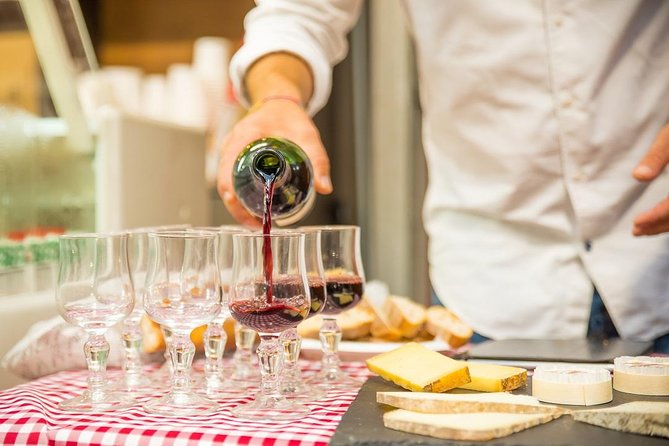
- Wine is part of the route, not the whole event: The experience includes wine tasting, but the provider explains that the tour generally offers about two glasses rather than a full wine-focused session.
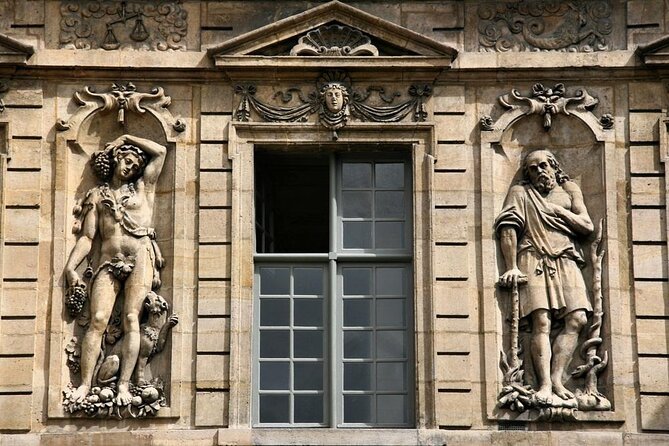
- Marché des Enfants Rouges adds local character: Paris’ oldest covered market, dating to 1605, gives the walk a useful food and neighborhood setting.
- Rue des Rosiers brings another side of Paris: You may taste falafel and see the Marais’ Jewish and Middle Eastern food traditions.
- A small group helps: With no more than 10 people, you can usually hear the guide and ask questions without fighting through a crowd.
- Come ready to walk and stand: Comfortable shoes and a raincoat are sensible, and a moderate level of fitness is recommended.
Why Le Marais works so well for a food walk
Le Marais packs a lot into a fairly compact area on Paris’ Right Bank. It has grand civic buildings, old churches, small food shops, covered markets, and streets shaped by Jewish, French, and Middle Eastern traditions. That mix gives the tour more substance than a simple parade of pastries.
You begin at 40 Rue de Bretagne, close to the Marché des Enfants Rouges. The starting point is convenient if you are already exploring the Marais, and the tour returns there at the end. You can choose a morning or afternoon departure, so it can fit before dinner, after a museum visit, or into a first full day in Paris.
I would schedule this early in your stay if food is a major reason you came to Paris. The guide can point out shops worth returning to, explain unfamiliar foods, and help you get your bearings in the neighborhood. You will also have time afterward to continue toward Place des Vosges or another nearby sight.
More Wine Tastings in France
- Montmartre Hill French Gourmet Food and Wine Tasting Walking Tour
★ 5.0 · 2,588 reviews - From Paris: Loire Valley Castles Day Trip With Wine Tasting
★ 4.6 · 1,727 reviews - Paris: Les Caves du Louvre Guided Tour with Wine Tastings
★ 4.7 · 932 reviews
The first tastings: cheese, bread, and French pantry staples
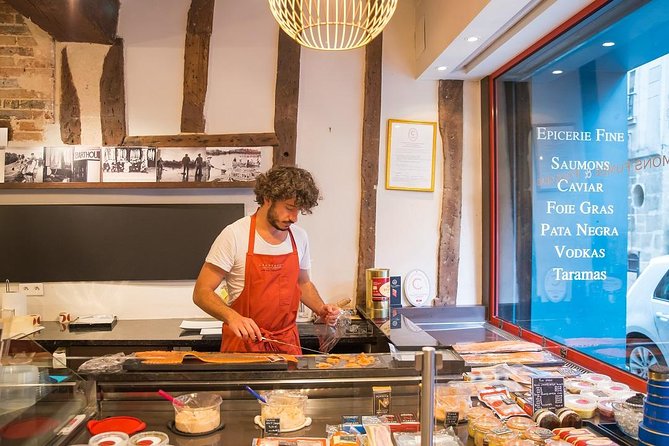
The opening section usually carries much of the food variety. You move between local shops and taste items such as cheeses, baguette, cured meat, organic tapenade, jams, and other traditional specialties. These are small portions, but the stops add up over several hours.
This part is especially useful if French food feels a bit mysterious. A guide can explain how a cheese differs from another, how a jam is used, or why a simple piece of bread matters so much in French daily life. You are not just checking off foods. You are learning what to look for when you shop on your own.
The selection can include products from outside France as well. That is not a flaw in this neighborhood. Le Marais has long been a place where different food traditions meet, and the tour reflects that. You may begin with French cheese and wine, then find yourself tasting Middle Eastern or Jewish specialties a few streets later.
The amount of food seems to be one of the least predictable parts of the experience. Some people find there is plenty, especially with bread, cheese, sweets, and savory bites spread across the route. Others feel the portions are light for the price. Think of this as a progressive tasting, not lunch replacement. Eat lightly beforehand, but do not arrive expecting a full meal.
Chocolate, macarons, and the sweet side of the route
Chocolate and macarons are among the most appealing stops for many people. The route can include treats from well-known chocolatiers, along with cream puffs, marrons, and other pastries or sweets.
The sweet stops make the tour fun, but the balance may not suit everyone. If you prefer savory food, several tastings of chocolate, macarons, and pastries can begin to feel repetitive. One useful question to ask at the start is how the day’s food will be divided between sweets, cheese, meat, and hot or savory dishes.
Do not assume every departure includes exactly the same shop or item. The description promises up to 10 addresses and a broad selection, not a fixed menu with named vendors. A guide may adjust the route according to shop hours, availability, or the pace of the group.
Marché des Enfants Rouges, Paris’ oldest covered market
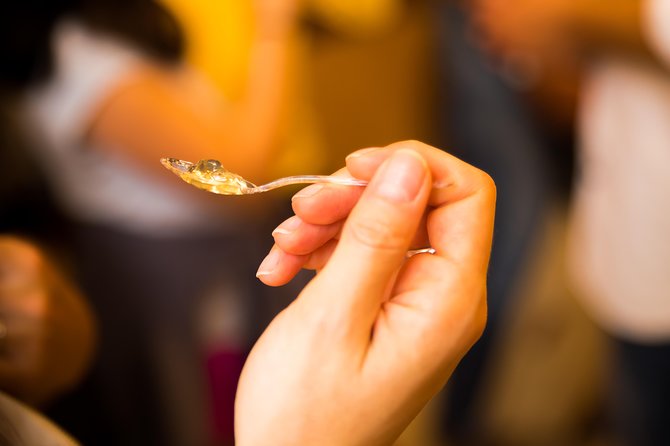
The Marché des Enfants Rouges is one of the most interesting stops because it connects food with the city’s past. The market dates to 1605 and remains a place for prepared food and local specialties.
Here, you may taste market dishes and food from different parts of the world. The market gives you a chance to watch Paris eat in a setting that feels more lived-in than a polished tourist attraction. It also offers a practical idea for a later visit, since you can return on your own if you find something you want to try again.
The market stop is listed as about 30 minutes. That is enough for an introduction, but not enough to inspect every stall or settle in for a long meal. If you want an unhurried market experience, plan to come back after the tour. The tour’s purpose is to connect several parts of the Marais, not keep you in one place.
More Wine Tastings in Paris
- Paris: French Wine Tasting Class with Sommelier
★ 4.8 · 550 reviews - Cheese & Wine Tasting in Montmartre with Local Cheesemonger
★ 5.0 · 470 reviews - Paris: Wine Tasting Experience with 6 Wines and Cheese Board
★ 4.9 · 80 reviews - Paris: Loire Valley Chambord Castle, Wine Tasting & Lunch
★ 4.7 · 69 reviews
Rue des Rosiers and the Marais’ Jewish food traditions
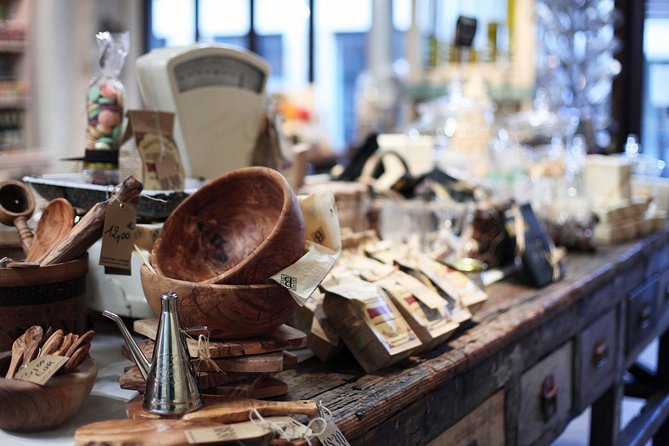
Rue des Rosiers adds a strong cultural turn to the walk. This historic street is associated with the Jewish quarter and is also known for Middle Eastern food. Falafel is a likely tasting, while pastrami is mentioned as part of the food focus, though it may not appear on every departure.
This stop matters because it shows how Parisian food is not limited to croissants and cheese. You can see how a neighborhood’s identity appears in its bakeries, counters, and quick meals. The food is casual, portable, and different from the formal French dishes many people expect from Paris.
One point to keep in mind: the food list is not a guarantee that every item will be served. A past departure included falafel but no pastrami. If a particular dish is important to you, ask the guide at the beginning rather than counting on it.
Saint-Paul and Hôtel de Ville between bites
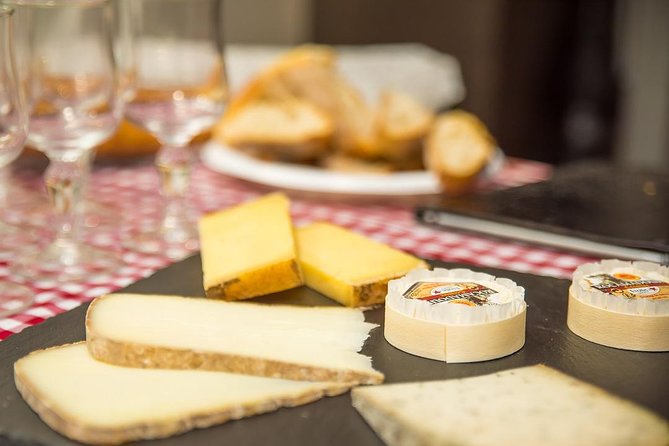
The tour passes the Église Saint-Paul Saint-Louis, with its grand Baroque façade and 17th-century background. This is a good reminder that the Marais is not only a shopping and restaurant district. You are walking through a neighborhood with churches, old streets, civic buildings, and changing layers of Parisian life.
The route ends near the Hôtel de Ville, Paris’ city hall. Its grand Renaissance-style architecture gives the walk a strong finish, and the building has played an important part in the city’s public life. The formal itinerary allows only about five minutes here, so the amount of commentary may depend heavily on the guide and the group’s pace.
The route may also put you near Place des Vosges after the activity. This is the oldest square in Paris, known for its symmetrical arcades and connections to royals, writers, and political figures. It is not presented as a full stop with a scheduled tasting, but it makes an excellent place to continue walking after you return to the meeting point.
A practical warning: the sightseeing portion has not been equally complete on every departure. One account noted missing the church and receiving little explanation at Hôtel de Ville. If the historic sights matter as much as the food, tell your guide early. That simple request may help keep the walk from becoming food-only.
The guides make a major difference
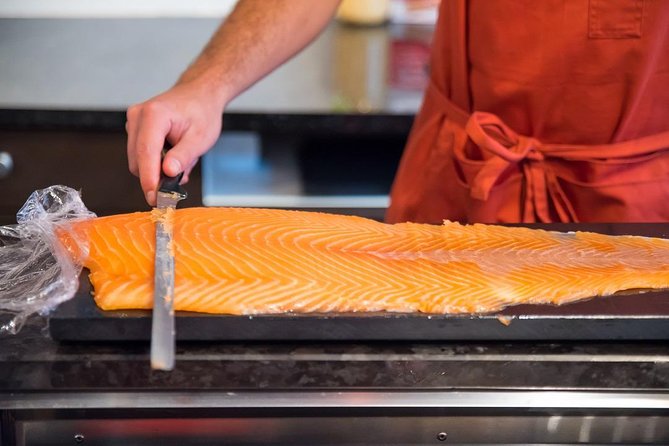
The guide is the heart of this experience. The strongest departures have been led by people such as Kevan, Lola, Pierre, Bart, Oscar, Hugo, Artur, and Dorine. The best guides do more than point out shops. They explain what you are eating, answer questions, add local history, and keep the group moving without making the walk feel rushed.
Kevan is described as a local Parisian with a strong connection to the Marais. Lola is praised for warmth and clear explanations, while Pierre is associated with lively food and neighborhood commentary. Bart has led departures with cheese, wine, falafel, pastries, jellies, and jams. Oscar has been singled out for a relaxed but engaging manner.
Because the tour may be operated by a multilingual guide, the exact tone can vary. That is normal for a small company with several guides. A young history student might lead one departure, while a local guide with a personal connection to the neighborhood leads another. The core route remains similar, but the amount of detail and the personality of the walk can change.
How much food and wine should you expect?
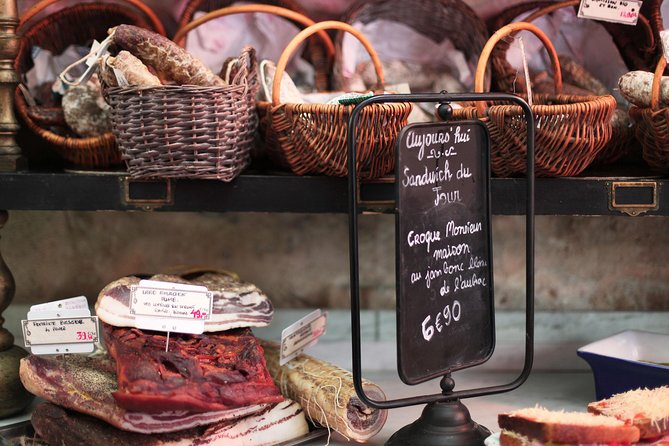
The tour includes food tastings and alcoholic beverages, including wine. It is important to read that promise correctly. This is a food walk with wine, not a French wine class.
The provider explains that the usual choice is about two glasses during the long walk, partly so people can remain comfortable and alert. Some accounts describe one small glass, while others describe two. You should not book this expecting several pours, bottle presentations, or detailed discussion of appellations and vintages.
The food list is more generous than the wine portion: cheese, cured meat, baguette, tapenade, jams, macarons, chocolate, pastries, falafel, and sometimes escargot or onion soup. One departure included a sit-down dish of onion soup, while another ended with escargot in a café. These extras appear to vary.
If you do not eat snails, tell the company when booking, not only when you arrive. Specific dietary requests may not be easy to handle on the spot, especially in a group. The booking information also asks you to provide dietary requirements in advance.
Price, timing, and the real value
At $157.21 per person, this is not a bargain snack crawl. The price makes more sense if you value a small group, a guide, neighborhood history, and the convenience of several tastings in one outing. You are paying for the route and the interpretation as much as for the food itself.
The tour lasts about three hours and 30 minutes. That is long enough to cover several streets and food traditions, but the walking and standing can add up. Comfortable shoes are a must, and a raincoat is a sensible choice in Paris weather.
The small maximum of 10 people is a real advantage. You can hear the guide, move into small shops more easily, and ask questions without holding up a large crowd. At times, a departure may have only a few people or even operate privately, but the company requires a minimum number and may offer a different date or experience if that minimum is not met.
The activity is offered in English, though the guide may be multilingual. Hotel pickup and drop-off are not included. You meet at the start point and finish there, which is simple if you are already in central Paris but means you must arrange your own transport to Rue de Bretagne.
Cancellation is flexible only up to two full days before the start time. After that, the amount paid is not refunded, and late changes are not accepted.
Who will enjoy this tour most?
I would recommend it to someone who wants a friendly introduction to Le Marais and prefers tasting food while walking rather than sitting through a formal meal. It also suits first-time visitors who want help finding local shops and understanding what they are eating.
Families can take part, but children must be accompanied by an adult. The pace is manageable for people with moderate fitness, though you should be comfortable walking and standing for most of the 3.5 hours.
This may not be the right choice if you want a serious wine experience, large meal portions, or a fixed menu. It may also disappoint you if one specific stop, such as pastrami, chocolate, Saint-Paul, or a detailed Hôtel de Ville explanation, is the main reason you are booking.
Should you book the Le Marais food tour?
Book it if you want a guided neighborhood walk with many small tastings and you like learning as you eat. The strongest version of this experience gives you a relaxed guide, a friendly small group, good cheese and sweets, a little wine, and a useful introduction to the Marais’ French, Jewish, and Middle Eastern food traditions.
Skip it if $157.21 feels high for samples, or if you want a full lunch and substantial wine pours. For the best chance of enjoying it, arrive hungry but not famished, state dietary needs in advance, wear good shoes, and ask at the start how much time will be given to the historic sights. With those expectations, this is a pleasant way to spend an afternoon in one of Paris’ most rewarding neighborhoods.
FAQ
Where does the Paris Le Marais food tour start and end?
The tour starts at 40 Rue de Bretagne, 75003 Paris, France, and ends back at the same meeting point.
How long does the experience last?
The tour lasts approximately three hours and 30 minutes, including walking and food stops.
How many people can join the tour?
The group is limited to a maximum of 10 people.
What foods are included?
Tastings can include cheese, cured meat, baguette, organic tapenade, jams, chocolate, macarons, pastries, falafel, and other French and international specialties. The exact selection can vary.
Is wine included?
Yes. Wine tasting and alcoholic beverages are included, but this is a food tour rather than a dedicated wine tour. The provider explains that the experience generally includes about two glasses.
Can I request dietary accommodations?
You should provide any dietary requirements when booking. The company notes that it may not be possible to accommodate specific requests if they are made only after the tour begins.
Freshly poured around Paris
- Private tour of Paris by Night with Champagne★ 4.7 · 323 reviews
- Paris: Wine Tasting Experience with 6 Wines and Cheese Board★ 4.9 · 80 reviews
- Paris: Wine and Cheese Tasting with a Chef Sommelier★ 4.7 · 277 reviews
- Paris: Wine and Cheese Tasting★ 4.6 · 91 reviews
- Paris: Tasting of 3 Wine and 3 Cheese★ 5.0 · 74 reviews
- Paris: The Ultimate Wine and Cheese Tasting in English★ 5.0 · 33 reviews
- Paris: The Ultimate Wine Tour of Montmartre – 7 Guests max★ 5.0 · 28 reviews
- Paris : Scenic Cruise on the Seine River with Champagne★ 4.0 · 81 reviews
Paris Wine Tours, side by side.
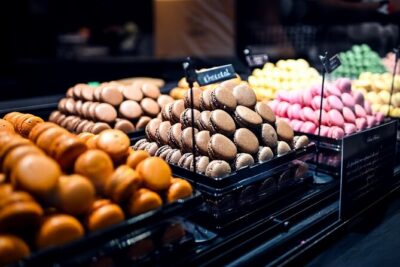
Authentic Parisian Gourmet Food Tour with 10 Local Dishes & Wines
Read our review →
Loire Valley Castles Day Trip from Paris with Complementary Wine
Read our review →
Montmartre Hill French Gourmet Food and Wine Tasting Walking Tour
Read our review →
Paris: Montmartre Cheese, Wine & Pastry Guided Walking Tour
Read our review →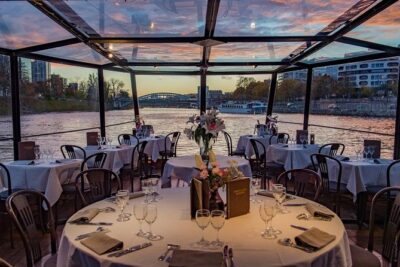
Paris 3-Courses Gourmet Dinner Seine River Cruise with Champagne
Read our review →
Top Private Cruises in Paris with French Champagne and surprises
Read our review →
From Paris: Day Trip to Champagne with 8 Tastings & Lunch
Read our review →
Private Montmartre Food Tour with Wine, Cheese & Pastries
Read our review →Lists this tasting sits in