
Review · PARIS
Paris: Les Caves du Louvre Guided Tour with Wine Tastings
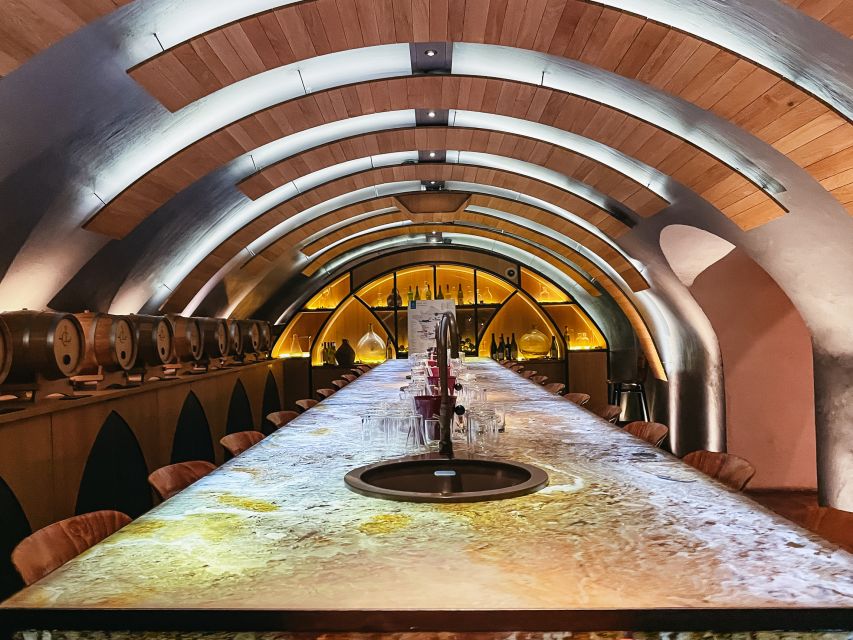
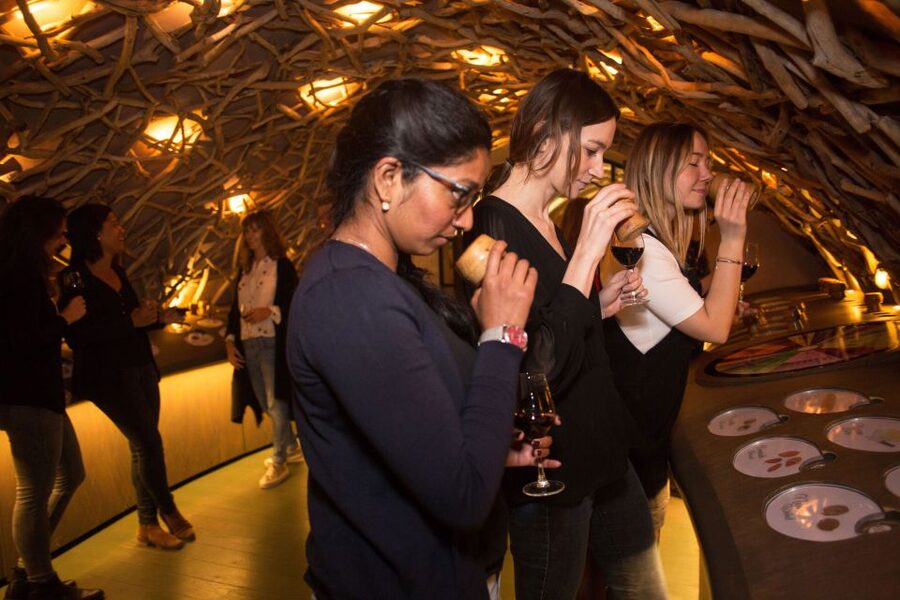
The most unusual part of this Paris wine tour is the setting: 18th-century cellars near the Louvre, once used to store wine for the King of France. The visit turns old stone rooms into a hands-on lesson, with aroma games, videos, and displays about grapes, soil, fermentation, and French wine regions.
I like the sensory approach, which makes wine less mysterious, and I like the compact one-hour format. The guide-led tasting, often praised for its humor and clear explanations, gives you three French wines without taking half a day. One consideration: the tour is in English only, and the cellar is not suitable for people with mobility impairments.
Key points at a glance
- Royal wine cellars: See the former wine stores connected with the King of France near the Louvre.
- Five-sense learning: Use aromas, visuals, games, and interactive displays to understand wine without needing prior knowledge.
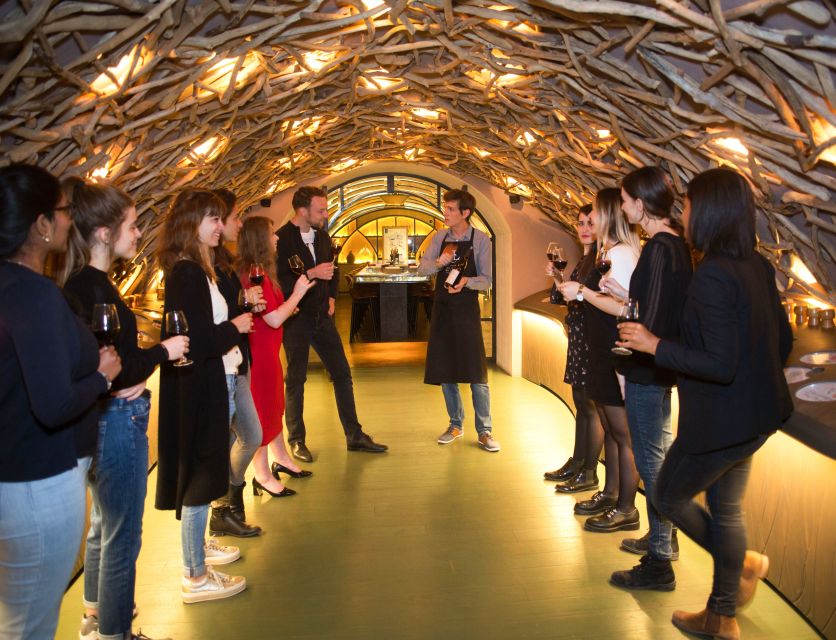
- Three French wines: Choose and taste three wines, with a sommelier explaining tasting technique and regional differences.
- Guides who keep it lively: Guides including JB, Lou, Pierre, Justin, Clement, and others have been praised for warmth, humor, and clear teaching.
- Easy Paris planning: The one-hour visit at 52 Rue de l’Arbre Sec fits neatly before or after the Louvre and nearby sights.
- Adults only: The experience is for visitors aged 18 and over, and the guided visit is offered in English.
Entering the cellars near the Louvre

Les Caves du Louvre is at 52 Rue de l’Arbre Sec in the 1st arrondissement, just by the Louvre. That location matters. You can place the tour between museum time, a walk along the Seine, or lunch nearby instead of giving up a full morning for a distant vineyard visit.
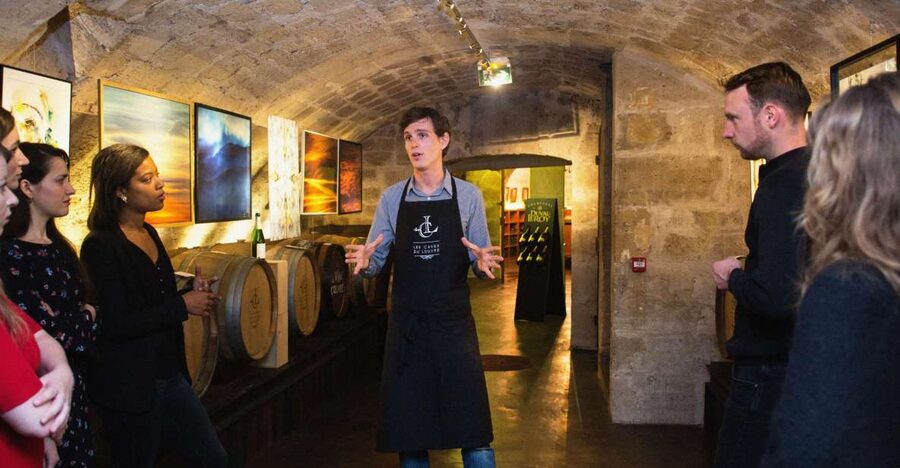
The cellars are the main draw before the first glass is poured. Their connection with the royal wine supply gives the tour a strong sense of place. You are not sitting in a generic tasting room with bottles lined against a wall. You move through old underground rooms, each used for a different part of the presentation.
The one-hour length is well judged for a city break. You get enough time to learn the basics and taste three wines, but the visit does not become a long lecture. If you have only two or three days in Paris, that can make this experience easier to fit into your plans.
The trade-off is that this is not a vineyard tour. You will not walk among vines or visit a working estate outside Paris. Instead, you get an urban wine experience focused on French regions, production, and tasting.
More Wine Tastings in France
- Montmartre Hill French Gourmet Food and Wine Tasting Walking Tour
★ 5.0 · 2,588 reviews - From Paris: Loire Valley Castles Day Trip With Wine Tasting
★ 4.6 · 1,727 reviews - Paris Le Marais District Original Food and Wine Tasting Tour
★ 4.5 · 880 reviews
A wine lesson built around your five senses
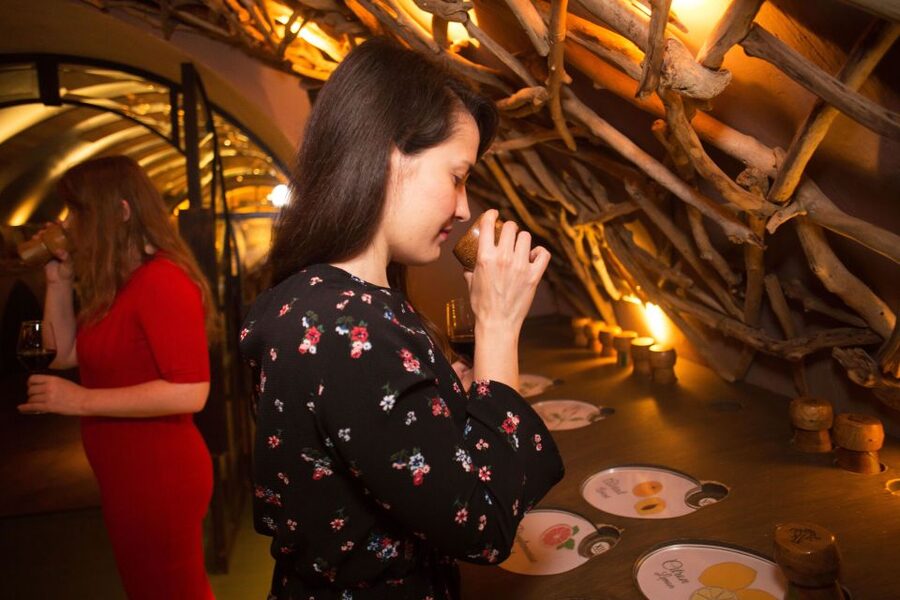
The tour explains wine from grape to bottle, but it does not rely only on spoken information. Each room presents a different part of the subject, using games, videos, displays, and sensory challenges.
The aroma section is especially useful. Wine descriptions often mention fruit, flowers, spice, wood, or earth, and that language can feel vague if you have never learned how to connect it with your nose. The sensory displays let you test aroma notes directly, which gives you something concrete to work with.
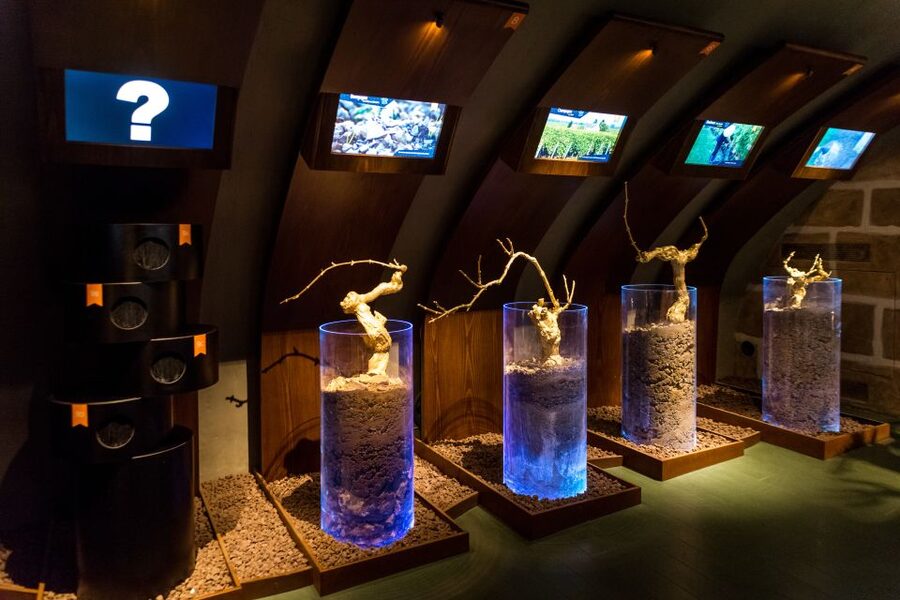
You also learn why the same grape can taste different depending on where it grows. Soil, climate, growing conditions, and regional methods all help shape a wine. The presentation uses examples involving different soils, including clay and limestone, to make the idea of terroir easier to grasp.
That is the best part of the format for a beginner. You do not need to arrive knowing the difference between Burgundy and Bordeaux, or between a grape and a region. The guide builds the lesson step by step. You might leave with a clearer idea of why French bottles are often identified by place rather than by grape variety.
The interactive format also works well for couples and small groups with mixed interests. A serious wine drinker can ask detailed questions, while someone who normally finds wine talk dull has something visual and practical to follow.
What the fermentation and production rooms explain
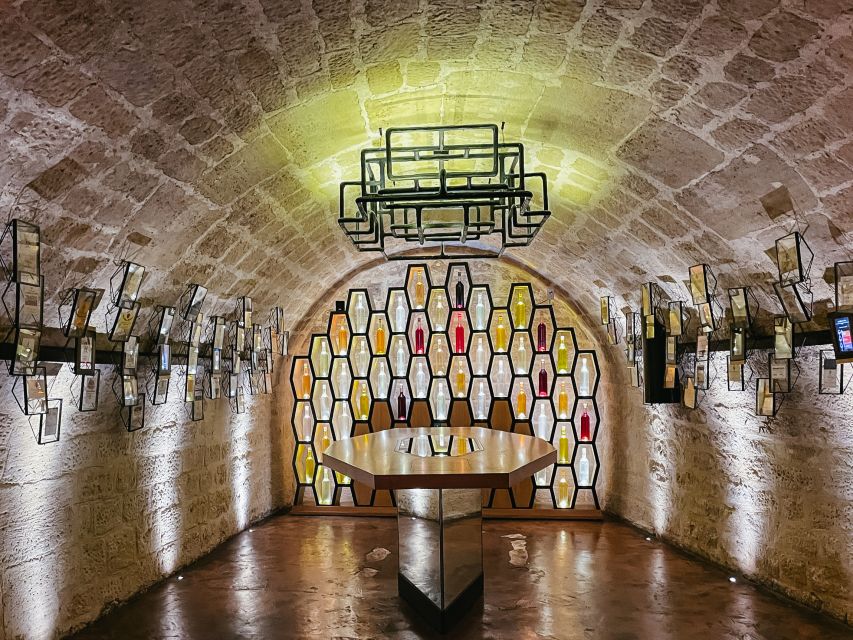
The visit covers the basic stages of winemaking, including fermentation, different yeasts, aging, and bottling. These topics are explained in plain terms rather than treated as a technical class.
Fermentation is a key point because it helps explain how grape juice becomes wine. The displays make the process easier to picture, while the guide connects it to the final taste in your glass. You also get a clearer sense of why winemaking is not just about the grape itself.
Aging and the role of the vine also enter the discussion. One memorable teaching example compares older vines with roots that reach farther into the soil. The point is not that old vines automatically produce better wine, but that vine age and soil access can affect how a wine develops.
The cellar rooms give this part of the visit a natural setting. You are learning about storage and wine production in a place built for wine, not in a bright classroom. That link between the room and the subject gives the hour more character.
Do not expect a full technical course on viticulture. The information is broad and accessible. If you already collect wine or have taken several formal tastings, some of the introductory material may feel familiar. You will still get a useful regional overview and a chance to ask questions.
French grapes, regions, and terroir made simple
French wine can be confusing because labels often emphasize the region rather than the grape. The tour helps sort out that system by introducing French grapes and the main wine-growing areas.
The guide connects grapes with place, climate, and soil. This is more useful than memorizing a list of names. You begin to understand why a similar grape may show different flavors in different parts of France.
Terroir is another major theme. The word is often used loosely, but here it is tied to actual examples involving soil and growing conditions. The displays recreate different ground types, including clay and limestone, so you can see how the land becomes part of the explanation.
I like this approach because it gives you tools for the rest of your trip. After the tour, a wine list in a Paris bistro may look less intimidating. You may also be more willing to ask a server about the region, grape, or style instead of choosing a bottle at random.
The experience does not attempt to cover every French wine area in equal depth. That would be impossible in an hour. Think of it as a clear introduction, not a reference book.
More Wine Tastings in Paris
- Paris: French Wine Tasting Class with Sommelier
★ 4.8 · 550 reviews - Cheese & Wine Tasting in Montmartre with Local Cheesemonger
★ 5.0 · 470 reviews - Paris: Wine Tasting Experience with 6 Wines and Cheese Board
★ 4.9 · 80 reviews - Paris: Loire Valley Chambord Castle, Wine Tasting & Lunch
★ 4.7 · 69 reviews
The tasting: three wines with a sommelier
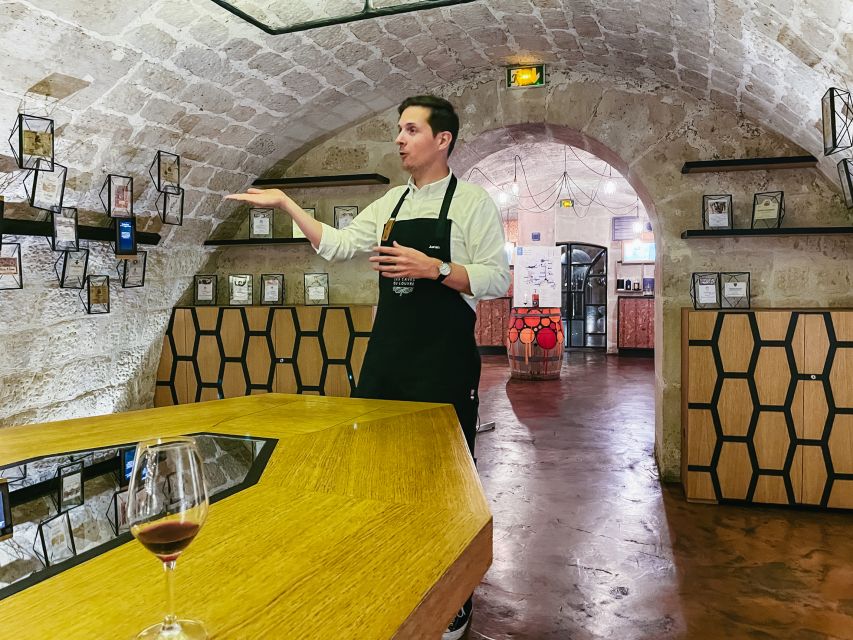
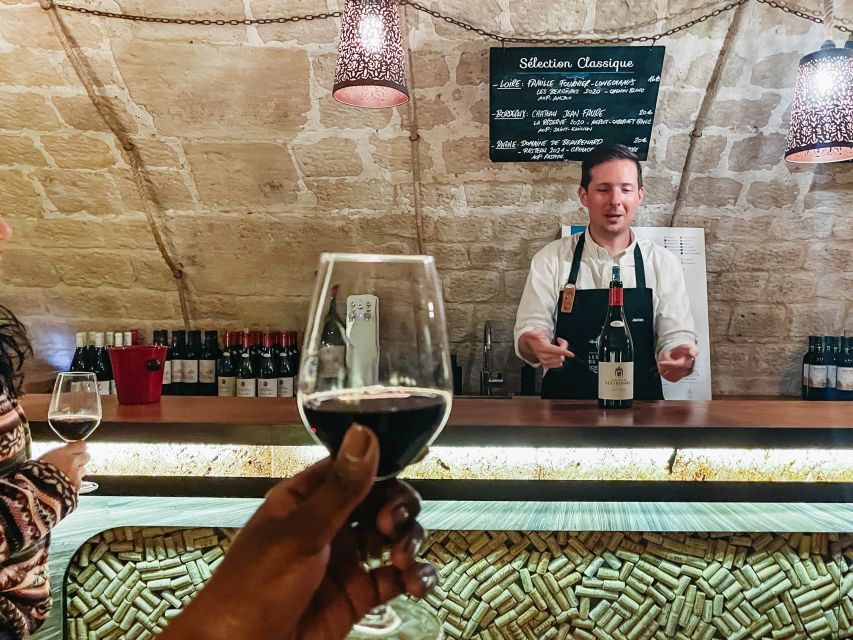
At the end, you choose and taste three French wines. The selection changes every week, so the exact bottles are not fixed. That keeps the experience fresh, but it also means you should not book expecting a particular appellation or grape.
The sommelier explains how to look at, smell, and taste each wine. You learn how the nose affects what you taste, how to notice texture and balance, and how to compare one glass with another.
The three wines are selected to show differences rather than offer three versions of the same style. The tasting can include wines with distinct regional traits, giving the lesson a practical finish. Several guides have also been praised for generous pours, though the exact serving style can vary.
The guide makes a real difference here. Names praised for their teaching and entertaining manner include JB, Jean-Baptiste, Lou, Pierre, Justin, Clement, Celia, Irvine, Irwin, Ives, and Willie. Guide assignments change, so you cannot request a particular person from the information available, but the repeated strength of the guiding team is a positive sign.
The tasting is not a full meal. Food is not included, though it may be available for purchase on site. Plan a proper lunch or dinner separately, especially if you want to absorb the wines at a relaxed pace rather than treat the tasting as a substitute for a meal.
There is also a premium tasting option associated with the experience. The available information does not give the upgrade price or a fixed list of bottles, but the premium choice includes higher-end wines. If the upgrade is offered when you book, it may suit you if the tasting itself is the main reason for coming. For a first introduction, the standard experience should still cover the essential lesson.
How the one-hour format affects the visit
One hour passes quickly in the cellars. That is an advantage if you are building a busy Paris day, but it also means the tour moves at a steady pace.
You will not have unlimited time at every display. Listen closely during the sensory sections, since the guide’s explanation helps connect the games and visual material to the wine later. If you have questions, ask them as you go rather than saving everything for the last few minutes.
A small group is available. That can make the experience more personal and gives you a better chance to ask about regions, grapes, and tasting technique. Group size may vary, so check the option offered for your chosen time.
The English-only format is important. If you want a French-language wine lesson, this is not the right booking. For English speakers, the guide-led explanations make the activity easy to follow even if wine vocabulary is new to you.
Who will get the most from this tour
This is a good choice for you if you want an indoor Paris activity with a strong local connection. It works especially well for:
- First-time wine drinkers who want an easy introduction
- Couples looking for a relaxed activity near the Louvre
- Wine fans who want a regional overview before visiting restaurants
- Solo visitors who enjoy guided learning and small-group conversation
- Adults who want something different from another museum
You do not need to be a wine expert. The sensory games and plain explanations are built for people who may not know much about French wine.
The tour is less suitable if you want a long tasting, a meal, or a trip into the countryside. It is also not suitable for children under 18, pregnant women, or people with mobility impairments. The cellar setting may require more care than a level modern venue, so consider that restriction seriously rather than treating it as a minor footnote.
Is $41 a fair price?
At $41 per person, the value depends on what you want from a wine experience. You are paying for more than three glasses. The price includes the cellar tour, an English-speaking guide, the sensory presentation, instruction on French grapes and regions, and the tasting itself.
Compared with arranging three separate glasses at a Paris wine bar, the structured lesson adds useful value. You also get access to a distinctive historic setting near one of the city’s biggest sights.
The price is less attractive if your only goal is to drink wine. A bar may let you sit longer, order food, and choose individual bottles. Les Caves du Louvre makes more sense if you want the context behind the wine and enjoy learning while you taste.
The premium option may be worth considering for committed wine fans, but check the added cost before confirming. The regular visit already gives you three wines and a full introduction.
Free cancellation up to 24 hours before the start and a reserve-now, pay-later option make the booking easier to fit around changing Paris plans. Check current start times before you commit, since the duration is one hour and availability varies.
Planning the visit around the Louvre
The address makes this easy to pair with nearby sightseeing. You can visit the cellars before the Louvre, after the museum, or as a break from walking around central Paris.
I would avoid placing it immediately after a rushed museum visit if you want to enjoy the teaching. Give yourself enough time to reach 52 Rue de l’Arbre Sec and arrive ready to focus. The tour is short, but it is not a drop-in tasting where you can wander in and out.
A post-tour meal is simple to arrange, with bistros across the Seine mentioned as a useful nearby option. Since food is not included, this pairing works well: learn and taste first, then sit down for a proper meal.
You can also use the tour as a quieter pause in a packed sightseeing day. The cellar rooms offer a change from Paris streets and crowded galleries, while the guide keeps the hour active rather than passive.
Should you book Les Caves du Louvre?
Book it if you want a short, central, educational wine experience with a memorable setting. The five-sense displays, regional explanations, and three-wine tasting give beginners plenty to enjoy, while the sommelier-led discussion offers enough substance for people who already drink French wine.
Skip it if you need a full meal, a countryside vineyard visit, or a French-language tour. You should also look elsewhere if stairs or uneven access are a concern.
For most adults with an hour to spare near the Louvre, $41 is a reasonable price for a guided introduction rather than a simple tasting. Check the language, mobility limits, and any premium upgrade before booking, then let the cellar provide a welcome change of pace from Paris’s major museums.
FAQ
Where does the Les Caves du Louvre tour meet?
The meeting point is 52 Rue de l’Arbre Sec, 75001 Paris, near the Louvre.
How long does the experience last?
The guided visit lasts one hour.
What language is the tour offered in?
The guided tour is offered in English only.
How many wines do you taste?
You choose and taste three French wines at the end of the visit.
Does the wine selection stay the same?
No. The wine list changes every week, so the exact wines can vary.
Is food included?
No. Food is not included, but it may be purchased on site.
Is the tour suitable for children?
No. The experience is not suitable for children under 18.
Can pregnant women join the tour?
No. Pregnant women are listed among those for whom the activity is not suitable.
Is the experience accessible for people with mobility impairments?
No. The activity is not suitable for people with mobility impairments.
Can I cancel for a refund?
You can cancel up to 24 hours in advance for a full refund. A reserve-now, pay-later option is also available.
Freshly poured around Paris
- Private tour of Paris by Night with Champagne★ 4.7 · 323 reviews
- Paris: Wine Tasting Experience with 6 Wines and Cheese Board★ 4.9 · 80 reviews
- Paris: Wine and Cheese Tasting with a Chef Sommelier★ 4.7 · 277 reviews
- Paris: Wine and Cheese Tasting★ 4.6 · 91 reviews
- Paris: Tasting of 3 Wine and 3 Cheese★ 5.0 · 74 reviews
- Paris: The Ultimate Wine and Cheese Tasting in English★ 5.0 · 33 reviews
- Paris: The Ultimate Wine Tour of Montmartre – 7 Guests max★ 5.0 · 28 reviews
- Paris : Scenic Cruise on the Seine River with Champagne★ 4.0 · 81 reviews
Paris Wine Tours, side by side.
Authentic Parisian Gourmet Food Tour with 10 Local Dishes & Wines
Read our review →
Loire Valley Castles Day Trip from Paris with Complementary Wine
Read our review →
Montmartre Hill French Gourmet Food and Wine Tasting Walking Tour
Read our review →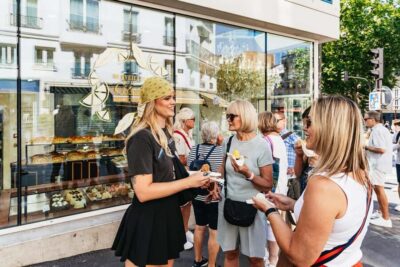
Paris: Montmartre Cheese, Wine & Pastry Guided Walking Tour
Read our review →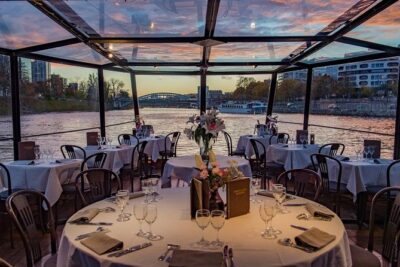
Paris 3-Courses Gourmet Dinner Seine River Cruise with Champagne
Read our review →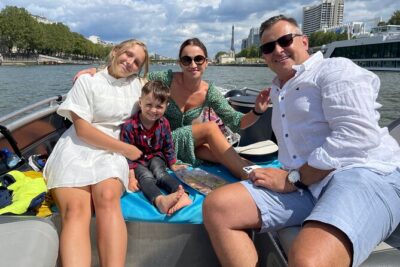
Top Private Cruises in Paris with French Champagne and surprises
Read our review →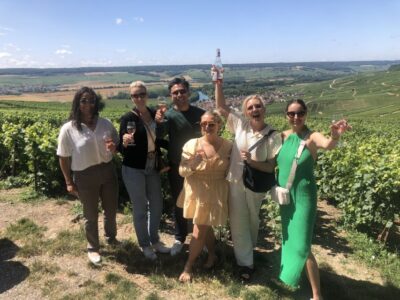
From Paris: Day Trip to Champagne with 8 Tastings & Lunch
Read our review →
Private Montmartre Food Tour with Wine, Cheese & Pastries
Read our review →Lists this tasting sits in