
Review · ARGENTINA
Premium Argentinian Wines and Malbec Tasting Experience
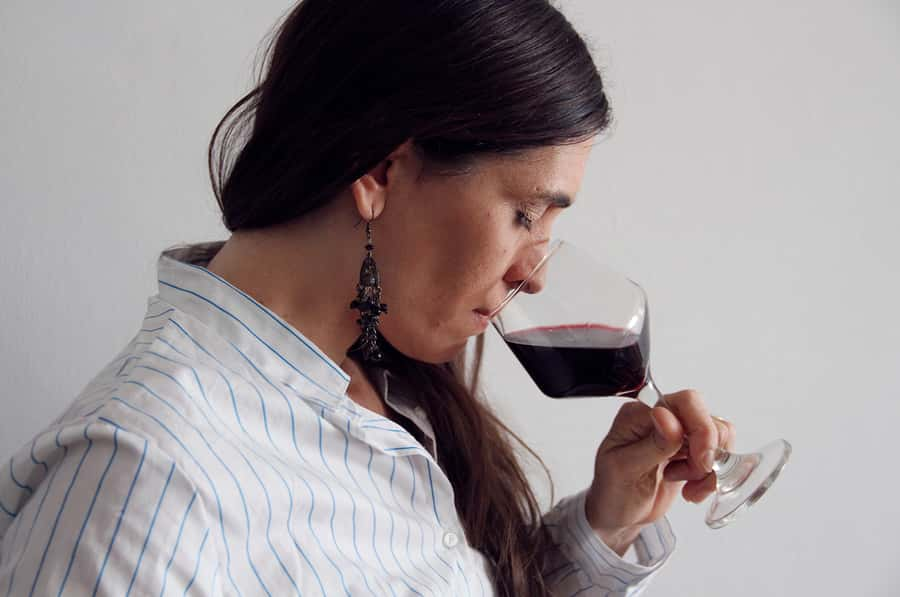
Argentina’s wine story comes neatly into focus over three glasses in Palermo Soho. You taste Torrontés, Pinot Noir, and Malbec while learning how Mendoza, Salta, and Patagonia produce wines with very different character. The tasting is as much a short wine class as it is a night out with food.
I like the clear regional comparison, and I like the way the wines come with cheese, salami, and other local snacks rather than being served alone. Guides such as Lourdes, Tomas, and Faku have been praised for their easy conversation and strong command of Argentine wine, with some hosts even bringing out old maps to explain the country’s vineyards.
The main thing to watch is the timing. The experience is advertised as 90 minutes, while the itinerary also describes the Palermo visit as lasting two hours. If you have a dinner reservation right afterward, leave some breathing room.
Key points to know before you book
- Three distinct Argentine grapes: Taste Torrontés, Pinot Noir, and Malbec, with Malbec taking the starring role.
- A useful regional lesson: Compare Mendoza, Salta, and Patagonia rather than learning about Argentine wine as one broad category.
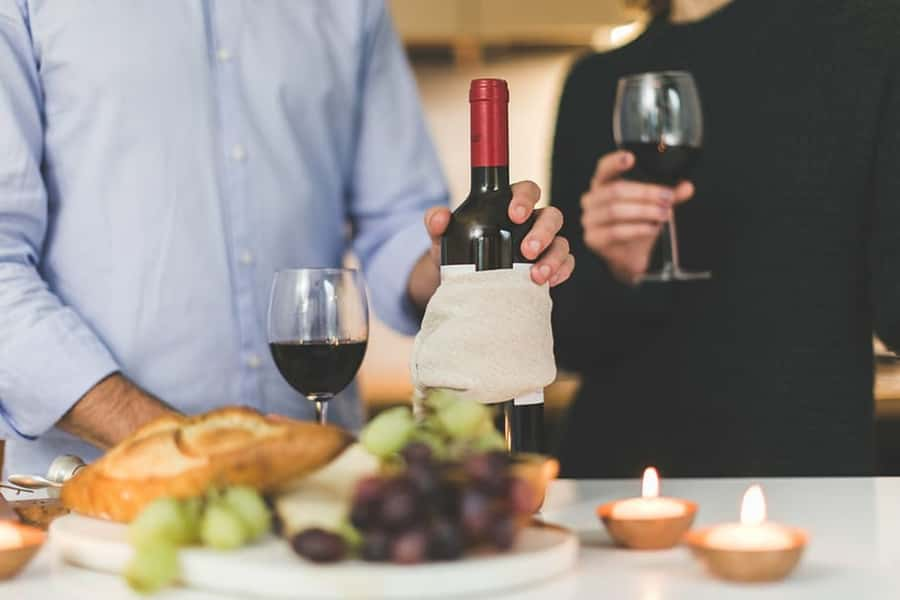
- Food is part of the experience: Cheese, salami, and a typical appetizer help show how local wines work with food.
- Personal guiding matters: Lourdes, Tomas, Faku, Myrian, Pamela, and other hosts have been singled out for warm, detailed presentations.
- Central Palermo location: The meeting point is on Gorriti in Palermo Soho, a handy place to continue your evening afterward.
- Adults only: The tasting is not suitable for children under 18 or wheelchair users.
Three glasses that explain Argentina
Many visitors arrive in Argentina knowing one word: Malbec. That is a good start, but it is only the start. This tasting gives you a compact way to see how the country’s wine identity reaches beyond its most famous red grape.
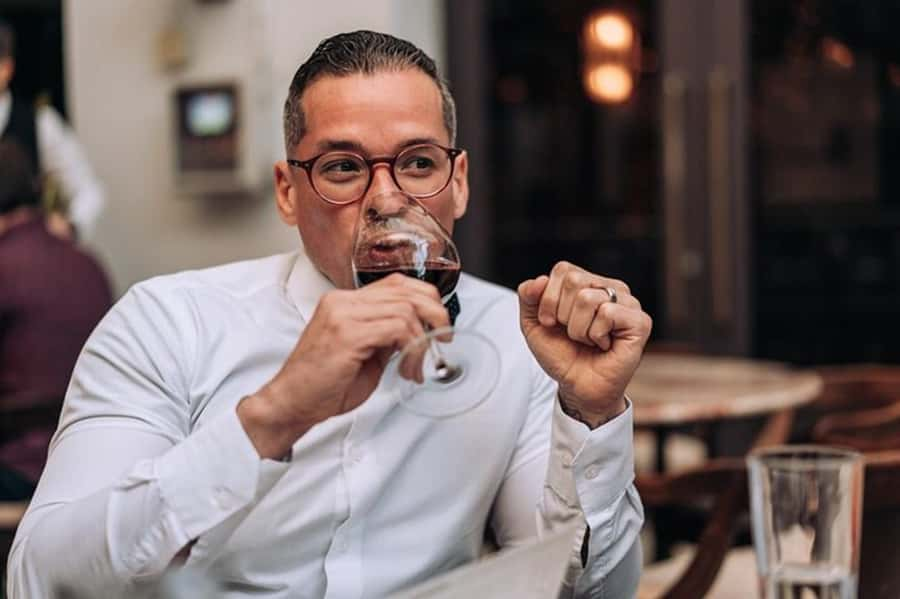
You begin with a selection of regional wines and a talk about Argentina’s winemaking development. The aim is not simply to tell you which bottle tastes best. You learn how to look at a wine, notice its aroma, consider its flavor, and think about the place where its grapes were grown.
The three featured wines give the session a sensible shape. Torrontés offers a look at one of Argentina’s best-known white grapes. Pinot Noir brings a different style of red wine to the table. Malbec then returns the focus to the variety most closely associated with the country.
The exact labels and vintages can vary, so you should not book this expecting one fixed bottle list. What stays consistent is the teaching approach: you taste several wines while your guide explains grape type, vineyard location, production, and food pairing.
More Wine Tastings in Argentina:
- From Salta: Full-Day Tour to Cafayate with Wine Tasting
★ 4.5 · 478 reviews - From Salta: Cafayate Day Trip with Wine Tasting
★ 4.4 · 226 reviews - Buenos Aires: Wine Tasting and Lunch at Bodega Gamboa
★ 4.8 · 177 reviews
Mendoza, Salta, and Patagonia on one map
The strongest part of the experience is the regional comparison. Argentina is a long country with vineyards spread across very different areas, and the session introduces you to three major wine regions: Mendoza, Salta, and Patagonia.
Mendoza is the name most visitors already know. It is central to Argentina’s international wine reputation, especially for Malbec. Salta gives you another point of comparison, with its own local wine character and grape-growing conditions. Patagonia adds a southern perspective, showing that Argentine wine is not limited to one famous area.
Your guide explains how these places differ in flavor and style. You are not just memorizing names on a map. You are learning to connect a wine with its origin, which makes later bottle shopping in Buenos Aires far less random.
One guide, Faku, used original antique maps while explaining the development of Argentine winemaking. That sort of visual aid can make the geography easier to grasp, especially if you do not already know where the country’s vineyards sit.
This regional section is valuable for another reason: it keeps Malbec from becoming the whole story. You get a better sense of Argentina as a wine-producing country, not simply a place that makes one popular red.
Starting at Gorriti in Palermo Soho

The meeting point is listed as Gorriti 4882, with another instruction giving Gorriti 4886. Both addresses are in Palermo, Buenos Aires, so check your final booking details carefully before setting out. One practical tip is to use a ride-hailing car if you are unsure of the address or want to arrive without a last-minute search.
Palermo Soho is a useful setting for this kind of evening. It gives you a chance to combine the tasting with dinner, drinks, or a walk through one of Buenos Aires’s popular neighborhoods. The venue has been described as bright, with high ceilings, and earlier sessions have also taken place in an intimate cellar setting.
That means the room may not feel identical every time. I would treat the setting as a pleasant part of the night, but I would book this for the wine teaching and the social atmosphere rather than for a guaranteed cellar tour or a particular interior.
There is no hotel pickup or drop-off. You need to make your own way to Gorriti Street, which is easy enough for most independent visitors but worth planning around if you are staying far from Palermo.
How the 90-minute tasting unfolds
The session begins with an introduction to Argentine winemaking and the country’s main vineyard regions. Your guide sets out the basic map, explains how the wine industry developed, and gives you a framework for tasting what follows.
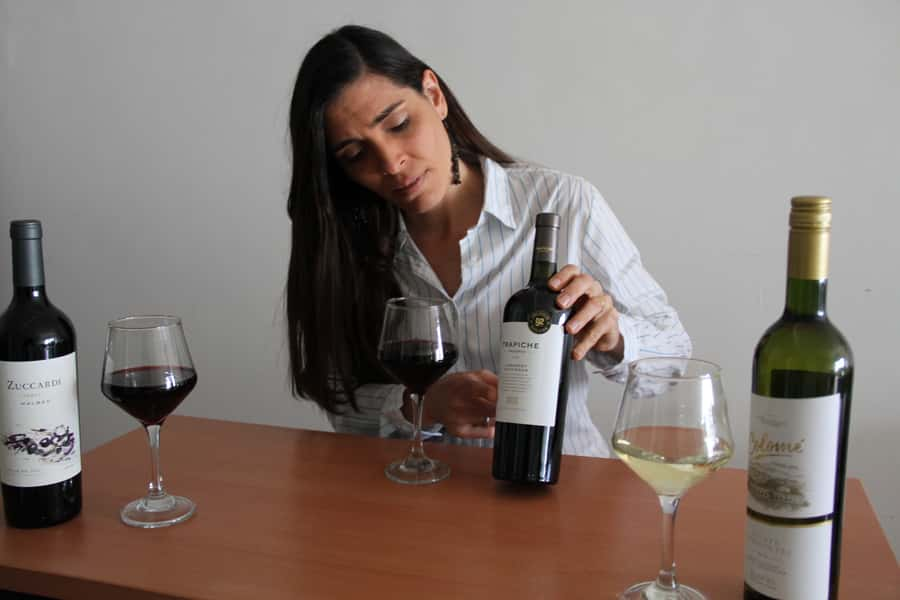
You then work through three wines: Torrontés, Pinot Noir, and Malbec. The order is designed to let you notice differences between white and red wine, as well as differences between grape varieties.
At each stage, expect information about the wine’s appearance, aroma, taste, grape variety, vineyard location, and vintage. The level of detail can vary with the guide and the questions in your group, but the format is built to be interactive rather than a silent flight of samples.
The tasting is accompanied by food. Cheese and salami are specifically mentioned, along with a typical Argentine appetizer. This matters because wine can seem abstract when you drink it by itself. A bite of food shows you how acidity, fruit, tannin, and salt work together.
The scheduled length is 90 minutes. The broader itinerary also labels the Palermo activity as two hours, so I would allow closer to two hours if you want to chat, ask questions, or avoid rushing to your next plan.
More wine tours around Argentina:
- From Mendoza: 3 Wineries, Olive Oil Factory Tour & Tasting
★ 4.6 · 901 reviews - Mendoza: Half-Day Wine Tour with Tastings
★ 4.3 · 727 reviews - From Salta: Cafayate, land of wines and imposing ravines
★ 4.4 · 347 reviews - Mendoza: Full Day Wine Tour with 3 Course Lunch
★ 4.3 · 153 reviews
Why the food pairing earns its place
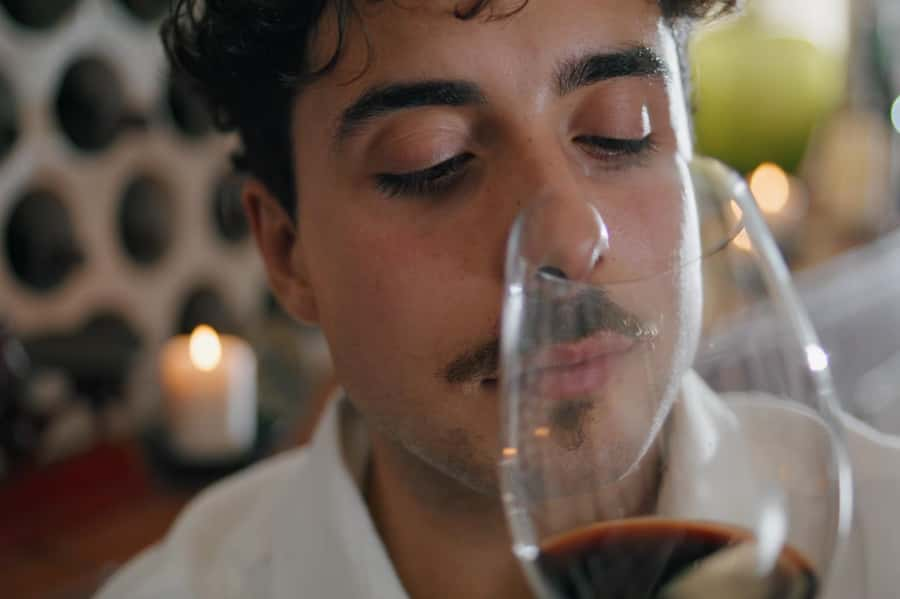
The food is not just a small extra on the side. It gives the tasting a more local, social feel and helps you judge the wines in a practical way.
Cheese and salami are useful partners for a tasting because they change how a wine feels in your mouth. They also make the event more satisfying than a series of tiny pours with no substantial accompaniment. A local appetizer adds another touch of Argentine flavor without turning the event into a full meal.
Several hosts have been praised for matching the food carefully with the wines. Lourdes, for example, has been described as explaining how the wines pair with different foods, while other sessions included generous pours with cheese and salami.
You should not treat this as a substitute for dinner unless you tend to eat lightly. The experience includes an appetizer and tasting accompaniments, not a full evening meal. Plan your next meal accordingly, especially if you have a larger appetite.
The guides make the difference
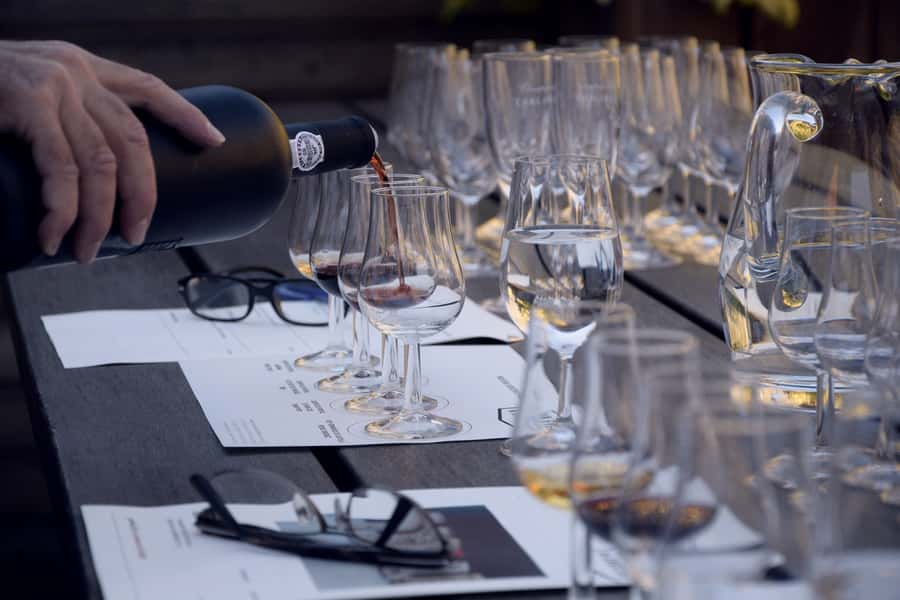
This is a hosted tasting, not an automated presentation, so the guide shapes much of your experience. The strongest descriptions focus on people who could explain technical points in plain language while keeping the evening relaxed.
Lourdes has been praised for explaining the appearance, aroma, and taste of each wine and for making guests feel at home. Tomas has been noted for covering the wine regions, the development of the industry, and the qualities of the wines served.
Faku brought original antique maps into the discussion and also helped with broader Buenos Aires questions. That can be especially useful early in a visit, when you are still deciding what to see and where to eat.
Other named hosts include Myrian, Pamela, Rocio, and Andrea. Myrian made a special effort to accommodate dietary needs for one pair, including celiac disease, lactose intolerance, kidney problems, and a meat-free diet. That is a helpful sign that you should communicate dietary restrictions before arriving rather than simply hoping the standard food will work for you.
The language choices are English, Spanish, and Portuguese. You can select the language that lets you ask the best questions, and that is important in a wine class where small differences in vocabulary matter.
What the Malbec focus gets right
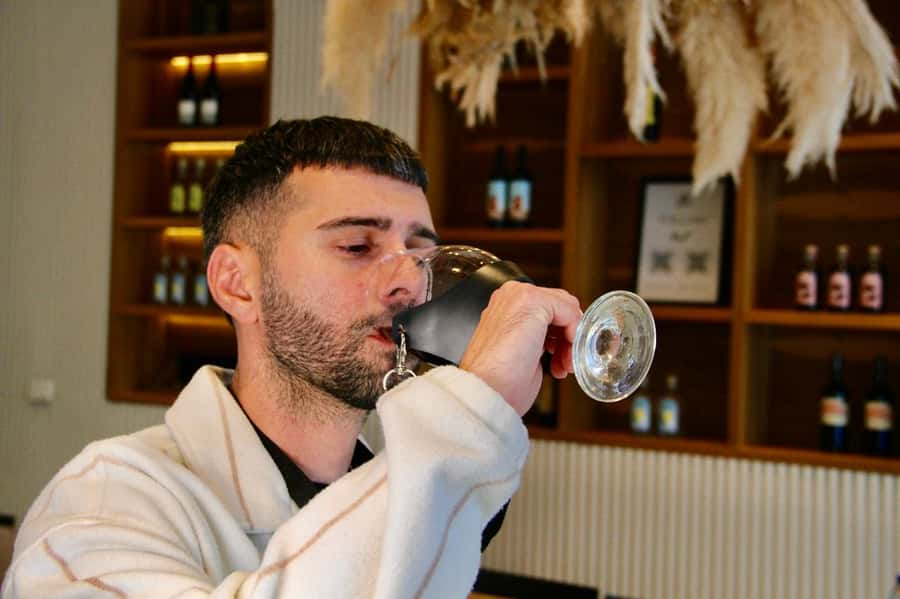
Malbec deserves attention here. Argentina helped make the grape famous around the world, and tasting it in the country gives the subject useful context.
You learn where Malbec fits within Argentine production and how its character relates to the region where it grows. The point is not to declare one bottle the winner. It is to help you notice the qualities that make Argentine Malbec so widely recognized.
The experience also avoids treating Malbec as the only grape worth your time. Torrontés and Pinot Noir keep the tasting from becoming repetitive and show you two other directions to explore in wine shops and restaurants.
If you already know a lot about Napa, Bordeaux, or other wine regions, you may still find the Argentine focus worthwhile. One participant with regular Napa experience praised the depth of the wine presentation and the quality of the food. You should expect an accessible class rather than a formal examination of every production method, but there is enough substance to keep an experienced drinker interested.
Is $50 good value?
At $50 per person, the price is reasonable if you want more than three small pours. You are paying for the wines, food, a professional guide, and a structured explanation of Argentine regions and grape varieties.
The value is strongest for visitors who would otherwise spend an evening ordering unfamiliar bottles without knowing what they are drinking. Here, you leave with a clearer idea of what Mendoza, Salta, and Patagonia mean, why Malbec matters, and how to compare Argentine wines.
The price is less compelling if you want a large meal, a vineyard visit, or a full-day winery excursion. This takes place in Buenos Aires rather than among the vineyards, and the experience is a compact introduction, not a trip to a production facility.
Generous pours have been noted, but you should still think of this as a tasting with food rather than a drinking session. The real value lies in the explanation and the chance to ask questions. If your guide is as engaging as Lourdes, Tomas, or Faku, the conversation can make the $50 feel well spent.
Who should book this Palermo tasting?
I would recommend it to first-time visitors who want a clear introduction to Argentine wine without leaving Buenos Aires. It also suits couples, friends, and solo visitors who prefer a small hosted activity to a formal restaurant meal.
It is a good choice if you are curious about wine but do not know the right questions to ask. Your guide can give you a starting vocabulary and help you understand what to look for in a bottle later in the trip.
Wine fans will appreciate the regional focus and the chance to try three different grape varieties. The class may be less satisfying for someone looking for rare labels, a large number of wines, or a technical cellar tour.
The adults-only rule is firm, and the experience is not suitable for wheelchair users. Rain or storms do not cancel the event, so bring a sensible plan for getting to Gorriti Street in poor weather.
Free cancellation is available up to 24 hours before the start, and you can reserve now while paying later. Those terms are useful if your Buenos Aires schedule is still moving around, but check the final meeting address and starting time before you go.
Should you book it?
Book this if you want Argentine wine explained by a person, with enough food to keep the tasting comfortable and enough regional detail to make the lesson useful. The combination of Torrontés, Pinot Noir, and Malbec is well chosen, and the Palermo location makes it easy to fit into an evening.
I would be more cautious if your priority is a vineyard visit, a full dinner, or a guaranteed list of specific producers. For that, you need a different kind of outing.
For most visitors, though, this is a smart first step into Argentina’s wine culture. You get the famous Malbec, but you also leave knowing to ask about Torrontés, Pinot Noir, Salta, Patagonia, and Mendoza the next time you read a wine list.
FAQ
Where does the wine tasting take place?
The meeting point is on Gorriti Street in Palermo, Buenos Aires. The information gives Gorriti 4882 and also Gorriti 4886, so check your booking details for the exact address.
How long does the experience last?
The main duration is 90 minutes. The itinerary also describes the Palermo activity as two hours, so allow extra time if you want to stay for questions or have plans afterward.
Which wines will I taste?
The tasting includes Torrontés, Pinot Noir, and Malbec. The exact labels and vintages are not specified.
Is food included?
Yes. Food and drinks are included, with cheese, salami, and a typical Argentine appetizer mentioned as tasting accompaniments.
What languages are available?
The live guide can conduct the experience in English, Spanish, or Portuguese.
Can children or wheelchair users join?
No. The experience is not suitable for children under 18 or wheelchair users.
Freshly poured around Argentina
- Mendoza: Premium Wine Tasting★ 4.4 · 48 reviews
- Mendoza: Winebike Tasting Tour with Optional Lunch★ 4.1 · 73 reviews
- Mendoza: Top Wineries Guided Tour with Transportation★ 4.8 · 99 reviews
- Mendoza: Wine Tasting Tour with Lunch and Private Transport★ 4.6 · 48 reviews
- From Salta: Cafayate Day Trip with Wine Tasting★ 4.4 · 226 reviews
- Buenos Aires: Wine Tasting and Lunch at Bodega Gamboa★ 4.8 · 177 reviews
- Buenos Aires: Palacio Barolo Guided Night Tour with Wine★ 4.4 · 54 reviews
- Premium Empanadas Cooking Class & Wine Tasting Experience★ 4.9 · 35 reviews
Argentina Wine Tours, side by side.
From Mendoza: 3 Wineries, Olive Oil Factory Tour & Tasting
Read our review →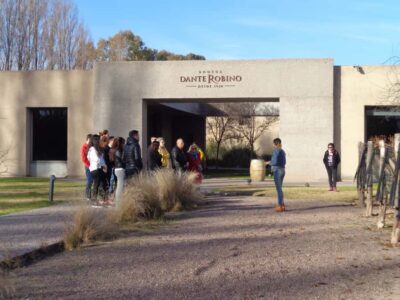
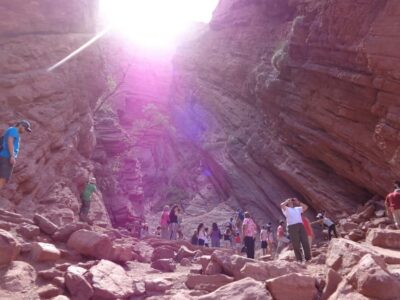
From Salta: Full-Day Tour to Cafayate with Wine Tasting
Read our review →
From Salta: Cafayate, land of wines and imposing ravines
Read our review →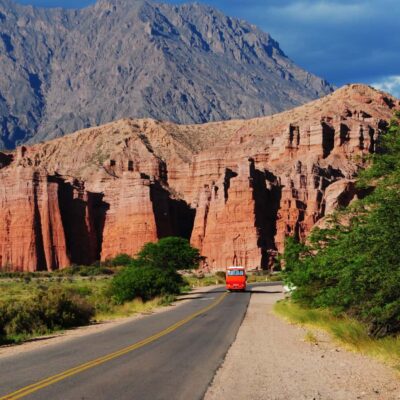
From Salta: Cafayate Day Trip with Wine Tasting
Read our review →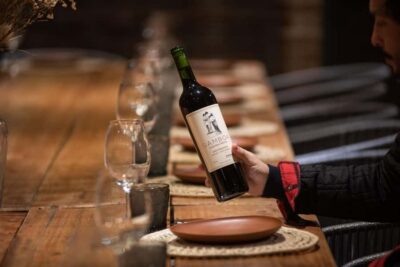
Buenos Aires: Wine Tasting and Lunch at Bodega Gamboa
Read our review →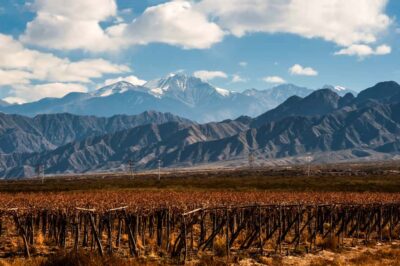
Mendoza: Full Day Wine Tour with 3 Course Lunch
Read our review →
Lists this tasting sits in