
Review · MENDOZA
Mendoza: Half-Day Wine Tour with Tastings
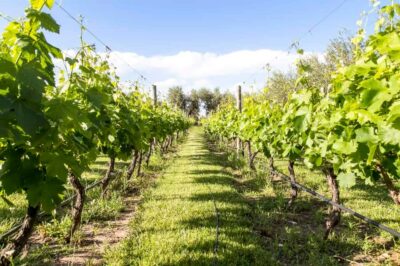
Mendoza’s vineyards are an unlikely sight: a cultivated wine region spread across dry desert country, made possible by irrigation canals inherited from the Huarpes. This five-hour outing gives you a useful introduction to that story, then brings it to life with two winery visits and tastings.
I like the low price of $43 and the efficient format. You get hotel pickup in central Mendoza City, transport, two winery tastings, and an olive oil stop without giving up a full day. I also like the language support, with guides working in English, Spanish, and Portuguese.
The main catch is that the wineries change from day to day, and the quality of the visits can vary. One stop may offer a thoughtful cellar tour, while another feels rushed, especially when several buses arrive together. Lunch is not included, so eat before pickup.
The essential points at a glance
- Mendoza’s desert becomes wine country: Your guide explains the Huarpes irrigation canals that made vineyards possible.
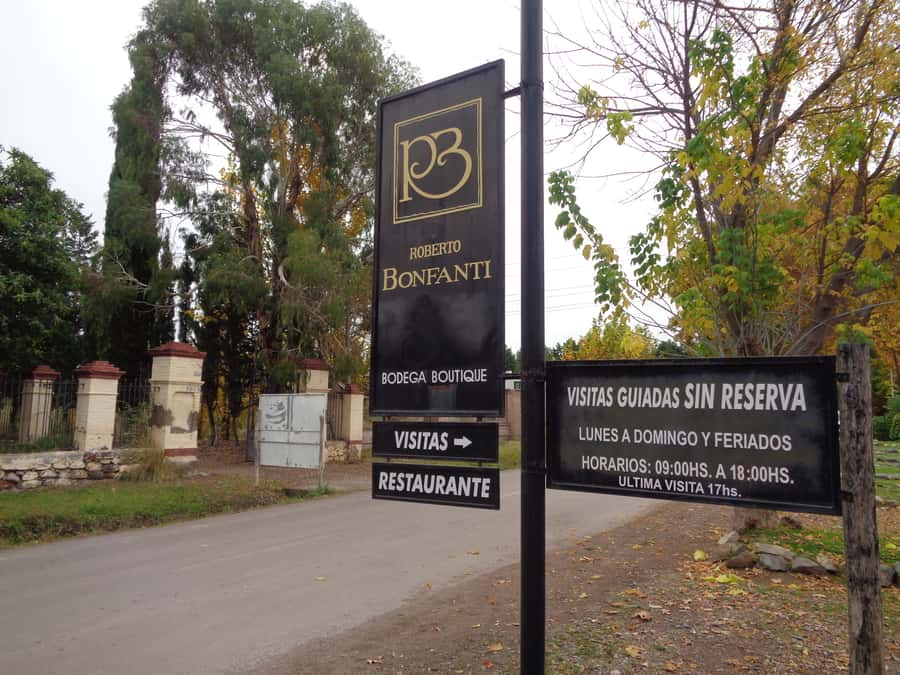
- Two wineries are included: Visits may feature Bodega Lopez, Nieto Senetiner, Vistandes, Bonfanti, Florio, Dante Robino, Don Arturo, or Cecchin.
- Olive oil is part of the regular route: The final stop is usually Pasrai or Laur, with olive oil and related tastings.
- The tour lasts five hours: That is enough time for a useful introduction without taking over your entire day.
- Language help is a real strength: Live guiding is available in English, Spanish, and Portuguese, and groups may be split by language at the stops.
- Prepare for an educational group tour: The value is strong, but the pace and presentation depend on the wineries assigned that day.
Why Mendoza’s vineyards exist in the desert
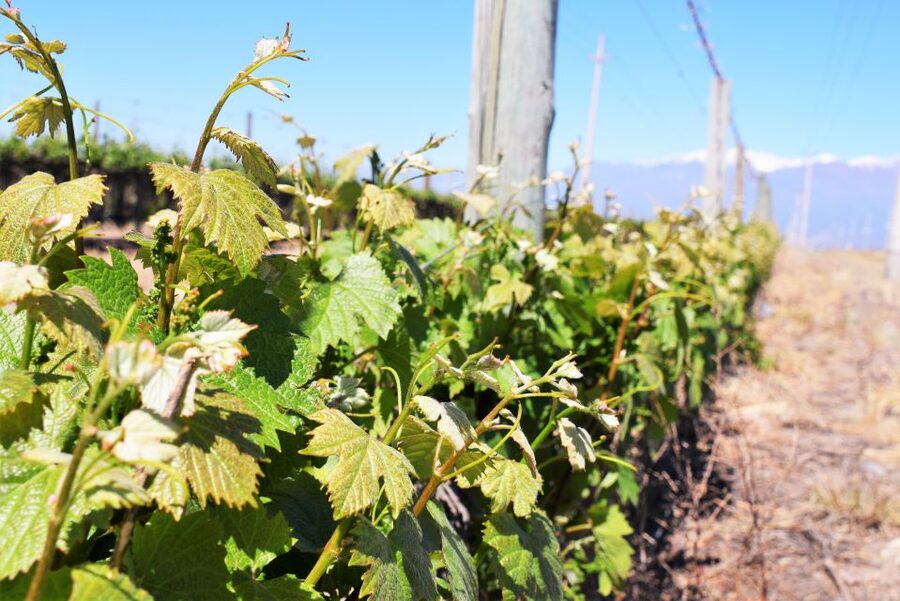
Before the first tasting, pay attention to the setting. Mendoza is dry country, yet its vineyards produce some of Argentina’s best-known wines. The basic reason is water management.
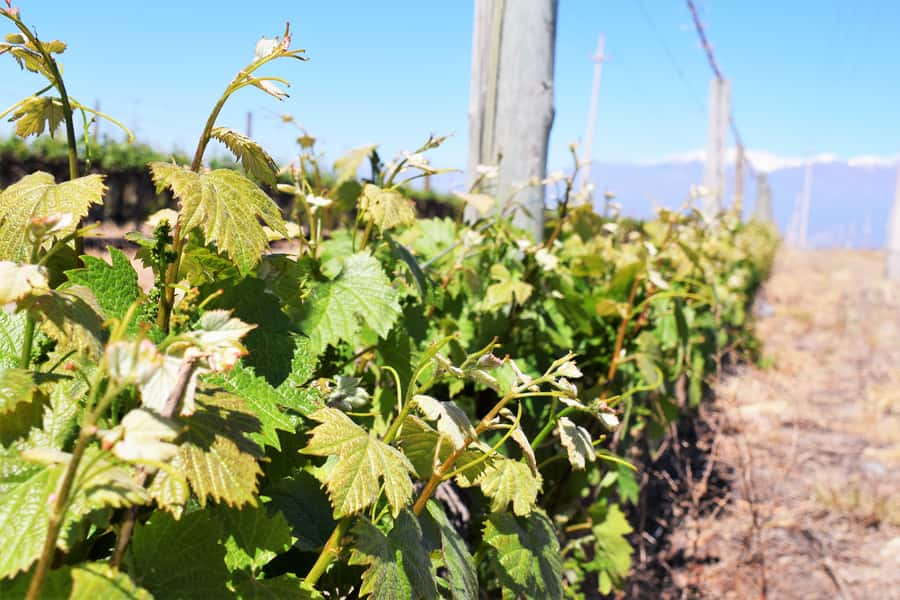
Your guide explains how irrigation canals linked to the Huarpes, the native people of the region, helped turn an arid area into productive farmland. That detail gives the tour more substance than a simple ride from one tasting room to another. You begin to see the vineyards as the result of long, careful work rather than a natural feature of the region.
The drive also gives you a short introduction to Mendoza Province. The route usually heads toward Luján de Cuyo or Maipú, two important wine areas close enough to Mendoza City for a half-day visit. The exact route depends on the wineries available that day.
More half-day tastings around Argentina:
- Montserrat Half-Day Tour with Tapas and Gourmet Wines
★ 5.0 · 7,359 reviews - From Florence: Chianti Half-Day Wine Tour with Tasting
★ 4.5 · 3,031 reviews - From Barcelona: Montserrat Half-Day Wine and Tapas Trip
★ 4.8 · 1,918 reviews
A five-hour route with plenty of tasting
The timing is straightforward. Pickup is available from accommodation in central Mendoza City, with the listed meeting and drop-off point at Av. Sarmiento 501-599. The tour then uses a coach or bus to connect the stops.
Expect roughly 30 minutes of driving between stages. The core visits generally take about an hour each, although the order can change. A typical sequence includes a first winery tour and tasting, a visit in Maipú, a second winery tasting, and the olive oil stop in the regular option.
That format works well if you want to see the wine region but also have other plans in Mendoza. A full-day wine trip may offer more time at each estate, a restaurant meal, or a greater number of wineries. This tour gives you the basics in a compact package and leaves the rest of the day free.
At the first winery, start with the production story
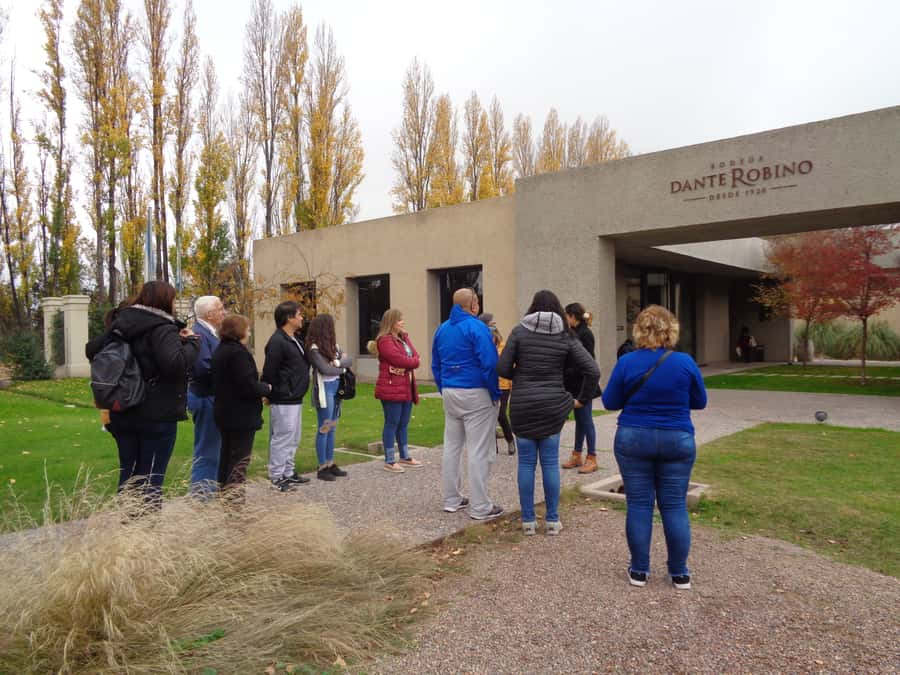
The first winery is where the tour usually shifts from scenery to process. A local guide explains how grapes move from harvest through fermentation, aging, and bottling. You may see production equipment, storage areas, or a small vineyard section, depending on the site.
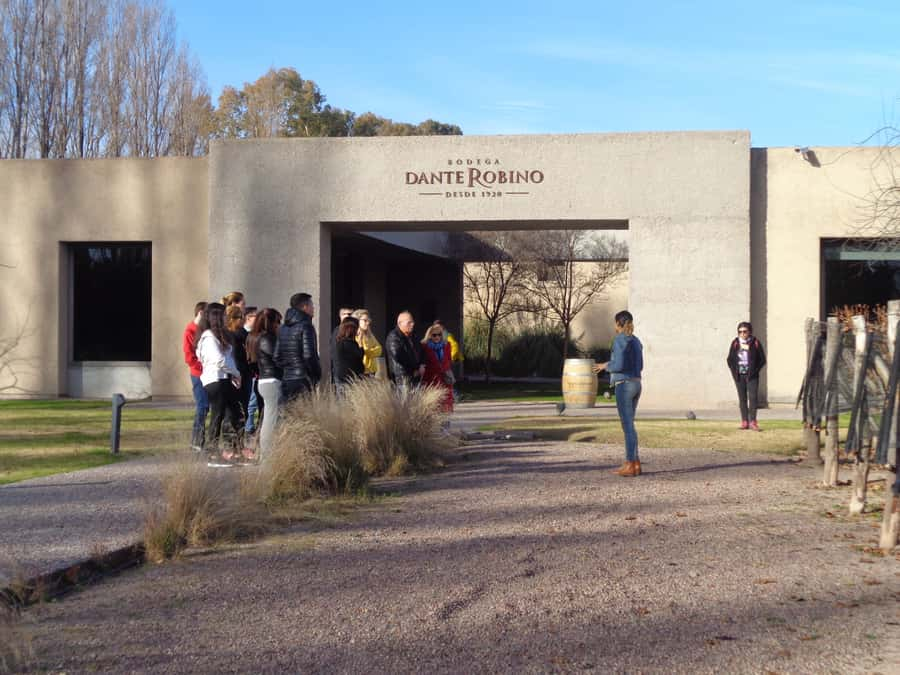
The wineries are not identical. Past routes have included both larger commercial producers and smaller, more personal operations. Bodega Lopez, for example, has been praised for a strong presentation, while Don Arturo has provided a more intimate family-scale contrast. That difference is useful because it shows that Mendoza wine is not made in only one style or setting.
At the tasting, your guide or winery host helps connect the wine in your glass to the production method. You may taste several wines, and the exact number changes with the winery. One past visit included seven wines across three winery stops, but you should not treat that as a fixed promise for this half-day route.
The quality of the explanation matters here. Guides such as Marta, Mica, Claudia, Fabricio, and Mafalda have been singled out for clear explanations and a friendly manner on different departures. English speakers are often given a separate English explanation at the wineries when the main group is Spanish-speaking. If you are the only English speaker, that can sometimes feel almost like a private visit.
Luján de Cuyo and Maipú offer different flavors
You will normally visit wineries in Luján de Cuyo or Maipú, rather than choosing a specific estate when you book. The possible wineries include Bodega Lopez, Bodega Nieto Senetiner, Bodega Vistandes, Bodega Bonfanti, Bodega Florio, Bodega Dante Robino, Bodega Don Arturo, and Bodega Cecchin.
That changing lineup is both a benefit and a limitation. It keeps the price down and lets the operator build each day around availability. It also means you should not book this if one particular winery is the main reason you want to go.
The mix can be interesting. One stop may feel modern and industrial, while another is smaller and more traditional. An organic winery has also appeared on past routes, with time to walk through the vines. On the other hand, some departures have found the wineries crowded, with multiple groups arriving at once. That can make the tasting feel more like a timed presentation than a relaxed wine conversation.
Bodega Florio has produced mixed results depending on personal taste and the amount of time available. Some visitors have found the tour brief and the wines less appealing, particularly if they do not enjoy sweet wine. This is a good reminder that the experience is not a fixed luxury tasting. It is a practical introduction with variable stops.
More wine tours around Argentina:
- From Mendoza: 3 Wineries, Olive Oil Factory Tour & Tasting
★ 4.6 · 901 reviews - From Salta: Full-Day Tour to Cafayate with Wine Tasting
★ 4.5 · 478 reviews - From Salta: Cafayate, land of wines and imposing ravines
★ 4.4 · 347 reviews - From Salta: Cafayate Day Trip with Wine Tasting
★ 4.4 · 226 reviews
The olive oil stop adds a welcome change
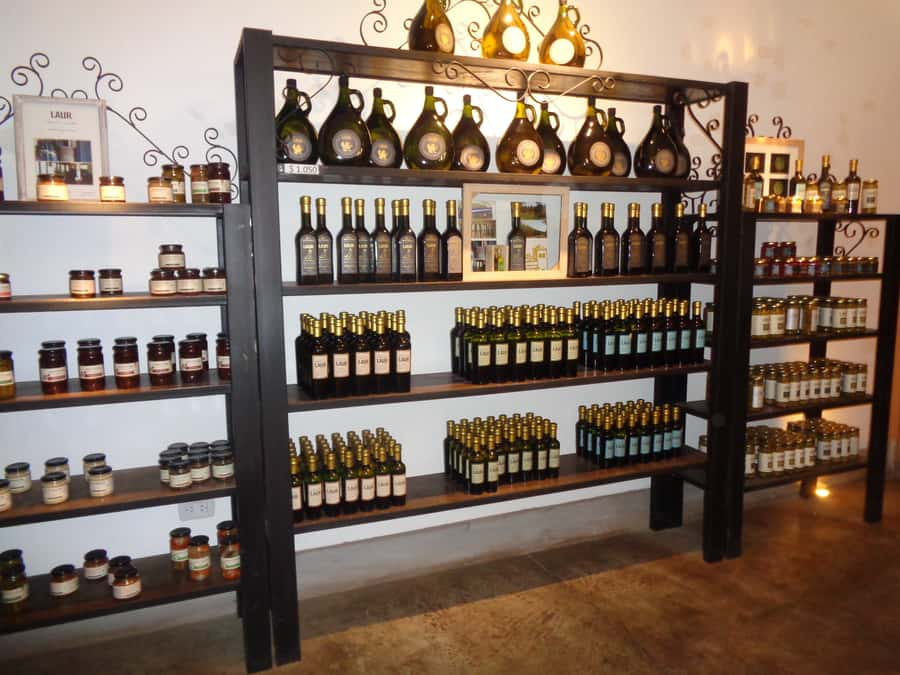
In the regular option, you visit an olive oil factory after the winery visits. The factories are usually Pasrai or Laur, based on availability. The stop is shorter and more focused than the winery visits, but it gives the afternoon a useful change of pace.
You can learn how olive oil is produced and sample oils, olives, and sometimes balsamic vinegar or related products. The vinegar-making process has been part of some visits, adding another local food angle beyond wine. For many people, this is more interesting than expected because the tasting is not limited to one product.
The wording matters: the regular option includes the olive oil factory. It does not promise an olive grove or a long walk among olive trees. One past description called the places visited winemakers and olive oil producers, not vineyards in the classic estate sense. If your dream is to stroll through extensive vines, check the assigned route before booking and keep expectations realistic.
Weather can also change the plan. A strong Zonda wind warning once led to the olive oil visit being canceled and replaced with an additional winery stop. That kind of adjustment is sensible in Mendoza, but it means the standard route is not guaranteed in every condition.
Guides and languages: usually handled well
The tour offers live guiding in English, Spanish, and Portuguese. This is especially useful because the group may include people who speak different languages. At the wineries and olive oil factory, groups have sometimes been divided by language so that each guide can explain the process properly.
That arrangement has worked very well on many departures. English-speaking visitors have been supported even when they were the only people in the group using English. Drivers have also been praised for being on time and handling the route well.
There can be a weak spot during the drives. On one departure, the Spanish commentary was so loud and continuous that the English explanation became difficult to hear. If that happens, ask the guide directly for a pause or a short English recap. The hosts at the wineries may still provide clear English explanations, but you should not assume every minute on the bus will be bilingual.
Past guides have included Marta, Mica, Claudia, Fabricio, Mafalda, and others. The consistent pattern is that the guide can make a major difference. A warm, organized guide turns transfers into useful local context. A rushed or uneven translation makes the same route feel less satisfying.
What the transport and timing feel like
Hotel pickup and drop-off are included for accommodation in central Mendoza City. That saves you the trouble of finding a taxi or arranging a separate ride to the wine region.
The coach rides are usually about 30 minutes between main stages. The vehicle has been described as comfortable and in good condition on past departures. Timing has generally been reliable, though one serious mistake occurred when two passengers were left behind at a winery and had to wait nearly half an hour for the driver to return.
That incident appears to be an exception rather than the normal rhythm, but it gives you one practical habit: count your group before boarding and confirm the next stop with the guide. Winery visits can be busy, and it is easy to follow the wrong group when several buses are loading.
The tour lasts five hours, and that length is one of its best features. Two wineries plus an olive oil factory provide enough variety for most first-time visitors. A longer route could begin to feel repetitive, especially if you are tasting wine without a proper meal.
Why the $43 price works
At $43 per person, this is one of the better-value ways to get outside Mendoza City and sample local wine. The fee covers pickup, transport, a live guide, two winery visits with tastings, and the olive oil factory with tastings.
You are not paying for a refined private wine-country day. There is no lunch, no guaranteed winery lineup, and no fixed number of wines. Some stops may be crowded or brief. Still, the package covers the expensive practical parts of visiting the wine region independently: transport, routing, local explanations, and access to several producers.
The price is especially fair for a short stay in Mendoza. If you have only one free afternoon, you can get a broad introduction without spending the full day on the road. If wine is the main purpose of your trip and you want long tastings, a specific estate, or a restaurant lunch, pay more for a smaller or full-day option.
Eat before pickup. There may be little time to buy food between stops, and lunch is not part of the tour. Comfortable shoes are sensible, and bring a passport or ID card as requested.
Who should book this half-day tour
I would choose this for a first look at Mendoza wine country, especially if you want good value and simple transport. It suits couples, solo visitors, and small groups who want a social outing rather than a private tasting appointment.
It is also a good fit if your schedule is tight. The tour gives you wine production, regional history, tastings, and olive oil in five hours. The format has enough substance to teach you something, but it does not ask you to devote an entire day to one activity.
You may want a different experience if you are a serious wine collector, want to visit a named producer, or dislike group tours. The changing wineries and possible crowding mean you give up control in exchange for the lower price.
Keep your expectations pointed in the right direction. Think of this as a well-priced introduction to Mendoza’s wine and food culture, not a private sommelier day.
Should you book it?
Book it if you want a useful, affordable first taste of Mendoza. The combination of two wineries, an olive oil factory, hotel pickup, multilingual support, and a five-hour schedule is hard to beat at $43.
I would be comfortable recommending it to most first-time visitors, with two conditions: eat before you go and accept that the wineries change. The best departures combine a clear guide, a good winery presentation, and a family-style producer. A less fortunate day may include a crowded tasting or a rushed final stop.
The flexible cancellation policy, with a full refund available up to 24 hours ahead, also makes it easier to fit into a changing itinerary. If you want a low-risk way to get beyond the city and understand why Mendoza became a wine center, this is a sensible choice.
FAQ
How long does the Mendoza wine tour last?
The tour lasts five hours, including transportation between Mendoza City, the wineries, and the olive oil factory.
How many wineries will I visit?
You will visit two wineries with guided visits and wine tastings. The exact wineries change from day to day.
Which wineries might be included?
Possible wineries include Bodega Lopez, Bodega Nieto Senetiner, Bodega Vistandes, Bodega Bonfanti, Bodega Florio, Bodega Dante Robino, Bodega Don Arturo, and Bodega Cecchin.
Is the olive oil factory included?
Yes. The regular option includes a guided visit to an olive oil factory with tastings. The factory is usually Pasrai or Laur, depending on availability.
Is lunch included?
No. Lunch is not included, and you should eat before the tour because there may be little time to buy food during the route.
What languages are available?
The live tour guide service is available in English, Spanish, and Portuguese. Winery and factory explanations may also be arranged by language.
Is hotel pickup included?
Yes. Pickup and drop-off are included at accommodation in central Mendoza City.
What should I bring?
Bring a passport or ID card and wear comfortable shoes. You should also eat before departure because lunch is not provided.
Freshly poured around Argentina
- Mendoza: Premium Wine Tasting★ 4.4 · 48 reviews
- Mendoza: Winebike Tasting Tour with Optional Lunch★ 4.1 · 73 reviews
- Mendoza: Top Wineries Guided Tour with Transportation★ 4.8 · 99 reviews
- Mendoza: Wine Tasting Tour with Lunch and Private Transport★ 4.6 · 48 reviews
- From Salta: Cafayate Day Trip with Wine Tasting★ 4.4 · 226 reviews
- Buenos Aires: Wine Tasting and Lunch at Bodega Gamboa★ 4.8 · 177 reviews
- Buenos Aires: Palacio Barolo Guided Night Tour with Wine★ 4.4 · 54 reviews
- Premium Empanadas Cooking Class & Wine Tasting Experience★ 4.9 · 35 reviews
Mendoza Wine Tours, side by side.
From Mendoza: 3 Wineries, Olive Oil Factory Tour & Tasting
Read our review →
Mendoza: Full Day Wine Tour with 3 Course Lunch
Read our review →
Mendoza: Winebike Tasting Tour with Optional Lunch
Read our review →
Mendoza: Wine Tasting Tour with Lunch and Private Transport
Read our review →
Lists this tasting sits in