
Review · BORDEAUX
Bordeaux: Wine and Trade Museum Entry Ticket & Wine Tasting
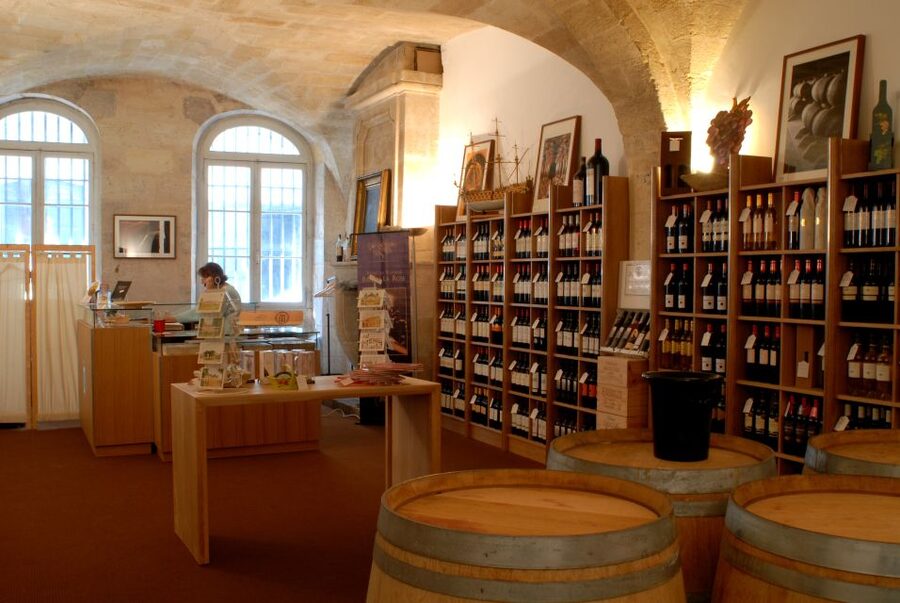
Bordeaux’s best wine lesson may begin underground, in vaulted cellars dating to about 1720. This compact museum connects wine to merchants, barrels, grape varieties, AOC rules, and the local soil before finishing with two Bordeaux wines and traditional sweets. I like the clear audio guide and the chance to move at your own pace. I also like that the tasting includes both raisins dorés and canelés de Bordeaux, not just a glass with no context.
The main consideration is simple: this is not a fully guided museum tour. You explore with a paper or audio guide, then join the vineyard presentation and tasting. If you want a personal expert beside you from start to finish, this may feel too independent. If you prefer a short, affordable introduction, the $14 price is hard to argue with.
Key points to know before booking
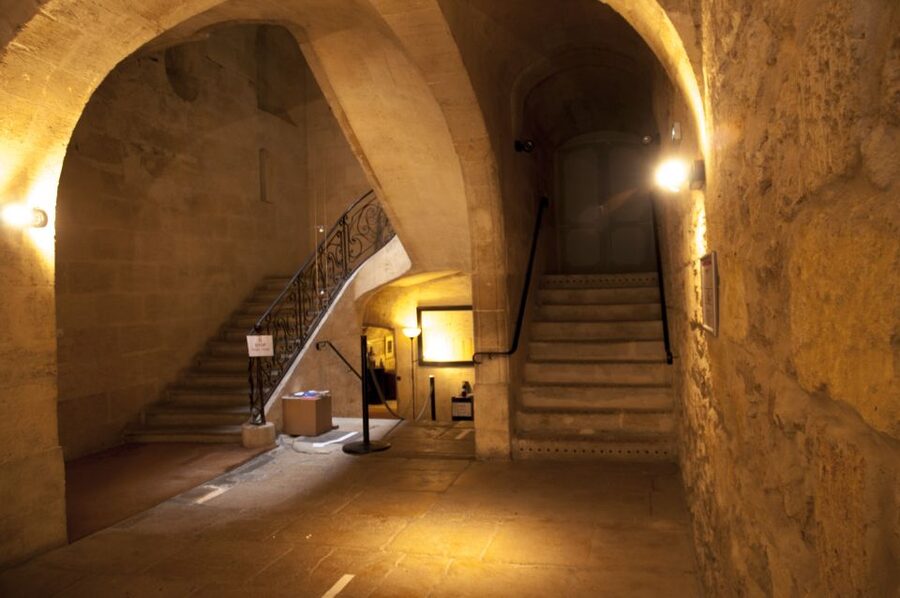
- Old cellars from around 1720: See the former merchant cellars and learn how wine was stored in traditional wooden barrels.
- Two-wine tasting with local treats: The tasting pairs selected Bordeaux wines with raisins dorés and canelés de Bordeaux.
- Audio guide or paper guide: You can explore at your own pace in one of several available languages.
- A practical Bordeaux wine lesson: The presentation covers grape varieties, terroir, AOC designations, and regional classifications.
- Small group format: The tasting group is limited to nine participants.
- Flexible booking: You can cancel up to 24 hours before the experience for a full refund and reserve now while paying later.
Entering Bordeaux’s former wine merchants’ cellars
The Wine and Trade Museum sits in the former residence of Louis XV’s royal broker. That setting matters because this museum is not only about vineyards and bottles. It also explains the commercial side of Bordeaux wine, including the merchants who helped send local wine beyond the region.
You start at the museum itself, with no separate meeting point or transport arrangement to manage. The visit is valid for one day, so you have room to fit it around other plans in Bordeaux. The exact visit length is not specified, but the format gives you control over your pace rather than locking you into a long group schedule.
I like this kind of beginning because it puts Bordeaux wine into a wider frame. Wine here is not just a drink made from grapes. It is also a product shaped by trade, storage, classification, and reputation.
The building’s historic setting adds atmosphere without requiring you to visit a distant vineyard. You stay in the city and still get a look at the spaces where wine was handled and aged. That makes the museum a useful choice if your schedule does not allow a full-day trip into the surrounding wine country.
More Wine Tastings in Bordeaux
- Bordeaux: Cité du Vin Entry Ticket and Wine Tasting
★ 4.6 · 3,885 reviews - From Bordeaux: Afternoon Saint-Emilion Wine Tasting & snack
★ 4.8 · 1,581 reviews - Medoc or Saint Emilion Wine Tasting and Chateau from Bordeaux
★ 5.0 · 1,415 reviews
Exploring the two historic cellars at your own pace
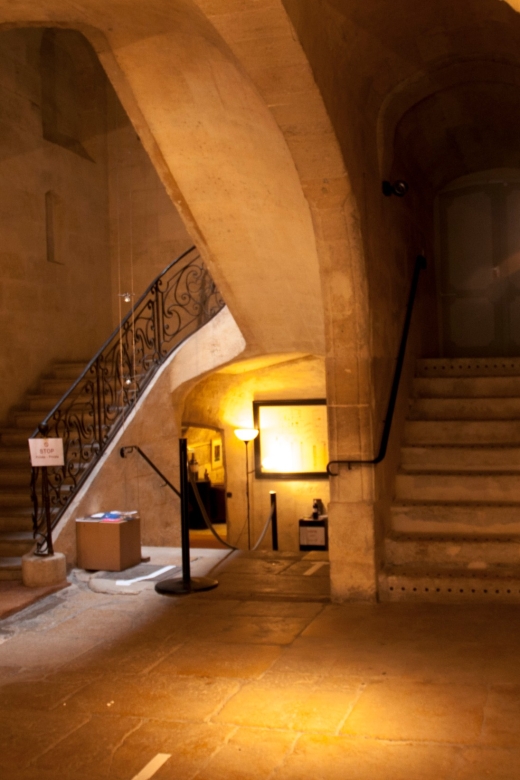
The museum visit leads you through two atmospheric cellars. Their vaulted ceilings and old storage spaces help explain the work of coopers and the role of barrels in traditional wine production.
The cellar is especially useful for visitors who know Bordeaux mainly from wine labels. A tasting note can tell you what is in your glass, but seeing the storage spaces gives you a better sense of how wine was kept and prepared for sale. The focus is on the working side of the trade, not just polished bottles and grand estates.
You can choose a paper guide or an audio guide. Both are available in several languages, including English, French, Portuguese, Spanish, Russian, Korean, Chinese, Japanese, Italian, German, and Dutch. The audio guide is a strong choice if you want your hands free while moving through the cellars. The paper guide may suit you better if you prefer to scan information quickly or set your own reading pace.
This self-guided format is one of the experience’s strengths, but it also sets a clear limit. No full guided tour is included. You should expect to absorb the museum material independently, then take part in the more structured vineyard presentation and wine tasting at the end.
For some people, that is ideal. You can pause at a display, move quickly through familiar material, or spend extra time on the cellar architecture. If you want every object explained by a guide, you may find the museum portion less satisfying.
Three centuries of Bordeaux wine and trade
The museum presents more than three centuries of Bordeaux’s winemaking heritage. The point is not to memorize a long timeline. It is to understand how Bordeaux developed an international reputation through the combined work of growers, coopers, merchants, and aging practices.
That commercial angle gives the visit a useful difference from a standard winery stop. At a vineyard, you usually focus on vines, harvests, and production. Here, you also learn about the people and systems that moved wine from the region into wider markets.
The museum’s setting in a former royal broker’s residence reinforces that theme. It links Bordeaux wine to trade and business while keeping the material grounded in physical details such as barrels, cellars, and merchant practices.
I would treat this part as an introduction rather than a complete education in Bordeaux wine. The experience offers an accessible overview, not a specialist course. You will leave with key terms and a basic framework, which is exactly what you need before tasting several wines in the city or visiting a larger wine region later.
The vineyard presentation: grapes, terroir, and AOC
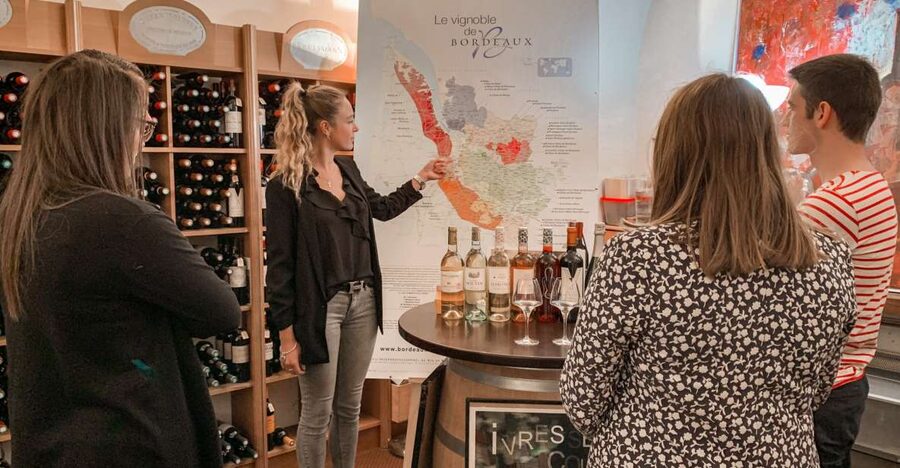
After the self-guided museum portion, you join a presentation about the Bordeaux vineyards. This is where the visit moves from history and trade into the language used to describe French wine.
The presentation introduces grape varieties, appellations d’origine contrôlée, or AOC, terroir, and regional classifications. These subjects can sound complicated when you first meet them on a French wine label. A short explanation helps you understand that an AOC refers to rules tied to a defined place, while terroir concerns how location and environmental conditions affect the wine.
The discussion also looks at how the environment influences winemaking. That is valuable because Bordeaux wine is not simply identified by a grape name. Place, regional rules, and production traditions all matter.
You will not become a Bordeaux wine expert in one visit, and the activity does not promise that. What you get is a set of useful questions to carry into your next tasting:
- Which grape varieties are used?
- What area does the appellation represent?
- How does the local environment affect the wine?
- Why does a regional classification matter?
- How does barrel aging change the final drink?
I especially like that this presentation comes before the tasting. It gives you a little structure, so the wine is not just judged on whether you like it. You can connect what is in the glass to the region and methods explained earlier.
More Wine Tastings in France
- Saint Emilion Day Trip with Sightseeing Tour & Wine Tastings from Bordeaux
★ 5.0 · 1,120 reviews - Saint Emilion Half-Day Trip with Wine Tasting & Winery Visit from Bordeaux
★ 4.5 · 1,034 reviews - From Bordeaux: Half-Day Saint-Émilion Tour and Wine Tasting
★ 4.7 · 699 reviews - Saint-Emilion Electric Bike Day Tour with Wine Tastings & Lunch
★ 5.0 · 696 reviews
Tasting two Bordeaux wines with local sweets
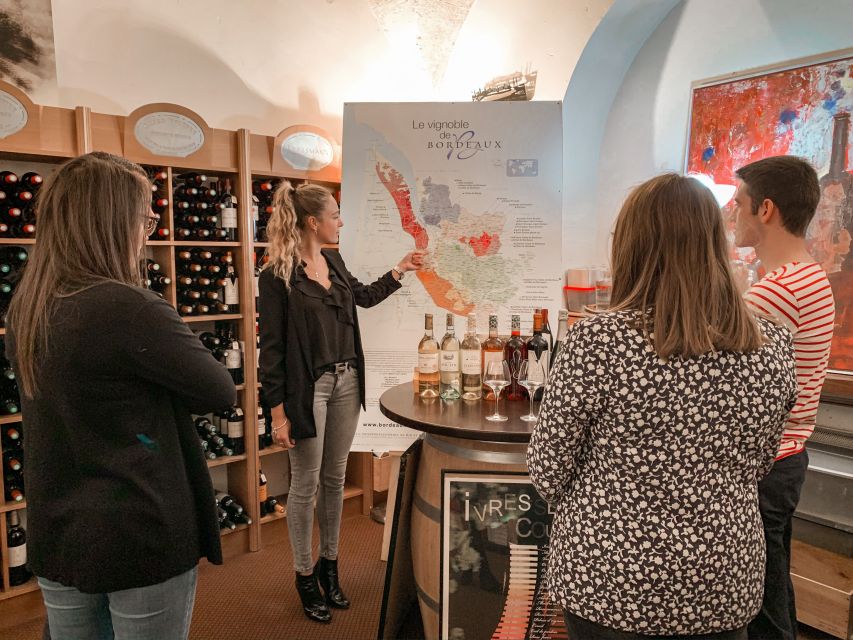
The final part is a guided tasting of two local wines selected in-house. The tasting is presented with commentary, so you are not left to guess what makes each wine distinct.
The exact wines can change, which is normal for an in-house selection. You should think of this as a snapshot of Bordeaux rather than a fixed bottle list. The experience introduces you to local styles without pretending that two wines can represent the whole region.
The tasting also includes raisins dorés, or chocolate-coated raisins, and canelés de Bordeaux. The canelé is a small traditional French pastry associated with Bordeaux, known for its dark caramelized exterior and softer center. The chocolate raisins give the tasting a simple sweet contrast, while the canelé adds a local specialty to the plate.
This food pairing is a small detail, but it improves the experience. Wine tasting on an empty stomach can be unpleasant, and a bite of something local gives the final section more character. Still, the food is a light accompaniment, not a meal. Plan to eat separately if you need lunch or dinner.
The two-wine format also keeps the activity manageable. You can taste without committing to a long session or a large amount of alcohol. If you hoped to compare many Bordeaux appellations, you may find the tasting brief. If you want a clear introduction before exploring more on your own, two wines are enough to get started.
One recent booking described receiving three wines, but the stated experience includes two local wines. Treat two as the dependable expectation and any additional pour as something that may vary rather than a promise.
What the strongest praise tells you
The most consistent strengths are the audio guide, the staff’s professional approach, the historical presentation, and the tasting itself. Those details point to an experience that works best when you want useful information without a formal half-day tour.
The audio guide earns special attention because it makes the museum easy to use across language preferences. English is available, along with ten other languages. You do not need to rely on a French-only presentation or read every panel unaided.
The tasting is also treated as more than a quick sample. It follows the vineyard presentation, so the wines have a clear place in the visit. The local sweets make the ending feel connected to Bordeaux rather than purely technical.
The staff’s professional manner matters at a small museum. With a tasting group limited to nine participants, the final session should feel more focused than a large commercial wine event. The small group does not turn this into a private tasting, but it limits the crowd and gives the presentation a more personal scale.
The experience has a current overall rating of 4.4 from 121 ratings, which supports its role as a reliable short activity. I would not use that number as a guarantee of your own experience, but it fits the practical strengths: clear explanations, a free audio guide, and a tasting that many people find worthwhile.
Value at $14 per person
At $14 per person, this is priced as an accessible city museum visit rather than a luxury wine tour. You receive entry, a paper guidebook, access to an audio guide, the vineyard presentation, a tasting of two wines, and raisins dorés.
That is good value if you want three things in one stop: a bit of Bordeaux history, an introduction to local wine terms, and a small tasting. The price is especially reasonable for visitors who do not want to spend much more on a full excursion outside the city.
The value is less clear if your main goal is vineyard scenery, estate visits, or a long tasting session. None of those are promised here. You are visiting an urban museum in historic cellars, not touring a working château.
I also like the flexible payment and cancellation terms. You can reserve now and pay later, and you can cancel up to 24 hours in advance for a full refund. Keep those terms in mind when arranging a busy Bordeaux schedule, but do not confuse booking flexibility with an open-ended visit. The activity is valid for one day, and you still need to check available starting times.
Who will enjoy this Bordeaux experience
I would recommend this visit to a first-time Bordeaux wine drinker who wants a basic foundation before buying bottles or visiting more wineries. The presentation explains terms that otherwise appear on labels with little help.
It also suits couples and small groups looking for a short indoor activity. The cellars provide a change from walking the city streets, and the tasting gives the visit a clear finish.
The experience works well for people who prefer independent sightseeing. You can use the paper guide or audio guide, move at your own pace, and then join the presentation and tasting. The wide language selection makes it practical for international visitors.
Wine enthusiasts seeking depth may want more. Two wines cannot cover Bordeaux’s many appellations, grape blends, and classifications. The museum also does not include a full guided tour, and no individual guide name is provided. You should book this for orientation and atmosphere, not for advanced technical study.
Simple tips for getting more from the visit
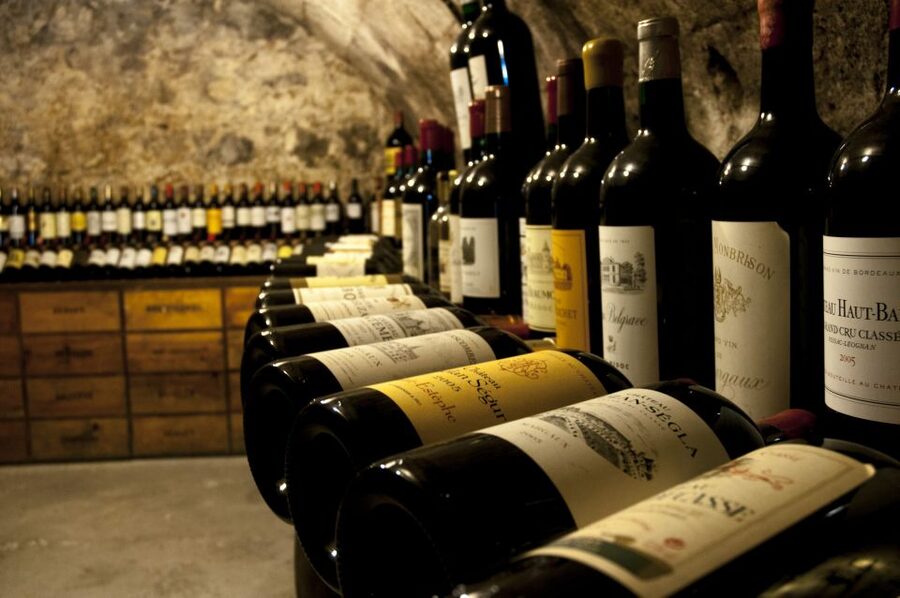
Use the museum portion to notice the connection between trade and storage. The old cellars are not just a backdrop for the tasting. They show how wine was handled in an earlier merchant setting.
Pay attention to the terms in the vineyard presentation, especially AOC, terroir, grape varieties, and classifications. They will make later Bordeaux wine labels easier to read.
Choose the audio guide if you want spoken explanations in your language. Choose the paper guide if you like to skim and move around without headphones.
Keep the tasting’s scale in mind. Two wines and local sweets make a pleasant introduction, but not a full meal or a complete survey of Bordeaux. Schedule food elsewhere if needed, and avoid planning the activity around the assumption that three wines will be served.
The host or greeter language list is broad, but the visit still depends on the guide format available at the museum. Check your preferred language when booking so you know what to expect.
Should you book the Wine and Trade Museum tasting?
Book it if you want a low-cost, well-structured introduction to Bordeaux wine in the city. The old cellars, broad language support, clear vineyard presentation, and two-wine tasting offer a lot for $14.
Skip it if you want a full guided tour, a visit to a working vineyard, or a large selection of wines. The self-guided museum portion requires some independence, and the tasting is intentionally modest.
For most visitors with an interest in Bordeaux wine, I would make room for it, especially on a rainy day or before a more ambitious wine outing. Go in expecting a compact museum lesson with a small tasting, not a grand château tour, and the experience should deliver good value.
FAQ
Where does the experience begin?
It begins at the Bordeaux Wine and Trade Museum.
How much does the activity cost?
The listed price is $14 per person.
How long is the ticket valid?
The activity is valid for one day. You should check availability for the available starting times.
Is a guided tour of the entire museum included?
No. The museum visit is self-guided with either a paper guide or an audio guide. The experience does include a presentation about the Bordeaux vineyards and a guided wine tasting.
How many wines are included?
The stated experience includes a guided tasting of two local wines selected in-house.
What food is served with the tasting?
The tasting includes raisins dorés, which are chocolate-coated raisins. It also features canelés de Bordeaux, a traditional local pastry.
Which languages are available?
The available languages are French, Portuguese, Spanish, Russian, Korean, Chinese, Japanese, Italian, English, German, and Dutch.
More wine museums around Bordeaux
- Porto: Cálem Cellar Tour, Interactive Museum & Wine Tasting
★ 4.5 · 4,113 reviews - Porto: The Wine Experience, Best Wine Museum in the World
★ 4.7 · 621 reviews - Tenerife: Wine Museum Ticket with Local Wines & Food Tasting
★ 4.5 · 393 reviews - Aÿ-Champagne: Pressoria Champagne Museum with Tasting
★ 4.7 · 239 reviews
Freshly poured around Bordeaux
- From Bordeaux: Essential Morning Tour with Wine Tasting★ 4.8 · 55 reviews
- From Bordeaux: Half-Day Saint-Émilion Tour and Wine Tasting★ 4.7 · 699 reviews
- Guided Bordeaux Wine Tasting Class with 6 Wines and pairings★ 4.9 · 181 reviews
- From Bordeaux: Half-Day Saint-Emilion Wine Tour★ 4.8 · 257 reviews
- From Bordeaux: Saint-Émilion Half-Day Tour with Wine Tasting★ 4.9 · 389 reviews
- Bordeaux: Saint-Emilion Village Day Trip, 2 Chateaux & Lunch★ 4.8 · 57 reviews
- From Bordeaux: Full-Day Medoc Wine Tour★ 4.8 · 119 reviews
- From Bordeaux: Medoc Wineries Tour with Tastings★ 4.6 · 182 reviews
Bordeaux Wine Tours, side by side.
Bordeaux: Cité du Vin Entry Ticket and Wine Tasting
Read our review →
Bordeaux: River Garonne Cruise with Glass of Wine and Canelé
Read our review →
From Bordeaux: Afternoon Saint-Emilion Wine Tasting & snack
Read our review →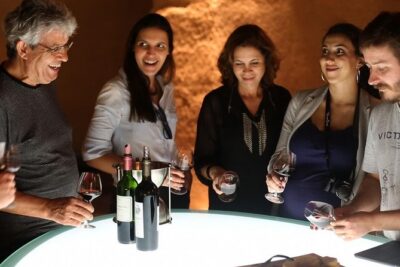
Medoc or Saint Emilion Wine Tasting and Chateau from Bordeaux
Read our review →
Saint Emilion Day Trip with Sightseeing Tour & Wine Tastings from Bordeaux
Read our review →
Saint Emilion Half-Day Trip with Wine Tasting & Winery Visit from Bordeaux
Read our review →
From Bordeaux: Half-Day Saint-Émilion Tour and Wine Tasting
Read our review →
Saint-Emilion Electric Bike Day Tour with Wine Tastings & Lunch
Read our review →Lists this tasting sits in