
Review · BORDEAUX
Blind Tasting: 4 Bordeaux Natural Wine + Cheese experience
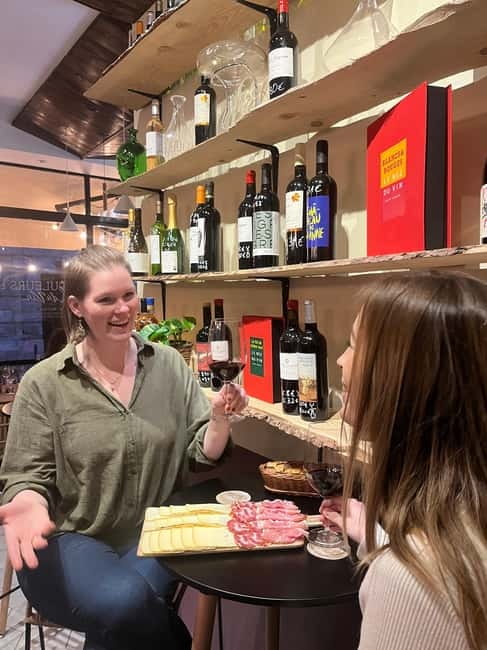
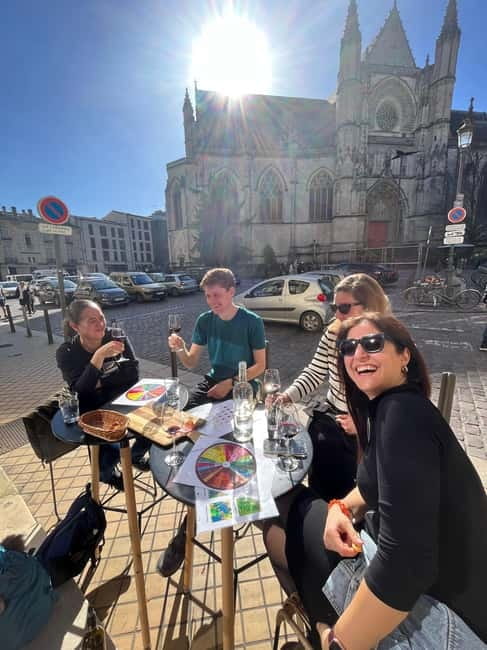
Bordeaux wine makes more sense when you stop looking at the label first. In this one-hour tasting near Flamboyant Saint Michel Church, you sample four wines without seeing their names, then use taste and smell to work out what is in your glass. The lineup covers one white, two reds, and one sweet wine from different Bordeaux areas.
I like two things here. First, the tasting is built around small family châteaux using local, organic wine, not just famous bottles with famous names. Second, the food matters: three cheeses and two types of dry meat give you a practical way to see how Bordeaux changes with a bite of food. The main drawback is the short advertised time. An hour is enough for an introduction, but a lively group can easily run longer.
Key points at a glance
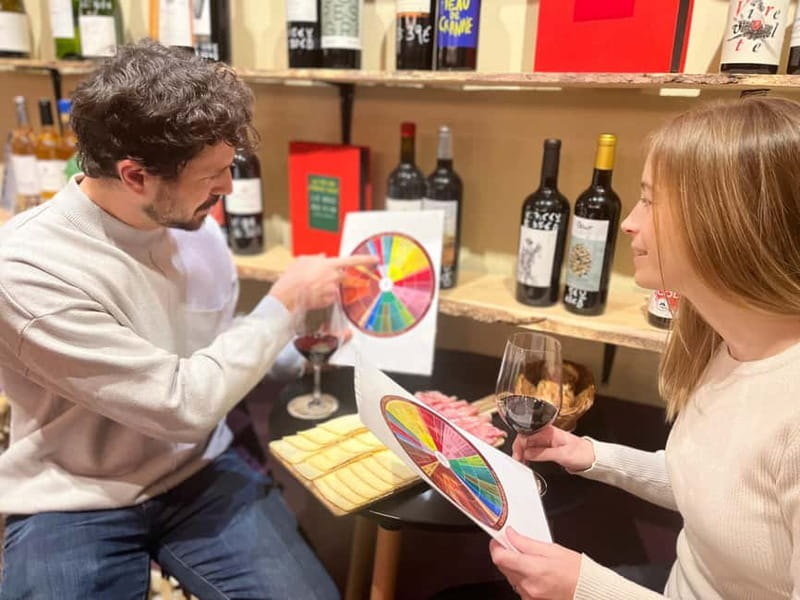
- Four wines in one sitting: Taste one white, two reds, and one sweet Bordeaux wine without seeing the bottles first.
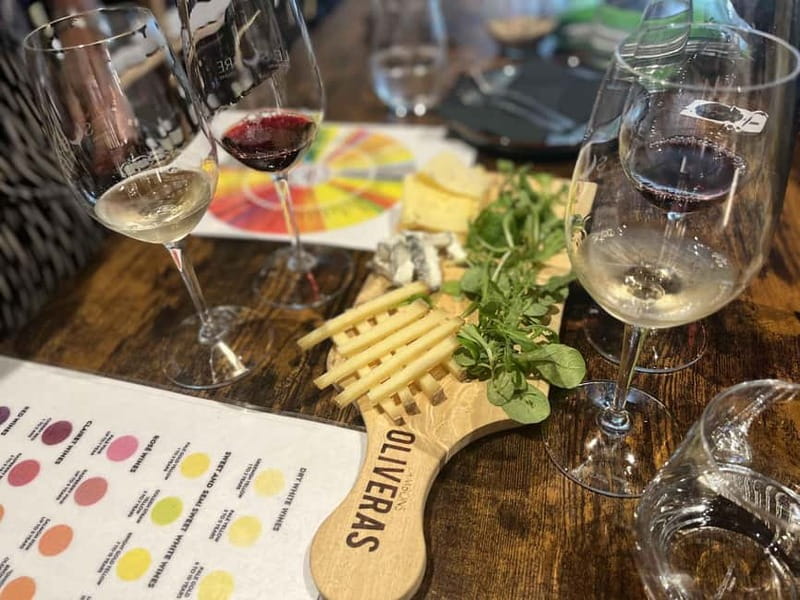
- A useful food pairing lesson: Three cheeses and two dry meats help you compare wine with real food, not just tasting-room snacks.
- A local focus: The wines come from small family châteaux and are described as local, organic, and natural.
- More than a sip and a swirl: The sommelier covers grape varieties, Bordeaux regions, the 1855 classification, French labels, and wine myths.
- A strong guide-led format: Ani has been praised for clear explanations and for taking time with questions.
- Easy central meeting point: Meet in front of the Flamboyant Saint Michel Church, with French and English offered.
Why a blind tasting helps you understand Bordeaux
Bordeaux can seem like a puzzle of château names, appellations, vintages, and French words. A blind tasting removes the label at the start, so you judge the wine by its color, smell, body, sweetness, and finish before a famous name influences you.
That is the useful part of this experience. You are not simply told that Bordeaux has different wine regions. You taste four examples and then connect each glass to the lesson. The format lets you notice how a white wine differs from a red, how a sweet wine changes the end of a meal, and how two reds can feel quite different even though they come from the same broad wine area.
You also get a little friendly competition. The activity describes sniffing around with friends and family, and that is a fair picture of the mood. You can compare guesses, debate aromas, and see who spots the style first. The point is not to identify every grape correctly. It is to become less nervous around wine.
The sommelier reveals the bottles as the tasting progresses. That order matters. You first form your own impression, then hear the story of the winemaker, the vintage, and the place where the wine was made. For a first visit to Bordeaux, this is a more memorable way to learn than listening to a long lecture before tasting anything.
More Organic and Biodynamic Wineries in Bordeaux:
- Marseille: Sunset Boat Cruise with Buffet and Organic Wine
★ 4.7 · 459 reviews - Malaga Organic Vineyard and Winery Six Wines Tapas and Transfer
★ 5.0 · 356 reviews - Malaga: Organic Vineyard Tour with 6 Wines, Tapas & Transfer
★ 4.8 · 334 reviews
Four Bordeaux wines, from white to sweet
The tasting includes one white, two reds, and one sweet wine. The exact bottles can vary, so you should not expect a fixed producer or vintage. What you can expect is a compact tour through several Bordeaux styles.
The white gives you a clean starting point. It helps you think about freshness, scent, texture, and food pairing before the heavier reds arrive. The sommelier can also use it to explain why Bordeaux is not only a red-wine destination.
The two red wines let you compare rather than simply sample. You may notice differences in weight, fruit character, dryness, and finish. The useful lesson is that Bordeaux is not one single taste. Region, grape blend, vintage, winemaking, and age all shape what you find in the glass.
The sweet wine provides a clear change of pace. It is a good chance to consider how sweetness works with cheese and how a wine can fit at the end of a meal. Since this is a blind tasting, you will need to rely on your senses before the sommelier explains the style.
The natural-wine angle adds another layer. All four wines are described as local and organic, and they come from small family châteaux. That gives the tasting a more personal focus than a session built only around major brands. You hear about the people and the work behind the bottle, not just the region printed on the label.
Learning Bordeaux regions without getting lost
Bordeaux has many names that can blur together when you first encounter them. This session introduces the important wine regions in a practical way, using the four glasses as examples.
You learn why location matters and how a Bordeaux wine’s origin can guide your expectations. The sommelier also explains grape varieties, which is essential because a French label may not advertise the grape in the large lettering you are used to seeing elsewhere.
The lesson is not meant to turn you into a wine professional in 60 minutes. It gives you a working framework. Afterward, you should be better prepared to ask what area a wine comes from, which grapes are used, and what style you are likely to find in the bottle.
The 1855 classification is another useful topic. This system is part of Bordeaux’s reputation and can make the region seem full of rigid rankings. Learning what the classification means helps you put famous château names in context. It also helps explain why a bottle’s price may reflect status and history as much as your own taste.
If you want a detailed technical class on every Bordeaux appellation, this tasting will feel brief. If you want a clear first map of the region, the compact format works well.
Reading a French wine label with more confidence
A French wine label can be less direct than a New World label. You may see the region or appellation emphasized while the grape variety receives little attention. That can make choosing a bottle in a shop or restaurant feel like guesswork.
The sommelier shows you how to read the label like a professional. This is one of the most useful takeaways because it stays with you after the tasting. You learn to look beyond a château name and consider the place, vintage, producer, and classification.
You also hear the stories of the winemakers and vintages. Those stories help turn a label into something understandable. A bottle is not just a French word and a number. It reflects a producer, a place, and a particular harvest.
I would pay close attention during this part and take mental notes. The tasting may be social and relaxed, but the label lesson has real value when you later choose Bordeaux on your own.
More wine tours around Bordeaux:
- Bordeaux: Cité du Vin Entry Ticket and Wine Tasting
★ 4.6 · 3,885 reviews - Bordeaux: River Garonne Cruise with Glass of Wine and Canelé
★ 4.5 · 3,630 reviews - From Bordeaux: Afternoon Saint-Emilion Wine Tasting & snack
★ 4.8 · 1,581 reviews - Medoc or Saint Emilion Wine Tasting and Chateau from Bordeaux
★ 5.0 · 1,415 reviews
Cheese and dry meat make the tasting practical
The food board includes three different cheeses and two types of dry meat. That is a modest spread, but it is enough to test how food changes the wine.
Cheese can soften the impression of tannin or acidity, while dry meat can bring out a wine’s savory side. The pairing is not only there to make the hour more pleasant. It gives you a simple experiment: taste the wine alone, take a bite, then taste again.
The sweet wine should be especially useful with the cheese. It lets you think about balance rather than treating sweetness as a flaw. The two red wines give you another chance to compare which one works better with the dry meat.
Food also keeps the tasting from feeling too abstract. Wine vocabulary can become vague when you only discuss aromas and structure. A bite of cheese gives you something concrete to notice. You can decide for yourself which combinations work.
If you need a full meal, this is not the place to count on one. The included food is designed for tasting, not lunch or dinner. Extra drinks and food ordered at the bar are not included.
The sommelier’s role makes or breaks the hour
This experience depends heavily on the person leading it. The sommelier needs to explain French wine without making beginners feel behind, and also give experienced drinkers enough detail to stay interested.
Ani has been singled out for answering questions and making the session an important part of a Bordeaux visit. That points to the best feature of the format: you are not left alone with four glasses and a list of tasting terms. You can ask why a wine smells a certain way, how a label works, or what makes one region different from another.
The host also explains the reason people get hangovers, including the common claim that sulphur is the main cause. The lesson challenges that idea and notes that fruits and vegetables can contain more sulphur than a bottle of wine. Take this as a short educational point, not medical advice. The practical message is to enjoy wine sensibly and not blame one ingredient for every bad morning.
The guide speaks French or English. If you have questions, ask them as they arise. The reviews describe a friendly, clear teaching style, and the small, conversation-led format is best used actively.
Is one hour enough?
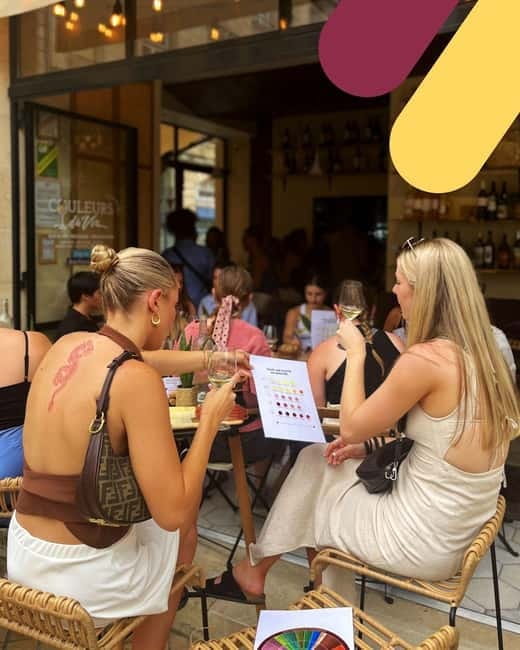
The official duration is one hour, which makes this easy to fit before dinner, after a walking tour, or between other Bordeaux plans. You do not need to give up half a day.
At the same time, the experience can stretch beyond the scheduled hour when the conversation gets going. One account describes still being there after two hours, with an excellent host and plenty of discussion. That may be a pleasant bonus, but it also means you should avoid booking a tight appointment immediately afterward.
For planning, I would treat one hour as the guaranteed structure and extra time as possible rather than promised. If you are on a strict schedule, tell the sommelier at the beginning. If you enjoy questions and stories, leave a little breathing room.
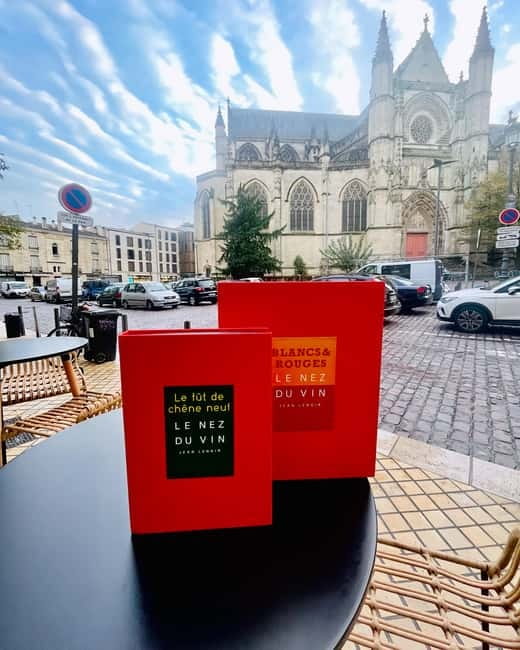
The meeting point is simple: in front of the Flamboyant Saint Michel Church. Be ready to walk to the tasting location from there if directed. The central meeting point makes this easy to pair with time in the Saint Michel area.
What the $34 price gets you
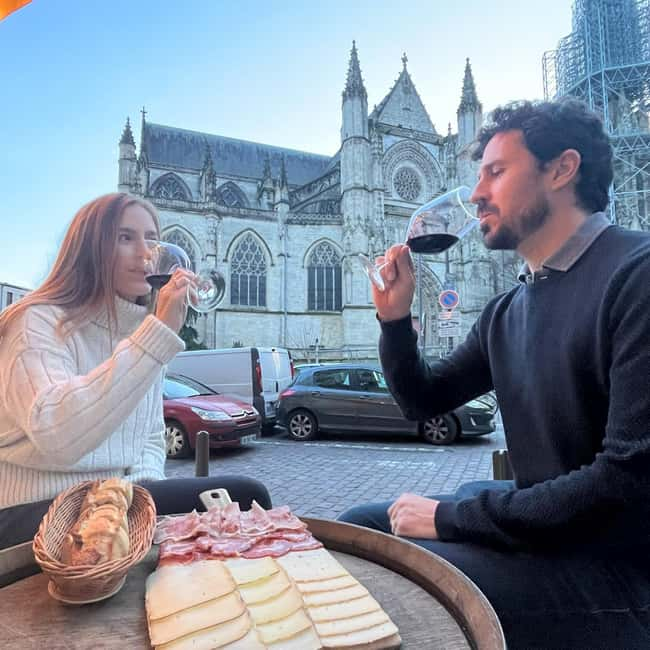
At $34 per person, the price is fair for a guided tasting that includes four wines, three cheeses, two dry meats, and a sommelier’s instruction. You are paying for more than the liquid in the glasses. The value is in the comparison, the explanation, and the chance to ask questions in real time.
The small-family-château focus also gives the price a clear purpose. You are not simply paying to taste four anonymous samples. The experience connects the bottles to local producers and organic winemaking.
It is less compelling if you want a large meal, rare luxury bottles, or a long formal tasting. Those are not the aim here. This is a compact introduction for people who want to understand Bordeaux and enjoy a few well-matched bites.
The rating is 4.8 from 35 reviews, with particular praise for the host’s teaching and the quality of the wine and cheese. The strongest reason to book is not the score itself. It is the combination of four styles, practical label advice, and an approachable guide at a moderate price.
Who should book this Bordeaux tasting?
I would recommend it to first-time Bordeaux visitors who want a clear introduction without committing to a full winery day. It also suits couples, friends, and families with adult children who enjoy a little guessing game with their food and drink.
Wine beginners should feel comfortable here. The blind format may sound intimidating, but you are not expected to know the right answers. You smell, taste, guess, and then hear the explanation.
More experienced wine drinkers may enjoy it if they like natural wine, small producers, and discussion about labels and classification. If you already know Bordeaux regions and can identify common grape styles, the class may feel basic, but the local bottles and food pairing still give it interest.
This activity is not suitable for pregnant women or children under 18. It is wheelchair accessible, and allergies should be mentioned in advance. Extra drinks or food are not included, so plan accordingly.
My verdict: book it for a useful first taste
Book this if you want a friendly Bordeaux introduction with real teaching, not just four pours at a bar. The strongest features are the blind format, the mix of white, red, and sweet wine, and the chance to connect each glass with cheese and dry meat.
Skip it if you need a full meal, a long visit to several vineyards, or a fixed tasting menu of specific famous estates. The advertised hour is short, and the exact wines are not guaranteed in advance.
For most visitors staying in Bordeaux, the $34 cost is sensible. You leave with more than a pleasant buzz: you get a better idea of how Bordeaux regions, labels, grapes, vintages, and food pairings fit together.
FAQ
Where does the Bordeaux wine tasting meet?
The meeting point is in front of the Flamboyant Saint Michel Church in Bordeaux.
How long does the tasting last?
The advertised duration is one hour. The discussion can sometimes continue beyond the scheduled hour, so avoid making a tightly timed booking afterward.
Which wines are included?
You taste four Bordeaux wines: one white, two reds, and one sweet wine. The wines come from different Bordeaux wine regions.
What food is included?
The tasting includes three types of cheese and two types of dry meat.
Is the wine organic and locally produced?
The included wines are described as 100 percent local, organic, and made by small family châteaux.
Is the activity offered in English?
Yes. The live guide can lead the activity in English or French.
Is the tasting wheelchair accessible?
Yes, the activity is listed as wheelchair accessible.
Can I cancel or pay later?
You can cancel up to 24 hours in advance for a full refund. You can also reserve now and pay later.
Freshly poured around Bordeaux
- From Bordeaux: Essential Morning Tour with Wine Tasting★ 4.8 · 55 reviews
- From Bordeaux: Half-Day Saint-Émilion Tour and Wine Tasting★ 4.7 · 699 reviews
- Guided Bordeaux Wine Tasting Class with 6 Wines and pairings★ 4.9 · 181 reviews
- From Bordeaux: Half-Day Saint-Emilion Wine Tour★ 4.8 · 257 reviews
- From Bordeaux: Saint-Émilion Half-Day Tour with Wine Tasting★ 4.9 · 389 reviews
- Bordeaux: Saint-Emilion Village Day Trip, 2 Chateaux & Lunch★ 4.8 · 57 reviews
- From Bordeaux: Full-Day Medoc Wine Tour★ 4.8 · 119 reviews
- From Bordeaux: Medoc Wineries Tour with Tastings★ 4.6 · 182 reviews
Bordeaux Wine Tours, side by side.
Bordeaux: Cité du Vin Entry Ticket and Wine Tasting
Read our review →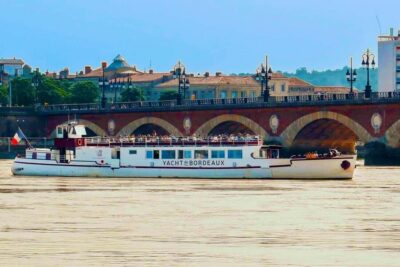
Bordeaux: River Garonne Cruise with Glass of Wine and Canelé
Read our review →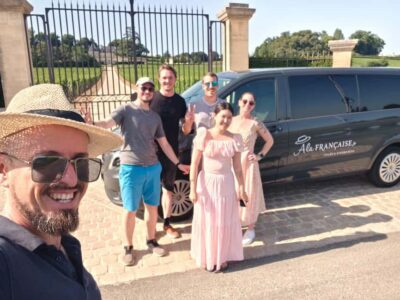
From Bordeaux: Afternoon Saint-Emilion Wine Tasting & snack
Read our review →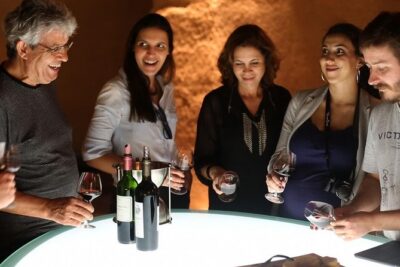
Medoc or Saint Emilion Wine Tasting and Chateau from Bordeaux
Read our review →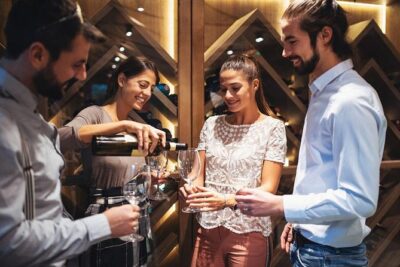
Saint Emilion Day Trip with Sightseeing Tour & Wine Tastings from Bordeaux
Read our review →
Saint Emilion Half-Day Trip with Wine Tasting & Winery Visit from Bordeaux
Read our review →
From Bordeaux: Half-Day Saint-Émilion Tour and Wine Tasting
Read our review →
Saint-Emilion Electric Bike Day Tour with Wine Tastings & Lunch
Read our review →Lists this tasting sits in