
Review · LYON
From Lyon: Golden Stones Beaujolais Wine Tasting Tour
The best part of this outing is that it gives you more than a cellar and a few glasses. You travel through southern Beaujolais, stop for wine beside a lovely rural view, walk the medieval village of Oingt, then meet a family winemaker in his own cellar. The countryside setting and the personal winery visit make this feel far more local than a city tasting.
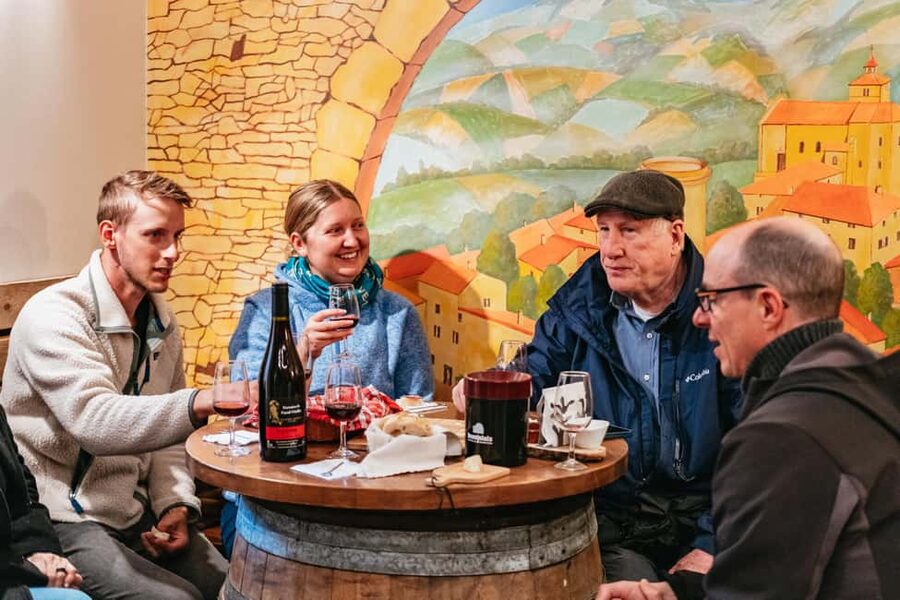
I like the small group, limited to eight people, and the way guides such as Rachel, Yann, Amandine, and François explain both wine and place without turning the morning into a lecture. I also like the food: croissants at an early tasting and a Lyonnais mâchon of bread, cheese, and cold meats at the winery.
The main trade-off is time. In 258 minutes, you see several highlights but do not linger long in Oingt or visit a string of prestigious Beaujolais estates. This is a scenic introduction to southern Beaujolais, not an in-depth wine study.
Key points at a glance
- A scenic first tasting: Sip wine near a chapel, viewpoint, or covered village wash house, with pastries or croissants depending on the day and weather.
- Oingt’s golden-stone streets: Walk through one of France’s Most Beautiful Villages, a compact medieval stop with striking local stone.
- A real family winery: Meet a winemaker, hear about pruning and production, and taste wines in an intimate setting.
- A small English-speaking group: The van carries no more than eight participants, making questions and conversation easy.
- Four hours from central Lyon: Meet at the tourist office on Bellecour Square and return with much of the day left.
- A light meal, not lunch: The tastings include pastries, cheese, bread, and cold meats, but lunch is not included.
Why southern Beaujolais works so well as a half-day trip
Southern Beaujolais begins just north of Lyon, so it is one of the easiest wine-country escapes from the city. The drive takes you away from Lyon’s streets and into rolling hills, vineyards, small villages, and homes built from warm golden stone.
This part of Beaujolais is often compared to Tuscany because of its hills and clustered villages. The comparison is broad, not exact, but it gives you the right picture: this is gentle wine country rather than a grand château route.
The tour focuses on the southern area, where the setting is as important as the bottle. You will hear about grape varieties, soils, local traditions, and the idea of terroir, the combination of soil, exposure, climate, and human work that shapes a wine.
That makes this a good choice if you are new to French wine. You do not need to know the difference between every appellation before you arrive. The guide explains the basics as you taste, then the winemaker adds the practical side from the vineyard and cellar.
More Wine Tastings in France
- Bordeaux: Cité du Vin Entry Ticket and Wine Tasting
★ 4.6 · 3,885 reviews - Montmartre Hill French Gourmet Food and Wine Tasting Walking Tour
★ 5.0 · 2,588 reviews - From Paris: Loire Valley Castles Day Trip With Wine Tasting
★ 4.6 · 1,727 reviews
The comfortable ride from Bellecour Square
The meeting point is in front of the Lyon tourist office at Bellecour Square, a convenient central location. You travel in an air-conditioned minivan, and the group is capped at eight people.
That small size matters. A guide can answer individual questions, keep the group moving, and make introductions without shouting across a large coach. Solo visitors can also find it easier to chat with the group, something the guides do well.
The ride is part of the experience. Several stops are spread across the region, so you will spend a fair amount of the morning in the van. That is not a flaw, but you should know what you are booking. This is a driving tour with stops, not a long walk through one vineyard.
The roads become winding in places. If you are prone to carsickness, sit where the ride feels smoothest and consider taking your usual precaution before leaving. One past outing also had an issue with the air conditioning, so hot-weather comfort may vary, though the vehicle is intended to be air-conditioned.
Your first wine and pastry in the countryside
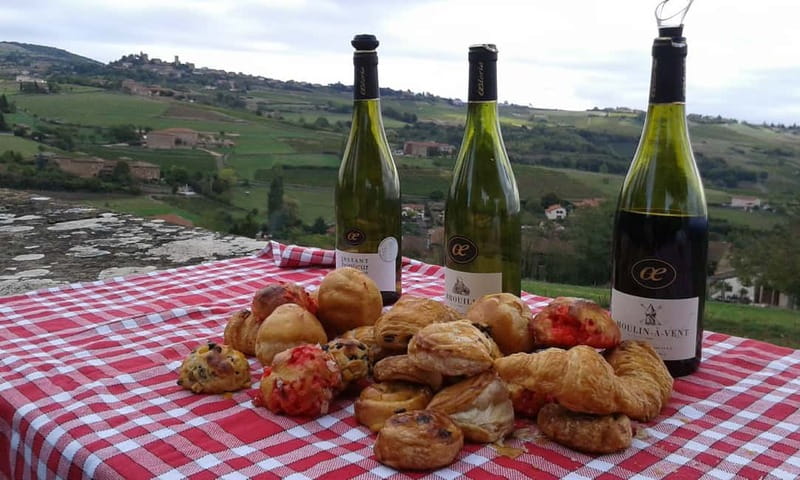
The first tasting is designed to put you in the setting before you get into technical details. Depending on weather and the route that day, you might taste outdoors near a chapel or viewpoint, or under the cover of an old communal wash house.
The scenery is the point here. You might sample a white and a red while looking across the hills, with a croissant or other pastry in hand. Some groups have enjoyed small croissants or olive bread at this stop.
This is a pleasant way to begin because it connects the wine to the place where it is made. You are not simply standing beside a retail shelf and comparing labels. The guide can explain the local grapes, soils, and styles while you look out over vineyards and villages.
It is also worth setting your expectations correctly. Some people would prefer this stop to be another full winery visit. The first tasting is more of a countryside introduction with wine than a formal estate tour. If your main goal is to visit several working wineries, this itinerary may feel light. If you want scenery and a relaxed start, it works well.
Your guide may be Rachel, Yann, François, Amandine, or another member of the English-speaking team. The strongest part of the guiding is the mix of wine instruction, local background, and practical answers. You can ask about tasting notes, French wine labels, how vineyards are maintained, or why two nearby wines can taste different.
Oingt and the golden-stone villages
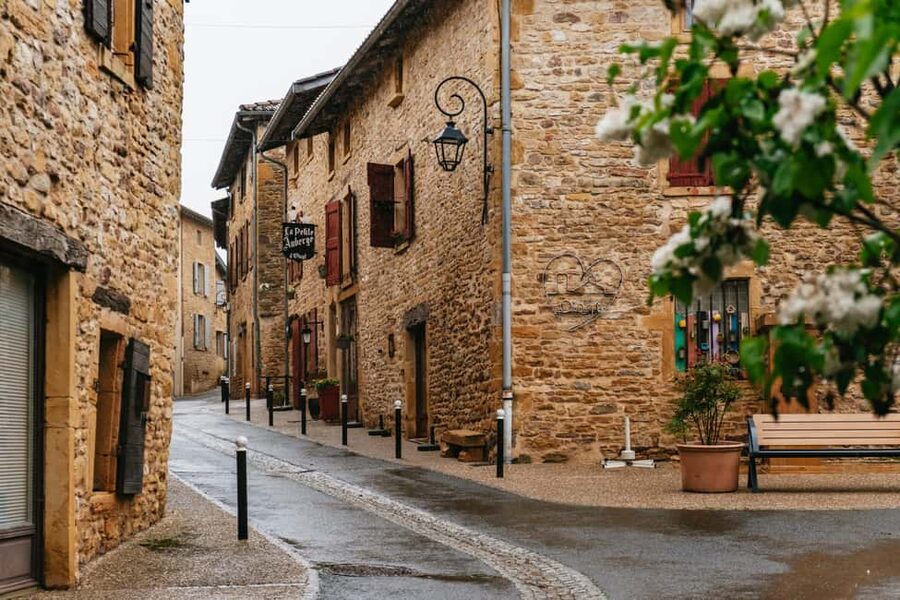
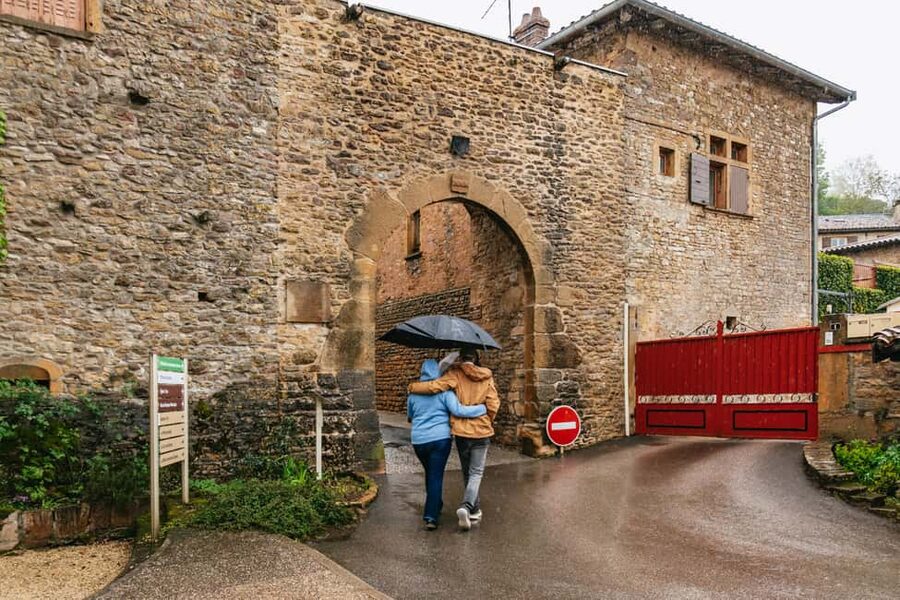
The next major stop is Oingt, a 12th-century hilltop village listed among France’s Most Beautiful Villages. Its old streets and medieval squares are built largely from the area’s distinctive golden stone, which catches the light in a way that makes the village immediately memorable.
You will have time to walk around independently. Look for the narrow lanes, stone houses, elevated views, and small details that are easy to miss from a vehicle. The village is compact, so even a short visit gives you a clear sense of its character.
The drawback is that the stop is brief. You are not given an afternoon to browse every lane, visit every shop, or settle into a café. Some shops may not be open early in the day, and the order of the stops can affect how much is open.
Still, Oingt gives the tour needed balance. One member of your group may care more about village architecture than wine. Another may be there mainly for the tasting. This stop gives everyone something to enjoy and breaks up the time spent riding through the countryside.
Wear shoes with a secure sole. The medieval streets are not presented as a demanding hike, but comfortable footwear is sensible on old stone lanes and uneven surfaces.
Same vines, another glass to try:
- Authentic Parisian Gourmet Food Tour with 10 Local Dishes & Wines
★ 5.0 · 4,754 reviews - Loire Valley Castles Day Trip from Paris with Complementary Wine
★ 4.5 · 3,907 reviews - Bordeaux: River Garonne Cruise with Glass of Wine and Canelé
★ 4.5 · 3,630 reviews - Paris: Montmartre Cheese, Wine & Pastry Guided Walking Tour
★ 4.8 · 2,255 reviews
The family winery is the heart of the tour
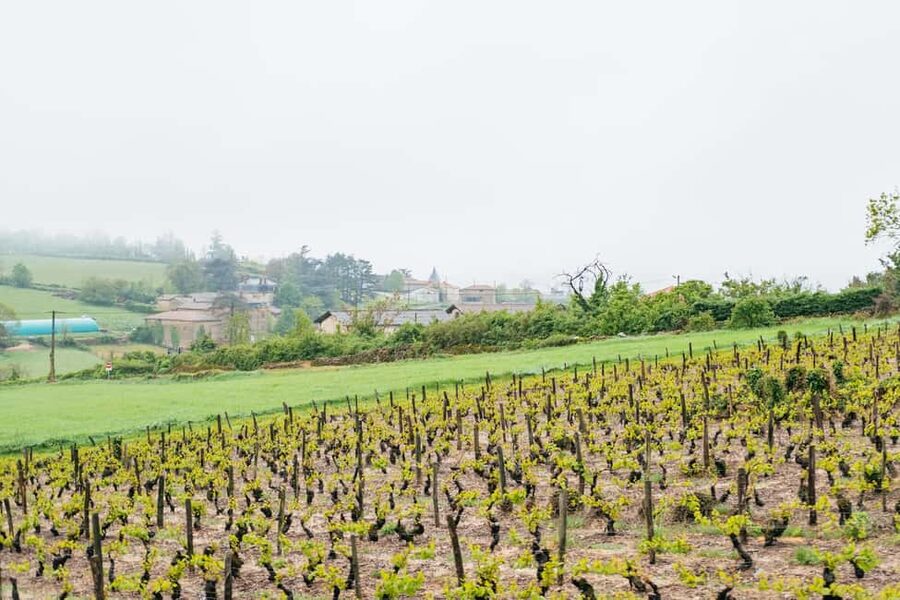
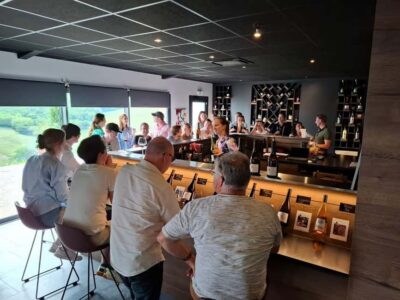
The final visit is usually the strongest part of the outing. You arrive at a family-owned winery, where the winemaker explains the work behind the bottle and offers a tasting in the cellar or tasting room.
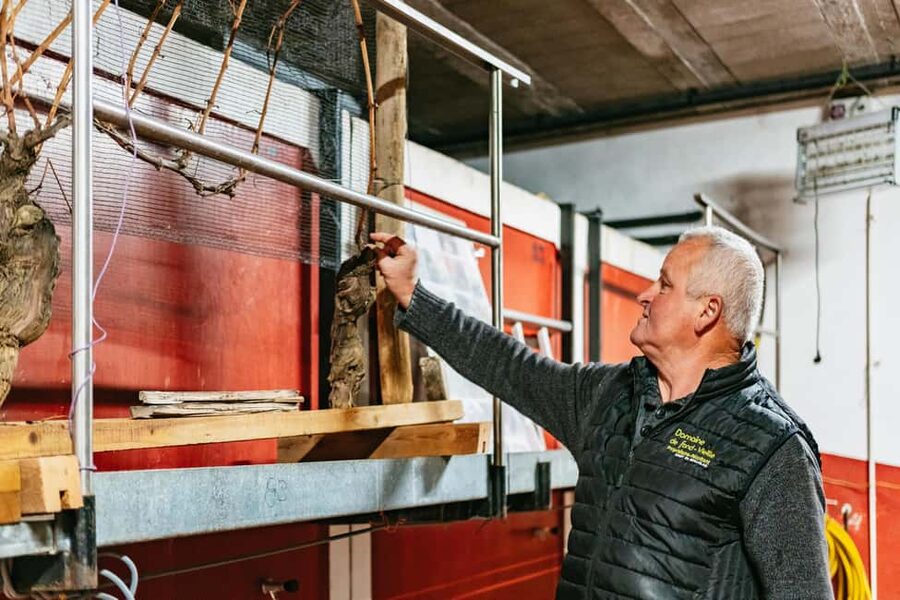
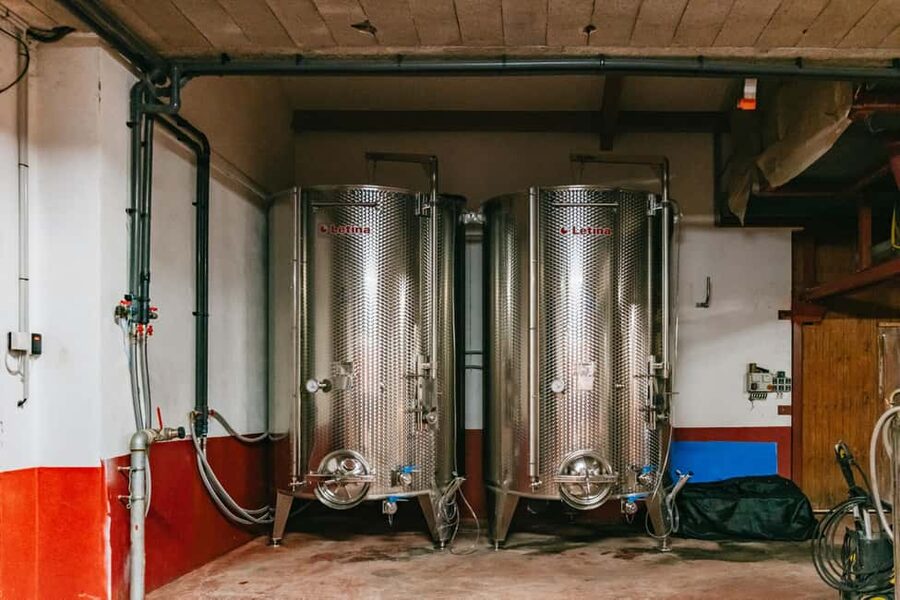
This is where the tour becomes personal. Instead of hearing only general information, you can ask the person who grows the grapes and makes the wine how the process works. One family winemaker, Dominique Guillard, has been described as a tenth-generation producer. He has explained vineyard locations, soil differences, seasonal work, pruning, picking, storage, and the choices that lead to different styles of wine.
The harvest season can add another layer. If you visit when grapes are being picked, you may see the vineyard in action, although the winemaker may be busy and not always available for a long conversation.
The tasting can include white, rosé, and red wines. Exact pours vary, but one group tasted six wines across the day, while another had two wines at the first stop and four at the winery. The experience is not fixed to one rigid list, so do not book expecting a guaranteed number of bottles.
The wines are generally presented as approachable and reasonably priced, with bottles at the family winery noted around €9 each. That makes buying a few bottles tempting if you find a style you like. Shipping is not available in every situation, so ask about transport and purchase rules before deciding how much to carry.
The Lyonnais mâchon adds real local flavor
Wine tasting on an empty stomach is a poor plan. This tour handles that sensibly with food at both tasting points.
The first stop may include pastries or croissants. The final tasting comes with a traditional Lyonnais mâchon, a simple regional spread built around cold meats, cheese, bread, and sometimes other small local bites.
Do not confuse this with lunch. The food is enough to make the wine tasting more comfortable, but the activity does not include a full midday meal. If you have a large appetite, plan to eat after you return to Lyon.
I like this part because the food is not decorative. Bread, cheese, and charcuterie are natural companions to the wines and reflect the food culture around Lyon. It also gives you something to discuss while the winemaker pours and answers questions.
What you really learn about Beaujolais wine
The tour introduces the central idea of terroir, but it also helps you understand how French wine is organized. Guides explain regional distinctions and the basics of French grading, which can make confusing labels easier to read later.
You will hear about the relationship between grape, soil, slope, weather, and farming choices. At the family winery, the discussion becomes more concrete. Pruning is not just a seasonal chore. It affects the next crop, the health of the vines, and the style and quantity of wine the producer can make.
The tasting itself is not structured as a professional certification class. You may get less detailed discussion of aromas and mouthfeel than you would at a specialist wine school. One sensible criticism is that the guide could explain the taste differences between pours in greater detail.
For most people, that is a fair trade. You learn enough to pay attention, ask better questions, and understand why a bottle from one village differs from another. You also see the fields, roads, stone villages, and cellar where the story takes place.
Price, timing, and practical value
At $116 per person, the tour is not the cheapest way to drink Beaujolais. It is a reasonable price if you value transport from central Lyon, an English-speaking guide, several tastings, pastries, a mâchon, a village visit, and access to a family winery.
The value comes from the combination. Arranging the same route independently would require transport, route planning, a winery willing to receive you, and careful timing. Without a car, reaching small villages and rural vineyards would be much harder.
The four-hour schedule is another advantage. A morning running from about 9 a.m. to 1 p.m. leaves time for lunch, museums, or more of Lyon in the afternoon. You get a taste of the region without giving up the whole day.
The price is less compelling if you want several formal estate visits or rare, high-end bottles. This tour concentrates on southern Beaujolais and simpler, affordable wines rather than the more prestigious northern village appellations. Other regional outings may be better if your priority is premium wine classification.
Free cancellation up to 24 hours before departure and the option to reserve now and pay later reduce the risk of fitting it into a changing Lyon schedule. The activity is shared, not private.
Who should book this Beaujolais outing?
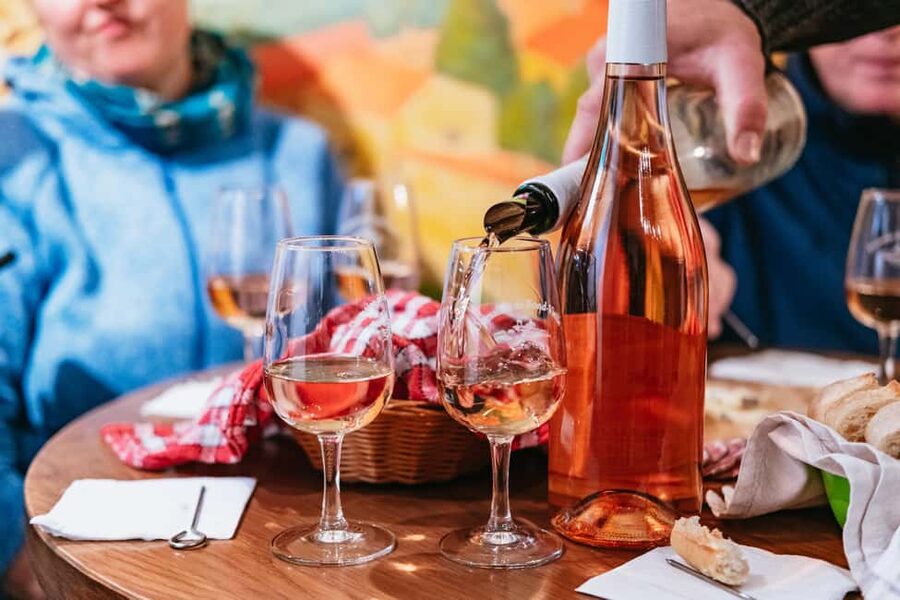
I would recommend it to first-time visitors who want an easy introduction to wine country without renting a car. It also suits couples, solo visitors, and small groups who prefer conversation over a large coach.
You do not need to be a serious wine enthusiast. The Oingt walk, views, pastries, and family visit give non-drinkers or casual drinkers something to enjoy, though the core of the outing is still wine.
It is less suitable for anyone seeking a long hike, a full meal, or a full-day study of Beaujolais producers. The tour is also not suitable for wheelchair users. Non-folding and electric wheelchairs are not accepted, and baby strollers are not allowed.
Bring comfortable shoes and clothing suited to the weather. Bring a reusable water bottle because bottled water is no longer supplied, though you can refill it during the activity. Smoking, food, drinks, and alcohol are not allowed inside the vehicle, and alcohol is restricted to adults aged 18 and over in France.
Should you book it?
Book this tour if you want a scenic half-day outside Lyon, a compact medieval village, and a friendly introduction to Beaujolais wine. The family winery, the golden stone of Oingt, and the food make it feel like a visit to a living region rather than a string of commercial tastings.
Skip it if your ideal wine day means several prestigious estates, long cellar tours, or plenty of time in one village. For most visitors with limited time in Lyon, though, the balance is strong: useful wine education, attractive countryside, a small group, and enough food to keep the glasses from doing all the work.
FAQ
Where does the tour meet in Lyon?
Meet in front of the Lyon tourist office at Bellecour Square.
How long does the tour last?
The stated duration is 258 minutes, or about four hours and 18 minutes. Some departures run roughly from 9 a.m. to 1 p.m.
Is the tour conducted in English?
Yes. The tour has a live English-speaking guide.
How many people are in the group?
It is a shared small-group tour limited to eight participants.
What food is included?
The tastings include pastries, and the winery visit includes snacks for a traditional Lyonnais mâchon, such as bread, cheese, and cold meats. Lunch is not included.
How many wines will I taste?
The exact number can vary. Past outings have included tastings of white, rosé, and red wines, with some groups tasting around six wines across the stops.
Is hotel pickup included?
No. You must make your own way to Bellecour Square, and hotel pickup and drop-off are not included.
Is the tour wheelchair accessible?
No. The activity is not suitable for wheelchair users, and non-folding or electric wheelchairs are not accepted. Baby strollers are also not allowed.
Freshly poured around France
- Private Tasting in Beaune : The Best of Burgundy Wines★ 4.9 · 66 reviews
- Semi Private Solar Boat Cruise in Champagne★ 4.9 · 32 reviews
- Private tour of Paris by Night with Champagne★ 4.7 · 323 reviews
- Montpellier: Pic Saint-Loup Wine Tour★ 4.9 · 290 reviews
- Passy-Grigny: Chocolate and Champagne Tasting Tour★ 4.8 · 284 reviews
- Paris: Wine Tasting Experience with 6 Wines and Cheese Board★ 4.9 · 80 reviews
- Paris: Wine and Cheese Tasting with a Chef Sommelier★ 4.7 · 277 reviews
- Paris: Wine and Cheese Tasting★ 4.6 · 91 reviews
Lyon Wine Tours, side by side.
Lyon Old Town Food Tour with 6 French Delicacies & Fine Wine
Read our review →
Taste Wine in Lyon: Burgundy, Beaujolais, Rhône, and more
Read our review →
Lyon: Old Town Food Tour with 6 French Food Tastings & Wine
Read our review →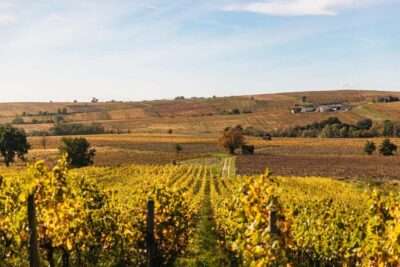
From Lyon: Beaujolais Wine Route Half-Day Tour
Read our review →
Lyon Old Town Food Tour: Full French Meal with Wine
Read our review →
Lyon: City Cruise with Charcuterie, Cheese, and Wine
Read our review →
Lists this tasting sits in