
Review · GERMANY
Trier: Discovery Tour – Germany’s Oldest Wine Cellar
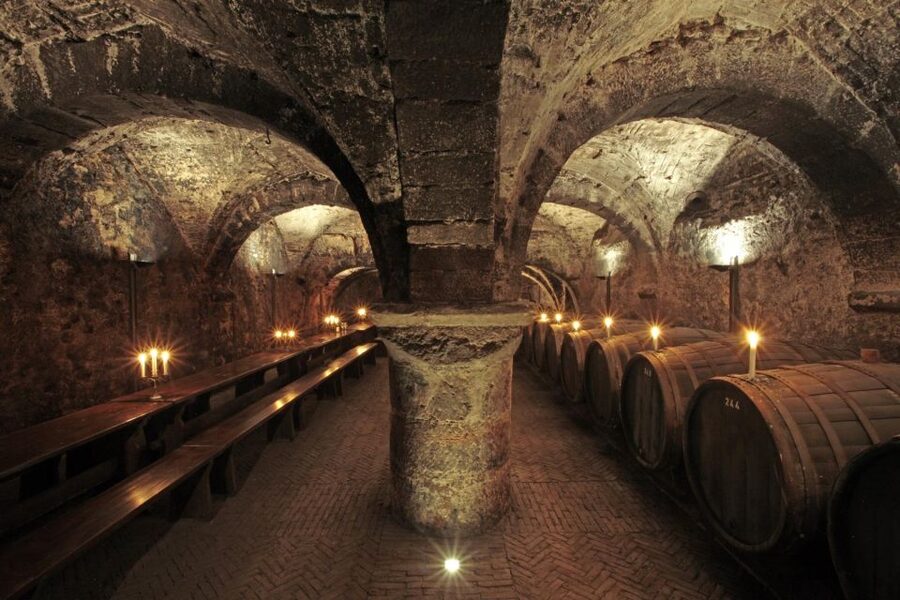
Trier’s most unusual wine stop sits below a building from the Roman imperial city, where a storage cellar dating to around 330 AD once served Roman citizens. The setting is the main event here: you are not simply tasting wine in a modern shop, but walking through an active place of wine culture with a long working life.
I like two things right away: the tour is short enough to fit neatly into a day of sightseeing, and the two selected wines give you a proper taste of the house style rather than only a look at old stone. The main drawback is that the guide speaks German, and the historical portion may feel brief if you want a detailed archaeological talk.
Key points at a glance
- A Roman cellar from around 330 AD: See a building that began as a magazine and storage house for Roman citizens.
- Two wines included: The tasting adds a useful, flavorful finish to the historical visit.
- One focused hour: This is easy to add before or after Trier’s other Roman sights.
- German-speaking guide: Some content is presented in its original language, so language ability matters.
- A living wine site: The cellar is presented as a place of enjoyment and discovery, not a dusty museum.
- Check access before booking: The experience is not suitable for wheelchair users and takes place in all weather.
Entering Trier’s Roman wine cellar
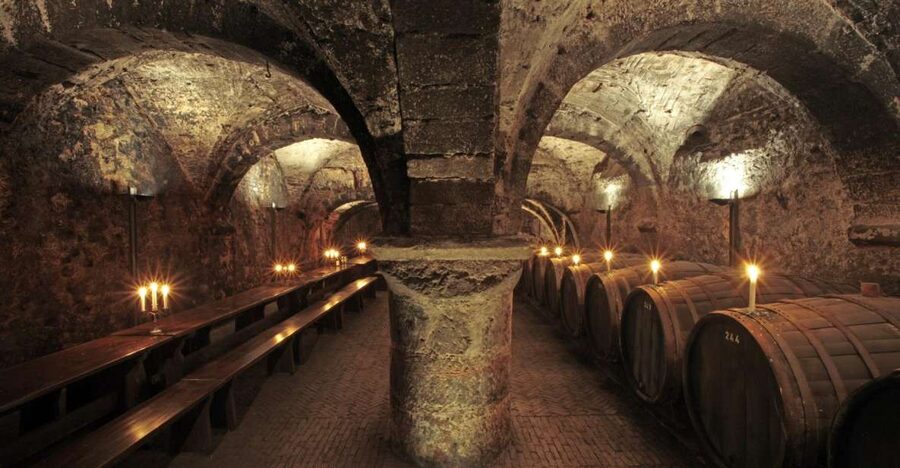
Trier has one of Germany’s strongest Roman identities, and this tour gives you a close look at that past from a less expected angle. The cellar was built around 330 AD, during the period when Trier was a Roman imperial city. Its first job was practical: it served as a magazine and storage house for Roman citizens.
That detail helps set your expectations. You are not visiting a cellar designed only for wine tourism. You are walking through a Roman building that later became part of Trier’s wine tradition. The appeal comes from the overlap of old stone, local wine, and a place that is still tied to the pleasures of the table.
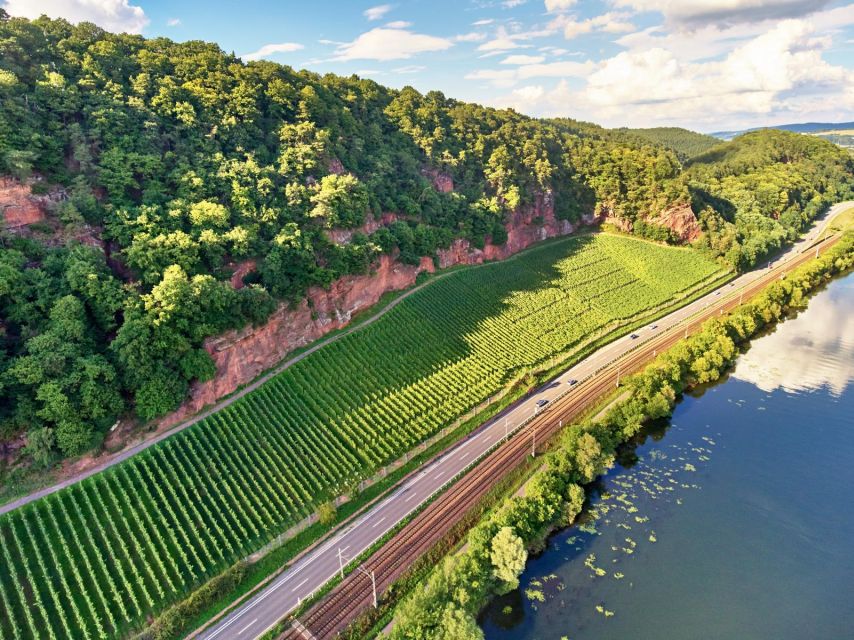
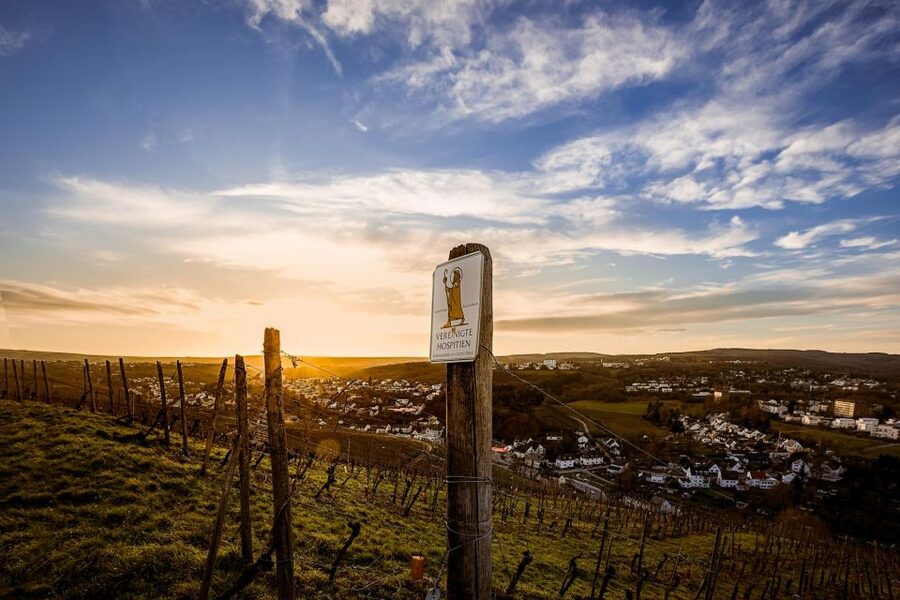
The experience is run by the Vereinigte Hospitien Stiftungsweingut, the foundation winery connected with the site. The company name is less important than what it tells you about the visit: this is linked to a real wine estate, not just a historic room dressed up for sightseeing.
The cellar’s age gives the tour its strongest sense of place. Many historic attractions ask you to picture how a building once worked. Here, the storage function is part of the story, and the wine tasting gives you a present-day reason to care about the space.
More Wine Cellar Visits around Germany:
- Porto: Bridges Cruise & Sunset & Port Wine Cellar Option
★ 4.2 · 4,180 reviews - Porto: Cálem Cellar Tour, Interactive Museum & Wine Tasting
★ 4.5 · 4,113 reviews - Porto: Cálem Cellar Tour, Fado Show & Wine Tasting
★ 4.4 · 3,530 reviews
What the one-hour tour includes
The tour is compact. Over about one hour, a live German-speaking guide takes you through the cellar and explains its eventful past. You then taste two selected wines in the historic setting.
Because the tour is short, you should think of it as a focused introduction rather than a full afternoon at a winery. You will not be signing up for a long vineyard visit, a broad regional wine seminar, or a multi-course meal. The format is simpler and more useful for a sightseeing day: see an important local site, hear its basic story, and sample two wines.
The order may place the cellar walk before the tasting, but the key point is the combination. The building gives the wine a sense of place, while the wine keeps the visit from feeling like a dry history lesson. I like that balance. A Roman building alone can feel remote. A tasting alone can feel interchangeable. Together, they make a clearer connection between Trier’s past and its present wine culture.
The historical talk is also likely to be the part that varies most with your language ability. The tour language is German, and some content remains in its original language. If you understand German, you should get much more from the guide’s explanations and stories. If you do not, you can still appreciate the cellar and tasting, but the historical details may not land as fully.
Why the Roman setting matters
The date, around 330 AD, is not a decorative fact. It places the cellar in Trier’s Roman period, when the city held major importance within the empire. The building’s original use as storage tells you something about daily life and city organization, not just grand monuments.
That makes this a good companion to Trier’s better-known Roman sights. Large monuments show power and ceremony. A storage building shows the practical side of urban life: supplies had to be held, managed, and distributed. The cellar offers a smaller view of the same city.
You should also keep the phrase oldest wine cellar in Germany in perspective. The attraction uses that distinction to frame the visit, but the important experience is the building itself and the way it connects Roman construction with local wine. You are not being asked to admire an empty archaeological shell. The site is presented as active, social, and tied to enjoyment.
That living quality is one of the tour’s best features. The cellar is described as a place for discovery and explorers, not a dusty museum. The tasting supports that idea. You get to look at the past, then take part in a present-day wine tradition.
The two-wine tasting
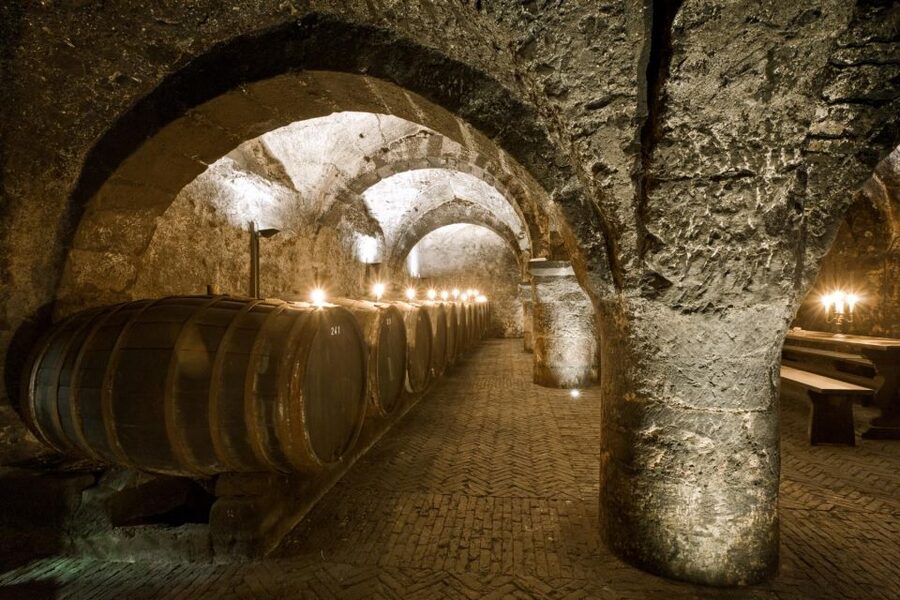
The tasting includes two selected house wines. The information does not specify the grape varieties, vintages, or exact pours, so you should not book this expecting a detailed tasting menu. Still, two wines are enough to make the stop feel like more than a building tour.
I find two pours particularly useful for a first visit to a winery. They give you a chance to compare styles, notice what you prefer, and connect the talk about wine culture to something in your glass. The historic atmosphere should also make the tasting feel different from a quick sample at a shop counter.
The wine is a major part of the appeal, but it is worth keeping the balance in mind. A few comments about the cellar suggest that the wine and winery can take center stage, leaving some visitors wanting more information about the historic building. If Roman history is your main reason for booking, you may wish the tour spent more time on the structure, its storage role, and its later story.
That is not a fatal flaw. The tour is priced and timed like a light cultural stop with wine, not an academic archaeological lecture. You are paying for a compact mix of access, explanation, and tasting. If you want a serious wine lesson, ask questions during the visit and listen closely to the guide’s historical comments.
More wine tours around Germany:
- Trier: Guided City Walk with Wine Tasting
★ 4.8 · 979 reviews - Hamburg: Harbor Cruise with Wine and Cheese
★ 4.7 · 795 reviews - Leipzig: Mulled Wine Motorboat Tour
★ 4.7 · 514 reviews - Heidelberg: Sightseeing Boat Tour with Mulled Wine
★ 3.6 · 202 reviews
Is $20 a fair price?
At $20 per person, the price is reasonable for a one-hour guided experience that includes entry to a distinctive historic site and two wines. The value is strongest if you already plan to explore Trier and want one activity that joins Roman history with local wine.
The calculation changes slightly depending on your interests. A person who dislikes wine may find the included tasting less useful, while a wine lover might wish for more pours or more technical detail. Someone who wants a major Roman monument may also prefer to spend the same amount of time on a larger archaeological site.
For me, the price works because the cellar gives the tour a setting that would be difficult to reproduce elsewhere. You are not paying only for two drinks. You are paying for guided access to a Roman building, a story about its original purpose, and a tasting in an unusual atmosphere.
The one-hour length also protects the value. You can fit it around other plans without giving up half a day. That matters in Trier, where you may want time for several historic sites, meals, and a walk through the city.
Who will enjoy this experience most
This tour fits you best if you like history in manageable portions and enjoy having a local drink tied to the place you are visiting. It is especially suitable for couples, solo visitors, and small groups looking for an easy cultural activity with a clear beginning and end.
It also suits wine drinkers who do not need a long tasting session. Two wines offer a modest sample without turning the afternoon into a formal wine course. If you are building a day around Trier’s Roman past, this gives you a different kind of Roman connection than a museum or monument.
Families can consider it, depending on the interests and ages of the group, but the wine tasting is naturally aimed at adults. The supplied details do not give a minimum age, child price, or special family arrangements, so check those points before booking for children.
The tour is less suitable if you need wheelchair access. It is specifically listed as unsuitable for wheelchair users. Mobility needs vary, so anyone concerned about stairs, narrow passages, or uneven access should confirm the physical setup before paying.
German language and the guide’s role
The live guide speaks German. That is the clearest practical issue to weigh before you book. Some content is shown in its original language, so you should not assume that the tour will be repeated in English or another language.
If you understand German, the language adds authenticity and should let you follow the cellar’s stories more naturally. If you do not, you can still enjoy the Roman setting and wines, but the tour’s information value will be reduced. A translation app may help with individual words, though it cannot replace a full explanation.
The guide’s job is important here because the building itself may not explain its past in detail. The cellar’s age and original storage role need context. A good listener will get the most from the tour by focusing on how the site changed from a Roman storage building into part of a working wine tradition.
The experience has earned a strong overall score of 4.7 from 218 ratings, with praise centered on being informative, interesting, enjoyable, and tasty. That matches the tour’s design: it offers a quick history lesson, a special setting, and wine without demanding a large block of your day.
Weather, timing, and practical planning
The tour operates in all weather conditions. That matters because the cellar visit may feel protected from rain, but your route to the meeting point and any transition outside will not necessarily be comfortable. Bring suitable clothing rather than assuming poor weather will cancel the activity.
Allow the full hour, even though the format is short. A little breathing room before or after will help you avoid rushing to another appointment. Since starting times vary, check availability when you plan your day.
The activity offers free cancellation up to 24 hours in advance, and you can reserve now and pay later. Those terms are useful if your Trier schedule is still shifting. They do not change the nature of the experience, but they reduce the risk of locking in a wine stop before you know how your day will unfold.
There is no transportation component described, so plan on reaching the site independently. The important planning questions are simple: can you follow a German-speaking tour, can you manage the access, and do you have room for one hour in your itinerary?
How this compares with a standard wine tasting
A standard wine tasting usually puts the drink first. You sit, sample, and hear about the producer. This experience reverses that order. The building and its Roman past give the tasting its frame.
That makes it a better pick for you if atmosphere matters as much as the wine itself. The two selected wines may be enough for a pleasant introduction, but the cellar is what makes the activity distinctive. You are visiting a place with a story rather than simply sampling bottles.
On the other hand, a dedicated winery visit may suit you better if you want vineyard details, production methods, several varietals, or a longer technical discussion. None of those are promised here. The tour’s strength is its focus, not its breadth.
I would also avoid treating this as a substitute for every Roman sight in Trier. It offers one building and one slice of city life. Its value comes from the unusual angle, especially if you have already seen larger monuments or want a break from formal sightseeing.
Should you book the Trier wine cellar tour?
Book it if you want a short, reasonably priced experience that combines Roman history with two local wines. The cellar’s date, original storage role, and connection to the Vereinigte Hospitien Stiftungsweingut give the visit real character, while the one-hour format makes it easy to fit into a busy day.
Think twice if you need English guiding, wheelchair access, or a long and detailed history of the building. The German-only format is the largest consideration, and the wine portion may receive as much attention as the Roman past.
For the right visitor, this is a smart Trier addition: not a major all-day attraction, but a memorable hour in a very old place with something good to taste at the end.
FAQ
How long does the tour last?
The tour lasts one hour.
What does the tour include?
It includes a guided cellar tour, two selected wines, and a tasting in the historic setting.
What language is the tour in?
The live tour guide speaks German. Some content is shown in its original language.
Is the experience suitable for wheelchair users?
No. The experience is listed as unsuitable for wheelchair users.
Does the tour operate in bad weather?
Yes. The tour takes place in all weather conditions.
Can I cancel the booking?
You can cancel up to 24 hours in advance for a full refund. You can also reserve now and pay later.
Freshly poured around Germany
- Mulled wine ride in the Leipzig New Zealand★ 4.3 · 43 reviews
- Lieser: Covered wagon ride, the rolling wine tasting with picnic basket★ 4.7 · 51 reviews
- Kröv, Mosel: Covered wagon ride through the vineyards with wine tasting★ 4.8 · 46 reviews
- Koblenz: Christmas Boat Tour with Mulled Wine★ 4.3 · 35 reviews
- Koblenz: Historical Sparkling Wine Museum Guided Tour★ 4.6 · 28 reviews
- Heidelberg: Sightseeing Boat Tour with Mulled Wine★ 3.6 · 202 reviews
- From Dresden: Saxon Wine Route Steamer Day Cruise★ 4.4 · 95 reviews
- Freiburg: Veni, vidi, vino – wine hike and tasting★ 4.5 · 144 reviews
Germany Wine Tours, side by side.
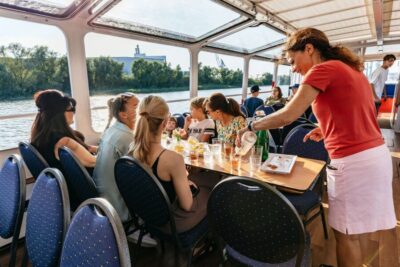


Heidelberg: Sightseeing Boat Tour with Mulled Wine
Read our review →
Freiburg: Veni, vidi, vino – wine hike and tasting
Read our review →
Dresden: Advent Tour with Stollen Tasting and Mulled Wine
Read our review →
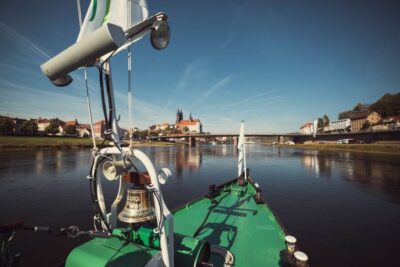
From Dresden: Saxon Wine Route Steamer Day Cruise
Read our review →Lists this tasting sits in