
Review · SOFIA PROVINCE, BULGARIA
Sofia Afternoon Walking Tour with Wine and Food Tasting
Sofia’s best introduction may be on foot, with Roman ruins, Orthodox churches, a mosque, grand civic buildings, and lively shopping streets packed into one compact afternoon. This tour finishes with a glass of Bulgarian wine and local bites such as lukanka, katak, kopoolu, and fillet Elena, giving the sightseeing a tasty local finish.
I like the small-group format, which lets guides such as Danitsa, Denitsa, Maria, and Daniel adjust the pace and answer questions. I also like the mix of sights: you get ancient Serdica, the St. George Rotunda, the Banya Bashi Mosque, and modern Sofia in one walk. The main caution is the food tasting. It may be a light serving rather than a full meal, with some past groups receiving only one glass of wine and a modest selection of food.
Key points at a glance
- Roman Sofia in the city center: See Ancient Serdika and the remarkably old St. George Rotunda among modern streets and buildings.
- A useful first-day orientation: The route covers many of Sofia’s central sights without hotel transfers or transport.
- Strong guiding is central to the experience: Guides are praised for clear English, local insight, humor, and personal attention.
- A cross-section of religions and eras: The walk includes the National Theater, Banya Bashi Mosque, Orthodox churches, and civic landmarks.
- Bulgarian flavors at the finish: Expect wine with local meat and vegetable-based bites, with vegetarian and vegan options available if requested.
- Three hours on foot: Wear comfortable shoes and plan around weather, since wheelchair users cannot be accommodated.
Why this compact Sofia walk works
At $82 per person, this is not Sofia’s cheapest walking tour. The price makes more sense if you want a guide, a small group, and a food stop folded into the same three-hour outing.
You are paying for more than a checklist of landmarks. Sofia can be confusing at first because Roman ruins, Ottoman remains, Orthodox churches, Communist-era buildings, and modern shops occupy the same central blocks. A good guide helps you connect those layers instead of seeing them as unrelated stops.
The route is especially useful early in your stay. It begins in front of the Grand Hotel Sofia and ends on Solunska Street in the Old City Center, so you finish near restaurants, shops, and major pedestrian areas. There is no hotel pickup or drop-off, but that is hardly a problem for a central walking tour.
The small-group setup is a real benefit. When the group is tiny, the guide can slow down for questions or shape the conversation around your interests. One couple had a nearly private experience, while another booking ended up as a solo tour. That kind of flexibility is one reason the price can feel fair, particularly if you value conversation over a scripted group march.
More wine tours around the world:
- Amsterdam: Classic Saloon Boat Cruise with Cheese & Wine
★ 4.6 · 27,035 reviews - Amsterdam: Evening Cruise with Optional Wine and Snacks
★ 4.4 · 22,178 reviews - Tuscany Day Trip from Florence: Siena, San Gimignano, Pisa and Lunch at a Winery
★ 5.0 · 21,634 reviews
Beginning at the Ivan Vazov National Theater
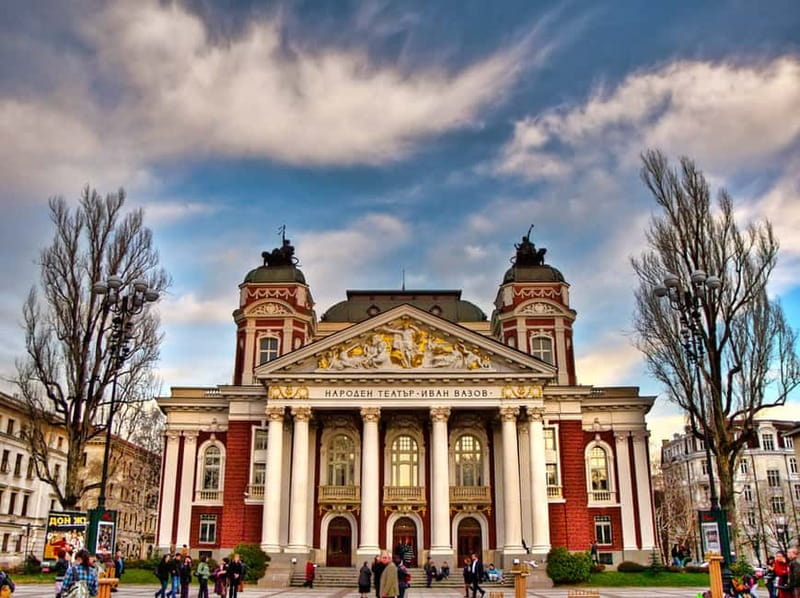
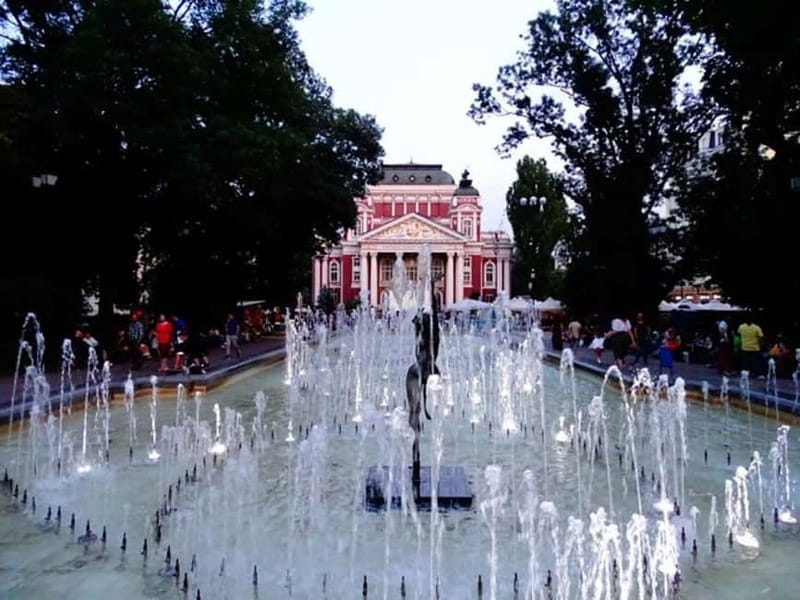
Meet your guide in front of the Grand Hotel Sofia, then walk to the Ivan Vazov National Theater. This is one of Sofia’s most attractive public spaces, with the theater’s ornate facade facing a garden that gives the city center some breathing room.
The stop provides a gentle start. You can get oriented, learn how the central streets fit together, and hear about Sofia’s cultural life before moving into older parts of town. The garden also makes this a pleasant place to begin in good weather.
Do not expect an interior theater visit. The focus is a guided look at the building and its setting, followed by the walk toward the archaeological center.
Ancient Serdika beneath modern Sofia
Ancient Serdika is one of the most important stops because it shows how much of Sofia’s Roman past sits below the present-day city. The remains are spread through the central area, where modern streets and buildings rise directly around the excavated complex.
This is the kind of place where a guide adds real value. Ruins can look like disconnected walls if you do not know what you are seeing. Your guide can explain the Roman city and help you picture how the old settlement relates to the Sofia above it.
Allow about 20 minutes here. That is enough for a clear introduction, though not enough for every archaeological detail. If ancient sites are your main interest, listen closely and ask questions. The walk is designed to give you a broad understanding of Sofia rather than a long specialist lecture at one stop.
Banya Bashi Mosque and Sofia’s layered faiths
The Banya Bashi Mosque brings an Ottoman chapter of Sofia’s past into the route. Its presence near the Roman complex and Orthodox churches makes the city’s changing religious and political story visible within a short walk.
You should think of this as an exterior guided visit unless your guide confirms otherwise. The tour information promises a stop at the mosque, not a formal interior visit or religious service. Dress and behave respectfully around the building, as you would at any active place of worship.
The value here is the contrast. Sofia is not a city with one simple architectural identity. Roman, Ottoman, Orthodox, royal, Communist, and modern influences sit close together. The guide’s explanation turns that contrast into a story rather than a collection of photographs.
Same vines, another glass to try:
- From Porto: Douro Valley w/ Boat Tour, Wine Tasting & Lunch
★ 4.7 · 19,061 reviews - Complete Douro Valley Wine Tour with Lunch, Wine Tastings and River Cruise
★ 5.0 · 12,920 reviews - Florence: Pasta Cooking Class with Unlimited Wine
★ 4.9 · 10,285 reviews - Florence: Chianti Wineries Tour with Wine Tasting
★ 4.5 · 10,071 reviews
From Sveta Nedelya to the Palace of Justice
The route continues through the area around Sveta Nedelya Church and the Sofia City Court, also known as the Palace of Justice. These stops shift the focus from archaeological remains and religious buildings to the city’s civic life.
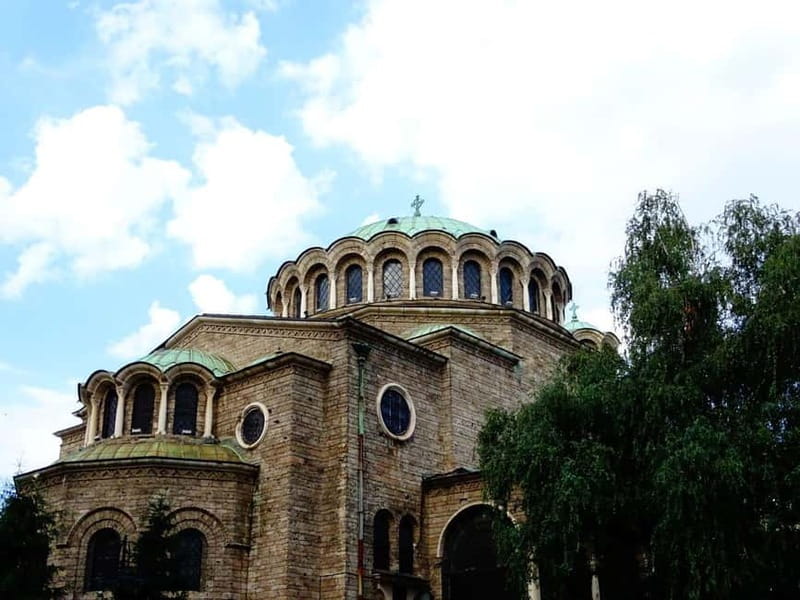
Sveta Nedelya Church is an important Orthodox landmark, while the Palace of Justice presents a more formal, monumental face of Sofia. Seeing them together gives you a useful sense of how the city’s spiritual and state institutions share the same central streets.
The schedule allows roughly 20 minutes for the city court stop. That is enough for the guide to explain the building and its place in Sofia, but the pace remains brisk. If you want to linger at every facade, this may feel quick. If you prefer a broad first look, the timing keeps the afternoon moving.
Meeting the Saint Sofia Monument
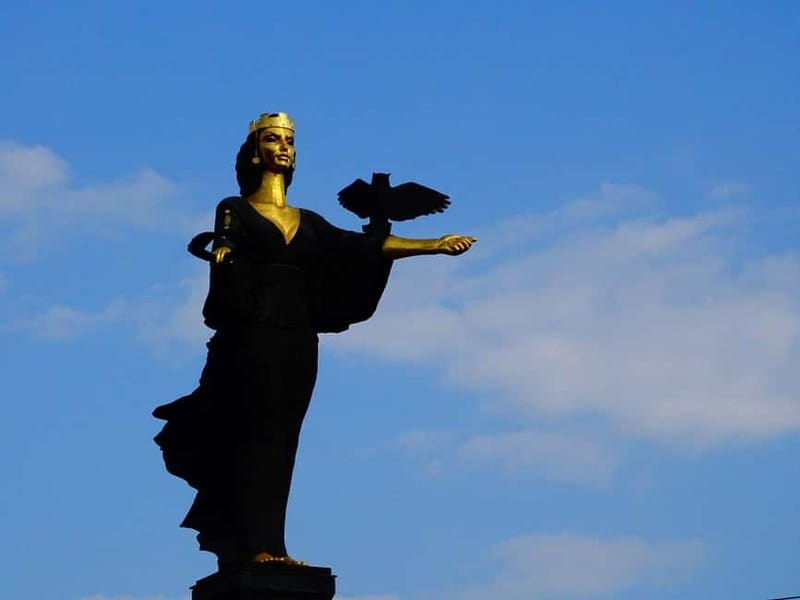
The Saint Sofia Monument is one of the route’s more recognizable modern symbols. It gives the guide a chance to discuss the city’s identity and the way Sofia presents its past in public spaces.
The monument is also close to several of the major central sights, so it works well as part of a walking circuit. You will not spend the whole afternoon inside museums or churches. Instead, you move through open streets and public squares, learning how the city works as you go.
This is a good point to ask your guide about the names Sofia has carried and the events that shaped its development. Past guides have been especially appreciated for explaining major changes in the city and answering questions rather than simply reciting dates.
The St. George Rotunda, a small building with a long story
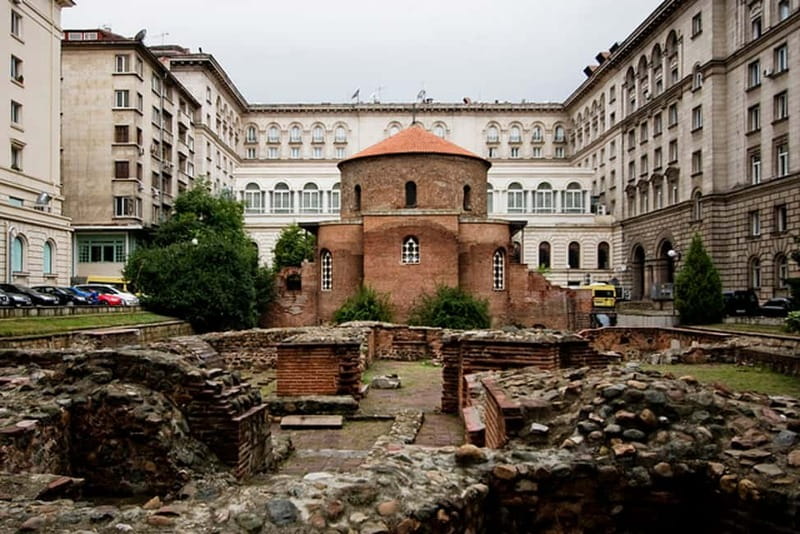
The St. George Rotunda is one of Sofia’s most striking historical stops. It is an early Christian building surrounded by later urban development, and its compact form makes the age of the city feel immediate.
The rotunda is not grand in size. Its appeal comes from the contrast between its simple, old structure and the modern streets around it. The guide’s explanation matters here because the building can be easy to miss if you are walking alone.
The stop is scheduled for about 20 minutes. You will get useful context and time to look closely, but this is not an extended church tour. Keep your expectations realistic and treat it as one important piece of a larger central Sofia walk.
Graf Ignatiev Street and Vitosha Boulevard
The route also takes in Graf Ignatiev Street and Vitosha pedestrian street, two places that show Sofia as a lived-in city rather than an archaeological site.
Graf Ignatiev Street brings a more everyday urban feel, while Vitosha is Sofia’s best-known pedestrian shopping and dining corridor. These streets help break up the sequence of monuments and give you a sense of where people go for cafes, shopping, and an evening stroll.
This part is useful if you are still learning the city. You can note places to return to after the tour, though the route does not promise a meal at a specific establishment along these streets. The final food stop comes later, at a traditional restaurant.
The Bulgarian wine and food tasting
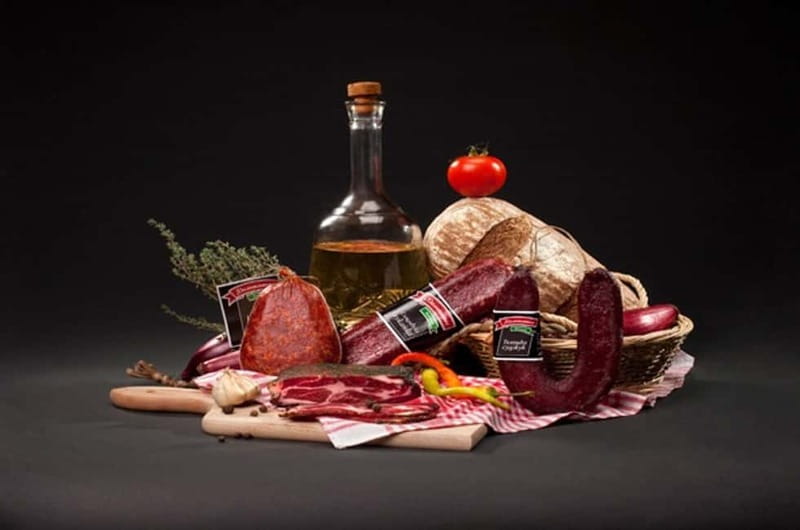
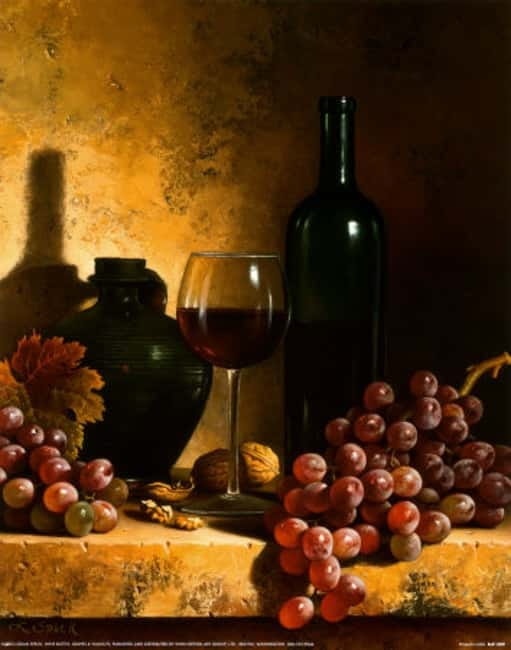
The tour ends with Bulgarian wine and local food, which is a welcome change after several hours of walking. You can expect a glass of wine served with different local bites, including lukanka, katak, kopoolu, fillet Elena, and possibly other regional items.
Some of these foods are especially useful introductions to Bulgarian eating. Lukanka is a cured sausage, while fillet Elena is another cured meat. Katak and kopoolu are vegetable or dairy-based spreads and salads, giving the tasting more variety than a plate of meat alone.
The final stop is described as a traditional restaurant in the central area. The exact restaurant is not named, so you should think of this as a local tasting stop rather than a destination dining experience with a fixed menu.
This is also where you should set your expectations carefully. The supplied experience promises snacks and wine tasting, not a full Bulgarian dinner. Past groups have found the food light, with one glass of wine and a modest serving of meat and salad. Others enjoyed the quality of the restaurant and found the meal a pleasant finish.
If you want a substantial dinner, plan to eat again later. If you want a small taste of Bulgarian food after sightseeing, the stop should do the job.
Vegetarians and vegans are welcome, but you need to write your dietary requirements when booking. The same applies to gluten intolerance, nut allergies, egg-free diets, fish and seafood restrictions, and sugar-free requirements. Do not wait until you arrive, since the restaurant needs advance notice.
What the guides add to the walk
The strongest part of this experience is likely to be the guide. Danitsa, also spelled Denitsa in the supplied information, received praise for being attentive, outgoing, and easy to talk with. Maria was praised for giving a thorough tour and answering questions, while Daniel and Dani were described as entertaining, funny, and clear in their explanations.
That pattern matters more than any single landmark. Sofia’s central sights are close together, but the city’s story is not always obvious. A guide who can explain important events, local customs, and the meaning of the buildings makes the walk much more useful.
The languages are English and Spanish. If you need another language, this experience is not the right choice based on the information available.
The tour has an overall rating of 4.5 from 43 reviews, with many five-star responses and a smaller number of four-star assessments. The praise centers on friendly guiding, detailed explanations, a relaxed small-group feel, and the way the tour improved visitors’ understanding of Sofia.
The criticism is focused and consistent: the food portion can be small, and the phrase wine and food tasting may create expectations of several courses or multiple wines. I would book it for the city walk first and treat the tasting as a bonus, not as the main meal.
Price, timing, and practical comfort
The tour costs $82 per person and lasts about three hours. For that amount, you receive the walking tour, a professional guide, snacks, and wine tasting. Hotel transport is not included, and you must make your own way to the Grand Hotel Sofia.
The central meeting point keeps the logistics simple. You do not need to find a distant pickup location or spend part of the afternoon in a vehicle. The tradeoff is that you should arrive independently and be ready to walk soon after meeting the guide.
Wear comfortable shoes. The route includes several stops and central streets, and the tour is conducted on foot. It is not suitable for wheelchair users, according to the tour information.
Weather will affect your comfort because much of the experience takes place outdoors. Check the starting time when booking, since availability can vary. The activity allows free cancellation up to 24 hours before departure and offers reserve-now, pay-later booking, useful if your Sofia schedule is still shifting.
Who will get the most from this Sofia tour
I would recommend this walk to a first-time visitor who wants a clear introduction to central Sofia without arranging several separate visits. It suits people who like history, architecture, local food, and conversation with a guide.
It is also a good fit if you have only one afternoon in the city. You will see many of the main sights, learn where the central streets lead, and finish with a local tasting. The route gives you a practical map of the city as well as historical background.
You may want something else if you prefer a slow, highly specialized tour of one church or archaeological site. The schedule covers a lot of ground, so each stop receives a focused explanation rather than an extended examination.
You should also choose another activity if a large meal or serious wine tasting is your priority. This is a sightseeing tour with a modest food finish, not a winery visit or a long restaurant experience.
Should you book it?
Book this tour if you want a well-rounded first look at Sofia, especially with an English- or Spanish-speaking guide who can explain the city’s complicated past in plain terms. The mix of Ancient Serdika, the mosque, Orthodox landmarks, civic buildings, pedestrian streets, and Bulgarian food gives you a useful three-hour introduction.
Book with the right expectation about the final tasting. You will likely receive one glass of wine and a light selection of local bites rather than a full meal. If that sounds fine, $82 can be reasonable for a small-group walk with a strong guiding focus. If you mainly want generous food portions, choose a dedicated food tour instead.
FAQ
Where does the Sofia afternoon walking tour start?
The tour starts in front of the Grand Hotel Sofia.
Where does the tour finish?
The tour finishes on Solunska Street in Sofia’s Old City Center.
How long does the tour last?
The walking tour lasts approximately three hours.
What languages are available?
The live guide is available in English and Spanish.
Is food included, and what might I taste?
Snacks and wine tasting are included. The food can include Bulgarian items such as lukanka, katak, kopoolu, and fillet Elena, served with a glass of Bulgarian wine.
Can vegetarians or people with dietary restrictions join?
Yes. Vegetarians and vegans are welcome, and you can request options for dietary restrictions such as gluten intolerance, nut-free, egg-free, fish and seafood-free, or sugar-free diets when making the reservation.
Freshly poured around the world
- Private Tasting in Beaune : The Best of Burgundy Wines★ 4.9 · 66 reviews
- Private tour of Paris by Night with Champagne★ 4.7 · 323 reviews
- Semi Private Solar Boat Cruise in Champagne★ 4.9 · 32 reviews
- Private Group Visit to Akrotiri & 3 Wineries with Tastings★ 4.2 · 42 reviews
- Private Flavors of Florence Walking Tour(Food&Wine Included)★ 4.8 · 46 reviews
- Pizza-Making Workshop by night with glass of wine★ 4.9 · 45 reviews
- Malaga: PREMIUM TAPAS TOUR Paella, Tapas, Winery & Flamenco★ 4.6 · 82 reviews
- Mendoza: Premium Wine Tasting★ 4.4 · 48 reviews