
Review · DOURO VALLEY
Porto: Port and Douro Wine Walking Tour with 9 Tastings
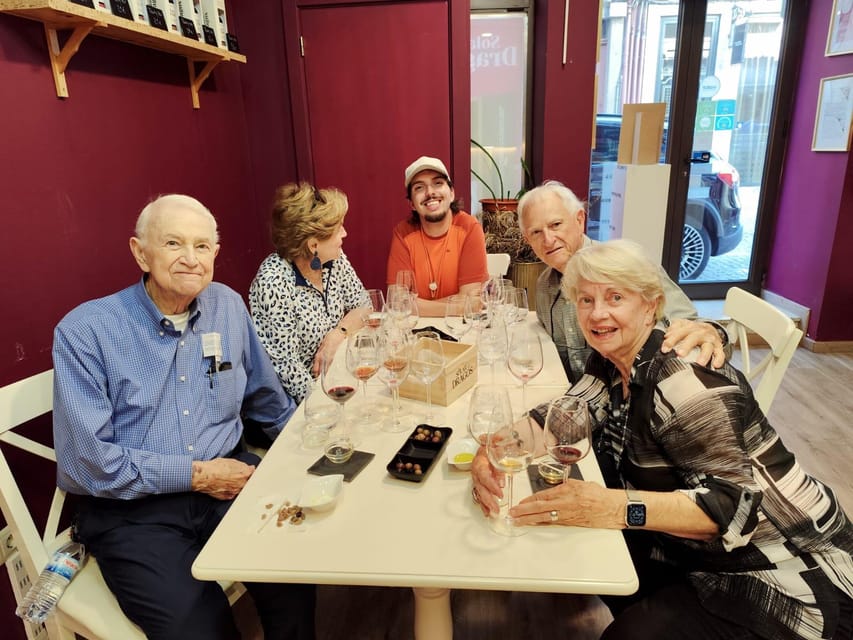
The best part of this tour is the chance to compare Port and Douro table wines in three very different Gaia wine houses, rather than stopping at one cellar and calling it a day. You walk short distances between tastings, so the afternoon feels social and relaxed instead of like a formal wine lecture.
I like the mix of large-name tradition at Fonseca and smaller local producers such as Vasques De Carvalho and Solar dos Dragos. I also like the guides’ practical approach: Maria, Ricardo, Joao, Sara, and others have been praised for making the history clear and keeping the mood light. The main drawback is simple: nine pours, and sometimes ten, can catch up with you, especially since food is not included.
Key points before you book
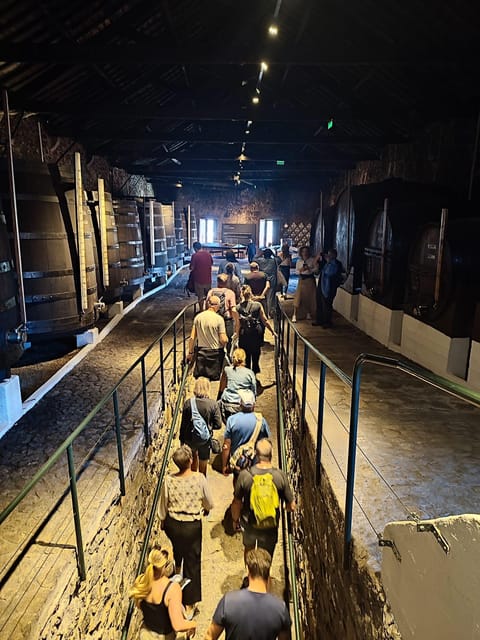
- Three Gaia wine houses: Visit Vasques De Carvalho, Fonseca Port Wine Cellars, and Solar dos Dragos.
- Nine tastings included: Expect a selection of Port and Douro wines, with the exact mix sometimes varying.
- Short walks between stops: The route stays around Vila Nova de Gaia’s riverfront wine district.
- Guides make the difference: English and Portuguese tours are led by local hosts such as Maria, Ricardo, Joao, and Sara.
- Come ready to learn: You’ll hear about Port styles, production, tasting methods, and the Douro Valley.
- Eat first and wear good shoes: Lunch and snacks are not included, and the tour operates in all weather.
Why Gaia is the right place to learn about Port
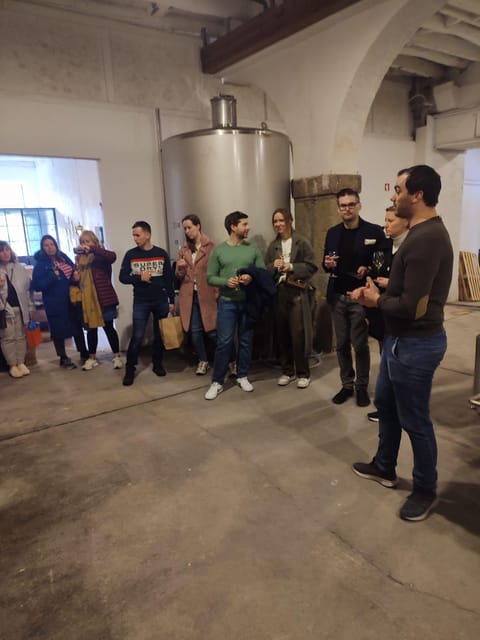
Porto gives you the city views, tiled churches, steep streets, and the famous Dom Luis I Bridge. Across the river, Vila Nova de Gaia gives you the wine cellars. The two places are closely linked, but Gaia is where the Port story becomes tangible.
This is where many Port houses have traditionally stored and presented their wines. The riverfront setting makes the tour easy to follow, since the three stops are within a short walking distance of one another. You do not need to figure out which cellar is where or lose time checking maps between tastings.
Your meeting point is outside the Posto de Turismo, or Loja Interativa de Turismo, on the main riverside sidewalk. Arrive about 10 minutes early. From there, your guide leads the group to the first house and sets the stage for the rest of the afternoon.
The walk itself is not a strenuous hike. Still, you should wear comfortable shoes. Gaia has slopes and uneven streets, and the tour operates in rain or shine. Bring a light layer or rain protection when the forecast looks uncertain, since you will spend some time outdoors between cellars.
More Douro Valley wine tours around Porto:
- From Porto: Douro Valley w/ Boat Tour, Wine Tasting & Lunch
★ 4.7 · 19,061 reviews - Complete Douro Valley Wine Tour with Lunch, Wine Tastings and River Cruise
★ 5.0 · 12,920 reviews - Porto: Douro Valley with Winery Lunch, Tastings & Cruise
★ 4.7 · 7,002 reviews
The first stop, Vasques De Carvalho
The tour begins with about an hour at Vasques De Carvalho. This is one of the smaller houses included in the route, which gives the afternoon a more local feel than a visit limited to famous international brands.
This stop is useful for getting the basic ideas in place. Your guide introduces Port production, explains how the wine differs from Douro table wine, and helps you taste with more purpose. Instead of simply deciding that you like or dislike a glass, you can start looking for sweetness, weight, fruit, spice, and the effects of ageing.
The exact pours can vary, but the overall aim is comparison. You may taste a Port style with more sweetness and body beside a drier Douro wine. That contrast matters because many first-time visitors think of Portuguese wine only as Port. The Douro Valley also produces still red and white wines, and the differences become much easier to understand when the glasses arrive one after another.
Guides such as Maria and Ricardo have been praised for explaining technical points in an approachable way. That matters here. Port production can involve unfamiliar terms, and a good guide keeps the lesson from turning into a list of facts.
Take small sips at the beginning. You have more tasting ahead, and each sample is meant to be part of a comparison rather than a full drink.
Fonseca brings a larger Port name into the picture
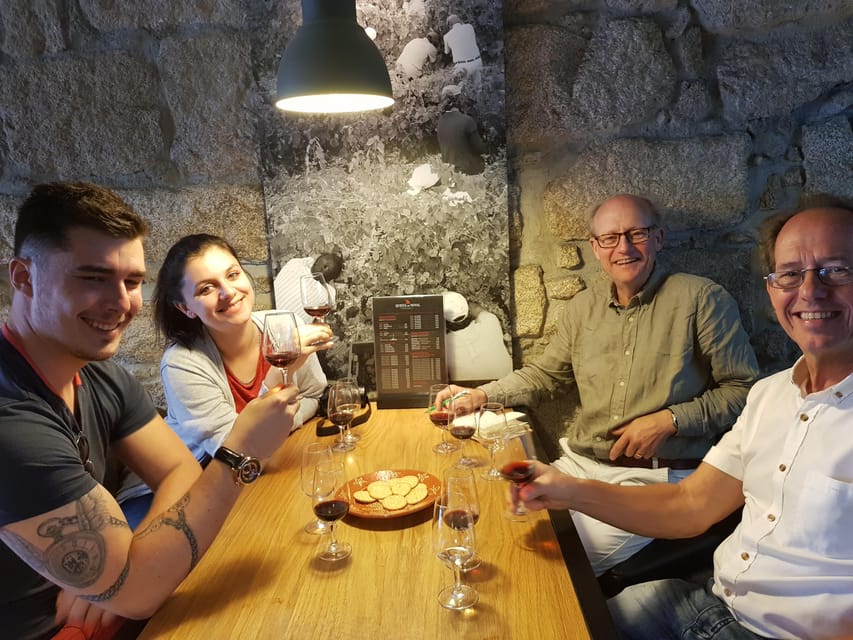
The second stop is Fonseca Port Wine Cellars, with another hour devoted to tasting and explanation. This stop gives the tour a useful change of scale after the smaller first house.
A visit to a recognized Port house helps you connect the product in your glass with the wider trade and traditions of the region. Your guide or cellar host may explain how Port is made, how it is stored, and why different styles taste so different. The focus is not just on drinking. It is on understanding what you are being served.
This is also the point where pacing becomes important. Several small pours may not look like much, but alcohol adds up quickly, particularly with fortified Port. One practical tip is to drink water whenever it is offered and avoid treating each tasting as a normal glass of wine.
The tour has a social side, too. You may be grouped with solo visitors, couples, or friends, and the short walk between houses gives people a natural chance to talk. The strongest guides keep the group involved without forcing anyone to perform or ask questions.
Some guides have accommodated people who needed to leave before the final stop, but you should not count on that as part of the plan. The better approach is to allow the full three hours and pace yourself from the first tasting.
Solar dos Dragos and the final tasting round
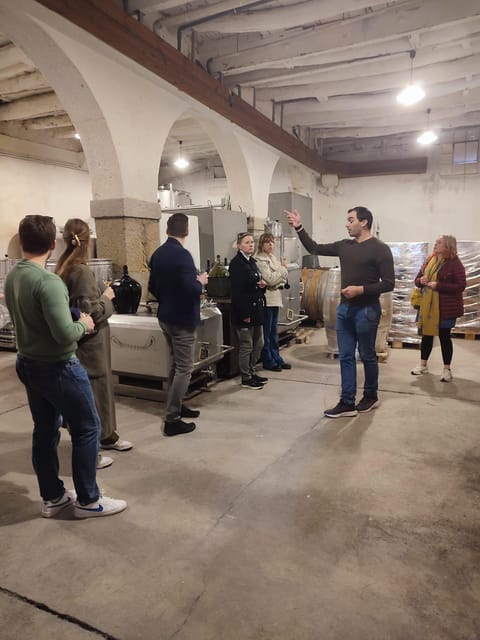
The third stop is Solar dos Dragos Porto & Douro Wines. It is another smaller house, and this final hour often provides the most informal part of the experience.
This is where the contrast between Port and Douro wines can become clearest. You may try several wines in a row, discuss their aromas and finish, and ask the guide how they might work with local food. The tasting is not designed as a full meal, but some sessions have included simple pairings such as bread, olive oil, and cheese.
That detail is worth keeping in proportion. Food is not included as a promised part of the tour, so you should not arrive expecting lunch. If bread or cheese is offered, think of it as a helpful extra, not the main event.
The final stop can also be the most lively. Joao, a sommelier and host mentioned in tour feedback, has been praised for adding useful facts and humor to the tasting. That sort of personality helps after several hours of information and wine. A good host knows when to explain, when to let the group talk, and when to keep the tasting moving.
The itinerary lists nine tastings. Several past sessions were described as including ten samples, sometimes with a mix of five Port and five Douro wines. Since the advertised total is nine, check the current details when booking and treat the number as subject to variation. Either way, you receive enough samples to notice real differences between styles.
More wine tours around Porto:
- Porto: Live Fado Show with Glass of Port Wine
★ 4.8 · 6,498 reviews - From Porto: 2 Wine Regions, Farm-to-Table Lunch & Boat
★ 4.9 · 5,724 reviews - Douro Valley: Historical Sites, Wine Experience, Lunch & Cruise
★ 5.0 · 5,133 reviews - Authentic Small Group Douro Wine Tour with Lunch & River Cruise
★ 5.0 · 4,775 reviews
What you learn about the Douro Valley
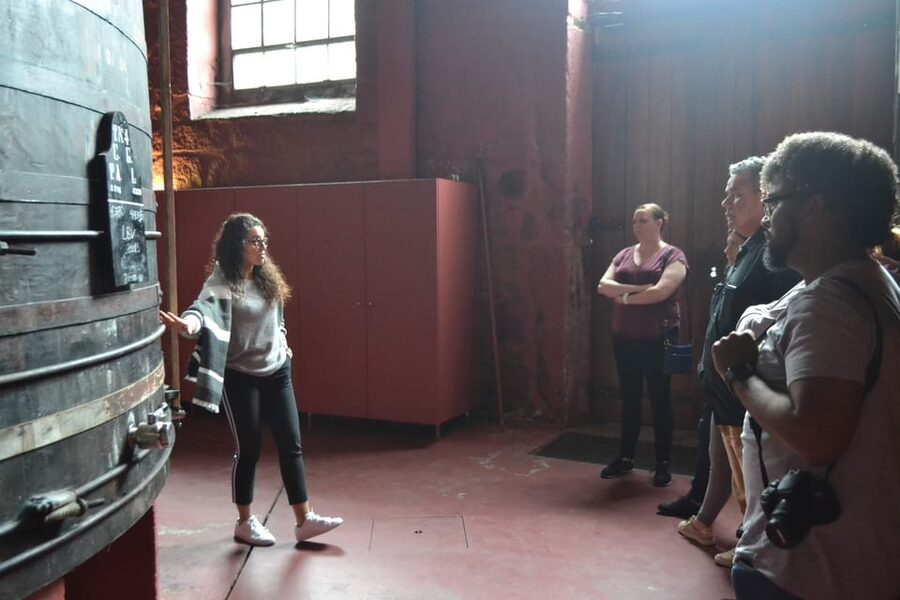
The Douro Valley is presented as Portugal’s first demarcated wine region. That fact gives the tour a wider setting than the cellars around Gaia.
You learn that Port and Douro wines come from the same broad wine region but are not the same product. Port is fortified, which means spirit is added during production. Douro table wines are not made in the same way, so they tend to offer a different balance, alcohol level, sweetness, and finish.
The point of the tour is not to make you memorize every production detail. It is to give you a framework. By the last tasting, you should have a better idea of which styles suit your taste and what to look for when you order wine in Portugal.
The guides also connect the wine to Porto and Gaia. You learn why the cellars are on the Gaia side of the river and how the area became associated with Port storage and sales. That context makes the walk more meaningful than simply moving from one tasting room to the next.
I especially like this approach for people who know little about wine. You can ask basic questions without feeling out of place. At the same time, more experienced drinkers still have the chance to compare producers and styles.
The guides set the tone
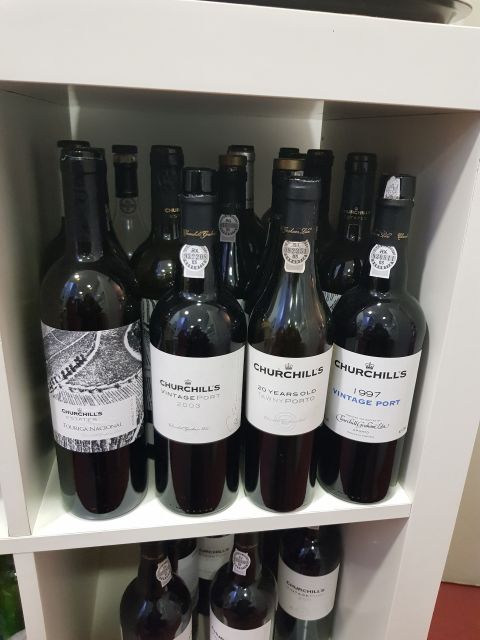
The tour is sold with a professional local guide, and the guide is the part of the experience most likely to shape your afternoon.
Maria appears frequently in the feedback, with praise for her warmth, humor, and ability to explain both the region and the wine-making process. Ricardo has been described as entertaining and well informed about Gaia production. Joao, Sara, Pedro, Francisco, Ivana, and other guides have also been singled out for friendly presentations and clear answers.
Do not assume every group will have the same guide. Names and personalities can change by departure. The consistent point is that the guide leads the walk, explains the tastings, and often hands over to staff at the wine houses for parts of the cellar presentation.
Small groups are available, and private options may also be offered. A smaller group usually makes it easier to ask questions and hear the guide. The social element is still there, but you are less likely to feel lost in a crowd.
The tour can work well for solo visitors because the tasting format gives you an easy way to meet people. It also suits couples and friends who want a shared activity without booking a full-day trip to the Douro Valley.
Is $57 good value for three hours?
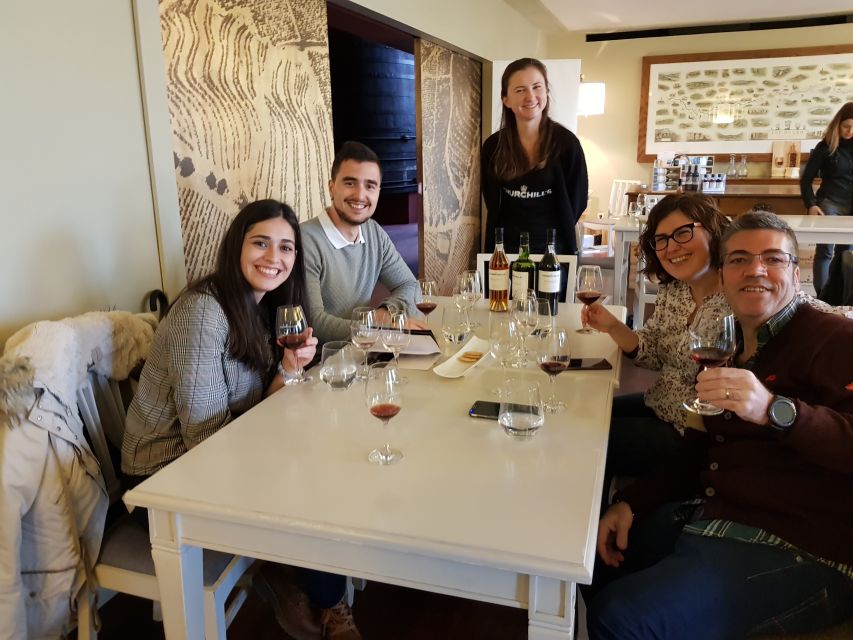
At $57 per person, the value is strong if you want several tastings and a guided introduction to Port without arranging the visits yourself.
You are paying for three hours, three wine houses, a local guide, and nine included tastings. You also save the effort of choosing cellars, checking opening times, and navigating Gaia’s streets. For a first visit to Porto, that convenience has real value.
The tour does not include lunch, food, hotel pickup, or drinks beyond the listed tastings. You should factor in the cost of a meal before or after the experience. Since the route begins and ends in Gaia, you will also need to make your own way to the riverfront meeting point.
The price looks especially fair for someone who wants an introduction rather than a specialist wine course. If you already know Port well and want rare bottles, vineyard visits, or a trip into the Douro Valley itself, this may feel too basic. It is a city-based tasting tour, not a day in the vineyards.
How to pace the tasting
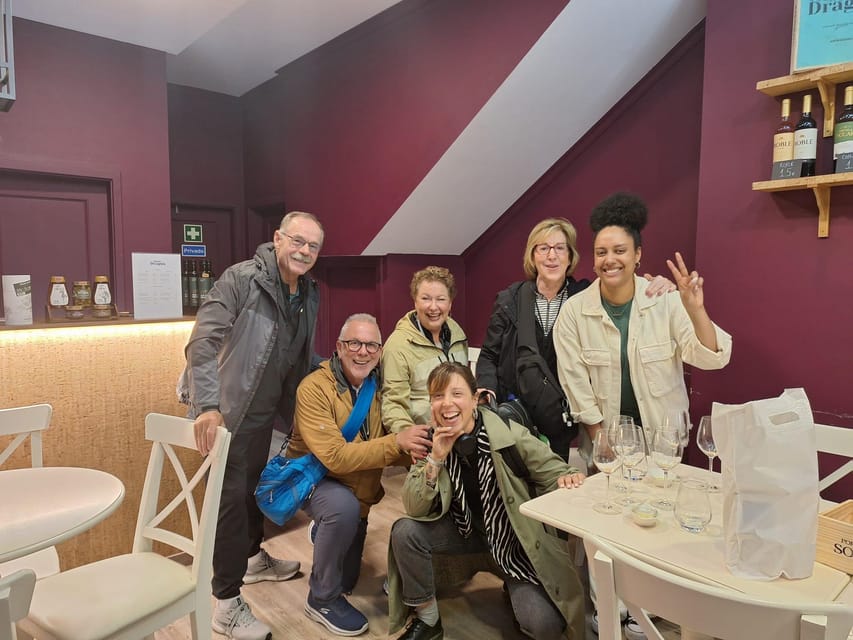
Eat a proper meal before you arrive. Several people have found that the amount of wine can sneak up on you, and the samples may add up to ten in some sessions.
Start slowly at the first house. You do not need to finish every pour quickly, and you can ask the guide about the best way to compare the wines. Water is useful, and one past participant specifically suggested bringing your own, even though guides may provide it.
Keep notes if you discover a style you like. The tour can move quickly, and the names of wines, producers, and Port styles may blur together by the final stop. If a house offers the chance to buy wine or arrange shipping, ask about the details before committing.
Do not expect a full meal or long rest periods. The pace is relaxed, but three hours includes walking, explanations, and tastings. Good shoes and sensible drinking will make a bigger difference than fancy wine vocabulary.
Who should book this Gaia wine walk?
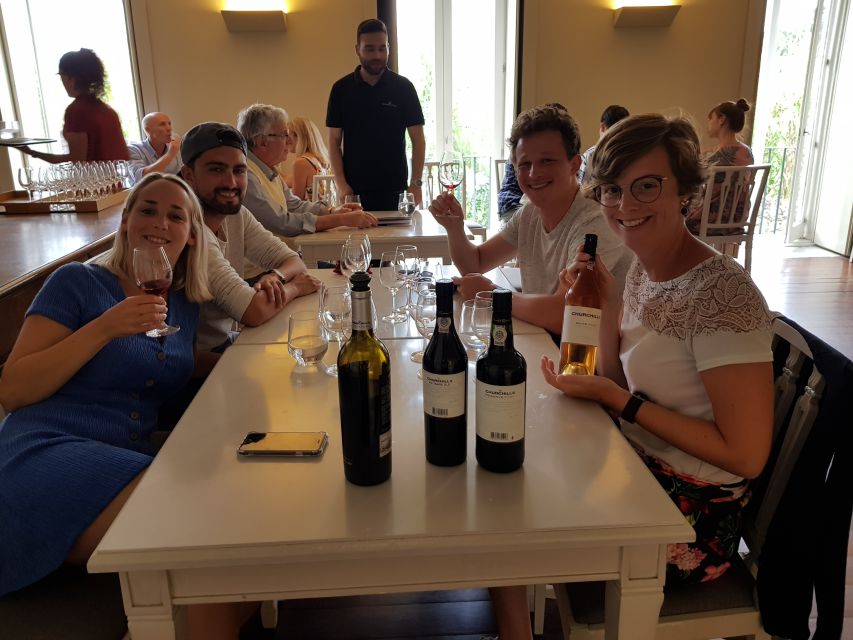
I would recommend this tour to first-time Porto visitors, curious wine drinkers, and people who want a social afternoon close to the city center. It is also a good pick for solo visitors who prefer a planned activity with a small group.
You will get the most from it if you are open to both Port and Douro wines. If you only want sweet fortified Port, the Douro table wine samples may feel less important. If you want a serious meal with your wine, the lack of included food is a clear limitation.
The experience is not suitable for children under 18. It is also not designed for people with mobility impairments. The walking is limited, but Gaia’s streets can still involve slopes and uneven surfaces.
You can cancel up to 24 hours before the start for a full refund, and reserve now while paying later. Check the available start times before booking, since the tour runs at set departures.
Should you book it?
Book this experience if you want an easy, well-paced introduction to Porto’s wine culture and would rather compare three houses than commit to one cellar. The combination of Fonseca with smaller local producers gives the afternoon useful variety, while guides such as Maria and Ricardo add the history and humor that make tastings stick.
Skip it if you want a vineyard visit in the Douro Valley, a full meal, or highly specialized tasting of rare bottles. For most visitors who have three hours in Porto and want to understand what is in the glass, $57 is a sensible spend. Eat first, wear comfortable shoes, pace the pours, and you should finish with a clearer idea of which Portuguese wine you want to order next.
FAQ
Where does the tour meet?
Meet your guide outside the Posto de Turismo, also called the Loja Interativa de Turismo, on the main sidewalk along the Vila Nova de Gaia riverfront.
How long does the tour last?
The walking tour lasts three hours, with about one hour allocated to each of the three wine houses.
How many wines will I taste?
The experience includes nine Port and Douro wine tastings. Some past sessions included ten samples, so the exact number or mix may vary.
Which wine houses are included?
The listed stops are Vasques De Carvalho, Fonseca Port Wine Cellars, and Solar dos Dragos Porto & Douro Wines.
Is food included?
No. Lunch and food are not included. Some sessions may offer simple pairings such as bread, olive oil, or cheese, but these are not guaranteed.
Is the tour suitable for children or people with mobility impairments?
No. The tour is not suitable for children under 18 or people with mobility impairments. You should also bring comfortable shoes and arrive 10 minutes early.
Freshly poured around Porto
- Porto Wine Tasting Experience with Portuguese Tapas Plate★ 4.7 · 356 reviews
- Porto: Taylor’s Port Cellar Tour & WOW The Wine Experience★ 4.5 · 136 reviews
- Porto: The Wine Experience, Best Wine Museum in the World★ 4.7 · 621 reviews
- Porto: Tile Painting Workshop with Tea and Port Wine★ 4.9 · 66 reviews
- Porto: Self-Guided Bike and Boat Tour with Port Wine Tasting★ 4.7 · 52 reviews
- Porto: Douro River Boat Tour with Wine Tasting★ 4.9 · 167 reviews
- Porto: Sunset Walking Tour with Port Wine and Views★ 4.6 · 95 reviews
- Porto: Private Yacht Tour with Wine, Snacks & 6 Bridges★ 5.0 · 515 reviews
Douro Valley Wine Tours, side by side.
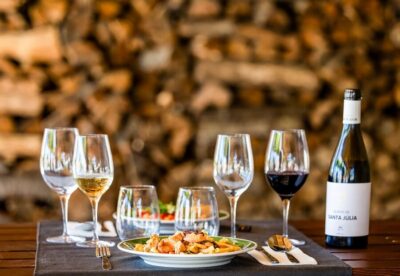
From Porto: Douro Valley w/ Boat Tour, Wine Tasting & Lunch
Read our review →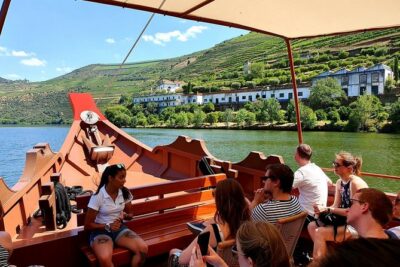
Complete Douro Valley Wine Tour with Lunch, Wine Tastings and River Cruise
Read our review →
Porto: Douro Valley with Winery Lunch, Tastings & Cruise
Read our review →
Douro Valley: Historical Sites, Wine Experience, Lunch & Cruise
Read our review →
Authentic Small Group Douro Wine Tour with Lunch & River Cruise
Read our review →
Douro Valley Small-Group Tour with Wine Tasting, Lunch and Boat
Read our review →
Douro Valley Tour: 2 Vineyard Visits, River Cruise, Winery Lunch
Read our review →
Douro Valley Tour: Visit 2 Wineries, Lunch & River Cruise
Read our review →Lists this tasting sits in