
Review · ETNA & VOLCANIC
Pompeii: Archeological Tour & Wine Tasting at Mt. Vesuvius
Pompeii is most powerful when someone helps you read it. This five-hour tour pairs a two-hour archaeological walk through the city with a food and wine visit at the foot of Mount Vesuvius, so you get ancient streets first and a relaxed Vesuvian meal afterward.
I like the small group size, capped at 10, and the fact that guides such as Enrica, Roberta, Ricardo, Sonia, and Nenna have been praised for bringing the ruins to life without turning the visit into a dry lecture. I also like the practical rhythm: skip the ticket-office line, see Pompeii’s main sights, then ride to Casa Setaro Winery for four wines, lunch, Tiramisù, and limoncello.
The main tradeoff is time. Two hours is enough for a strong overview, but Pompeii is enormous, and you will not see every street or house. The winery portion is generous, yet the transfer and fixed schedule mean you cannot linger at the ruins for a longer independent walk.
Key points to know before booking
- Start at Porta Marina Superiore: Meet your guide at Pompeii’s main entrance 10 minutes before departure, with your original passport or ID.
- See the city’s essential sights: The route includes the Forum, Basilica, temples, shops, restaurants, selected houses, plaster casts, and the Gladiators Barracks when open.
- Hear the ruins explained by an archaeologist: The guide adds context about daily Roman life, architecture, religion, commerce, and Pompeii’s discoveries.
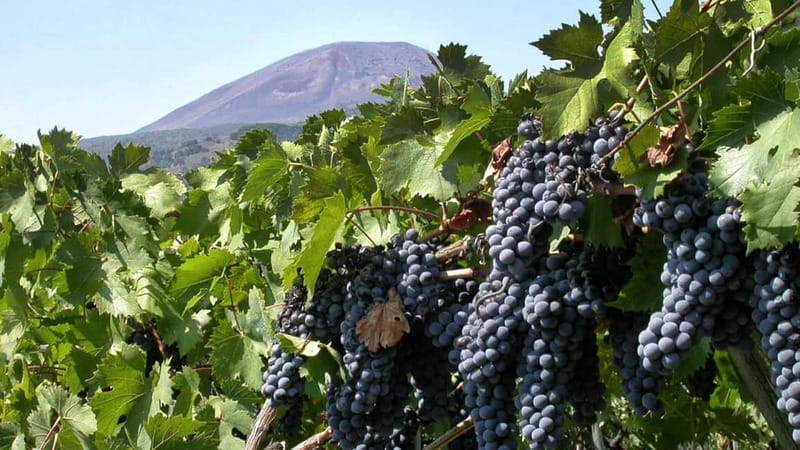
- Eat and drink at Casa Setaro Winery: A 15-minute van ride brings you to a Vesuvian winery for lunch and a Lacryma Christi tasting.
- Expect a generous meal: Courses include local bread, buffalo butter, anchovies, olives, Neapolitan ragù, caponata, Tiramisù, and a limoncello shot.
- Plan for sun and uneven ground: Wear sturdy, comfortable shoes and bring sunscreen, water, rain protection, and an umbrella.
Why this Pompeii and Vesuvius pairing works
Many Pompeii visits end with tired feet and a scramble for lunch. This one changes the pace at exactly the right moment. You spend the first part among stone streets and Roman buildings, then move to a winery where the focus shifts to local agriculture, food, and conversation.
That contrast gives the day shape. Pompeii can feel overwhelming because there is so much to see. A guide helps you sort the important from the merely interesting. Afterward, the winery gives you time to sit down, eat, and look toward Mount Vesuvius rather than keep marching through ruins.
The price is $135.94 per person. I would consider that fair if you want a guided Pompeii visit plus a substantial meal and wine tasting without arranging separate tickets, transport, and reservations yourself. It is less attractive if your main goal is to spend half a day exploring Pompeii at your own pace.
The group limit of 10 matters. Pompeii is easier to follow in a small group, especially when the guide uses a microphone or headset in large open areas. The tour is offered in English and Italian, and the quality of the day depends heavily on the guide assigned. The guides praised by name include Ricardo, Roberta, Enrica, Sonia, Nenna, and Livio.
More Wine Tastings in Italy
- Florence: Chianti Wineries Tour with Wine Tasting
★ 4.5 · 10,071 reviews - Small-Group Wine Tasting Experience in the Tuscan Countryside
★ 5.0 · 7,392 reviews - Rome: Tuscany & Montepulciano Day Trip with Lunch & Wine Tasting
★ 4.5 · 5,232 reviews
Meeting the guide at Porta Marina Superiore
Your day begins at Porta Marina Superiore, the entrance closest to the ancient Porta Marina. Arrive 10 minutes early. Pompeii now requires the full name and surname of every participant on the ticket, including children, and you must carry an original passport or identity card.
This is not a minor detail. The ticket is personal, and arriving late can cause trouble because the group cannot simply wait indefinitely at the gate. Check that the names supplied when booking match the identification documents you bring.
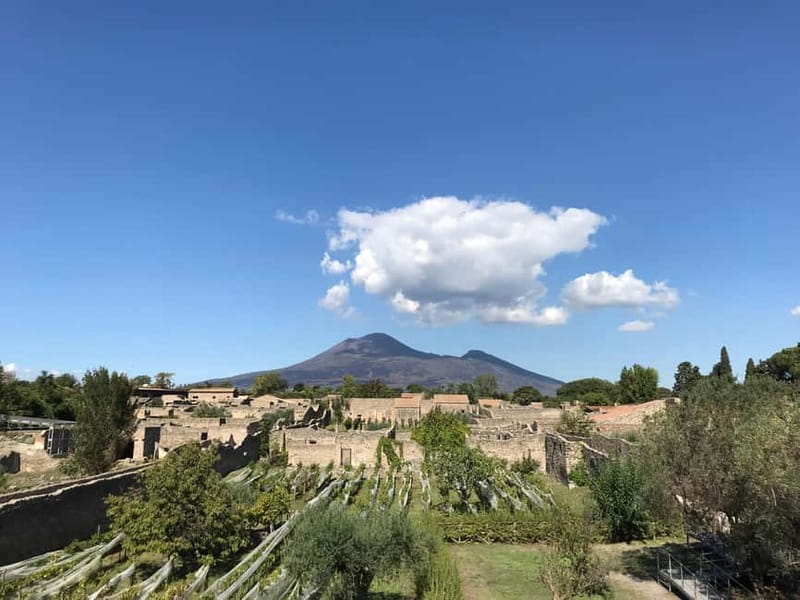
You enter through a separate priority line rather than waiting at the ticket office. From Porta Marina, the guide points out the original gateway and the view toward Vesuvius. The Suburban Baths follow early in the walk, offering a useful introduction to the city beyond its grand public buildings.
Pompeii is an active archaeological site, not a polished museum. Expect uneven paving stones, bright sun, exposed areas, and occasional closures for maintenance. Comfortable shoes are essential. An umbrella, rain gear, sunscreen, and light, comfortable clothing are sensible additions because the route has little shelter in places.
A focused two-hour walk through ancient Pompeii

The guided route covers the main civic and social parts of the city. You pass through the Basilica, once a key center for public business, and reach the Forum, Pompeii’s central public square. The surrounding temples and market area help you understand how religion, politics, shopping, and daily business crowded into the same part of town.
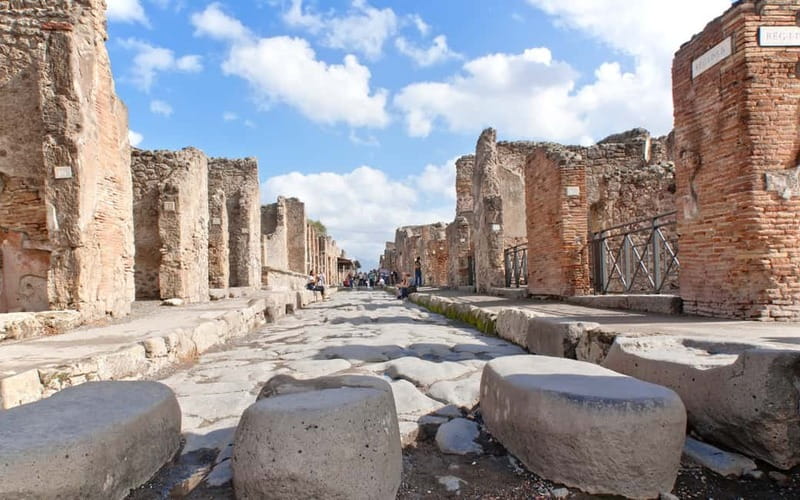
The guide then leads you along the Decumanus Major, one of the city’s principal streets. This is where Pompeii begins to feel like a real neighborhood rather than a collection of ruins. Shops, restaurants, homes, and street features reveal how Romans moved, worked, ate, and socialized.
A famous sexual symbol painted or carved in the city is also included in the route. It is a memorable reminder that Pompeii’s surviving details are not all grand columns and official monuments. Some are blunt, funny, commercial, or personal.
The tour continues through Roman shops and restaurants. These spaces are valuable because they connect the large public sites to ordinary life. The guide can explain how the buildings functioned, but you also get a visual sense of how close the businesses were to private homes and main roads.
Houses, mosaics, frescoes, and plaster casts
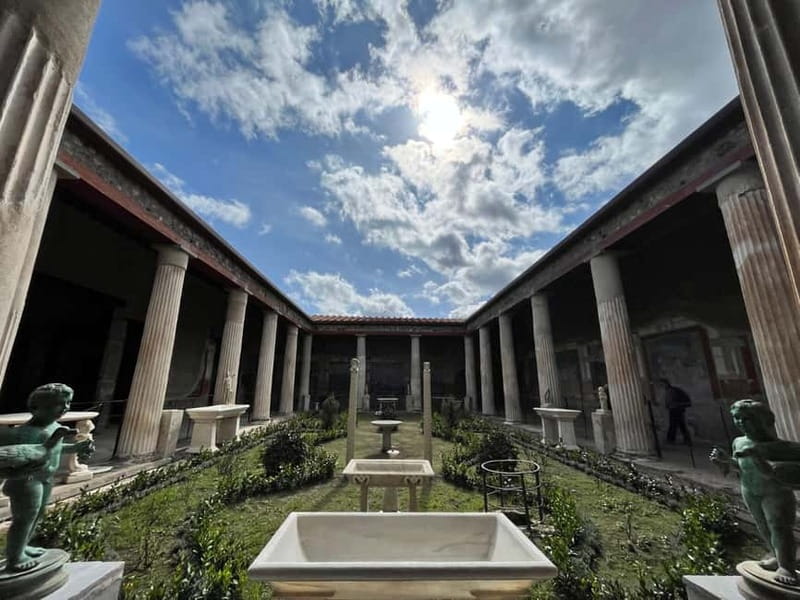
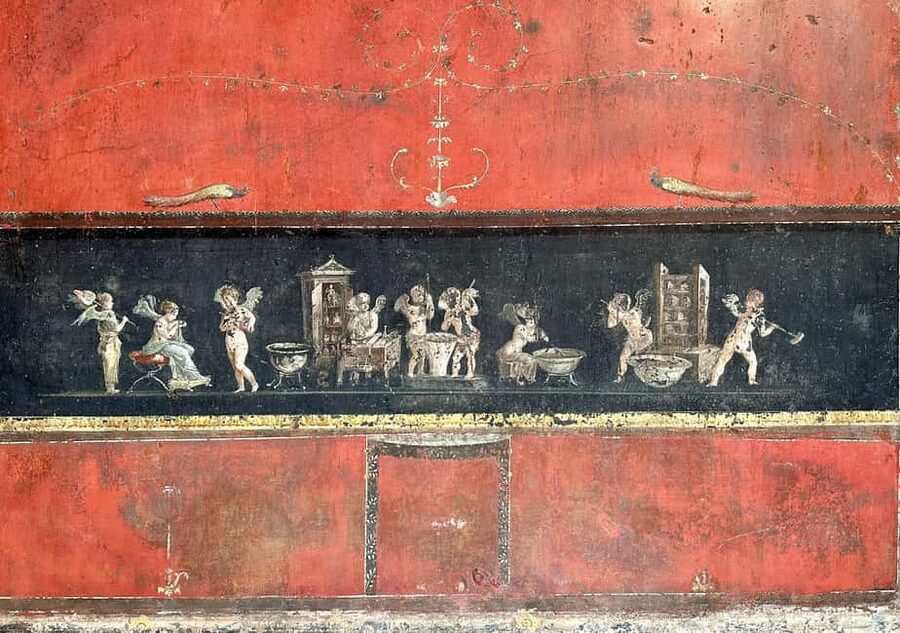
The homes are among the most rewarding parts of a short Pompeii tour. The route includes several picturesque domus, with frescoes and mosaics that show the taste and wealth of their owners. Some recently opened Roman houses are included, though the exact interiors available can change with site conditions.
I particularly like this part of the route because houses make Pompeii personal. A forum tells you how the city was organized. A home shows how people wanted to receive visitors, decorate rooms, display status, and separate public life from private life.
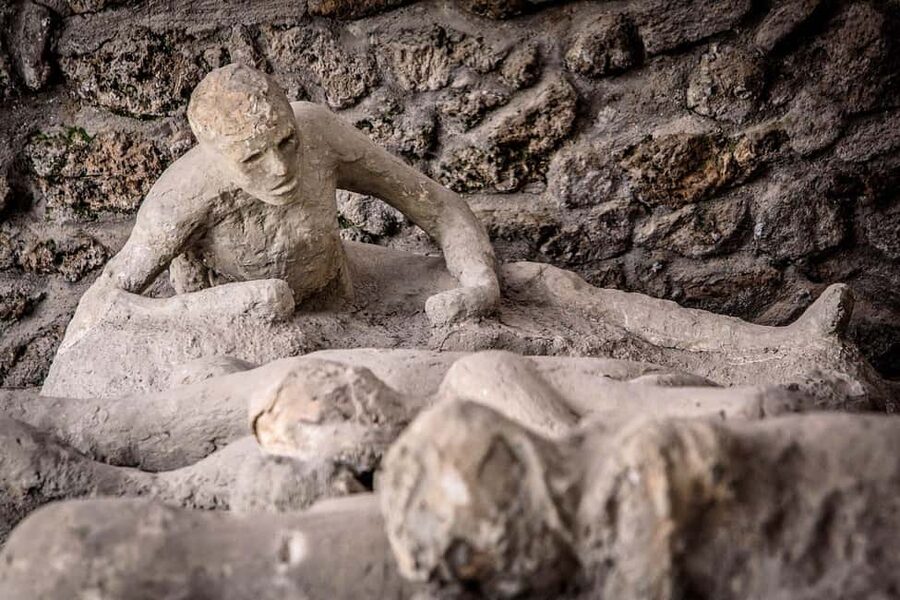
The famous plaster casts of victims may also be included, although access and visibility can vary. One visitor specifically wished for more time with the casts, so do not book this tour expecting a complete look at every body cast in the park. The schedule is designed around a broad overview.
The theatre is included when it is open and not under maintenance. The Gladiators Barracks add another layer, connecting the city’s entertainment buildings with the people who performed there. Site access can change, so the guide may adjust the order or substitute another important area.
The best guides on this route do more than list dates. They explain what you are seeing and why it mattered. Enrica was praised for giving a large amount of information while still allowing time to look around. Roberta was noted for balancing facts with context and finding shade during hot weather. Ricardo was praised for his command of Roman history and culture.
More Etna and volcanic wine tours around Italy:
- Naples: Pompeii and Mt. Vesuvius with Lunch and Wine Tasting
★ 4.5 · 2,454 reviews - Etna, Wine and Alcantara Tour – From Taormina
★ 5.0 · 464 reviews - Taormina: Guided Etna Wine Tasting Half-Day Tour
★ 4.7 · 444 reviews - Private 6-Hour Tour of Three Etna Wineries with food&wine tasting
★ 5.0 · 417 reviews
What two hours can and cannot cover
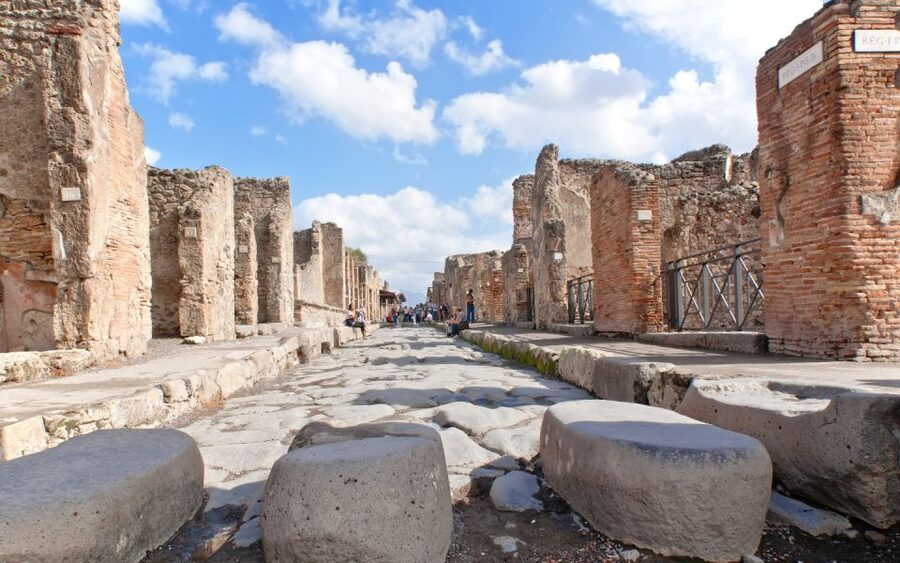
Two hours sounds long until you see the size of Pompeii. You will cover the major highlights, but this is not an exhaustive archaeological survey. The tour is best for a first visit, a short stay in Campania, or anyone who wants an informed framework before deciding if a return visit is worthwhile.
You may stay inside the site after the guided portion, but this particular schedule takes you to the winery afterward. That makes the choice simple: you get a well-organized overview and a full meal, or you choose a longer Pompeii-only visit elsewhere.
The pace is usually manageable, but the heat can make the walk feel harder than the clock suggests. Some guides deliberately seek shade when possible, and headsets help you hear explanations while moving through wider spaces. Still, bring sun protection and do not wear thin sandals on the ancient paving.
The short ride to Casa Setaro Winery
After Pompeii, your guide takes you to a complimentary shuttle or van for the 15-minute transfer to Casa Setaro Winery. The ride is short, but it is a useful bridge between the archaeological site and Mount Vesuvius.
The transport is practical rather than luxurious. The driver may not speak much English, so pay attention to the group instructions and stay with the tour. The fixed transfer also means you should not plan a separate stop between Pompeii and the winery.
Casa Setaro is associated with more than three generations of wine-making. The visit introduces the vineyard’s methods and local production before you sit down to taste. The setting near Vesuvius gives the second half of the experience its sense of place. You are not simply drinking generic Italian wine in a city restaurant.
The winery has been described as modern, with views toward Vesuvius and a relaxed dining setting. The exact order of the visit, tasting, and meal may vary, but allow about 100 minutes for this portion.
Four wines, Vesuvian food, and a proper lunch
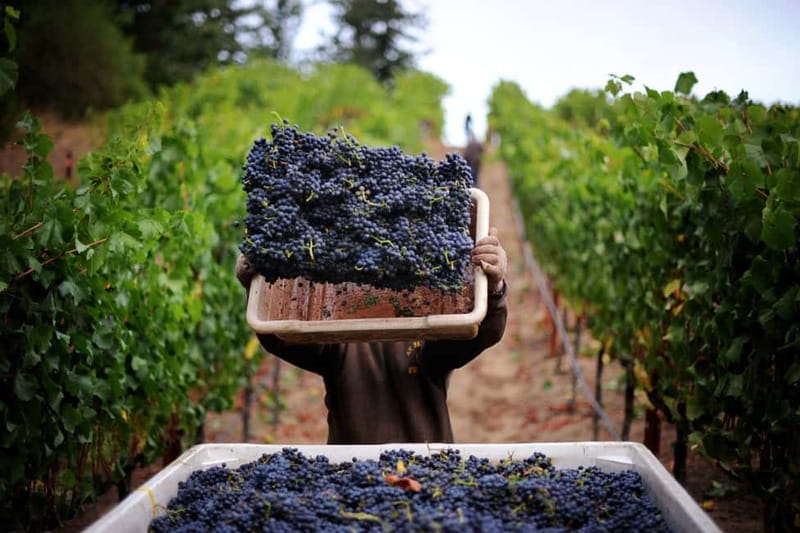
The tasting features different wines from the Lacryma Christi selection. This is the wine associated with the slopes of Vesuvius, so the tasting fits the location instead of feeling bolted onto the Pompeii visit.
The meal is more substantial than a few bites with a glass of wine. The menu includes an aperitif with three finger foods, handmade bread with buffalo butter, local anchovies and olives, an antipasto, Neapolitan ragù with local pasta, and a large caponata made with red and yellow tomatoes.
Dessert is Tiramisù, followed by a limoncello shot. The four-wine tasting is served alongside the meal, giving you a chance to compare the wines with different courses rather than taste them all at once.
Portions have been described as generous, and the food is one of the strongest reasons to choose this combination tour. The meal turns the winery stop into a real regional dining experience. You are eating Campanian ingredients in the shadow of the volcano, not just ticking off a tasting.
Gluten-free menus are available, but you must tell the provider in advance. Do not wait until you arrive. The supplied information does not list other dietary adaptations, so ask before booking if you have additional food restrictions.
The practical value of the fixed schedule
At five hours, this is a compact day. The published timing gives about two hours at Pompeii, 15 minutes to the winery, 100 minutes for lunch and tasting, and 15 minutes back to the ruins. The remaining time covers meeting, transitions, and small changes in the schedule.
That structure is good for you if you want a clean half-day plan. It begins and ends at Pompeii Ruins, so you can arrange your own onward transport from there. Hotel pickup and drop-off are not included, and public transport tickets are also your responsibility.
The tour does not take you up to the summit of Vesuvius. You visit a winery near the volcano and enjoy its views, but this is not a crater hike or a volcano excursion. If you want both Pompeii and the summit, you need a different or additional activity.
The free cancellation policy allows cancellation up to 24 hours before the start for a full refund. You can also reserve now and pay later, which helps if your Campania plans are still shifting.
Who will enjoy this experience most
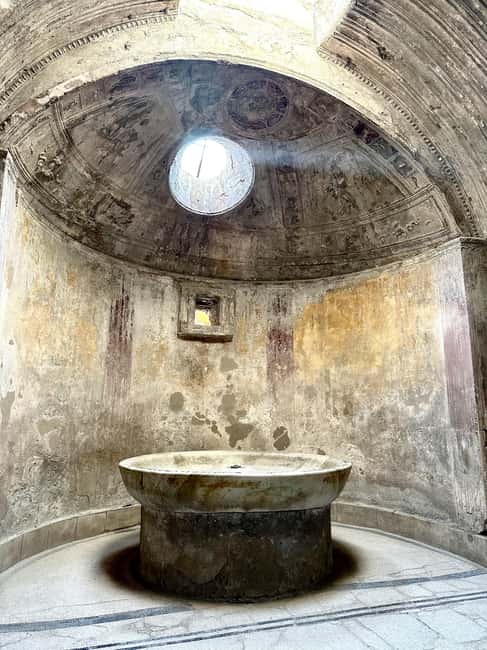
I would choose this for a first visit to Pompeii, especially if you enjoy history but also want a relaxed meal afterward. It suits couples, friends, and small families who prefer an organized day with a clear beginning and end.
It is also a good fit if you want a guide who can explain Roman life rather than simply point out walls. The archaeology portion is the heart of the tour, while the winery adds food, wine, and a slower pace.
Families can take part, and children are allowed as long as they have the required identification. Keep in mind that the four-wine tasting is designed for adults, and the route through Pompeii may be tiring in hot weather.
The experience is not officially suitable for wheelchair users, and electric wheelchairs are not allowed. Pompeii’s ancient streets and changing site access make mobility difficult. If accessibility is essential, contact the provider before paying rather than relying on last-minute arrangements.
Should you book the Pompeii and winery combination?
Book it if you want the major Pompeii sights explained by an archaeologist, followed by a proper Vesuvian lunch and wine tasting. The combination offers strong value for a five-hour experience, especially when you consider the Pompeii admission, guide, priority entry, van transfer, meal, and wines included in the price.
Skip it if you want a full day inside Pompeii, need a highly flexible schedule, or plan to climb Mount Vesuvius. Two hours gives you a useful introduction, not the whole archaeological park.
For the best experience, arrive early, bring your original ID, wear shoes with a firm sole, and tell the provider about gluten-free needs before the tour. If you enjoy history, regional food, and wine in equal measure, this is a well-balanced way to experience Pompeii and the volcano country around it.
FAQ
Where does the tour start?
The tour starts at Porta Marina Superiore at the Pompeii Archaeological Park. You should arrive 10 minutes before the scheduled start time.
Where does the tour end?
The activity ends back at the Pompeii Ruins meeting point after the return van ride from the winery.
How long is the Pompeii portion?
The guided visit to Pompeii lasts about two hours.
Is admission to Pompeii included?
Yes. Admission to Pompeii Archaeological Park and the guided Pompeii tour are included.
What language is the guide?
Live guides are available in English and Italian.
How large is the group?
The group is limited to 10 participants.
Is transportation to the winery included?
Yes. Transportation from Pompeii to the winery and back is included. The journey takes about 15 minutes each way.
What food and drinks are included?
The experience includes a Vesuvian lunch, a tasting of different Lacryma Christi wines, and a limoncello shot with Tiramisù. The meal includes bread and buffalo butter, local anchovies and olives, Neapolitan ragù with local pasta, and caponata with red and yellow tomatoes.
Freshly poured around Italy
- Private Flavors of Florence Walking Tour(Food&Wine Included)★ 4.8 · 46 reviews
- Pizza-Making Workshop by night with glass of wine★ 4.9 · 45 reviews
- Pramaggiore: Ornella Bellia Winery Guided Tour & Tasting★ 5.0 · 90 reviews
- Rome: Pompeii Tour with Wine and Lunch by High Speed Train★ 4.8 · 485 reviews
- Polignano a Mare: Street Food Tour with Tastings and Wine★ 4.7 · 154 reviews
- Polignano a Mare: Private Cruise with Champagne★ 4.8 · 66 reviews
- Pizza and Tiramisu Cooking Class with Wine in Milan★ 4.9 · 80 reviews
- Pisa: Cathedral Guided Tour and Tower tickets & wine tasting★ 4.8 · 78 reviews
Etna & Volcanic Wine Tours, side by side.
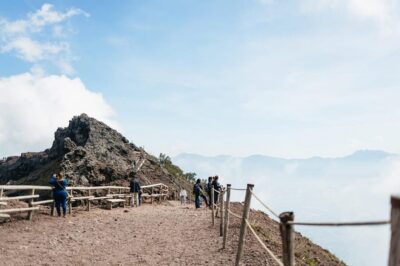
Naples: Pompeii and Mt. Vesuvius with Lunch and Wine Tasting
Read our review →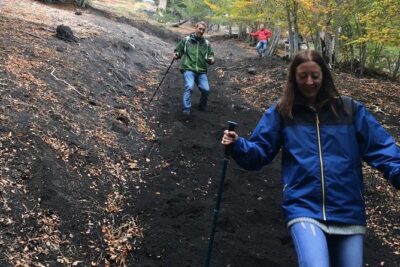

Taormina: Guided Etna Wine Tasting Half-Day Tour
Read our review →
Private 6-Hour Tour of Three Etna Wineries with food&wine tasting
Read our review →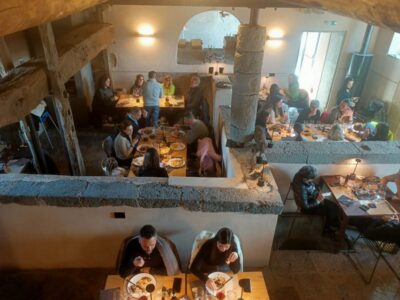
From Taormina: Full-Day Etna, Wine & Alcantara Canyons Tour
Read our review →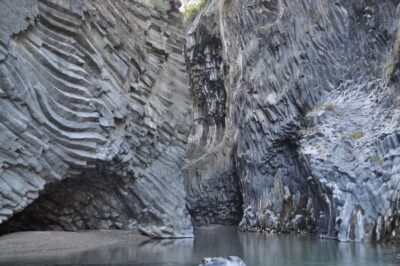
From Catania: Mt. Etna, Wine and Alcantara Tour
Read our review →
From Naples: Wine Tasting Tour on Vesuvius Slopes with Lunch
Read our review →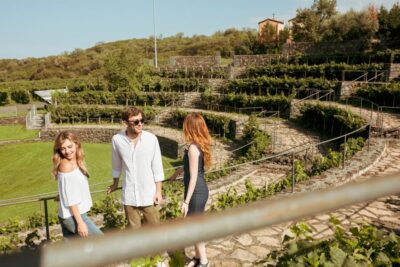
From Taormina: Mount Etna Food and Wine Tasting Tour
Read our review →Lists this tasting sits in