Review · ITALY
Piano di Sorrento: Cooking Class with Food Tasting and Wine
The best part of this Piano di Sorrento cooking class happens before you reach the stove. You walk through a family citrus grove, pick produce from the garden, and then use it to make lunch with your hosts. Maria and Lea bring the warm, personal touch that turns a recipe lesson into an afternoon at an Italian home.
I like two things right away: the ingredients come from the property, and the group is limited to six people. That means you get real time with the instructor, not a place in a crowded kitchen. The main thing to consider is the price, $135.94 per person. It is not a cheap meal, but it includes a three-hour class, food, wine, appetizers, and a rare look at family life around a Sorrento garden.
Key points at a glance
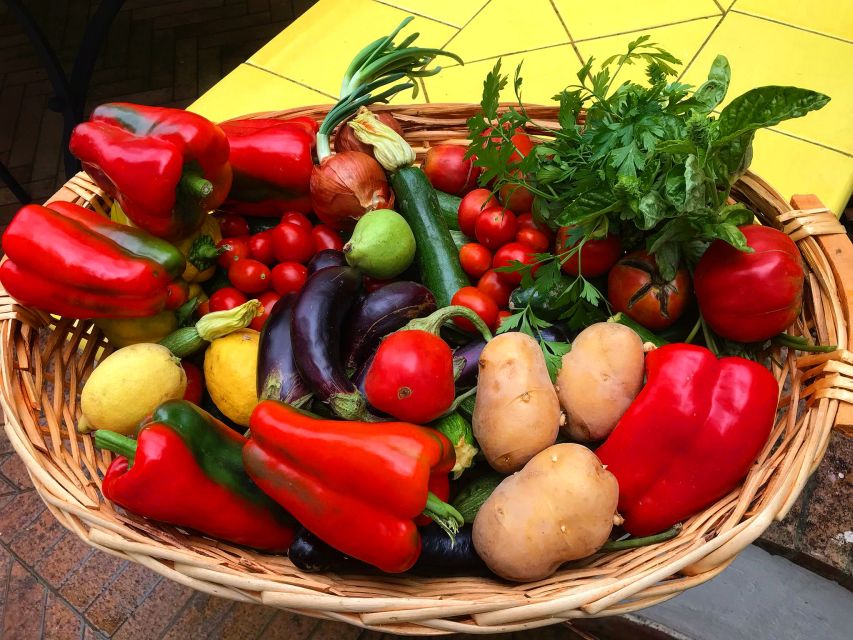
- Pick your ingredients: Gather seasonal produce such as Sorrento tomatoes, eggplants, zucchini, apricots, lemons, and arugula from the family garden.
- Learn handmade pasta: Prepare fresh pasta by hand, then pair it with a simple sauce made from seasonal vegetables.
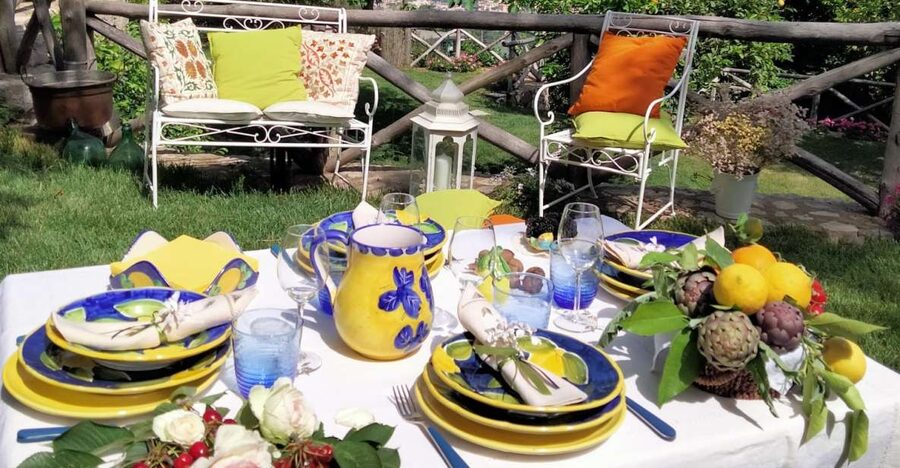
- Eat beneath citrus trees: Sit outdoors on the patio or under the citrus trees and enjoy the meal you helped prepare.
- Meet a real local family: Maria and Lea welcome you into their home and share recipes, garden traditions, and practical cooking tips.
- Enjoy more than the class: Bruschetta, extra homemade dishes, local wine, coffee, lemon treats, and limoncello may all be part of the meal.
- Keep the group small: With a maximum of six participants, instruction feels personal and manageable for beginners.
A farm visit before the cooking begins
Your meeting point is the entrance to the villa in Piano di Sorrento. From there, the experience starts with a welcome drink and bruschetta dressed with olive oil. It is a simple opening, but it sets the tone: you are not being marched through a commercial kitchen. You are being received at a family home.
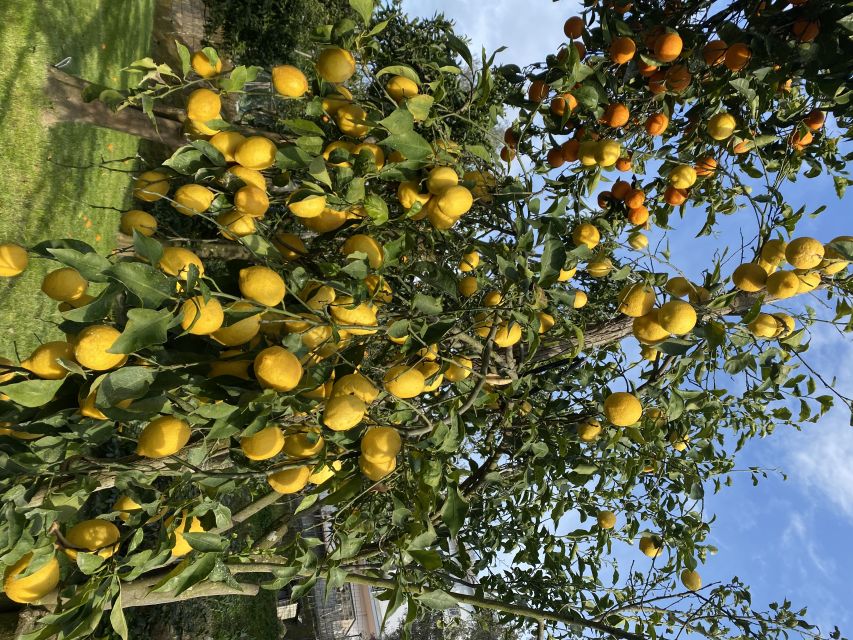
The property is a citrus grove and working garden. The setting matters because the food is tied to the place. Instead of hearing a general explanation about local ingredients, you can walk among the trees and pick what will go into your meal.
Depending on the season, the produce may include Sorrento tomatoes, eggplants, zucchini, apricots, lemons, and arugula. You may also sample ingredients straight from the garden. That small act gives the meal a clear connection to Piano di Sorrento, where citrus, vegetables, olive oil, and simple pasta dishes are central to everyday cooking.
You should not expect a formal farm tour with a long lecture. The appeal is more relaxed. You stroll through the grounds, ask questions, and gather food with the host. Several people have found the garden itself to be one of the most memorable parts of the visit, and I can see why. A beautiful villa garden gives the class a setting that a standard indoor cooking school cannot match.
More wine tours around Italy:
- Tuscany Day Trip from Florence: Siena, San Gimignano, Pisa and Lunch at a Winery
★ 5.0 · 21,634 reviews - Florence: Pasta Cooking Class with Unlimited Wine
★ 4.9 · 10,285 reviews - Florence: Chianti Wineries Tour with Wine Tasting
★ 4.5 · 10,071 reviews
Making pasta with Maria and Lea
After the garden visit, you move to the cooking area. The main lesson centers on handmade pasta and a sauce using the seasonal vegetables you picked. The recipes are traditional, but the instruction is practical rather than fussy.
You work with basic ingredients such as flour and egg, then learn how to mix and shape the dough. The class is suitable for beginners, including people who rarely cook. One host, Lea, has been especially encouraging with inexperienced cooks, explaining each step clearly and helping without taking over.
That point matters. Some cooking classes are really demonstrations where you watch a professional do the work. Here, the aim is for you to take part. You may shape the pasta, prepare the sauce, make bruschetta, or help with side dishes. The small group makes it easier to get individual guidance.
The menu can vary with the garden and the season. One version of the class has included pasta with pomodoro sauce, two types of bruschetta, a salad with freshly picked arugula, and fried zucchini with mint. You should treat those dishes as examples rather than a guaranteed menu, since the class is built around available produce.
I like this flexible approach. It reflects how home cooking actually works in Italy. You start with what looks good in the garden, then build a meal around it. The drawback is that anyone hoping to master a fixed set of restaurant recipes may find the format less structured than a professional culinary course.
A long lunch under the lemon and orange trees
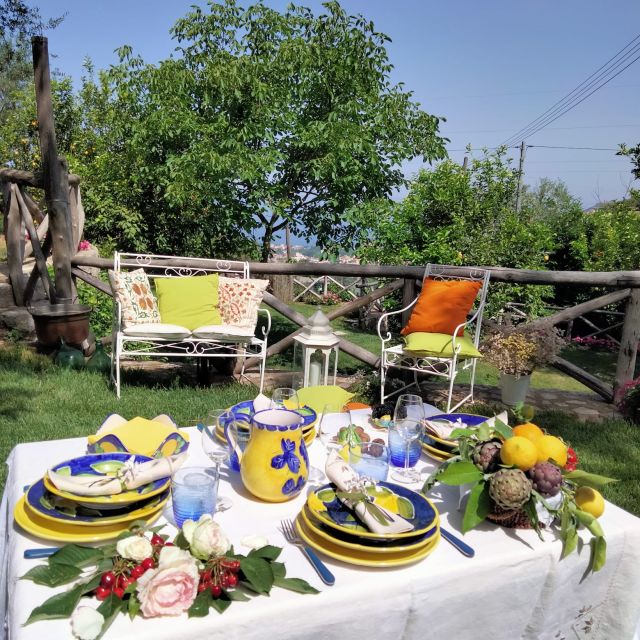
Once the cooking is done, you sit down to eat. The meal is served outdoors, with citrus trees providing the setting. Depending on the arrangement, you may eat on the patio or beneath the grove. Either way, the meal is meant to be leisurely.
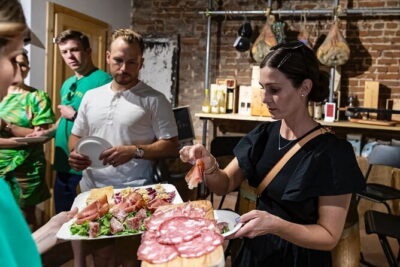
Your handmade pasta is the centerpiece, joined by the dishes prepared during the class. The hosts may also bring out additional food made earlier, including traditional side dishes. This is useful to know if you are expecting only a small tasting. The food is substantial, and you should arrive ready for a full lunch.
Wine is included, along with the welcome drink and appetizers. Homemade limoncello is also part of the experience described, and lemon cookies, iced tea, coffee, lemonade, or lemon sorbet may appear as extra treats. These details help explain why the activity takes three hours. You are not simply cooking one dish and leaving. The class unfolds into a shared meal with time to talk.
The meal also gives you a chance to ask about the recipes while you eat. You can learn how the host uses garden vegetables, how a simple tomato sauce gets its flavor, or how pasta dough should feel when it is ready. The instruction is informal, which suits the home setting.
If you have dietary restrictions, contact the provider before booking. The available information confirms the use of vegetables, pasta, wine, and other homemade dishes, but it does not specify a set accommodation policy.
The people are part of the experience
Food is only half the reason to book this class. The other half is the family connection. Maria and Lea are repeatedly described as warm, patient hosts who welcome people into their home. That is a different experience from attending a class in a purpose-built cooking studio.
Lea is a retired judge, yet she is also described as relaxed and approachable during the class. That unusual detail gives you a sense of the personal nature of the visit. You are not meeting a scripted entertainer. You are spending time with a local person who enjoys showing her home, garden, and cooking methods.
Maria has also welcomed early arrivals with coffee, biscuits, and homemade drinks. One host even helped a group that had become lost in town, picking them up and returning them to the square. You should not count on personal transportation as part of the activity, since it is not included in the listed services, but the story shows how attentive the hosts can be.
The family may prepare extra dishes for the table. That is generous, though it also means the class is not a tightly controlled lesson with every minute devoted to your own cooking. If you want a polished professional demonstration, choose a culinary school. If you want to sit at a family table and learn through conversation, this is the better fit.
Same vines, another glass to try:
- Small-Group Wine Tasting Experience in the Tuscan Countryside
★ 5.0 · 7,392 reviews - Florence: Pasta & Tiramisu Cooking Class with Unlimited Wine
★ 4.9 · 6,708 reviews - Florence: Pasta Cooking Class with Unlimited Wine
★ 5.0 · 6,413 reviews - Pisa, Siena and San Gimignano Day Trip with Lunch & Wine Pairing
★ 4.5 · 6,006 reviews
What $135.94 buys you
At $135.94 per person, this class costs more than a basic pasta workshop. The value comes from the full package: a three-hour visit, welcome drink, appetizers, farm and garden tour, ingredient picking, instruction, a complete meal, wine, and a small-group setting.
You are also paying for access to a private family environment. That is hard to compare directly with a restaurant meal. A restaurant can feed you for less, but it will not usually let you pick the vegetables, prepare pasta with the cook, tour a citrus grove, and then eat beneath the trees.
The maximum group size of six is another important part of the price. With fewer people around the work surface, you have a better chance to ask questions and get help with the dough. It also keeps the atmosphere conversational. For a couple, family, or small group of friends, the cost may feel reasonable because the experience covers both lunch and a cultural activity.
The value is weaker if you do not care about cooking or already plan to spend your day at a restaurant. You may also find it less appealing if you want a fast activity. Three hours is a meaningful block of time, especially during a short stay around Sorrento or the Amalfi Coast.
Who should book this cooking class?
I would choose this for people who want contact with local life rather than another sightseeing stop. It suits couples, families, and small groups who enjoy eating together and do not mind getting their hands messy.
It is especially good for beginner cooks. The instruction is friendly and clear, and you do not need advanced kitchen skills to take part. Children and older family members may enjoy the garden and meal, but you should check the booking details for your specific group if mobility or participation needs are important.
The activity is also a strong choice for anyone staying in Sorrento who wants to see Piano di Sorrento beyond the usual coastal views. You get a slower look at the area, centered on a home, a garden, and food grown nearby.
You might skip it if you prefer a formal class with a set menu, professional kitchen equipment, or advanced technical instruction. The setting is personal and relaxed, which is its strength, but it can also feel less polished than a commercial school.
Timing, language, and practical details
The activity lasts three hours, but starting times vary, so check availability before you plan the rest of your day. It begins and ends at the villa entrance, with the return to the same meeting point.
Instruction is available in Italian and English. That makes the class accessible to English-speaking visitors, though the exact flow will depend on the host and the group.
The activity is listed as wheelchair accessible. Because the experience takes place at a villa, garden, and cooking area, I would still contact the provider ahead of time with specific mobility questions. Accessibility can depend on which parts of the property you need to use.
Cancellation is free up to 24 hours before the activity for a full refund. You can also reserve now and pay later, which helps if your plans around the Sorrento Peninsula are still shifting.
Bring an appetite and wear clothing you can cook in. The most useful attitude is to treat the day as a shared family meal with a hands-on lesson, not as a timed examination of pasta technique.
How this compares with a restaurant meal
A restaurant gives you choice and speed. This class gives you participation. You see where some of the ingredients grow, learn how the food is made, and then sit down with the people who taught you.
The meal itself is also more personal than a standard tasting menu. Extra dishes may be prepared by the family, and the table may include homemade drinks, desserts, and side dishes beyond the pasta you make. That generosity is part of the charm, though the exact spread can change.
The garden provides another advantage. Citrus trees, vegetables, and views around the villa make the surroundings part of the meal. You are not simply eating local food. You are eating it in the place where some of it was grown.
On the other hand, you give up some control. You may not choose every dish, and seasonal cooking means the menu can shift. If you need a precise menu or have strong dietary requirements, ask before paying.
Should you book Orto a tavola?
Book this experience if you want a warm, small-scale introduction to Campanian food and family life. The strongest reasons are the garden-picked ingredients, hands-on pasta lesson, generous meal, and time with hosts such as Maria and Lea.
The price is high for a cooking class, but it is easier to justify when you count the food, wine, setting, and three hours of personal attention. I would make this a priority during a Sorrento-area stay if you value local contact more than a formal culinary curriculum.
Skip it if your main goal is advanced technique or a quick activity between major sights. For everyone else, especially first-time cooks and families, Orto a tavola offers the kind of afternoon that stays with you after the recipe is gone.
FAQ
Where does the cooking class take place?
The class takes place at a citrus grove and family farm in Piano di Sorrento, in Campania, Italy.
How long does the experience last?
The activity lasts three hours. Starting times vary, so check availability when booking.
What food will I make?
You will learn to prepare handmade pasta and a sauce made with seasonal vegetables from the garden. The class may also include dishes such as bruschetta and other vegetable sides.
Is the food included?
Yes. The activity includes appetizers, the cooking class, the meal you prepare, and wine. A welcome drink is also included.
Is limoncello included?
Homemade limoncello is part of the described experience, along with the meal under the citrus trees.
Is the class taught in English?
Yes. The instructor language options are Italian and English.
How many people can join the group?
The group is limited to six participants, making this a small-group activity with more direct contact with the instructor.
Is the activity wheelchair accessible?
Yes, the activity is listed as wheelchair accessible. Contact the provider ahead of time if you need details about access across the villa, garden, and cooking areas.
Can I cancel for a refund?
You can cancel up to 24 hours in advance for a full refund. Reserve now and pay later is also available.
Freshly poured around Italy
- Private Flavors of Florence Walking Tour(Food&Wine Included)★ 4.8 · 46 reviews
- Pizza-Making Workshop by night with glass of wine★ 4.9 · 45 reviews
- Pramaggiore: Ornella Bellia Winery Guided Tour & Tasting★ 5.0 · 90 reviews
- Rome: Pompeii Tour with Wine and Lunch by High Speed Train★ 4.8 · 485 reviews
- Polignano a Mare: Street Food Tour with Tastings and Wine★ 4.7 · 154 reviews
- Polignano a Mare: Private Cruise with Champagne★ 4.8 · 66 reviews
- Pizza and Tiramisu Cooking Class with Wine in Milan★ 4.9 · 80 reviews
- Pisa: Cathedral Guided Tour and Tower tickets & wine tasting★ 4.8 · 78 reviews
Italy Wine Tours, side by side.

Tuscany Day Trip from Florence: Siena, San Gimignano, Pisa and Lunch at a Winery
Read our review →
Florence: Pasta Cooking Class with Unlimited Wine
Read our review →
Florence: Chianti Wineries Tour with Wine Tasting
Read our review →
Small-Group Wine Tasting Experience in the Tuscan Countryside
Read our review →
Pisa, Siena and San Gimignano Day Trip with Lunch & Wine Pairing
Read our review →
Rome: Tuscany & Montepulciano Day Trip with Lunch & Wine Tasting
Read our review →
SMALL-GROUP Wine Safaris: Tuscan Wine Tasting Tours from Florence
Read our review →