Review · ITALY
Milan: Pizza or Pasta and Gelato-Making Class with Wine
Making your own dinner is the point here. You roll dough, season it, make gelato, and then sit down to eat what you prepared. The class is held in a professional cooking school in central Milan, with some sessions near Milano Centrale station.
I like the hands-on format and the way the class works for mixed ages and skill levels. I also like the useful take-home recipes, which give you a real chance to repeat the pizza, pasta, or gelato at home. The main drawback is that the meeting point can be hard to find, and the class is not suitable for people with celiac disease or gluten intolerance.
Key points to know
- Pick pizza or pasta at checkout: The pizza option includes dough, sauce, toppings, and gelato. The pasta option focuses on fresh pasta and may include ravioli.
- Three hours of cooking and eating: This is a full activity, not a quick demonstration followed by a snack.
- English-speaking chefs lead the work: Matteo, Alfredo, Fabrizio, Diego, and other instructors have received strong praise for patience, humor, and clear teaching.
- Wine, water, and soft drinks are included: The class includes a glass of wine or soft drinks, with several sessions offering sparkling wine or Prosecco.
- You get practical souvenirs: A digital recipe booklet and certificate of attendance are included.
- Plan your arrival carefully: The exact meeting point can vary, and finding the venue inside a large station or food hall may take extra time.
What the three-hour Milan cooking class is really like
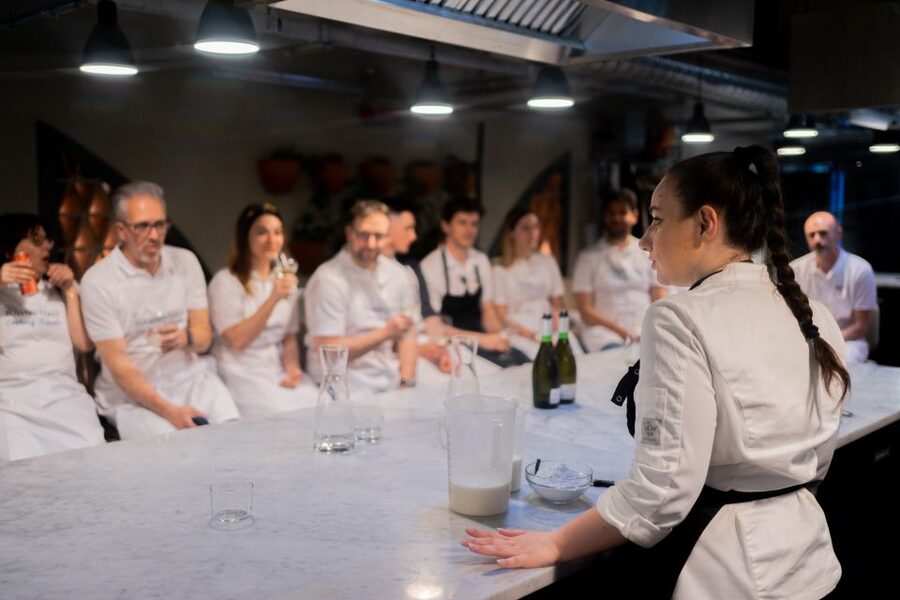
This is a social cooking lesson with dinner built in. You are not simply watching a chef prepare a plate while you sit at a counter. You handle the ingredients, follow the stages, and eat the finished food at the end.
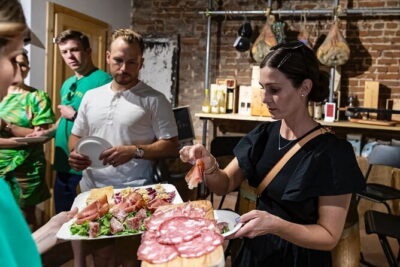
The mood is relaxed and friendly. Solo participants can join in with couples and families, and the class brings together people with very different cooking skills. Several instructors have been praised for keeping everyone involved without making beginners feel slow or experienced cooks feel ignored.
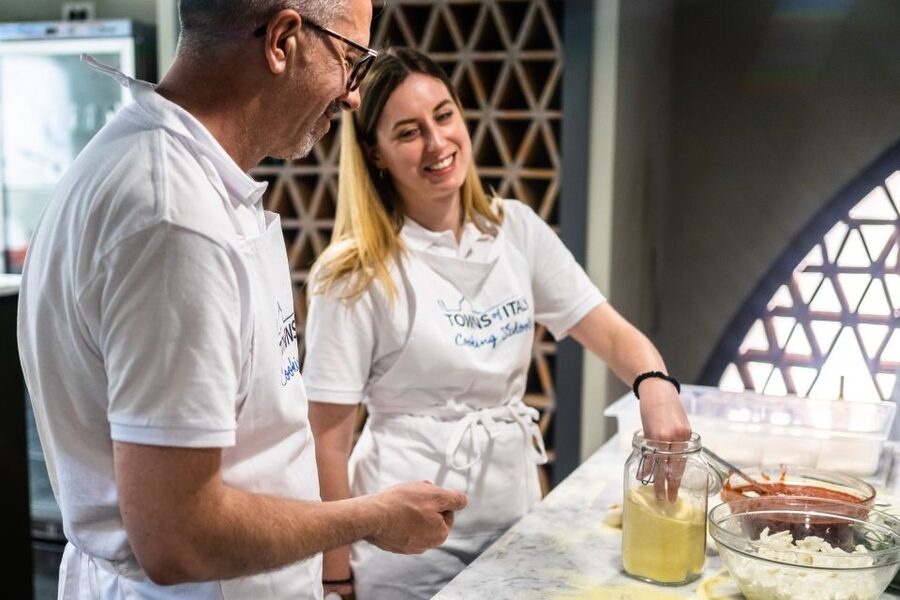
The class is taught in English. Your instructor may be Matteo, Alfredo, Fabrizio, Diego, or another member of the teaching team, depending on the session. The individual teaching style can vary, but the strongest pattern is clear: the chefs use humor, encouragement, and repeated demonstrations to keep the work moving.
Group size is not fixed in the information provided. One session had eight people, while another had about 20. That difference matters. A smaller class may give you more direct help, while a larger class can feel more like a lively shared dinner. If personal attention is important to you, ask about the group size before booking.
More wine tours around Italy:
- Tuscany Day Trip from Florence: Siena, San Gimignano, Pisa and Lunch at a Winery
★ 5.0 · 21,634 reviews - Florence: Pasta Cooking Class with Unlimited Wine
★ 4.9 · 10,285 reviews - Florence: Chianti Wineries Tour with Wine Tasting
★ 4.5 · 10,071 reviews
Choosing pizza or pasta before you pay
You must choose your cooking track at checkout. The basic experience is three hours of making food and gelato, but pizza and pasta offer different kinds of participation.
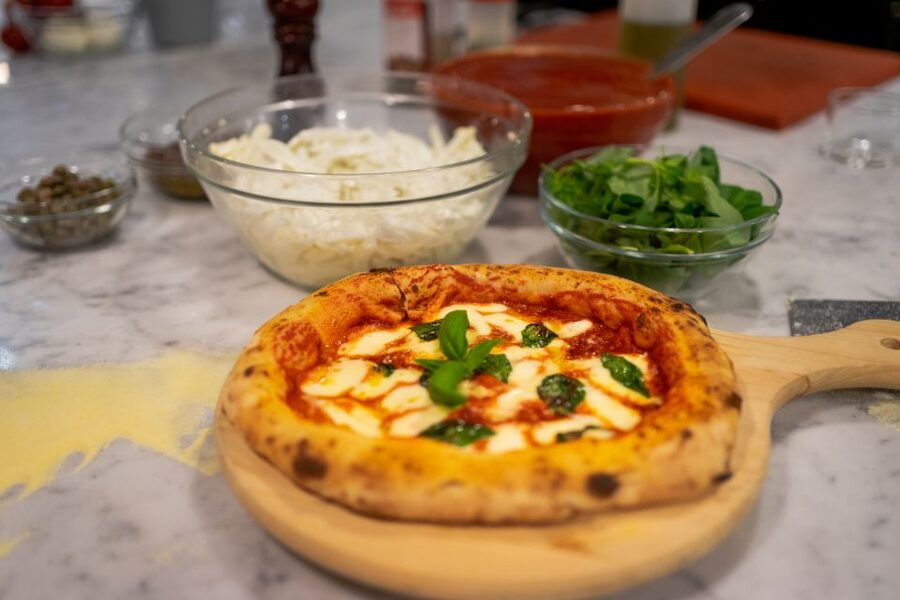
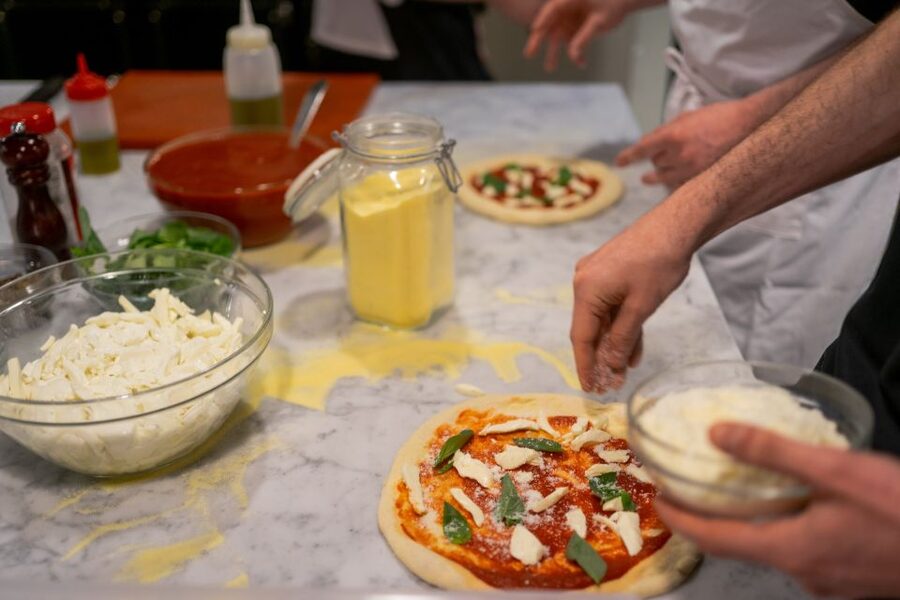
Choose pizza if you want the classic Italian cooking lesson. You will work with yeast dough, learn how to make a light tomato sauce, select toppings, season your pizza, and send it into the oven. This option gives you the most visual and physical work, from kneading to stretching and topping.
Choose pasta if fresh dough and shaping appeal to you more than pizza. You will make pasta from scratch, and some sessions include ravioli. The pasta option is a good pick if you want a dish that is easier to repeat at home with basic kitchen equipment.
The choice also affects the rhythm of the class. One participant noted that the pizza work took up most of the session, which makes sense if dough preparation is the main teaching goal. You should not expect equal time on every component. The gelato is part of both options, but the pizza or pasta preparation gets the main attention.
Check your selection carefully before confirming. The provider specifically offers two different options, and changing your mind at the venue may not be possible.
Rolling dough with an Italian chef
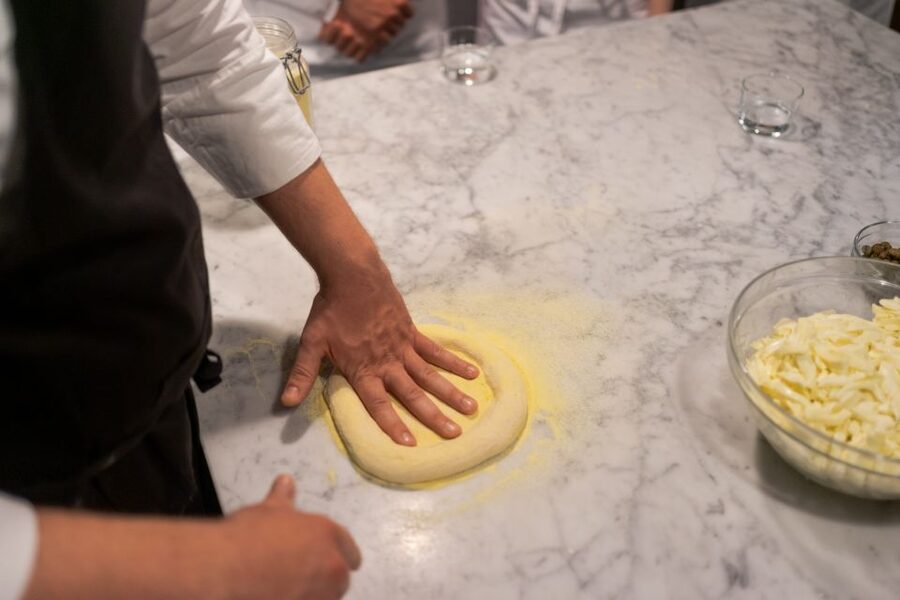
The pizza lesson begins with the dough. Your chef demonstrates how to make a pliable yeast dough and how to knead it until it becomes smooth and workable. You then get your own turn, with help available if the dough feels too sticky, too dry, or difficult to stretch.
That practical correction is one of the best reasons to take a class instead of simply following a recipe. Pizza dough can look easy on paper, but small changes in flour, moisture, pressure, and resting time affect the result. The instructors explain common problems and show you how to correct them.
While the dough rests, the class turns to sauce and toppings. You learn how to prepare a light tomato sauce, then spread it over the dough and add your chosen ingredients. The process is simple enough for children but still useful for adults who already cook.
The chef then takes the pizzas to the oven. You do not need to provide equipment, ingredients, or utensils. Aprons and cooking tools are included, and the setting is a working cooking studio rather than a casual restaurant table.
Expect a little flour, some waiting, and a fair amount of activity. The dough stage requires patience, and a three-hour class can feel full if you are hoping for a short evening outing. That is also why the experience works well as dinner: the work keeps building toward a meal.
Gelato, chocolate, cream, and homemade cones
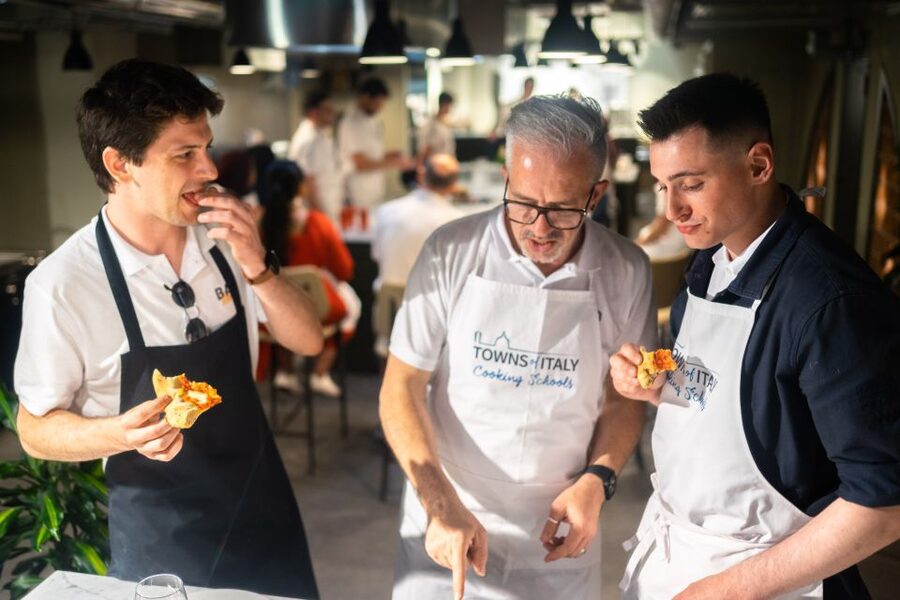
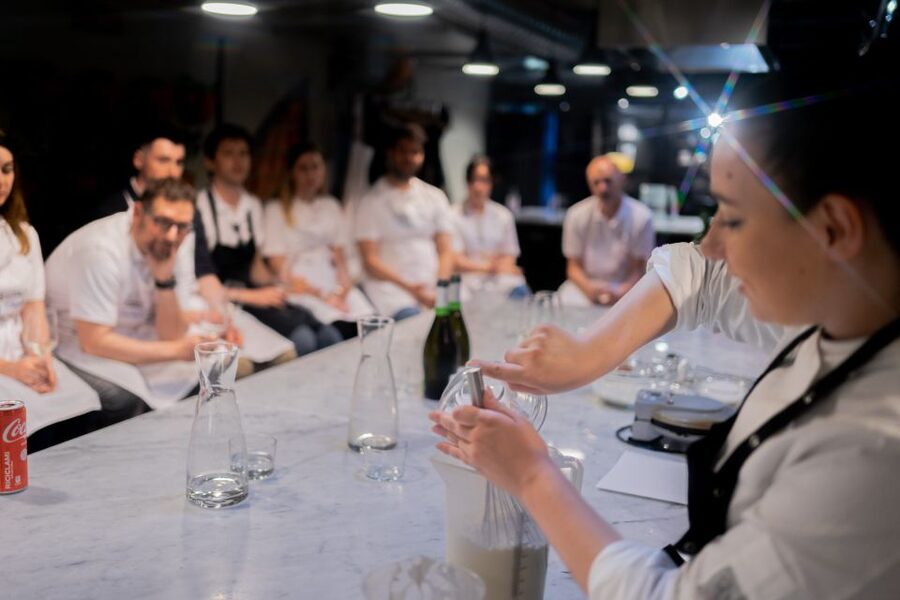
Gelato is not treated as an afterthought. The chef explains the raw ingredients and shows how they are combined. You will see chocolate melt into the cream and learn how the mixture is prepared before it is churned.
While the gelato takes shape, the chef demonstrates the batter used for the cone. This adds another small skill to the lesson and gives the dessert section more substance than simply opening a tub of ice cream.
The gelato process is partly hands-on and partly demonstration-based. That is practical. Churning takes time, and the whole group cannot usually make a separate batch from start to finish during a single class. You still learn how the ingredients work together, then taste the result with the meal.
The finished dessert is served alongside your pizza or pasta. For children, this is often the most playful part of the lesson. For adults, it gives you a useful look at the balance between cream, chocolate, and texture.
One detail to clarify at the venue is the exact dessert format. Some sessions have included gelato and waffle or cone preparation. The central promise is gelato making, but the precise presentation can vary by class.
Same vines, another glass to try:
- Small-Group Wine Tasting Experience in the Tuscan Countryside
★ 5.0 · 7,392 reviews - Florence: Pasta & Tiramisu Cooking Class with Unlimited Wine
★ 4.9 · 6,708 reviews - Florence: Pasta Cooking Class with Unlimited Wine
★ 5.0 · 6,413 reviews - Pisa, Siena and San Gimignano Day Trip with Lunch & Wine Pairing
★ 4.5 · 6,006 reviews
Sitting down to eat what you made
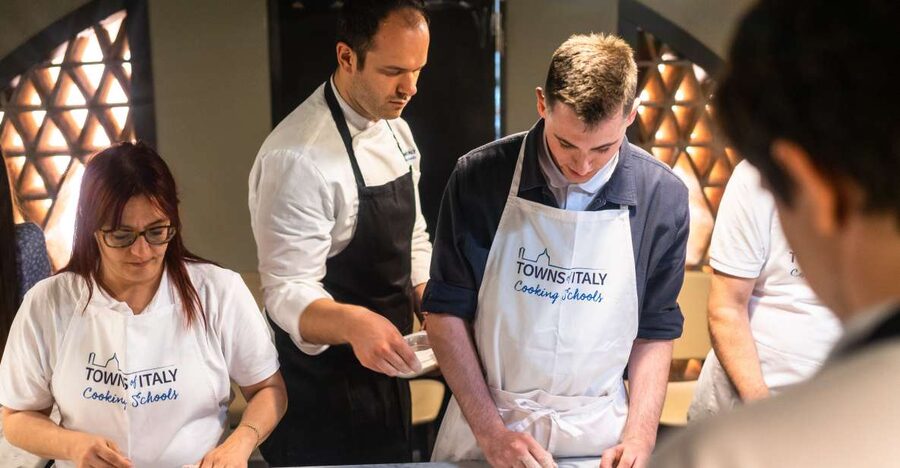
At the end, the room changes from workshop to shared table. You sit down with the other participants and eat the pizza or pasta, followed by gelato.
This final meal is a real part of the value. You are not paying for a lesson and then finding your own dinner afterward. The food you make becomes the meal, and you can judge the result immediately while the steps are still fresh in your mind.
Wine or soft drinks are included. Depending on the session, the drinks may include sparkling wine or Prosecco, along with water and soft drinks for people who do not drink alcohol. The wine adds a festive touch, but you should not book this as a wine tasting. The cooking is the main event.
The meal also gives solo participants an easy way to meet people. You already have a shared task and a common topic, so conversation tends to come naturally. Families can sit together, while couples and individual participants can take part without needing to know anyone in advance.
You should expect the final meal to be enjoyable rather than restaurant-level fine dining. The point is the satisfaction of eating something you rolled, shaped, seasoned, and cooked yourself. The result can be surprisingly good, especially when the chef gives close help during the dough stage.
The chefs make or break the evening
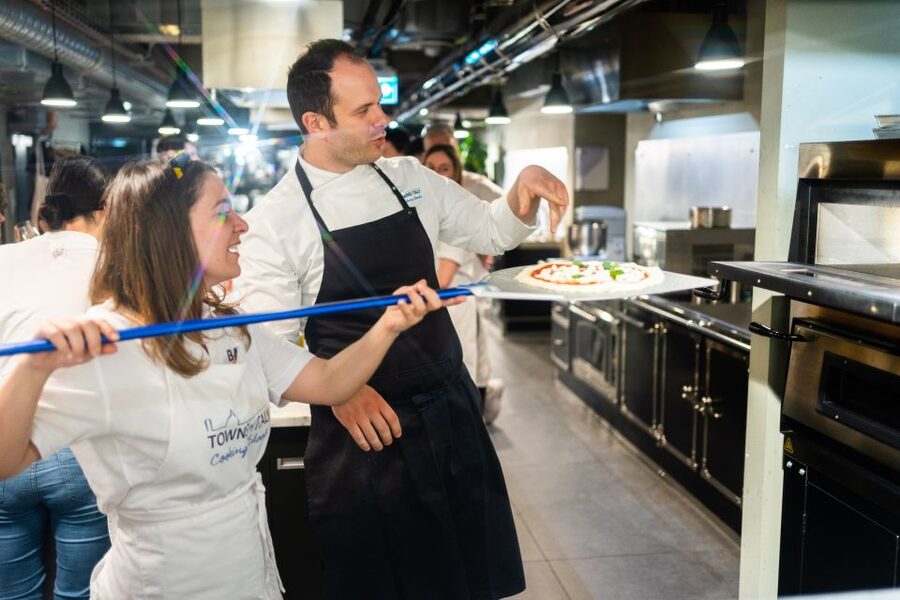
The instructor is the most important variable in this experience. Names attached to recent sessions include Matteo, Alfredo, Fabrizio, Diego, David, and Mario.
Matteo has been praised for being patient, funny, supportive, and good at explaining each stage. He has also worked well with teenagers and with people who have different physical abilities. Alfredo is known for clear instruction, energy, and practical advice about fixing pizza dough. Fabrizio has been described as professional, entertaining, and attentive to the whole room.
That does not mean every class will have the same person. Your booking will determine the instructor, and you should treat the names above as examples rather than a guarantee. Still, the teaching team has a clear record of making beginners feel comfortable.
This class is not designed for silent, technical study. Expect stories, jokes, group participation, and encouragement. If you want a very small private lesson with exact control over every step, this may feel too social. If you like learning while talking, eating, and laughing, the format should suit you well.
The English instruction is especially useful for visitors who want more than a recipe card. You can ask questions as the dough changes in your hands, rather than trying to decode a translated recipe later.
Is $101 a fair price?
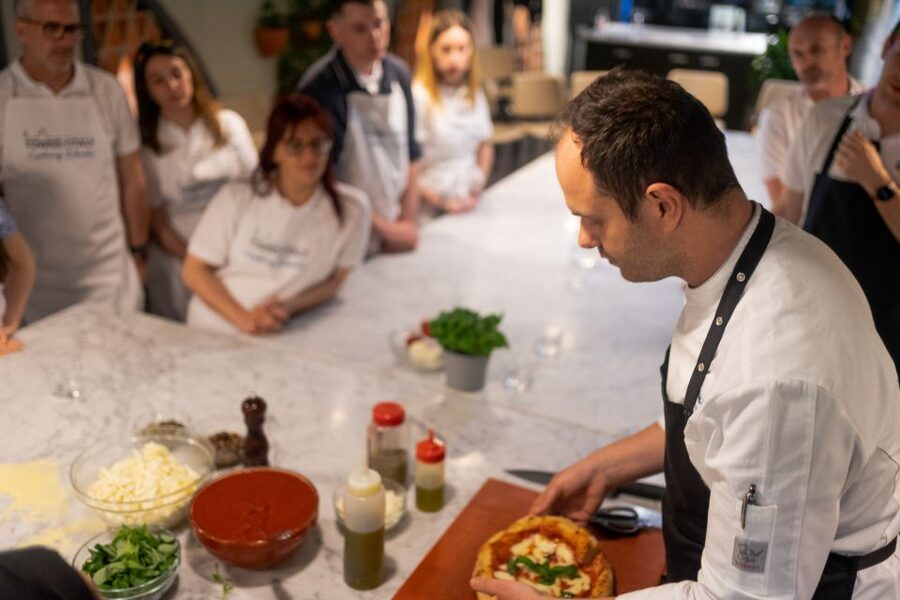
The listed price is $101 per person. That is not cheap for a meal, but it compares more favorably when you count what is included: three hours of instruction, ingredients, an apron, cooking utensils, pizza or pasta, gelato, dinner, wine or soft drinks, recipes, and a certificate.
The real value depends on how you use the evening. If you only want the least expensive pizza in Milan, this is the wrong purchase. If you want dinner plus a structured activity, the price is easier to justify.
You also take home methods rather than just a souvenir. The digital recipe booklet lets you repeat the dishes after your trip, and the certificate is a small but pleasant memento. The recipes may be the most useful part of the take-home package, especially if you own a pizza oven or enjoy making fresh pasta.
Families should also consider the shared cost. The class gives children a cultural activity, a meal, and a chance to work with their parents. It may be better value than paying for a separate attraction and dinner, though younger children need to stay with the group and follow kitchen instructions.
Who should book this experience
I would recommend the class to:
- Families with children and teenagers who enjoy practical activities
- Couples looking for a relaxed evening rather than a formal meal
- Solo visitors who want an easy way to meet people
- First-time cooks who want patient, guided instruction
- Home cooks who want better pizza dough or fresh pasta techniques
- People seeking an indoor activity in Milan
It is less suitable if you have celiac disease or gluten intolerance. The experience is not suitable for wheelchair users according to the stated activity information, though you should still tell the provider about any mobility concerns when booking so they can explain what may be possible.
Vegetarian and other dietary options are supported, but you must give the provider your needs in advance. Do not wait until the class begins. Pets are not allowed, and unaccompanied minors cannot attend.
Finding the meeting point near central Milan
The exact meeting point may vary by option and booking. Some sessions have taken place near Milano Centrale, a convenient location if you are arriving by train or staying near the station.
The catch is navigation. A large station or food hall can be confusing, and one participant had trouble finding the entrance. Give yourself extra time, read the confirmation instructions closely, and contact the local partner before class if the directions are unclear.
Hotel pickup and drop-off are not included. You need to make your own way there and back. Since the activity lasts three hours, I would avoid scheduling another tightly timed booking immediately afterward.
The class has free cancellation up to 24 hours in advance, and you can reserve now and pay later. Those terms help if your Milan plans are still shifting, but always check the conditions shown for your specific booking.
My verdict: book it if you want to cook, not just eat
Book this class if you want an evening that combines food, instruction, and conversation. The strongest features are the hands-on dough work, the cheerful teaching style, the included meal, and the recipes you can use at home.
Choose pizza for the most classic Milan cooking activity, or choose pasta if shaping fresh dough appeals more to you. Families should find the pace manageable, while solo participants can expect a social room rather than a private lesson.
Skip it if you have serious gluten restrictions, need a wheelchair-accessible venue, or want a quiet gourmet dinner with no group activity. For most other food lovers, $101 buys more than a plate of Italian food. It buys the chance to make dinner yourself, then enjoy it while the lesson is still fresh.
FAQ
How long does the cooking class last?
The class lasts three hours.
Is the class taught in English?
Yes. The listed instructor language is English.
Do I make pizza or pasta?
You choose between the pizza option and the pasta option at checkout.
Is gelato included with both options?
Yes. Both the pizza and pasta experiences include gelato making.
Is dinner included?
Yes. You eat the pizza or pasta and gelato you prepare during the class.
Are drinks included?
Yes. The package includes soft drinks or a glass of wine. Some sessions also provide sparkling wine or Prosecco.
Do I receive recipes after the class?
Yes. You receive a full digital recipe booklet.
Do I receive a certificate?
Yes. A certificate of attendance is included.
Can people with dietary requirements attend?
Vegetarian and other dietary options are available, but you must tell the activity provider when booking.
Is the class suitable for people with celiac disease or gluten intolerance?
No. The activity is not suitable for people with celiac disease or gluten intolerance.
Is hotel transportation included?
No. Hotel pickup and drop-off are not included.
Freshly poured around Italy
- Private Flavors of Florence Walking Tour(Food&Wine Included)★ 4.8 · 46 reviews
- Pizza-Making Workshop by night with glass of wine★ 4.9 · 45 reviews
- Pramaggiore: Ornella Bellia Winery Guided Tour & Tasting★ 5.0 · 90 reviews
- Polignano a Mare: Private Cruise with Champagne★ 4.8 · 66 reviews
- Rome: Pompeii Tour with Wine and Lunch by High Speed Train★ 4.8 · 485 reviews
- Polignano a Mare: Street Food Tour with Tastings and Wine★ 4.7 · 154 reviews
- Pizza and Tiramisu Cooking Class with Wine in Milan★ 4.9 · 80 reviews
- Pisa: Cathedral Guided Tour and Tower tickets & wine tasting★ 4.8 · 78 reviews
Italy Wine Tours, side by side.

Tuscany Day Trip from Florence: Siena, San Gimignano, Pisa and Lunch at a Winery
Read our review →
Florence: Pasta Cooking Class with Unlimited Wine
Read our review →
Florence: Chianti Wineries Tour with Wine Tasting
Read our review →
Small-Group Wine Tasting Experience in the Tuscan Countryside
Read our review →
Pisa, Siena and San Gimignano Day Trip with Lunch & Wine Pairing
Read our review →
Rome: Tuscany & Montepulciano Day Trip with Lunch & Wine Tasting
Read our review →
SMALL-GROUP Wine Safaris: Tuscan Wine Tasting Tours from Florence
Read our review →