
Review · SPAIN
La Palma: Bodegas Teneguia Winery Tour with Wine Tasting
Bodegas Teneguía turns La Palma’s volcanic ground into wine, and the most interesting part of this visit is seeing that process inside a working winery. You move from grape reception and pressing to oak barrels, old cement tanks built in 1945, and the bottling area.
I like the volcanic-soil story, which gives the tour a clear sense of place rather than making it just another cellar visit. I also like the low $17 price, especially since a bilingual guide, a tasting, and the chance to buy the wines are included.
The main thing to consider is the format. The tour is advertised as one hour, but a recent experience lasted about two hours because the guide repeated everything in English and Spanish. Groups can also reach roughly 30 people, and there may be no chance to sit during the visit.
Key points before you book
- Historic cellar equipment: See cement wine warehouses built in 1945, along with oak aging barrels.
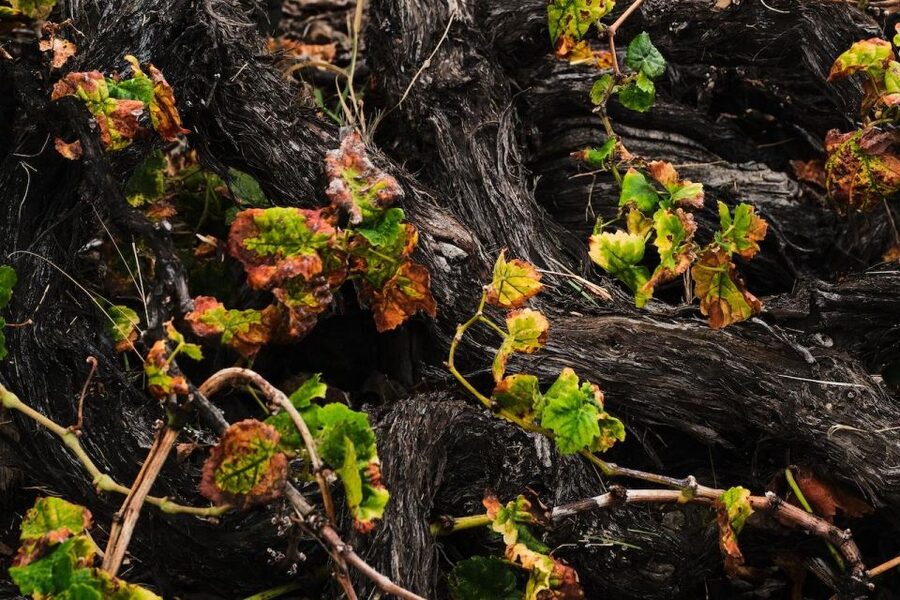
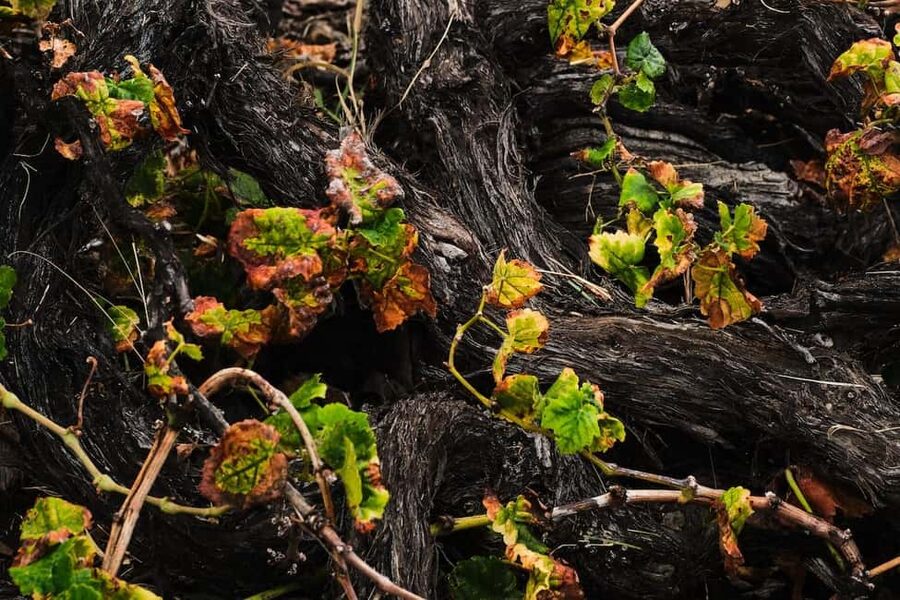
- Volcanic vineyards: Learn how grapes are grown in the black volcanic soil around Fuencaliente.
- Two-language tour: Guidance is offered in English and Spanish, which can lengthen the visit.
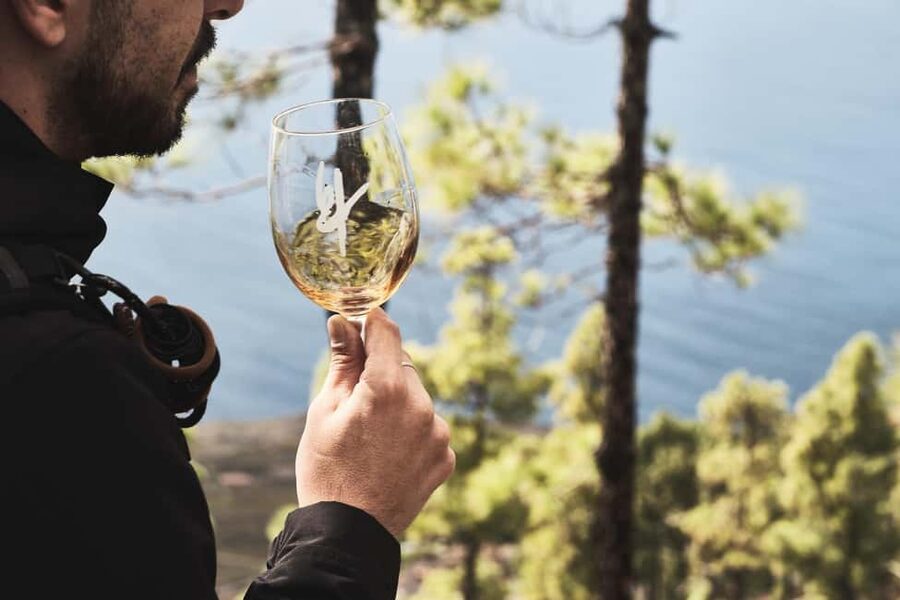
- Tasting included: The standard tasting features one white wine and one red wine.
- Low-cost introduction: At $17 per person, this is a budget-friendly way to sample La Palma wine.
- Bring sensible shoes: You will walk through the winery and remain on your feet for much of the visit.
Why Fuencaliente wine is worth understanding
Fuencaliente is one of La Palma’s best-known wine areas, and Bodegas Teneguía has been making wine there for more than 70 years. That setting matters. You are not simply being shown bottles in a shop. You are visiting a winery tied to the local grape-growing trade and to the difficult work of cultivating vines in volcanic ground.
The tour explains how the grapes move from the vineyard to the bottle. You learn about harvesting, the raw materials used in winemaking, destalking, pressing, fermentation, aging, and bottling. For someone who knows little about wine production, this gives the tasting some useful context.
I especially like that the visit connects farming with cellar work. Volcanic soil can sound like a travel brochure phrase unless someone explains how it affects cultivation. Here, the grape-growing conditions are part of the basic story of the winery, not just a backdrop for a drink.
The tour is also a sensible choice if you want a short cultural stop in Fuencaliente. At one hour on paper, it can fit into a day of sightseeing, though you should leave extra time because the bilingual presentation may take longer.
More Wine Tastings in Spain
- Montserrat & Cogwheel Train, Gourmet Wine Tasting & Tapas/Lunch
★ 5.0 · 6,290 reviews - Madrid Tapas & Wine Tasting Walking Tour – Small Group Local Bars
★ 5.0 · 3,644 reviews - Toledo Tour & Vineyard Walk with Wine Tasting from Madrid
★ 5.0 · 2,546 reviews
Starting in the reception hall
The visit begins in the winery’s reception hall. This is where the guide introduces Bodegas Teneguía and explains the broad path from grape to wine. The guide speaks English and Spanish, so you can follow the basic information even if your Spanish is limited.
You will hear how the grapes are harvested and what happens when they arrive at the winery. The explanation then moves into the first technical steps: removing the stems and pressing the grapes. These details may sound small, but they help you understand what you are looking at when you pass the equipment.
The reception area also gives the guide a chance to explain the raw materials used in production. If you are new to wine, this is useful groundwork. If you already know cellar methods well, this part may feel introductory.
The bilingual format has a practical effect. Every explanation is given twice, so a one-hour tour can become closer to two hours. One recent account also described a group of about 30 people, which can make it harder to hear or ask questions. I would plan for a slower visit rather than assuming you will be finished in exactly 60 minutes.
Following grapes from harvest to pressing
The next part focuses on the early stages of production. You learn how the grapes are handled after harvest, including destalking and pressing. This is the point where the visit becomes more than a quick tasting, since you can follow the work in sequence instead of hearing only a general description.
The value here depends on your interest. Wine beginners get a clear introduction to the mechanics of production. People who have taken several winery tours may find the explanation familiar, but the connection to Bodegas Teneguía’s own methods and local grapes still gives it a reason to be here.
You should also expect a walking tour rather than a seated class. Comfortable shoes and comfortable clothes are sensible choices. The supplied information does not promise seating, and one account specifically noted that there was no opportunity to sit during a visit lasting about two hours.
That is worth considering if you have limited stamina or simply prefer a relaxed tasting room. The visit is not presented as a long meal or leisurely wine seminar. It is a guided walk through the working areas, followed by tasting.
The 1945 cement warehouses and oak barrels
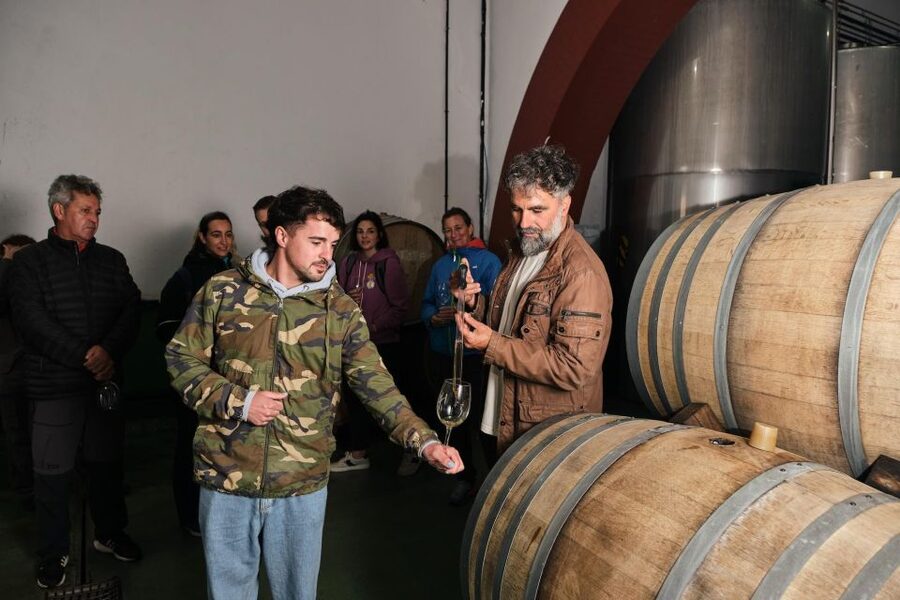
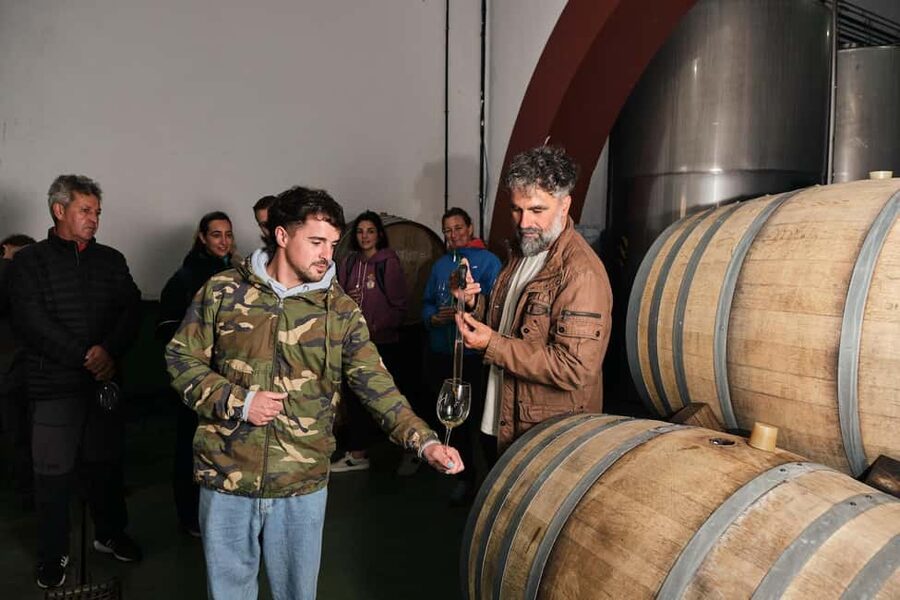
The aging rooms are the most distinctive stop for many people. On either side of the room, you see authentic oak barrels where wine is kept after fermentation. The barrels make the aging stage easy to picture, especially if you have never seen a cellar at work.
The room also contains several cement warehouses built in 1945. These old tanks give the winery a physical link to its earlier production methods. They are not just decorative antiques. They show the scale and type of infrastructure used by the cellar over many decades.
This is where Bodegas Teneguía’s age becomes easier to appreciate. A winery established more than 70 years ago can explain its past through actual structures, not just a date printed on a brochure. The cement warehouses are likely to interest anyone who enjoys industrial details, traditional food production, or old working buildings.
The tradeoff is that the presentation may feel crowded if the group is large. A group of roughly 30 people can make it difficult to linger beside the barrels or tanks. If you want quiet photographs and plenty of time for questions, the tour may not deliver that at busy times.
More Winery Tours in Spain
- Barcelona: Montserrat, Cogwheel, Black Madonna & Winery Tour
★ 4.8 · 5,633 reviews - Montserrat with Black Madonna & Medieval Winery with Tapas/Lunch
★ 5.0 · 5,209 reviews - Montserrat Full Day Tour with Farmhouse Lunch and Winery Visit
★ 5.0 · 1,068 reviews - Montserrat & Winery Visit Tour with Traditional Farmhouse Lunch
★ 4.5 · 1,035 reviews
Finishing in the bottling area
The tour ends in the bottling area, where the guide completes the story from grape to finished product. Seeing this final stage helps tie the earlier stops together. You have watched the route from harvest and pressing through fermentation and aging, then arrive at the point where the wine is prepared for sale.
The bottling stop is brief in purpose, but it matters because it shows that the winery is not only a historic cellar. It is also a place where wine moves through a full production chain. That makes the visit more satisfying than a tasting held away from the winery itself.
The tour then leads into the wine tasting. The standard offer includes two wines, one white and one red. The wines are described as the winery’s best quality selections, but you should not expect a large flight or a full comparison of many labels.
One account found the tasting limited because only two wines were offered. I would agree that this is a small tasting by wine-tour standards. Still, the modest selection keeps the activity affordable, and the tasting follows a real cellar visit rather than replacing it.
What the $17 price really buys you
At $17 per person, this is priced as an accessible introduction, not a luxury wine experience. You receive a guided tour, English and Spanish interpretation, a tasting, and the chance to buy bottles at the winery’s point of sale. Transportation, meals, and extra drinks are not included.
I think the price works best for three kinds of visitors. First, it suits anyone already planning to visit Fuencaliente and wanting a local activity that costs little. Second, it works for curious beginners who want to learn basic wine production without paying for a long tasting menu. Third, it suits people who value the winery setting, old equipment, and volcanic agriculture as much as the wine in the glass.
The value is less convincing if your main goal is a broad tasting. With only a white and a red, you will not get a detailed survey of the winery’s range. You also should not book it expecting lunch, a seated tasting, or a private guide.
The opportunity to buy bottles at the winery is helpful. You can taste first, then decide if a particular wine is worth taking home. No meal or additional drink is included, so budget separately if you want anything beyond the included tasting.
Timing, group size, and the bilingual format
The advertised duration is one hour, and the published schedule asks you to check availability for starting times. In practice, the bilingual format can change the length. A recent visit took about two hours because the same explanation was delivered in English and Spanish.
That can be either a benefit or a nuisance. If you speak English but not Spanish, you still receive the information you need. If you are comfortable in both languages, the repetition may feel slow. A group of about 30 people can add to that feeling, especially in narrow cellar areas.
I would avoid booking this immediately before a ferry, meal reservation, or other fixed appointment. The tour returns to the Bodegas Teneguía starting point, but you should allow more than the stated hour if your day is tightly planned.
There is also a practical calendar warning. One booking in early January found the winery closed, possibly because it fell around Three Kings celebrations. The available information does not establish a regular holiday schedule, so check the operating date carefully before making the drive. This is particularly important because transportation to and from the winery is your responsibility.
Getting ready for the visit
You need to arrange your own transport to Llanovid S. C. L. Bodegas Teneguía. The activity does not include pickup, drop-off, or any other transport service. That makes it easiest for people who already have a car or are planning a day around Fuencaliente.
Wear comfortable shoes. You will walk through the reception area, production spaces, aging rooms, and bottling area, and you may be standing for the full visit. Comfortable clothing is also recommended.
Do not count on a meal. The tour includes wine tasting, but not food or additional drinks. If you need more than a couple of samples, plan that separately.
The cancellation terms are flexible: you can cancel up to 24 hours in advance for a full refund, and the reserve-now, pay-later option lets you hold a place without paying at once. Those terms are useful if your La Palma plans are still moving around, though they do not remove the need to confirm that the winery is open on your chosen date.
Who will enjoy Bodegas Teneguía most
I would choose this tour if you want a short, inexpensive look at La Palma’s wine culture and you care about the production setting. The volcanic-soil explanation, oak barrels, and 1945 cement warehouses give the visit a stronger local identity than a tasting held in a hotel bar.
It is also a good match for first-time wine visitors. The process is explained in order, from grape harvesting through pressing, fermentation, aging, and bottling. You do not need advanced wine knowledge to follow the tour.
Families with older children may find the cellar equipment more interesting than a formal tasting, though the activity is still built around wine. The listing does not provide a child policy, so you should confirm that point before booking with young children.
I would be more cautious if you have already taken many winery tours and want rare bottles, extensive tasting notes, or a private experience. The bilingual repetition, possible large group, limited two-wine tasting, and lack of seating may frustrate you.
Should you book this La Palma winery tour?
Book it if you are near Fuencaliente, can arrange your own transport, and want a budget-friendly introduction to local wine. The best reasons are the volcanic growing conditions, the working cellar, and the old cement warehouses built in 1945. At $17, the combination of a guided visit and tasting is fair value.
Skip it if you need a strictly one-hour activity, dislike standing, or want a broad tasting of many wines. Check the date carefully around local holidays, allow extra time for the English and Spanish presentation, and arrive in comfortable shoes. For the right visitor, Bodegas Teneguía offers a useful look at how La Palma wine moves from volcanic soil to bottle.
FAQ
Where does the Bodegas Teneguía tour start and finish?
The tour starts and finishes at Llanovid S. C. L. Bodegas Teneguía in Fuencaliente, La Palma.
How long does the winery tour last?
The stated duration is one hour. A bilingual presentation can take longer, and one reported visit lasted about two hours because the explanations were given in English and Spanish.
What languages are available?
The live guide provides the tour in English and Spanish.
Is wine tasting included?
Yes. A wine tasting is included, with the standard experience offering one white wine and one red wine.
Can I buy wine after the tasting?
Yes. You have an opportunity to purchase wines at the winery’s point of sale after tasting them.
Is transportation included?
No. You must arrange your own transportation to and from Bodegas Teneguía.
What should I wear or bring?
Bring comfortable shoes and wear comfortable clothes, since the tour involves walking and may require standing for much of the visit.
Can I cancel the booking?
Yes. The activity allows free cancellation up to 24 hours in advance for a full refund. You can also reserve now and pay later.
Freshly poured around Spain
- Private Bandama Caldera Volcano, Botanic Garden & Old Town★ 4.5 · 53 reviews
- Malaga: PREMIUM TAPAS TOUR Paella, Tapas, Winery & Flamenco★ 4.6 · 82 reviews
- Premium Tour: Winery 7 Tastings + Guadalest Castle | Small group★ 5.0 · 40 reviews
- PREMIUM TAPAS TOUR: Paella, Market Tastings, and Winery★ 4.7 · 27 reviews
- Pottery Workshop and Wine – Barcelona★ 4.7 · 138 reviews
- Picasso Museum and Walking Tour Plus Wine Tasting Upgrade★ 4.3 · 111 reviews
- Mallorca: Premium Wine Experience, Tasting and Fine Foods★ 4.8 · 79 reviews
- Palma Tour with Wine and Tapas Tasting★ 3.9 · 52 reviews
Spain Wine Tours, side by side.

Montserrat Half-Day Tour with Tapas and Gourmet Wines
Read our review →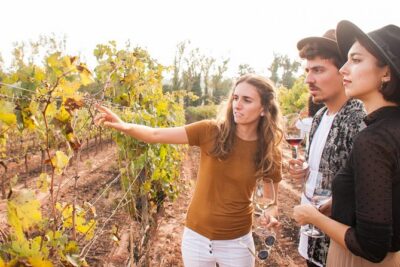
Montserrat & Cogwheel Train, Gourmet Wine Tasting & Tapas/Lunch
Read our review →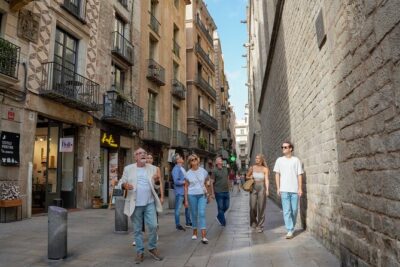
Barcelona Tapas and Wine Experience Small-Group Walking Tour
Read our review →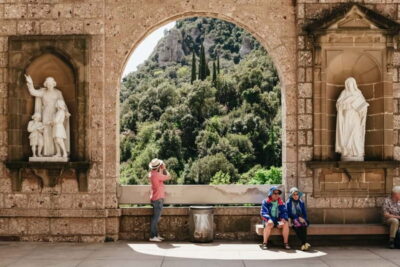
Barcelona: Montserrat, Cogwheel, Black Madonna & Winery Tour
Read our review →
Montserrat with Black Madonna & Medieval Winery with Tapas/Lunch
Read our review →
Barcelona: Tapas Walking Tour with Food, Wine, and History
Read our review →
Madrid Tapas & Wine Tasting Walking Tour – Small Group Local Bars
Read our review →
Sevilla Food Tour: Tapas, Wine, History & Traditions
Read our review →Lists this tasting sits in