
Review · ICA REGION, PERU
ICA: Pisco and Wine Route with tasting in 03 Wineries
Ica’s pisco country is best understood with a glass in hand and a vineyard under your feet. This 3.5-hour outing takes you from a traditional hacienda to working vines, with tastings that explain how Peru’s signature spirit changes from grape harvest to bottle. I like the small group of up to 10 and the chance to visit more than one winery rather than spending the whole afternoon at a single stop.
I also like the mix of learning and simple pleasure: you get production details, guided tastings, vineyard views, and regional food in one outing. Guide Alejandro earned special praise for his patience with older adults, which matters if your group has mixed ages. The main catch is the price wording: the $29 rate does not include the Tacama entrance fee or the typical lunch, so budget extra soles before you set out.
Key points at a glance
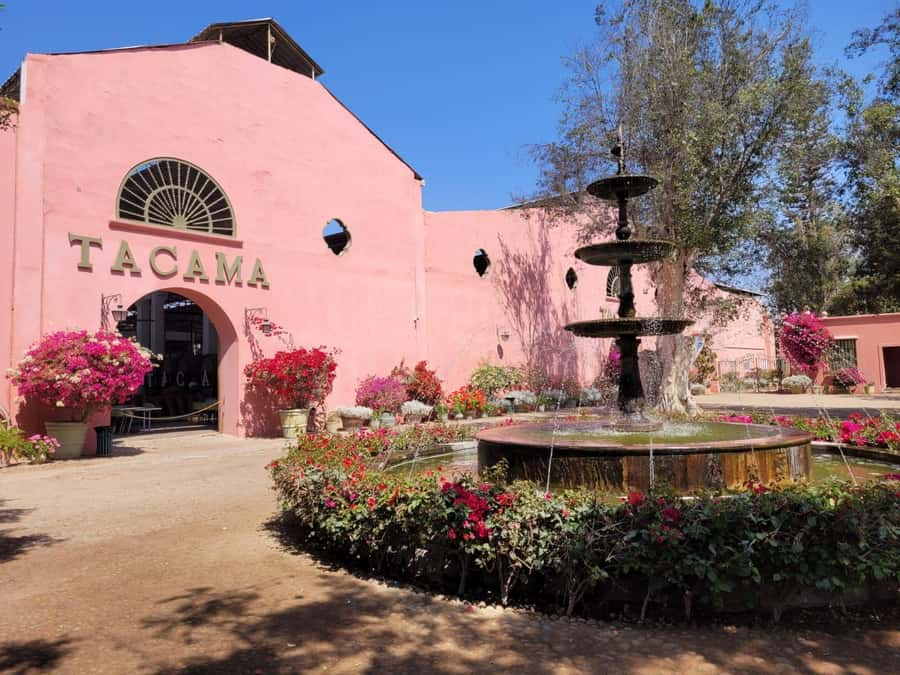
- Tacama sets the scene: Learn about one of Ica’s traditional wine estates and pay about S/.25 for entry.
- Three-winery focus: The experience is promoted around three wineries, with two scheduled tasting sessions and visits to vineyard facilities.
- Pisco gets proper attention: Follow the process from grape harvesting through distillation instead of treating pisco as just a quick shot.
- A sommelier leads the tastings: You’ll work on identifying aromas and flavors in local pisco and wine.
- Pickup is practical: Choose Ica or Huacachina, with hotel and bus-terminal pickup in the stated service area.
- Lunch costs extra: A regional meal is part of the outing, but it is not included in the advertised price.
Why Ica is the right place for a pisco tasting
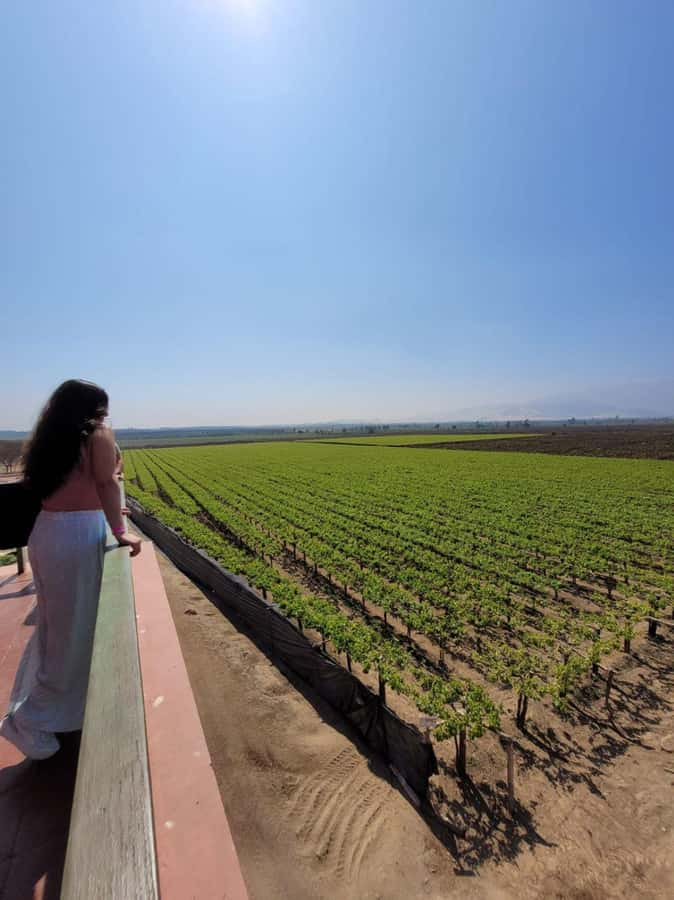
Ica is Peru’s best-known pisco region, and the dry setting gives the countryside a distinct feel. The vineyards sit near the desert, so the sight of orderly grape rows against open, sunlit ground becomes part of the experience. You are not only tasting a drink. You are seeing the agricultural setting that makes the drink possible.
Pisco is made from grapes, but it is not simply brandy with a Peruvian label. The production process, grape varieties, and distillation method shape the final flavor. That is why the explanation at the winery matters. A tasting without context can blur into a line of small glasses. Here, the guide and sommelier help you connect what you smell and taste with how the spirit was made.
I would choose this tour if you want a practical introduction to both pisco and wine without arranging several taxis or trying to compare wineries on your own. It gives you a fixed route, transportation, and a guide who can explain the local products in English or Spanish.
More Vineyard Tours around the world:
- Douro Valley Tour: 2 Vineyard Visits, River Cruise, Winery Lunch
★ 5.0 · 3,542 reviews - Toledo Tour & Vineyard Walk with Wine Tasting from Madrid
★ 5.0 · 2,546 reviews - Half day Chianti Vineyard Escape from Florence with Wine Tastings
★ 4.5 · 2,196 reviews
Starting at Tacama Hacienda
The visit begins at Hacienda Tacama, a traditional winery and one of the main cultural stops on the route. You should expect about an hour of guided touring before the tasting portion gets underway. This is where the outing gains its sense of place, since you are introduced to the estate, its wine and pisco traditions, and the facilities where production takes place.
Tacama is also the one stop with a separate entrance charge. The listed cost is about S/.25 per person, payable in addition to the $29 tour price. That is not a major expense, but it is an easy one to overlook when comparing tours. Keep a little Peruvian cash available, or confirm the preferred payment method before pickup.
The guide explains the path from harvested grapes to finished pisco. You will learn about grape varieties, production stages, and the difference between wine and distilled pisco. The exact depth of the explanation can depend on the pace of your group, but the small party limit gives the guide a better chance to answer questions than a large coach tour would.
From grape harvest to pisco distillation
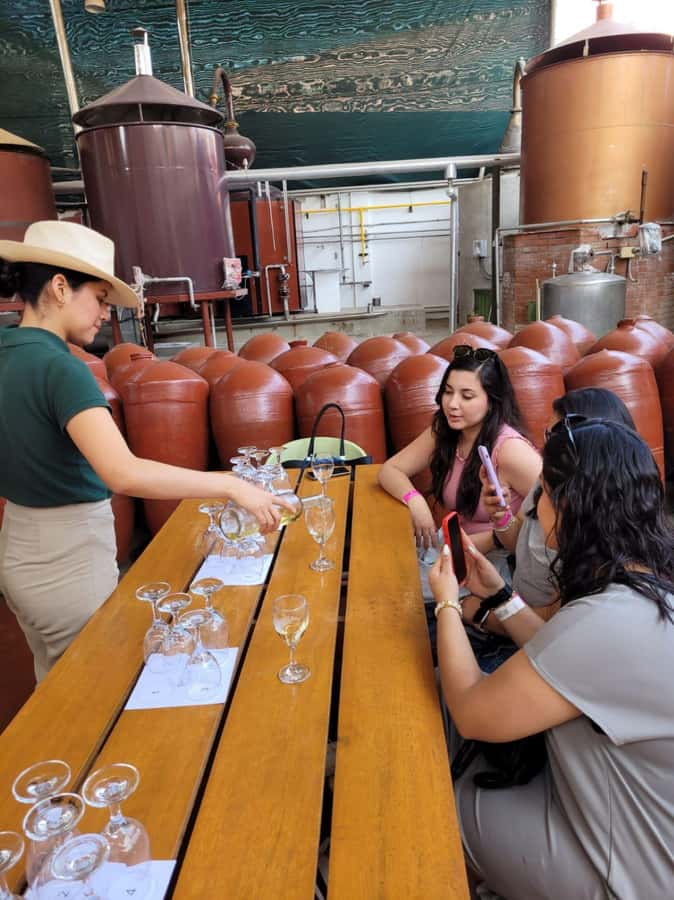
The production lesson is the most useful part for first-time tasters. You will hear how grapes are gathered, processed, and turned into a clear spirit through distillation. That sequence gives you something to look for when the tasting begins: fruit character, aroma, strength, and the way the drink feels on the palate.
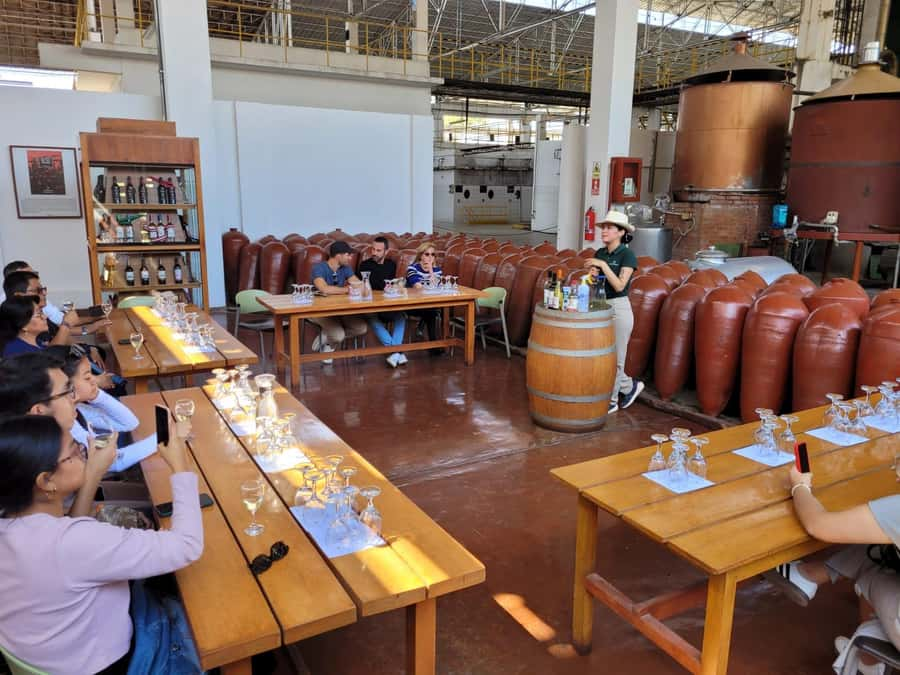
A sommelier guides the tasting and shows you how to distinguish different pisco styles and local wines. You do not need prior wine knowledge. Pay attention to the method: smell first, take a small sip, notice the fruit and floral notes, and compare one sample with the next. The value comes from comparison, not from drinking quickly.
This is an adults-only activity, with a minimum age of 18 because of the alcohol tastings. It is also worth remembering that the route is about learning and sampling, not heavy drinking. Eat something before pickup, pace yourself, and use the lunch stop as a chance to settle in.
Vineyard views and a second tasting
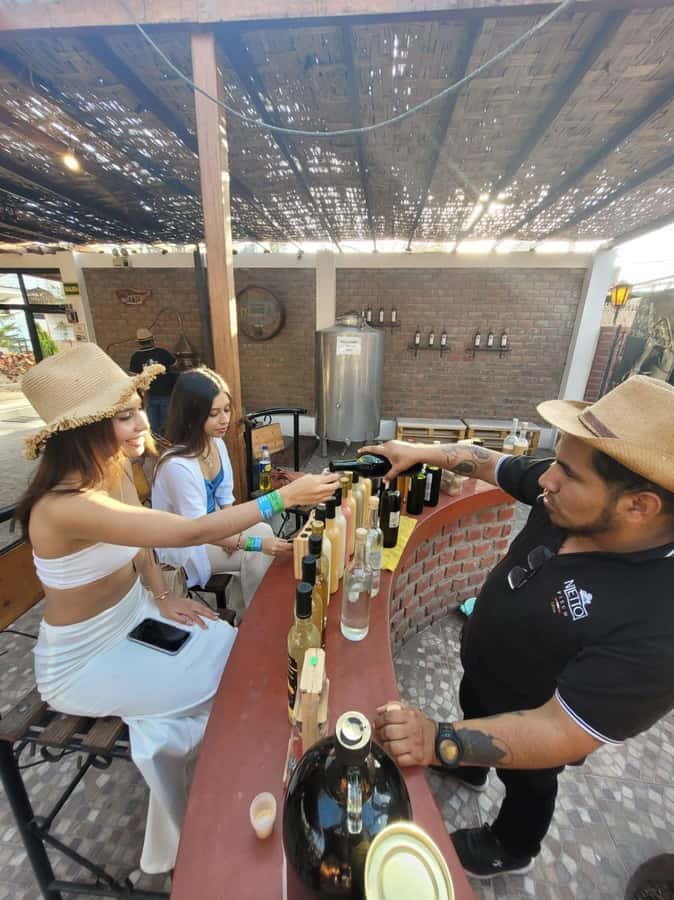
After the initial guided visit, a van ride of about 15 minutes takes you to the next stop. The schedule allows roughly 30 minutes for the first tasting and another 15-minute transfer before the second tasting. These short rides keep the route moving, though you should not expect long stretches of free time at each winery.
The vineyard visit gives the tasting a physical setting. You can see the grape rows, walk through winery areas, and learn which varieties are used for local wine and pisco. The scenery is open and striking, especially if you enjoy the contrast between cultivated vines and Ica’s dry surroundings. Comfortable clothes and walking shoes are the sensible choice.
The second winery focuses on premium wines and pairings with local products. This adds variety to the day. The first tasting helps you understand the basic production story, while the second gives you a chance to compare wine styles and see how food changes what you taste.
The route is promoted as a three-winery experience, but the supplied schedule names Tacama and then lists two tasting sessions rather than identifying every winery by name. If visiting three distinct winery properties is important to you, confirm the exact stops before booking. That is a fair question to ask, especially if you are comparing this outing with a private vineyard visit.
More Winery Tours in the world:
- Tuscany Day Trip from Florence: Siena, San Gimignano, Pisa and Lunch at a Winery
★ 5.0 · 21,634 reviews - Florence: Chianti Wineries Tour with Wine Tasting
★ 4.5 · 10,071 reviews - Porto: Douro Valley with Winery Lunch, Tastings & Cruise
★ 4.7 · 7,002 reviews - Barcelona: Montserrat, Cogwheel, Black Madonna & Winery Tour
★ 4.8 · 5,633 reviews
Regional lunch, with an extra charge
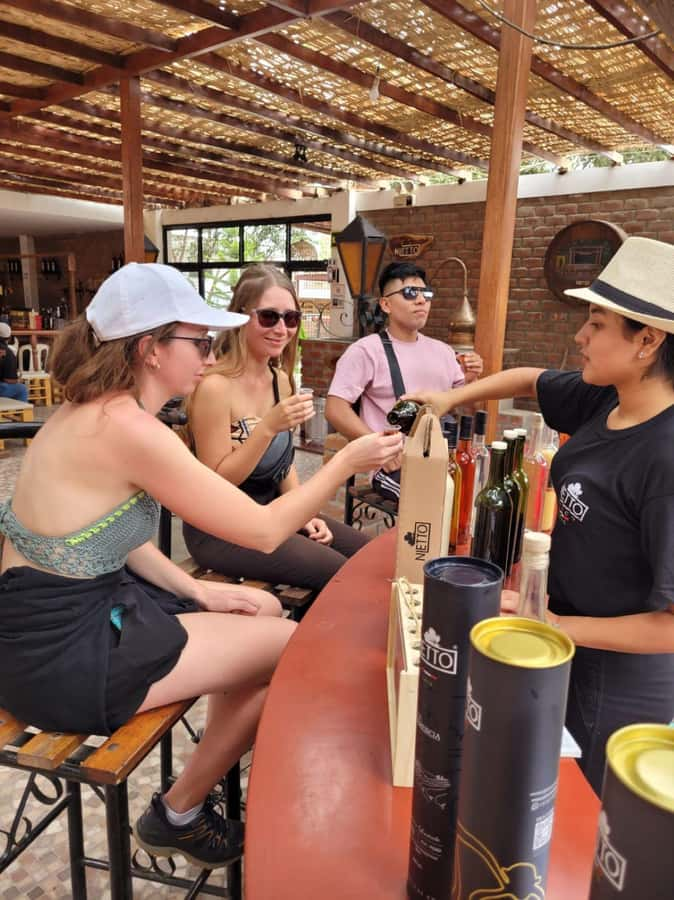
The final food stop includes a typical regional lunch and locally produced beverages. This is a useful finish because it turns the tasting into a meal rather than leaving you with alcohol on an empty stomach. Dietary restrictions should be provided in advance, although lactose intolerance is specifically listed among the conditions the activity does not suit.
There is an important price detail here. Lunch is not included in the $29 rate, despite being part of the planned experience. The same applies to the Tacama entrance fee. Add both costs when you compare the tour with other Ica activities.
I still consider the base price reasonable for a small-group outing with transportation, a bilingual guide, a sommelier-led tasting, winery access, vineyard time, and customer support before and after the activity. The value is strongest if you are staying in Ica or Huacachina and would otherwise need to arrange transport between rural wineries.
Pickup from Ica or Huacachina
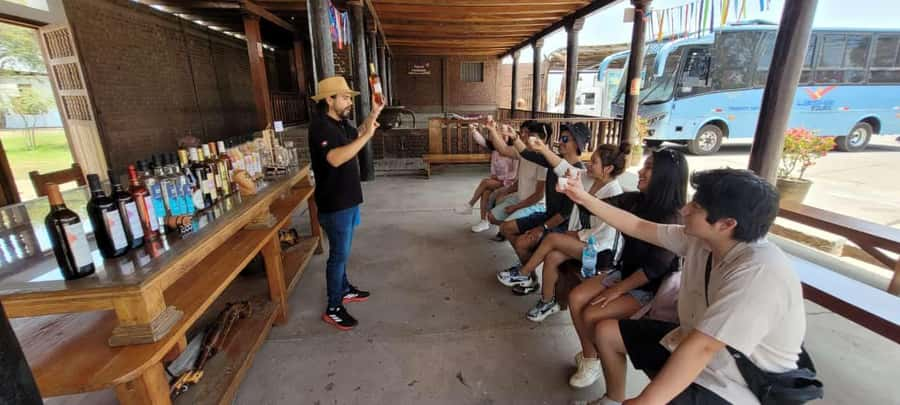
You can arrange pickup in Ica or Huacachina, including a hotel near Ica or the bus terminal in Ica or Huacachina. The vehicle is described as a white van or black car. Be ready at least 10 minutes early and stay within the assigned pickup area, since the vehicle leaves at the stated time rather than waiting outside several hotels.
This advice matters in Ica, where a small delay can create confusion around hotel entrances and bus terminals. Keep the contact number from your booking confirmation handy if you cannot locate the vehicle. The operator asks you to call rather than wander around looking for the van.
The route lasts about 210 minutes, or three and a half hours. The timing is compact enough to fit into a half-day plan, but the schedule is fairly full: one guided visit, two short drives, two tastings, vineyard time, and lunch. If you want a slow afternoon with long vineyard walks, this may feel brisk. If you want a focused introduction before moving on to another Ica activity, the length works well.
Group size, access, and guide quality
A maximum of 10 participants is a real advantage. You can hear the explanations more clearly, ask about grape varieties, and avoid the anonymous feel of a large bus group. The tour is offered in Spanish and English, so choose the language that lets you follow the production details most easily.
One particularly useful detail concerns Alejandro, a guide praised for his patience with older adults in the group. That suggests the pace can be handled thoughtfully when people need more time, although you should still expect some walking through vineyards and winery facilities.
The activity is listed as wheelchair accessible, but the route includes vineyard and facility visits. If you use a wheelchair, confirm the exact surfaces and access arrangements in advance. The published age rules exclude children under 16 and set the tasting minimum at 18. The information also excludes people over 95 and children under 90 centimeters, so check the restrictions carefully when booking for a mixed-age group.
Who should book this Ica wine tour?
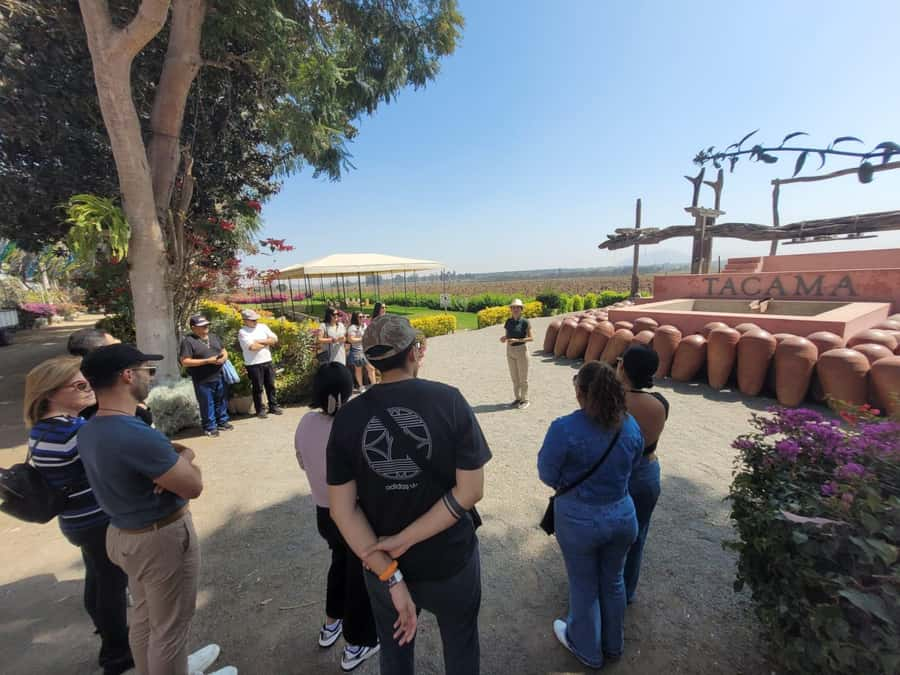
I would recommend it to first-time visitors who want a clear introduction to pisco, wine, and the Ica countryside. It suits couples, friends, and small groups who prefer a guided route over planning separate winery visits. It also works for people staying in Huacachina, since pickup removes the need to arrange their own transport into the wine country.
You will get the most from the outing if you enjoy explanations as much as tastings. The tour is not only a photo stop among grapevines. You will spend time learning about distillation, comparing aromas, and hearing about the varieties used in local drinks.
I would be more cautious if you want a long, leisurely vineyard day, a private guide, or a tasting built around high-end bottles only. The tour is a short group experience, and the schedule leaves limited time at each stop. You also need to add the Tacama fee and lunch to the advertised price.
Should you book the Pisco and Wine Route?
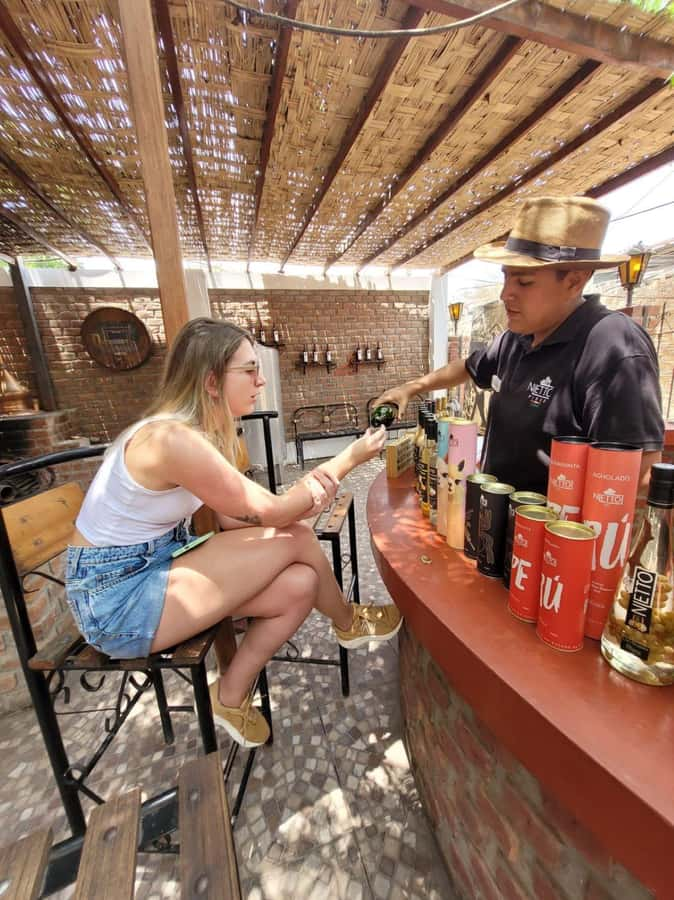
Book it if you want a well-organized half-day introduction to Ica’s wine and pisco traditions, especially if you value hotel pickup, a bilingual guide, and a small group. The most useful features are the production lesson, sommelier-led tasting, vineyard access, and the chance to compare more than one winery.
Before paying, confirm the exact winery lineup and the final cost of lunch and Tacama entry. If those extras fit your budget, this is a good-value way to understand why Ica is Peru’s pisco center without spending a full day arranging transport and tastings yourself.
FAQ
How long does the Pisco and Wine Route last?
The activity lasts approximately 210 minutes, or three and a half hours.
Where can pickup take place?
Pickup is available in Ica or Huacachina, including hotels near Ica and the bus terminal in Ica or Huacachina.
Is transportation included?
Yes. Comfortable transportation from the meeting point to the wineries and vineyards is included.
What languages are available?
The tour is offered in Spanish and English with a live guide.
How many people are in the group?
The activity uses a small-group format limited to 10 participants.
Is lunch included in the price?
No. A typical regional lunch is part of the planned experience, but lunch is not included in the advertised price.
Is the Tacama entrance fee included?
No. The entrance fee to Hacienda Tacama costs about S/.25 and is paid separately.
What is included in the tasting?
The experience includes pisco and wine tastings led by a specialized sommelier, along with information about aromas, flavors, grape varieties, and production.
What should I wear?
Wear comfortable clothing and suitable walking shoes because the activity includes walks through vineyards and winery facilities.
Can children join the tour?
No. The minimum participation age is 18 because the experience includes pisco and wine tastings.
Freshly poured around the world
- Private Tasting in Beaune : The Best of Burgundy Wines★ 4.9 · 66 reviews
- Semi Private Solar Boat Cruise in Champagne★ 4.9 · 32 reviews
- Private Group Visit to Akrotiri & 3 Wineries with Tastings★ 4.2 · 42 reviews
- Private tour of Paris by Night with Champagne★ 4.7 · 323 reviews
- Private Flavors of Florence Walking Tour(Food&Wine Included)★ 4.8 · 46 reviews
- Pizza-Making Workshop by night with glass of wine★ 4.9 · 45 reviews
- Malaga: PREMIUM TAPAS TOUR Paella, Tapas, Winery & Flamenco★ 4.6 · 82 reviews
- Mendoza: Premium Wine Tasting★ 4.4 · 48 reviews