
Review · SPAIN
Gran Canaria: Rum, Wines and Banana Tour
Northern Gran Canaria tastes best when you connect its food with the places that produce it. This full-day tour links Arehucas rum, banana farming, Agaete wine, local coffee, and a hands-on mojo sauce workshop, with a guide filling the bus ride with island history and practical context.
I like the way the day moves from factory to farm to hillside finca, and I like that you do more than sip and shop: you learn how rum is made, why bananas matter to the Canaries, and how to mix mojo with potatoes. The main drawback is the long pickup run, which can put you on the bus for several hours before the first stop, especially if you are collected in the south.
Key points to know before booking
- Arehucas is the tasting star: Expect a guided distillery visit followed by several rum samples, including strong and aged varieties.
- The banana stop is cultural as well as culinary: You learn how bananas shaped Gran Canaria and taste products made from the fruit.
- Agaete brings the best scenery: The day includes a seaside break, then a hillside finca with views, wine, coffee, and mojo-making.
- Lunch costs extra: A set meal in Agaete is offered for roughly €14 to €15, but you can use the free time to eat elsewhere.
- The guide can make or break the day: Guides such as Tom, Julia, and Yeray have been praised for clear explanations and switching between languages.
- Allow for a long day: Eight hours includes all transfers, and pickup logistics can be slow from the southern resorts.
What this Gran Canaria food tour is really about
At $81 per person, this is not simply a tasting outing. It is a northbound tour of Gran Canaria’s farming, drinks, and food traditions, packed into one day. You are paying for transport, several guided visits, tastings, and a multilingual guide, rather than for a single attraction.
The strongest feature is the range. Rum, bananas, wine, coffee, and mojo are different subjects, but together they show how the island uses its climate, volcanic soil, and agricultural past. I like that the tour gives you both production stories and samples. You do not just hear about Canarian food; you taste it along the way.
The schedule is busy. You will change settings several times, and some visits can feel brisk when the group is large. This suits you if you want an efficient introduction to northern Gran Canaria. It is less suitable if you prefer a slow meal, long independent walks, or a small private group.
More wine tours around Spain:
- Montserrat Half-Day Tour with Tapas and Gourmet Wines
★ 5.0 · 7,359 reviews - Montserrat & Cogwheel Train, Gourmet Wine Tasting & Tapas/Lunch
★ 5.0 · 6,290 reviews - Barcelona Tapas and Wine Experience Small-Group Walking Tour
★ 5.0 · 5,804 reviews
The banana farm in Arucas
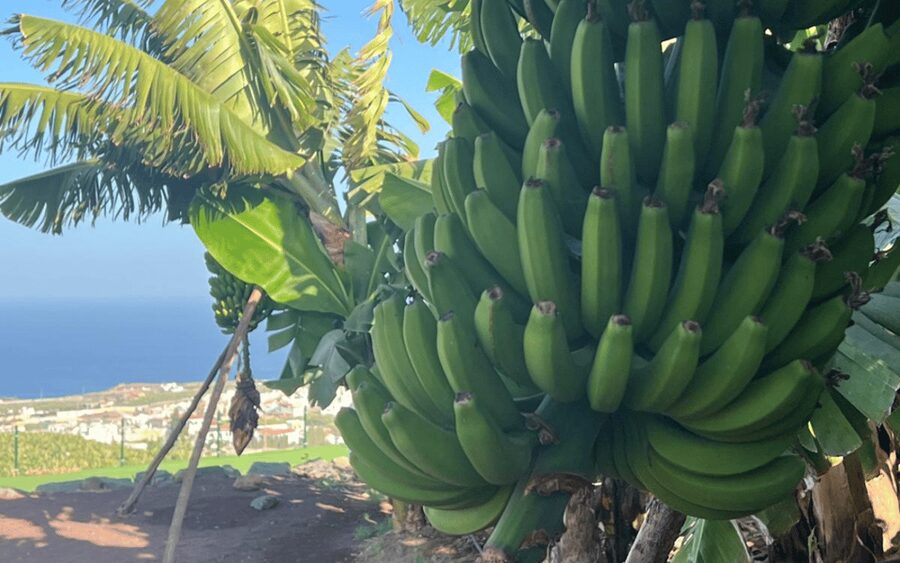
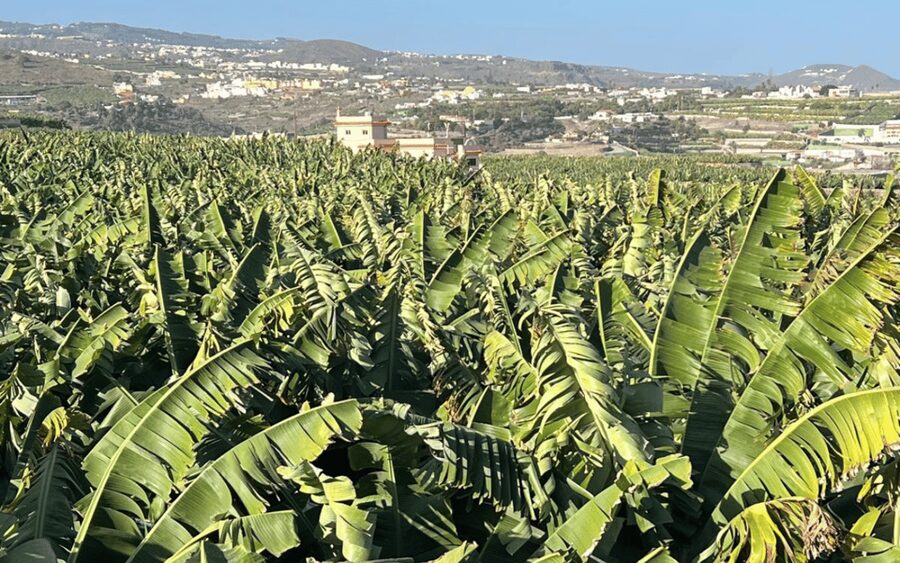
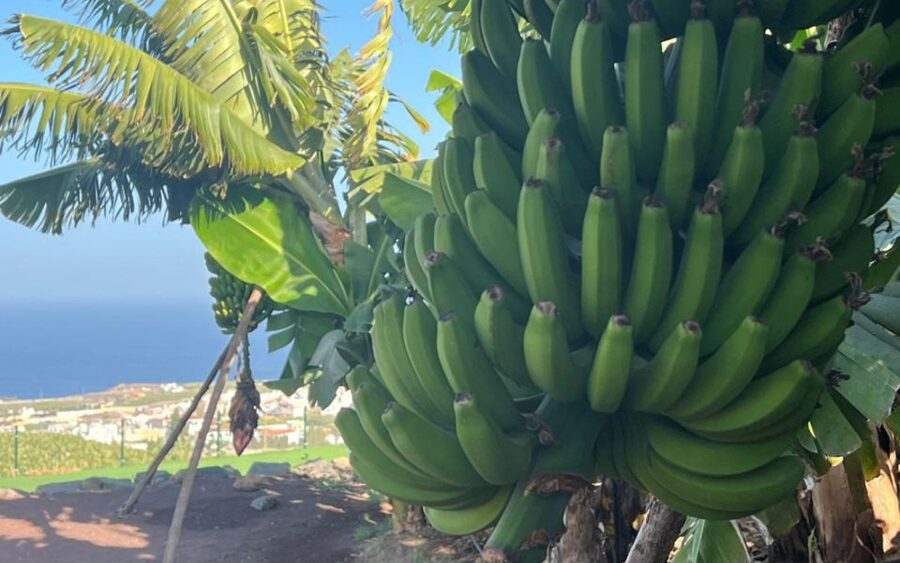
The banana stop gives the day its local identity. Bananas are not just a snack here. They are tied to the islands’ farming traditions and to the way Gran Canaria presents itself through food.
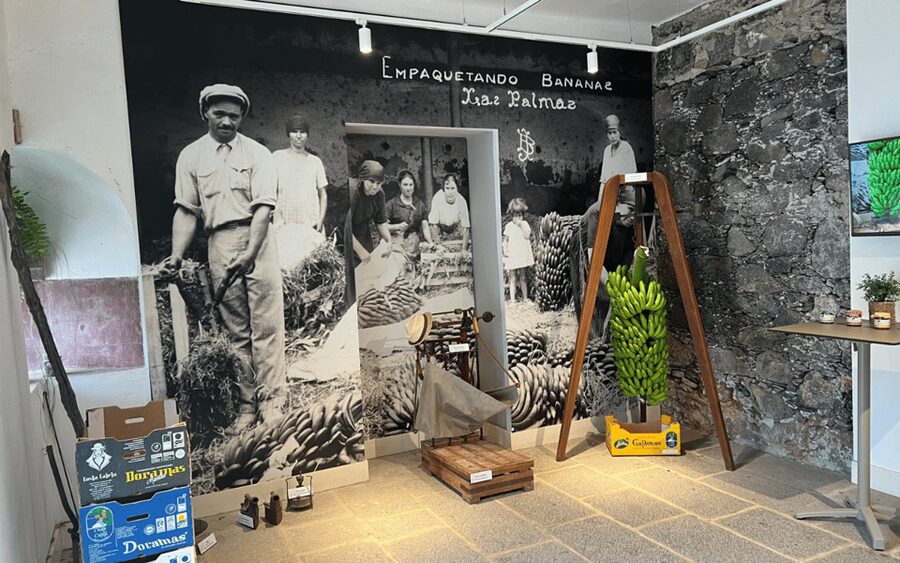
A guided visit explains how bananas arrived in the Canary Islands, how different varieties are grown, and why the fruit became part of Canarian culture. You also taste bananas and products made from them. Depending on the visit, these may include banana wine, liqueurs, pâtés, creams, and other packaged goods.
I like this stop because it gives meaning to something familiar. A supermarket banana tells you very little. Seeing the crop in a farm setting, then tasting several preparations, helps you understand why the fruit has such a strong place in local life.
Do not expect a long agricultural walk. The visit is structured around explanation and tasting, and some people would prefer more time among the plants. It is best viewed as a compact cultural stop, not a full farm work experience.
The farm also offers a chance to buy banana-based products. These are easy souvenirs to pack compared with bottles of rum or wine, though you should check your own baggage arrangements before purchasing liquids.
Inside the Arehucas rum distillery
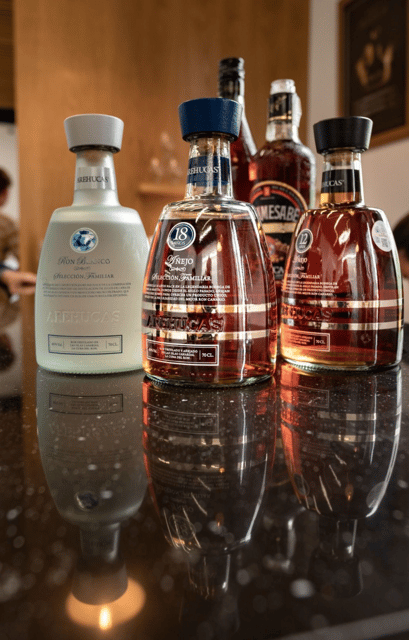
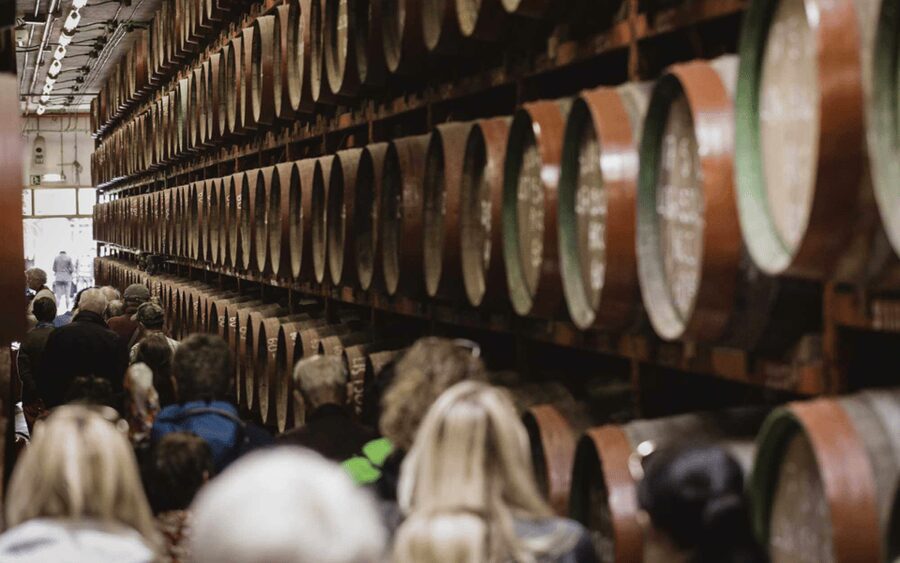
The Arehucas visit in Arucas is likely to be the most memorable stop for anyone who enjoys spirits. The guided tour explains fermentation and distillation, showing how sugar cane becomes rum. The setting adds a sense of place that a bar tasting cannot provide.
The tasting is generous. You may try more than ten drinks, including different rum styles and older bottles. Carta Oro is specifically recommended for its firm flavor, while some tastings may include highly aged varieties. Take the word generous seriously. You can ask for a mixer or bring a soft drink if you find neat rum too strong.
This is where pacing matters. A large number of samples can sound exciting, but it can also make the later part of the day harder if you drink each one quickly. Sip slowly, eat something, and use the water opportunities on the tour. The goal is to compare the rums, not to prove anything to the bus.
The distillery guides add a second layer to the visit. Carla and Lis are among the named guides praised for clear and friendly presentations, while the main tour guide helps translate and keep the group moving. The distillery tour itself is conducted in English and German, according to the activity details, while the overall tour also operates in Spanish.
There is one important seasonal exception: the rum factory is not visited on holidays or festive dates. Check the schedule if the distillery is your main reason for booking.
Lunch and a break in Agaete
After the production visits, the route continues north to Agaete. The day normally includes time in or near Playa de las Nieves, giving you a chance to see the harbor area and coastal setting before continuing to the finca.
Lunch is not included. A set option costs about €14 to €15 and has been described as soup or salad followed by paella, with a dessert or additional course depending on the arrangement. It offers convenience for a group, but it is not the strongest reason to book the tour.
I would treat lunch as optional. If the set meal suits you, it saves the trouble of finding a table while the group is on a schedule. If you want more choice, or if you are vegan or simply prefer local harbor food, use the free time to eat independently. Bring your own food if you have strict dietary needs, since the supplied information does not promise a special menu.
This break also gives the day some breathing room. Agaete is attractive enough to merit a look beyond the restaurant table, and choosing independent lunch can leave more time to walk around the harbor. The exact free time can vary with traffic, pickup delays, and the group’s pace.
Same vines, another glass to try:
- Barcelona: Montserrat, Cogwheel, Black Madonna & Winery Tour
★ 4.8 · 5,633 reviews - Montserrat with Black Madonna & Medieval Winery with Tapas/Lunch
★ 5.0 · 5,209 reviews - Barcelona: Tapas Walking Tour with Food, Wine, and History
★ 4.8 · 4,261 reviews - Madrid Tapas & Wine Tasting Walking Tour – Small Group Local Bars
★ 5.0 · 3,644 reviews
Wine, coffee, and mojo at the Agaete finca
The final major stop takes you into the hills around Agaete. The setting is a major part of the appeal, with vineyard views and a quieter agricultural atmosphere than the earlier factory visit.
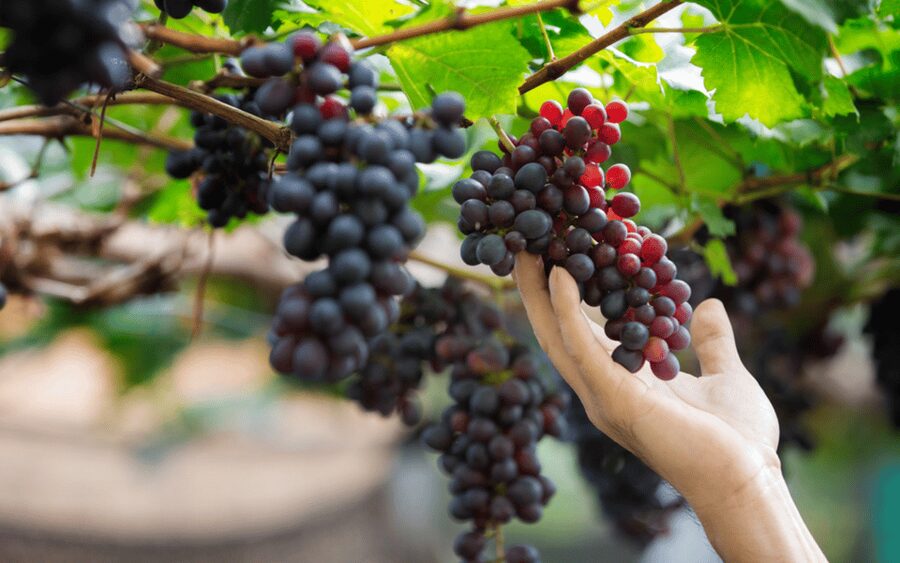
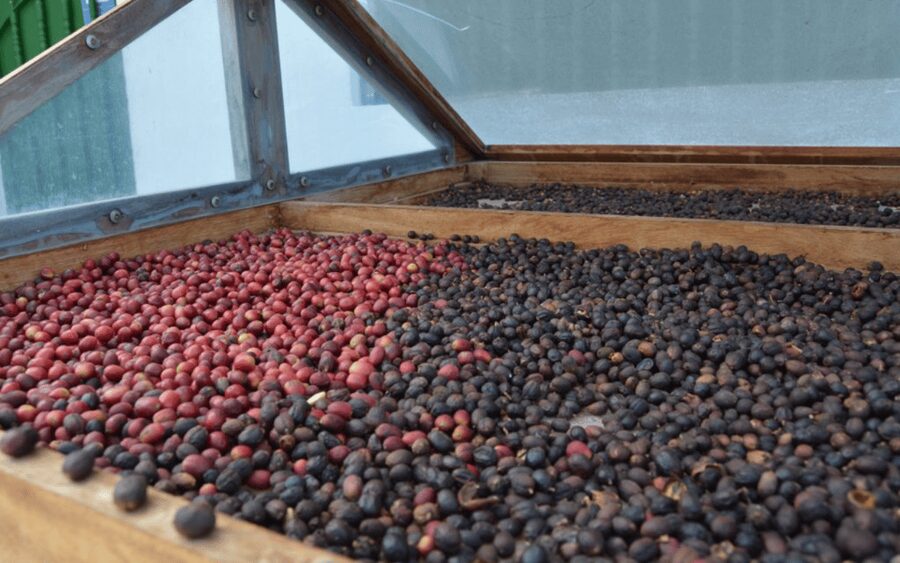
You learn about winemaking in volcanic ground and sample local wines, generally three small glasses. The visit also includes coffee, with an explanation of how coffee is grown in the area. The coffee element is more limited than the rum tasting. Expect a cup and a short presentation rather than a full coffee workshop or a long comparative tasting.
The most engaging part is the mojo session. Mojo is one of the Canary Islands’ signature sauces, and making it yourself turns a passive tasting into a small social activity. You mix the sauce, then eat it with Canarian potatoes. It is simple, practical, and easy to repeat at home.
This stop works well because several local flavors come together. Wine shows what the island’s soil can produce, coffee introduces a less familiar crop, and mojo connects the tasting to an everyday Canarian table. You also get time to enjoy the views and look around the finca.
The main limitation is time. With a full group, the wine presentation and tasting can feel brief. If you want a long vineyard visit or a serious wine education, choose a specialist wine tour instead. For a broad island introduction, the combination is effective.
The guide and the multilingual format
The strongest praise for this experience has focused on the guides. Tom has led several departures and is noted for switching between English, German, Flemish, and Spanish. Julia has also been praised for managing a multilingual group while explaining the stops and adding facts during the drives. Yeray, among the other named guides, has been singled out for an engaging approach.
A good guide matters here because much of the value comes during transit. You are not only moving between tastings. You are hearing about Gran Canaria’s agriculture, history, towns, and local food traditions.
The multilingual setup is useful, but it has a tradeoff. Explanations take longer when they are repeated in several languages, and an English-speaking passenger may occasionally miss a sentence or find that one language receives more attention. Sit near the front if hearing every explanation matters to you. One person found it harder to follow from the back of the bus.
Transport, pickup, and the true length of the day
The tour lasts eight hours, including the return journey. Transport is by air-conditioned bus, though some departures begin with a smaller minibus transfer to a larger coach. The vehicle is comfortable, but the route can be slow when many hotels need pickups.
The biggest practical warning concerns southern resort pickups. If you are staying around Mogán, expect a long collection run before the tour reaches Arucas. One itinerary took more than three hours to reach the first stop because of multiple pickups and no early toilet break. This is not typical of every departure, but it is a real possibility.
There is no pickup or drop-off in Las Palmas city or at the harbor. You must make your own way to Parque Tropical in the south of the island if that is your assigned pickup point, and you return to the same place. The exact time and meeting point come from LCTEurope, not from the generic tour start shown during booking.
Confirm the location and time by WhatsApp. You can request a different available pickup point more than 24 hours before departure, but changes are not accepted later. Arrive early. Missing the bus means no refund or booking change.
The route is not ideal for a wheelchair or mobility scooter. Non-folding and electric wheelchairs are not accepted, and the tour is not suitable for people with mobility impairments. Even able-bodied visitors should expect some walking and standing at the farms, distillery, and finca.
Is $81 good value?
For an eight-hour outing, $81 is fair if you plan to use the tastings and guided visits. The price includes transportation, liability insurance, the rum tour and tasting, wine tasting, coffee tasting, and the banana farm visit. It also includes the mojo activity.
You would spend a substantial part of the day and more money arranging these stops independently, especially if you do not have a car. The tour also removes the need to navigate between Arucas, the north coast, and Agaete.
The price does not include lunch or souvenirs. Add roughly €15 for the group meal if you choose it, plus any bottles or food products you buy. The value is best for people who want many experiences in one day. It is weaker for anyone who wants a quiet, slow-paced visit centered on one farm or winery.
Who should book this experience?
I would recommend it to curious eaters, first-time visitors, couples, solo visitors, and anyone without a rental car who wants to see more than the resort area. You do not need to be a rum drinker or banana enthusiast. The explanations and variety make the day worthwhile even if one tasting is not your favorite.
It also suits solo visitors because the group format makes the day easy to join, and the mojo workshop gives you a natural way to interact with others. Families with older children may enjoy the farm and food elements, but the long transfers and alcohol-centered tasting require adult judgment.
I would hesitate if you dislike coach travel, need frequent rest stops, have limited mobility, or want a polished small-group food tour. The schedule is full, and the number of hotel pickups can make the outward journey tiring.
Final verdict: book it if you want variety
Book this tour if your ideal Gran Canaria day includes local food, generous tastings, and scenery beyond the resort. The rum distillery, banana farm, and Agaete finca give the day a clear sense of place, while the mojo workshop adds something you can take home as a skill rather than another souvenir.
Before booking, confirm your pickup point, plan for the extra lunch cost, and accept that the bus ride may be long. If you do, the $81 price buys a useful and flavorful introduction to northern Gran Canaria, with the rum tasting and Agaete views likely to be the day’s high points.
FAQ
How long does the Gran Canaria Rum, Wines and Banana Tour last?
The tour lasts eight hours, including the return transfers. Start times vary, so you need to check availability for the departure time.
What places does the tour visit?
The itinerary includes the Arehucas rum distillery in Arucas, a traditional banana farm and museum in Arucas, and a finca in the Agaete area for wine, coffee, and a mojo sauce workshop. The day also includes time in the Agaete coastal area.
Is lunch included in the tour price?
No. Lunch is not included. An optional group meal costs approximately €14 to €15, or you can use the available break to eat independently.
Does the tour include rum, wine, coffee, and banana tastings?
Yes. The included activities cover rum tasting, local wine tasting, coffee tasting, and banana products. The tour also includes food connected with the mojo workshop.
Is the rum distillery visited on holidays?
The rum factory is not visited on festive dates. The itinerary may change for reasons beyond the operator’s control.
What languages are available?
The tour offers English, Spanish, and German. Guides may also speak additional languages on some departures, but the exact language balance can vary within a multilingual group.
Where is pickup available?
Pickup is available from listed tourist-area points. There is no pickup or drop-off in Las Palmas city or at the harbor. Some participants must make their own way to Parque Tropical in the south of the island.
Can I change my pickup point?
You can request a change to another available pickup point more than 24 hours before departure. Changes are not accepted with less than 24 hours’ notice. Confirm the exact point and time by WhatsApp.
Is the tour suitable for wheelchair users?
No. The activity is not suitable for wheelchair users or people with mobility impairments. Mobility scooters, non-folding wheelchairs, and electric wheelchairs are not allowed.
Freshly poured around Spain
- Private Bandama Caldera Volcano, Botanic Garden & Old Town★ 4.5 · 53 reviews
- Malaga: PREMIUM TAPAS TOUR Paella, Tapas, Winery & Flamenco★ 4.6 · 82 reviews
- Premium Tour: Winery 7 Tastings + Guadalest Castle | Small group★ 5.0 · 40 reviews
- PREMIUM TAPAS TOUR: Paella, Market Tastings, and Winery★ 4.7 · 27 reviews
- Pottery Workshop and Wine – Barcelona★ 4.7 · 138 reviews
- Picasso Museum and Walking Tour Plus Wine Tasting Upgrade★ 4.3 · 111 reviews
- Mallorca: Premium Wine Experience, Tasting and Fine Foods★ 4.8 · 79 reviews
- Palma Tour with Wine and Tapas Tasting★ 3.9 · 52 reviews
Spain Wine Tours, side by side.

Montserrat Half-Day Tour with Tapas and Gourmet Wines
Read our review →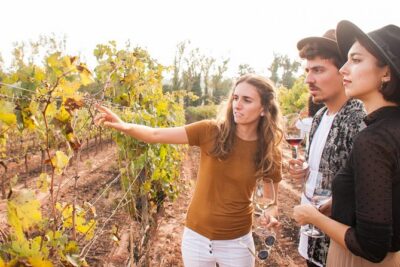
Montserrat & Cogwheel Train, Gourmet Wine Tasting & Tapas/Lunch
Read our review →
Barcelona Tapas and Wine Experience Small-Group Walking Tour
Read our review →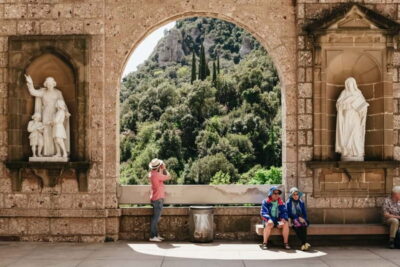
Barcelona: Montserrat, Cogwheel, Black Madonna & Winery Tour
Read our review →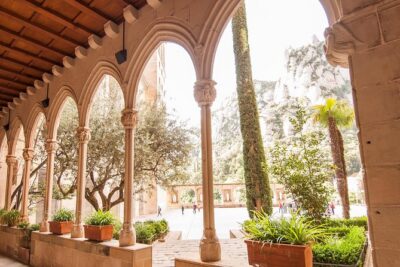
Montserrat with Black Madonna & Medieval Winery with Tapas/Lunch
Read our review →
Barcelona: Tapas Walking Tour with Food, Wine, and History
Read our review →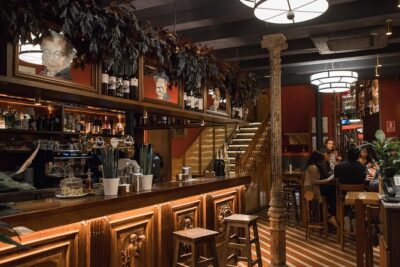
Madrid Tapas & Wine Tasting Walking Tour – Small Group Local Bars
Read our review →
Sevilla Food Tour: Tapas, Wine, History & Traditions
Read our review →Lists this tasting sits in