
Review · CHAMPAGNE
From Paris: Small-Group Champagne Tour with 3-Course Lunch
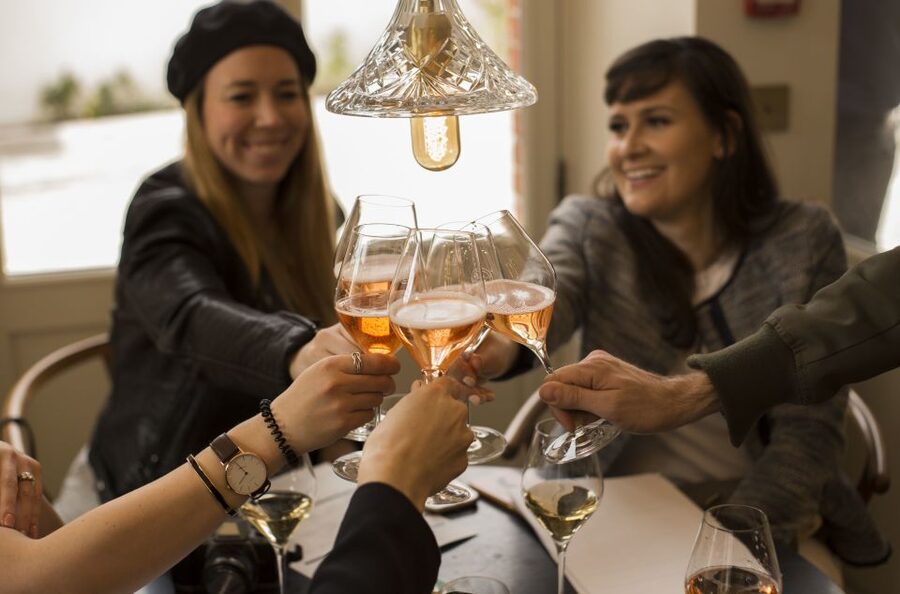
The best part of this day is the contrast between a famous Champagne house and a small family producer. One stop shows you the scale of the business, while the other brings you closer to the people, vines, and hands-on work behind the bottle. I especially like the vineyard blind tasting and the chance to compare several styles in one day.
I also like the hotel pickup, comfortable minivan, and guides such as Sebastian, Tomer, Max, and TJ, who are often praised for their warmth, timing, and local knowledge. The main drawback is simple: 11 hours is a long day, and traffic or cellar schedules can change the order of the stops. Lunch is included, but drinks at the restaurant cost extra.
Key points at a glance
- Two very different Champagne producers: Compare a large house such as Moët & Chandon, Veuve Clicquot, Taittinger, Mercier, or Nicolas Feuillatte with a smaller estate.
- Up to six glasses included: Tastings introduce you to Blanc de Blancs, Blanc de Noirs, rosé, Premier Cru, and Grand Cru styles.
- A proper three-course lunch: Enjoy French cooking at a local restaurant, though soft drinks, water, and other beverages are extra.
- A guide-led day from Paris: Hotel or Airbnb pickup and drop-off remove the need to manage trains, taxis, and winery reservations.
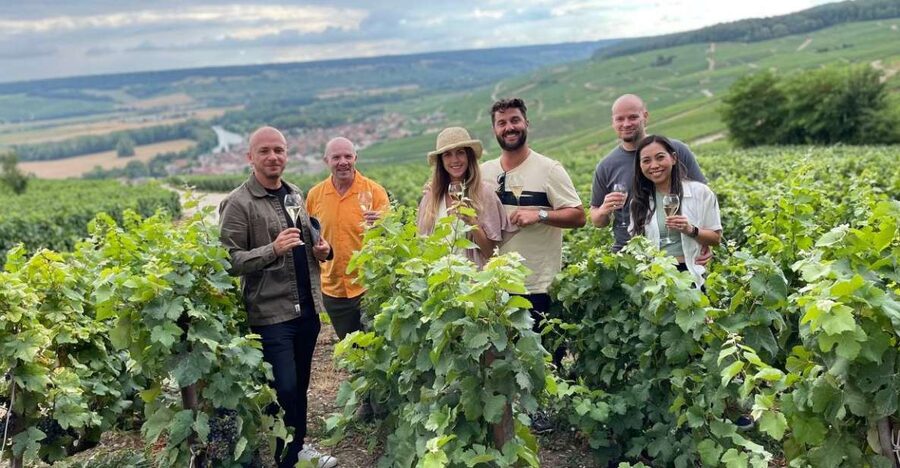
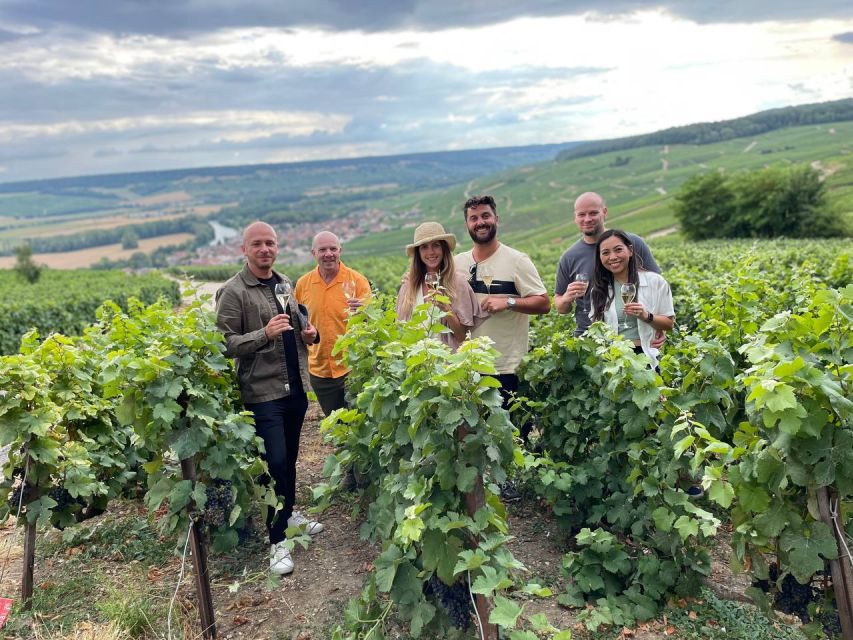
- Vineyard views and a blind tasting: Depending on weather and timing, you may taste Champagne outdoors and learn to identify different styles.
- Small-group comfort: The minivan keeps the day personal, though seating can occasionally be less convenient for couples.
Why this Champagne day trip works so well
Champagne is far enough from Paris that visiting independently takes planning. You need to choose between Reims and Épernay, reserve house visits, arrange transport between vineyards, and keep track of tasting times. This tour handles those moving parts in one full day.
You leave Paris in an air-conditioned minivan and travel roughly two hours each way. That is a lot of road time, but it also lets you see the countryside without renting a car or worrying about drinking and driving. Hotel or Airbnb pickup is especially useful if you are staying outside the immediate center of Paris.
The small-group format matters here. A guide can explain what you are seeing as you pass through the region, answer questions about production, and adjust the pace when the day allows. Guides named in the booking history include Sebastian, Tomer, Max, TJ, Arthur, Hugo, Alex, Benoit, and Sacha. The exact guide is not guaranteed, but the experience depends heavily on having someone who can connect the stops into a clear story.
The company also offers private groups. If you want a more flexible day or are marking a birthday or family occasion, that option may be worth the added cost. The standard small-group tour is the better value for most people who enjoy meeting other visitors and want a set plan.
More Champagne house visits around Paris:
- Champagne Day Trip with 6 Tastings, Reims and Winery from Paris
★ 5.0 · 902 reviews - From Paris: Reims and Champagne Tasting Full-Day Tour
★ 4.8 · 610 reviews - From Paris: Small-Group Champagne Day Trip with Six Tastings
★ 4.9 · 289 reviews
The road from Paris to Épernay
The first drive takes about two hours, though traffic can stretch it. Your guide uses this time to introduce Champagne, its grape varieties, the local soil, and the rules that make Champagne different from other sparkling wines.
You will hear about the three main grapes used in the region: Chardonnay, Pinot Noir, and Pinot Meunier. You will also begin to understand terms that often appear on a bottle but can seem confusing in a shop. Blanc de Blancs is made from white grapes, generally Chardonnay. Blanc de Noirs is made from dark grapes, usually Pinot Noir or Pinot Meunier. Rosé Champagne has its own color and production methods.
This background is useful because the tastings are not just a parade of glasses. You can pay attention to how grape variety, age, producer size, and village affect what you taste. The guide also explains terroir, meaning the way soil, slope, climate, and local growing conditions shape the wine.
Some schedules include time in Reims, including a stop at Notre Dame Cathedral. Other days focus more closely on Épernay and the vineyards. The exact order depends on the opening times of the houses, traffic, and the day’s schedule.
Épernay and the first Champagne tasting
Épernay is one of the main centers of Champagne production. It is a natural place to begin because several major houses are associated with the town and its famous Avenue de Champagne.
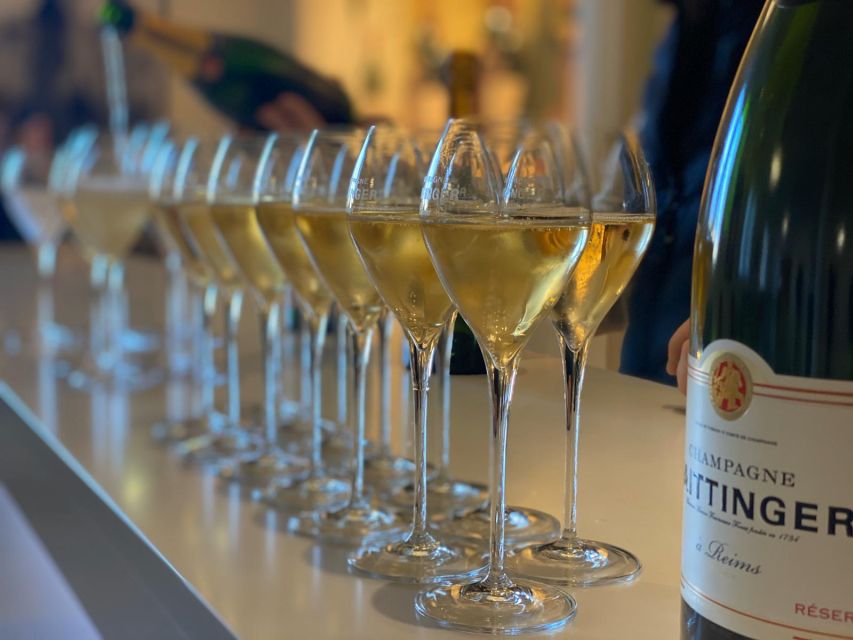
The planned two-hour stop combines a guided visit with tasting. The house may be Mercier, Nicolas Feuillatte, Veuve Clicquot, Taittinger, Moët & Chandon, Boizel, or another respected producer. You cannot assume a specific brand unless you contact the operator before booking and ask about availability.
That uncertainty is important. If your heart is set on Moët & Chandon or Veuve Clicquot, ask in advance rather than treating the advertised list as a promise. The good news is that the visit is designed to show you how an established house operates, even if the name changes.
A major producer gives you scale. You may see how bottles are stored, moved, aged, and presented to an international market. The cellars also show why Champagne production requires time, space, and careful control. At some houses, the underground passages and displays are as memorable as the tasting itself.
The cellars can be cold and damp. Bring a jacket or warm layer, even in summer. Comfortable shoes are sensible too, since a cellar tour means standing and walking rather than simply sitting at a tasting table.
A French lunch with time to slow down
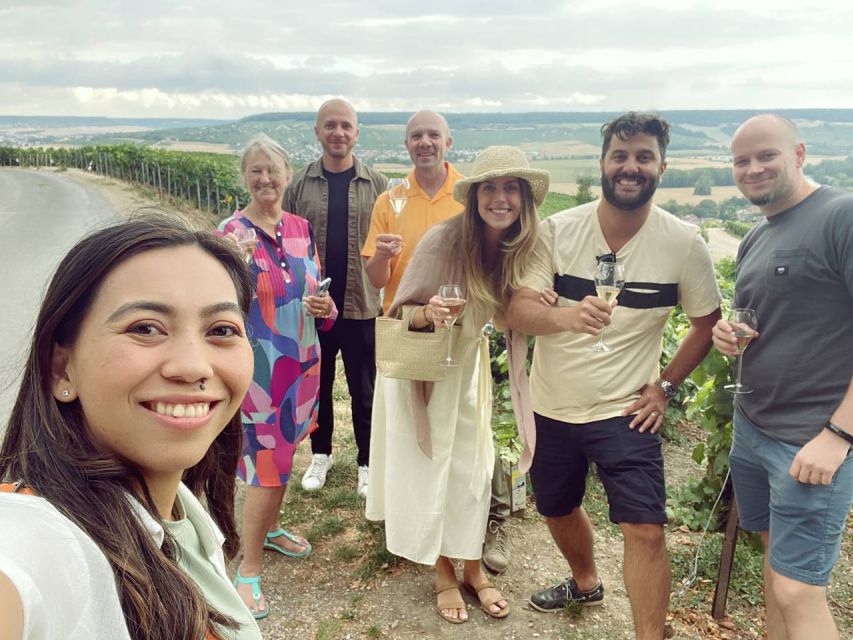
Lunch lasts about an hour and a half, normally at a local restaurant. The three-course meal is included, which gives the tour a useful break between cellar visits and tastings.
This is more than a practical meal. French food is part of the Champagne experience, and a regional lunch gives you a chance to see how the wine fits with the table. Several accounts describe the food as delicious, generous, or far better than expected. One day included a meal at a small Champagne house, while others used restaurants in Épernay.
The exact restaurant can change. One past lunch was described as good but somewhat rushed, and another received criticism for small portions. That is worth keeping in mind if you prefer a leisurely, elaborate meal. The schedule has several fixed appointments, so lunch cannot expand indefinitely.
Drinks are not included with the meal. Soft drinks, still or sparkling water, alcohol, and other beverages are extra. This can make the final bill higher than expected, especially since you will already have sampled several glasses during the day. If you want to control spending, ask about the drink prices before ordering.
Eat properly, too. The tour can include six or more tasting pours, depending on the day and the houses visited. A few accounts describe additional glasses beyond the listed allowance, but you should not count on extras. A solid lunch makes the rest of the afternoon more comfortable.
More wine days with lunch around Paris:
- From Paris: Day Trip to Champagne with 8 Tastings & Lunch
★ 4.8 · 1,501 reviews - Paris Cooking Class and Lunch with Wine plus Market Visit Option
★ 5.0 · 1,024 reviews - Paris: Wine and Cheese Lunch
★ 4.9 · 596 reviews - From Paris: Champagne Day Trip with 7 Tastings and Lunch
★ 4.6 · 97 reviews
The smaller estate and the human side of Champagne
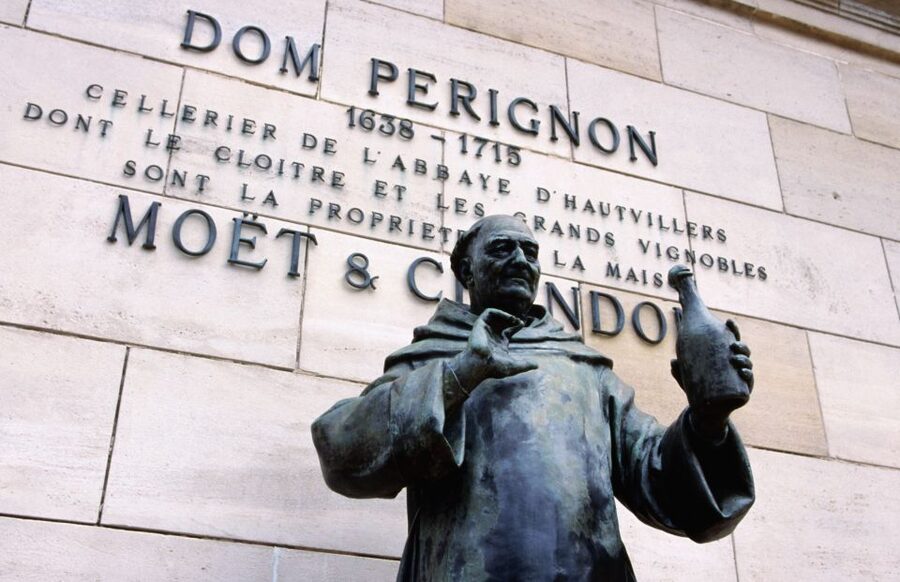
The smaller producer is often the most personal part of the day. Instead of seeing a large international brand, you meet people connected to a particular estate and learn how their Champagne is made and sold.
This stop can show you details that a major house cannot. You may hear about the family’s history, the vineyards they work, and the differences between their cuvées. One small producer featured interactive tasting games, while another offered a meal surrounded by local products.
The point is not that small is always better. Large houses can offer impressive facilities, strong organization, and a clear picture of global Champagne production. Small estates offer a closer look at personal choices and local identity. Seeing both gives you a fairer understanding of the region.
This is also where your guide’s personality matters most. Guides such as Tomer, Sebastian, Max, and Thomas have been singled out for keeping the group relaxed, answering questions, and adding small surprises. Some guides have included games, photography help, historical stops, or a lesson in opening a bottle with a sabre.
Sabrage is a traditional way to open a Champagne bottle with a sword. It is a fun demonstration, but do not expect it on every departure. The details vary with the guide, weather, and available time.
Vineyard views and the blind tasting
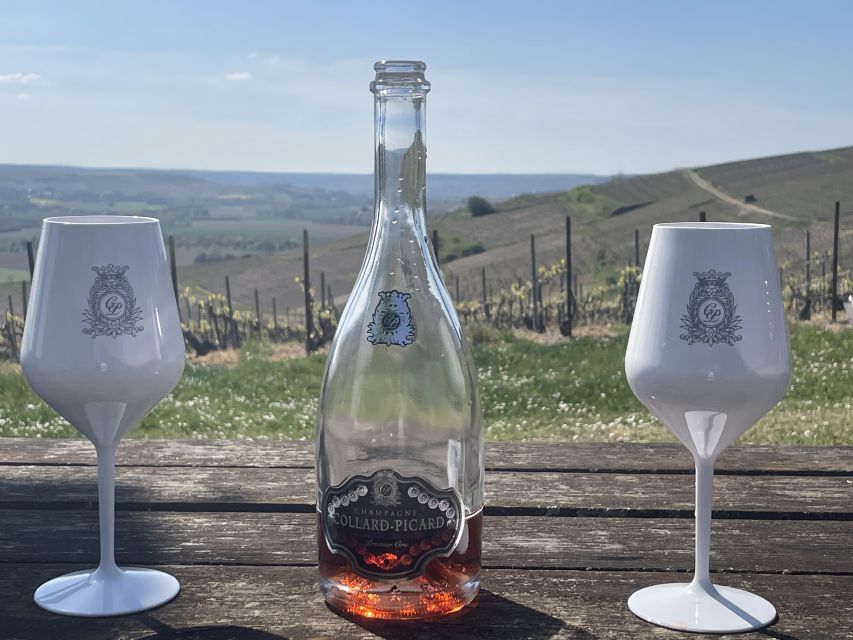
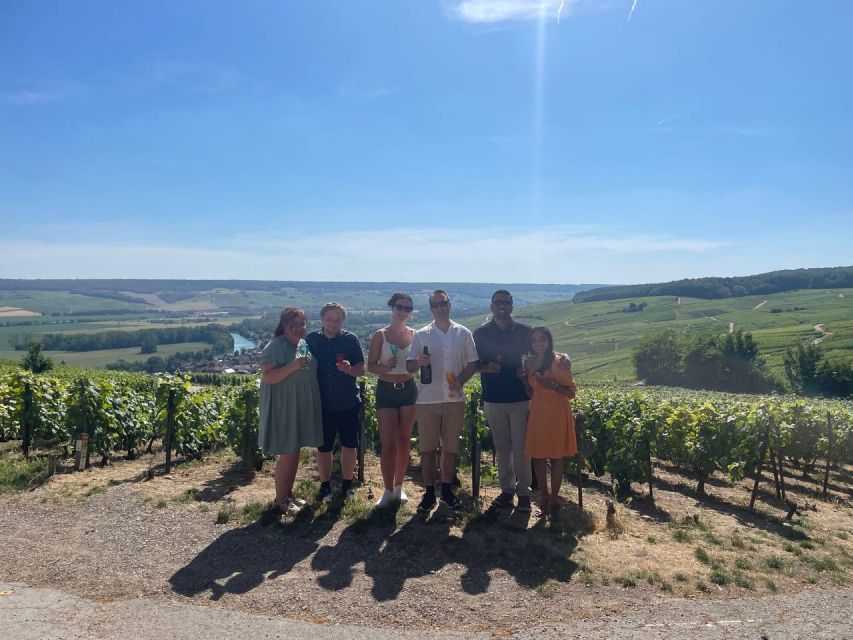
The stop in the Marne area is built around scenery and a tasting. You may pause at a hillside viewpoint, see the vines up close, and sample Champagne outdoors. This is one of the most appealing parts of the day because it connects the drink in your glass with the fields where the grapes grow.
The vineyard stop is not guaranteed. Weather, season, and the timing of the other tours can make it impossible. The operator also warns that the route may change order during the day. If the vines are a major reason you are booking, consider this a likely feature rather than an absolute promise.
The blind tasting adds a useful challenge. You taste without seeing the label and try to distinguish styles by color, aroma, structure, and finish. You will not become a sommelier in one afternoon, but you will leave with a better method for tasting instead of simply deciding that you like or dislike a wine.
The view also gives you a break from indoor visits. After roads, cellars, restaurants, and guided explanations, a few quiet minutes among the vines can be the day’s most memorable pause. Bring a phone or camera, but keep your attention on the valley too.
What you will learn about Champagne
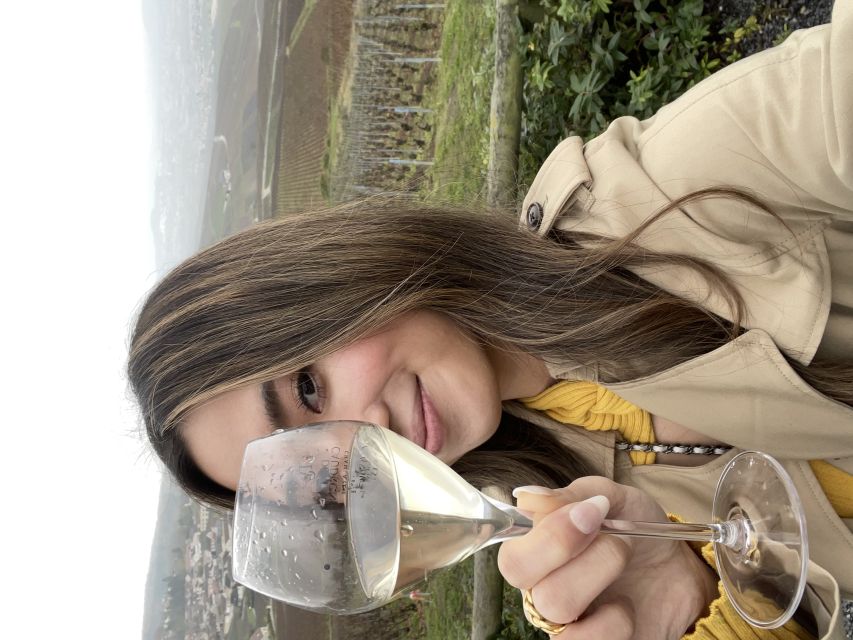
By the end of the day, you should have a practical grasp of several important categories.
Blanc de Blancs usually highlights Chardonnay. It can taste lighter, fresher, or more mineral, though the exact character depends on the producer and age.
Blanc de Noirs is made from dark grapes such as Pinot Noir and Pinot Meunier. These wines often feel fuller or more structured.
Rosé Champagne has a pink color and can show fruitier notes, but it is still a serious wine rather than simply a sweet option.
Premier Cru and Grand Cru refer to classifications connected to vineyard villages. They are not automatic guarantees that you will prefer the wine, but they tell you something about the official standing of the grapes’ origin.
Terroir describes the effect of place on the wine. The tour links this idea to the soil, slopes, grape varieties, and local growing conditions you see from the road and at the vineyards.
This explanation is a real strength of the experience. Many Champagne tastings give you a glass and a brand story. Here, the mix of large and small producers helps you compare production styles, marketing, cellar size, and flavor.
The long return to Paris
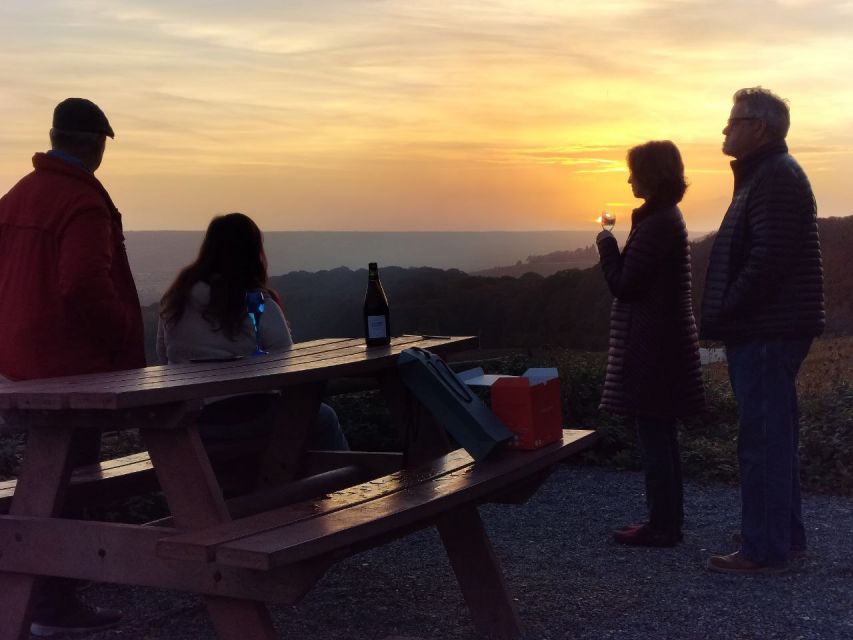
After the final tasting, you return to Paris by minivan. The drive is scheduled at about two hours, but the actual time depends on traffic and the day’s appointments.
Hotel drop-off is a welcome feature at the end. After an 11-hour day with wine, food, walking, and road travel, you will be glad not to find your way from a station or arrange a taxi. The driver-guide handles the return, though you should expect a late finish depending on the departure time.
The van is air-conditioned, and the transport receives a high rating in the booking information. Seating can occasionally be imperfect for couples if the group is full, so ask about the vehicle and group size if sitting together is essential.
Is $411 a fair price?
At $411 per person, this is not a budget excursion. It becomes easier to justify when you add up what is included: round-trip transport from Paris, a driver-guide, a major Champagne house visit, a smaller producer, several tastings, a three-course lunch, bottled water, and hotel drop-off.
Independent visitors could spend less by taking the train and visiting fewer places. But they would need to arrange winery appointments, pay for local transport, and manage the timing themselves. The value here is convenience and range. In one day, you see different kinds of Champagne production without driving after tastings.
The price makes the most sense for first-time visitors to the region, couples celebrating something special, and anyone who wants an organized day rather than a research project. It is less appealing if you already know the producers you want to visit or prefer to stay several nights in Épernay and explore slowly.
The included tasting allowance is up to six glasses, though the total can vary with the schedule. Lunch drinks and optional purchases are extra. Keep room in your budget if you hope to buy bottles or order wine with the meal.
Who should book this experience?
Book it if you want a full introduction to Champagne from Paris and value having transport, reservations, and explanations handled for you. It suits adults who enjoy wine, food, countryside views, and a busy but varied day.
It is also a good choice for a birthday, anniversary, or family celebration. Guides have helped mark special occasions, and the private option may suit groups that want more control over the route.
Think twice if you dislike long drives, fixed schedules, or group touring. The day is full, and the order of stops can change. People under 18 may receive non-alcoholic grape juice, but the experience is clearly built around adult wine tasting.
You can cancel up to 24 hours before departure for a full refund, and the reserve-now, pay-later option keeps your plans flexible. Pickup details are confirmed the day before, so make sure the operator has the correct hotel or Airbnb address.
Should you book it?
I would book this tour if you have one day for Champagne and want to see both the polished world of a major house and the personal side of a smaller estate. The strongest parts are the guide-led comparisons, the vineyard tasting, the food, and the ease of hotel pickup and drop-off.
I would not book it expecting a slow rural retreat. This is a long, carefully timed day with road travel, indoor tours, and several tastings. Contact the operator first if a particular house is essential, and bring a jacket for the cellars. For most first-time visitors from Paris, the mix of education, scenery, food, and wine makes the $411 price reasonable.
FAQ
How long is the Champagne tour from Paris?
The tour lasts about 11 hours, including travel between Paris and the Champagne region.
Is hotel pickup included?
Yes. Pickup and drop-off at your hotel or Airbnb in Paris are included. The operator contacts you the day before to confirm the location.
Which Champagne house will I visit?
The major house is selected according to availability. Possible producers include Mercier, Nicolas Feuillatte, Veuve Clicquot, Taittinger, Moët & Chandon, and Boizel. Contact the operator if you have a specific preference.
Are Champagne tastings included?
Yes. The experience includes Champagne tasting and up to six glasses. The exact selection can vary with the producers and schedule.
Is lunch included?
Yes. A three-course lunch at a local restaurant is included in the tour price.
Are drinks with lunch included?
No. Soft drinks, still or sparkling water, alcohol, and other beverages at the restaurant are extra.
Will I visit vineyards?
The route includes a photo stop and tasting in the Marne area, often near the vines. The operator notes that a vineyard visit may not be possible in some conditions because of weather or scheduling.
Are the cellars cold?
Yes. Champagne cellars are often cold and damp, so bring a jacket or an extra layer.
Is the tour conducted in English?
Yes. The listed live guide language is English.
Can people under 18 join the tour?
Yes, but people under 18 may be offered non-alcoholic grape juice instead of Champagne.
Freshly poured around Paris
- Private tour of Paris by Night with Champagne★ 4.7 · 323 reviews
- Paris: Wine Tasting Experience with 6 Wines and Cheese Board★ 4.9 · 80 reviews
- Paris: Wine and Cheese Tasting with a Chef Sommelier★ 4.7 · 277 reviews
- Paris: Wine and Cheese Tasting★ 4.6 · 91 reviews
- Paris: Tasting of 3 Wine and 3 Cheese★ 5.0 · 74 reviews
- Paris: The Ultimate Wine and Cheese Tasting in English★ 5.0 · 33 reviews
- Paris: The Ultimate Wine Tour of Montmartre – 7 Guests max★ 5.0 · 28 reviews
- Paris : Scenic Cruise on the Seine River with Champagne★ 4.0 · 81 reviews
Champagne Tours, side by side.
Small Group Key West Adult Sunset & Moët Sail & Amazing Cheeses
Read our review →
Champagne Day Trip with 6 Tastings, Reims and Winery from Paris
Read our review →
From Reims: Champagne and Family-Run Wineries Tour
Read our review →
From Paris: Reims and Champagne Tasting Full-Day Tour
Read our review →
Epernay: Guided Tour of Champagne Cellar with Tastings
Read our review →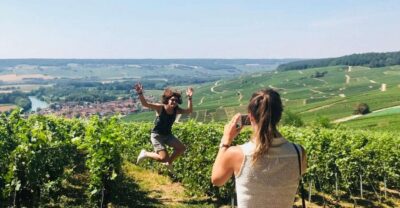
From Reims: Morning Champagne Tour and Tastings
Read our review →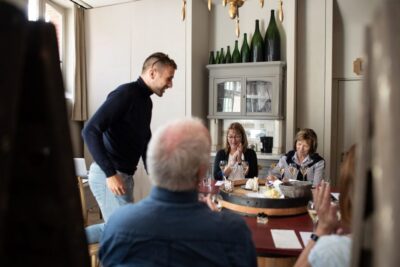
Lists this tasting sits in