
Review · AVIGNON
From Avignon: Wine Tour with Visit to Châteauneuf du Pape
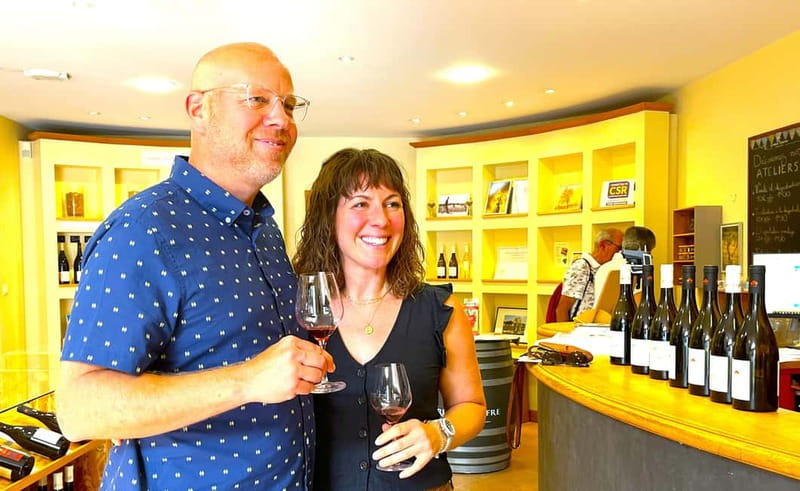
The best thing about this small-group Rhône wine tour is its range: in one outing, you taste Muscat from Beaumes-de-Venise, bold reds from Gigondas, and the famous wines of Châteauneuf-du-Pape. Guide Arnaud adds meaning to the scenery, explaining how mountain shelter, Mistral winds, river stones, and altitude affect the vines.
I like the personal scale and the local food. With no more than six people in the car, the day feels closer to a hosted country outing than a bus tour, and the picnic may include goat cheese, tapenades, eggs, fruit, and grape juice sourced around Arnaud’s village. The main consideration is comfort: the vehicle can feel cramped with a full group, and some Châteauneuf tastings may focus on young wines rather than older bottles.
Quick points to know
- Three appellations in one outing: Beaumes-de-Venise, Gigondas, and Châteauneuf-du-Pape each show a different side of the Southern Rhône.
- At least nine wines: You taste a minimum of three wines at each of three wineries, with the exact selection varying by estate.
- Arnaud leads the tour: He speaks French and English and explains both wine and countryside as you drive.
- The picnic is seasonal: Morning departures from April through October include local farm produce. Afternoon tours and winter morning tours do not.
- Six people maximum: The intimate group size allows questions and unhurried conversations, though legroom may be limited.
- Avignon pickup is simple: Meet in front of Hôtel Le Bristol, where you’ll look for the black Ventourisme car.
Three Southern Rhône styles in one day
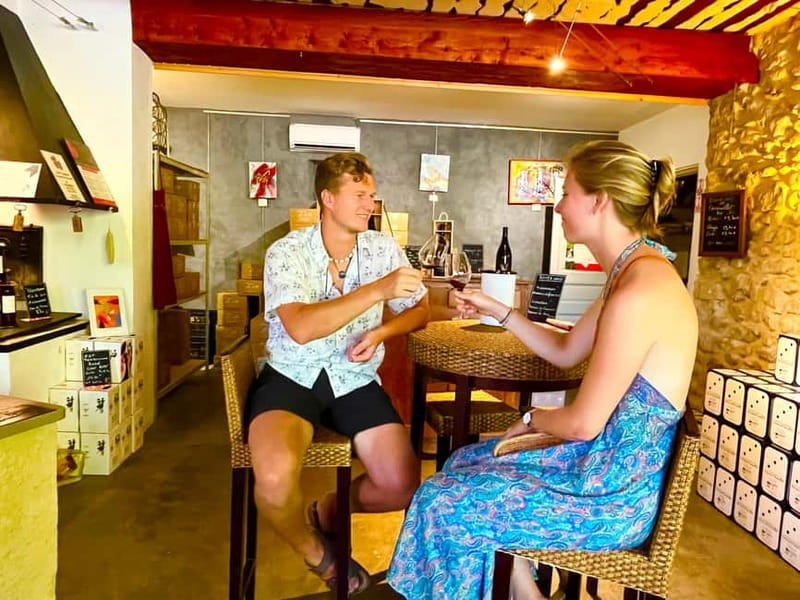
This tour works because the stops are not three versions of the same wine. The route links three nearby but distinct appellations, so you can taste the effects of soil, weather, elevation, and grape selection rather than simply counting glasses.
Beaumes-de-Venise sits on the southern side of the Dentelles de Montmirail, a set of three pointed mountain ranges. The mountains shelter the area from wind and help create a warmer, calmer setting. That is why the appellation is especially famous for Muscat, a naturally sweet wine with AOC status since 1943.
Gigondas lies on the northern side of the Dentelles, where the Mistral can blow for roughly 150 days a year. The wind is cold, but it dries the vines after rain and helps protect them from disease. Gigondas also reaches higher ground, from about 100 to 600 meters, and its sandy marl soils help give the wines their own character.
Then comes Châteauneuf-du-Pape, the most famous name of the three. Large rounded river stones cover parts of the vineyards, absorbing heat during the day and releasing it later. The appellation is mostly red wine, about 92 percent of production, though white wine accounts for the rest. Its first French AOC designation dates to 1936, and well-made bottles can often age for 20 to 30 years.
You do not need a trained palate to enjoy this comparison. Arnaud’s explanations give you useful things to watch for, and tasting across three areas helps you notice differences without turning the day into a classroom.
More wine tours around France:
- Authentic Parisian Gourmet Food Tour with 10 Local Dishes & Wines
★ 5.0 · 4,754 reviews - Loire Valley Castles Day Trip from Paris with Complementary Wine
★ 4.5 · 3,907 reviews - Bordeaux: Cité du Vin Entry Ticket and Wine Tasting
★ 4.6 · 3,885 reviews
Morning route: Beaumes, Gigondas, then Châteauneuf
The full morning-to-afternoon version runs from 9:30 a.m. to about 3:30 p.m. From April through October, it includes three winery visits and a picnic. This is the best choice if you want the complete food-and-wine outing and have enough room in your day.
The first tasting takes place in Beaumes-de-Venise and lasts about 45 minutes. Expect the local sweet Muscat to be part of the story, along with red wine from the appellation. Muscat works as an aperitif, but it can also pair with dessert, blue cheese, or charcuterie. That makes it a useful introduction to the region because it immediately breaks the idea that Southern Rhône wine means only powerful red bottles.
The terrain here can include limestone, sandstone, sandy soil, and clay. You will not simply hear a list of soil types. The point is to connect the ground under the vines with the style in your glass, which makes the tasting more memorable.
The Gigondas stop lasts about an hour. Gigondas is best known for red wine, with rosé also permitted under the appellation. White Gigondas is a very recent addition, joining the AOC in 2023, so the tasting may offer a glimpse of a changing wine region.
This is also a good place to pay attention to the setting. The Dentelles de Montmirail and open vineyard views give the stop much of its appeal. Several visits described family-run estates, friendly hosts, and smaller producers rather than a high-volume cellar-door operation. That can mean a more personal welcome, though the exact winery depends on the day.
A picnic made from the villages around Avignon
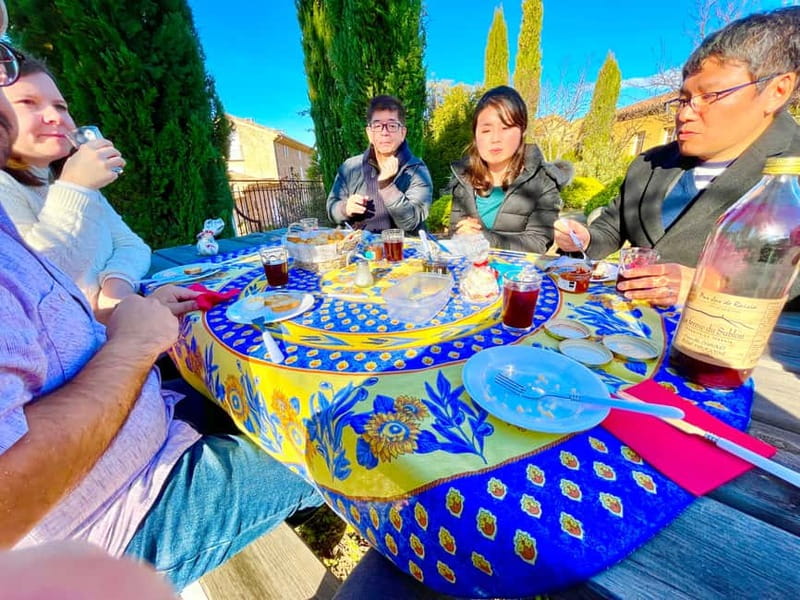
The seasonal picnic is not a restaurant lunch. It is better understood as a generous local snack served during the middle of the outing, usually around the Gigondas stop. Past menus have included boiled eggs, bread, fresh goat cheese, black olive tapenade, sweet pepper tapenade, seasonal fruit, clementines, and fruit juice.
Arnaud sources much of the food from local farms and his village, and some ingredients may come from his own garden. That local touch matters because it gives the break a strong sense of place without adding a formal meal or long restaurant stop. You might taste Muscat grapes as fruit, juice, and wine during the same day, a small but satisfying connection between farm produce and the glass.
The picnic lasts about an hour. You can use that time to eat, ask questions, and enjoy the vines and mountain views. If you need a full lunch, plan accordingly. The food is fresh and substantial enough for many people, but the experience is not presented as a multi-course meal.
The picnic is included only on morning departures from April to October. The afternoon route has no meal, and the shorter winter morning tour also excludes it. This seasonal difference is important when comparing the price and timing.
Châteauneuf-du-Pape brings the famous name
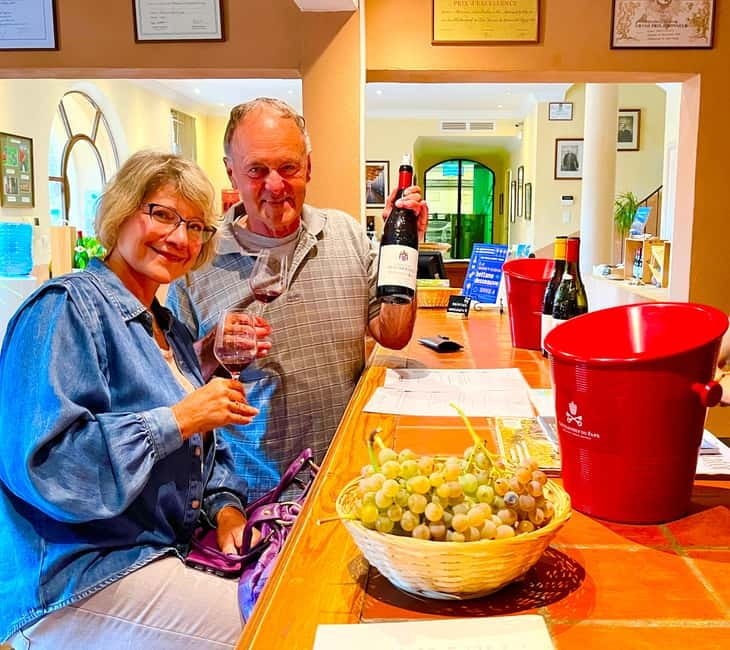
The final wine stop on the long morning route is Châteauneuf-du-Pape, with about an hour devoted to tasting. This is the name many people recognize before arriving, and it gives the tour a strong finish.
The appellation is especially associated with full-bodied red wine and the large stones scattered through its vineyards. Clay, sand, sandstone, and limestone also appear in the area, so the stones are only one part of the explanation. Arnaud may also point out the village or castle area if the group shows interest, adding a visual connection to the place behind the label.
The Châteauneuf tasting can be the favorite stop for people who already love the appellation. Still, you should keep your expectations sensible. A tasting is not necessarily a chance to sample decades-old bottles. At least one outing included young wines here, while other stops offered bottles that some people preferred. That is not a flaw in the appellation, but it is a reminder that a winery visit reflects the estate’s current selection, not every possible level of Châteauneuf-du-Pape.
You also have the chance to compare the famous name with the less familiar wines tasted earlier. That comparison is one of the tour’s real strengths. Châteauneuf may be the most celebrated, but Beaumes-de-Venise and Gigondas can offer surprises, especially if you usually drink only the best-known Rhône labels.
Same vines, another glass to try:
- Bordeaux: River Garonne Cruise with Glass of Wine and Canelé
★ 4.5 · 3,630 reviews - Montmartre Hill French Gourmet Food and Wine Tasting Walking Tour
★ 5.0 · 2,588 reviews - Paris: Montmartre Cheese, Wine & Pastry Guided Walking Tour
★ 4.8 · 2,255 reviews - From Paris: Loire Valley Castles Day Trip With Wine Tasting
★ 4.6 · 1,727 reviews
Afternoon and winter versions
The year-round afternoon route runs from about 2:00 to 6:30 p.m. It visits the same three areas in reverse order: Châteauneuf-du-Pape, Gigondas, then Beaumes-de-Venise. There is no picnic, so this timing suits you if you prefer a later start or already have lunch plans.
The reverse order changes the rhythm of the day. You begin with the iconic appellation, move through Gigondas, and finish with the sweet wines of Beaumes-de-Venise. It is a good option for a half-day schedule, though the afternoon light and winery opening times can vary with the season.
From November through March, the morning outing is shorter, running about 9:30 a.m. to 12:30 p.m. It includes two estates, one in Gigondas or Beaumes-de-Venise and another in Châteauneuf-du-Pape, without food. This is not the full three-winery version, so check the seasonal format carefully before booking.
The published duration is shown inconsistently as three hours to 330 minutes, but the seasonal schedules clarify the practical timing. Plan on roughly three hours for the winter morning option, four and a half hours for the afternoon route, and six hours for the long morning tour with picnic.
Why Arnaud makes a difference
A wine tour can be only as good as the person connecting the stops. Arnaud, the owner and guide of Ventourisme, has strong ties with the estates and knows the local roads, villages, and growing areas. His role is not limited to driving between tastings.
He explains the natural features along the way, introduces the history of each winery, and helps you understand why the three appellations taste different. His English is described as excellent, and he can guide a mixed French and English group. That matters if people in your party have different language preferences.
The tone is relaxed. Arnaud is happy to answer questions, explain French pronunciations, and adjust the pace when the group wants more information. Several outings ran longer than expected because the conversation continued, which can be a benefit if you enjoy discussion and a drawback if you have a strict appointment afterward.
The small group, limited to six, is a major part of the value. You can ask about a grape, a soil type, or a bottle without trying to catch the guide’s attention from the back of a coach. It also helps at small estates, where a quieter visit feels more natural.
Transport, comfort, and practical limits
Pickup and drop-off take place in front of Hôtel Le Bristol in Avignon. Look for a black car marked Ventourisme. If you are staying outside Avignon itself, contact the provider because another pickup arrangement may be possible.
The car is comfortable enough for a small group, but it is not a large touring vehicle. One person found the ride cramped with three people, and another advised keeping the group below five for maximum comfort. If you are tall, have long legs, or dislike close seating, ask about the vehicle before committing.
Large bags, oversized luggage, and walking frames are not allowed in the car. Leave your suitcase at your accommodation rather than treating the outing as a transfer.
The tour may be canceled in poor weather. That is understandable for a vineyard trip, since much of the pleasure comes from the countryside and outdoor views. The activity is not suitable for pregnant women or people with heart problems, according to the stated restrictions.
The guide drives, so you can taste without worrying about a rental car. That alone adds real value in the Rhône Valley, where the wineries are spread across several villages and responsible driving matters.
Is $93 a fair price?
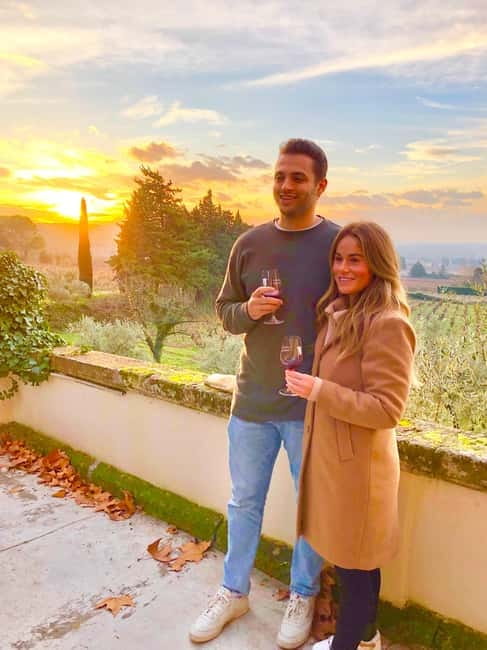
At $93 per person, the value is strong for the full seasonal morning outing. You receive transport from Avignon, at least nine wines across three wineries, a guide who provides regional context, and a picnic made with local products. Buying separate tastings and arranging a driver could easily cost more, while losing the local connections that make the day feel personal.
The price is harder to assess without adjustment for the shorter winter route. From November through March, you visit only two estates and receive no picnic, so the experience is smaller even if the cost remains similar. The afternoon route includes three wineries but no meal.
You should also remember that wine purchases are extra. There is no pressure to buy, but the small-producer visits may tempt you. Leave room in your luggage if you already know you like taking bottles home, and check the rules for transporting wine on the next part of your trip.
I see the greatest value here in the combination of transport, access, interpretation, and food. This is not merely a series of tastings. You get a guided comparison of three appellations, with the practical benefit of someone else handling the roads.
Who should book this outing?
I would recommend it to you if wine interests you but you do not want a technical seminar. Arnaud’s explanations make the region easier to understand, while the scenery, villages, and small estates keep the day varied.
It is also a strong choice for people staying in Avignon without a car. You can reach three major wine areas in one outing and avoid the complications of designated driving and rural navigation.
The tour suits couples, friends, and solo visitors who enjoy small groups. It is less suitable if you want a large vehicle, a formal gourmet lunch, or a guarantee of aged Châteauneuf-du-Pape. The exact winery selection and wines can vary, and some tastings may feature younger bottles.
For the fullest version, I would choose a morning departure between April and October. You get the picnic, the longer schedule, and all three winery visits. If you prefer a relaxed afternoon, book the reverse route, but arrange your own meal.
Should you book it?
Book this tour if you want three Southern Rhône appellations in one day, personal explanations from a local guide, and a small group instead of a crowded coach. The picnic and family-run wineries add a useful sense of place, while the wine comparison gives you more than a quick tasting.
Think twice if comfort in a small car is a major concern, if you need luggage transport, or if your main goal is sampling mature Châteauneuf-du-Pape. For most visitors based in Avignon, though, $93 is a sensible way to reach the vineyards and understand what makes Beaumes-de-Venise, Gigondas, and Châteauneuf-du-Pape different.
FAQ
Where does the wine tour start and finish?
The tour starts and ends in front of Hôtel Le Bristol in Avignon. The guide drives a black car marked Ventourisme.
How many wineries will I visit?
The full April to October and afternoon routes visit three wineries, with one in Beaumes-de-Venise, one in Gigondas, and one in Châteauneuf-du-Pape. The winter morning version visits two estates.
How many wines are included?
The full three-winery tour includes a minimum of three wines at each estate, or at least nine wines in total.
Is the picnic included?
A picnic is included only on morning tours from April through October. Afternoon tours and morning tours from November through March do not include a meal.
What food is served at the picnic?
The picnic uses fresh local products and may include eggs, bread, black olive tapenade, sweet pepper tapenade, fresh goat cheese, seasonal fruit, and fruit juice.
How many people are in the group?
The group is limited to six participants. The tour uses a small car, which some people may find cramped when it is full.
What languages does the guide speak?
The tour is offered in French and English. The guide is Arnaud.
Can I bring luggage or a walking frame?
No. Oversized luggage, large bags, and walking frames are not allowed in the car.
Freshly poured around France
- Private Tasting in Beaune : The Best of Burgundy Wines★ 4.9 · 66 reviews
- Semi Private Solar Boat Cruise in Champagne★ 4.9 · 32 reviews
- Private tour of Paris by Night with Champagne★ 4.7 · 323 reviews
- Montpellier: Pic Saint-Loup Wine Tour★ 4.9 · 290 reviews
- Passy-Grigny: Chocolate and Champagne Tasting Tour★ 4.8 · 284 reviews
- Paris: Wine Tasting Experience with 6 Wines and Cheese Board★ 4.9 · 80 reviews
- Paris: Wine and Cheese Tasting with a Chef Sommelier★ 4.7 · 277 reviews
- Paris: Wine and Cheese Tasting★ 4.6 · 91 reviews
Avignon Wine Tours, side by side.
From Avignon: Châteauneuf du Pape Half-Day Wine Tour
Read our review →
Provence Cru Wine Small-Group Half-Day Tour from Avignon
Read our review →
Châteauneuf du Pape Wine Day Tasting Tour including Lunch from Avignon
Read our review →
Avignon: Historic District Guided Food & Wine Walking Tour
Read our review →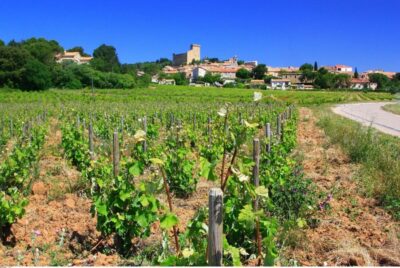
Avignon: Full-Day Wine Tour around Châteauneuf-du-Pape
Read our review →
Avignon: Full-Day Châteauneuf du Pape Wines & Luberon Tour
Read our review →Lists this tasting sits in