
Review · FLORENCE
Florence: Wine-tasting Experience in Front of Ponte Vecchio
A wine tasting beside the Ponte Vecchio is hard to beat for setting, but the best part here is the hands-on format. You learn how to look, smell, and taste wine, then test those ideas with two Tuscan bottles. I especially like the simple instruction for beginners and the chance to continue at your own pace rather than sit through a long lecture.
I also like the small 100 ml bottles, which use preservation technology to keep the wines fresh and aromatic. The olives, peanuts, taralli, and choice of still or sparkling water make this feel like a relaxed break in the city. The main limitation is the short one-hour length: you get a useful introduction, but not a full tour of Tuscan wine regions or a large flight of wines.
Key points to know before booking
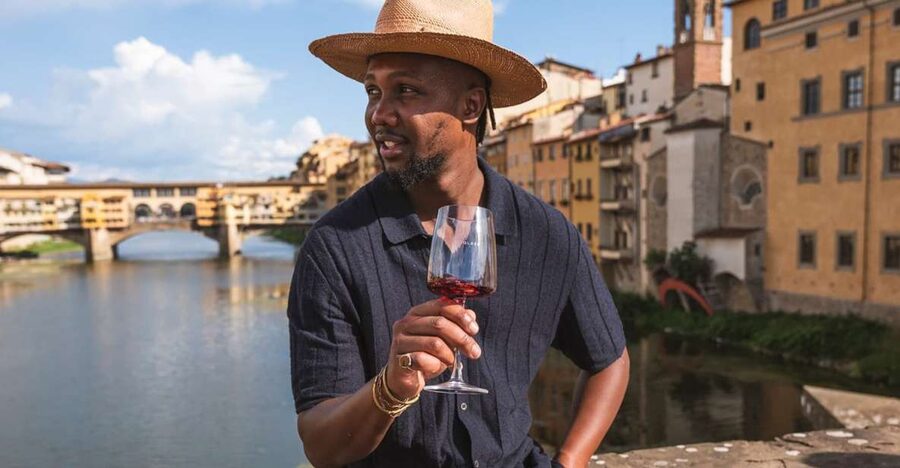
- Ponte Vecchio setting: Firstglass is just steps from one of Florence’s best-known sights, with a view that adds real atmosphere to the tasting.
- Two wines, not a large flight: You choose two selected Italian wines, with options such as Chianti and Vermentino.
- A practical tasting lesson: You learn how to judge color, aroma, structure, and balance without needing technical wine knowledge.
- Independent tasting time: After the short introduction, you compare impressions and explore the wines at your own pace.
- Snacks included: Olives, peanuts, taralli, and still or sparkling water come with the tasting.
- Wine-window option: You can order more wine afterward, including labels available through the historic wine window.
Why this one-hour tasting works in Florence
Florence offers plenty of grand museums, church interiors, and crowded piazzas. This experience gives you something different: a brief, social pause built around a basic part of Tuscan culture. You are not being taken out into the countryside, and you are not visiting a vineyard. Instead, you are tasting wine in the center of town, close enough to the Ponte Vecchio to fit easily into a day of sightseeing.
That location matters. If you are already walking between the historic center and the Oltrarno, Firstglass is easy to pair with other plans. You can spend the morning at the Uffizi, cross the bridge, and make this your next stop. Or schedule it later, when your feet need a rest and a glass of wine sounds better than another church facade.
The activity lasts one hour. That is enough time to learn a few useful skills and taste two wines without turning the session into a major commitment. I see this as a good length for a first tasting, especially if you are traveling with someone who enjoys wine but does not want a formal three-hour class.
The tradeoff is clear. You will not taste a wide range of vintages or producers. You also will not receive a full lesson on Tuscany’s wine laws, growing areas, or food pairings. You get a focused introduction, two wines, and a pleasant setting. That makes the experience easy to fit into a busy Florence itinerary.
More Wine Tastings in Florence
- Florence: Chianti Wineries Tour with Wine Tasting
★ 4.5 · 10,071 reviews - Small-Group Wine Tasting Experience in the Tuscan Countryside
★ 5.0 · 7,392 reviews - SMALL-GROUP Wine Safaris: Tuscan Wine Tasting Tours from Florence
★ 5.0 · 5,088 reviews
Entering Firstglass beside the Ponte Vecchio
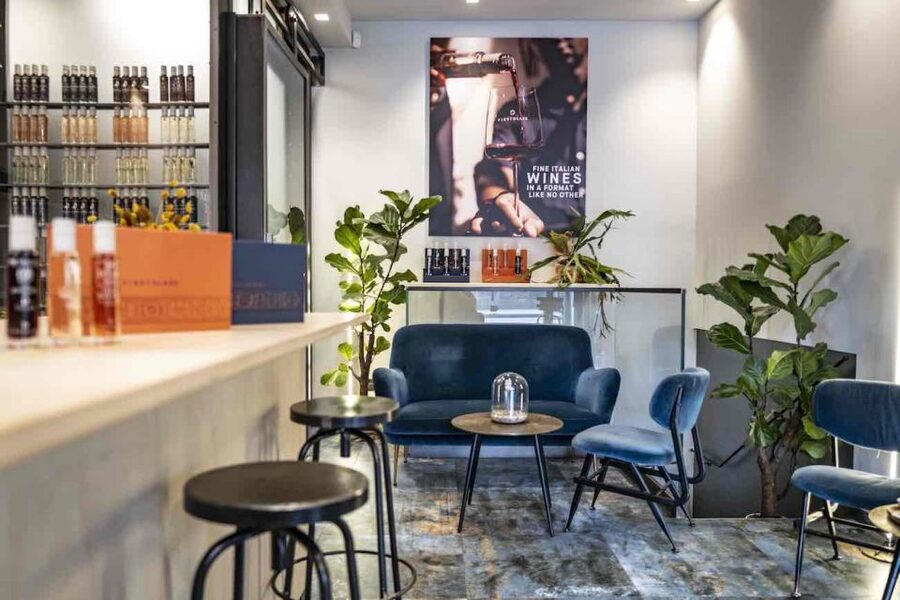
You meet your guide at Firstglass. The store has an intimate atmosphere, with seating around a shared table rather than the feel of a large classroom. That arrangement helps the tasting feel social and informal.
The setting is one of the strongest reasons to book. You are only steps from the Ponte Vecchio, one of Florence’s most recognizable views. The location gives the activity a sense of place that a tasting room outside the city could not provide. You can enjoy Tuscan wine while still feeling connected to Florence’s streets and riverfront.
This is a private group experience, though the shared-table format can still create a friendly setting. The available instruction languages are English, Spanish, Italian, and French. If you are booking for a group with mixed wine experience, the relaxed format should make it easier for beginners to join in without feeling tested.
The staff names connected with the experience include Stefano, Joanna, Diamante, Pietro, and Elena. The hosting style can vary by guide, but the feedback points to warm, engaged instruction. Stefano is especially associated with clear explanations, while Diamante is noted for bringing energy and kindness to the tasting. That matters because a short wine lesson works best when the guide keeps the pace lively.
The opening lesson: sight, smell, and taste
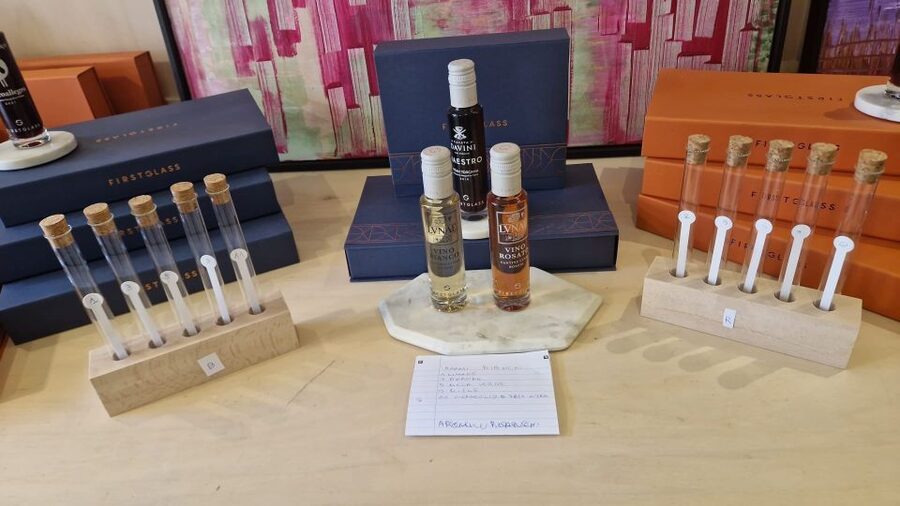
The first part is a short guided introduction. You receive a tasting kit and manual, then learn a basic way to assess wine through sight, smell, and taste.
You begin with the appearance of the wine. Color can give you an early clue about the grape or style, though the point here is not to memorize a technical chart. You are learning to pay attention before taking a sip.
Next comes the aroma. The activity encourages you to look for scents and compare your impressions with the people around you. You might notice fruit, flowers, herbs, or other familiar smells. The fun is in making the connection yourself, not in repeating a list of formal terms.
Finally, you taste the wine and consider its structure and balance. The tasting kit gives you something concrete to work with, and the manual helps you follow the steps. I like this approach because it gives you a method you can use later in a restaurant or wine shop.
The instruction is aimed at ordinary wine drinkers, not specialists. You do not need to know the difference between tannin and acidity before arriving. The goal is to help you notice what you like and explain it in plain language.
That practical focus is more useful than a long talk about famous estates. If one wine feels lighter, fresher, fuller, drier, or more aromatic than the other, you begin to understand your own preferences. This can make ordering wine during the rest of your trip less intimidating.
Two Tuscan wines and the independent tasting
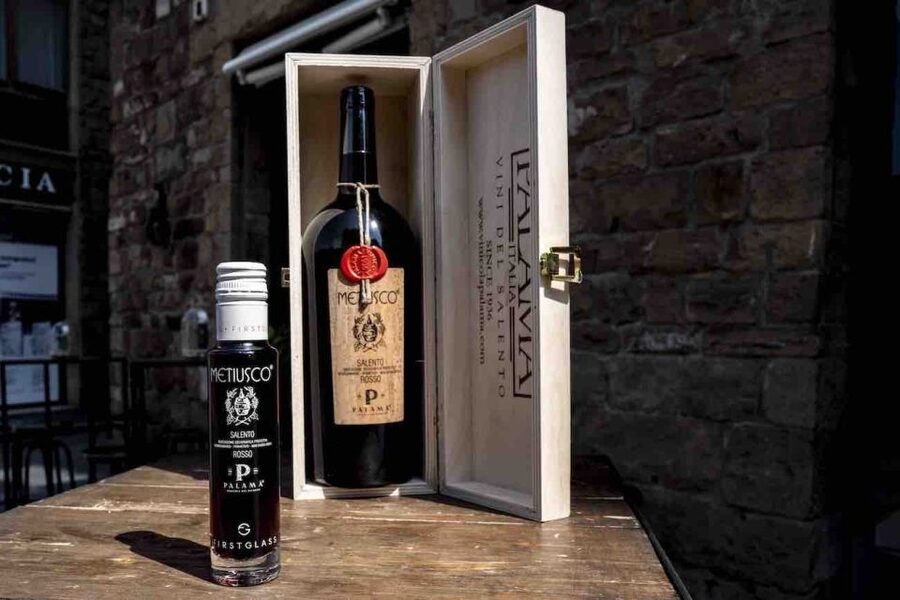
After the introduction, you taste two selected wines. The bottles hold 100 ml each and use preservation technology intended to protect aromas and flavor. That size gives you enough to assess each wine without committing to a large pour.
The selection may include Chianti and Vermentino, two useful examples for getting started with Italian wine. Chianti gives you a taste of a classic Tuscan red style. Vermentino offers a different profile as a white wine. Tasting contrasting wines makes the lesson easier to understand than sampling two bottles that are very similar.
The wines are selected by winemaker Francesca Vigo from representative Tuscan producers. You should think of the selection as an introduction to the region rather than a complete survey. The exact wines can vary, and the supplied details do not promise a fixed vintage or specific label for every session.
Once the guide has explained the process, you continue independently. You can compare notes with friends, guess aromas, and talk through the differences. This is where the experience becomes more than a standard wine pour. The tasting gives you permission to be curious, even if your descriptions are informal.
I like this part because you are not forced to keep up with a constant stream of information. The short lesson gives you a framework, then you have room to taste slowly and discuss what you notice. If you already know a little about wine, you can focus on the finer differences. If you are new to it, you can simply decide which glass you prefer.
The two-wine format also keeps the experience approachable. A large flight can tire your palate and blur the differences between bottles. Here, you can give each wine proper attention. The downside is that anyone hoping to sample several regional styles may find the selection too limited.
More Wine Tastings in Italy
- San Gimignano, Siena, Monteriggioni, Chianti Day Trip with Lunch & Wine Tasting
★ 4.5 · 4,432 reviews - From Florence: Small Group Wine Tasting Tour to Tuscany
★ 4.9 · 3,902 reviews - Florence: S. Gimignano, Siena, Chianti Wine Tasting & Lunch
★ 4.6 · 3,102 reviews - Half day Chianti Vineyard Escape from Florence with Wine Tastings
★ 4.5 · 2,196 reviews
Snacks, water, and the social table
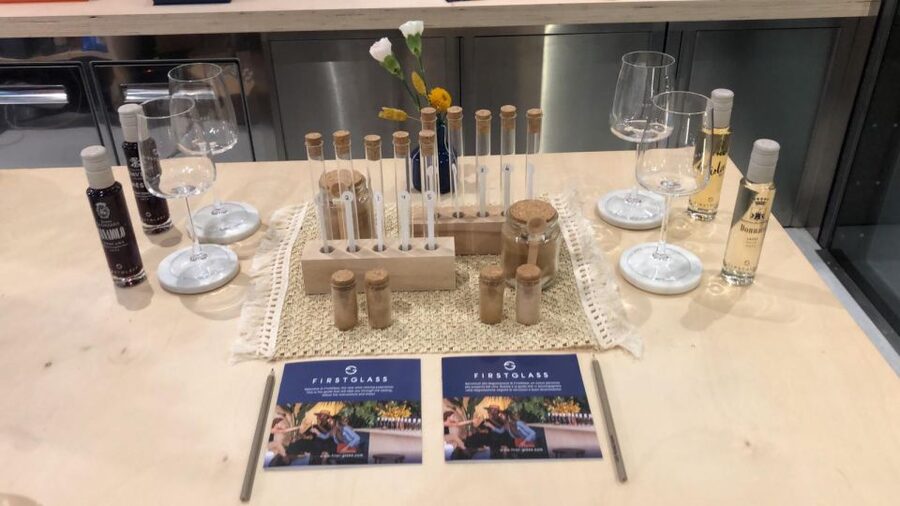
Olives, peanuts, and taralli are included, along with still or sparkling water. These are simple snacks, not a meal, but they are useful during a tasting. The salty foods give you something to nibble between sips and help make the hour feel more complete.
Do not book this as dinner. The snack selection is best treated as a light accompaniment. If you arrive hungry, plan a meal before or after the tasting. The central Florence location gives you plenty of options nearby, but the activity itself only provides the listed snacks.
The shared table encourages conversation. You can compare your impressions with your own group and, depending on the setup, meet other wine lovers. That social side is a major part of the appeal. A wine tasting can feel stiff when everyone sits silently while an expert speaks. Here, the format invites participation.
The hosts also seem to matter as much as the wines. Joanna, Stefano, Diamante, Pietro, and Elena are all associated with a warm, helpful approach. That personal touch is important for beginners. A good guide can make it clear that there is no single correct answer when you smell a wine or choose a favorite.
The wine window after the tasting
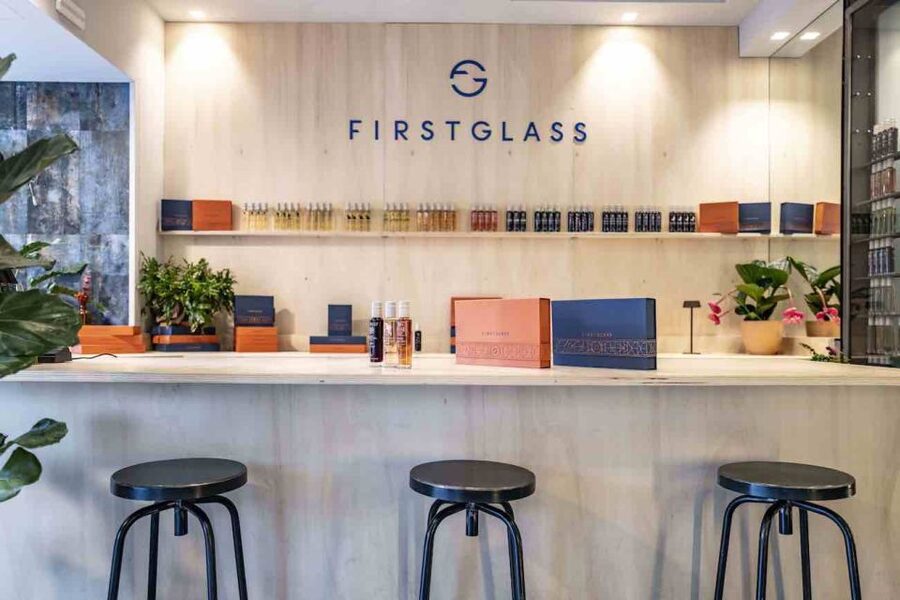
After the tasting, you can order additional wines if you want to continue. Firstglass also offers exclusive labels through its historic wine window.
This optional ending is a nice touch because it lets you turn the tasting into a longer wine stop without making extra purchases part of the main activity. If one of the styles appealed to you, you can keep exploring. If two pours were enough, you can simply finish and return to Florence’s streets.
The wine window also gives the experience a local detail that a generic tasting room might lack. It connects the modern tasting format with an old Florentine way of buying wine through a small street-facing opening. The exact additional wines and prices are not specified, so ask the staff before ordering if you want to plan your budget.
Is $33 good value?
At $33 per person, the experience is reasonably priced for central Florence. You are paying for two wines, the instruction, the tasting kit and manual, snacks, water, and a prime location near the Ponte Vecchio. You are also buying a full hour of structured activity, which can be useful in a city where many attractions cost more and require longer time slots.
The value depends on your expectations. If you want a vineyard visit, a full meal, or a broad tasting of many wines, this will feel small. If you want an easy introduction with a guide and a memorable setting, the price makes sense.
I think the strongest value is for first-time wine tasters. You leave with a basic tasting method rather than just a pleasant drink. That knowledge can help you enjoy wine more confidently for the rest of your trip.
For experienced wine drinkers, the value is more about convenience and atmosphere. You may already know how to assess a wine, so the lesson could feel familiar. The location, selected bottles, and relaxed social setting may still make it worthwhile, especially if you want a short activity between major sights.
Who should book this experience?
I would recommend it to couples, friends, and small private groups who want a low-pressure introduction to Tuscan wine. It also suits people who enjoy food and drink but do not want to spend half a day outside Florence.
Beginners should feel comfortable here. The instruction avoids the need for complicated terminology, and the tasting kit gives you a clear process. You can ask questions, compare aromas, and learn through trial rather than memorizing facts.
It is also a good choice for a mixed group. One person can be deeply interested in wine while another simply wants a pleasant hour near the Ponte Vecchio. The activity offers enough structure for the enthusiast and enough informality for the casual participant.
You may want to skip it if your main goal is to visit vineyards or taste a large range of Italian wines. You should also plan another meal if you need substantial food. This is a tasting with snacks, not a food tour.
The experience is wheelchair accessible, and you can choose among English, Spanish, Italian, and French instruction. Cancellation is free up to 24 hours before the activity, and you can reserve now and pay later, which helps if your Florence schedule is still changing.
My final take on the Firstglass tasting
I like this experience because it gets the scale right for Florence. You receive a short lesson, two carefully selected wines, useful tasting tools, light snacks, and time to enjoy the setting. The Ponte Vecchio location adds atmosphere, while the practical format gives you something to take away beyond a glass of wine.
Book it if you want a friendly introduction to Tuscan wine and a memorable stop in the city center. Choose something else if you want a vineyard excursion, a substantial meal, or a large tasting flight. For $33, this is a particularly sensible pick for beginners and anyone looking for a relaxed one-hour break with a bit of local flavor.
FAQ
Where does the Florence wine tasting take place?
The meeting point is Firstglass, located just steps from the Ponte Vecchio in Florence.
How long does the experience last?
The tasting lasts one hour.
How many wines are included?
You taste two Italian wines. The wines are served in 100 ml bottles.
Which wines might I taste?
The selection may include Tuscan varieties such as Chianti and Vermentino. The wines are selected by winemaker Francesca Vigo from representative Tuscan producers.
Is instruction included?
Yes. An expert guide gives a short introduction covering how to assess wine by sight, smell, and taste. A tasting kit and manual are also provided.
What food and drinks are included?
The experience includes olives, peanuts, taralli, and a choice of still or sparkling water.
Can I order more wine afterward?
Yes. You can order additional wines after the tasting, including exclusive labels available through the historic wine window.
Which languages are available?
Instruction is available in English, Spanish, Italian, and French.
Is the activity wheelchair accessible and cancellable?
The activity is wheelchair accessible. You can cancel up to 24 hours in advance for a full refund.
Freshly poured around Florence
- Private Flavors of Florence Walking Tour(Food&Wine Included)★ 4.8 · 46 reviews
- From Florence: Ultimate Tuscany Day Trip with Wine & Lunch★ 4.8 · 221 reviews
- From Florence: Tuscany Vespa Tour with Lunch & Wine★ 4.8 · 54 reviews
- Florence: Val d’Orcia Wine Tasting & Lunch Small Group Tour★ 4.3 · 352 reviews
- From Florence: Horse Ride and Wine Tour at Estate with Lunch★ 4.9 · 42 reviews
- From Florence: Tuscany, Siena, San Gimignano & Winery Lunch★ 4.7 · 184 reviews
- From Florence: Wine Tasting and Dinner in Chianti Vineyards★ 4.6 · 192 reviews
- From Florence: Sunset Wine Tasting Tour in Vintage Car★ 5.0 · 68 reviews
Florence Wine Tours, side by side.
Tuscany Day Trip from Florence: Siena, San Gimignano, Pisa and Lunch at a Winery
Read our review →
Florence: Pasta Cooking Class with Unlimited Wine
Read our review →
Florence: Chianti Wineries Tour with Wine Tasting
Read our review →
Small-Group Wine Tasting Experience in the Tuscan Countryside
Read our review →
Pisa, Siena and San Gimignano Day Trip with Lunch & Wine Pairing
Read our review →
SMALL-GROUP Wine Safaris: Tuscan Wine Tasting Tours from Florence
Read our review →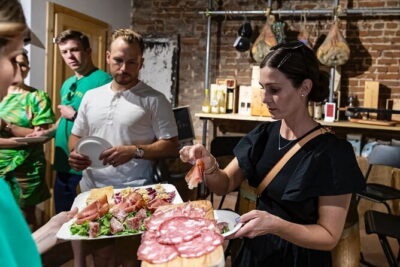
Winner 2025 Florence Sunset Food & Wine Tour by Eating Europe
Read our review →
From Florence: Siena, San Gimignano, Pisa & Lunch at Winery
Read our review →Lists this tasting sits in