
Review · FLORENCE
Florence: Pasta & Tiramisu Class with Unlimited Wine
The best part of this Florence cooking class is that you do not simply watch a chef toss pasta. You make the dough yourself, shape tagliatelle and ricotta-filled ravioli, prepare tiramisu, and then sit down to eat the results. The 9 AM session adds a trip to Sant’Ambrogio Market, where you shop for ingredients with the chef.
I especially like the small-group format and the practical focus on pasta made by hand, without relying on a pasta machine. I also like the easygoing teaching style praised across the class, with chefs including Giulia, David, Allan, Alain, Andrea, and Gui making room for questions and plenty of humor. The main thing to watch is the schedule: the market visit is available only on the 9 AM shift, and not on Sundays or bank holidays.
Key points at a glance
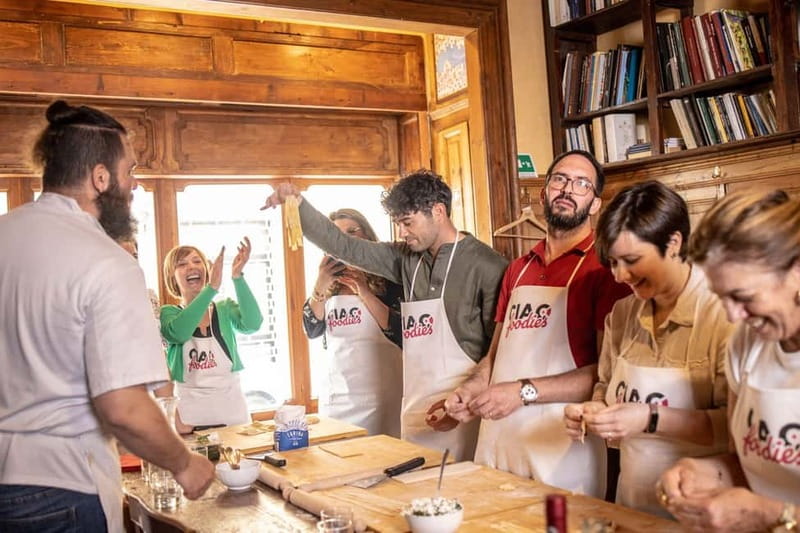
- Sant’Ambrogio Market option: Shop for ingredients with the chef at Florence’s local food market, but only on the 9 AM departure.
- Three Italian classics: Make tagliatelle with ragù, ricotta ravioli with tomato sauce, and tiramisu from basic ingredients.
- Hands-on instruction: You knead, roll, cut, fill, and assemble rather than simply observing.
- A social meal: Sit together at the end and eat what the group prepared, with unlimited house wine and water.
- Good value at $81: The price covers the lesson, ingredients, equipment, tastings, meal, wine, and a graduation certificate.
- Important restriction: This class is not recommended for people with celiac disease or children under six.
Starting at Sant’Ambrogio Market in Florence
If you choose the 9 AM shift, the class begins at the Ciaofoodies Hub at La Cucineria on Via della Mattonaia 19r. From there, you head with the chef to Sant’Ambrogio Market, one of the city’s everyday food-shopping spots.
This is not just a quick photo stop. You browse stalls with a professional chef and help find the ingredients needed for the cooking lesson. The market sells produce, meat, salami, cheese, and other local foods. You also get a taste of typical Tuscan products, including cheese and other appetizers.
I like this part because it gives the meal some context. You see the raw ingredients before they reach the worktable, and the chef can explain what to look for and how local cooks use it. Andrew from Australia particularly appreciated learning about the produce, tomato varieties, and pecorino cheese, along with having time to browse without pressure to buy anything.
The market visit lasts about three and a half hours as part of the morning experience, so plan on a substantial outing rather than a short introduction. It is not available with the afternoon shifts, and the market is closed on Sundays and bank holidays. If the market matters to you, check the date and starting time carefully before booking.
More wine tours around Florence:
- Tuscany Day Trip from Florence: Siena, San Gimignano, Pisa and Lunch at a Winery
★ 5.0 · 21,634 reviews - Florence: Pasta Cooking Class with Unlimited Wine
★ 4.9 · 10,285 reviews - Florence: Chianti Wineries Tour with Wine Tasting
★ 4.5 · 10,071 reviews
Getting into the kitchen at La Cucineria
After the market, you return to the cooking space, put on an apron, and gather around the workstations. The exact class length is listed as about three and a half to four and a half hours, depending on the chosen session and market arrangement.
The class is designed for people with different levels of kitchen experience. You do not need to arrive knowing how to make pasta, and you are not left alone with a bowl of flour and a vague instruction to figure it out. The chef demonstrates each stage, then helps you correct the dough, pasta shapes, and fillings as you work.
That balance is important. Some classes move too slowly for anyone who cooks at home, while others assume you already know what the dough should feel like. Here, the teaching covers basic but useful details, such as how to judge the dough’s consistency, how thin the pasta should be, and when it is ready to shape.
Several instructors receive especially warm praise for being funny, patient, and easy to follow. Allan and Alain are described as lively hosts, while Giulia and David are repeatedly singled out for clear guidance and personal help. The instructor can vary, so you should not book expecting one particular chef unless the provider confirms it.
Making ragù and tomato sauce first
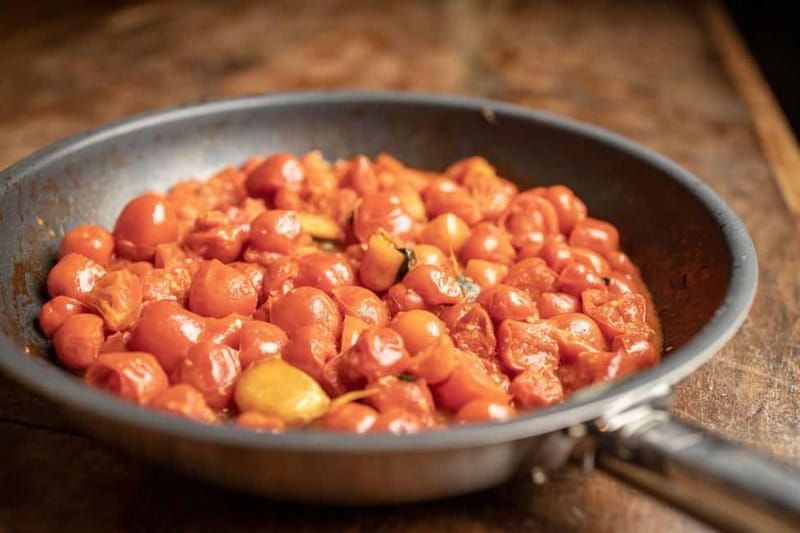
The cooking starts with the sauces because they need time on the stove. The class prepares a Bolognese-style ragù and a classic tomato sauce to serve with the fresh pasta.
This order makes practical sense. While the sauces cook, you have time to make and rest the pasta dough. It also gives you a useful lesson in kitchen timing. Instead of treating each recipe as a separate exercise, the chef shows how a real meal comes together when several jobs overlap.
The sauces are demonstrated by the chef, with attention to how ingredients are handled. One participant who did not eat meat appreciated the care taken to keep meat separate from other ingredients. You should still tell the provider about allergies or intolerances in advance. The team will try to accommodate them, but the class is not suitable for people with celiac disease for safety reasons.
The final recipes can vary a little with the season and available ingredients. That is worth accepting as part of the experience. You are learning an approach to Italian cooking, not buying a fixed restaurant tasting menu where every plate must be identical.
Kneading pasta dough with eggs and flour
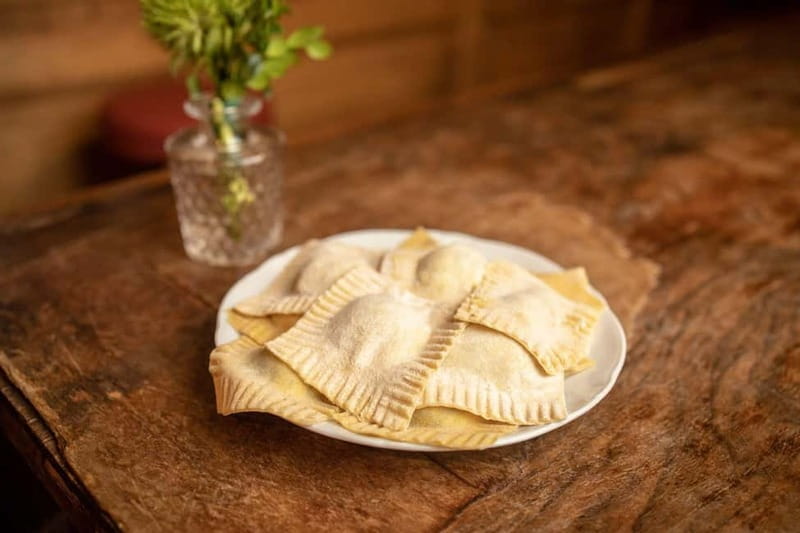
Once the sauces are underway, you make the dough from simple ingredients, mainly eggs and flour. This is the part many people find most satisfying because the mixture changes under your hands from a rough mass into a smooth, workable dough.
The chef explains how to knead and how to recognize the right consistency. You then let the dough rest before shaping it. That pause is useful for two reasons: it allows the dough to become easier to work with, and it gives the class time to move on to tiramisu.
I like that the class keeps pasta making physical and direct. You are not depending on a machine to produce a neat result. Jonathan from Australia valued learning how to make pasta by hand, and that skill is easy to repeat at home with basic kitchen equipment.
Do not expect every strand or raviolo to look perfect. That is part of the fun, and the chef steps in when you need help. The goal is to understand the feel of the dough and the method, not to pass a professional pasta exam.
Same vines, another glass to try:
- Small-Group Wine Tasting Experience in the Tuscan Countryside
★ 5.0 · 7,392 reviews - Florence: Pasta & Tiramisu Cooking Class with Unlimited Wine
★ 4.9 · 6,708 reviews - Florence: Pasta Cooking Class with Unlimited Wine
★ 5.0 · 6,413 reviews - Pisa, Siena and San Gimignano Day Trip with Lunch & Wine Pairing
★ 4.5 · 6,006 reviews
Mixing tiramisu from scratch
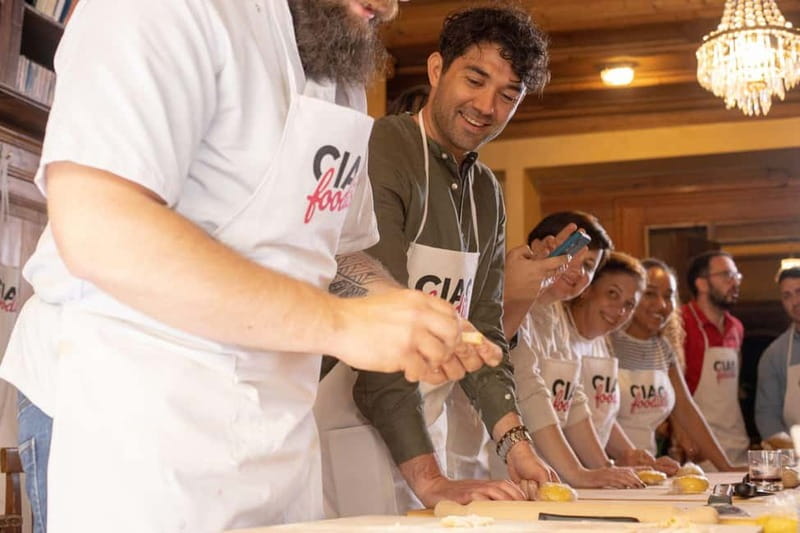
The sweet course comes before the pasta is shaped. You prepare tiramisu step by step, including the mascarpone cream, then place it in the refrigerator to cool.
This is a smart break in the pace of the class. The tiramisu needs time to chill, while the pasta dough needs time to rest. The two waiting periods give the chef room to explain Italian food traditions and serve a small tasting of Tuscan appetizers.
The dessert is also a good choice for a group class because everyone can take part. Some sessions have each person making a small individual tiramisu, while the chef guides the group through the cream and assembly. The process is simple enough for a first-time cook, but the chef still shares small details that can improve the texture and balance at home.
If you are mainly interested in pasta, do not dismiss the dessert as an extra. The tiramisu is one of the most consistently praised parts of the meal, and it gives the class a pleasant change of pace before you return to the dough.
Cutting tagliatelle and filling ricotta ravioli
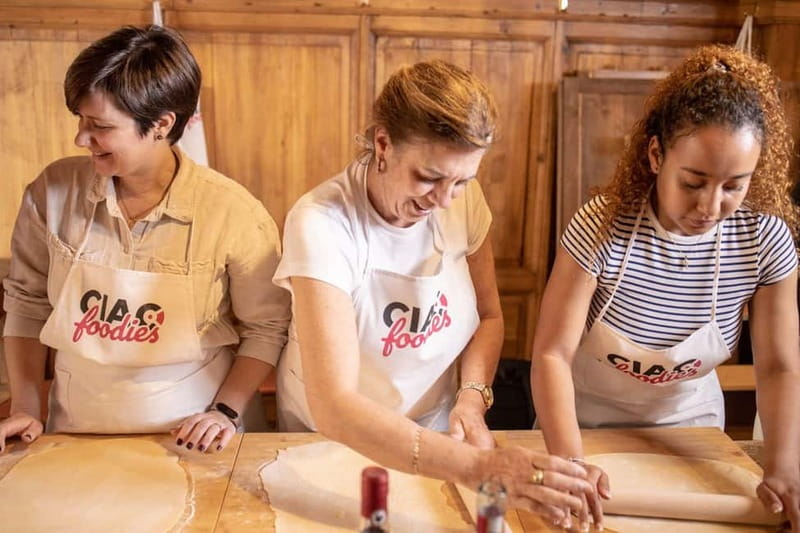
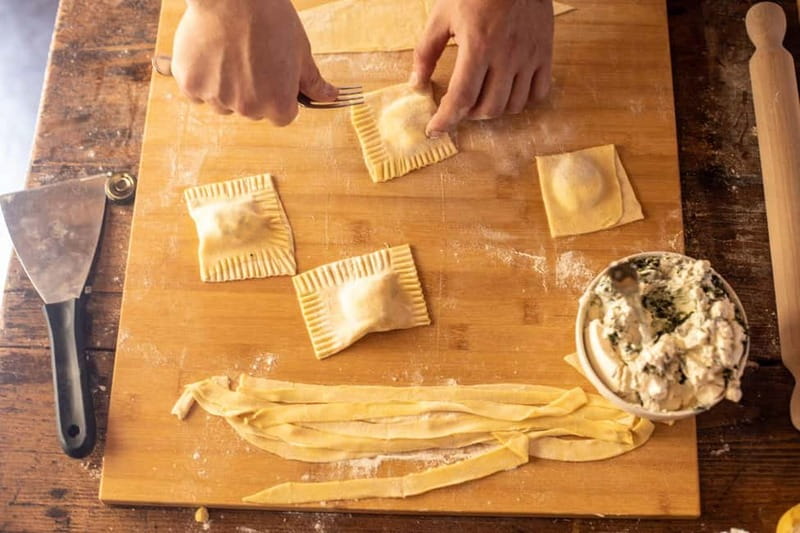
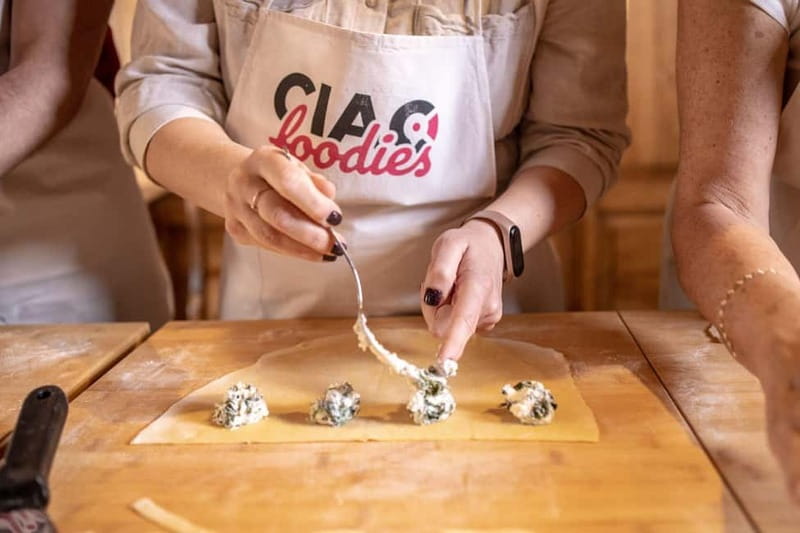
After the dough has rested, the chef shows you how to shape two kinds of fresh pasta. Tagliatelle are cut into broad, noodle-like ribbons. Ravioli are filled with ricotta, folded, and sealed.
This is where the class feels most hands-on. You learn how much filling to use, how to press out air, and how to seal the edges so the ravioli do not open in the cooking water. The shapes may look rustic, but that is exactly what you want from a practical lesson you can repeat at home.
The class pairs the pasta with the sauces prepared earlier. The tagliatelle work with the ragù, while the ravioli are served with the tomato-based sauce. The combination gives you two different examples of how fresh pasta can be matched with a sauce without making the menu feel too complicated.
You will probably find this more useful than a lesson focused on one elaborate dish. By the end, you have practiced a basic dough, a long pasta shape, stuffed pasta, two sauces, and a classic dessert. That is a solid range of skills for a single afternoon or morning.
Sitting down to eat with unlimited wine
Once the food is cooked, everyone sits down together and eats the meal prepared during the class. Water is included, and house wine is served without a set limit.
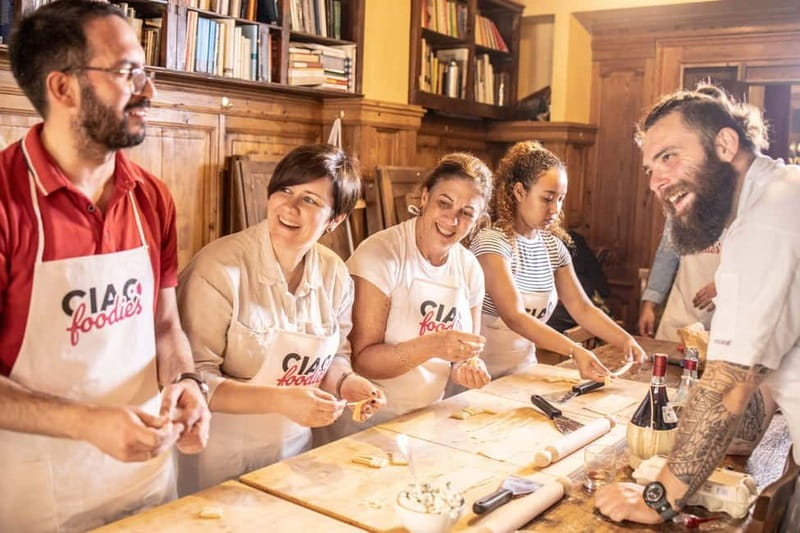
The shared table is a major part of the experience. It turns the class from a technical workshop into a social meal, with people comparing their pasta and talking about Florence, food, and travel. The atmosphere is relaxed rather than formal, and the instructors keep the room moving with stories and jokes.
The unlimited wine is clearly part of the appeal, especially at $81 per person. It also means you should pace yourself. The class can last several hours, and the wine begins during the social part of the cooking rather than appearing only with the final plate.
I would not choose this class if you want a quiet, private dinner or a serious culinary school setting. The tone is friendly and lively, and some groups are large enough to include around a dozen people. That can make the session more fun, but it also means you may not receive constant one-to-one attention.
Is $81 a fair price?
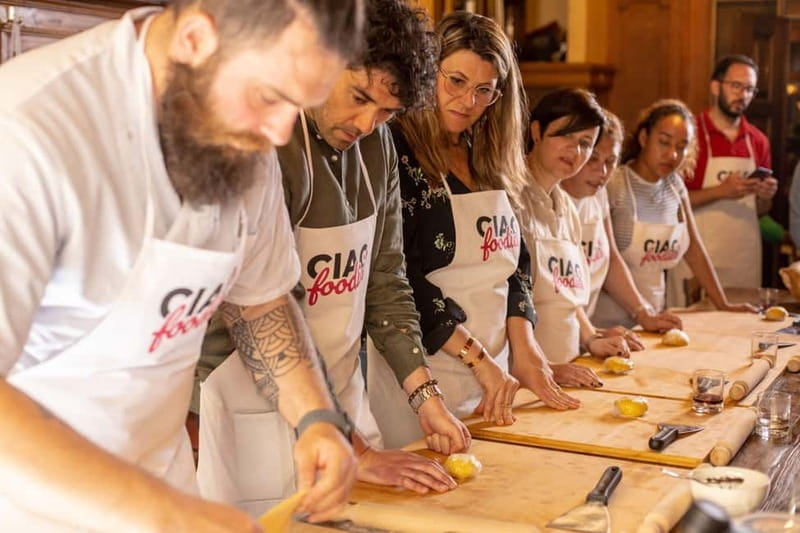
At $81, the value is strong if you want more than a meal. The price includes the chef, small-group instruction, ingredients, apron, cooking utensils, market visit when applicable, tastings, the food you prepare, unlimited wine, water, and a graduation certificate.
A normal restaurant meal would give you pasta and tiramisu without teaching you how to make either one. A shorter cooking demonstration might cost less, but it would not give you the same hands-on practice. The market option adds another layer, since you spend time learning about local products before entering the kitchen.
The afternoon shifts can still be good value, especially if your schedule does not allow an early start. Just remember that they do not include Sant’Ambrogio Market. If the market is a priority, do not book an afternoon session and assume it is included.
The certificate is a cheerful extra rather than a serious qualification. The real value is the set of recipes and techniques you can use when you return home. Several participants planned a family pasta and tiramisu night after the class, which is probably the best measure of a useful cooking experience.
Who should book this Florence cooking class?
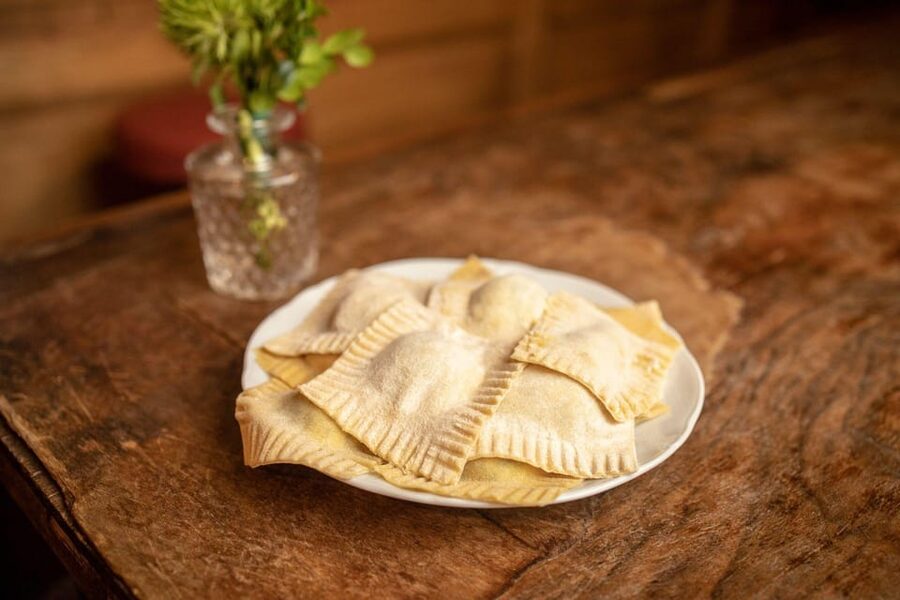
I would recommend it most strongly to couples, families with older children, friends, and solo visitors who enjoy meeting people around food. It works for beginners because the chef guides each step, but it also offers enough detail for people who already cook.
Families should note the formal age restriction: children under six are not suitable. Older children and teenagers can enjoy the class, but remember that the session involves hot pans, knives, flour, and a long period of standing. Comfortable shoes are a sensible choice for everyone.
This is also a good choice if you have already seen Florence’s major sights and want an activity with local flavor. You spend time in a real food market on the morning option, work with Tuscan ingredients, and sit down to eat a meal you helped prepare.
I would think twice if you have celiac disease, need strict control over cross-contamination, or want a highly specialized culinary course. The provider will try to accommodate allergies and intolerances, but the class is not recommended for people with celiac disease, and the menu may change with the season.
Practical details before you reserve
The meeting point is Ciaofoodies Hub at La Cucineria, Via della Mattonaia 19r, Florence. The class is conducted in English, and the experience is based in the city center rather than requiring transport outside Florence.
Choose the 9 AM option if you want Sant’Ambrogio Market. Avoid relying on that visit on Sundays and bank holidays, when the market is closed. Afternoon sessions focus on the kitchen class and meal.
The activity allows cancellation up to 24 hours before the start for a full refund, and you can reserve now and pay later. That is useful if your Florence schedule is still taking shape.
Should you book the pasta and tiramisu class?
Yes, if you want a practical, social food experience rather than a passive demonstration. The combination of handmade pasta, ricotta ravioli, tiramisu, Tuscan tastings, and unlimited wine gives you a full half-day for the price.
My best advice is to choose the 9 AM shift when the market is open. The market trip makes the class feel more connected to daily Florentine food life, and it gives you more than a standard pasta lesson. If you cannot make the morning, the afternoon class still delivers the main strengths: clear instruction, a shared meal, and recipes you can use at home.
FAQ
Where does the Florence pasta class meet?
The meeting point is Ciaofoodies Hub at La Cucineria, Via della Mattonaia 19r, Firenze.
How long does the experience last?
The listed duration is about three and a half to four and a half hours. The morning market visit itself lasts about three and a half hours as part of that experience.
Is the Sant’Ambrogio Market visit included with every start time?
No. The market visit is included only with the 9 AM shift. It is not included with afternoon shifts, Sundays, or bank holidays when the market is closed.
What dishes will I make?
You will prepare tagliatelle with Bolognese-style ragù, ricotta-filled ravioli with a tomato-based sauce, and tiramisu. The menu may vary slightly according to the season and ingredient availability.
Is wine included?
Yes. Unlimited house wine, along with water, is included in the experience.
Is the class taught in English?
Yes. The listed instruction language is English.
Can food allergies or intolerances be accommodated?
You should inform the provider about any allergy or intolerance in advance. The team will try to accommodate your needs, but the class is not recommended for people with celiac disease.
Can children join the class?
Children under six are not suitable for this experience. Older children may attend, but the class includes cooking equipment, hot pans, and a long hands-on session.
Freshly poured around Florence
- Private Flavors of Florence Walking Tour(Food&Wine Included)★ 4.8 · 46 reviews
- Florence: Val d’Orcia Wine Tasting & Lunch Small Group Tour★ 4.3 · 352 reviews
- From Florence: Ultimate Tuscany Day Trip with Wine & Lunch★ 4.8 · 221 reviews
- From Florence: Tuscany Vespa Tour with Lunch & Wine★ 4.8 · 54 reviews
- From Florence: Horse Ride and Wine Tour at Estate with Lunch★ 4.9 · 42 reviews
- From Florence: Tuscany, Siena, San Gimignano & Winery Lunch★ 4.7 · 184 reviews
- From Florence: Wine Tasting and Dinner in Chianti Vineyards★ 4.6 · 192 reviews
- From Florence: Sunset Wine Tasting Tour in Vintage Car★ 5.0 · 68 reviews
Florence Wine Tours, side by side.

Tuscany Day Trip from Florence: Siena, San Gimignano, Pisa and Lunch at a Winery
Read our review →
Florence: Pasta Cooking Class with Unlimited Wine
Read our review →
Florence: Chianti Wineries Tour with Wine Tasting
Read our review →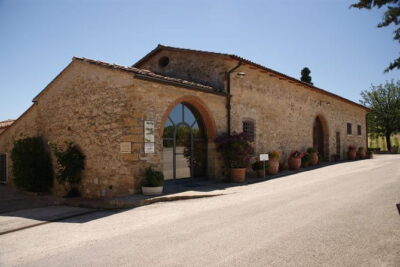
Small-Group Wine Tasting Experience in the Tuscan Countryside
Read our review →
Pisa, Siena and San Gimignano Day Trip with Lunch & Wine Pairing
Read our review →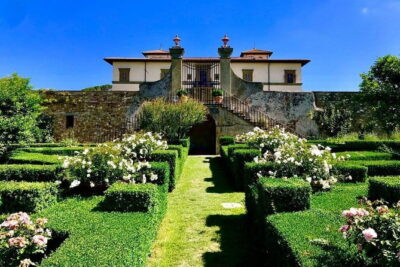
SMALL-GROUP Wine Safaris: Tuscan Wine Tasting Tours from Florence
Read our review →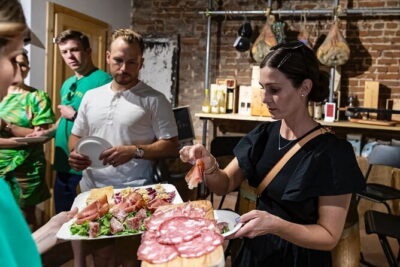
Winner 2025 Florence Sunset Food & Wine Tour by Eating Europe
Read our review →
From Florence: Siena, San Gimignano, Pisa & Lunch at Winery
Read our review →Lists this tasting sits in