Review · SIENA
Chianti: Wine and Olive Oil Tasting with Cellar Tour
At Fattoria Santo Stefano, wine production feels close at hand. You move from stainless-steel and cement fermentation tanks to an 18th-century cellar with French oak barrels, then finish with Chianti, Vinsanto, olive oil, and local snacks. I like the clear look at how the wine changes from tank to barrel, and I like that the tasting includes food instead of leaving you with a glass and a dry throat.
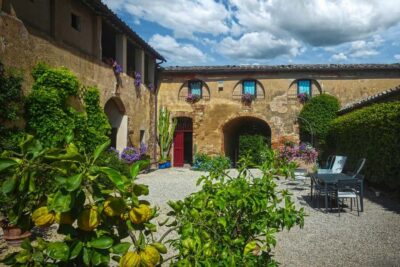
The setting is an authentic Tuscan farmhouse, not a polished city tasting room. I also like the personal scale: the experience is offered as a private group, and one quiet booking even became a private tour. The main drawback is the short one-hour schedule. If you want a long meal, several estates, or a detailed lesson in every Chianti label, this visit may feel brief.
Key points at a glance
- 18th-century wine cellar: See the small historic cellar where French oak barrels hold wine for six months.
- From fermentation to aging: Compare modern stainless-steel and cement tanks with traditional barrel storage.
- Vinsanto production: Spot the smaller barrels used for Tuscany’s amber-colored dessert wine.
- Olive oil at the source: Visit the Orciaia, where extra-virgin olive oil is stored after pressing.
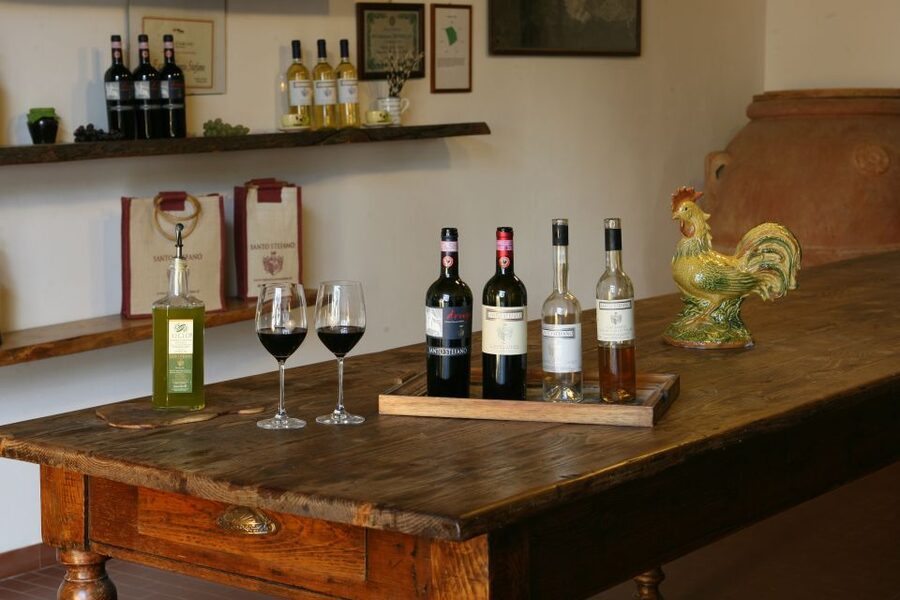
- Wine, oil, and food tasting: The final tasting pairs local drinks with snacks from the farmhouse.
- Easy one-hour format: A good fit for a busy Chianti day, provided you arrange your own ride or add transportation.
Arriving at Fattoria Santo Stefano near Greve
The meeting point is Fattoria Santo Stefano, at Via Collegalle 3, 50022 Greve in Chianti. You return to the same place after the tasting, so this is simple to fit into a driving day through the Chianti area.
Transportation is not included in the base price. You can book it as an add-on, but if you are already touring Tuscany by car, the farmhouse meeting point lets you keep the rest of your day flexible. Plan your timing carefully. The price is attractive, but it only represents the tasting and cellar visit unless you add transport.
Wear comfortable shoes. The tour includes movement around the farmhouse and cellar areas, so this is not the moment for delicate footwear. The supplied information does not give details about steps, surfaces, or wheelchair access, so you should ask the provider directly if those points matter for your party.
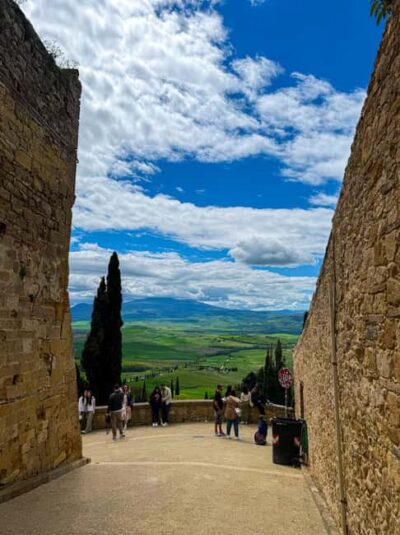
The farmhouse setting is part of the appeal. You are not simply being handed a glass in a shop. You first get an introduction to the property, its construction, and the local production of wine and food. That opening gives the tasting a sense of place before you sample anything.
More Wine and Olive Oil Tastings in Italy
- Sorrento Farm and Food Experience including Olive Oil, Limoncello, Wine tasting
★ 5.0 · 2,524 reviews - Sorrento: Lemon, Olive Oil and Wine Tasting Tour with Lunch
★ 5.0 · 300 reviews - Alghero: Wine and Olive Oil Tasting at a Local Farm
★ 4.8 · 294 reviews
Seeing how Chianti starts in the fermentation rooms
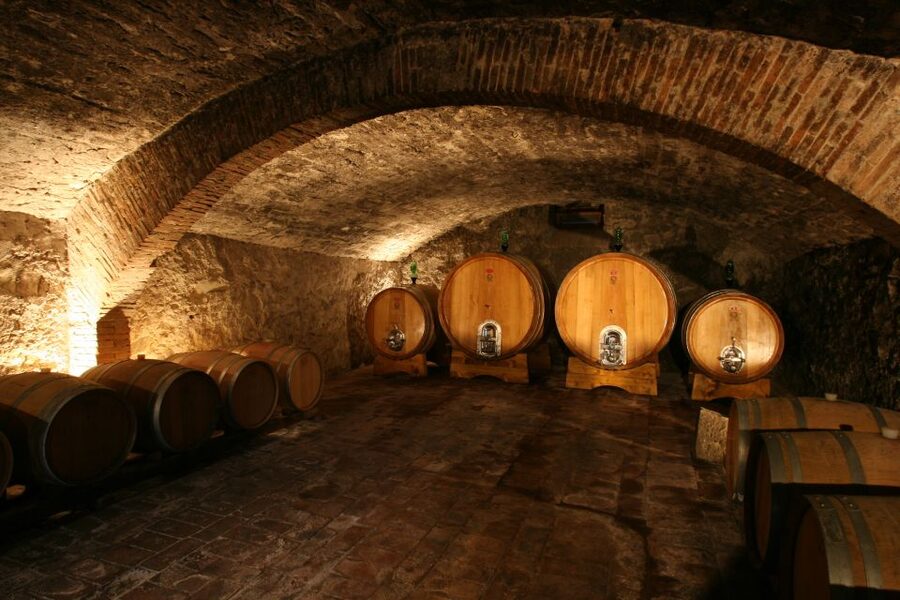
The first cellar is the larger working wine area. Here, stainless-steel and cement tanks are used to ferment the estate’s Chianti wines.
For you, this is the practical part of the visit. Stainless steel is easy to clean and gives winemakers close control over fermentation. Cement tanks add a more traditional touch while still serving a working production purpose. The contrast helps explain that Tuscan wine is not made in one magical old barrel from start to finish.
The guide speaks in English or Italian, and the tour is conducted for a private group. That format should make it easier to ask a question or pause for an explanation than it would be in a large coach group. No guide names are provided, so you should not expect to request a particular host.
This portion may be the most useful for anyone who buys Chianti but has never seen where it begins. You get a straightforward look at the production process without committing to a lengthy winery course. The limitation is scale. Fattoria Santo Stefano has a small, rustic cellar, so the visit is more personal than grand.
Entering the small cellar from the 18th century
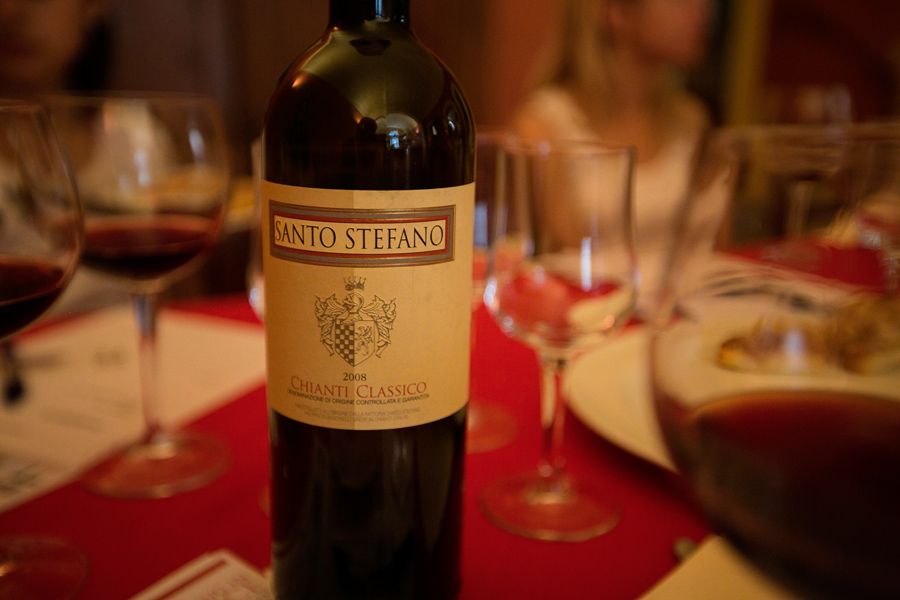
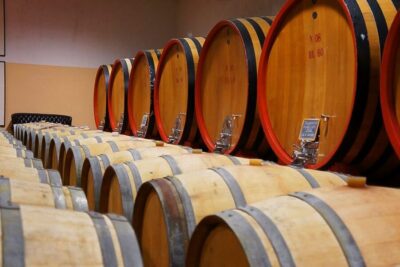
The tour then moves into the smaller historic cellar, which dates to the 18th century. This is where the atmosphere changes. Instead of large modern tanks, you see French oak barrels holding wine for about six months as it develops its character.
I like this part because it connects the old farmhouse to the wine in your glass. You are not only told that barrel aging matters. You see the barrels and learn where the wine rests after fermentation.
The cellar is described as small and rustic. That is good news if you prefer working farm character to a highly staged attraction. It also means you should keep your expectations in check. This is not a huge underground wine complex with rows of barrels disappearing into the distance. The appeal is its age, scale, and direct link to the estate’s production.
You will also see smaller barrels used to make Vinsanto, a local dessert wine with an amber color. Vinsanto is one of Tuscany’s distinctive specialties, and including it gives the tour more range than a standard red-wine tasting. It is a small detail, but it helps you understand that Tuscan farms often produce more than the bottles most visitors first think of.
The Orciaia and Tuscan extra-virgin olive oil
After the wine cellars, you visit the farmhouse’s Orciaia. This is where extra-virgin olive oil is stored directly after the olives are harvested and pressed.
That stop matters because olive oil is often treated as a side note on a wine tour. Here it gets its own place in the production story. You see that the oil is not an anonymous bottle added to a tasting board. It comes from a seasonal process tied to the farm.
The visit does not promise a full olive harvest demonstration, so do not book it expecting to watch olives being picked or pressed. What you do get is a look at storage and a chance to taste the finished oil in the context of the property that produces it.
For your palate, olive oil tasting can be more revealing when it is paired with food. You can notice its aroma, peppery finish, and texture more easily with something to eat than from a tiny cup alone. The combination of oil, wine, and farmhouse snacks is one of the strongest parts of the experience.
More Chianti wine tours around Italy:
- Florence: Chianti Wineries Tour with Wine Tasting
★ 4.5 · 10,071 reviews - San Gimignano, Siena, Monteriggioni, Chianti Day Trip with Lunch & Wine Tasting
★ 4.5 · 4,432 reviews - Florence: Pisa, Siena, S. Gimignano, Chianti Wine & Lunch
★ 4.6 · 4,354 reviews - Chianti Wine Tour from Florence
★ 4.5 · 3,979 reviews
The tasting with Chianti, Vinsanto, oil, and food
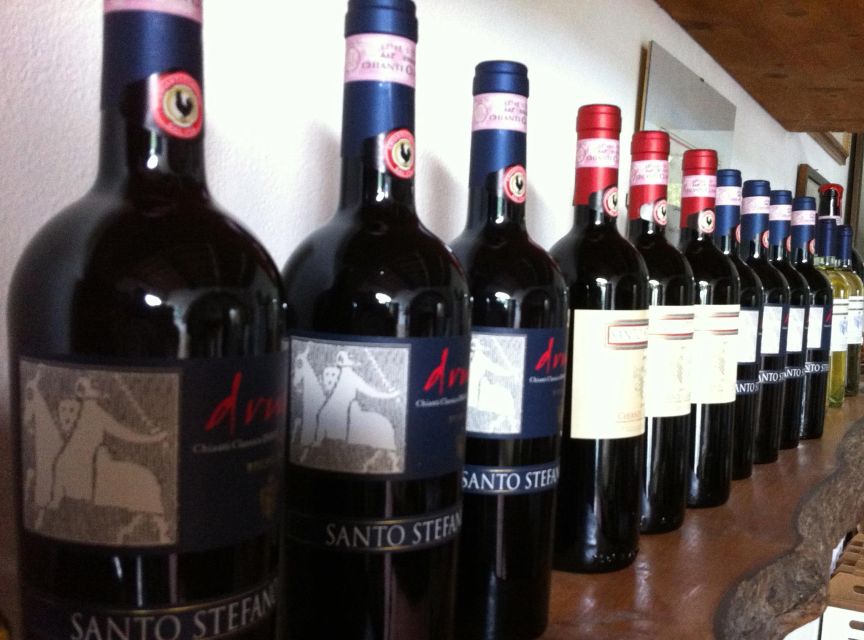
The final stop is the small wine shop, where you taste some of the estate’s local wine varieties and extra-virgin olive oil. Local food is served with the tasting.
This is where the $39.86 price begins to make sense. You are paying for more than a single pour. The fee covers the cellar tour, wine tasting, the olive-oil component, and the chance to sample food in the farmhouse setting. Transportation is separate, so the value depends partly on how easily you can reach Greve in Chianti.
The available information does not specify the exact number of wines, the varieties poured, or the menu of snacks. That is worth remembering if you need a precise tasting lineup. You can expect local wine and olive oil specialties, but you should not assume a set number of bottles or a full lunch.
The food seems to be more generous than the bare minimum. One booking included lovely snacks, and another described the shared food as a pleasant surprise. I would still treat this as a tasting, not a replacement for a Tuscan meal. If you arrive hungry, plan a proper lunch or dinner elsewhere.
Vinsanto may appear as part of the tasting, but the information does not guarantee that it will be poured every time. The cellar visit includes its production barrels, while the tasting is described more generally as local wine varieties, oil, and food. Ask your guide if the dessert wine is available on your date.
Why the private format changes the experience
The activity is listed for a private group, which is a meaningful advantage at a small farmhouse. You are less likely to feel rushed through a scripted presentation, and questions about the tanks, barrels, or olive oil should fit naturally into the visit.
That does not mean the tour is custom-built around every interest. The route remains about one hour and follows the farmhouse’s production areas. Still, the private format can make a short visit feel more useful, especially if you are traveling with family or friends who want different levels of detail.
A quiet date may feel especially personal. One booking had no other participants, turning the visit into a private tour with time to stroll around the property afterward. That extra wandering is not listed as a formal part of the schedule, so consider it a possible bonus rather than something to count on.
The estate also functions as an agriturismo, and the farmhouse has enough charm that you might want to look into staying there separately. That is not included in this activity, but it makes the location more than a quick roadside stop.
How this fits into a Chianti day
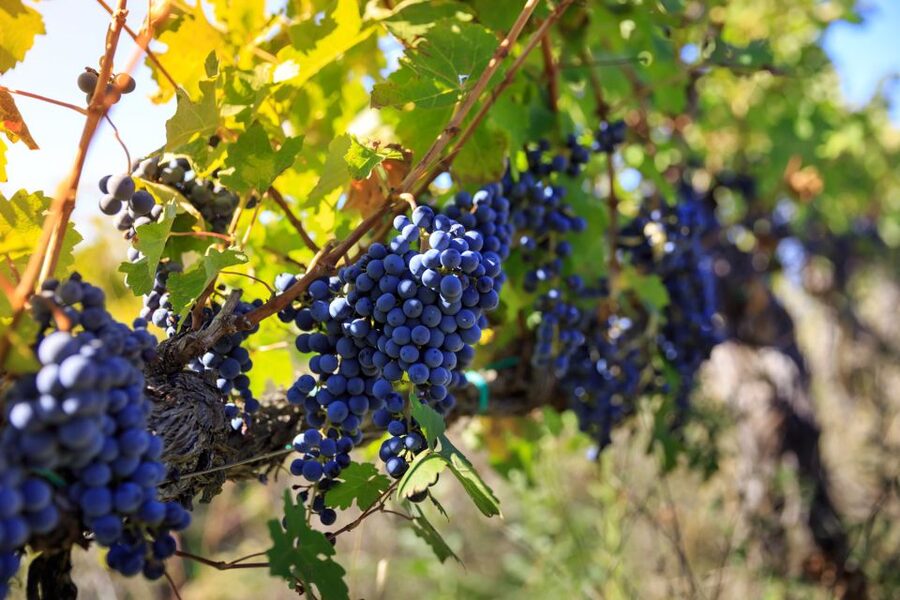
At one hour, this is easy to combine with other stops around Greve in Chianti. You could schedule it between village visits, a countryside drive, or a longer meal. The short duration is helpful if your day is already full.
The tradeoff is that the tour does not give you much time to linger. The introduction, large cellar, old cellar, Orciaia, and tasting all fit into a compact visit. If you enjoy slow afternoons at wineries, you may wish the schedule allowed more time for conversation and food.
I would reserve it for a part of the day when you can arrive calmly. Even a short wine tour becomes less pleasant if you are racing from another town or trying to make a distant dinner reservation. Since the start time varies, check availability before planning the rest of your route.
The experience should work especially well for:
- Couples who want a modestly priced taste of Chianti
- Families or friends interested in both wine and olive oil
- First-time Tuscany visitors who want a farmhouse setting
- People with limited time who cannot spare half a day
- Wine drinkers who want to see production rather than only taste bottles
It is less suited to anyone seeking a full winery meal, extensive technical instruction, or several estates in one outing.
Price, cancellation, and practical value
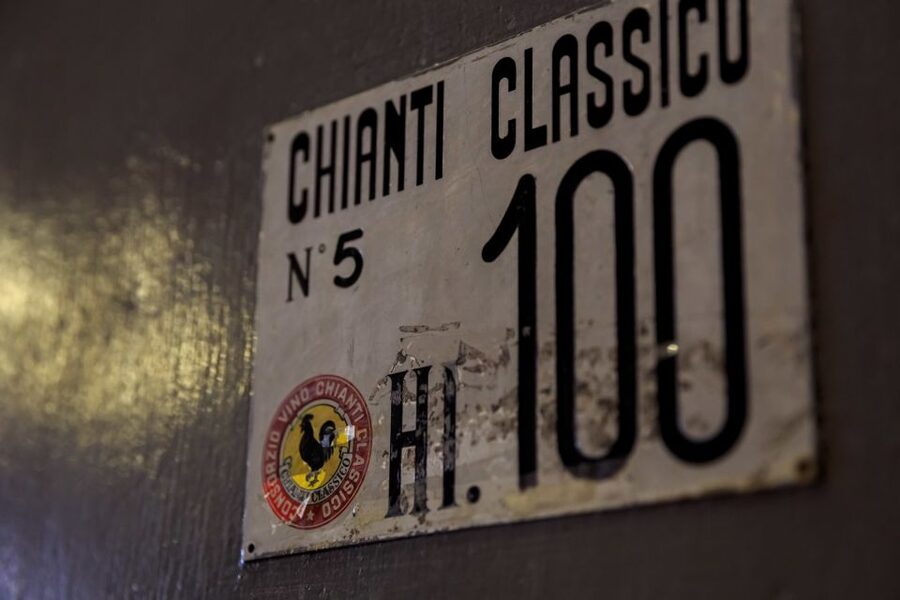
At $39.86 per person, the cost is fair for a one-hour private-group experience that includes a cellar tour, wine, olive oil, and local food. The value is strongest when you appreciate the setting and the production explanation. If you only want a glass of Chianti, a wine bar will be cheaper and more convenient.
You can cancel up to 24 hours in advance for a full refund, which helps when your Tuscany route depends on weather, driving conditions, or changing plans. You can also reserve now and pay later, so you do not need to pay at the time of booking.
The activity includes skip-the-ticket-line access, though this is a small farmhouse visit rather than a major museum attraction. Its practical benefit is simply that you have a confirmed place instead of arranging a tasting on arrival.
English and Italian are available. The tour ends back at Fattoria Santo Stefano, and transport can be added if you do not have your own way to the farmhouse.
Should you book this Chianti tasting?
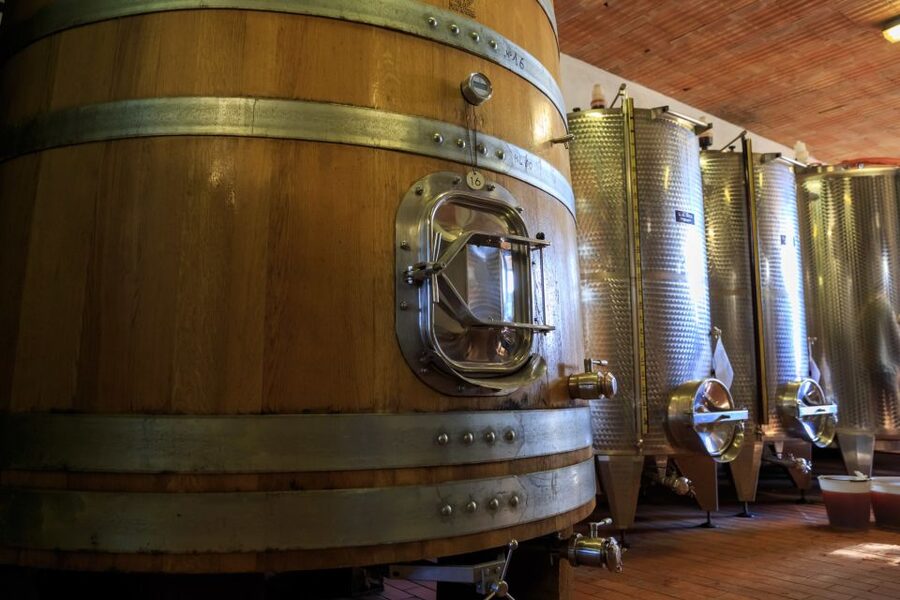
I would book this tour if you want an affordable, focused introduction to Tuscan wine and olive oil in a real farmhouse setting. The best details are the shift from modern fermentation tanks to the old barrel cellar, the separate Orciaia, and the food served with the tasting.
I would skip it if you want a long winery afternoon or a guaranteed full meal. The one-hour format moves quickly, and the exact tasting selection is not specified.
For most people already exploring the Greve in Chianti area, this is a sensible addition. You get history, production, wine, oil, and snacks without giving up half your day. Arrange transport, wear comfortable shoes, and leave room for the possibility that the small private setting may tempt you to stay a little longer.
FAQ
Where does the Chianti wine and olive oil tour begin?
The tour begins at Fattoria Santo Stefano, Via Collegalle 3, 50022 Greve in Chianti, Tuscany.
Where does the activity end?
The activity ends back at Fattoria Santo Stefano, the same place where it begins.
How long does the experience last?
The tour lasts one hour. Starting times vary, so check availability for the date you want.
What languages are available?
The live guide speaks English or Italian.
Is transportation included?
No. Transportation is not included in the base price, but it can be booked as an add-on.
What does the tour include?
It includes the cellar tour and wine tasting. The tasting also includes extra-virgin olive oil and local food.
Will I visit an old historic cellar?
Yes. The tour includes a small cellar dating to the 18th century, with French oak barrels used for wine aging.
Is the tour private?
The activity is offered for a private group.
Can I cancel for a refund?
Yes. You can cancel up to 24 hours in advance for a full refund. You can also reserve now and pay later.
More Wine Cellar Visits around Italy
- Milan Urban Winery: Taste & Tour at Cantina Urbana
★ 4.7 · 683 reviews - Montepulciano: Wine Tasting and Cellar Tour
★ 4.8 · 545 reviews - Bardolino: Wine tasting at Cantina Valetti
★ 4.6 · 98 reviews - Montepulciano: Historical Cellars Guided Tour & Wine Tasting
★ 4.4 · 83 reviews
Freshly poured around Italy
- Private Flavors of Florence Walking Tour(Food&Wine Included)★ 4.8 · 46 reviews
- Pizza-Making Workshop by night with glass of wine★ 4.9 · 45 reviews
- Pramaggiore: Ornella Bellia Winery Guided Tour & Tasting★ 5.0 · 90 reviews
- Rome: Pompeii Tour with Wine and Lunch by High Speed Train★ 4.8 · 485 reviews
- Polignano a Mare: Street Food Tour with Tastings and Wine★ 4.7 · 154 reviews
- Polignano a Mare: Private Cruise with Champagne★ 4.8 · 66 reviews
- Pizza and Tiramisu Cooking Class with Wine in Milan★ 4.9 · 80 reviews
- Pisa: Cathedral Guided Tour and Tower tickets & wine tasting★ 4.8 · 78 reviews
Siena Wine Tours, side by side.
From Florence: San Gimignano, Siena, and Chianti Wine Tour
Read our review →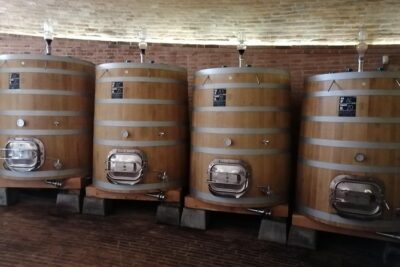
Small-Group Brunello di Montalcino Wine-Tasting Trip from Siena
Read our review →
From Siena: Chianti and Castles Tour with Wine Tastings
Read our review →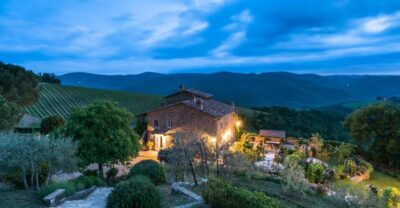
From Siena: Brunello di Montalcino Guided Wine Tour W/ Lunch
Read our review →