
Review · ITALY
Apulia: Guided Wine Tasting with Local Appetizers
The best part of this Apulian tasting is its sense of place. You walk among the vines at Vigna il Castagno, then taste wines made from grapes tied to Puglia rather than familiar international varieties. It feels more like a visit to a working family farm than a polished wine showroom.
I like the four indigenous-grape wines and the homemade appetizer pairings. I also like the relaxed setting, where the guide explains harvest methods, grape varieties, and the farm’s move toward organic agriculture. The main consideration is that the exact wines and appetizers can change with availability, so you should book this for the local experience rather than a fixed menu.
Key points at a glance
- Four regional grapes: Taste Verdeca, Moscato, and Nero di Troia in white, rosé, and red styles.
- A vineyard walk first: The tasting begins with a look at the rows of vines and the farm setting.
- One appetizer per wine: Four typical Apulian bites are matched with the four glasses.
- Family-run atmosphere: The experience feels personal and informal, with time for questions.
- English or Italian guidance: Vincenzo has helped guests with the tour and, on at least one occasion, arranged pickup and drop-off.
- Good value at $37: Two hours of guided tasting, food, and a vineyard visit make this a fair-priced introduction to Apulian wine.
Vigna il Castagno and the Itria Valley setting
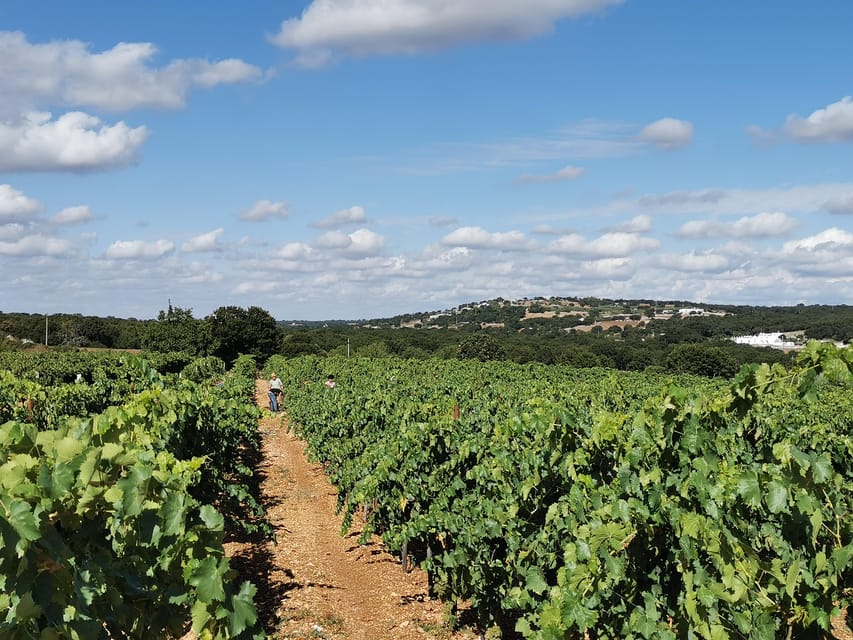
This experience takes place at Vigna il Castagno, a farm in Apulia’s Itria Valley. The vineyard setting does much of the work. Instead of tasting in a city bar or a formal cellar, you begin among the vines and get a direct look at the agricultural side of the region.
That matters in Apulia. Wine here is connected to the farm, the soil, the harvest, and the food served at the table. A walk through the vineyard gives you a basic sense of where the bottles begin before you sit down with a glass.
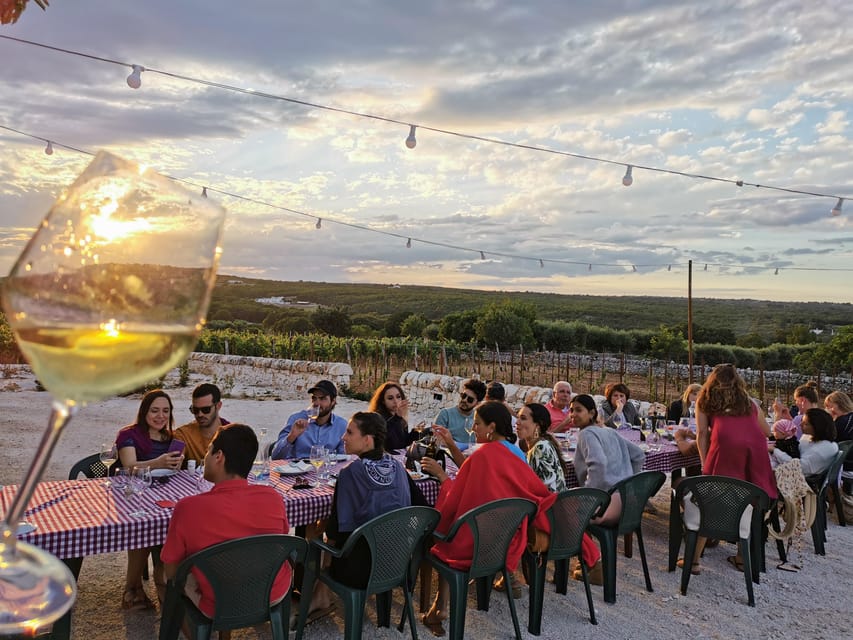
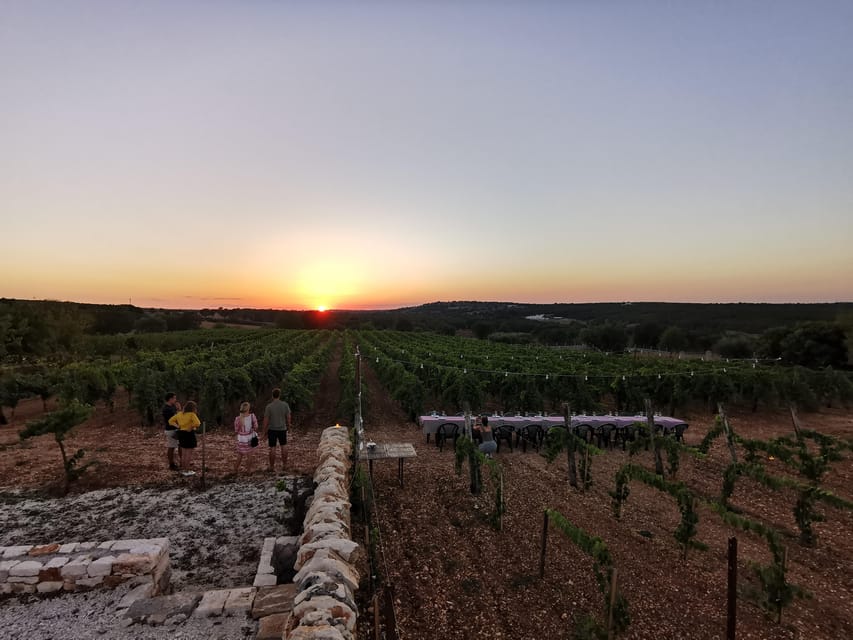
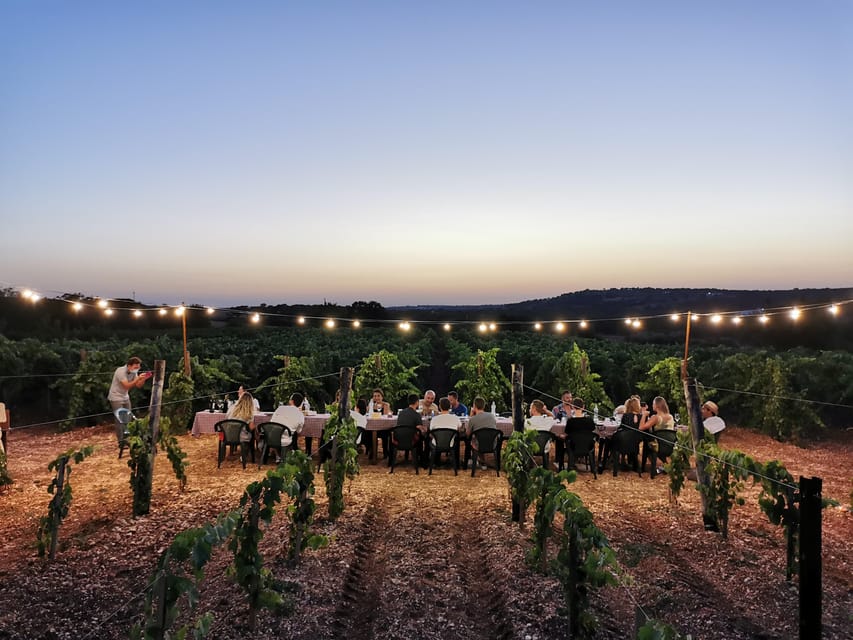
The setting has been especially well received for its beauty and calm atmosphere. If you can choose your starting time, an evening visit may give you softer light and a cooler walk. The experience has been described as especially pleasant around sunset, although the exact schedule depends on availability.
You should not expect a large wine estate with an elaborate visitor center. The appeal is smaller and more direct. This is a good fit if you prefer a family business, a rural setting, and conversation with a guide over a formal production tour.
More Wine Tastings in Italy
- Florence: Chianti Wineries Tour with Wine Tasting
★ 4.5 · 10,071 reviews - Small-Group Wine Tasting Experience in the Tuscan Countryside
★ 5.0 · 7,392 reviews - Rome: Tuscany & Montepulciano Day Trip with Lunch & Wine Tasting
★ 4.5 · 5,232 reviews
The vineyard walk puts the wines in context
The walk is included in the two-hour experience and helps make the tasting more than a series of samples. Your guide may explain how the grapes are harvested, how different grape varieties produce different wines, and how the farm has developed its organic farming methods.
Those details are useful even if you know little about wine. You will hear the names of the local grapes before they appear in your glass, which makes it easier to connect the vineyard to the tasting table.
The walk is not presented as a technical vineyard course. Think of it as a short introduction to the farm and its work. The amount of detail may depend on the guide and the group’s questions. English and Italian are available, and the guides have been praised for clear explanations and a friendly manner.
Wear sensible shoes. The activity includes walking in the vineyard, and the setting is agricultural rather than a paved museum route. You will get more from this part if you are curious about how wine is made, not just interested in drinking it.
Four wines made from local grape varieties
The tasting includes four glasses from Vigna il Castagno. The selection covers white, rosé, and red styles, with a useful focus on grapes associated with Puglia.
Pietra Viva, Verdeca white
Pietra Viva is a still white made from 100 percent Verdeca grapes. It carries the IGP Valle d’Itria designation and has an alcohol level of 12 percent by volume.
Verdeca is one of the local names worth remembering from this tasting. The bottle gives you a chance to try a grape that is less familiar to many international visitors than Pinot Grigio or Chardonnay.
Same vines, another glass to try:
- Tuscany Day Trip from Florence: Siena, San Gimignano, Pisa and Lunch at a Winery
★ 5.0 · 21,634 reviews - Florence: Pasta Cooking Class with Unlimited Wine
★ 4.9 · 10,285 reviews - Florence: Pasta & Tiramisu Cooking Class with Unlimited Wine
★ 4.9 · 6,708 reviews - Florence: Pasta Cooking Class with Unlimited Wine
★ 5.0 · 6,413 reviews
1929 Moscato, dry white
The 1929 Moscato is a dry white made from 100 percent Moscato. It is listed as a natural-color wine from Moscato di Trani, with an IGP Puglia designation and 12.5 percent alcohol.
The word Moscato often makes people expect a sweet wine. Here, the important point is that this version is described as dry. That makes it a useful comparison with sweeter Moscato styles you may have tried elsewhere.
1° Luglio, Nero di Troia rosé
The 1° Luglio is a still rosé made from 100 percent Nero di Troia grapes. It is an IGP Puglia wine with 12.5 percent alcohol.
This is one of the tasting’s helpful comparisons. You encounter Nero di Troia in both rosé and red form, so you can consider how the same grape appears in different styles. The experience does not promise a formal technical lesson, but the lineup gives your guide a natural way to discuss that difference.
Terra Viva, Nero di Troia red
Terra Viva is a still red made from 100 percent Nero di Troia grapes. It is labeled IGP Puglia and has 13 percent alcohol.
Together, the rosé and red make the Nero di Troia pairing especially useful. You are not simply tasting four unrelated wines. You are seeing a small sample of how Apulian producers use local grapes across a range of wine types.
The four named wines are the planned selection, but availability can lead to substitutions. If you have your heart set on one particular bottle, ask before booking or at the start of the visit. The experience is best approached as a regional tasting, not as a guarantee of four permanent labels.
Homemade appetizers make the tasting more substantial
Each glass comes with a typical Apulian appetizer, for four pairings in total. The exact foods are not specified, so you should not expect a published menu or plan around a particular dish.
That flexibility is normal for a farm-based tasting. The snacks are meant to reflect local cooking and complement the wines, rather than function as a full meal. If you arrive hungry, consider eating something beforehand. Four small appetizers can make the tasting satisfying, but this is not advertised as lunch or dinner.
I like this format because the food gives you a practical way to compare the wines. A glass can seem different beside a savory bite than it does on its own. It also keeps the experience connected to Apulia’s agricultural traditions, instead of treating wine as an isolated product.
The snacks have been described as generous and enjoyable, and the overall presentation seems designed for sharing and conversation. Still, dietary information is not provided in the details available here. If you have allergies, restrictions, or strong food preferences, contact the provider before you go.
A guide-led experience with a personal touch
The live guide is available in English or Italian. The guide explains the wines, the grape varieties, and the farm’s approach to growing and harvesting. The tone appears to be informal and social, which suits a small family-run business.
Vincenzo is specifically associated with the experience in one account, including an occasion when he arranged pickup and drop-off for a participant. Do not assume that transportation is automatically included, but his willingness to help shows the kind of personal service you may encounter.
The guides have also been praised for keeping the explanations interesting without making the event feel like a lecture. That balance is important. A wine tasting can become tedious when every glass comes with too much jargon. Here, you can ask questions at your own level, from basic grape identification to farming methods.
You do not need to be a wine expert. The experience is intended for casual drinkers as well as more experienced tasters. If you already know Apulian wine, you may appreciate the chance to focus on local labels and grape varieties. If you are new to wine, the progression from vineyard to glass gives you a clear structure.
What the two-hour schedule is likely to feel like
The full visit lasts two hours. The vineyard walk comes first, followed by the guided tasting and four food pairings. The timing leaves enough room to listen, taste, and ask questions without turning the visit into an all-day commitment.
The first part helps you get your bearings. You see the vines and hear about the farm’s work. Then the tasting moves through the four wines, with an appetizer alongside each glass.
The order of the wines is not specified. A sensible tasting usually moves from lighter whites to rosé and red, but you should let the guide set the sequence. The Moscato is described as dry, so do not assume it will be served as a dessert wine.
An evening slot may be particularly appealing. Several descriptions highlight the vineyard at sunset and the pleasant atmosphere after the heat of the day. Starting times vary, so check availability when choosing your date.
What the $37 price includes
At $37 per person, the price is reasonable for a two-hour guided experience in a wine-producing area. You receive a vineyard walk, four glasses of wine, four typical Apulian appetizers, and live guidance in English or Italian.
The value is strongest if you want context as well as tasting. Buying four glasses separately at a bar might cost less in some places, but would not give you the farm visit or the explanation of local grapes and production methods. A winery tour with a meal could cost more, while a basic tasting without food would offer less.
The price does not appear to include transportation. One participant received arranged pickup and drop-off, but that was a specific service rather than a stated standard inclusion. Plan your route to the farm independently unless the provider confirms another arrangement.
There is also a farm shop where you may find wine, olive oil, and spices for sale. That is useful if you discover a bottle or product you want to take home. Purchases are extra, and the presence of a shop should not be confused with part of the tasting price.
The limits to keep in mind
The biggest limitation is the lack of a fixed food menu and the possibility of wine substitutions. That is not a major flaw for a seasonal farm experience, but it matters if you need a precise plan.
The activity is also short. Two hours gives you a pleasant introduction, not an in-depth study of Apulian viticulture. You will not cover every local grape or visit every stage of production.
Group size is not specified, so the atmosphere may vary by date. A small group should allow more direct conversation with the guide. A fuller session may feel more social but give you less time for individual questions.
The vineyard walk may not suit anyone looking for a fully indoor activity. Heat, sun, or uneven ground can affect your comfort, especially in summer. Sensible footwear and a willingness to walk outside will help.
Cancellation is flexible: you can cancel up to 24 hours ahead for a full refund. You can also reserve and pay later, which is useful when your Apulia plans are still shifting.
Who will enjoy this tasting most
I would choose this for couples, friends, and solo visitors who want a local food and wine experience without giving up half a day. It also suits travelers staying near the Itria Valley who want an evening activity with a rural setting.
It is a strong choice for:
- Wine beginners who want simple explanations and a mix of styles.
- Experienced wine drinkers interested in Verdeca, Moscato, and Nero di Troia.
- Food-focused visitors who enjoy small regional pairings.
- Families and groups of friends looking for a relaxed farm visit.
- Visitors seeking a personal atmosphere rather than a large commercial winery.
I would choose something else if you need a full meal, guaranteed access to specific bottles, or a detailed production tour. This experience is about taste, place, and conversation. It is not designed as a technical certification course or a long winery inspection.
Should you book Vigna il Castagno?
Book it if you want to meet Apulia through its vines, local grapes, and everyday food. The vineyard walk, four indigenous-grape wines, and four homemade appetizers give you plenty for $37, especially when the guide explains the harvest and the farm’s move toward organic agriculture.
The strongest reason to go is the setting and personal scale. You get a direct connection between the rows of vines, the bottles, and the food on the table. Choose an evening time if available, and ask ahead about transportation, dietary needs, and any wine substitutions.
Skip it only if you want a full meal or a highly technical winery tour. For a friendly two-hour introduction to Apulian wine at a fair price, this is an easy experience to add to an Itria Valley itinerary.
FAQ
Where does the wine tasting take place?
The experience takes place at Vigna il Castagno, a farm among the vineyards of Apulia’s Itria Valley.
How long does the activity last?
The experience lasts two hours, including the vineyard walk, guided tasting, and food pairings.
How many wines are included?
Four glasses of Vigna il Castagno wines are included.
Which grape varieties will I taste?
The listed wines use 100 percent Verdeca, 100 percent Moscato, and 100 percent Nero di Troia grapes. Nero di Troia appears in both the rosé and red selections.
What styles of wine are served?
The tasting includes two still white wines, one still rosé, and one still red. The 1929 Moscato is described as a dry white.
Is food included?
Yes. Four typical Apulian appetizers are included, with one served alongside each wine.
What languages are available?
The live tour guide can conduct the experience in English or Italian.
Is transportation included?
Transportation is not listed as a standard inclusion. Pickup and drop-off were arranged for one participant, so ask the provider directly if you need transportation.
Can I cancel or pay later?
You can cancel up to 24 hours in advance for a full refund. Reserve now and pay later is also available.
Freshly poured around Italy
- Private Flavors of Florence Walking Tour(Food&Wine Included)★ 4.8 · 46 reviews
- Pizza-Making Workshop by night with glass of wine★ 4.9 · 45 reviews
- Pramaggiore: Ornella Bellia Winery Guided Tour & Tasting★ 5.0 · 90 reviews
- Rome: Pompeii Tour with Wine and Lunch by High Speed Train★ 4.8 · 485 reviews
- Polignano a Mare: Street Food Tour with Tastings and Wine★ 4.7 · 154 reviews
- Polignano a Mare: Private Cruise with Champagne★ 4.8 · 66 reviews
- Pizza and Tiramisu Cooking Class with Wine in Milan★ 4.9 · 80 reviews
- Pisa: Cathedral Guided Tour and Tower tickets & wine tasting★ 4.8 · 78 reviews
Italy Wine Tours, side by side.
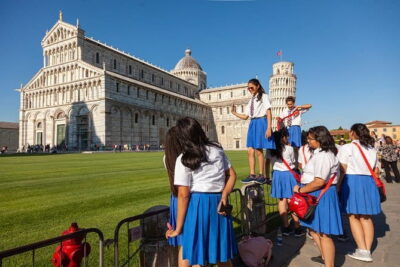
Tuscany Day Trip from Florence: Siena, San Gimignano, Pisa and Lunch at a Winery
Read our review →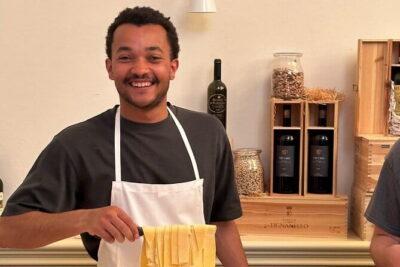
Florence: Pasta Cooking Class with Unlimited Wine
Read our review →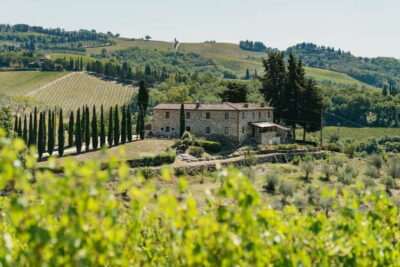
Florence: Chianti Wineries Tour with Wine Tasting
Read our review →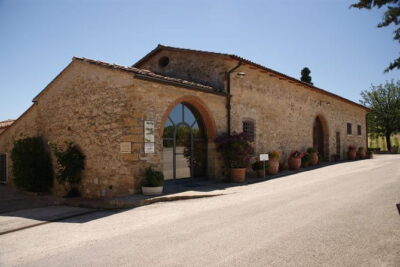
Small-Group Wine Tasting Experience in the Tuscan Countryside
Read our review →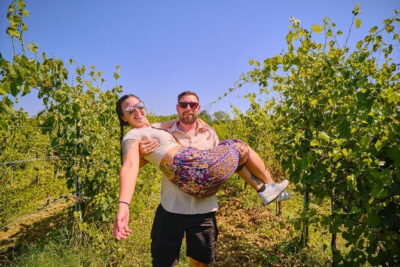
Pisa, Siena and San Gimignano Day Trip with Lunch & Wine Pairing
Read our review →
Rome: Tuscany & Montepulciano Day Trip with Lunch & Wine Tasting
Read our review →
SMALL-GROUP Wine Safaris: Tuscan Wine Tasting Tours from Florence
Read our review →
Winner 2025 Florence Sunset Food & Wine Tour by Eating Europe
Read our review →Lists this tasting sits in