
Review · FRANCE
Alsatian Immersive Wine Tour, Wine Tasting & Alsatian lunch
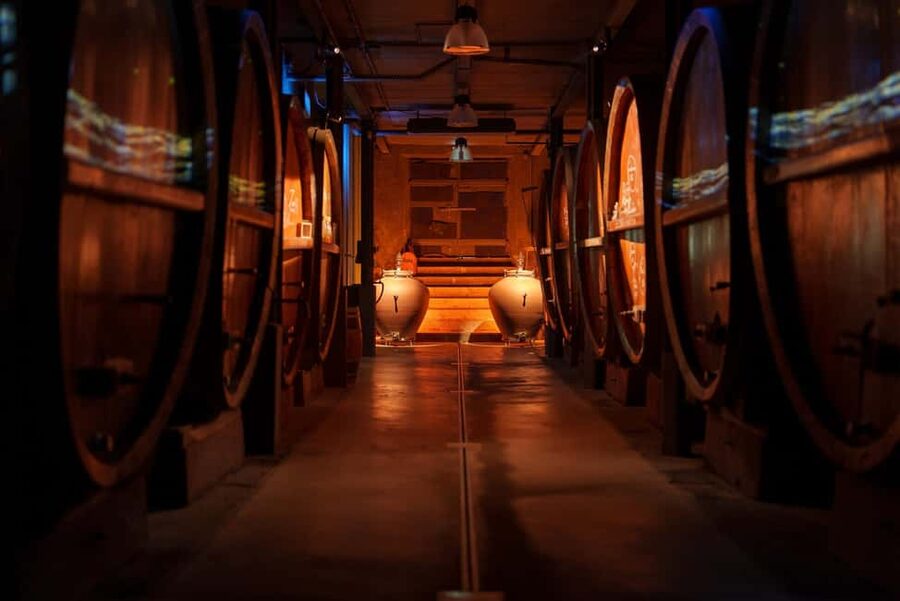
The most unusual part of this Gertwiller wine visit is not simply the tasting. In the old cellar, a 180-degree film is projected onto century-old oak barrels, turning the winemaking space into a visual story about the family, the estate, and the work behind each bottle. You also get to see a barrel made for the 1900 Universal Exhibition in Paris.
I like the honest connection to place: the family has made wine here since 1778, and the cellar still explains traditional Alsatian production from grape to bottle. I also like the generous food component, with regional dishes, dessert, coffee or tea, and a wine served with each course.
The main consideration is that this is a cellar-and-lunch experience, not a walk through the vineyards. If you want time among the vines or a quiet, technical tasting, the film, music, and projected images may feel more theatrical than expected.
Key points to know before booking
- A 1900 exhibition barrel is part of the cellar story: You see an original barrel made for the Universal Exhibition.
- The winery has been family-run since 1778: The visit connects modern organic production with older cellar methods.
- The 180-degree projection is unusual: Images are cast across oak barrels, with sound and mapping effects in parts of the presentation.
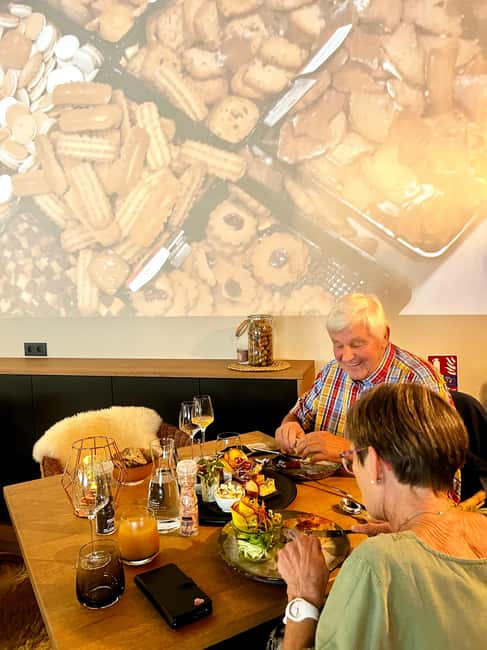
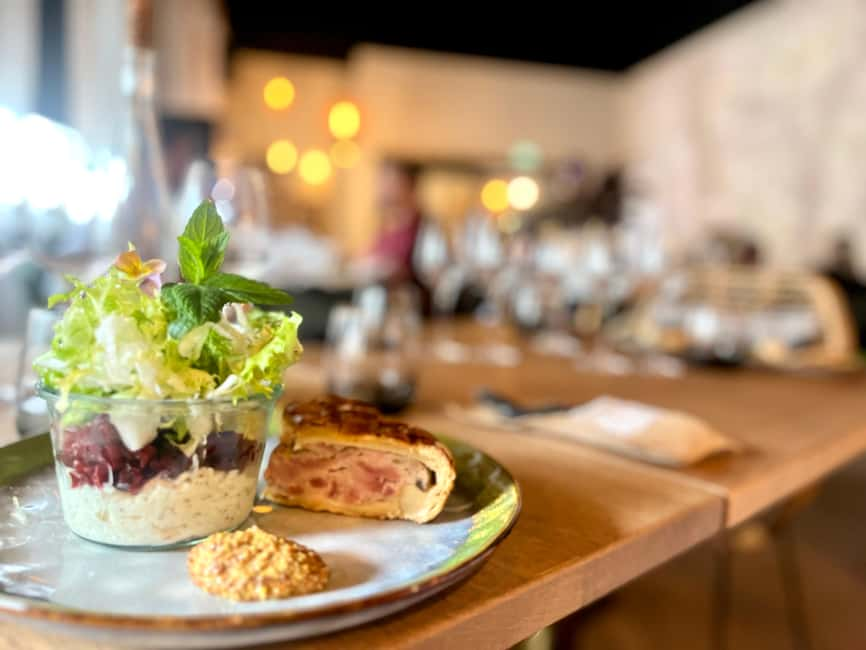
- Lunch is a full regional meal: Expect soup, Alsatian meat pie, kougelhopf, Bibeleskaes, coffee or tea, and wine pairings.
- The tasting can be generous: A tasting session has included seven wines, including Alsatian varieties and Crémant.
- Plan around a 150-minute visit: About an hour is devoted to the cellar and presentation, an hour to lunch, and 30 minutes to shopping.
A family winery with centuries of Alsatian roots
Vins Zeyssolff, also known as Au Péché Vigneron, offers a useful introduction to Alsace through one working family estate. The family story reaches back to 1778, while the cellar visited on the tour dates to 1850. Those two dates help explain the shape of the experience: this is not a modern tasting room built only for tourism, but a wine business that has adapted an old production space for visitors.
The estate completed its conversion to organic production in 2020. That detail matters because you are not only hearing about Alsatian wine as a historic tradition. You are also seeing how the current producer works within that tradition while changing the way the estate is farmed and presented.
The guide explains the process from grape to bottle. You learn how the cellar functions, how wine is stored, and how Alsatian wines move through production. The emphasis is practical rather than academic. You do not need to arrive knowing the grape varieties or French wine vocabulary.
I would choose this tour early in an Alsace itinerary. It gives you a foundation for later tastings in villages such as Barr, Obernai, or along the wider wine route. After learning how the wines are made and served here, you will have a better sense of what to ask for elsewhere.
More Wine Tastings in France
- Bordeaux: Cité du Vin Entry Ticket and Wine Tasting
★ 4.6 · 3,885 reviews - Montmartre Hill French Gourmet Food and Wine Tasting Walking Tour
★ 5.0 · 2,588 reviews - From Paris: Loire Valley Castles Day Trip With Wine Tasting
★ 4.6 · 1,727 reviews
Inside the 1850 cellar
The first major portion lasts about an hour. Your guide takes you into the winery and explains the traditional Alsatian method still used in the cellar. The setting does much of the teaching. Tanks, barrels, and the working spaces make the process easier to understand than a lecture in a plain room.
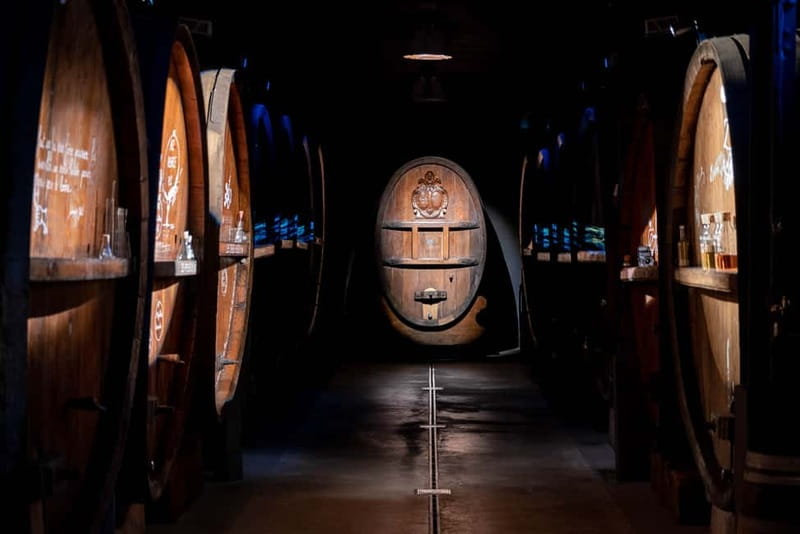
The historic barrel made for the Universal Exhibition of 1900 is the standout object. It gives the cellar a direct link to the past, and it is the sort of small detail that makes a winery tour memorable. You are not just hearing that the estate has a long history. You are looking at an object that was built for a specific public event more than a century ago.
The age of the cellar also adds texture to the visit. The tour takes place where wine has actually been stored and handled, not in a replica room. Still, keep your expectations in check. The available schedule does not include a vineyard walk, and the experience focuses on the cellar, tasting, and meal.
That makes the tour particularly suitable for a rainy day, a hot afternoon, or anyone who prefers food and culture to physical activity. If vineyard views are your main reason for coming to Alsace, you will need to add a separate countryside stop.
The barrel-screen film and the story behind the estate
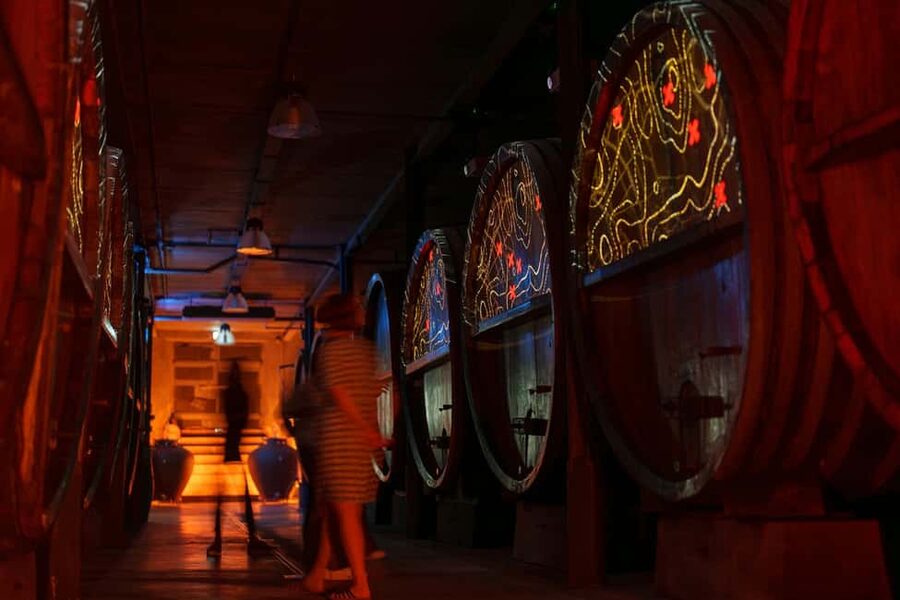
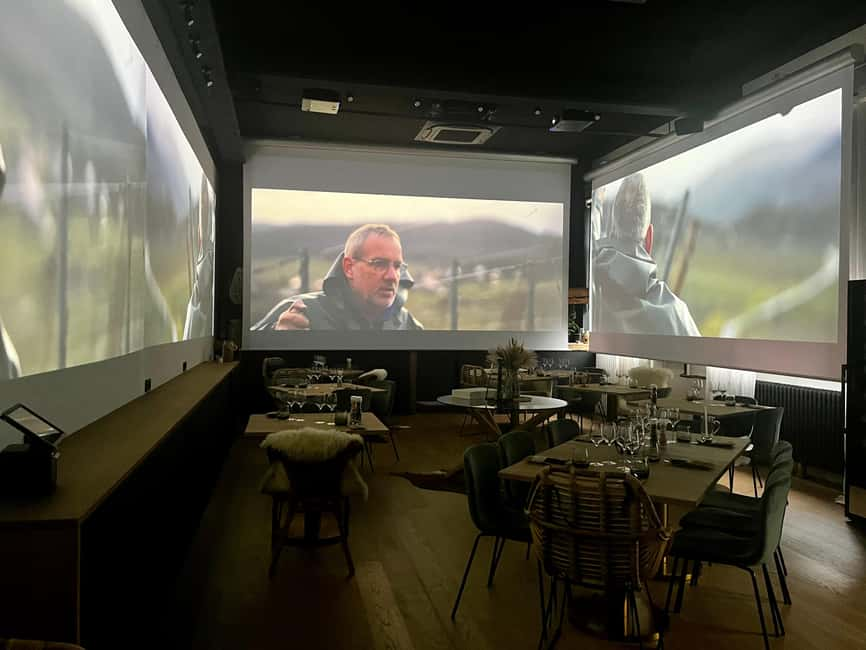
After the cellar explanation, the experience shifts from traditional interpretation to a newer presentation. A film about the owner’s personal story and work philosophy is projected across old oak barrels at 180 degrees. Sound, wall images, and mapping effects are used in parts of the presentation.
This is the element that sets the visit apart from a standard cellar tour. The barrels become the screen, so the setting remains part of the story. Rather than leaving the historic cellar for a conventional auditorium, you stay among the objects connected to the wine.
I like this approach because it gives the family’s work a human scale. Wine production can become a list of technical steps, but a personal film explains why the estate changed its farming and renovated its cellar. The format is also useful if you are visiting with someone who is less interested in grape varieties. The visual story offers another way into the subject.
There is a tradeoff. The presentation is designed as a show, with music and projected images. Some people will find that lively and memorable. Others may prefer a longer, quieter conversation with the winemaker. This is not a flaw, but it is worth knowing before you book.
Tasting Alsatian wines and Crémant
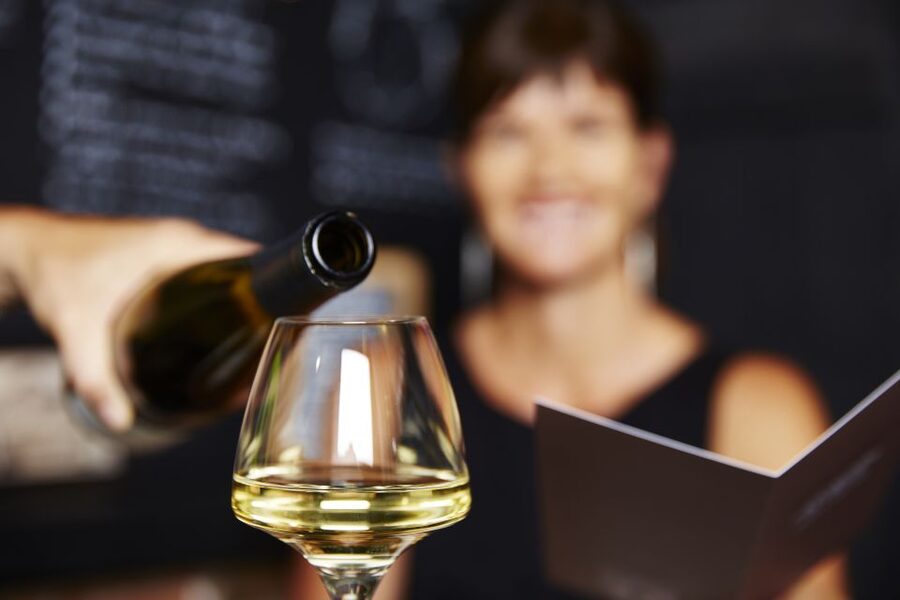
The tasting follows the cellar visit. You sample Alsatian wines and, depending on the selection served, Crémant as well. A tasting has included seven wines, which is a substantial introduction for a visit of this length.
The value here comes from pairing the pours with the explanation. You have just seen how the wine is made and where it is stored, so the tasting has a clear context. You can ask about the differences among the wines and connect what is in the glass with the Alsace region.
The tasting is not described as a formal lesson in every grape variety, so do not expect a long technical seminar. Instead, think of it as a guided introduction that works well for both curious beginners and people who already know a little about French wine.
You should pace yourself. With wine served at lunch as well, the overall visit can include quite a bit to taste. The meal is not an afterthought, and the pairings extend the tasting beyond the initial cellar session.
A practical point: the tour is offered in French and English, but you must select the correct language when booking. The warning is easy to overlook, and the language choice affects how much you get from the explanations.
Same vines, another glass to try:
- Authentic Parisian Gourmet Food Tour with 10 Local Dishes & Wines
★ 5.0 · 4,754 reviews - Loire Valley Castles Day Trip from Paris with Complementary Wine
★ 4.5 · 3,907 reviews - Bordeaux: River Garonne Cruise with Glass of Wine and Canelé
★ 4.5 · 3,630 reviews - Paris: Montmartre Cheese, Wine & Pastry Guided Walking Tour
★ 4.8 · 2,255 reviews
An Alsatian lunch with local comfort food
Lunch takes place in the renovated 100 percent audiovisual dining space, where lounge music and projected images continue the winery’s visual theme. The room is also used for wine labeling at other times, which gives the meal a connection to the working estate rather than a separate restaurant detached from production.
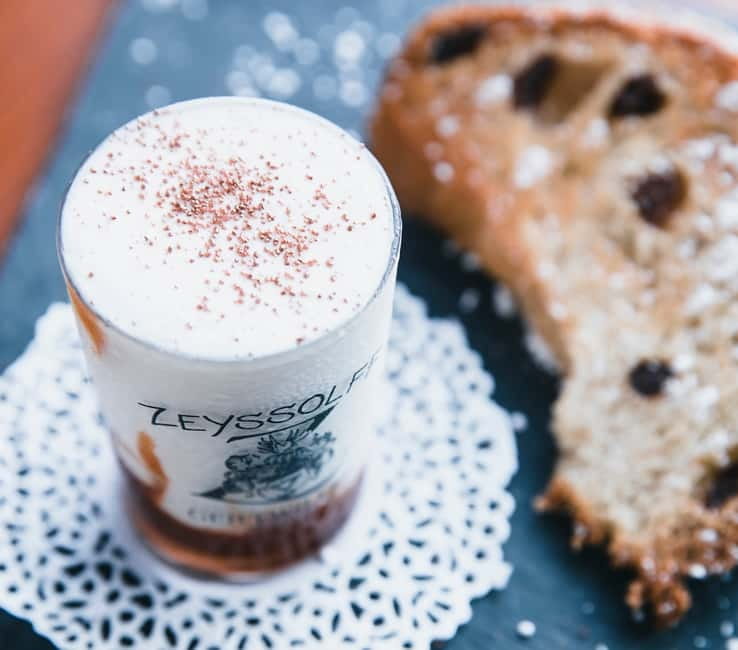
The food follows a clear Alsatian pattern. The meal includes a soup, an Alsatian meat pie, and two regional specialties for dessert: a slice of kougelhopf and Bibeleskaes. Coffee or tea finishes the meal.
Kougelhopf is the familiar Alsatian ring-shaped yeast cake, often associated with breakfast or dessert. Bibeleskaes is creamy Alsatian fromage blanc, a simple dairy specialty that provides a cool contrast to the cake. Together, the desserts give you two different sides of local home cooking.
The soup can vary, and a gazpacho version has been served. The meat pie provides the heartier part of the meal. Wine accompanies each dish, so lunch functions as a second tasting rather than a pause between activities.
I like this format for the value. A separate cellar visit plus a regional meal and several wine pours could easily become an expensive half-day. Here, the food is built into the experience and helps you understand how wine fits into Alsatian dining.
The meal also makes this a better choice for people who want more than a quick stand-up tasting. You sit, eat, and have time to talk. The drawback is equally clear: if you only want to sample wine and move on, the lunch makes the visit longer and less flexible.
The final 30 minutes for bottles and regional souvenirs
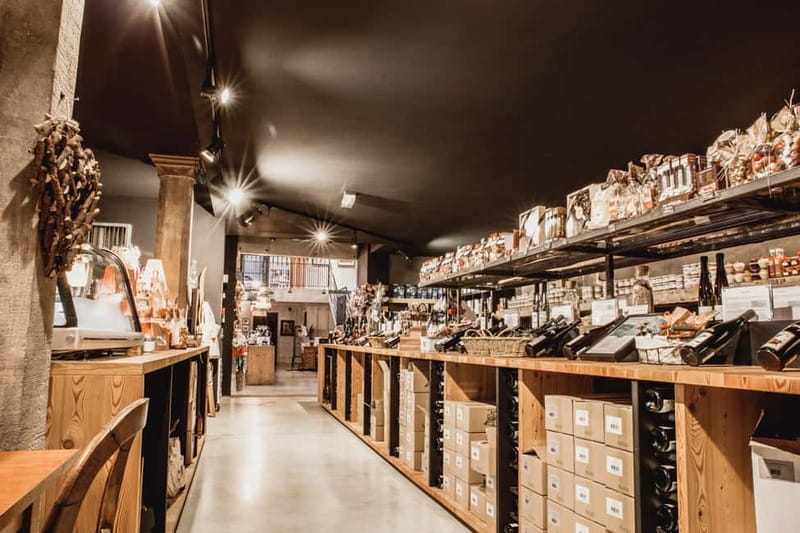
The last part of the scheduled visit allows about 30 minutes for shopping. Bottles are available for purchase as a souvenir of the cellar visit, and this is the moment to return to a wine you especially liked.
The shopping stop is useful because you have tasted the wines immediately beforehand. You do not have to guess from a label or remember a bottle from a crowded shop. You can buy something tied directly to the meal and the estate.
If you are flying or traveling with limited luggage, plan carefully. The tour includes the chance to purchase bottles, but it does not solve the practical problem of carrying them. If you are continuing by car, the shopping stop is more convenient.
The published itinerary lists the same Gertwiller address, 156 Route de Strasbourg, for the starting and ending point, though the meeting point can vary according to the option booked. Check your confirmation rather than relying only on a map pin.
What $76 buys you
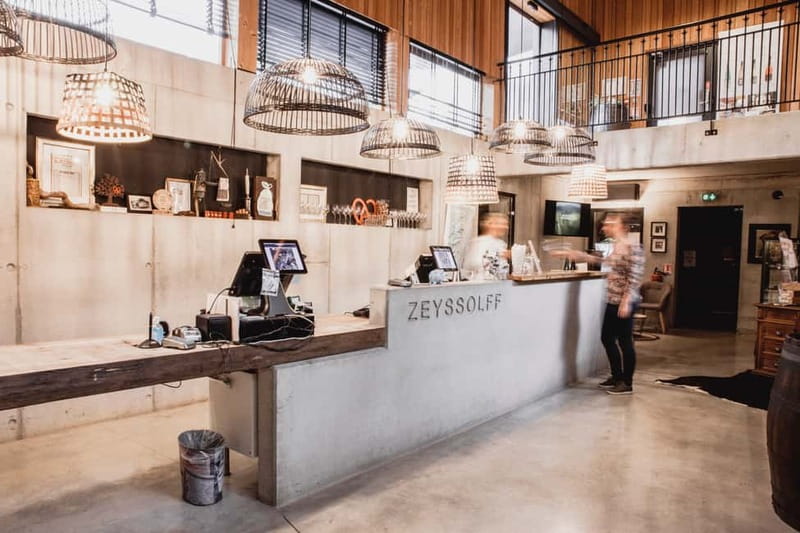
At $76 per person, this is priced above a basic wine tasting, but it includes far more than a few samples at a counter. You receive a guided cellar visit, regional information, the 180-degree barrel projection, a substantial lunch, dessert, coffee or tea, and wine with the meal.
The strongest value comes from the combination. A one-hour cellar explanation alone would not justify the price for everyone. A short tasting alone would be cheaper elsewhere. Put the cellar, audiovisual presentation, tasting, full meal, and shopping time together, and the price becomes reasonable for someone who wants a half-day cultural activity.
The format is especially good for couples, food-focused visitors, and small groups looking for an organized introduction to Alsace. It also works for mixed-interest groups because one person can enjoy the wine while another pays more attention to the family story, old cellar, food, or film.
I would not book it solely for the promise of organic wine or solely for the old barrel. Those are meaningful details, but the real value comes from the full package. If you do not want lunch or prefer to explore independently, a shorter tasting would suit you better.
Vegetarian and children’s options
Vegetarians can be accommodated, but you need to specify that in advance. Do not wait until you are seated, since the meal is planned around a set regional menu.
Children have a separate menu with knacks, vegetable chips, a drink, and dessert. You can also choose not to register children in advance and let them select a menu on site. That gives families some flexibility, though the booking instructions should still be read carefully.
The adult meal includes wine with each course, so families should think about whether the children will want the full dining experience. The children’s menu makes the visit more workable for parents, but this remains a wine-centered activity rather than a children’s attraction.
Timing, language, and the best fit
The total duration is 150 minutes. The schedule breaks down into roughly one hour for the guided winery visit, one hour for regional food, and 30 minutes for shopping. That timing is long enough to feel complete without taking an entire day from your Alsace plans.
English and French guides are available. Select your language carefully when booking, since the tour information specifically warns you to check this point.
The experience suits you best if you want:
- A first introduction to Alsatian wines
- A family winery with a long local connection
- A seated meal rather than a brief tasting
- An unusual audiovisual presentation
- An indoor activity in Gertwiller
- A chance to buy bottles after tasting them
You may want something else if you are looking for a vineyard hike, extensive technical wine instruction, or a very quiet tasting room. The projection, music, and meal make this a social and theatrical visit.
Cancellation is flexible up to 24 hours before the start for a full refund, and reserve-now, pay-later booking is available. Those terms are useful when your Alsace schedule depends on weather or changing day plans.
Should you book Vins Zeyssolff?
I would book this experience if you want one compact visit that combines Alsatian wine, local food, family history, and a memorable cellar setting. The old exhibition barrel and the projection across oak casks give it details you will not get from an ordinary tasting counter.
The strongest reason to choose it is the balance between explanation and pleasure. You learn how the wine is made, taste several wines, eat regional specialties, and finish with time to buy a bottle. That is a good use of 150 minutes.
Skip it if your priority is walking through vineyards or having a highly technical wine lesson. For everyone else, especially first-time visitors to Alsace, $76 is a fair price for a full food-and-wine experience in Gertwiller.
FAQ
How long does the Alsatian wine experience last?
The visit lasts 150 minutes, or two and a half hours. The schedule includes about one hour for the guided cellar visit, one hour for regional food, and 30 minutes for shopping.
Where does the tour take place?
The experience takes place at Vins Zeyssolff, Au Péché Vigneron, in Gertwiller. The listed address is 156 Route de Strasbourg, though the meeting point may vary depending on the option booked.
Is the tour available in English?
Yes. The live guide is available in English or French. Check the language selection carefully when booking.
What wines are included?
You taste Alsatian wines, and Crémant may also be included. A tasting session has included up to seven wines, though the exact selection can vary.
What food is served at lunch?
The meal includes soup, Alsatian meat pie, kougelhopf, Bibeleskaes, and coffee or tea. A wine accompanies each dish.
Are vegetarian and children’s meals available?
Vegetarian options are available if requested in advance. Children can have a menu with knacks, vegetable chips, a drink, and dessert, or choose a menu on site if they are not registered in advance.
Can I cancel or pay later?
You can cancel up to 24 hours before the activity for a full refund. Reserve-now, pay-later booking is also available.
More wine days with lunch around France
- From Paris: Day Trip to Champagne with 8 Tastings & Lunch
★ 4.8 · 1,501 reviews - Paris Cooking Class and Lunch with Wine plus Market Visit Option
★ 5.0 · 1,024 reviews - Saint-Emilion Electric Bike Day Tour with Wine Tastings & Lunch
★ 5.0 · 696 reviews - Paris: Wine and Cheese Lunch
★ 4.9 · 596 reviews
Freshly poured around France
- Private Tasting in Beaune : The Best of Burgundy Wines★ 4.9 · 66 reviews
- Semi Private Solar Boat Cruise in Champagne★ 4.9 · 32 reviews
- Private tour of Paris by Night with Champagne★ 4.7 · 323 reviews
- Montpellier: Pic Saint-Loup Wine Tour★ 4.9 · 290 reviews
- Passy-Grigny: Chocolate and Champagne Tasting Tour★ 4.8 · 284 reviews
- Paris: Wine Tasting Experience with 6 Wines and Cheese Board★ 4.9 · 80 reviews
- Paris: Wine and Cheese Tasting with a Chef Sommelier★ 4.7 · 277 reviews
- Paris: Wine and Cheese Tasting★ 4.6 · 91 reviews
France Wine Tours, side by side.
Authentic Parisian Gourmet Food Tour with 10 Local Dishes & Wines
Read our review →
Loire Valley Castles Day Trip from Paris with Complementary Wine
Read our review →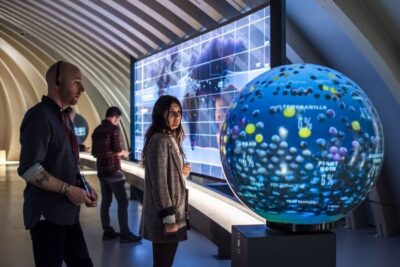
Bordeaux: Cité du Vin Entry Ticket and Wine Tasting
Read our review →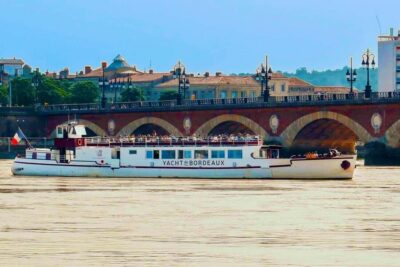
Bordeaux: River Garonne Cruise with Glass of Wine and Canelé
Read our review →
Montmartre Hill French Gourmet Food and Wine Tasting Walking Tour
Read our review →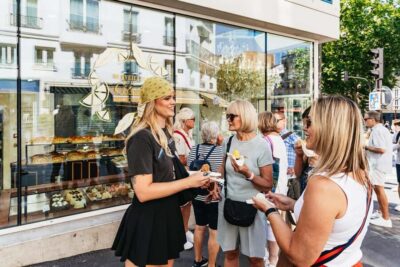
Paris: Montmartre Cheese, Wine & Pastry Guided Walking Tour
Read our review →
Paris 3-Courses Gourmet Dinner Seine River Cruise with Champagne
Read our review →
From Bordeaux: Afternoon Saint-Emilion Wine Tasting & snack
Read our review →Lists this tasting sits in