
Review · CENTRAL HUNGARY, HUNGARY
From Budpaest: Páty Wine Village Tour with Tastings
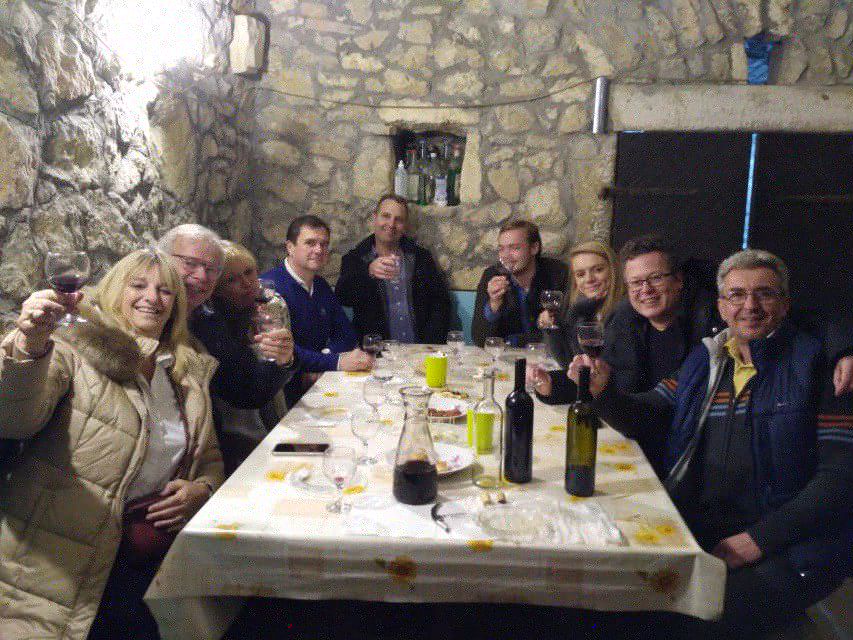
Páty gives you a side of Hungary that Budapest cannot: old wine cellars tucked into a quiet village setting, some dating to the late 1800s and shaped like little Hobbit burrows. I especially like the chance to meet local makers in person and taste wines from producers who work on a small scale, rather than moving through a polished commercial estate.
I also like the small group, which is capped at eight, and Miki’s clear, easygoing approach to Hungarian wine. The main drawback is time. Three hours passes quickly, and traffic can make the return to Budapest run late, so do not schedule a tight appointment afterward.
Key points at a glance
- Cellars from the 1880s: Páty’s unusual underground wine rooms are the main event, not a quick stop between larger attractions.
- Four wines per cellar: One or two wineries may be visited, giving you at least four tastings and possibly around eight.
- Miki’s personal guidance: Expect practical explanations about Hungarian wine, local production, food pairing, and the country’s wine traditions.
- Small local producers: One stop may feature organic wine, while another can offer very limited homemade production.
- Regional food with the wine: Ham, sausage, olives, and several cheeses come from local farmers and turn the tasting into a light meal.
- Easy escape from Budapest: Round-trip transport takes you from central Budapest to Páty and back in about three hours, traffic permitting.
Why Páty is worth leaving Budapest for
Budapest has plenty of wine bars, but Páty offers a different kind of afternoon. You leave the city and reach a village where winemaking is tied to small personal cellars, family work, and old local customs.
The village is close enough to make this a simple half-day outing. The drive is described as about 20 minutes, though some departures have taken closer to 30 minutes depending on traffic and timing. That short ride matters because you get countryside and cellar culture without giving up an entire day.
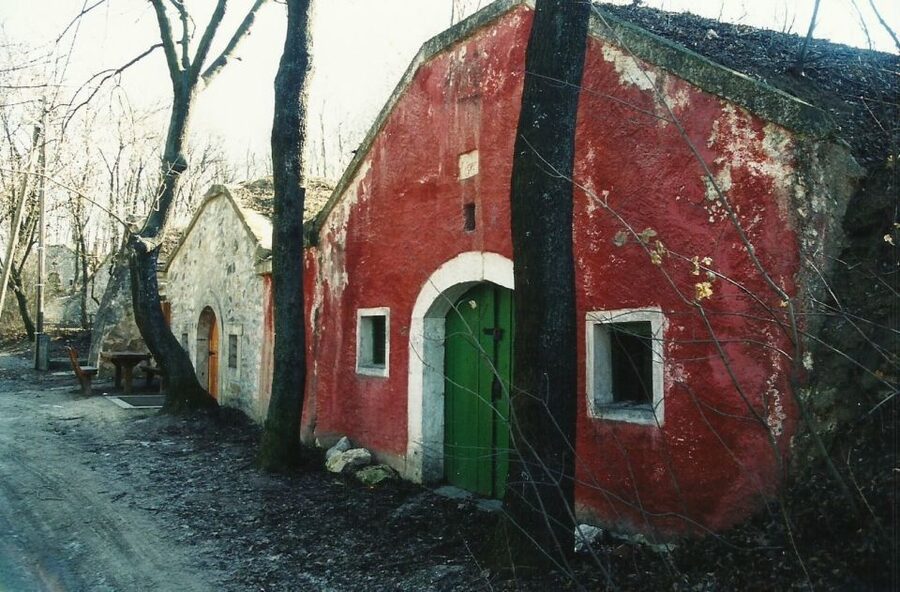
I find the setting more interesting than a standard vineyard visit. You are not simply shown rows of vines, a barrel room, and a gift shop. The cellars are dug into the local terrain and date as far back as 1880. Reports from the area refer to roughly 250 wine caves, which helps explain why Páty feels like a genuine cellar village rather than a purpose-built attraction.
The setting changes with the season. Autumn brings wooded colors, while winter can turn the old cellars and surrounding paths into a fairytale scene under snow. The scenery is part of the pleasure, but the ground around old cellars may not be as smooth or predictable as a modern visitor center. Wear shoes you can walk in comfortably.
More wine tours around the world:
- Amsterdam: Classic Saloon Boat Cruise with Cheese & Wine
★ 4.6 · 27,035 reviews - Amsterdam: Evening Cruise with Optional Wine and Snacks
★ 4.4 · 22,178 reviews - Tuscany Day Trip from Florence: Siena, San Gimignano, Pisa and Lunch at a Winery
★ 5.0 · 21,634 reviews
Meeting Miki at the central Budapest pickup
The meeting point is outside The Al Habtoor Palace Budapest at Erzsébet tér 9-10. You should arrive 10 minutes before departure. This is a central location, useful if you are staying near the city center or already sightseeing around the square.
Miki is the guide most closely associated with the experience. He brings a background in wine writing, judging, and running the Wine the Gap wine bar. His role is not just to pour samples. He explains what you are drinking, places Hungarian wine within the wider European scene, and answers questions that come up along the way.
That makes the tour suitable for more than serious wine fans. If you can already identify grape varieties and regions, you should still find enough detail to keep things interesting. If Hungarian wine is new to you, the explanations help you understand what makes the country more than a Tokaji-only destination.
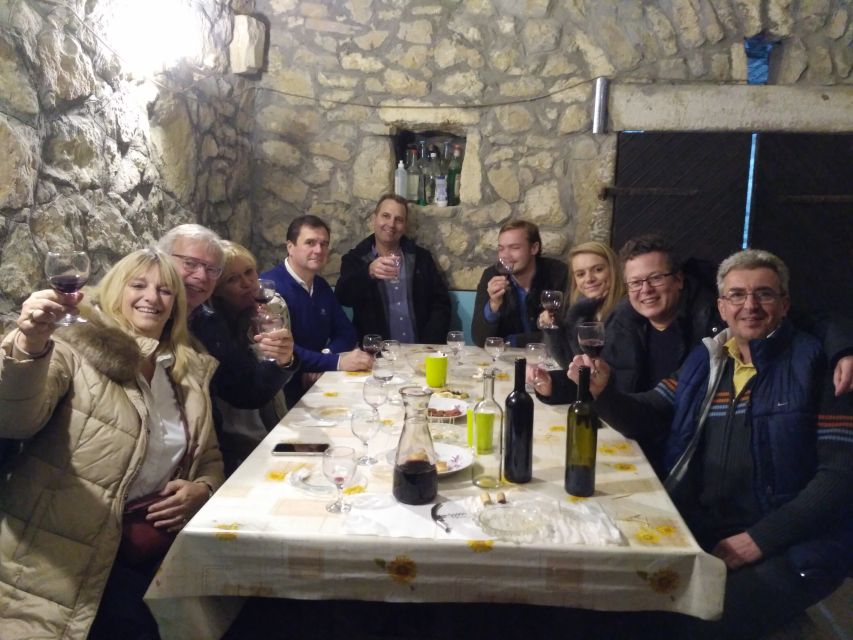
The tour is conducted in English. Since the group is limited to eight people, you have a fair chance to ask questions without trying to compete with a large coach group. A small group also suits the personal nature of the cellars, where the host may be a family producer rather than a formal tour department.
Entering Páty’s old wine cellars
The first real pleasure in Páty is seeing the cellar area itself. These are not sleek modern tasting rooms. They are old, compact wine spaces with a look that several visitors compare to Hobbit burrows, a useful image if you want to picture rounded openings set into a wooded village setting.
The unusual architecture gives the stop a strong sense of place. You could not easily reproduce this experience in a Budapest tasting room, and you would have trouble finding the cellars without someone who knows the area. That is a major reason the guided transport is useful.
Inside, the mood is informal. You may taste wine from bottles, and at some stops you may taste directly from the barrel. The exact cellar plan can vary, since the tour may visit one or two wineries. One winery is known for organic wines, while other samples may come from small Hungarian producers and award-winning labels selected to show different styles.
Do not expect a formal lecture at every stage. The appeal is the conversation. You can ask how the wine is made, what foods suit it, how the local cellar system works, and how Hungarian regions differ from one another. Miki’s explanations also cover the broader story of Hungary’s wine tradition, described as more than 1,000 years old.
Four wines, or possibly eight, with room for questions
The advertised tasting includes at least four different wines at each cellar. If two cellars are included, that can mean roughly eight wines. The exact lineup is not fixed in the information provided, which is actually useful: the experience can reflect the producers and wines available on the day rather than forcing every group through the same factory-made script.
You may encounter white, red, and rosé wines, as well as wines from different Hungarian regions. One particularly praised part of the tasting has been the chance to sample wines beyond the country’s famous sweet Tokaji styles. Hungarian wine is much broader than that single name, and Páty provides a gentle introduction to that variety.
Miki explains the character of each wine and how it may work with food. The point is not to rush through four glasses. You have time to compare, ask questions, and understand why one wine tastes fresher, fuller, sweeter, or more earthy than another.
A tasting of this size requires a little self-management. Four wines at one cellar can become eight at two, especially when generous pours or barrel samples are involved. Eat beforehand if you need more than a light meal, and use the tasting as a chance to learn rather than trying to finish every glass.
Same vines, another glass to try:
- From Porto: Douro Valley w/ Boat Tour, Wine Tasting & Lunch
★ 4.7 · 19,061 reviews - Complete Douro Valley Wine Tour with Lunch, Wine Tastings and River Cruise
★ 5.0 · 12,920 reviews - Florence: Pasta Cooking Class with Unlimited Wine
★ 4.9 · 10,285 reviews - Florence: Chianti Wineries Tour with Wine Tasting
★ 4.5 · 10,071 reviews
Local ham, sausage, olives, and cheese
At the final cellar, the wine comes with a tapas-style plate of regional food. Expect olives, ham, sausages, and several cheeses supplied by local farmers. This is not presented as a full restaurant lunch, but it should be enough to make the tasting feel more substantial.
I like this part because food makes the wine easier to understand. A local sausage can show why a fuller red works, while cheese can change the way you notice acidity or fruit. It also keeps the experience tied to the area instead of treating wine as an isolated product.
The food is simple and regional, which is the right match for old village cellars. You may also encounter homemade extras from a producer, such as cookies, though that should not be treated as a guaranteed part of every departure. One participant received gluten-free bread after communicating a dietary need, but the provided details do not promise special meals, so contact the operator before booking if you have a serious allergy or restriction.
The tapas plate also helps explain the $93 price. You are paying for transport, a small group, several tastings, the guide’s expertise, and food, not simply four pours at a city bar. It is not the cheapest wine tasting you can find in Budapest, but it offers access to a place and group of producers that would be difficult to arrange alone.
How the three-hour schedule works
The experience begins with pickup in central Budapest, followed by the short drive to Páty. During the ride, Miki introduces Hungarian wine and sets up the story behind the village.
In Páty, the main visit lasts about two hours. That time includes the cellar experience, wine tasting, conversations with the makers, and regional snacks. You may visit one or two wineries, depending on the plan for the day.
The final leg returns you to the same central Budapest meeting point. Allow extra time beyond the stated three hours. Budapest traffic can slow the return, and one departure finished later than planned. I would avoid booking a train, airport transfer, dinner reservation, or theater ticket immediately afterward.
The compact schedule is both a strength and a limit. You get an easy countryside break without losing a whole day, but you do not have much time for wandering around Páty independently. This is a focused wine visit, not a broad village tour.
The experience is personal, not polished
Páty suits you if you prefer small producers and direct conversation. One cellar may produce only about 1,000 bottles a year, according to the experience details shared by a past participant. That scale changes the visit. You are tasting something made by a person or family with a direct connection to the cellar, not simply sampling a brand designed for mass distribution.
At least one producer may not speak English, with Miki translating and helping the conversation along. That is a useful reminder that this is an authentic local visit, not an international visitor center. You may not get a perfectly scripted presentation, but you get access that would otherwise be difficult to arrange.
The personal tone extends to the guide. Miki’s style is relaxed, humorous, and generous with explanations. He also answers questions about Budapest, Hungarian customs, and local history when they arise. Several people have enjoyed visiting his Wine the Gap bar afterward, but that is separate from this tour and is not required for the outing to work.
The tour is best for adults who enjoy conversation, tasting, and a little uncertainty about exactly what the cellar day will bring. It is not suitable for children under 18. It may also disappoint you if you want a grand estate, extensive vineyard walking, or a formal food-and-wine course.
Is $93 a fair price?
At $93 per person, this tour sits above a basic city tasting but offers more than a simple flight of wines. Round-trip transfers remove the need to arrange a taxi or public transport to Páty. You also receive at least four wines at each cellar, regional meat and cheese plates, and a small-group guide who explains the wines and translates conversations when needed.
The value depends on what you want from a wine outing. If your priority is the lowest possible price per glass, you can likely spend less in Budapest. If you want access to old cellar rows, small producers, and a countryside setting without planning the logistics yourself, the price is easier to justify.
I would call it good value for a visitor who wants one unusual half-day experience rather than a standard city attraction. The guide is a major part of that calculation. Without Miki’s context, the old cellars would still be attractive, but you would miss much of the explanation about Hungarian regions, production, and food pairing.
Free cancellation up to 24 hours before the activity and the option to reserve now and pay later add useful flexibility. The tour requires at least two participants, so if that minimum is not reached, an alternative date is offered.
Who should book the Páty wine village tour?
Book it if you want to:
- Get outside Budapest without committing to a full-day excursion.
- Learn about Hungarian wine beyond Tokaji.
- Taste wine from small local producers.
- Meet makers in an informal cellar setting.
- Enjoy a small group capped at eight.
- Pair wine with regional ham, sausage, olives, and cheese.
- Let an English-speaking guide handle transport and translation.
Think twice if you want a predictable, polished winery complex with a large restaurant, extensive vineyard walking, or a strict schedule. The old cellars are the attraction, but they also mean the setting is rustic and the experience is shaped by local producers rather than a standard corporate format.
Should you book this tour?
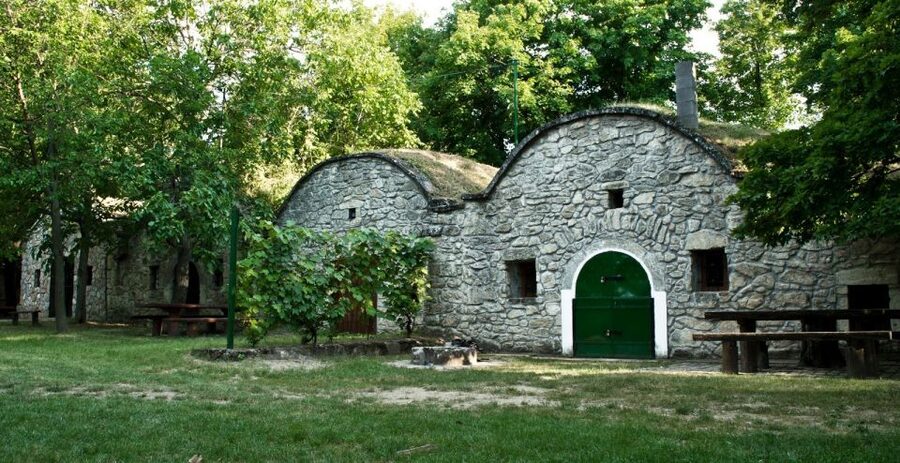
I would book the Páty Wine Village Tour if you have already seen Budapest’s main sights and want a close, low-effort escape into Hungarian wine country. The old cellar village, personal contact with producers, and Miki’s strong command of the subject give the outing a character that a city tasting cannot match.
Leave room in your schedule for traffic, arrive early at Erzsébet tér, and plan to taste rather than rush. If you want a quiet, adult-focused afternoon with unusual cellars, good local food, and a guide who makes Hungarian wine easier to understand, this is a strong choice. If you want a large estate or a full meal, choose something else.
FAQ
Where does the Páty wine village tour start?
The tour starts outside The Al Habtoor Palace Budapest at Erzsébet tér 9-10, 1051 Hungary. You should arrive 10 minutes before the activity begins.
How long does the tour last?
The stated duration is three hours. The main Páty visit takes about two hours, but traffic can make the return to Budapest take longer than planned.
How far is Páty from Budapest?
Páty is described as roughly a 20-minute drive from Budapest, though some departures have taken closer to 30 minutes.
How many wines are included?
You receive at least four different wine tastings at each cellar. Since the tour may visit one or two wineries, you may taste around four to eight wines in total.
Is food included?
Yes. The tour includes tapas plates with olives, ham, sausages, and different cheeses from local farmers.
Is the tour conducted in English?
Yes. The live tour guide speaks English, and the activity is offered as an English-language small-group experience.
How large is the group?
The group is limited to eight participants. The tour requires at least two participants to operate.
Can children join the tour?
No. The experience is not suitable for children under 18.
Freshly poured around the world
- Private Tasting in Beaune : The Best of Burgundy Wines★ 4.9 · 66 reviews
- Semi Private Solar Boat Cruise in Champagne★ 4.9 · 32 reviews
- Private Group Visit to Akrotiri & 3 Wineries with Tastings★ 4.2 · 42 reviews
- Private tour of Paris by Night with Champagne★ 4.7 · 323 reviews
- Private Flavors of Florence Walking Tour(Food&Wine Included)★ 4.8 · 46 reviews
- Pizza-Making Workshop by night with glass of wine★ 4.9 · 45 reviews
- Malaga: PREMIUM TAPAS TOUR Paella, Tapas, Winery & Flamenco★ 4.6 · 82 reviews
- Mendoza: Premium Wine Tasting★ 4.4 · 48 reviews