
Review · VENICE
Venice: Eat Like a Local Food Tour with Wine & Spritz
Venice is best understood one small plate and one glass at a time. This tour leads you from Cannaregio to Rialto, stopping at family-run bacari for cicchetti, seafood, wine, Spritz, and tiramisu. The short traghetto crossing is a fine local touch: you stand with the residents as the boat slips across the Grand Canal.
I like two things in particular. First, the food is generous and varied, from baccalà and seafood polenta to tramezzini and the day’s pasta or risotto. Second, a small group of no more than 10 makes it easier to ask questions and follow a guide such as Olympia, Alice, Camilla, or Giorgia through narrow streets.
The main consideration is dietary flexibility. Vegetarians, lactose-free diners, and non-celiac gluten-free diners can be accommodated, but not every stop can adjust every dish. You should also arrive hungry, since the five tasting stops can add up to a full meal.
Key points at a glance
- A local route from Cannaregio to Rialto: Walk through quieter lanes before reaching Venice’s famous market district.
- Five food and drink moments: Expect seafood, cicchetti, wine, Spritz, and a sweet finish with sparkling red wine.
- A real traghetto crossing: Stand for a brief Grand Canal ride used as a practical Venetian crossing.
- Small groups capped at 10: The size suits conversation, questions, and personal dining advice.
- More food than a light snack: Portions can be surprisingly filling, so plan this as a meal rather than a warm-up.
- Useful advice for the rest of your stay: Your guide can point you toward other bacari and restaurants to try later.
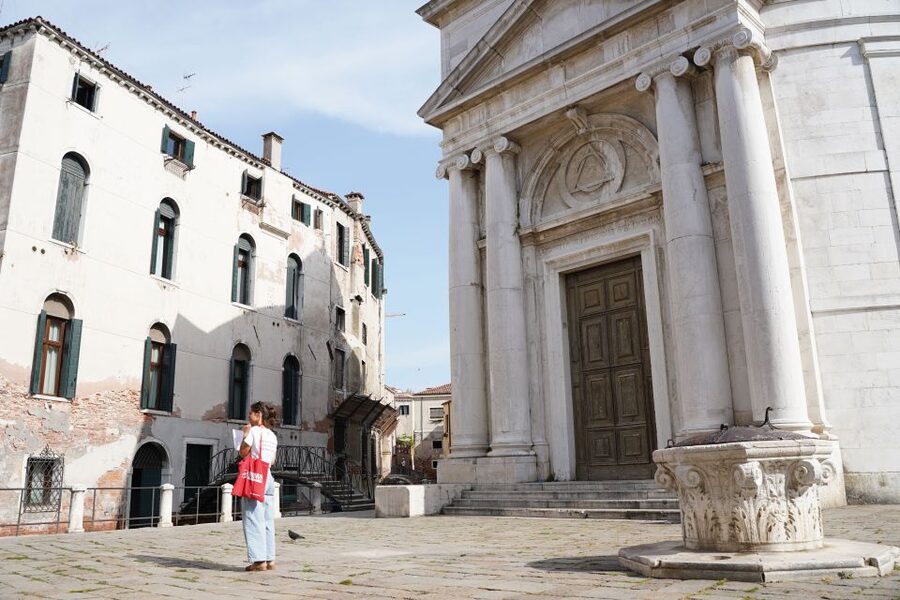
Starting in Cannaregio at Campo de la Maddalena
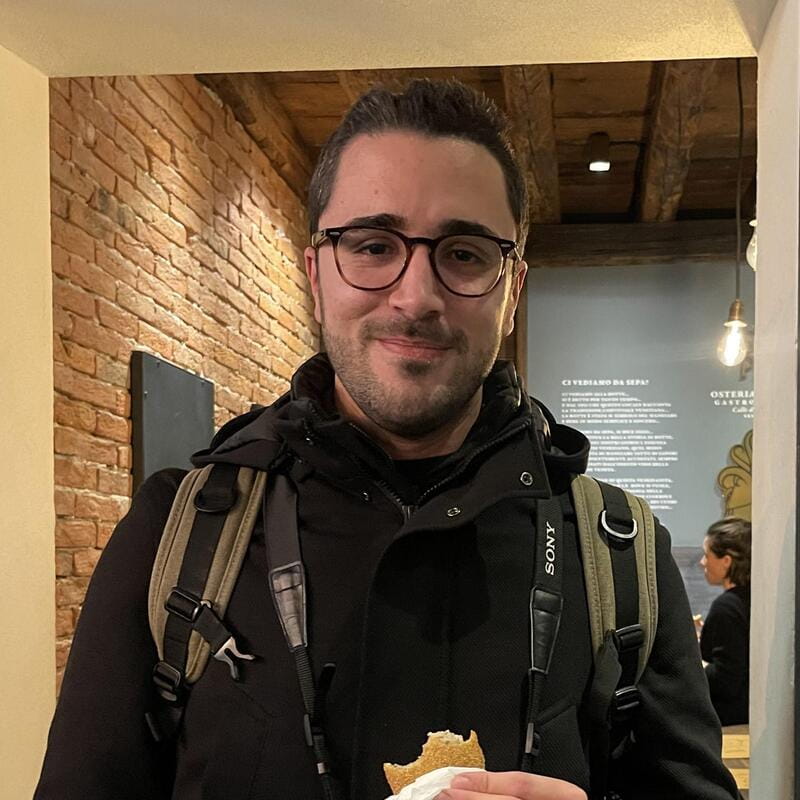
The meeting point is in front of the Church of the Maddalena at Campo de la Maddalena. This gives the tour a better opening than a meeting point beside a major attraction. You begin in Cannaregio, a neighborhood with a more everyday feel than the busiest streets around St. Mark’s Square.
Your guide sets the tone here, explaining how Venetian food fits into ordinary life. The point is not simply to eat famous dishes. You learn how locals use bacari for a quick bite, a drink, or a short chat with friends.
The tour covers about 2 kilometers, or 1.2 miles, over easy walking. That is a manageable distance, though Venice’s paving, bridges, and narrow lanes still call for comfortable shoes. You spend enough time on foot to see the city between tastings, but not so much that the walk becomes the main event.
Guides have been a major strength of this experience. Names that appear often include Olympia, Alice, Camilla, Giorgia, Giovanna, Alicia, and Silvia. The best guides do more than explain a plate. They connect food with Venetian customs, local history, and practical suggestions for the rest of your visit.
More wine tours around Italy:
- Tuscany Day Trip from Florence: Siena, San Gimignano, Pisa and Lunch at a Winery
★ 5.0 · 21,634 reviews - Florence: Pasta Cooking Class with Unlimited Wine
★ 4.9 · 10,285 reviews - Florence: Chianti Wineries Tour with Wine Tasting
★ 4.5 · 10,071 reviews
Crossing the Grand Canal by traghetto
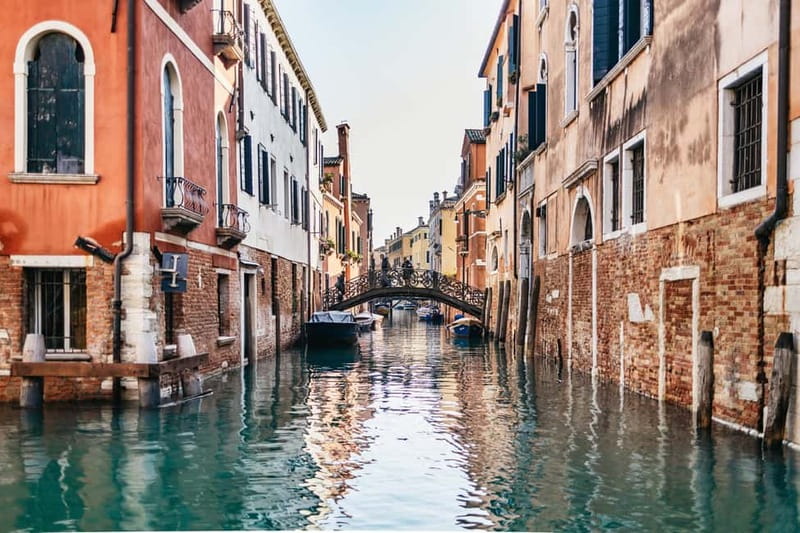
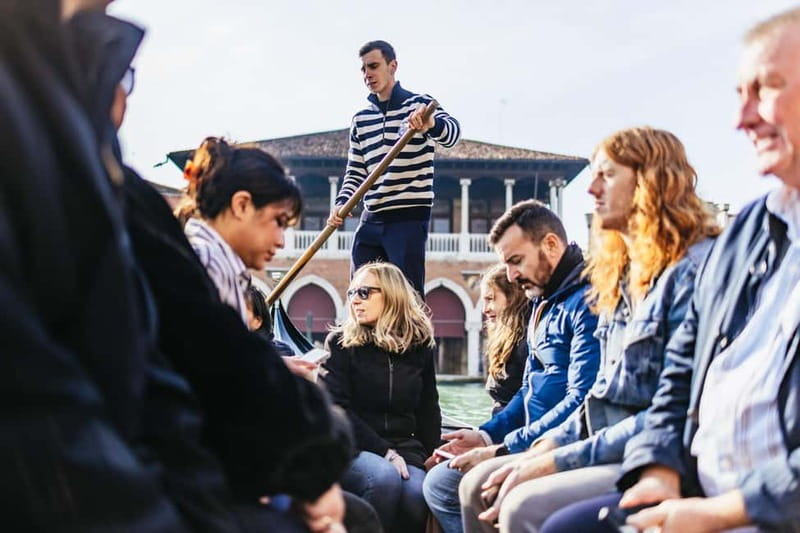
One of the tour’s most memorable details is the traditional traghetto crossing. This is not a long gondola ride with music and sightseeing. It is a short, practical boat crossing, usually taken standing up, much as locals use it to get from one side of the Grand Canal to the other.
That distinction matters. Venice has plenty of gondola rides designed for visitors, but the traghetto is a slice of daily transport. It is brief, simple, and tied to the city’s working rhythm. The boat ride also breaks up the walking and gives you a different view of the Grand Canal.
The route and timing can change if opening hours or crowds require it. The exact order of stops is not fixed, but the food and drink program remains in place. You should see the traghetto as an important part of the experience, not as a guaranteed sightseeing cruise with a set duration.
Seafood and market flavors near Rialto
After crossing the canal, the tour continues toward the Mercato di Rialto and Rialto Bridge. Rialto has long been central to Venice’s food trade, so it is a fitting place to connect the dishes on your plate with nearby ingredients and market life.
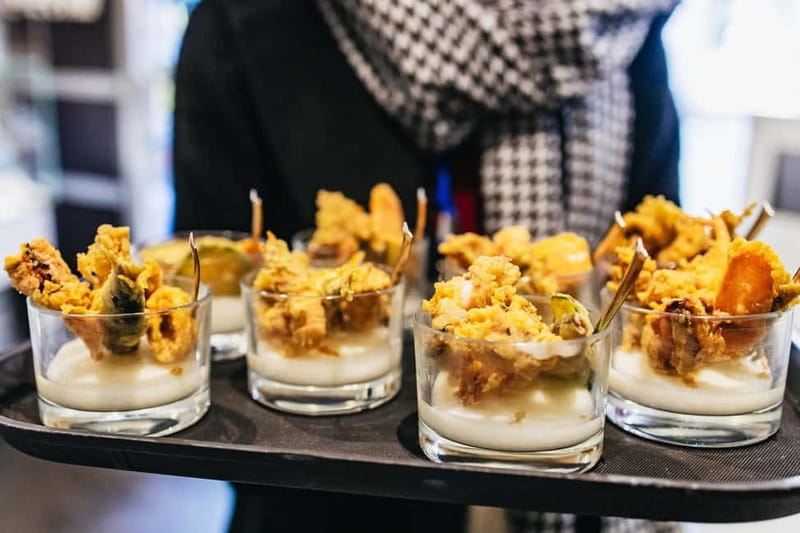
The first tasting section focuses on modern versions of Venetian classics. Depending on the day and season, you might try black ink calamari, seafood polenta, fried fish, tuna meatballs, or a vegetable dish. These are not described as one fixed menu, and that is useful to remember. Seasonal cooking and the day’s supply can shape what appears.
This stop comes with Prosecco. The pairing gives you a first look at how the tour handles drinks. Wine is not added as an afterthought. Each tasting is matched with a local pour chosen to suit the food.
The Rialto setting adds context, but do not expect a full market tour. The focus remains on eating, walking, and hearing stories from the guide. You pass through the food district rather than spending the entire morning or afternoon studying market stalls.
Learning the language of cicchetti in local bacari
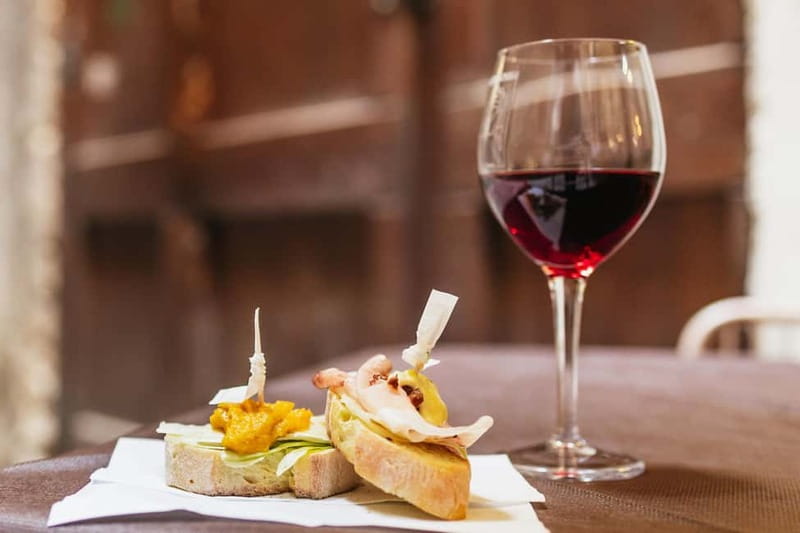
The heart of the experience is cicchetti, Venice’s small-plate tradition. Think of cicchetti as compact bites made for sharing, snacking, or pairing with a drink. They can be simple or carefully prepared, and they make it easy to try several different flavors without ordering a single large entrée.
The tour visits locally owned bacari and wine bars, including family-run places away from the most obvious tourist routes. You may find creamy baccalà prepared in two ways, meat and cheese bites, tramezzini sandwiches, and a pasta, risotto, or lasagna of the day.
The baccalà is a useful introduction to Venetian food. Salt cod has a strong place in regional cooking, and trying two preparations lets you compare texture and seasoning. If you are a cautious eater, this may be the moment to keep an open mind. The menu is varied, but some dishes will be unfamiliar.
The tramezzini offer a gentler contrast. These soft, triangular sandwiches are a common Italian snack and help balance the seafood-focused dishes. A warm pasta, risotto, or lasagna course makes the meal feel substantial. Several people find the portions so generous that finishing every plate becomes difficult.
That is a positive if you want value, but it changes how you should plan the day. Do not book this between two large meals. A light breakfast or lunch beforehand makes more sense.
Same vines, another glass to try:
- Small-Group Wine Tasting Experience in the Tuscan Countryside
★ 5.0 · 7,392 reviews - Florence: Pasta & Tiramisu Cooking Class with Unlimited Wine
★ 4.9 · 6,708 reviews - Florence: Pasta Cooking Class with Unlimited Wine
★ 5.0 · 6,413 reviews - Pisa, Siena and San Gimignano Day Trip with Lunch & Wine Pairing
★ 4.5 · 6,006 reviews
Spritz, Chardonnay, and local wine pairings
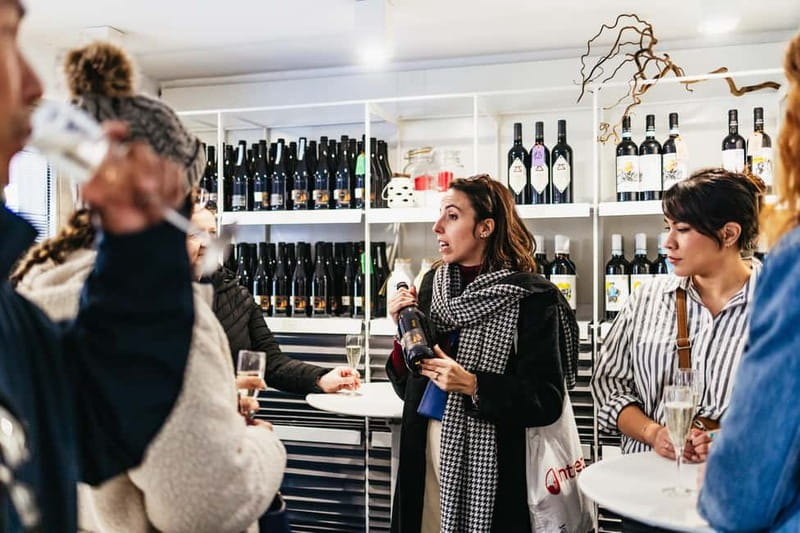
Drinks are built into the route rather than treated as optional extras. You receive Prosecco with the Rialto seafood tasting, a Venetian Spritz during the aperitivo stop, Chardonnay with classic cicchetti, red wine with another backstreet tasting, and sparkling red wine alongside dessert.
The Spritz is especially important because it is part of Venetian social life. This is the drink to expect at aperitivo time, when people meet for a small bite and a glass before dinner. The tour explains that custom while giving you a chance to try the drink in the setting where it belongs.
The wine selections also keep the tastings moving. White wine suits seafood and lighter bites, while red wine gives the meat and cheese course a different feel. The pairings are not a formal wine class, so you will not receive a technical tasting lecture. Instead, you get practical guidance about what goes well together and what to order in a bacaro later.
Alcohol is served throughout the experience, so pace yourself. The food is plentiful, and the walking is easy, but several pours over two and a half hours can add up. The tour is better approached as a social meal than as a race through as many drinks as possible.
Quiet lanes around Rialto
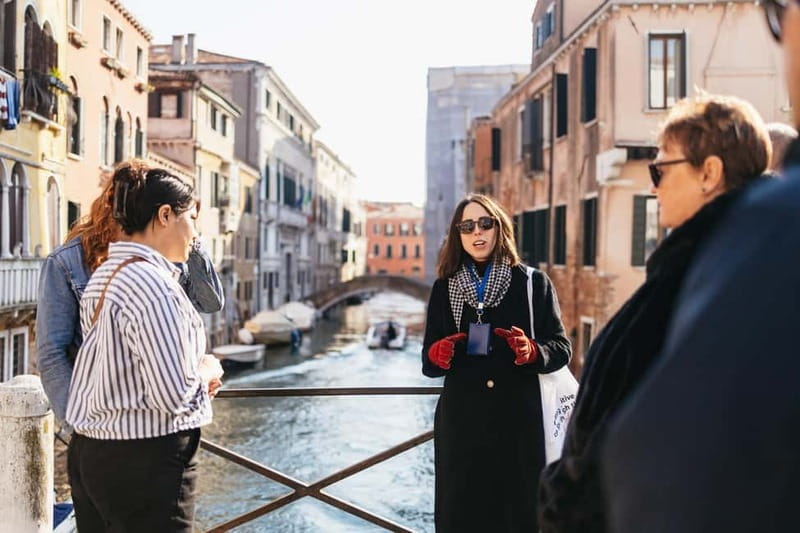
Between the food stops, your guide leads you through backstreets and small squares near Rialto. This is where the tour earns its keep for anyone who has already seen the main sights but still feels unsure about Venice’s layout.
The quiet lanes provide a change from the crowds around Rialto Bridge. You learn how a few turns can take you from a heavily photographed route into a place where residents shop, meet, and eat. The tour does not promise secret monuments or grand revelations. Its value is more practical: you gain a sense of where local life happens and how to move beyond the main tourist paths.
Guides also add stories about Venetian food and the city’s customs as you walk. Several guide profiles highlight an easy sense of humor, clear explanations, and helpful answers about where to eat next. That makes the group feel less like a lecture and more like an evening out with someone who knows the city well.
The small-group limit helps here. With no more than 10 people, you can hear the guide in narrow streets and ask about dishes, bars, or other parts of Venice. Private groups are also available if you want a more tailored outing.
Finishing with tiramisu at Campo San Bortolomio
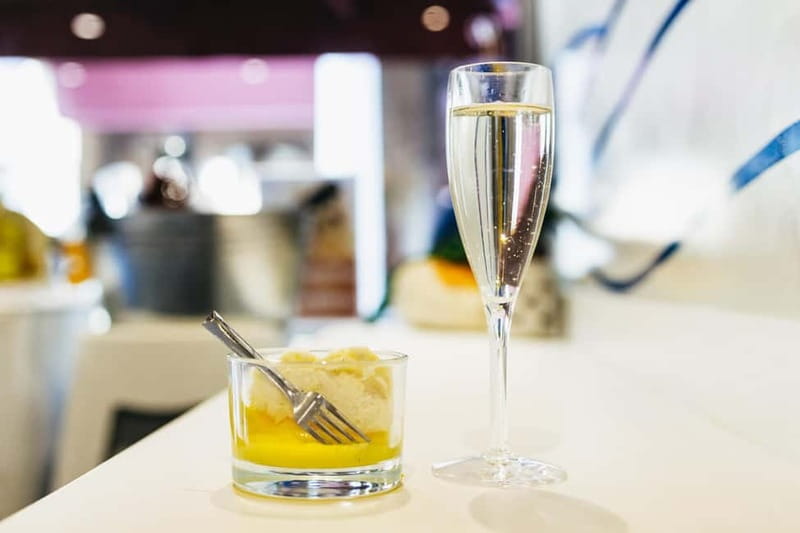
The final stop is a classic tiramisu at Campo San Bortolomio, paired with sparkling red wine. After seafood, sandwiches, savory cicchetti, and a warm main course, the dessert gives the tour a clear finish.
Some versions of the dessert may include a twist such as pistachio, depending on the stop and the day. The exact menu can change, so treat the tiramisu style as seasonal rather than fixed. The important point is that the tour does not end with one last drink and a rushed goodbye. You finish with a sweet course and time for personal recommendations.
Campo San Bortolomio is also a useful place to end because you are near central Venice. Your guide can suggest other bacari, restaurants, and bars for later in the trip. Doing this tour early in your stay is smart if you want those tips to shape your remaining meals.
Is $99 a fair price?
At $99 per person, the tour is not the cheapest way to grab a snack in Venice. You could order cicchetti and wine on your own for less, especially if you already know where to go and understand the menu.
The value comes from the combination of food, drinks, guidance, and route planning. You receive several tastings, multiple wine pairings, a Spritz, dessert, and the traghetto crossing during a 2.5-hour walk. You also avoid the uncertainty of choosing a touristy bar with average food.
The portions are another reason the price can work. This is not a tour built around one bite at each stop. The food can be filling enough to replace dinner, which makes the cost easier to justify. You are also paying for access to family-run places and for a guide who explains what you are eating.
I would book it early in your Venice stay. The food alone is useful, but the dining advice may be the bigger gain. Once you understand how cicchetti and bacari work, you can continue the habit on your own.
Who will enjoy this Venice food tour?
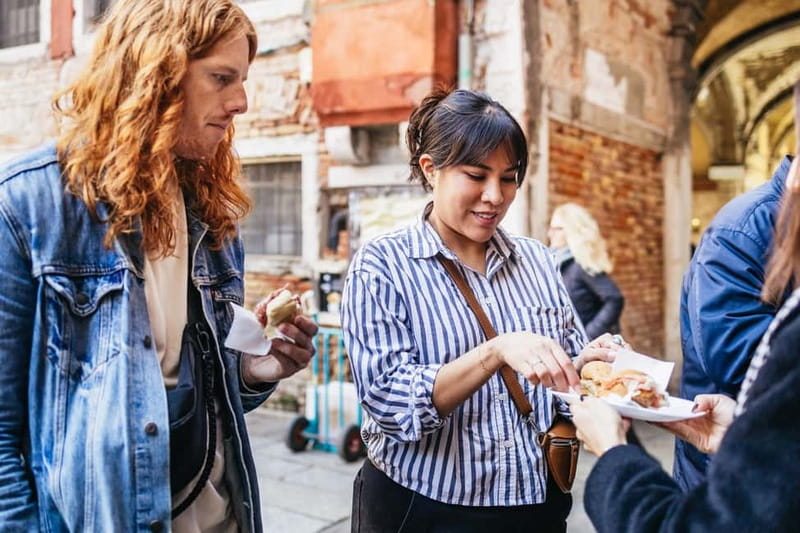
I recommend it most for first-time visitors who want a friendly introduction to Venetian eating. It also suits solo visitors and couples who like meeting people, since the small group naturally creates conversation around the table.
You will get the most from it if you are willing to sample unfamiliar food. The menu includes seafood, salt cod, meat, cheese, vegetables, pasta, and dessert, so it is not designed for very selective eaters. Vegetarians, lactose-free diners, and non-celiac gluten-free diners can take part, but you should explain your needs in advance and expect some limits at individual stops.
Children under six are not permitted. Older children may enjoy the food and boat crossing, but keep in mind that the experience includes several tastings and alcoholic drinks rather than child-focused activities.
The tour is also a good fit for people who dislike long walking tours. The route is about 2 kilometers, and the food stops break up the distance. Still, the streets and bridges of Venice are not perfectly smooth, so comfortable shoes remain important.
Small details that make the experience work
The best part of this tour is its rhythm. You walk a little, stop for food, hear a story, cross the canal, and then sit down again. That pace keeps the history connected to the places where you are eating.
The guide matters a great deal. Olympia is praised for being warm, funny, and clear. Alice, Camilla, Giorgia, and Giovanna are also noted for food knowledge, local tips, and an easy way with groups. Your guide may differ, but the experience depends on having someone who can explain both the dish and the custom behind it.
The route may shift with opening times and crowd levels. That is not a flaw by itself. In Venice, a rigid schedule can be less useful than a flexible route that keeps the group moving and preserves the quality of the stops.
Free cancellation is available up to 24 hours before the tour, and you can reserve while paying later. Starting times vary, so check availability for your date. The tour is offered in English, with private or small-group options.
Should you book it?
Book this tour if you want a full, social introduction to Venetian food rather than a formal cooking lesson or a sightseeing tour with one token snack. The mix of cicchetti, wine, Spritz, quiet lanes, and a traghetto crossing gives you a practical feel for how Venice eats and moves.
Skip it if you need a tightly fixed menu, avoid alcohol, or want complete control over every restaurant and dish. Dietary needs can be handled to a point, but the stops are not all equally flexible.
For most visitors, $99 is fair because the food is plentiful, the route is well chosen, and the advice can improve the rest of your stay. Book it near the start of your trip, arrive hungry, and leave room in your plans for the bacari your guide recommends.
FAQ
How long does the Venice food tour last?
The tour lasts 2.5 hours and includes walking through Cannaregio and Rialto, several food and drink stops, and a traditional traghetto crossing.
Where does the tour start?
Meet in front of the Church of the Maddalena at Campo de la Maddalena in Cannaregio.
Where does the tour finish?
The tour finishes at Campo San Bortolomio near the Rialto area, after tiramisu and sparkling red wine.
How much walking is involved?
The route covers about 2 kilometers, or 1.2 miles, through Venice’s streets, canals, and squares.
Can the tour accommodate dietary restrictions?
It is suitable for vegetarians, lactose-free diners, and non-celiac gluten-free diners. Not every stop can adjust for every dietary need, so some flexibility is required.
Can the route and food stops change?
Yes. The order and venues may change based on opening times or crowd levels, while the tour continues to provide the planned quality of food and drink tastings.
Freshly poured around Italy
- Private Flavors of Florence Walking Tour(Food&Wine Included)★ 4.8 · 46 reviews
- Pizza-Making Workshop by night with glass of wine★ 4.9 · 45 reviews
- Pramaggiore: Ornella Bellia Winery Guided Tour & Tasting★ 5.0 · 90 reviews
- Rome: Pompeii Tour with Wine and Lunch by High Speed Train★ 4.8 · 485 reviews
- Polignano a Mare: Street Food Tour with Tastings and Wine★ 4.7 · 154 reviews
- Polignano a Mare: Private Cruise with Champagne★ 4.8 · 66 reviews
- Pizza and Tiramisu Cooking Class with Wine in Milan★ 4.9 · 80 reviews
- Pisa: Cathedral Guided Tour and Tower tickets & wine tasting★ 4.8 · 78 reviews
Venice Wine Tours, side by side.
Venice Like a Local: Food, Wine & Spritz Tour with Traghetto Ride
Read our review →
Eat, Drink and Repeat: Wine and Food Tasting Tour in Venice
Read our review →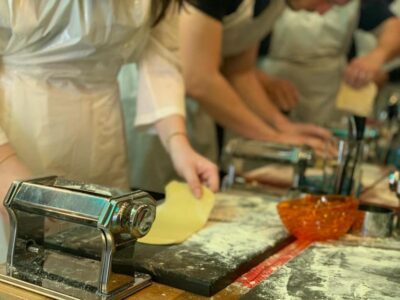
Venice: Pasta and Tiramisu Cooking Class with Wine
Read our review →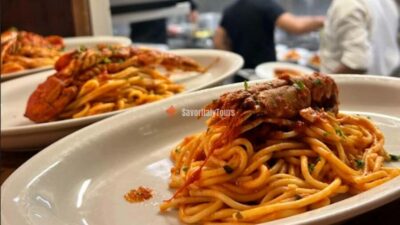
Venice: Sunset Walking Tour with Food and Wine Tastings
Read our review →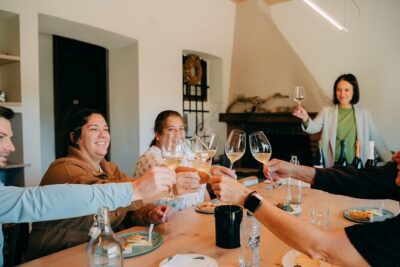
From Venice: Prosecco Wine Region Tour with 2 Tastings
Read our review →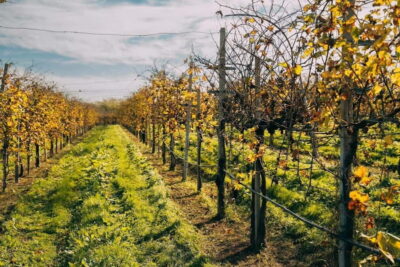
From Venice: Prosecco Hills and Wine Tasting Tour
Read our review →
Exclusive Prosecco Wine Tour from Venice – Small Group
Read our review →
From Venice: Dolomites and Prosecco Hills Day Trip with Wine
Read our review →Lists this tasting sits in