
Review · FRANCE
Colmar: Alsace Wine Museum Entrance Ticket
The Alsace Wine Museum turns a regional wine lesson into a self-guided, hands-on visit. You move from vine work and harvest to barrels, bottles, appellations, and the people who make the wine. I like the mix of clear displays and digital activities, and I like that the tasting includes fruit juice as well as wine. The main thing to consider is that there is no live guide, so the audioguide and displays do all the talking.
I also appreciate the six-language audioguide, especially if you want more detail than a quick museum stroll provides. Children get their own activities, including games and playful ways to learn. Allow yourself time to listen and experiment rather than rushing straight to the tasting.
Key points
- A full Alsace wine story: Follow the path from vineyard work and harvest to cellar, barrel, bottle, and food pairing.
- Wine and fruit juice tastings: Adults can sample wine, while fruit juice gives children and non-drinkers a proper part in the visit.
- Six audioguide languages: French, English, German, Dutch, Spanish, and Italian are available.
- Digital and hands-on displays: Interactive sections include grape varieties, a barrel session, and game activities.
- Family-friendly design: Kids have a dedicated audioguide and activities rather than being expected to absorb a wall of text.
- Easy one-day ticket: Admission costs $14 per person, includes tastings, and is wheelchair accessible.
Start with the Alsace wine story, not the wine glass
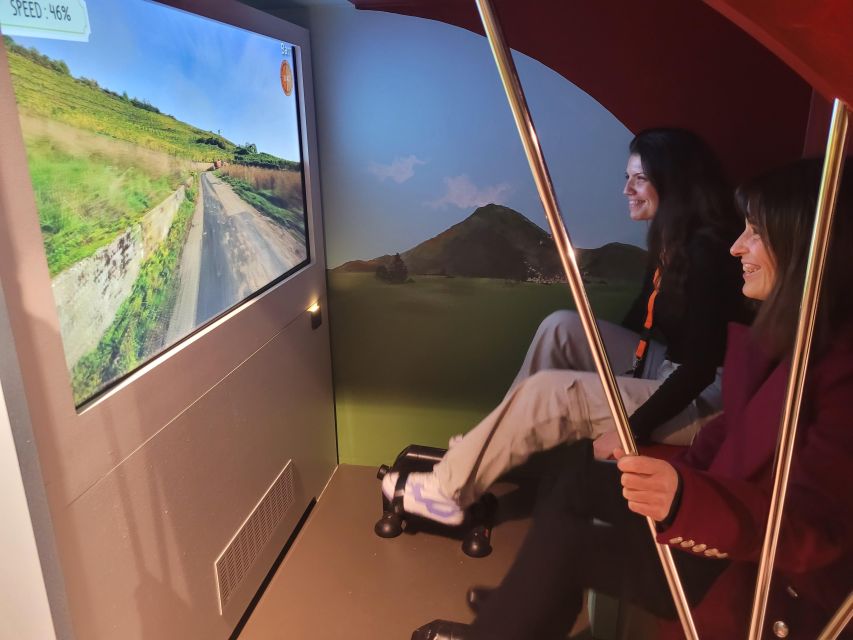
Alsace wine can seem simple at first glance: white wines, tidy villages, and vineyards running along the eastern edge of France. The museum helps you see the work behind that polished bottle. Its route covers vineyard labor, the harvest, cellar work, wine professions, appellations, and the famous Alsace Wine Route.
That order matters. Instead of treating wine as a list of grape names, the visit shows how the drink reaches your glass. You begin with the vine and the people who care for it, then move toward pressing, storage, bottling, and tasting. I find this useful because it gives you a framework for understanding wines you may encounter later in Colmar or elsewhere in the region.
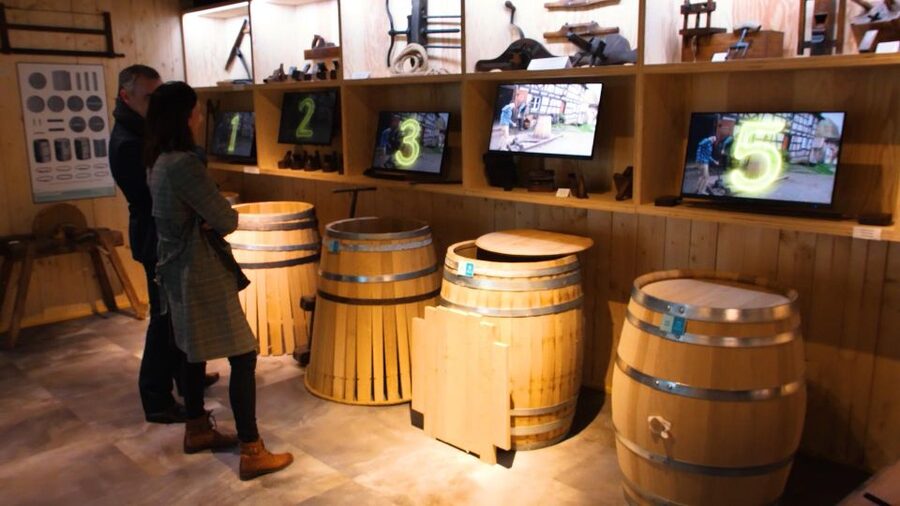
The museum is designed as a balanced mix of objects, descriptions, and digital experiences. It is not only a collection of old equipment, and it is not only a screen-based attraction. You get physical displays alongside audio and interactive sections, which keeps the subject moving.
The presentation is completely automated. That makes the visit flexible, but it also means you cannot stop a local guide to ask a follow-up question. If you enjoy setting your own pace, this is a plus. If you prefer a personal wine lesson with conversation, it is a limitation.
More wine museums around France:
- Aÿ-Champagne: Pressoria Champagne Museum with Tasting
★ 4.7 · 239 reviews - Bordeaux: Wine and Trade Museum Entry Ticket & Wine Tasting
★ 4.4 · 121 reviews - Porto: Cálem Cellar Tour, Interactive Museum & Wine Tasting
★ 4.5 · 4,113 reviews
Vineyard work and harvest come first
The early part of the visit focuses on the work of the vine and the harvest. This is the right place to begin, since Alsace wine is closely tied to its growing area and the seasonal work needed to produce it.
The displays introduce the jobs connected with wine production rather than presenting the winegrower as a distant figure. You get a sense of the link between field work and the finished bottle. The museum also introduces grape varieties and the names used to identify Alsace wines.
For a visitor who knows little about wine, this section gives useful basic terms. For someone already familiar with Alsace, it helps put familiar names into a wider setting. The material is aimed at a broad audience, so do not expect a technical tasting course or a detailed lecture on every vineyard.
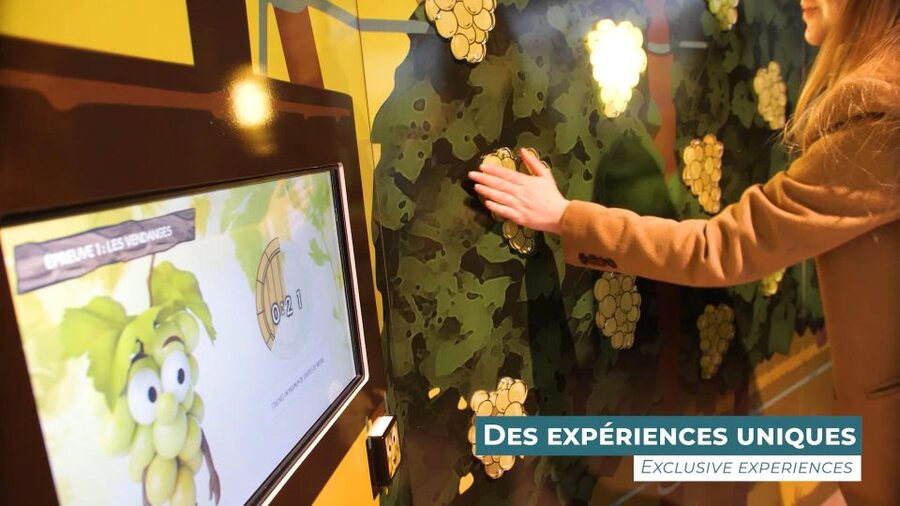
The digital displays make this section more active. One of the interactive features focuses on the range of Alsace grapes, while other activities let you learn through touch and play. This is where the museum works particularly well for families. Children are not simply dragged past wine barrels while adults read labels. They have activities built into the visit.
Barrels, cellars, and the path to the bottle
The cellar section shifts attention from the vineyard to the place where wine develops and is prepared. A barrel session gives you a practical way to think about storage and the stages between harvest and bottle.
This part has value even if you are not planning to become a wine expert. Wine talk can quickly become abstract, with terms about aging, aromas, and production methods. A physical barrel and a clear explanation give those ideas a more concrete shape.
The museum also covers the winegrower and the cellar, along with the professions involved in making and presenting wine. That broader view is welcome. It reminds you that the bottle represents many kinds of work, not just the final tasting.
The experience does not appear to follow a fixed, timed group schedule. You use the audioguide and move through the displays at your own speed. That is handy if one person in your group wants to listen closely while another is ready to continue. It also means you should keep an eye on the time if you have another Colmar activity booked.
Digital activities make the lesson easier to remember
The museum’s digital elements add variety without replacing the collection. Game sessions and interactive displays turn a dry subject into something you can test for yourself.
This is especially helpful for children, but adults benefit too. You might remember a grape variety or a cellar term more easily after using an interactive feature than after reading a paragraph on a panel. The visit aims to make the subject understandable through several senses: seeing, hearing, handling, and tasting.
The Italian audioguide is available, along with French, English, German, Dutch, and Spanish. That range is one of the ticket’s practical strengths. You do not have to rely on quick translations or guess at technical terms.
The audioguide also lets you control the pace. You can listen carefully to the parts that interest you and move faster through familiar material. Since there is no live guide, the quality of your visit depends partly on how much attention you give the handset and displays.
More wine tickets around France:
- Bordeaux: Cité du Vin Entry Ticket and Wine Tasting
★ 4.6 · 3,885 reviews - London Eye – Champagne Experience Ticket
★ 4.5 · 665 reviews - Tenerife: Wine Museum Ticket with Local Wines & Food Tasting
★ 4.5 · 393 reviews - Schlumberger Sparkling Wine Cellar World Entrance Ticket in Vienna
★ 4.5 · 147 reviews
Taste wine, fruit juice, and food pairings
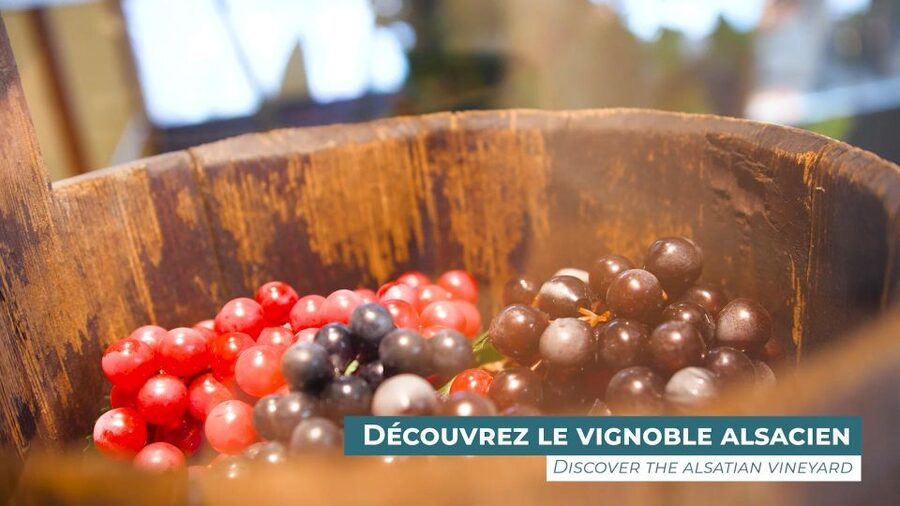
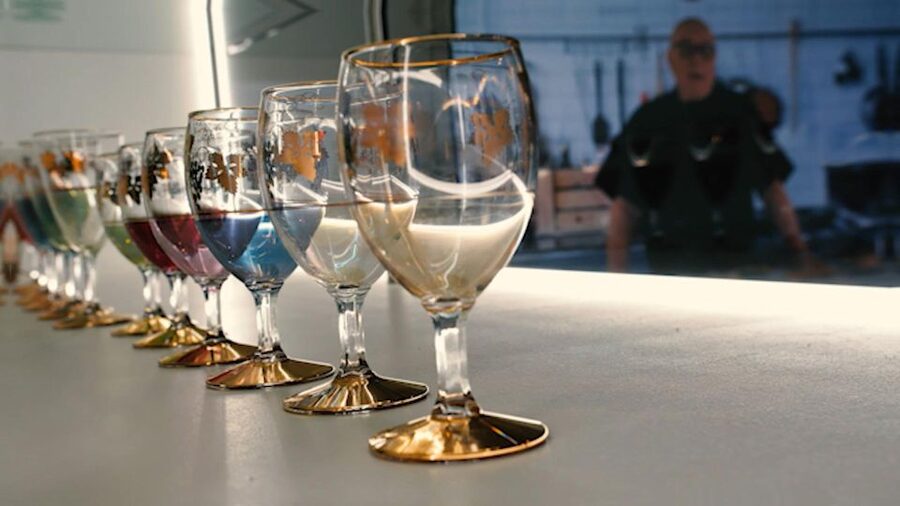
Tasting is an important part of the visit, not an afterthought. You can sample wine and fruit juice, giving the final part of the experience a wider appeal than a wine-only stop.
For adults, the tasting connects the earlier sections to the glass in front of you. You have just learned about grapes, cellar work, bottles, and regional wine terms. Now you can think about taste and smell in a more direct way.
The museum also introduces food and wine matching. This is useful because Alsace wines are often enjoyed with food, and pairing can be easier to understand through examples than through a list of rules. The display encourages you to notice how flavors work together rather than treating wine as a drink that exists by itself.
Families should appreciate the fruit juice option. Children can take part without being left out, and adults who do not drink alcohol still have a tasting element. The supplied details do not specify the number of pours or the exact wines served, so I would not book this expecting a formal tasting flight with a sommelier.
This is a museum tasting, not a substitute for visiting a working winery. Its strength is the connection between education and sampling. You leave with a better sense of how to approach Alsace wine, even if the tasting itself is fairly simple.
A good choice for families with different interests
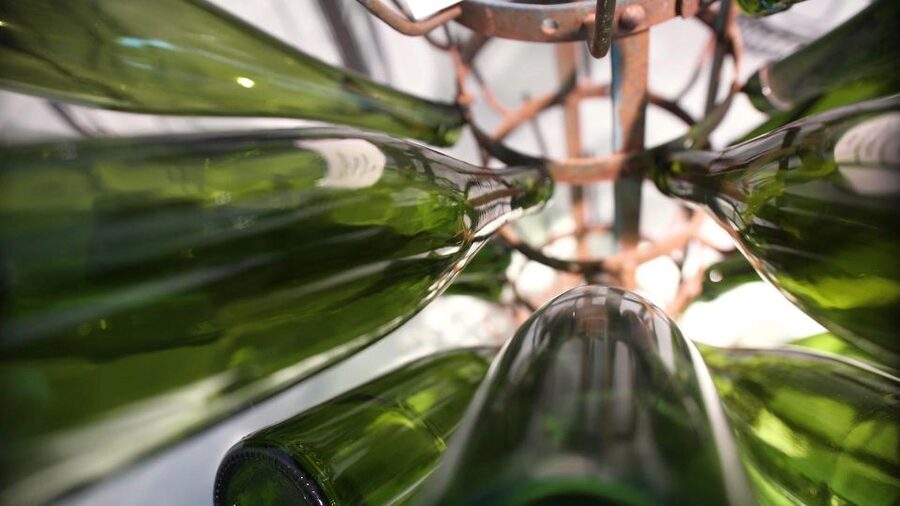
The children’s activities are one of the clearest reasons to choose this museum. Kids receive an audioguide and activities designed for them, including game-style sections. The barrel session and grape-variety displays give younger visitors something active to do while adults follow the wine story.
That does not mean every child will stay engaged for the same amount of time. A wine museum still asks for some listening and reading, and the exact appeal will depend on age and attention span. Still, the visit is more child-aware than a traditional collection built mainly around labels.
I also think the museum works well for mixed groups. One person can focus on grape varieties, another can spend time with the digital activities, and another can simply enjoy the tasting. Because the visit is self-guided, you are not holding up a group or waiting for a scheduled explanation.
The visit is wheelchair accessible, which adds useful flexibility for people planning a wider day in Colmar. The common entrance is shared with the Choco-Story Chocolate Museum, so pay attention when you arrive. This can be convenient if you are visiting both, but it may cause a moment of confusion if you are looking only for a sign that says Alsace Wine Museum.
How the $14 ticket measures up
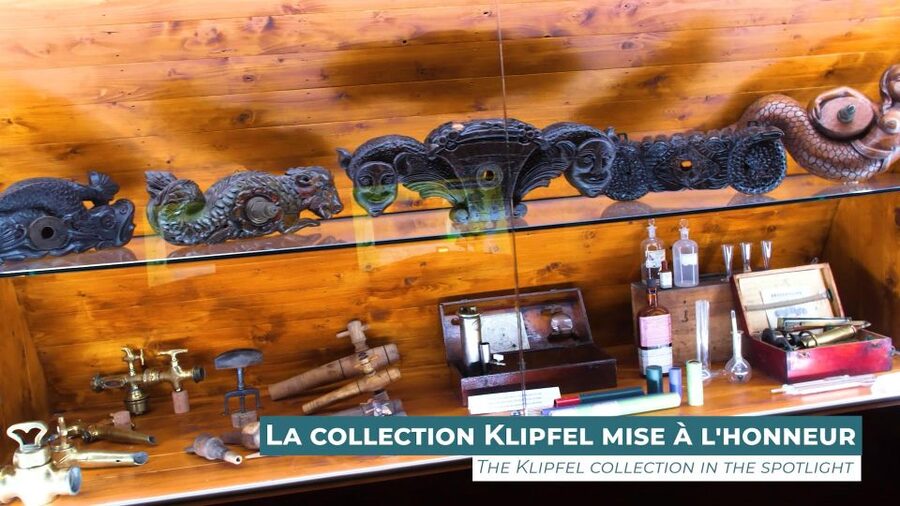
At $14 per person, the ticket offers reasonable value if you want more than a quick sample of local wine. Admission includes the museum, the audioguide, the activities, and tastings. You are paying for a self-guided cultural stop with a tasting built in, rather than for a guided vineyard excursion.
The price makes the most sense if you use the whole visit. Listen to the audioguide, try the interactive sections, pay attention to the barrel and grape displays, and stay for the tasting. If you rush through the rooms in fifteen minutes, the ticket will feel less worthwhile.
The ticket is valid for one day, so you have flexibility around your schedule. The available starting times should be checked when booking, but the activity is not described as a fixed tour with a guide leading a group from stop to stop.
A separate entrance is available for skip-the-line access. That can matter during a busy day in Colmar, particularly if you are fitting the museum between other sights. The supplied information does not promise a specific visit length, so plan by interest rather than by a strict timetable.
There is also a useful booking safety net: you can cancel up to 24 hours in advance for a full refund, and the reserve-now, pay-later option lets you hold a place without paying immediately. Those terms are helpful when your Colmar plans are still shifting.
Where this fits into a Colmar day
The museum is best used as a focused indoor stop, not as a replacement for the wider Alsace Wine Route. It gives you regional context before you see vineyard towns, taste at a winery, or choose a bottle with dinner.
You could visit before a walk around Colmar, after exploring the old town, or alongside the Chocolate Museum since both use the same common entrance. The one-day validity makes it easier to fit the museum around other plans, though the available starting times still matter.
I would choose this museum on a day when you want a clear introduction to Alsace wine without arranging transport into the countryside. It gives you the vocabulary and basic production story in one place. You will not get the personal character of a winegrower opening a cellar, but you also avoid the time and planning needed for a rural excursion.
Who should book the Alsace Wine Museum?
I would recommend it to first-time visitors who want to understand Alsace wine before tasting more widely. It is also a smart pick for families, thanks to the children’s audioguide, games, digital activities, and fruit juice tasting.
It suits independent visitors who prefer a flexible pace and want information in their own language. The six-language choice is generous, and the automated format means you are not tied to a guide’s schedule.
I would be less eager to recommend it to someone seeking an intimate winery visit, expert-led tasting, or a conversation with a grower. There is no live guide, and the experience is built around the museum’s displays and audioguide.
Should you book it?
Book the Alsace Wine Museum if you want a clear, accessible introduction to regional wine with a tasting included. The $14 price is fair for a self-guided visit that covers the vineyard, cellar, barrel, bottle, grape varieties, food pairing, and wine professions.
Choose it especially if you are traveling with children or with people who do not all drink wine. The fruit juice option and game activities make the visit more inclusive than many wine attractions.
Skip it if your main goal is a private tasting led by a local expert. For everyone else, it is a practical Colmar stop that gives you useful context before the next glass of Alsace wine.
FAQ
How much does admission cost?
Admission costs $14 per person.
How long is the ticket valid?
The ticket is valid for one day.
Is a live guide included?
No. The experience is self-guided, and a live guide is not included.
Which languages are available on the audioguide?
The audioguide is available in French, English, German, Dutch, Spanish, and Italian.
Are tastings included?
Yes. Tastings are included, with wine and fruit juice options.
Are activities available for children?
Yes. Children have an audioguide and activities, including interactive and game-style elements.
Is the museum wheelchair accessible?
Yes. The activity is wheelchair accessible.
Freshly poured around France
- Private Tasting in Beaune : The Best of Burgundy Wines★ 4.9 · 66 reviews
- Semi Private Solar Boat Cruise in Champagne★ 4.9 · 32 reviews
- Private tour of Paris by Night with Champagne★ 4.7 · 323 reviews
- Montpellier: Pic Saint-Loup Wine Tour★ 4.9 · 290 reviews
- Passy-Grigny: Chocolate and Champagne Tasting Tour★ 4.8 · 284 reviews
- Paris: Wine Tasting Experience with 6 Wines and Cheese Board★ 4.9 · 80 reviews
- Paris: Wine and Cheese Tasting with a Chef Sommelier★ 4.7 · 277 reviews
- Paris: Wine and Cheese Tasting★ 4.6 · 91 reviews
France Wine Tours, side by side.
Authentic Parisian Gourmet Food Tour with 10 Local Dishes & Wines
Read our review →
Loire Valley Castles Day Trip from Paris with Complementary Wine
Read our review →
Bordeaux: Cité du Vin Entry Ticket and Wine Tasting
Read our review →
Bordeaux: River Garonne Cruise with Glass of Wine and Canelé
Read our review →
Montmartre Hill French Gourmet Food and Wine Tasting Walking Tour
Read our review →
Paris: Montmartre Cheese, Wine & Pastry Guided Walking Tour
Read our review →
Paris 3-Courses Gourmet Dinner Seine River Cruise with Champagne
Read our review →
From Bordeaux: Afternoon Saint-Emilion Wine Tasting & snack
Read our review →Lists this tasting sits in