
Review · FRANCE
Château de Luc: Unique visit and wine tasting
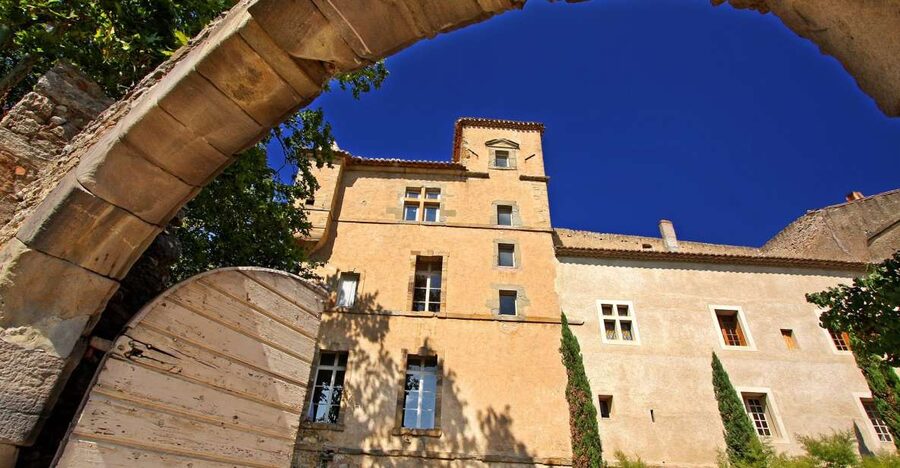
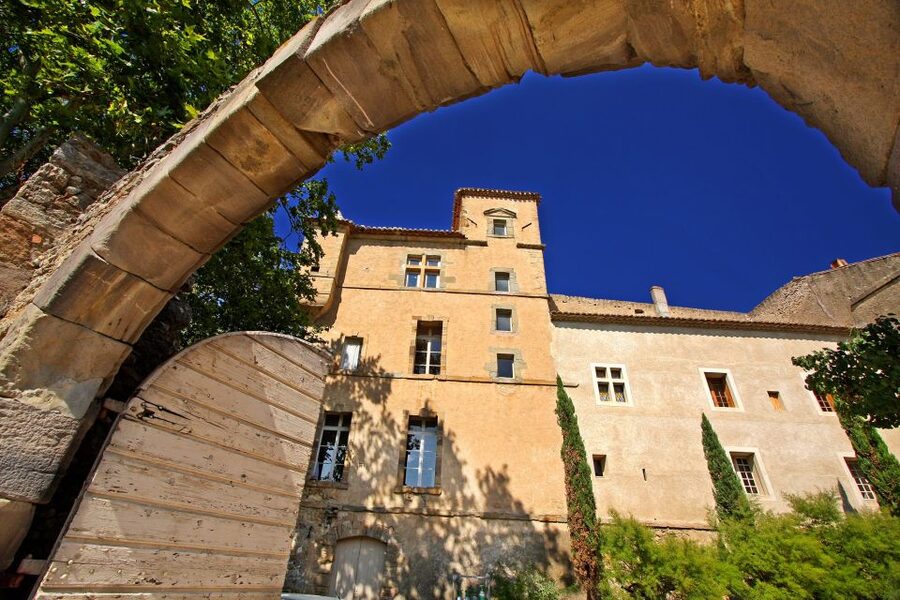
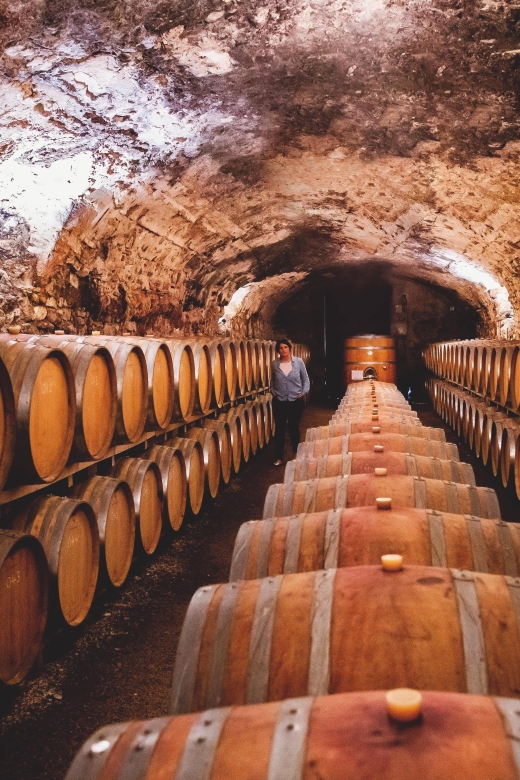
The most unusual part of this visit is below the old château: a 14th-century underground cellar where wine production still connects the building to its long past. Above ground, you move through historic rooms and hear how the Languedoc wine trade grew, prospered, and erupted during the great revolt of 1907.
I like the way this tour joins family history with regional history, rather than treating the château as a pretty shell. I also like the tasting setup in an old stable, where three to six organic wines give you a useful taste of the estate’s range. The main drawback is that the visit may feel short if you want a large museum or a long technical wine class, and the château is not suitable for wheelchair users.
Key points at a glance
- A 14th-century cellar: Go underground to see one of the château’s most atmospheric historic spaces and its aging barrels.
- The story of the Midi wine revolt: Learn how the 19th-century wine boom led toward the major Languedoc uprising of 1907.
- Three to six organic wines: Taste bottles from IGP Pays d’Oc, AOC Languedoc, Corbières, and Minervois.
- A family-run estate: The tour brings the Fabre family’s work and changing wine business into the story.
- Three languages: Live guiding is offered in French, English, and Spanish.
- Strong value at $15: The fee covers the château visit, cellar access, and tasting, with free admission for children under legal drinking age.
Why Château de Luc is more than a standard wine tasting
Many winery visits follow a familiar pattern: look at the vines, hear a few production notes, taste several glasses, and browse the shop. Château de Luc takes a different route. Its starting point is the building itself, then the cellar, then the glass in front of you.
That order matters. Before you taste, you get a sense of the estate’s age and the region’s past. You are not simply sampling wine made somewhere nearby. You are standing inside a family wine business shaped by centuries of farming, changing markets, and the hard politics of the Midi wine trade.
The focus is not only on polished bottles or technical vocabulary. The visit tells the story of a working estate in motion. The family-run business continues to develop, while the château preserves older rooms and an underground cellar from the 14th century.
At $15 per person, I consider this a good-value stop for anyone already visiting the area. You receive a guided cultural visit and a tasting, rather than paying only for a flight of wine. Children under legal drinking age can visit free, though the tasting itself is intended for adults.
More Wine Tastings in France
- Bordeaux: Cité du Vin Entry Ticket and Wine Tasting
★ 4.6 · 3,885 reviews - Montmartre Hill French Gourmet Food and Wine Tasting Walking Tour
★ 5.0 · 2,588 reviews - From Paris: Loire Valley Castles Day Trip With Wine Tasting
★ 4.6 · 1,727 reviews
Historic rooms that put the wine story in context
The tour begins in the historic rooms of Château de Luc. The exact route and length can vary, but the purpose is clear: you first meet the house before moving into the production side of the estate.
This helps explain why wine culture in southern France is tied so closely to family property. A château here is not just a grand residence for photographs. It can also be a place of work, storage, family memory, and agricultural change.
The guide brings the story through several periods. You hear about the golden age of Languedoc wine during the 19th century, when the Midi became a major wine-producing area. You also learn about the strains that followed, leading to the wine revolt of 1907.
That historical piece is one of the tour’s best features. The region’s wine story is not a simple tale of steady success. Abundant production, economic pressure, and disputes over wine quality and sales helped create deep frustration among growers. The 1907 revolt remains a key event in the history of Occitan wine country.
I would pay attention here even if you already know something about French wine. The tour gives you a local point of view, rooted in one estate and one family’s connection to the region. It makes the broader story easier to understand than a detached list of dates.
Going underground to the 14th-century cellar
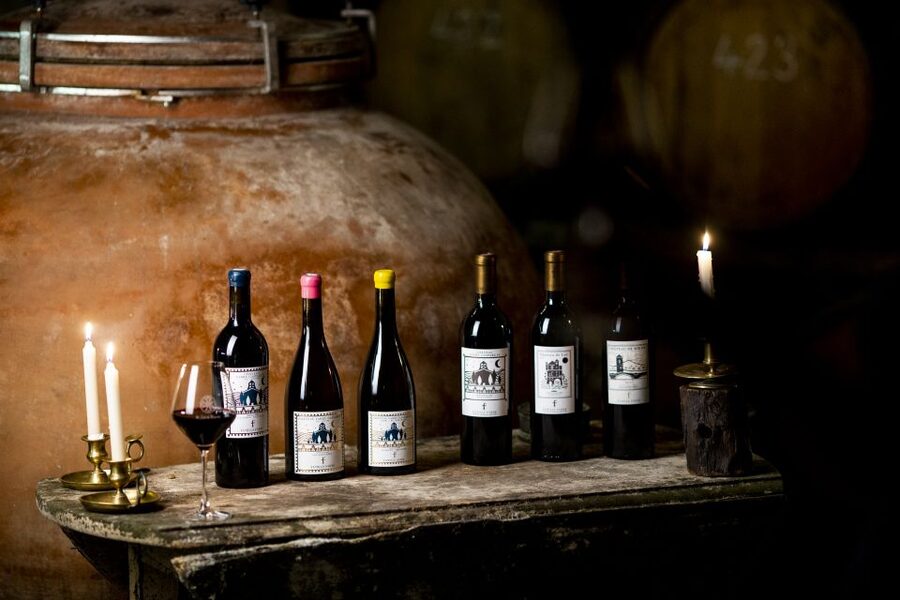
The highlight is the visit to the underground cellar beneath the old home. This is the part that gives Château de Luc its strongest sense of place.
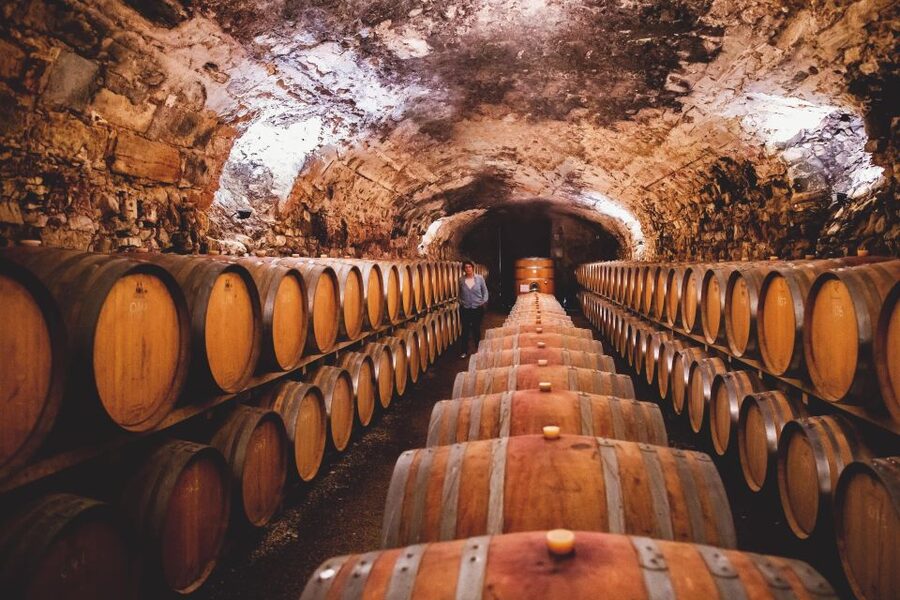
A cellar from the 14th century is valuable for more than its age. It shows how wine storage was built into the château’s original life and how older buildings could support production long before modern winery equipment. The cool, enclosed setting also feels very different from a contemporary tasting room.
You may see aging barrels during the visit. That detail connects the cellar’s past to the estate’s current wines. The space is not presented only as a preserved monument. It remains part of the story of how wine is handled and matured.
The cellar may be less comfortable for anyone with mobility limits. The activity is specifically not suitable for wheelchair users, so contact the provider before booking if stairs or uneven access could be a concern. The description does not provide detailed measurements or a full access plan, so you should not assume step-free entry.
For most visitors, the cellar is worth the modest fee by itself. You get an unusual look at the working underside of a historic French wine estate, not just another view across a vineyard.
The epic of the Midi wine region
The historical portion gives the tasting more meaning. Once you know how important wine became to the Languedoc economy, you can better understand why wine quality, pricing, and sales created such strong emotions in the early 20th century.
The 19th-century golden age brought prosperity and confidence to the region. But success also created dependence. When wine markets became difficult, growers faced serious financial strain. The revolt of 1907 was a mass response to that pressure, and it remains central to local memory.
You do not need to be a history specialist to enjoy this section. The guide is there to connect the major events with the château and the wider Midi. The style appears conversational rather than academic, with room for questions about the estate, vineyard work, winemaking, and nearby places worth visiting.
That last point is useful if Château de Luc is one stop on a longer trip. You can ask about local sights and get advice connected to the immediate area. The tour is not only a fixed speech. It includes the chance to talk with people who work in the wine business.
Same vines, another glass to try:
- Authentic Parisian Gourmet Food Tour with 10 Local Dishes & Wines
★ 5.0 · 4,754 reviews - Loire Valley Castles Day Trip from Paris with Complementary Wine
★ 4.5 · 3,907 reviews - Bordeaux: River Garonne Cruise with Glass of Wine and Canelé
★ 4.5 · 3,630 reviews - Paris: Montmartre Cheese, Wine & Pastry Guided Walking Tour
★ 4.8 · 2,255 reviews
Tasting organic wines in an old stable
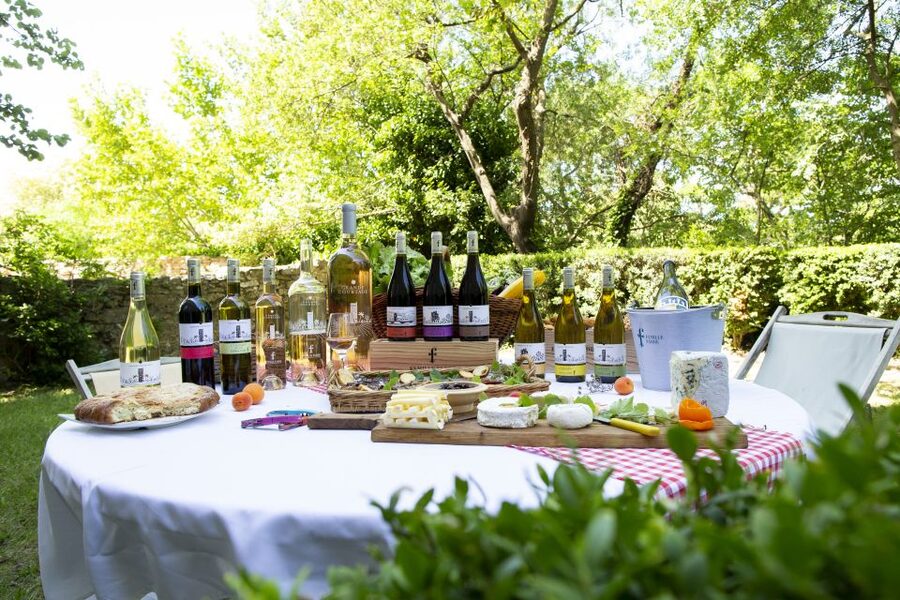
After the rooms and cellar, you move to the tasting cellar, housed in an old stable. This is a fitting setting. It is more rustic and tied to the property than a sleek commercial bar, yet it still gives you a comfortable place to compare the wines.
The tasting includes three to six organic wines. The exact number can vary, but the selection may cover several categories and appellations:
- IGP Pays d’Oc
- AOC Languedoc
- AOC Corbières
- AOC Minervois
That range is useful because it lets you compare wines from different labels and styles within the Languedoc area. You are not limited to one flagship bottle.
The organic approach will appeal to you if vineyard methods matter as much as flavor. Still, organic certification does not guarantee that every wine will suit your taste. One visitor found the wines disappointing, while other accounts praised their quality, variety, and prices. That split is a good reason to approach the tasting with an open but personal judgment.
You may find several wines you enjoy, or only one that fits your preferences. The tasting is not a promise that every bottle will be a favorite. Its value comes from trying a broad selection and getting help understanding the differences.
If you find a bottle you like, the estate sells its wines at what has been described as a reasonable cost. Buying is optional, of course. The tasting works just as well as a way to learn what you prefer before making any purchase.
What the guide adds to the visit
The guide can make or break a small estate tour, and Château de Luc benefits from a personal, family-centered approach. Jeanne has led visits with a mix of enthusiasm, wine expertise, and straightforward warmth.
The family connection matters. One private visit was led by a daughter of the family, who explained the estate and winery before taking the group into the old cellars. That kind of personal link gives the tour a human scale. You are hearing about an active family business from people directly connected to its future.
Guiding is available in French, English, and Spanish. That makes the visit accessible to a broad range of international visitors, though the exact guide for your date may differ. If you care about a particular language, confirm it when checking availability.
The tone is likely to be informal and responsive. You can ask about vineyard management, winemaking, the wines in your glass, and places to see nearby. If you prefer a long, highly technical master class, this may not go far enough. If you want a clear introduction with genuine family involvement, it is a better match.
How long the visit feels and who it suits
The booking information lists the activity as valid for one day, with starting times based on availability. It does not give a precise number of minutes for the guided route, so I would not plan your entire day around the visit without checking the schedule.
The tour suits you best if you enjoy two things together: historic buildings and regional wine. It is also a good choice if you want a quieter alternative to a major museum or a large commercial winery.
You will probably appreciate it if you:
- Want to understand the history behind Languedoc wine
- Prefer a family-run estate to a large factory-style operation
- Like organic wine and want to compare several local appellations
- Enjoy cellar visits and older architecture
- Need a French, English, or Spanish-speaking guide
- Are looking for an affordable activity near other southern French sights
It may not be the best choice if your priority is a full-day vineyard excursion, extensive vineyard walking, or a long professional tasting course. The visit centers on the château, cellar, history, and tasting. It is not described as a full vineyard tour or a food-pairing event.
The mixed response to the wines is also worth keeping in mind. Wine taste is personal, and the selection may not please everyone. The history and setting give the visit value even if the bottles do not become your favorites.
Practical advice before you book
Allow time to find the visitor entrance. One visitor had trouble with the directions to the tasting area, so do not assume the correct entrance will be obvious when you arrive. Check the meeting details carefully and leave a little extra time.
Wear shoes that feel secure for a historic property and cellar visit. The access details are limited, but an old underground space can include surfaces or steps that are less even than a modern tasting room.
If you are traveling with children, the free admission for under-age children makes this easier to fit into a family itinerary. Keep in mind that the main attraction for adults is the wine tasting, while children are there for the château and historical side.
The activity offers free cancellation up to 24 hours before the start time, and you can reserve now and pay later. Those terms are useful when your southern France plans are still shifting, especially if you are moving between towns.
The tour has a 4.7 rating from 55 reviews, with repeated praise for the welcoming hosts, clear explanations, historical content, and the personal style of the guides. One visitor also received a later arrival time after a delay, but you should not count on schedule changes. Ask ahead if you expect to arrive late.
Is Château de Luc worth $15?
Yes, if you value the combination of history and wine. At $15, you are paying for access to a historic château, a rare underground cellar, a guided account of the Languedoc wine trade, and a tasting of three to six organic wines.
The value is strongest when you treat it as a cultural visit with wine included. If you judge it only as a tasting, your opinion will depend heavily on your palate and the day’s selection. If you enjoy the story of the estate, the 1907 revolt, and the connection between old rooms and present-day production, the price is modest.
I would book it as a half-day-style stop within a wider day of sightseeing, but I would confirm the exact start time and meeting point first. It is not a grand palace tour or an intensive wine school. It is more personal than that: a look at one family’s continuing work inside a very old property.
Should you book this Château de Luc visit?
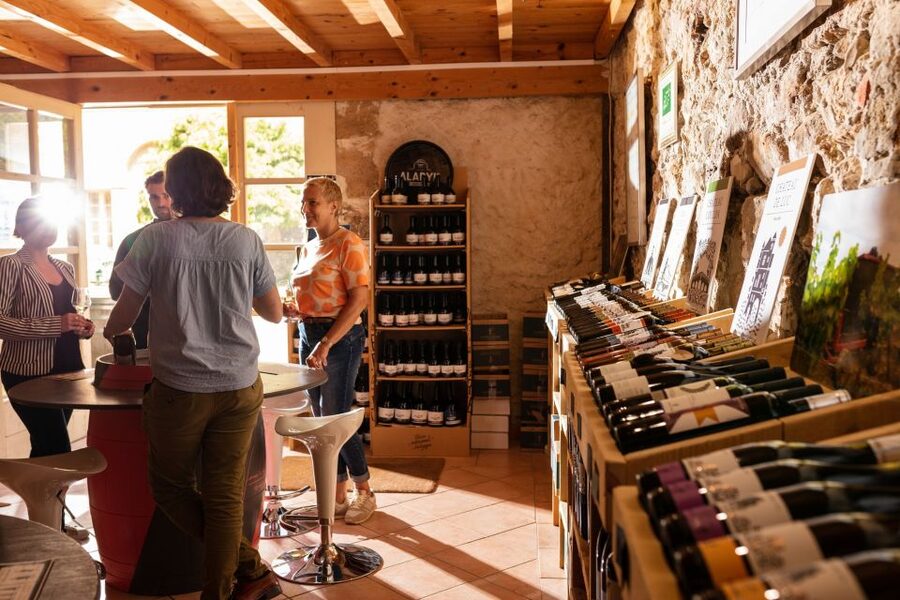
Book it if you want a small-scale, authentic wine stop with real historical substance. The 14th-century cellar, family connection, and story of the 1907 revolt give it more weight than a basic tasting.
Skip it if you need full wheelchair access, a long vineyard walk, or guaranteed agreement with every wine. Also be realistic about the format: the visit is focused and personal, not a full-day production course.
For most wine lovers, history fans, and curious visitors exploring southern France, I think the $15 fee is easy to justify. Go for the cellar and the story, then let the tasting decide which bottles, if any, deserve space in your suitcase.
FAQ
How much does the Château de Luc visit cost?
The price is $15 per person. Children under legal drinking age can visit free.
How many wines are included in the tasting?
You can taste a selection of three to six organic wines. The range may include IGP Pays d’Oc, AOC Languedoc, Corbières, and Minervois wines.
What languages are available?
The live guide can conduct the tour in French, English, or Spanish.
Does the visit include the château’s old cellar?
Yes. The tour includes the historic rooms and the underground 14th-century cellar.
Is the activity suitable for wheelchair users?
No. The activity is listed as not suitable for wheelchair users.
Can I cancel the booking if my plans change?
Yes. You can cancel up to 24 hours in advance for a full refund. You can also reserve now and pay later.
Freshly poured around France
- Private Tasting in Beaune : The Best of Burgundy Wines★ 4.9 · 66 reviews
- Semi Private Solar Boat Cruise in Champagne★ 4.9 · 32 reviews
- Private tour of Paris by Night with Champagne★ 4.7 · 323 reviews
- Montpellier: Pic Saint-Loup Wine Tour★ 4.9 · 290 reviews
- Passy-Grigny: Chocolate and Champagne Tasting Tour★ 4.8 · 284 reviews
- Paris: Wine Tasting Experience with 6 Wines and Cheese Board★ 4.9 · 80 reviews
- Paris: Wine and Cheese Tasting with a Chef Sommelier★ 4.7 · 277 reviews
- Paris: Wine and Cheese Tasting★ 4.6 · 91 reviews
France Wine Tours, side by side.

Authentic Parisian Gourmet Food Tour with 10 Local Dishes & Wines
Read our review →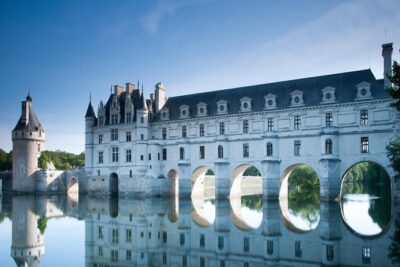
Loire Valley Castles Day Trip from Paris with Complementary Wine
Read our review →
Bordeaux: Cité du Vin Entry Ticket and Wine Tasting
Read our review →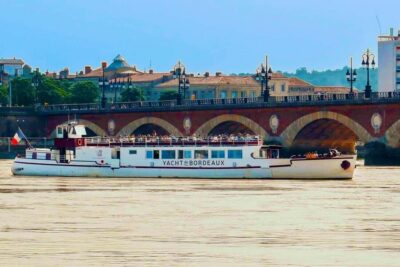
Bordeaux: River Garonne Cruise with Glass of Wine and Canelé
Read our review →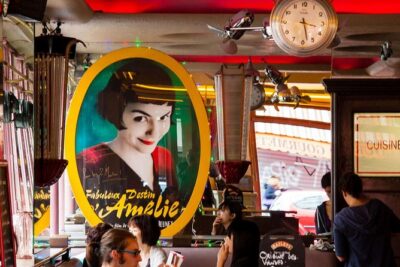
Montmartre Hill French Gourmet Food and Wine Tasting Walking Tour
Read our review →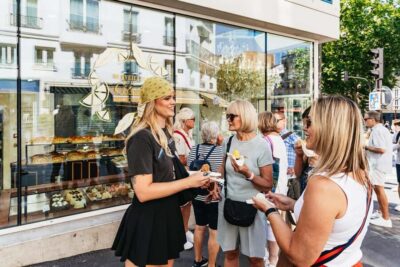
Paris: Montmartre Cheese, Wine & Pastry Guided Walking Tour
Read our review →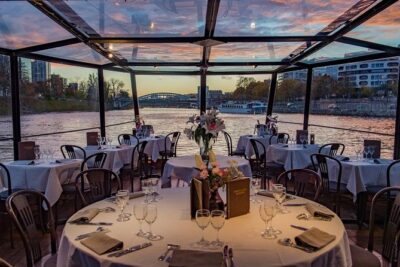
Paris 3-Courses Gourmet Dinner Seine River Cruise with Champagne
Read our review →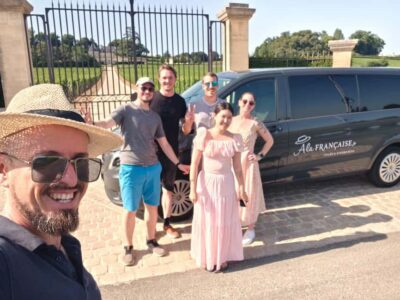
From Bordeaux: Afternoon Saint-Emilion Wine Tasting & snack
Read our review →Lists this tasting sits in