
Review · CHANIA
Chania Area: Food Tasting Tour with Winery Visit
The oldest recorded olive tree in the world is the star here, but the food is what gives this day its flavor. You visit the ancient tree at Vouves, then move through a bakery, olive grove, cheese producer, and family-run winery for a generous taste of rural Crete. The tastings feel tied to real local work, not just snacks placed on a tour table.
I like the variety: warm bread and rusks, honey, cheese, olives, olive oil, and wine all appear during the day. I also like the way the tour introduces you to small producers, with guide Linda adding stories about Cretan food, farming, and culture. At $44, the amount included is impressive.
The main drawback is the long day on a shared bus, with pickup times spread across the Chania area and a return as late as 5:20 p.m. Some transport feedback also mentions a bumpy ride, and pickup details can require careful checking the day before.
Key points to know before booking
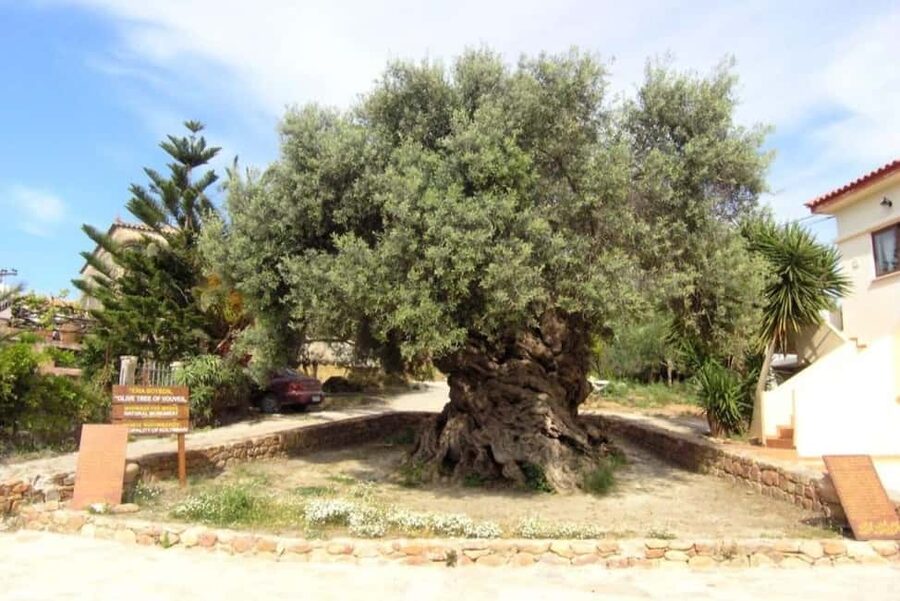
- Vouves olive tree: See a living olive tree estimated at 3,000 to 5,000 years old, with a trunk shaped by centuries of growth.
- Several food stops: Taste bread, rusks, cheese, honey, olives, tomatoes, and olive oil rather than focusing on wine alone.
- Wood-fired bakery visit: Watch how traditional Cretan bread and savory baked goods are made.
- Pnevmatikakis Winery: Learn about local wine production and taste several Cretan varieties with food pairings.
- Strong value at $44: Hotel pickup, transport, guiding, insurance, and the superior tasting package are included.
- Practical caution: Bring sun protection, check your pickup email, and consider carrying cash because at least one stop may not accept cards.
Why this seven-hour food tour works
Crete is easy to reduce to beaches, ancient sites, and a plate of Greek salad. This outing gives you a better look at the island’s working food culture. You see where familiar ingredients come from and meet producers who still rely on methods passed down through families.
The day runs roughly from 8 a.m. until between 4:20 and 5:20 p.m., depending on your hotel location and the return route. That makes it a full day rather than a quick tasting session. You will spend much of it in an air-conditioned coach, which matters in the hot months, but the schedule also includes several stops where you can stretch your legs and eat.
Guide Linda is one of the important parts of the experience. Her approach combines food, history, and local custom, and she keeps the road sections from feeling like dead time. Driver Tasos has also been praised for safe, punctual driving and for joining the group’s friendly mood.
The price is unusually low for a seven-hour outing with several tastings and transport. You are not paying only for wine samples. The package includes pickup and drop-off, an English-speaking guide, an air-conditioned luxury bus, full liability insurance, and the superior tasting package. If you wanted to visit these producers independently, the transport alone would take planning and add cost.
More Winery Tours in Greece
- Santorini: Small-Group Sunset Wine Tour with Santo Winery
★ 4.9 · 801 reviews - Santorini: Guided Tour to 3 Wineries with Wine Tastings
★ 4.8 · 693 reviews - Santorini: Wine Tasting Tour to 3 Wineries with Transfer
★ 4.7 · 455 reviews
08:00 to 09:20, pickup across the Chania area
Pickup takes place during a broad morning window, from about 8:00 to 9:20. You are collected from your hotel or from a nearby meeting point, depending on where you stay.
This wide window is normal for a regional coach tour, but you need to read the pickup message carefully. The exact time and location are sent one day before departure. A few booking problems have involved pickup points being changed or assigned farther from the hotel than expected, so do not ignore that email.
The operator may use a nearby point rather than drive directly to every hotel door. If your accommodation is outside the main pickup area, check the final instructions before making other plans. It is worth confirming the location promptly if it seems inconvenient or unclear.
Once on the bus, you can expect a relaxed ride through the Chania area toward the villages west of the city. The coach has air conditioning, though one account noted that it was not always running. On very hot days, sit prepared with water, sunglasses, and a hat.
Vouves, where the olive tree became a monument
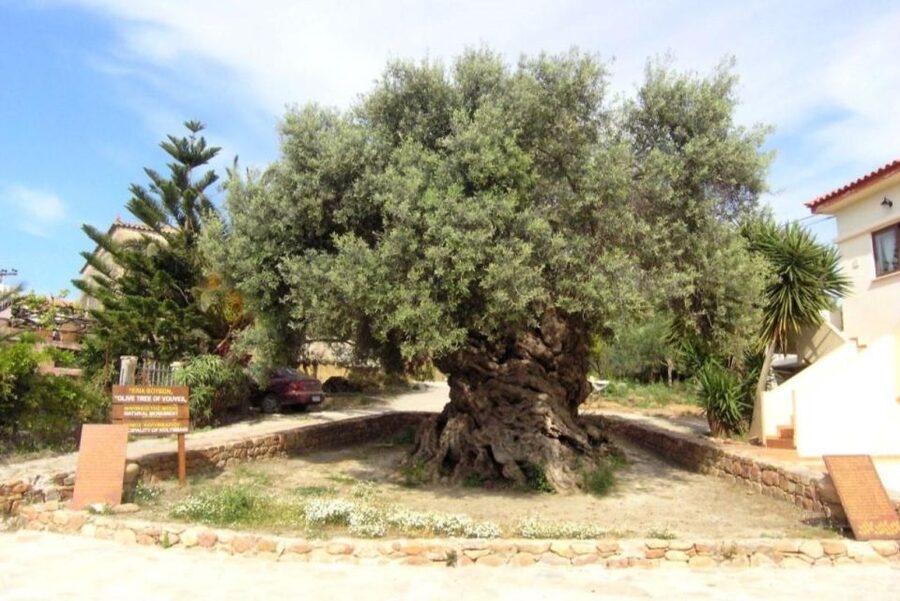
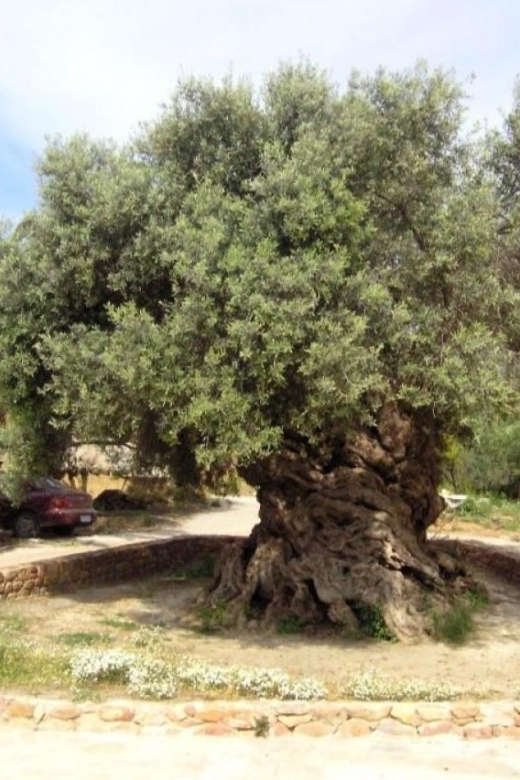
The first major stop is the village of Ano Vouves, home to an ancient olive tree that was proclaimed a natural monument. Its age cannot be proved with total certainty, but estimates place it between 3,000 and 5,000 years.
The tree is still alive and continues to produce olives. Its original base was a wild olive tree, later domesticated by people through the Tsounati variety. Time has hollowed and shaped the trunk so thoroughly that it looks more like carved stone than a normal tree.
The measurements help you grasp its scale. The bole has a circumference of about 12.5 meters and a diameter of roughly 4.6 meters. You are not simply looking at an old plant. You are looking at a living link between ancient agriculture and the olive oil still served at Cretan tables today.
The stop is fairly short, running from about 9:45 to 10:15. One piece of feedback suggested that this first stop could be shorter, so do not expect a long museum visit or an extended archaeological tour. The value is in seeing the tree, hearing its story, and understanding why the olive is central to Cretan life.
Bring your camera, but also take a moment to examine the trunk itself. The twisted openings and thick outer folds are the memorable part. This is a good early stop because it gives context to everything you taste later.
Perivolakia Village, where bread and honey tell the story
Around 10:45, the bus reaches Perivolakia Village. This is the most food-focused part of the morning and probably the section that gives the tour its strongest sense of place.
At the traditional bakery, you get a close look at the preparation of Cretan staples such as bread and rusks. The wood oven matters here. It connects the food on your plate with an older style of village cooking, when bread was baked in batches and made to last.
Rusks are especially important in Crete. They are dried, firm pieces of bread that can be softened with tomato, olive oil, or other toppings. Their texture may surprise you if you expect soft bread, but they make sense in a warm climate where durable food was useful for farm work and long storage.
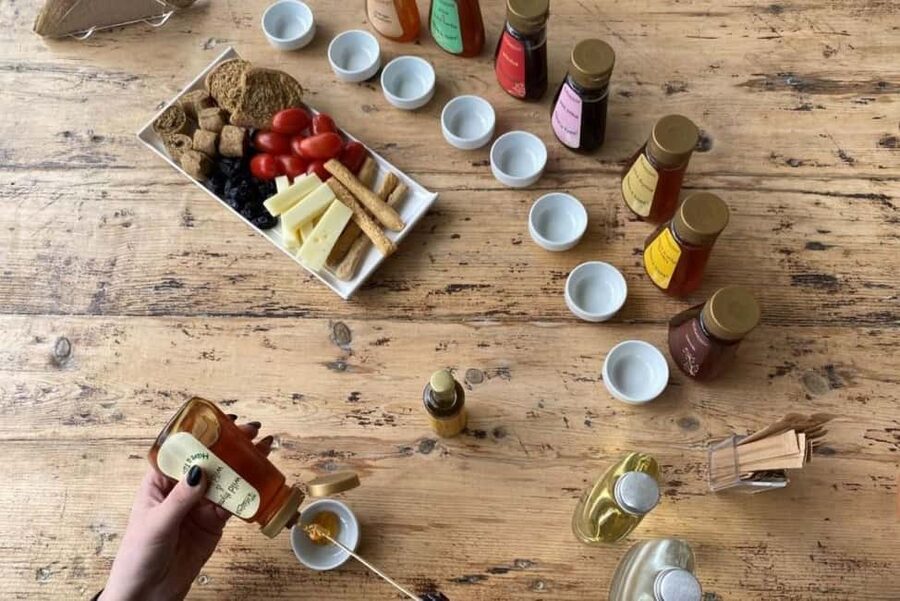
The tasting is not limited to one item. You can expect a platter with bread or rusks, tomatoes, olives, cheese, honey, and olive oil. These are simple ingredients, but the point is to notice how much flavor comes from quality and freshness rather than complicated cooking.
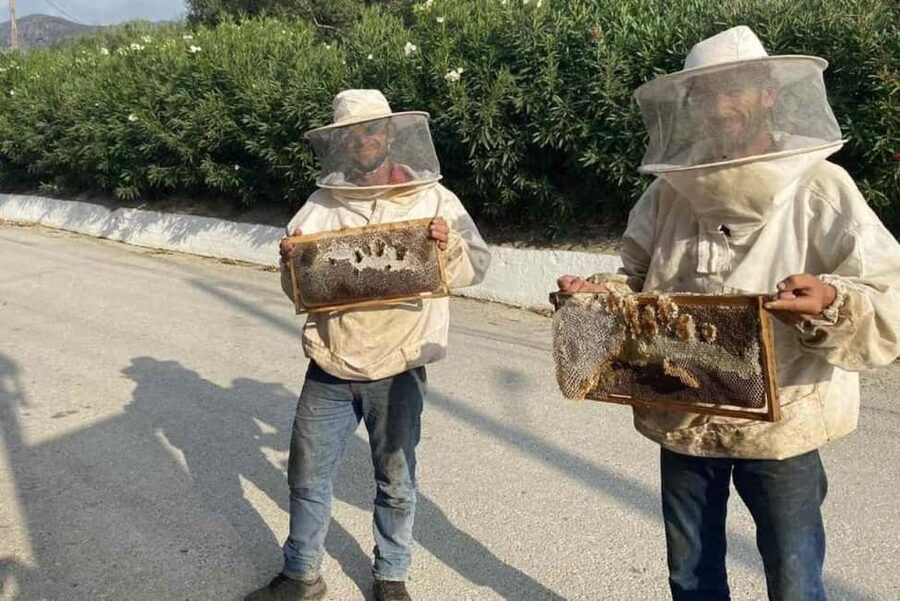
The next part takes place around an olive grove. You examine the trees and learn more about olive cultivation, oil, and Cretan honey. The honey presentation includes an explanation of how bees and honey production fit into the local food system.
The honey tasting is one of the more memorable parts of the day. You may taste several types with bread or other local foods, giving you a chance to compare them rather than treating honey as a single generic product. The host is described as highly passionate about the process, which adds useful detail to what could otherwise be a quick sample.
Same vines, another glass to try:
- Santorini: Top Sights Day Trip, Wine Tasting, & Oia Sunset
★ 4.6 · 2,492 reviews - Santorini Wine Adventure with 12 Wine Tastings, Tapas and Sunset
★ 5.0 · 1,715 reviews - Tour and Wine Tasting in Mykonian Land
★ 5.0 · 1,357 reviews - Santorini Wine Stories: Sunset Tour with Tasting & Dinner
★ 5.0 · 1,285 reviews
Cheese making and the generous tasting table
The program also includes a visit to a traditional, award-winning cheese producer. If cheese is being made that day, you can enter and see the process. If it is outside the production period, the guide explains how the cheese is made before the tasting.
That limitation is worth understanding. This is not guaranteed to be a working production demonstration every day. Still, the explanation and tasting let you learn what to look for in Cretan cheese, how it fits with bread and honey, and why dairy products are so important to the island’s food traditions.
The tasting table is designed to feel like a meal, not a token sample. Olive oil, tomatoes, olives, cheese, honey, and bread are served together, showing you the combinations locals use at home. The food is also practical for anyone who does not want to drink wine on an empty stomach later.
You will have time to taste and buy products at some stops. Pastries, honey, olive oil, wine, and other food items may tempt you, so leave room in your bag. One stop may not accept cards, making cash a sensible backup.
This section is best for people who enjoy understanding how food is made. If you want only a fast list of famous sights, the bakery and olive grove visits may feel slow. If you like meeting producers and tasting modest ingredients in context, this is where the tour earns its place.
12:45 at Pnevmatikakis Winery in Kissamos
After leaving Perivolakia at about 12:30, you reach Pnevmatikakis Winery around 12:45. The winery is family-run and has a long connection with Cretan wine production.
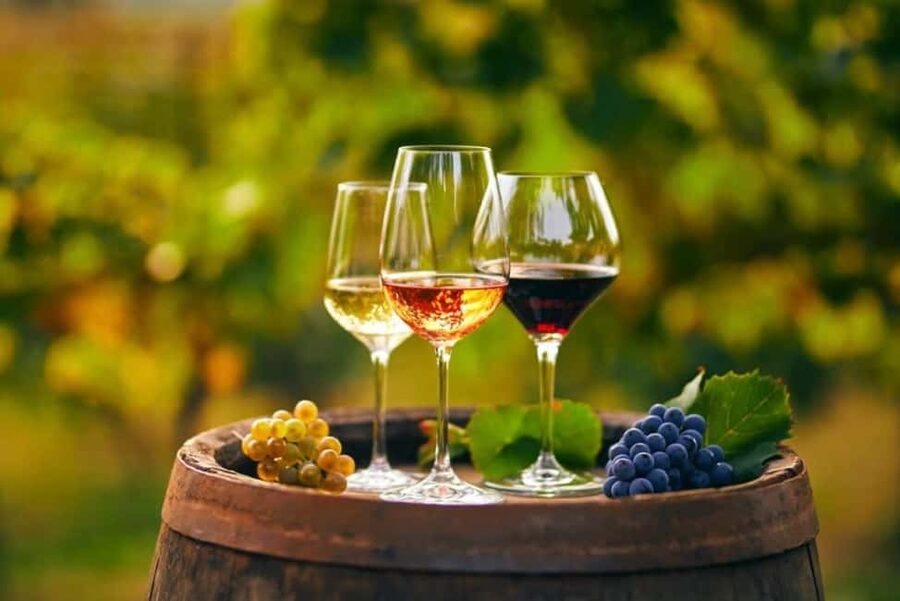
The visit explains how wine is made and introduces several locally produced varieties. You also taste the wines with local delicacies, which is the right way to approach Cretan wine. Food softens the alcohol, gives you a reference point, and shows how the wines work with the island’s everyday cooking.
The tasting can be broad rather than highly technical. You may sample many varieties from the winery’s collection, including award-winning wines. The focus is on learning about Cretan wine traditions and finding styles you enjoy, not on a formal professional tasting course.
Families are welcome. Children receive a special platter and selected drinks created by the winery family, so this is not limited to adults who want to drink. That makes the day easier for parents, especially since the other stops are also food based.
The winery visit lasts about an hour, with departure scheduled for 1:45. The setting and food pairings add to the appeal, though expectations should be realistic. One detailed account found the production area less polished than specialist wineries and was disappointed by some wines. Another praised the wide range and good value.
That contrast gives you a useful picture. Pnevmatikakis is a family winery connected to local production, not necessarily a small, immaculate boutique cellar with a highly formal tasting ritual. If you care most about seeing how wine is made on a larger working scale and trying many varieties, it can be worthwhile. If you are an experienced wine collector seeking refined, carefully presented tastings, this may feel basic.
The return ride and what the schedule means
The bus leaves the winery at about 1:45. Return to your hotel area is listed between 4:20 and 5:20, so you should not book an early afternoon appointment or dinner reservation that depends on a precise arrival time.
The return portion may feel long after lunch and wine, but air conditioning provides welcome relief in summer. A few accounts described the ride as bumpy or warm at times, so bring water and do not assume the coach will feel perfectly cool every minute.
The schedule is organized and generally easy to follow, but it is not rushed in the way a short city food walk is. You are covering the Chania area and nearby villages by bus. That is the trade-off for seeing the olive tree, bakery, grove, cheese producer, and winery in one day.
Who will get the most from this experience?
I would choose this for a first visit to Crete if you want an introduction to local food without renting a car. It is especially useful when you are staying in Chania and want to see rural areas that are not simple to reach by public transport.
It suits couples, families, and small groups with different interests. Wine drinkers get a full tasting, food lovers get bakery, cheese, honey, and olive oil, and children can take part without being expected to drink alcohol.
You should also enjoy a social group setting. This is shared transport with a guide, not a private farm visit. You will follow a fixed schedule and spend several hours on the road.
I would hesitate if you dislike long coach days, have strict dietary needs that have not been confirmed, or want a specialist wine experience above all else. The food focus is broad and generous, but the winery section may not satisfy someone looking for an advanced wine seminar.
Practical details that make the day easier
Bring sunglasses, a sun hat, sunscreen, and a camera. The ancient tree and olive grove are outdoor stops, and Crete can be very bright and hot, especially in summer.
Wear shoes that are comfortable for village visits and standing during tastings. The supplied information does not describe difficult walking, but you will move between the bus, outdoor areas, and producer facilities.
Check your email the day before for the exact pickup time and meeting point. Pickup is included, but the location may be at your hotel or a nearby point.
The tour is conducted in English. It includes full liability insurance, an air-conditioned luxury bus, guiding, and the tasting package. You can cancel up to 24 hours before departure for a full refund, and the reserve-now, pay-later option keeps the booking flexible.
Is this Chania food tour worth $44?
Yes, for most people, the price is strong. Seven hours of transport and guiding would already make $44 reasonable, before adding bread, cheese, honey, olive oil, olives, tomatoes, and wine.
The value is greatest if you would otherwise need to hire a car or arrange several separate visits. You get a ready-made route and a guide who connects the food stops with Cretan culture. The ancient olive tree also gives the day a memorable sight beyond the tasting tables.
The cost is less convincing if your main goal is high-end wine. The winery is a working family business, and the presentation may feel more practical than polished. Transport can also be bumpy, and the broad pickup window takes up much of the day.
Still, the mix is hard to beat at this rate. You get a useful first taste of the countryside, local food producers, and Cretan wine without having to drive after drinking.
Should you book it?
Book this tour if you want a full, affordable day built around real Cretan ingredients and small producers. Linda’s lively guiding, the ancient olive tree, and the bakery, honey, cheese, and olive oil tastings give the experience more substance than a basic winery outing.
Skip it if you want a short activity, a private group, or an expert-level wine visit. For everyone else, especially first-time visitors staying near Chania, this is a practical way to sample the island beyond the city. Check your pickup details carefully, carry some cash, and arrive ready for a long day of eating, learning, and riding through western Crete.
FAQ
How much does the Chania food tasting tour cost?
The tour costs $44 per person.
How long does the tour last?
The activity lasts about seven hours. Pickup begins between 8:00 and 9:20, and return to your hotel area is scheduled between 4:20 and 5:20.
Is hotel pickup included?
Yes. Pickup and drop-off are included. You will be collected from your hotel or from a nearby meeting point.
When will I receive the pickup details?
You will receive the pickup time and location by voucher one day before the tour. Check your email the day before departure.
What language is the tour conducted in?
The live tour guide speaks English.
What food is included in the tastings?
The tastings can include bread, rusks, tomatoes, olives, cheese, honey, and olive oil, along with other traditional Cretan delicacies.
Will I see cheese being made?
You may enter the cheese-making area if production is taking place. If it is outside the cheese-making period, the guide explains the process before the tasting.
What happens at the winery?
You learn about wine production at Pnevmatikakis Winery and taste several locally made wines with local delicacies.
Are children welcome at the winery?
Yes. The winery provides children with a special platter and selected drinks.
What should I bring?
Bring sunglasses, a sun hat, sunscreen, and a camera. Carrying some cash is also sensible because one tasting stop may not accept cards.
Freshly poured around Greece
- Private Group Visit to Akrotiri & 3 Wineries with Tastings★ 4.2 · 42 reviews
- Paros: Wine tasting at Local Winery★ 4.9 · 91 reviews
- Paros: Sunset Boat Trip with Soft Drinks and Local Wine★ 4.9 · 31 reviews
- Paros: Greek Cooking Class with Meal and Wine★ 5.0 · 27 reviews
- Naxos: Naxos Town Food Tour with Tastings and Wine★ 4.9 · 266 reviews
- Naxos: Wine and Mythology Sunset Tour★ 4.8 · 99 reviews
- Mykonos: Wine Tasting at a Mykonian Farm★ 4.6 · 79 reviews
- Mykonos: Cooking Class with Food and Wine★ 4.9 · 282 reviews
Chania Wine Tours, side by side.
Wine & Olive Oil Tour with Lunch at Milia Mountain Retreat
Read our review →
Wine & Olive Oil Tour with Lunch – Semi Private Safari Tour
Read our review →
PRIVATE Walking Tour with Lunch and Wine Tasting by a Sommelier
Read our review →
Chania: Milia Mountain Tour w/Lunch Olive Oil/Wine Tastings
Read our review →
Chania: Wine, Food, and Sunset Tour with 3-Course Dinner
Read our review →Lists this tasting sits in