
Review · CRETE
Cretan Wines & Olive oil tour – The treasures of Crete
Crete’s best flavors are often found away from the big resort restaurants, and this full-day outing takes you straight to the source. You’ll see olive oil made, taste five wines from Cretan grape varieties, watch raki distillation, eat lunch at a traditional distillery, and possibly shape clay in Thrapsano.
I like the small maximum of eight people, which keeps the day personal, and I like the mix of food, drink, craft, and village life. The main consideration is the alcohol: wine and raki are served at several stops, and one tasting can feel like a lot if you are not pacing yourself.
Key points to know before booking

- Four very different stops: Olive oil in Skalani, wine in Meleses, raki in Stironas, and pottery in Thrapsano.
- Five wines and local raki: Tastings focus on Cretan products, with wine made from Cretan grape varieties.
- A proper food day: Olive oil is paired with breakfast, and lunch is served at the traditional raki distillery.
- Small-group transport: The tour accepts no more than eight people and includes an air-conditioned vehicle and bottled water.
- A hands-on final stop: The pottery visit may let you try making pottery yourself, though it is not available on Sundays.
- Good value at $145.18: Transport, guided visits, food, and alcoholic drinks are included, so you are not paying only for a drive between tastings.
Why this Cretan food tour feels different
Many food tours give you a plate and a short explanation. This one follows the ingredients from production to table. You see olives being processed, walk through a vineyard, inspect a raki distillery, and finish with traditional food and local drinks.
That sequence matters. Olive oil, wine, and raki are not separate curiosities in Crete. They belong to the same rural food culture, where farming, family production, shared meals, and long conversations are closely linked. The tour gives you a useful way to understand that connection without turning the day into a formal lecture.
The schedule lasts about six to seven hours, beginning at 9:30 a.m. Pickup is offered, and the group is limited to eight people. That small size is one of the strongest features. You can ask questions without calling across a crowded minibus, and the guide can keep the day moving at a comfortable pace.
Guides named George and Anthony have been singled out for being personable, funny, and well informed about Crete. The experience depends partly on who leads your departure, but you should expect a guide who does more than point out the next stop. George, in particular, is associated with warm explanations, local stories, and plenty of laughs.
More Wine and Olive Oil Tastings in Greece
- From Chania: Olive Oil, Wine, Cheese & Honey Tasting Tour
★ 4.6 · 490 reviews - From Chania: Wine and Olive Oil Tasting Tour with Snacks
★ 4.8 · 354 reviews - Crete Wine and Olive Oil Tour
★ 5.0 · 272 reviews
Skalani: starting with olive oil and breakfast
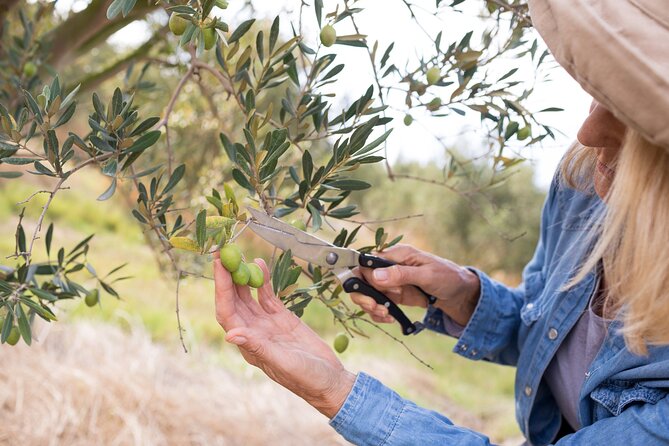
The first stop is in Skalani, at an olive mill and olive grove. This is a smart opening because it gives you a practical introduction to one of Crete’s central foods before the wine and raki begin.
You’ll tour the mill and see how olives become oil. The process also includes the use of olive parts that many visitors would otherwise ignore, including the pits. That small detail helps explain how olive production can be more than a simple press-and-bottle operation.
The visit includes an olive oil tasting paired with breakfast. This is not just a quick sip from a tasting cup. Pairing the oil with food lets you notice how it works at the table, where texture, pepperiness, and fruitiness matter more than a label on a bottle.
I’d pay attention to the guide’s explanation of production methods here. Olive oil can look simple, but freshness, handling, and processing all affect what reaches your plate. You can also use this stop to settle into the day before the tastings become more substantial.
The main limitation is timing. The olive mill visit lasts about an hour, so you will get an introduction rather than an extended agricultural workshop. Still, it is enough time to see the operation, taste the oil, and understand why olive oil is such a basic part of Cretan cooking.
Meleses: wine made from Cretan grapes
From the olive mill, the day moves to Meleses for a family-run winery. The winery uses organic cultivation and focuses only on Cretan grape varieties, which gives this stop a clear local identity.
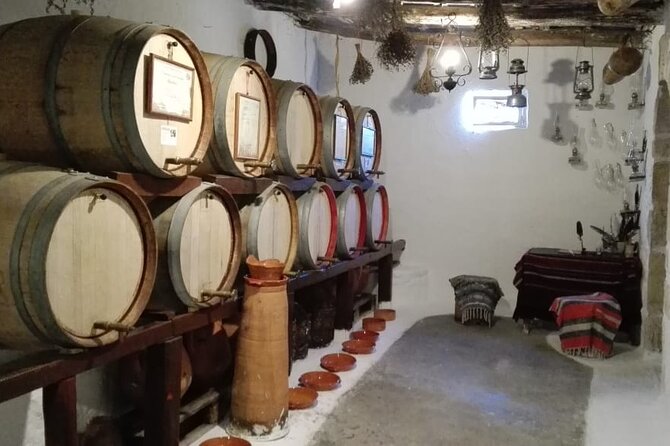
You’ll tour the vineyard, see where the grapes are produced, and visit the wine cellar. The five-wine tasting gives you more range than a single sample, and the setting under the shade, looking across vineyards and olive groves, provides a welcome pause after the morning’s first visit.
The family-business setting is important. You are not simply visiting a large commercial tasting room with a polished script. You get a closer look at a producer built around local grapes and regional methods. The family owners are described as two brothers, and another winery connection on the day involves sisters, adding a strong personal element to the wine stops.
One particularly nice touch is the chance to fill and cork your own bottle of wine. It turns a tasting into a small keepsake, and you can save the bottle for a special occasion. This kind of activity is more memorable than simply buying a bottle from a shelf.
The wine stop lasts about an hour. That is enough for the cellar tour and five wines, but it is not a slow afternoon wine course. If you want a detailed discussion of every grape and vintage, you may find the visit brief. If you want local wine, a pleasant setting, and a personal introduction to Cretan production, the timing works well.
Remember that the alcohol builds across the day. Eat the breakfast provided, drink water, and treat the tastings as samples rather than a contest. The tour includes bottled water, and using it is a very good idea.
Stironas: raki, lunch, and the day’s main stop
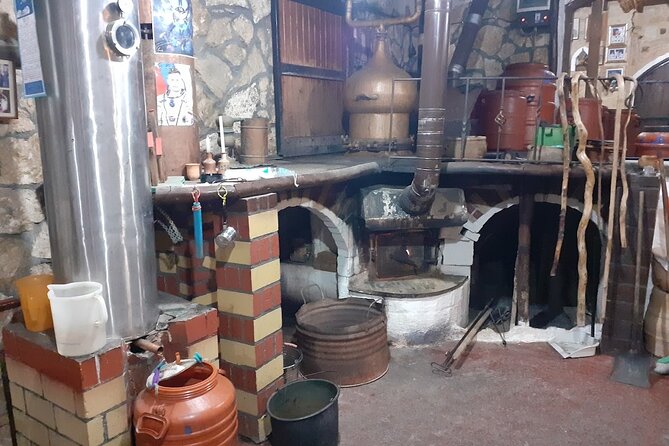
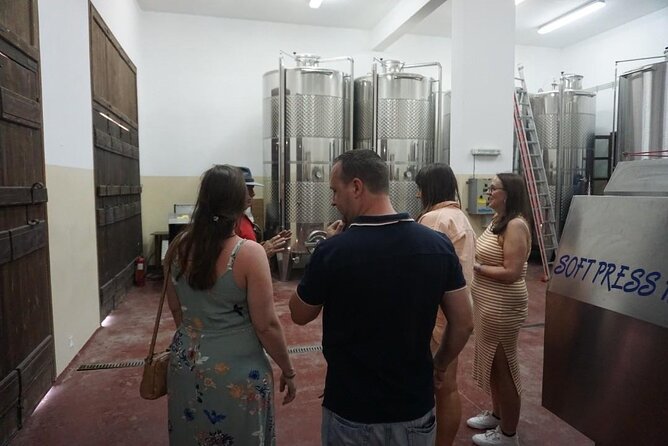
Stironas is the longest visit, lasting about two hours, and it is where the food-and-drink theme comes together most clearly. You’ll tour the surrounding area of the raki distillery, go inside, and see how raki is distilled.
Raki, also called tsikoudia in many parts of Greece, is a strong local spirit made through distillation. Here, the process is shown rather than simply described. You’ll see the equipment and learn how the spirit is produced before visiting the cellar for wine and raki tasting.
This stop has more room for conversation than the earlier visits. The distillery is traditional, and lunch is served there. Expect this to be the most social part of the day, with local food, wine, and raki at the same table.
The food is a major part of the value. Lunch is included, and the meal turns the distillery from a production site into a place where you can sit, eat, and take your time. One account of the day describes the lunch as a highlight, especially because it felt like a local meal rather than a quick stop designed only to keep the tour moving.
The raki tasting deserves a practical warning. Raki is stronger than wine, and it may be poured alongside food and further wine tasting. One person found the amount of raki a little heavy. You can enjoy the experience without finishing every pour, and it is sensible to tell your guide if you want to take it slowly.
This two-hour stop also gives you a chance to compare the drinks. Wine reflects the grape and cellar. Raki offers a sharper, stronger expression of the same agricultural culture. The contrast helps make the visit more than a series of unrelated tastings.
Same vines, another glass to try:
- Santorini: Top Sights Day Trip, Wine Tasting, & Oia Sunset
★ 4.6 · 2,492 reviews - Santorini Wine Adventure with 12 Wine Tastings, Tapas and Sunset
★ 5.0 · 1,715 reviews - Tour and Wine Tasting in Mykonian Land
★ 5.0 · 1,357 reviews - Santorini Wine Stories: Sunset Tour with Tasting & Dinner
★ 5.0 · 1,285 reviews
Thrapsano: pottery from the Minoan tradition
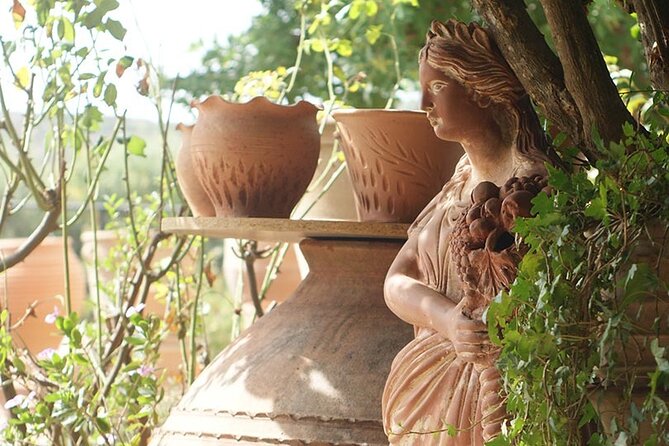
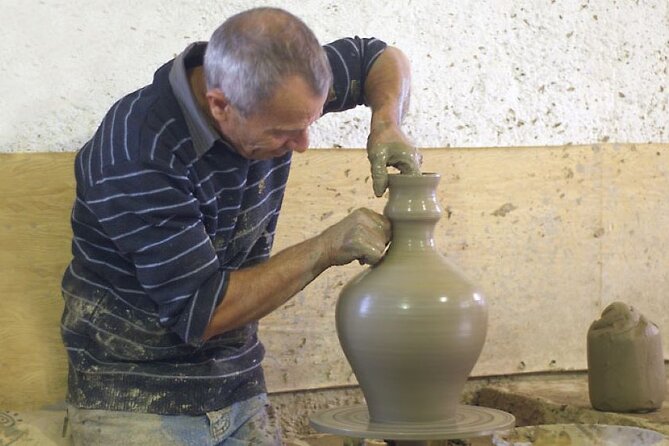
The final stop is in Thrapsano, a village known for pottery. The craft tradition reaches back to the Minoan era, giving the visit a different focus after several hours of food and drink.
At the pottery workshop, you’ll see how pieces are made and may have the chance to try it yourself. That hands-on option is useful if you enjoy craft activities or want a change of pace. It also shows another side of village life, one based on making objects rather than producing food.
This stop is optional, and it is not available on Sundays. That detail matters when you are planning your day. If pottery is one of the reasons you are interested, check the operating day before booking.
The workshop visit lasts about an hour. You should think of it as a demonstration with a chance to try the craft, not a full pottery class. The value is in seeing the process and connecting Thrapsano to a long local tradition.
For some people, pottery will be the day’s most memorable activity. It breaks up the tastings and gives you something physical to do. For others, it may feel less essential after the olive mill, winery, and distillery. The optional format lets the tour keep a varied program without making pottery the central reason to book.
What the $145.18 price includes
At $145.18 per person, this is not the cheapest way to spend a day in Crete. It is also not just a guided drive. The price includes an air-conditioned vehicle, pickup service, bottled water, breakfast with olive oil tasting, lunch, winery admission and tasting, olive mill admission and tasting, and distillery admission and tasting.
The five wines and raki are included for adults aged 18 and over. Since the tour connects several separate producers, the transport alone has real value. You avoid arranging a designated driver, finding each rural stop, and working out how to fit four visits into one day.
The small group improves the value further. A maximum of eight people gives the outing a more personal feel than a large coach tour. You are paying for access to several places, but also for a guide who can manage the timing and explain how the stops fit together.
The price makes the most sense if you want a full day built around local food and drink. If you only want a winery visit, you can likely find a narrower experience for less. If you want olive oil, wine, raki, lunch, pottery, and transport in one outing, the package is easier to justify.
Personal expenses are not included. Bring a little extra money if you want to buy wine, olive oil, raki, or pottery directly from the producers. The tour itself covers the core food, drinks, and visits, but purchases are separate.
Timing, pickup, and group comfort
The scheduled start is 9:30 a.m., and the complete outing takes roughly six to seven hours. That leaves enough time for the four stops without making the day feel like a rushed checklist.
Pickup is offered, but the exact meeting arrangement should be confirmed when you book. The tour is available in English, and confirmation is provided at booking. Service animals are allowed, and the experience is near public transportation.
Most people can take part, but you should be comfortable with a full day of moving between stops, standing during tours, and sitting through several tastings and a meal. Since the tour includes alcohol, anyone avoiding wine or raki should consider that much of the day’s focus is built around tasting.
The tour is listed as requiring good weather. If poor weather cancels the outing, you can receive a different date or a full refund. The same applies if the minimum number of participants is not reached. For a full refund after a change of plans, cancel at least 24 hours before the start time. Changes or cancellations inside that window are not accepted.
Who will enjoy this tour most
I’d recommend this for you if you want to understand Crete through its everyday products rather than through major sights alone. It suits food lovers, wine drinkers, couples, small groups of friends, and anyone who prefers family-run places to large commercial attractions.
It is also a strong choice for cruise passengers. The tour can pick you up from a cruise ship and return you without trouble, according to the experience details, though you should still confirm the timing carefully against your ship’s schedule.
The tour is less suitable if you dislike alcohol, want a slow single-subject wine day, or prefer to spend most of your time at archaeological sites. It is active in a modest way, with several stops and some walking, but its main focus is tasting and conversation.
The group size makes it particularly appealing for solo visitors and couples who do not want to be absorbed into a large bus tour. You’ll have more opportunity to speak with the guide and ask about the products in front of you.
Should you book Cretan Wines and Olive Oil Tour?
Book it if you want a well-rounded day of Cretan food, drink, and village crafts. The combination is the main strength: olive oil in Skalani, organic Cretan wine in Meleses, raki and lunch in Stironas, then pottery in Thrapsano.
I especially like the personal scale, the included meals, and the chance to fill and cork your own wine bottle. Just pace yourself with the tastings, check the pottery schedule if you are visiting on a Sunday, and remember that personal purchases cost extra.
If you are looking for a broad, social introduction to rural Crete, this is a strong choice. If you want a quiet winery visit with little alcohol or a tightly focused cultural tour, choose something narrower.
FAQ
What time does the tour start?
The tour starts at 9:30 a.m.
How long does the experience last?
The tour lasts approximately six to seven hours.
How many people can join the tour?
The maximum group size is eight travelers.
Is lunch included?
Yes. Lunch at the traditional raki distillery is included, along with breakfast paired with olive oil tasting.
Are wine and raki included?
Yes. The experience includes wine and raki tastings for adults aged 18 and over. The winery tasting includes five wines.
Is the pottery workshop available every day?
No. The pottery stop is optional and is not available on Sundays.
Freshly poured around Greece
- Private Group Visit to Akrotiri & 3 Wineries with Tastings★ 4.2 · 42 reviews
- Paros: Wine tasting at Local Winery★ 4.9 · 91 reviews
- Paros: Sunset Boat Trip with Soft Drinks and Local Wine★ 4.9 · 31 reviews
- Paros: Greek Cooking Class with Meal and Wine★ 5.0 · 27 reviews
- Naxos: Naxos Town Food Tour with Tastings and Wine★ 4.9 · 266 reviews
- Naxos: Wine and Mythology Sunset Tour★ 4.8 · 99 reviews
- Mykonos: Wine Tasting at a Mykonian Farm★ 4.6 · 79 reviews
- Mykonos: Cooking Class with Food and Wine★ 4.9 · 282 reviews
Crete Wine Tours, side by side.
From Chania: Olive Oil, Wine, Cheese & Honey Tasting Tour
Read our review →
From Chania: Wine and Olive Oil Tasting Tour with Snacks
Read our review →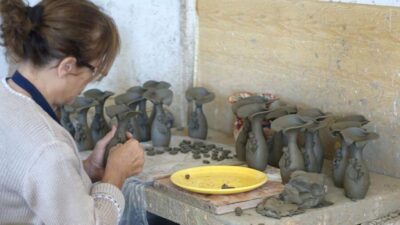
Crete: Full-Day Cretan Wines, Olive Oil, Raki and Food Tour
Read our review →
Heraklion: Cretan Wine Tasting Tour & Gourmet Lunch
Read our review →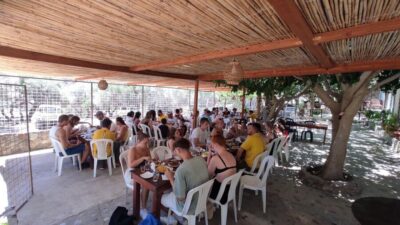
Crete: Trypiti Beach Off-Road South Tour w/ Lunch & Wine
Read our review →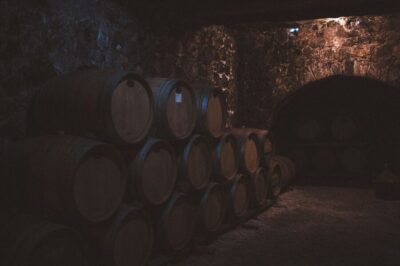
Rethymno: Private Winery & Olive Oil Tasting Tour with Lunch
Read our review →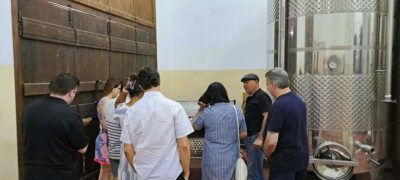
Crete: Knossos Palace, Winery & Olive Oil Tour with Lunch
Read our review →
Crete: Traditional Dance Show and Buffet Dinner with Wine
Read our review →Lists this tasting sits in