
Review · BILBAO
Unique Spanish Wine Tasting with Sommelier – In Bilbao
Bilbao is a fine place to learn Spanish wine because the tasting connects two very different local styles: crisp Basque Txakoli and the fuller reds of Rioja Alavesa. You’ll sample five wines, usually including cava, two whites, and two reds, while a sommelier explains grapes, aging, geography, and the Spanish classification system.
I like the friendly, small-group setting and the way Irene makes wine approachable even if you are new to tastings. I also like the location, with the wine bar facing the red La Salve Bridge and the Guggenheim. The main consideration is that 90 minutes goes quickly, so this is an introduction rather than a full day among vineyards.
Key points at a glance
- Five wines in one sitting: Expect a sparkling cava, white wines, and reds, with the exact bottles selected by the sommelier.
- A clear introduction to Txakoli: Learn how this fresh Basque wine is made and why it tastes so different from Rioja.
- Local food pairings: Cheese and charcuterie accompany the pours, with dietary restrictions requiring advance notice.
- English-language guidance: Sommelier Irene leads the tasting in a warm, relaxed way that suits beginners.
- A useful Bilbao setting: The wine bar is at Plaza de la Salve, 6, near the Guggenheim, La Salve Bridge, a wine shop, and a larger bar.
- Good value at $53: You get five wines, food pairings, and a structured lesson without committing to a full vineyard excursion.
Why Bilbao is a smart place to study Spanish wine
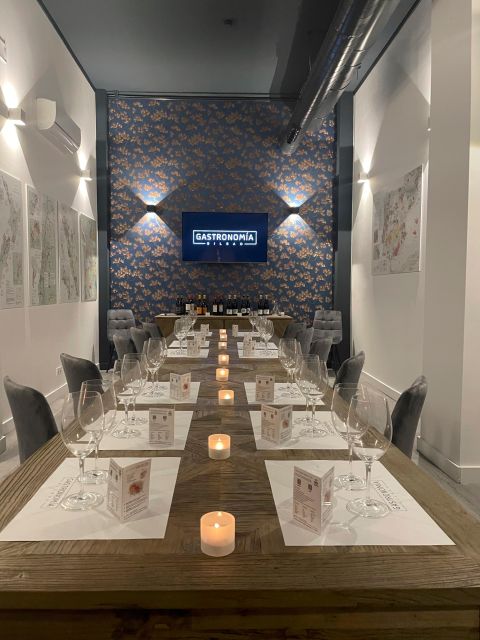
Many visitors arrive in Bilbao focused on the Guggenheim, pintxos, and the coast. Wine gives you another way to understand the Basque Country. The region’s famous Txakoli is not simply a local version of ordinary white wine. It is part of the area’s food culture, climate, and drinking traditions.
This tasting also sets Txakoli beside wines from Rioja Alavesa, the Basque section of the wider Rioja wine area. The contrast is useful. A bright white and a more substantial red show how grape type, weather, soil, and cellar work can change what ends up in your glass.
I like tastings that explain the reason behind a wine instead of asking you to memorize tasting words. Here, you learn how geography and weather affect acidity, alcohol, and body. That gives you a practical way to judge wine later, at a Bilbao restaurant or in a shop.
You also receive an introduction to Spain’s wine classification and aging requirements. That matters because labels can be confusing at first. Terms linked to age and production method tell you something about how a wine was handled before it reached the bottle, though the sommelier’s explanation is what makes the system easier to use.
More Wine Tastings in Spain
- Montserrat & Cogwheel Train, Gourmet Wine Tasting & Tapas/Lunch
★ 5.0 · 6,290 reviews - Madrid Tapas & Wine Tasting Walking Tour – Small Group Local Bars
★ 5.0 · 3,644 reviews - Toledo Tour & Vineyard Walk with Wine Tasting from Madrid
★ 5.0 · 2,546 reviews
Entering the wine room near La Salve Bridge
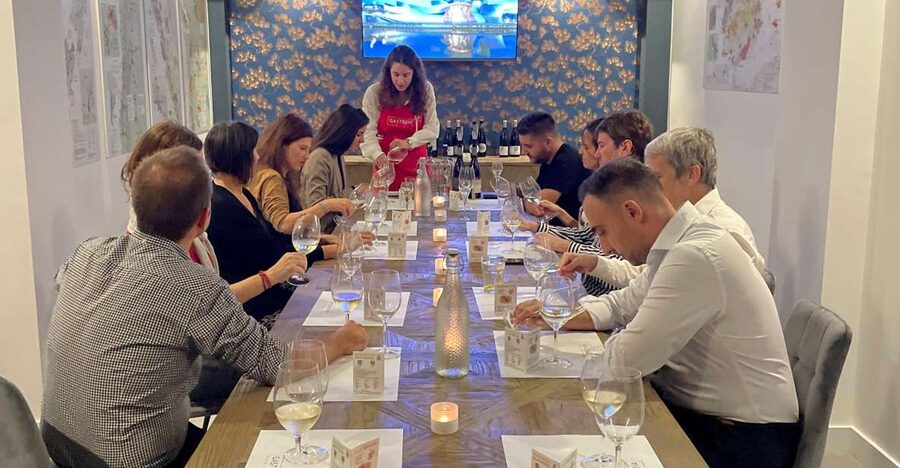
The meeting point is Plaza de la Salve, 6, in front of the red La Salve Bridge. The setting is one of the strongest parts of the experience. You can walk there along the river and arrive with views toward the Guggenheim Museum.
Use the address in Google Maps rather than relying only on the activity name. The bar is part of a larger venue with a wine shop and wine bar, and the tasting takes place in a room devoted to wine. That makes this easy to combine with a day around the Guggenheim or a walk along the river.
I would schedule the tasting after sightseeing rather than before an early museum visit. The session lasts 1.5 hours, and the nearby bar gives you the option of staying for another drink afterward. You may also want to look through the wine shop before leaving, especially if the lesson helps you identify a bottle to enjoy later.
This is not a countryside winery visit. You will not be driven through vineyards or tour a cellar. The trade-off is convenience: you get a focused lesson in central Bilbao without giving up half a day to transport.
The opening pours: cava and white wines
The tasting generally moves through five wines, beginning with a sparkling cava, followed by white wines and then reds. The precise bottles may vary, but the sequence makes sense. Starting with something lively clears the palate and lets the sommelier introduce the basic mechanics of tasting without making the experience feel formal.
Cava also gives you a useful reminder that Spanish sparkling wine has its own identity. It is not just a substitute for Champagne. The sommelier can place it within Spain’s wine culture and explain how it fits with food and celebrations.
The white wines are where Basque wine becomes the star. Txakoli is one of the clearest local connections you will make during the session. It is generally associated with freshness and acidity, and the tasting explains the production process and traditions behind it.
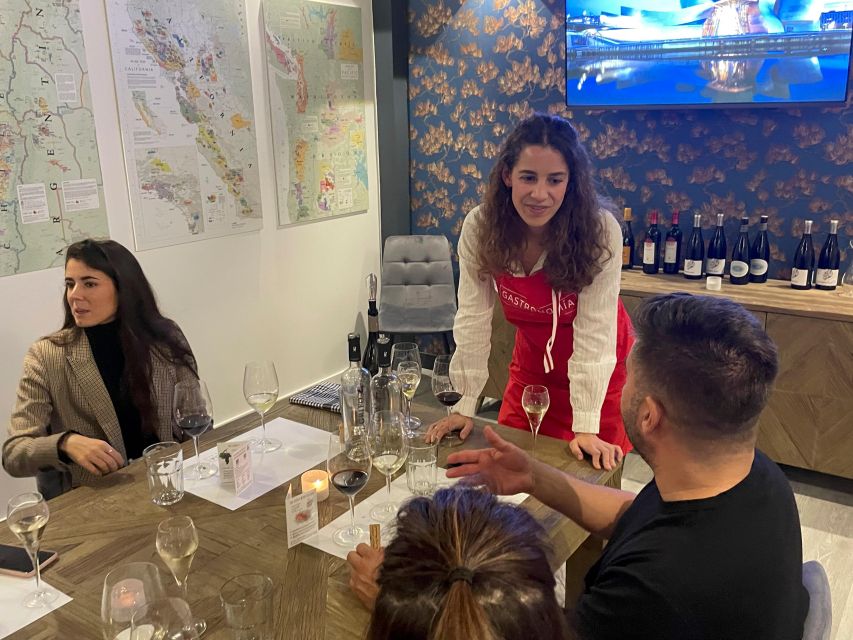
You do not need to know how to swirl a glass or identify every aroma. Irene’s teaching style, as described by the experience, is friendly and easy to follow. She guides you through the wines without making beginners feel tested.
That is important. A wine tasting can become uncomfortable when the host treats every glass like an exam. Here, the point is to give you useful context and help you notice differences for yourself. If you already know Spanish wine, you may appreciate the regional focus and the chance to ask more detailed questions.
Comparing Rioja Alavesa with Basque whites
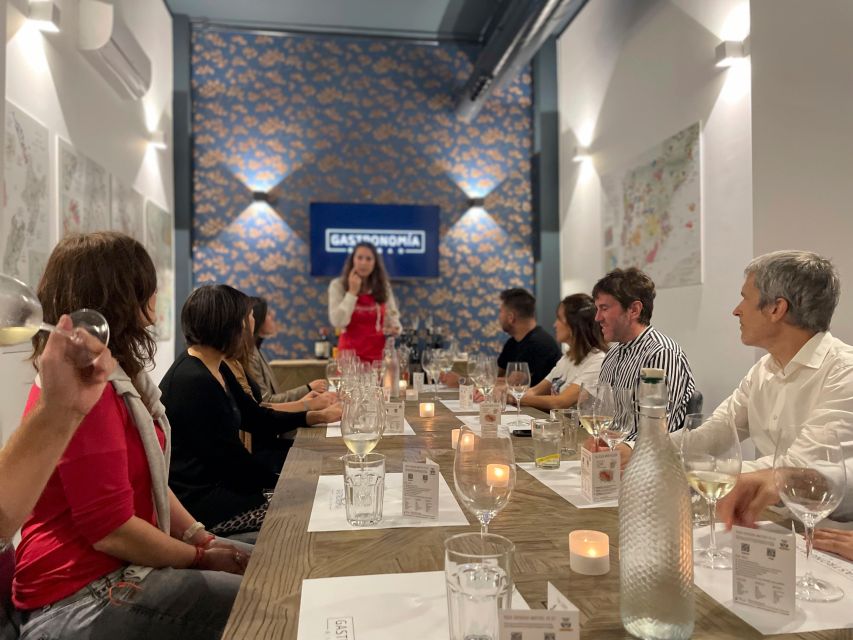
The red wines create the clearest contrast with Txakoli. Rioja Alavesa is known for red wine production, and its bottles offer a chance to discuss structure, aging, and the influence of the surrounding region.
The session does not promise a full education in every Spanish wine area. That is a good thing for a 90-minute tasting. Instead, it uses a manageable group of five wines to show how Spain can move from light, sharp whites to deeper reds.
I find this kind of comparison more useful than tasting five wines that all taste alike. You can think about acidity in the whites, then notice how the reds change the sense of body and weight. The sommelier also explains how weather and place affect the finished wine.
The aging discussion is especially helpful if you plan to buy Rioja during your trip. Spanish labels often carry information that is more meaningful once you understand the rules behind it. You may not leave able to identify every classification, but you should have a better idea of why two bottles from the same broad area can differ in price and style.
The lesson also gives you a better basis for ordering. Instead of saying only that you want red or white, you can describe a preference for something lighter, fresher, fuller, or more aged.
More Sommelier-Led Tastings in Spain:
- Wine Tasting Experience with a Professional Sommelier in Valencia City Center
★ 5.0 · 244 reviews - Private Wine Tour with Wine Expert to Stellenbosch-Franschhoek Wine Regions
★ 5.0 · 693 reviews - Paris: French Wine Tasting Class with Sommelier
★ 4.8 · 550 reviews - Porto: Douro Valley Wine Tour with a Sommelier & Boat Trip
★ 5.0 · 463 reviews
Cheese and charcuterie make the lesson practical
Each wine comes with local nibbles, including cheeses and charcuterie. These are not an afterthought. Food shows you how a wine behaves at the table, which is far more useful than tasting it alone.
The pairings include local cheeses and sausages, and one especially memorable match mentioned in the experience is Gouda. The food also helps keep the tasting comfortable, particularly if you are sampling several wines in a short period.
I like that the pairings make the session feel connected to Basque eating habits rather than turning it into a lecture. Wine in Spain is usually part of a meal, a snack, or a social stop. Cheese and cured meats bring that everyday context into the room.
If you have dietary restrictions involving cheese, provide advance notice. The available information specifically asks you to do this, so do not wait until you arrive and expect every pairing to be changed on the spot.
The portions are described as generous enough to make the tasting feel worthwhile, but this is still a wine-and-nibbles experience, not a full lunch or dinner. Plan another meal if you arrive hungry.
Irene’s relaxed approach suits beginners
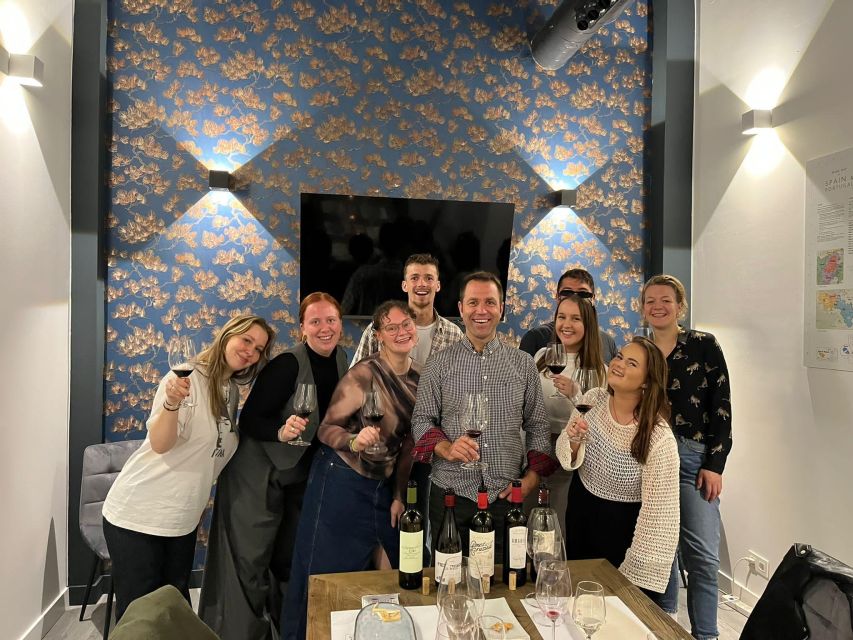
Sommelier Irene is the central reason this works well for first-time tasters. She explains the wines, grapes, production methods, local customs, and historical background in English. The tone is friendly rather than stiff.
That makes a real difference. You can ask a basic question without feeling out of place, and you can still get useful information if you already have experience with wine. The small-group format also makes it easier to participate instead of sitting quietly while one person gives a long speech.
The tasting is led in English, and the available information identifies Irene by that name. Her presentation is described as warm, informative, and engaging. If the guide changes, the activity still promises an English-speaking sommelier, but Irene is the host most closely associated with the experience.
I would recommend this especially to solo visitors and couples who want a social activity without signing up for a large bus tour. It also works well for a group of friends, though a large party may lose some of the intimate feel that makes the discussion useful.
Experienced wine drinkers should keep their expectations measured. This is not a specialist certification class or an advanced tasting of rare bottles. Its strength is the clear connection between Spanish wine basics and the wines of the Basque region.
What the $53 price really buys you
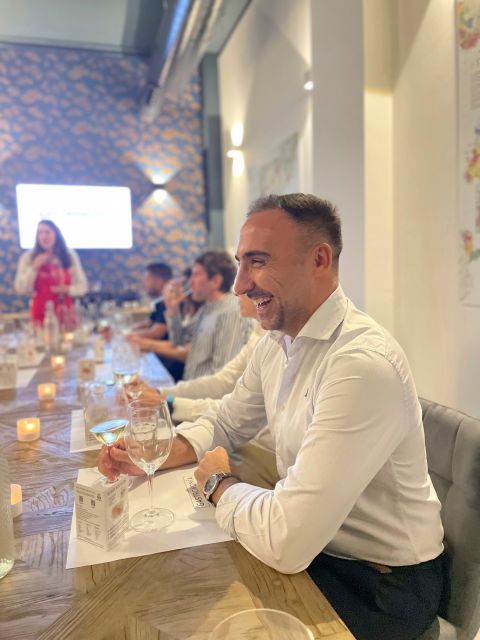
At $53 per person, the price is fair for Bilbao if you value instruction as much as the drinks. Five Spanish wines, five food pairings, a sommelier, and 90 minutes in a dedicated wine room add up to more than a casual glass at a bar.
The value is strongest for people who might otherwise order wine by guesswork during a short city break. The tasting gives you a vocabulary and some regional context, which can improve the rest of your trip. You may leave with a better idea of what to choose at dinner or what to take home from the wine shop.
It is less attractive if you want a full vineyard outing, a large meal, or several hours of cellar visits. The price covers a compact urban tasting, not transportation to Rioja or a day in the countryside.
I also like the flexibility. You can reserve now and pay later, and cancellation is allowed up to 24 hours before the experience for a full refund. Check the available starting times when booking, since the activity does not list one fixed daily schedule.
Who should book this Bilbao tasting?
Book it if you want a pleasant introduction to Basque wine without leaving the city. It is particularly useful early in your stay, because the lesson can guide your later choices at restaurants and shops.
It is also a good pick if you are nervous about formal wine tastings. Irene’s style is designed for participation, and you do not need previous experience. The small-group setting keeps the pace personal and gives you room to ask questions.
Food-focused visitors will appreciate the cheese and charcuterie, while museum fans will like the location near the Guggenheim. You can build the tasting into a walk along the river rather than arranging a separate trip outside Bilbao.
You might skip it if you already have a full winery tour planned and want to spend your limited time on vineyards. You might also prefer another activity if you do not drink wine or need extensive dietary substitutions, since the food pairings focus on cheese and charcuterie.
Practical tips before you go
Walk to Plaza de la Salve, 6 along the river if you can. The route gives you a pleasant approach and places you directly by the red bridge and Guggenheim views.
Arrive ready to listen as well as taste. The point is not just to drink five wines. You will get more from the session if you pay attention to the differences between cava, Txakoli, and Rioja Alavesa, then ask how those differences connect to place and production.
Tell the operator about cheese-related dietary restrictions in advance. The experience does not provide a separate guarantee for every diet, so early notice is the practical move.
Give yourself room in the schedule afterward. The bar and wine shop are part of the same venue, and staying for another drink is possible according to the activity details. You may want time to revisit a wine you liked or buy a bottle while the explanation is still fresh.
Should you book it?
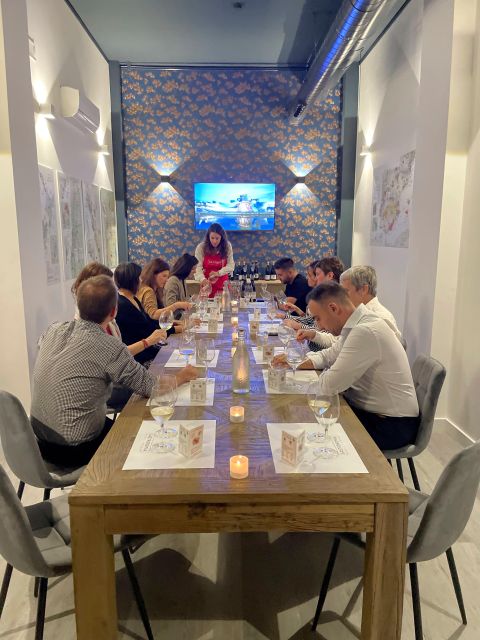
I would book this tasting if you want local context, a relaxed guide, and five well-matched wines in a convenient Bilbao location. Irene’s friendly teaching, the focus on Txakoli and Rioja Alavesa, and the Guggenheim views make it more useful than a generic wine flight.
For $53, it offers a solid balance of food, drink, and instruction. Just remember what it is: a focused 90-minute introduction, not a vineyard excursion. If that suits your plans, it is an easy and worthwhile addition to a Bilbao visit.
FAQ
How long does the Bilbao wine tasting last?
The tasting lasts 1.5 hours, or 90 minutes.
How many wines are included?
Five Spanish wines are included. The tasting features cava, white wine, and red wine, with one described selection consisting of one sparkling wine, two whites, and two reds.
Is the tasting conducted in English?
Yes. The tasting is led in English by a sommelier.
Who leads the wine tasting?
The tasting is led by a sommelier, with Irene identified as the host associated with the experience.
Where does the tasting take place?
The meeting point is Plaza de la Salve, 6, in Bilbao, in front of the red La Salve Bridge and near the Guggenheim Museum.
Are food pairings included?
Yes. Five Spanish wines are paired with local nibbles, including cheeses and charcuterie. You should provide advance notice about any dietary restrictions involving cheese.
Can I cancel the booking?
Yes. You can cancel up to 24 hours in advance for a full refund. You can also reserve now and pay later.
Freshly poured around Spain
- Private Bandama Caldera Volcano, Botanic Garden & Old Town★ 4.5 · 53 reviews
- Malaga: PREMIUM TAPAS TOUR Paella, Tapas, Winery & Flamenco★ 4.6 · 82 reviews
- Premium Tour: Winery 7 Tastings + Guadalest Castle | Small group★ 5.0 · 40 reviews
- PREMIUM TAPAS TOUR: Paella, Market Tastings, and Winery★ 4.7 · 27 reviews
- Pottery Workshop and Wine – Barcelona★ 4.7 · 138 reviews
- Picasso Museum and Walking Tour Plus Wine Tasting Upgrade★ 4.3 · 111 reviews
- Mallorca: Premium Wine Experience, Tasting and Fine Foods★ 4.8 · 79 reviews
- Palma Tour with Wine and Tapas Tasting★ 3.9 · 52 reviews
Bilbao Wine Tours, side by side.
Bilbao: Gaztelugatxe, Bermeo, Mundaka, Gernika, & Wine Tour
Read our review →
The Award-Winning Bilbao Food Tour & Wine Pairing by Basque Local
Read our review →
Bilbao: Basque Food Tour and Wine Tasting with Guide
Read our review →
The Authentic Bilbao Pintxos, Food & Wine Tour with a Local
Read our review →
Bilbao: Exclusive Food & Wine Tasting Tour with Local Guide
Read our review →
From Bilbao: La Rioja Wineries Day Trip with Wine Tastings
Read our review →
From Bilbao: Rioja Wine Region with Winery & Vitoria-Gasteiz
Read our review →Lists this tasting sits in