
Review · PORTO
Porto: The Wine Experience, Best Wine Museum in the World
The Wine Experience at Porto’s WOW complex turns winemaking into a clear, hands-on story. You follow the grape from soil and vine to bottle and glass, then finish with three tastings: red, white, and Port. I like the way the museum explains both wine science and Portuguese culture without assuming you already know your tannins from your terroir.
I also like the interactive displays, short films, aroma stations, and regional coverage, which give the visit more life than a wall of labels. The tasting with guides such as João and Audrianna adds a useful human touch. The one drawback is timing: the advertised 90 minutes can stretch to two or even two and a half hours if you read everything, and the museum entrance can be confusing inside the larger WOW complex.
Key points to know before you go
- Follow the full wine-making process: See how soil, climate, grape varieties, fermentation, bottling, and cork all affect the final drink.
- Taste three Portuguese wines: The included tasting covers one red, one white, and one Port, with a non-alcoholic alternative available.
- Explore Portugal by wine region: Learn about Vinho Verde, the Douro, Alentejo, the Azores, and Madeira.
- Use the interactive exhibits: Short films, visual displays, aroma samples, and hands-on elements keep the visit moving.
- Allow extra time: Ninety minutes is possible, but two hours or more gives you room to read and experiment.
- Good for mixed groups: The museum works for serious wine fans, beginners, families, and visitors using wheelchairs.
Wine from grape to glass at WOW
The Wine Experience sits at The World of Wine, known as WOW, in Porto’s Norte Region. This is not a small tasting room attached to a shop. It is a full museum devoted to how wine is grown, made, stored, sold, and enjoyed.
The central idea is simple: wine begins long before the bottle appears on a restaurant table. The exhibits start with the conditions that shape grapes, then move through harvesting, fermentation, aging, bottling, and tasting. That sequence helps you understand why two wines made from different grapes or grown in different regions can taste so different.
I find this approach useful because it gives beginners a framework. Instead of memorizing a list of Portuguese wine names, you learn to connect taste with place, grape, climate, and production method. If you already know wine, you can spend more time on the details of viticulture and Port production.
The museum also deals with wine as a cultural product. Portugal is not presented as a single wine country with one style. Its regions differ greatly in climate, soil, grapes, and traditions. That makes the visit a helpful introduction before you visit a Douro quinta, a Port lodge, or a wine bar in Porto.
More wine museums around Porto:
- Porto: Cálem Cellar Tour, Interactive Museum & Wine Tasting
★ 4.5 · 4,113 reviews - Tenerife: Wine Museum Ticket with Local Wines & Food Tasting
★ 4.5 · 393 reviews - Aÿ-Champagne: Pressoria Champagne Museum with Tasting
★ 4.7 · 239 reviews
Soil, climate, and the first stages of production
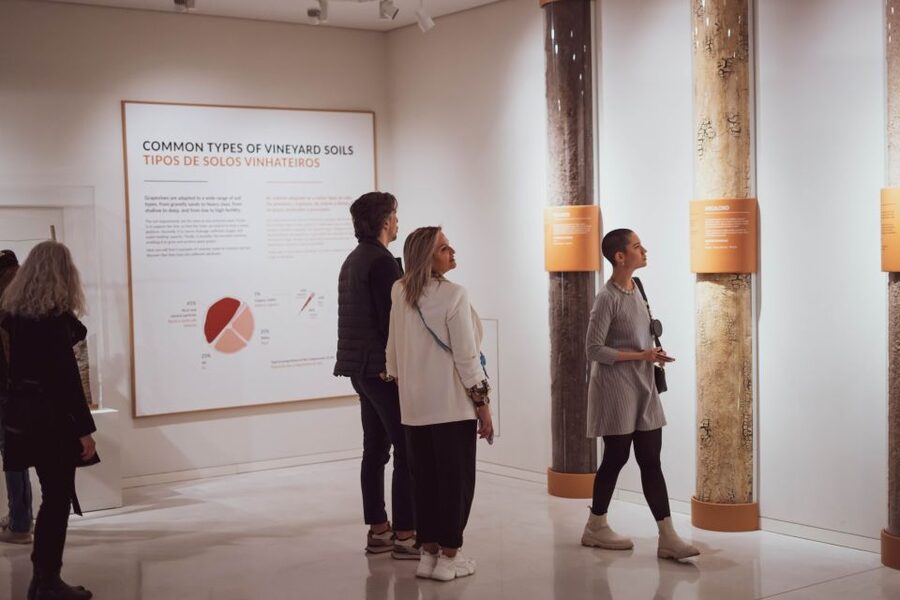
The first part focuses on the beginning of the process. You learn how soil and climate affect the vines, then see why grape variety and geography matter. These may sound like basic topics, but they explain much of what you later taste.
The displays guide you from the vine’s roots through the growth of the grapes. That connection between underground conditions and the finished wine is one of the museum’s strongest teaching points. You are not simply told that a region produces a certain style. You are shown some of the reasons.
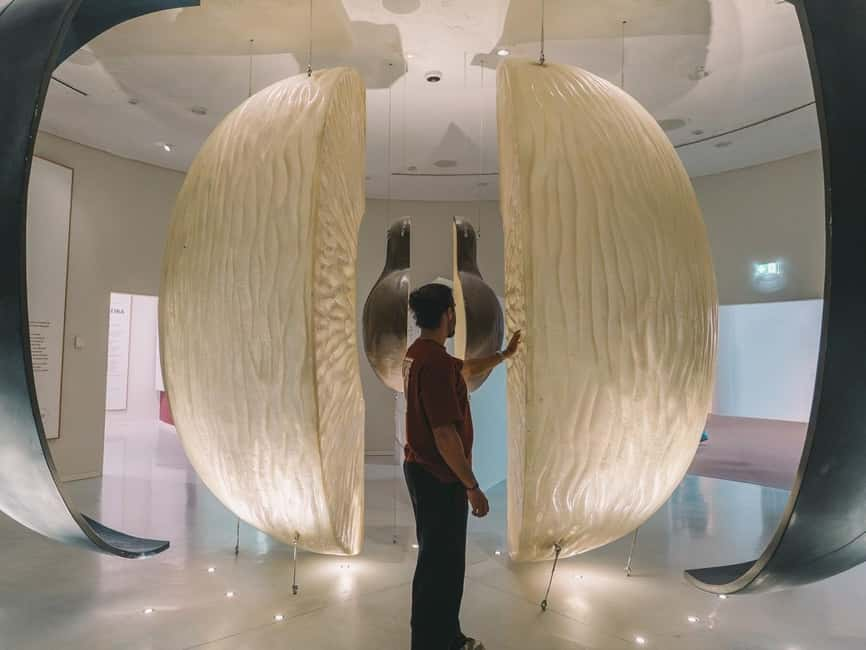
Visual props and interactive material make this section accessible. Short explanatory films break up the reading, while touch-screen and sensory elements give you another way to absorb the information. The museum has been designed for different levels of interest, so you can skim the panels or stop and study the details.
I especially like that the experience includes viticulture, not just the more glamorous stages of fermentation and tasting. Many wine attractions focus on barrels, bottles, and samples. Here, the grape-growing stage receives proper attention, including the role of soil and regional conditions.
From fermentation to cork and bottle
The next sections follow the grape after harvest. You see how it changes through fermentation and production, with the displays explaining the steps that lead to the finished wine.
The museum uses videos, diagrams, and physical displays to show how traditional methods still influence modern winemaking. This is helpful because wine production can seem mysterious when you encounter only the final bottle. Here, the process is broken into manageable stages.
You can also learn about bottling and cork, topics that are easy to ignore but important to the finished product. The visit makes clear that winemaking is not one action. It is a chain of choices, from the first vine growth to the container used for storage and serving.
This section is likely to appeal even if you are more interested in production than drinking. The exhibits do not depend entirely on the tasting at the end. You can spend a good portion of the visit learning how wine is made, then treat the sample session as the practical final chapter.
Portugal’s wine regions in one museum visit
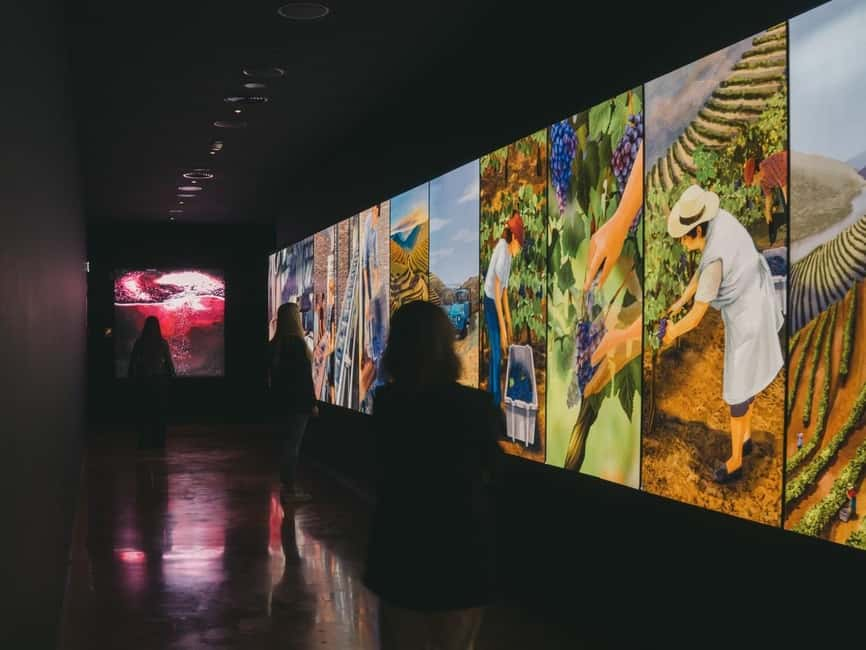
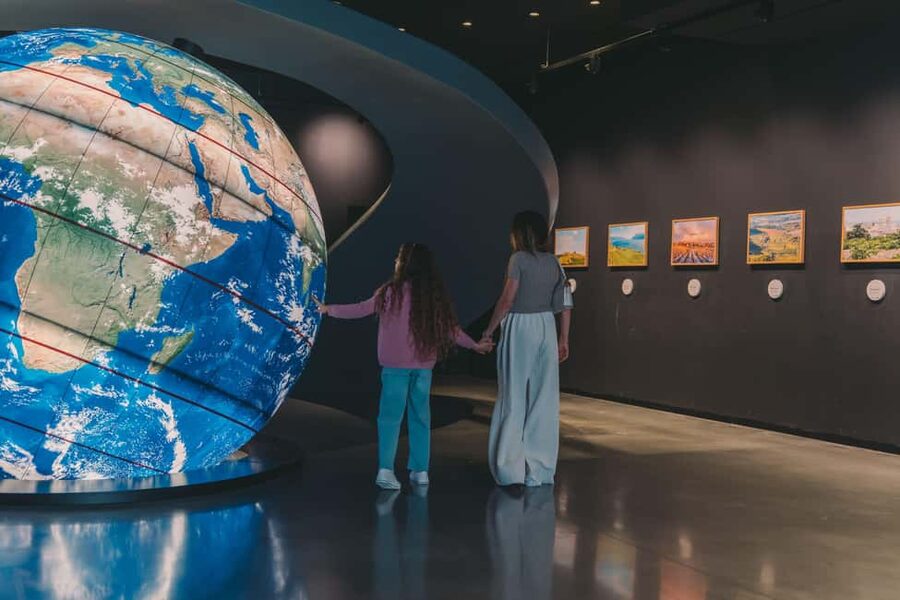
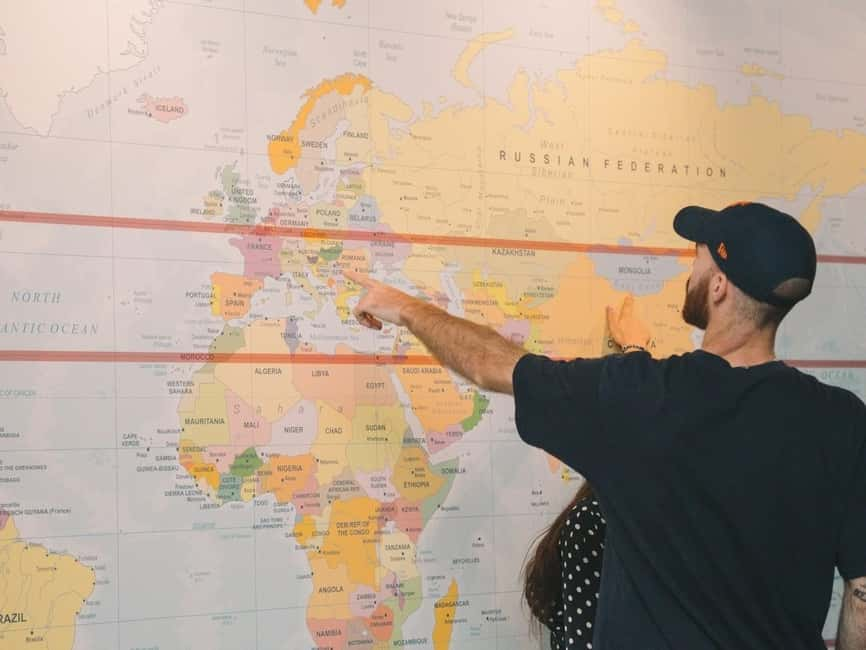
The museum’s regional section is especially valuable for anyone planning to explore more of Portugal. It covers the cool, green hills associated with Vinho Verde, the terraced vineyards of the Douro Valley, the warmer Alentejo, and the volcanic settings of the Azores and Madeira.
The Douro deserves special attention. Its steep terraces and Port tradition are central to the wine culture around Porto, and the museum helps put that tradition into context. You can see how geography shapes the work of growing grapes and why the Douro has such a distinct identity.
Vinho Verde offers a useful contrast. Its climate and regional character differ from the Douro, so tasting and learning about both gives you a quick lesson in Portugal’s range. Alentejo adds another point of comparison, while the Azores and Madeira show how island conditions can produce very different wines.
I like this regional spread because it keeps the visit from becoming Porto-only. You leave with a clearer idea of what to look for on menus and in shops elsewhere in Portugal. If you are visiting Madeira, the Azores, or the Douro later in your trip, this museum can give you helpful background before you arrive.
More wine tours around Porto:
- From Porto: Douro Valley w/ Boat Tour, Wine Tasting & Lunch
★ 4.7 · 19,061 reviews - Complete Douro Valley Wine Tour with Lunch, Wine Tastings and River Cruise
★ 5.0 · 12,920 reviews - Porto: Douro Valley with Winery Lunch, Tastings & Cruise
★ 4.7 · 7,002 reviews - Porto: Live Fado Show with Glass of Port Wine
★ 4.8 · 6,498 reviews
Interactive exhibits that keep the visit moving
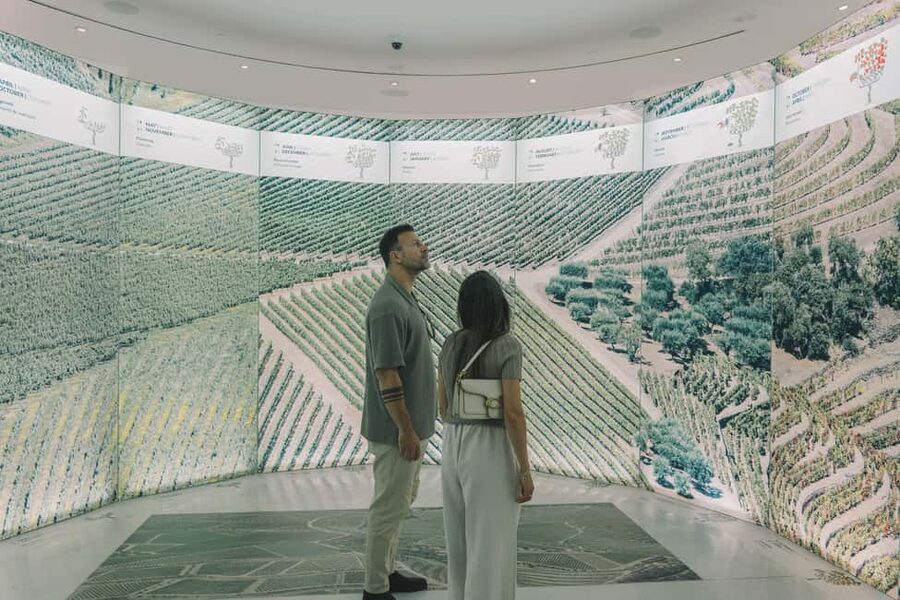
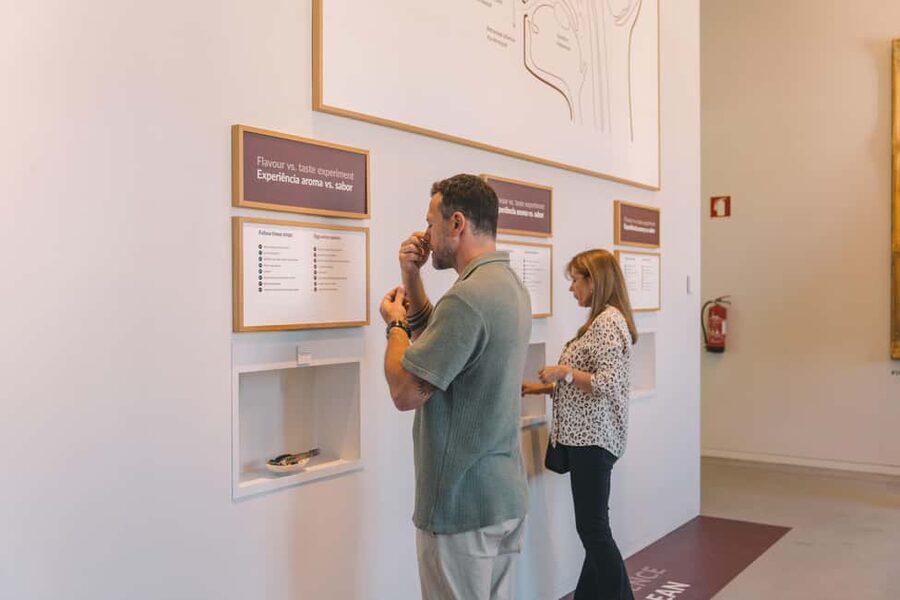
The Wine Experience is modern and visual. It uses short films, information panels, interactive features, and aroma displays rather than relying only on traditional museum text.
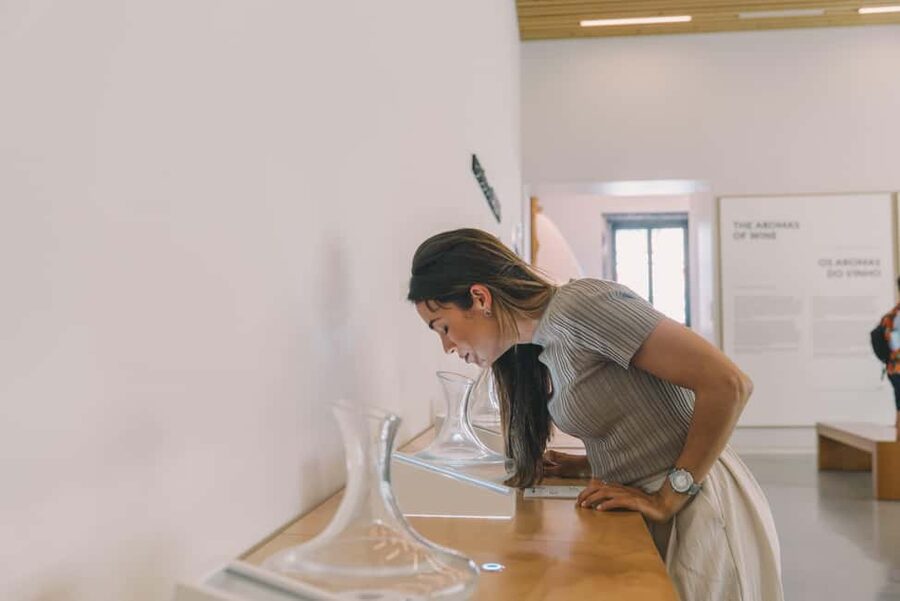
The aroma section gives you a chance to think about the smells associated with wine. That can be useful if you feel uncertain about tasting language. You do not need to describe a wine like a professional. The displays help you notice basic characteristics and find words for what you already sense.
The interactive approach also suits families and mixed-age groups. A 14-year-old can enjoy the visual and hands-on features even without drinking the wine. Adults can focus on the production details, regional information, or tasting technique.
You should still expect some reading. The museum contains plenty of information, and visitors who stop at every panel may need much longer than 90 minutes. That is not a flaw, but it affects your schedule. I would plan for at least 90 minutes and keep two hours available if you want to take your time.
The three-wine tasting at the end
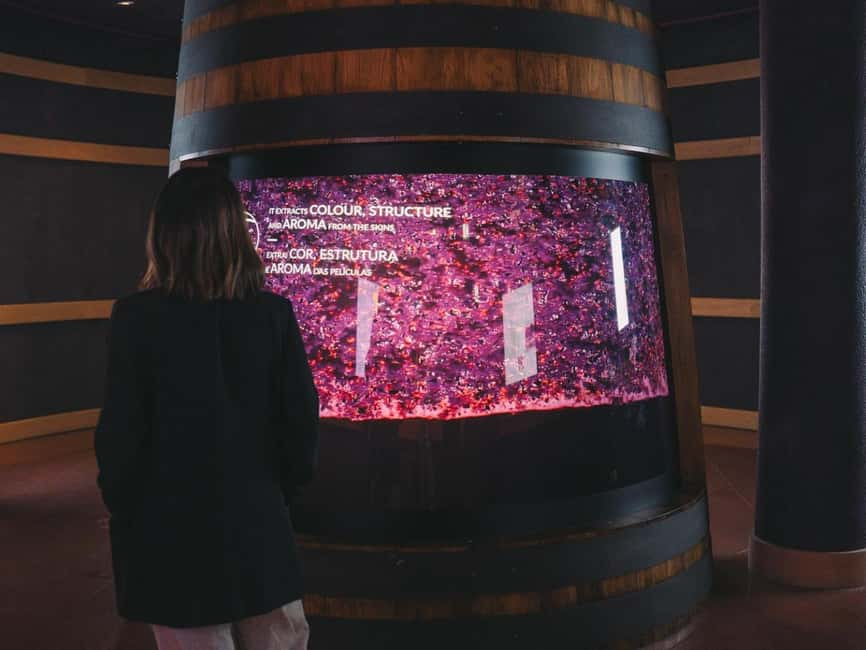
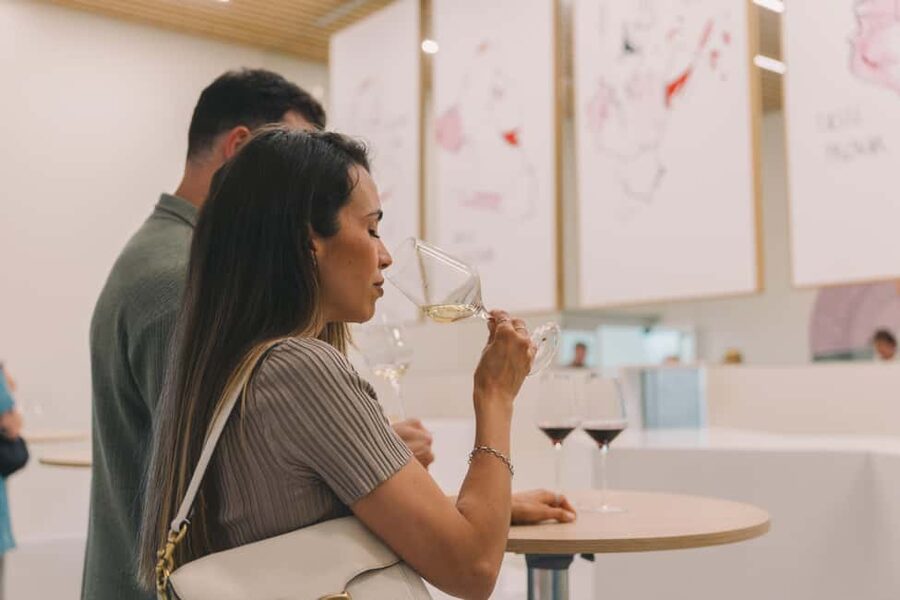
The tasting is included in the ticket and normally consists of a red wine, a white wine, and a Port. A non-alcoholic alternative is also available.
This is not meant to be a lavish professional tasting. The main value is the explanation. A wine expert shows you how to taste, identify basic characteristics, and talk about your preferences with more confidence. That makes the tasting useful even if you have very little experience.
Guides can make a real difference here. João receives particular praise in the supplied feedback, and Audrianna is also singled out for explaining the process clearly. Staff are described as welcoming and well informed, though staffing levels can vary by season.
The tasting gives the museum’s earlier sections a practical finish. You have just learned about grapes, regions, and production. Now you can apply some of that information to the glass in front of you. Try to notice the differences between the red and white, then consider what makes Port distinct.
At the same time, keep your expectations sensible. One rating describes the wines as fairly simple, which is a reasonable point. For $29, the tasting adds good value, but this is not a substitute for a specialist Port tasting or a full wine flight at a premium cellar.
How long to stay and how to plan your visit
The stated duration is 90 minutes, but actual visits can take longer. Some people move through in about two hours, while others spend roughly two and a half hours reading, using the interactive displays, and tasting at the end.
Your pace will depend on your interest. If you want the broad story, 90 minutes may be enough. If you enjoy museum text, production details, and sensory activities, plan extra time.
The museum is open daily from 10:00 AM until 7:00 PM, with last entry at 7:00 PM. You can use your ticket at any time on the selected date during opening hours. Bank holiday hours may change, so check the official website before setting your schedule.
One practical warning: WOW contains several museums, shops, restaurants, and outdoor areas. Give yourself a few extra minutes to locate The Wine Experience. Clearer signs would make arrival easier, especially if you are trying to catch the final tasting of the day.
The larger complex is worth knowing about when planning your day. You might want to combine this museum with another WOW attraction, a meal, or time outside on the plaza. One useful detail from the visit information is that the complex has scenic outdoor spaces and river views, and the rooftop terrace offers reasonably priced drinks.
Is the $29 ticket good value?
At $29 per person, the ticket is not the cheapest museum admission in Porto. Its value depends on how much of the experience you use.
If you rush through in an hour and care only about drinking wine, you may find the price less appealing. The included samples are educational and pleasant, but they are not the main reason to book.
If you spend two hours with the exhibits, use the interactive stations, study the regional displays, and take part in the guided tasting, the price looks more reasonable. You are paying for a substantial museum visit plus three samples and an audio guide in English, Spanish, Portuguese, French, German, or Korean.
The ticket also compares well with a simple Port lodge visit if you want broader coverage. A lodge usually focuses on Port and its own production story. The Wine Experience covers Portugal’s wine regions and the full path from grape to glass.
Free cancellation up to 24 hours in advance and reserve-now, pay-later booking add flexibility. These policies matter if your Porto schedule is still changing, though the key value remains the museum content rather than the booking terms.
Accessibility and who will enjoy it most
The Wine Experience is wheelchair accessible, with lifts available in the museum. One note from the practical information is that some shops may not offer the same access, so keep that in mind if you plan to explore the wider complex.
I would recommend this experience to first-time wine learners, couples, families, and anyone who wants context before visiting the Douro Valley or a Port cellar. It also works well on a hot day because it offers a substantial indoor activity.
Wine enthusiasts may enjoy the production detail and regional coverage, but they should treat the tasting as an introduction rather than a specialist session. The museum is designed to teach a broad audience, not to replace an advanced tasting course.
It is also a good choice for a mixed group. One person can focus on Portuguese wine, another on the science of production, and younger visitors can use the interactive displays without needing to drink.
Should you book The Wine Experience?
I would book it if you want more than a quick Port sample and would enjoy understanding what is in your glass. The strongest parts are the clear grape-to-bottle sequence, the coverage of Portugal’s varied wine regions, and the tasting lesson at the end.
Book extra time if you like museums or tend to read every display. Arrive before the final entry period so you do not get rushed through the exhibits and miss the tasting.
You may skip it if your Porto schedule is packed with cellar visits and you want only a serious wine tasting. For most visitors, though, the $29 ticket offers a useful mix of education, sensory activities, and Portuguese culture, especially when you allow two hours rather than treating the advertised 90 minutes as a strict limit.
FAQ
Where is The Wine Experience located?
It is located at The World of Wine, known as WOW, in Porto’s Norte Region of Portugal.
How much does The Wine Experience cost?
The listed price is $29 per person.
How long does the visit take?
The stated duration is 90 minutes, but you may spend two to two and a half hours if you take time with the displays and tasting.
What wines are included in the tasting?
The tasting includes one red wine, one white wine, and one Port. A non-alcoholic alternative is available.
What languages are available for the audio guide?
The audio guide is available in English, Spanish, Portuguese, French, German, and Korean.
What are the opening hours?
The museum is open daily from 10:00 AM until 7:00 PM, with last entry at 7:00 PM. Hours may vary on bank holidays.
Is the museum wheelchair accessible?
Yes. The museum is wheelchair accessible, and lifts are available. Some shops in the wider complex may have different access arrangements.
Freshly poured around Porto
- Porto Wine Tasting Experience with Portuguese Tapas Plate★ 4.7 · 356 reviews
- Porto: Taylor’s Port Cellar Tour & WOW The Wine Experience★ 4.5 · 136 reviews
- Porto: Tile Painting Workshop with Tea and Port Wine★ 4.9 · 66 reviews
- Porto: Sunset Walking Tour with Port Wine and Views★ 4.6 · 95 reviews
- Porto: Self-Guided Bike and Boat Tour with Port Wine Tasting★ 4.7 · 52 reviews
- Porto: Douro River Boat Tour with Wine Tasting★ 4.9 · 167 reviews
- Porto: Private Yacht Tour with Wine, Snacks & 6 Bridges★ 5.0 · 515 reviews
- Porto: Douro River Cruise w/ Portuguese Wines & Local Host★ 4.9 · 166 reviews
Porto Wine Tours, side by side.
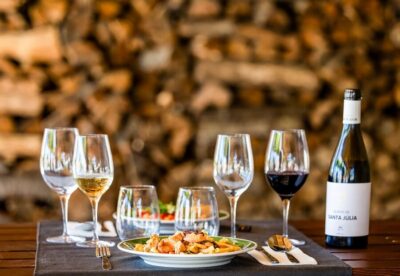
From Porto: Douro Valley w/ Boat Tour, Wine Tasting & Lunch
Read our review →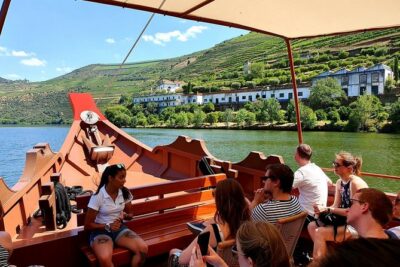
Complete Douro Valley Wine Tour with Lunch, Wine Tastings and River Cruise
Read our review →
Porto: Douro Valley with Winery Lunch, Tastings & Cruise
Read our review →
Porto: Live Fado Show with Glass of Port Wine
Read our review →
From Porto: 2 Wine Regions, Farm-to-Table Lunch & Boat
Read our review →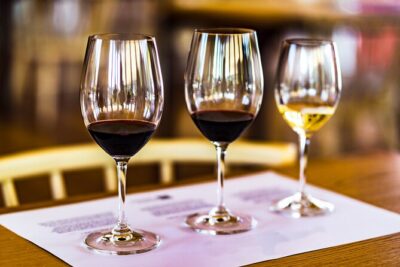
Douro Valley: Historical Sites, Wine Experience, Lunch & Cruise
Read our review →
Authentic Small Group Douro Wine Tour with Lunch & River Cruise
Read our review →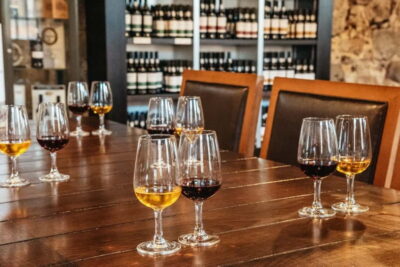
Porto: Bridges Cruise & Sunset & Port Wine Cellar Option
Read our review →Lists this tasting sits in